The best cycling routes in Riserva Naturale Alto Merse
4.4
(306)
2,942
riders
148
rides
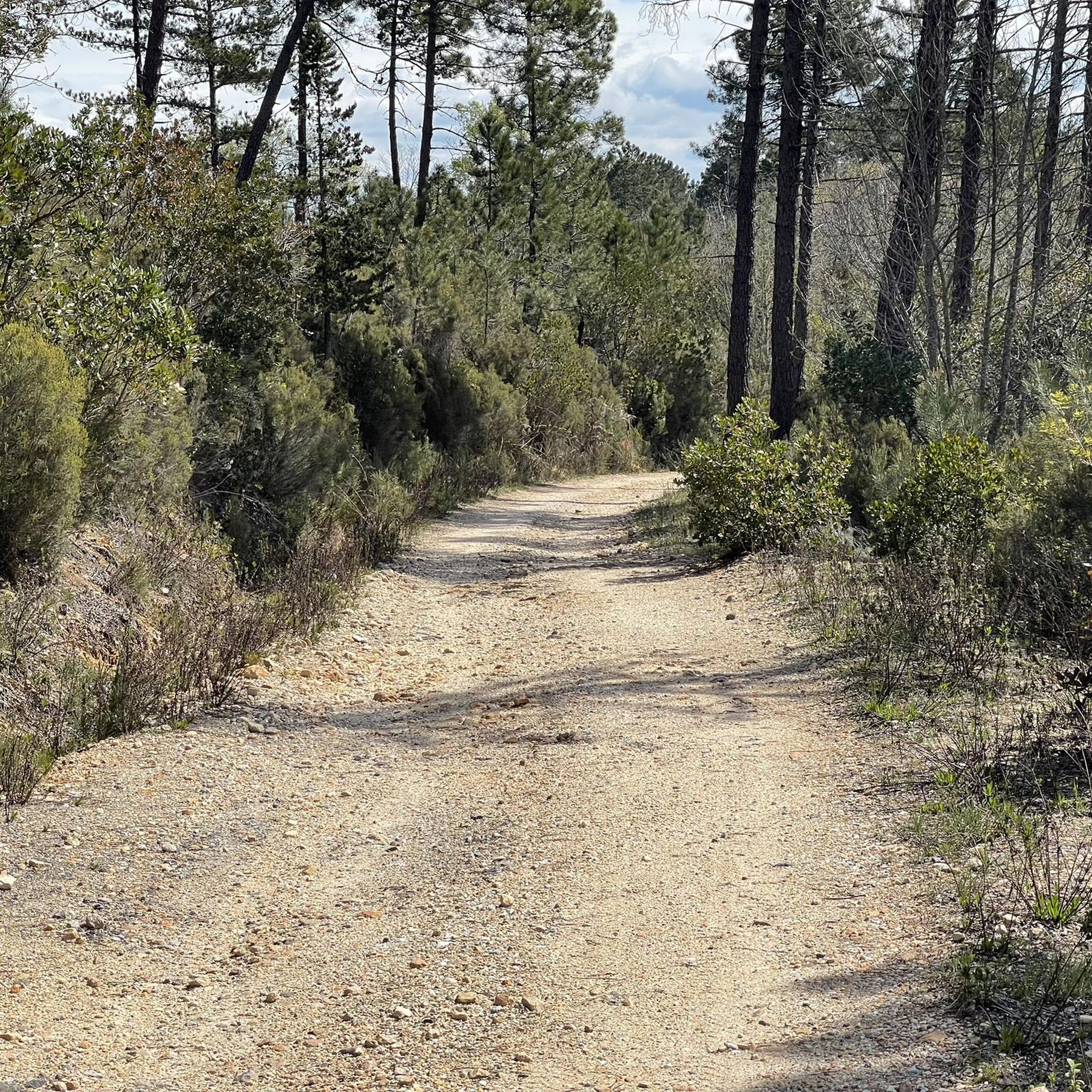
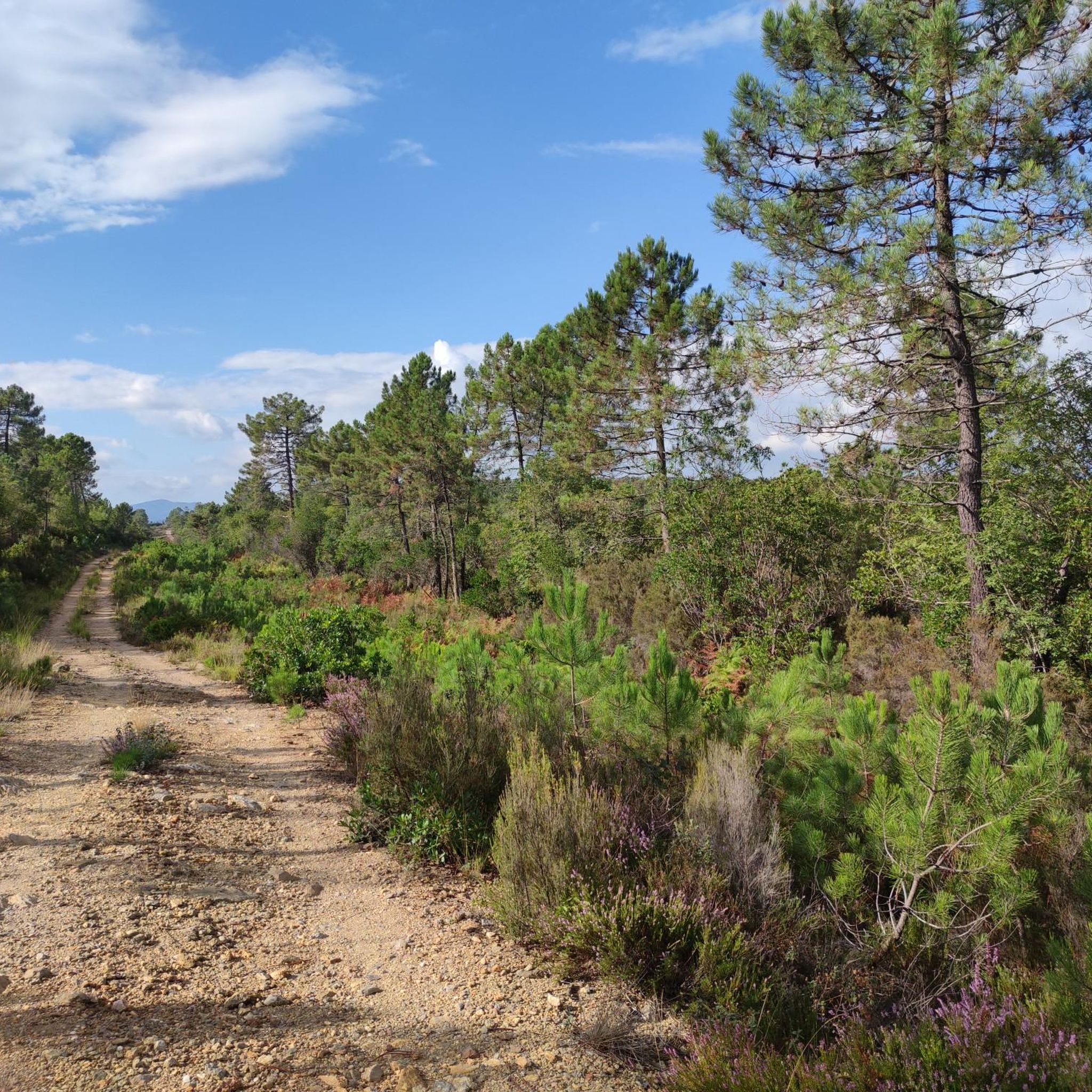
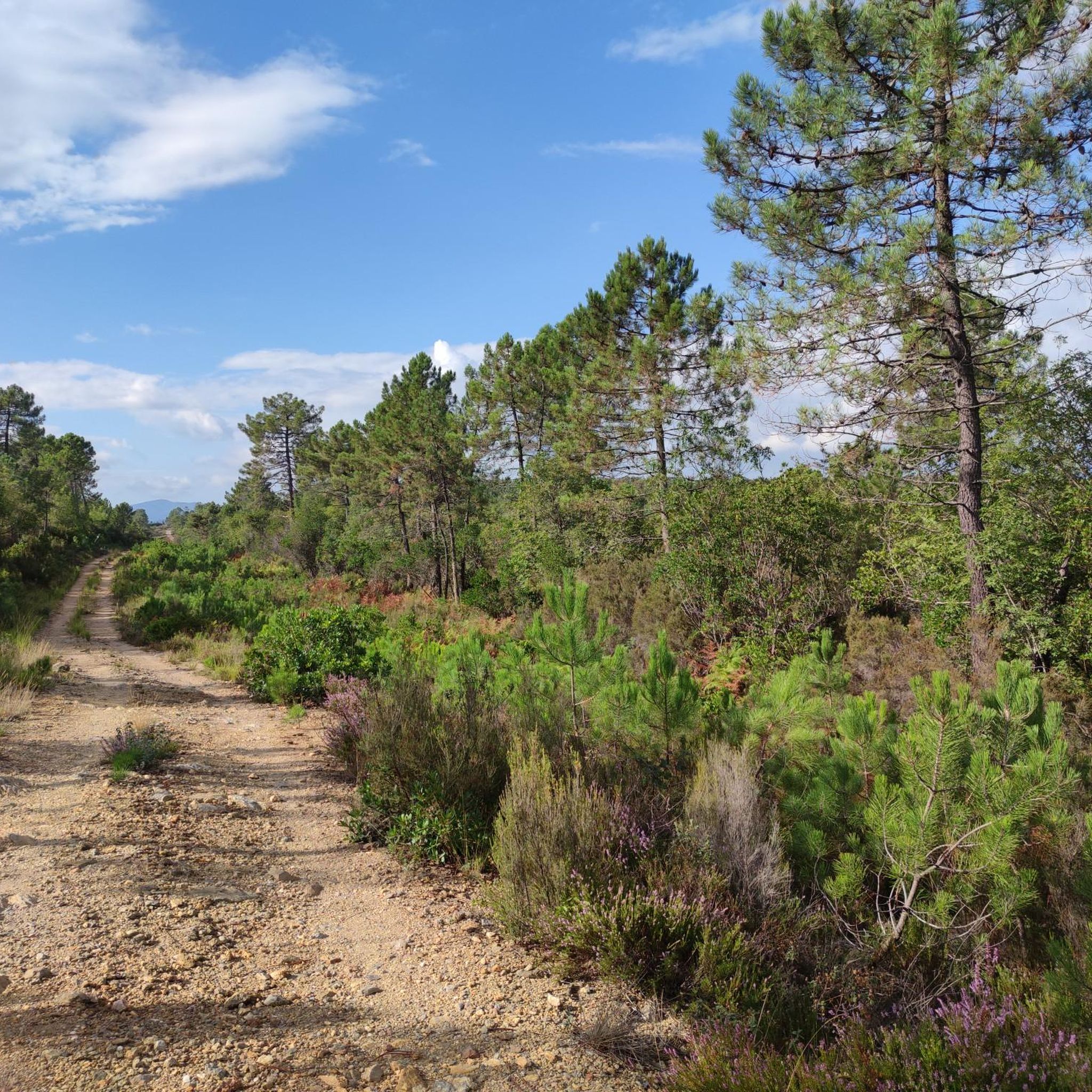
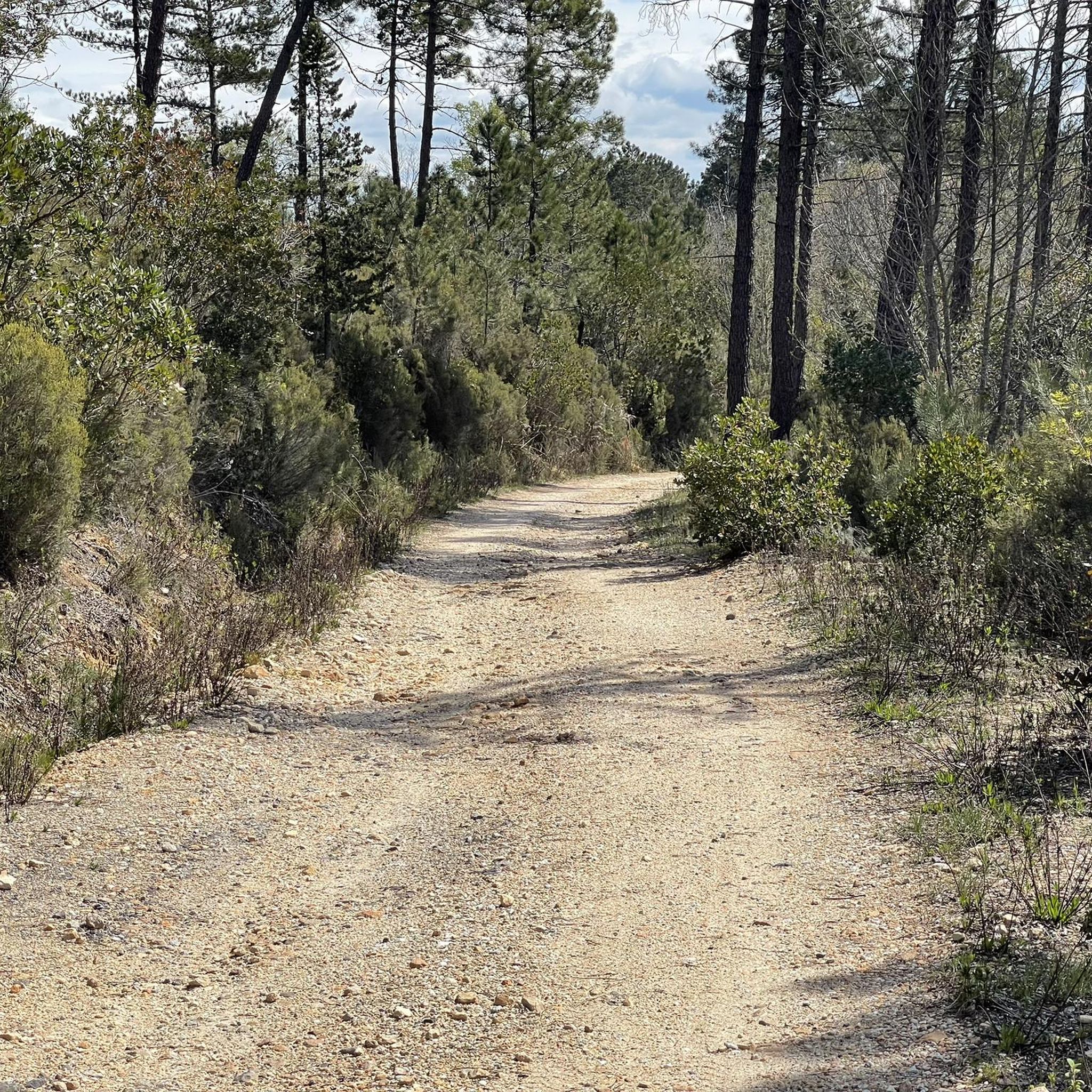
Touring cycling in Riserva Naturale Alto Merse, located southwest of Siena in Tuscany, offers diverse landscapes for cyclists. The region is characterized by expansive forests of oak, chestnut, and turkey oak, interspersed with crystal-clear streams including the Merse River and its tributaries. Routes often traverse varied terrain, combining paved secondary roads with dirt sections, and feature rolling hills and moderate elevation changes. This natural reserve also incorporates historical and cultural points of interest, such as medieval villages and ancient ruins.
…Last updated: July 8, 2026
4.5
(12)
60
riders
35.3km
02:17
450m
450m
Hard bike ride. Very good fitness required. Mostly paved surfaces. Suitable for all skill levels.
4.8
(6)
50
riders
48.3km
03:12
680m
680m
Hard bike ride. Very good fitness required. Mostly paved surfaces. Suitable for all skill levels.

Sign up for free
4.3
(7)
44
riders
31.1km
02:15
550m
550m
Hard bike ride. Very good fitness required. Mostly paved surfaces. Suitable for all skill levels.
5.0
(5)
43
riders
Hard bike ride. Very good fitness required. Mostly paved surfaces. Suitable for all skill levels.
4.8
(4)
32
riders
106km
06:52
1,300m
1,300m
Hard bike ride. Very good fitness required. Mostly paved surfaces. Suitable for all skill levels.
Get access to more routes and recommendations from other explorers.
Sign up for free
Already have an account?
Our route recommendations are based on thousands of hikes, rides, and runs completed by other people on komoot.
Start today with a free account
Your next adventure awaits.
Login or Signup

Tips from the Community

Chiusdino is a wonderful medieval village located in the Merse Valley among the Metalliferous Hills. Its origins date back to the Lombard domination of Tuscany between 568 and 569. The town still retains its medieval appearance and some sections of the double city walls. It is also possible to find medieval houses, including the alleged house of San Galgano (Galgano Guidotti), where the saint is believed to have been born around 1150.
0
0
Chiusdino is a wonderful medieval village located in the Merse Valley among the Metalliferous Hills. Its origins date back to the Lombard domination of Tuscany between 568 and 569. The town still retains its medieval appearance and some sections of the double city walls. It is also possible to find medieval houses, including the alleged house of San Galgano (Galgano Guidotti), where the saint is believed to have been born around 1150.
0
0
The Montesiepi Hermitage was built immediately after the saint's death, over the ancient hut where San Galgano lived during his last year (1181). The hermitage was consecrated in 1185 by the bishop of Volterra, Ildebrando Pannocchieschi. The small complex consists of the circular church interrupted only by the small apse, the chapel with frescoes by Lorenzetti, and the entrance porch. In the porch, look down to the left and look for an "original" medieval plaque that reminds the pilgrim... that he must die and that life is short. The original church was circular, then the entrance hall was added in 1200. The bell tower and Lorenzetti's chapel were added in the following century. The rectory dates back to the 18th century. The dome, constructed from alternating rows of white stones, is extremely elegant. Inside the Hermitage, in the center of the Rotonda, there is the famous Sword of San Galgano, stuck in the rock for over 800 years.
0
0

Built in the 13th century in Gothic style and dedicated to the saint from Chiusdino, today it is completely in ruins: only the walls remain standing, with the apse still in evidence, perfectly facing east, while on the upper part of the facade there are two pointed windows. The roof of the Abbey of San Galgano is no longer there today. The "official" version says that it deteriorated and then fell over the centuries, while an alternative version, according to some legend and according to others truth, states that it was originally made of lead, and was sold by Girolamo Vitelli in 1550. Whatever the truth behind the roof of the abbey, after some restoration attempts that went badly, at the end of the 18th century it was deconsecrated and left to the elements until the present day. The ruins of the Abbey of San Galgano, with its profile still intact and immersed in the Tuscan countryside, offer a truly incredible and particular view. In addition to the roof, the floor is also missing, which during the summer turns into a grassy blanket, while you can still see a transept with three naves and 4 chapels with cross vaults. Next to the Abbey of San Galgano there is the cloister, which was rebuilt at the beginning of the last century, using the original materials. Some accessory rooms are also very beautiful, which can also be visited with the entrance ticket to the abbey, including the chapter house, where the monks originally met to deliberate the main rules of the community, and the scriptorium, which was the place where the monks copied the manuscripts.
2
0

A great view of the surrounding mountains.
0
0

This church is dedicated to Saint Giusto, Bishop of Volterra, and his priest brother Clemente. According to legend, it would arise on the ruins of the Temple of Gianus, from which the name of the village derives, Monte di Giano, which later became Monticiano. The church was built in the early 1200s in Romanesque-Gothic style. The façade is made of limestone of various colors, with a portal crowned by a round arch. On the architrave of the portal is carved a braid pattern, as in the side door, which is decorated with a bull's head and a snake holding a lily in its mouth. These decorations come from the Romanesque and Lombard tradition and date back to the twelfth century. At the back of the church stands a sail bell tower from the sixteenth century.
0
0

great road with wonderful views and good asphalt
0
0

Nice pretty village with nearby camping site
0
0
Frequently Asked Questions
How many touring cycling routes are available in Riserva Naturale Alto Merse?
There are over 150 touring cycling routes in Riserva Naturale Alto Merse, offering a wide range of options for cyclists of all levels. The komoot community has explored more than 2,900 touring cycling tours in the area.
What kind of terrain can I expect on touring cycling routes in Riserva Naturale Alto Merse?
The routes in Riserva Naturale Alto Merse feature diverse landscapes, including expansive forests of oak, chestnut, and turkey oak, interspersed with crystal-clear streams like the Merse River and its tributaries. You can expect varied terrain, combining paved secondary roads with dirt sections, rolling hills, and moderate elevation changes. Some dirt sections are even part of famous professional races like the Strade Bianche.
Are there any easy touring cycling routes suitable for beginners or families?
Yes, Riserva Naturale Alto Merse offers routes suitable for various ability levels. While many routes present moderate to difficult challenges, there are 11 easy touring cycling routes available. These paths often lead through enchanting medieval villages and offer a more relaxed pace to enjoy the scenery.
What historical and natural attractions can I see along the touring cycling routes?
Cycling routes in Riserva Naturale Alto Merse often lead through charming medieval villages such as Chiusdino, Monticiano, Murlo, and Sovicille. You can also encounter significant historical sites like the Abbey of San Galgano, famous for its roofless architecture, and the Ponte della Pia. Natural highlights include the Merse River Trail and the Monticiano–Brenna Gravel Sector, showcasing the region's rich biodiversity.
Are there any circular touring cycling routes in the area?
Yes, many touring cycling routes in Riserva Naturale Alto Merse are designed as loops, allowing you to start and finish at the same point. Examples include the San Galgano – Montesiepi Hermitage loop from Hapimag Parkplatz P1, the Chiusdino Historic Center – San Galgano loop from Hapimag Parkplatz P1, and the Ponte della Pia – Sovicille Village Center loop from Hapimag Parkplatz P1.
What is the best time of year for touring cycling in Riserva Naturale Alto Merse?
The region is generally pleasant for cycling from spring through autumn. Spring offers lush greenery and comfortable temperatures, while autumn provides beautiful foliage. Summer can be warm, but the forested areas and river valleys offer some shade. It's always advisable to check local weather forecasts before heading out.
What wildlife might I encounter while cycling in Riserva Naturale Alto Merse?
The reserve is rich in biodiversity. You might spot various bird species, including three types of woodpeckers and birds of prey like the short-toed snake eagle. Mammals such as wildcats, martens, and skunks inhabit the forests. The clear streams are home to fish like the Arno goby, and rare amphibians like spectacled salamanders can be found, particularly near the La Gonna stream, which is notable for the Atlantic stream crayfish.
Where can I find parking for my touring bike in Riserva Naturale Alto Merse?
Many routes, such as the popular San Galgano – Montesiepi Hermitage loop and the Ponte della Pia – Sovicille Village Center loop, start from Hapimag Parkplatz P1, indicating available parking facilities at common trailheads. It's recommended to check the specific route details on komoot for designated parking areas.
Are there any long-distance touring cycling options in the region?
Yes, for those seeking a more extensive experience, the region is home to the "Grand Tour of the Val di Merse," a permanent, signposted cycling route stretching 173 km with an elevation gain of 3100 meters. There's also the "Gravel Grand Tour of the Val di Merse," offering 217 km with about 100 km of dirt road, encouraging slow tourism to discover the region's hidden gems. You can find more information about these longer routes on VisitTuscany.
What do other touring cyclists enjoy most about cycling in Riserva Naturale Alto Merse?
The area is highly rated by the komoot community, with an average score of 4.4 stars from over 300 reviews. Reviewers often praise the diverse landscapes, the combination of paved and dirt roads, and the opportunity to explore historical sites and charming medieval villages like Chiusdino and Sovicille. The natural beauty of the forests and river valleys is also frequently highlighted.
Can I find routes that are more challenging for experienced touring cyclists?
Absolutely. Out of the 153 touring cycling routes, 103 are classified as difficult, offering significant challenges for experienced riders. These routes often feature greater elevation gains and more demanding terrain, including sections used in professional races. An example is the Pia Bridge – San Galgano loop from Hapimag Parkplatz P1, which covers nearly 50 km with considerable elevation.
Most popular routes in Riserva Naturale Alto Merse
Most popular attractions in Riserva Naturale Alto Merse

Get inspired with the komoot mobile app


Explore more
Browse the best Cycling routes in other regions.
