The best walks and hikes in Riserva Naturale Alto Merse
4.4
(801)
2,892
hikers
217
hikes
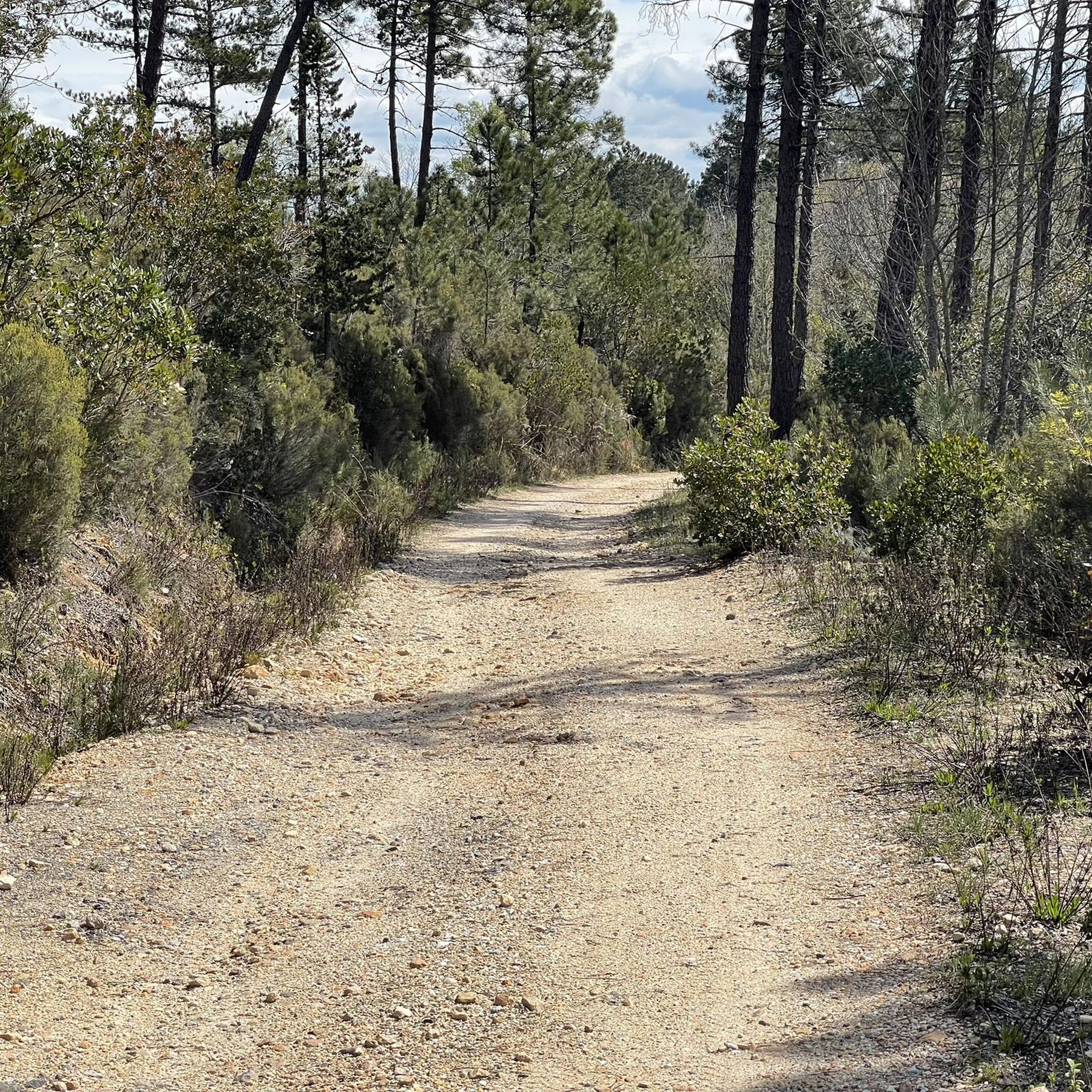
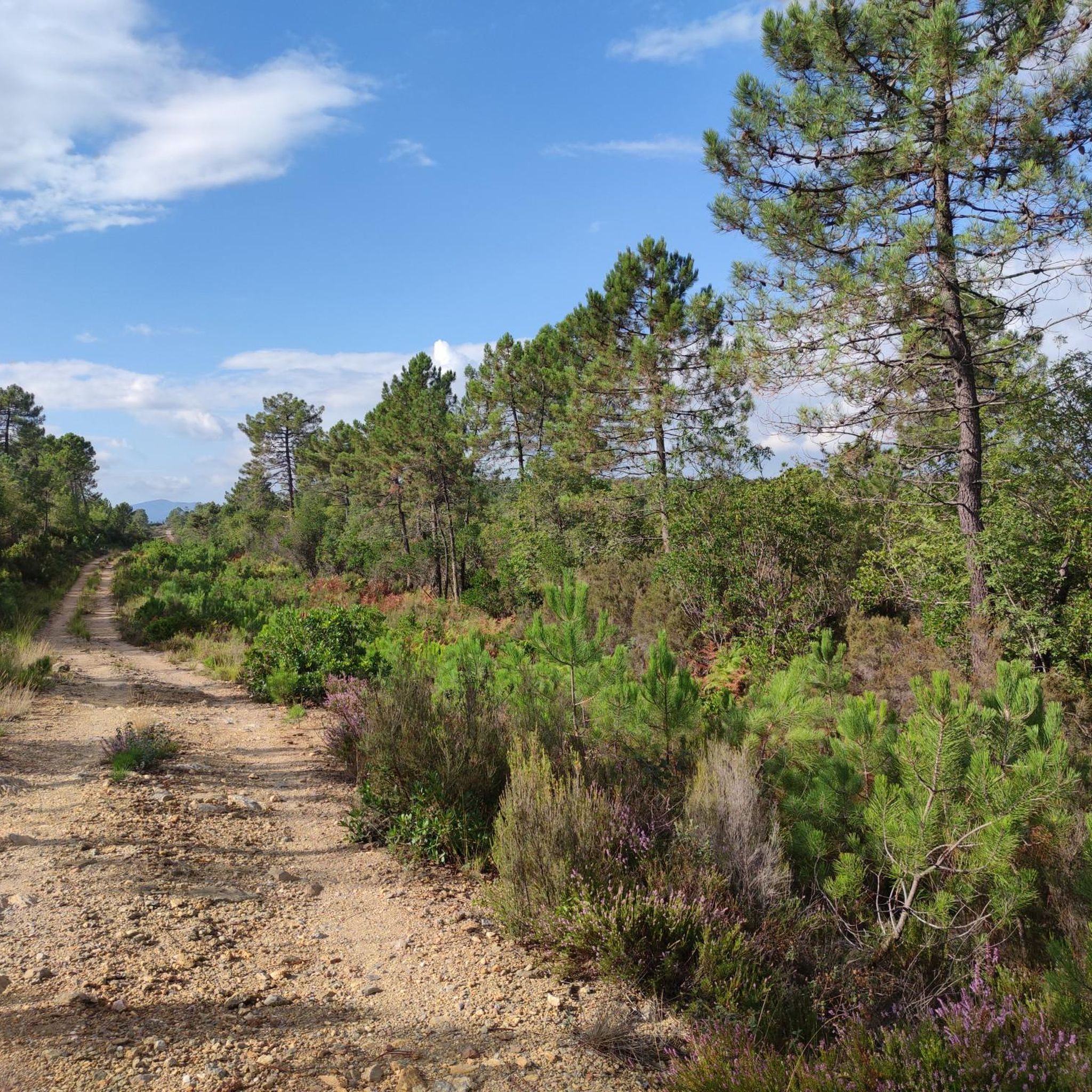
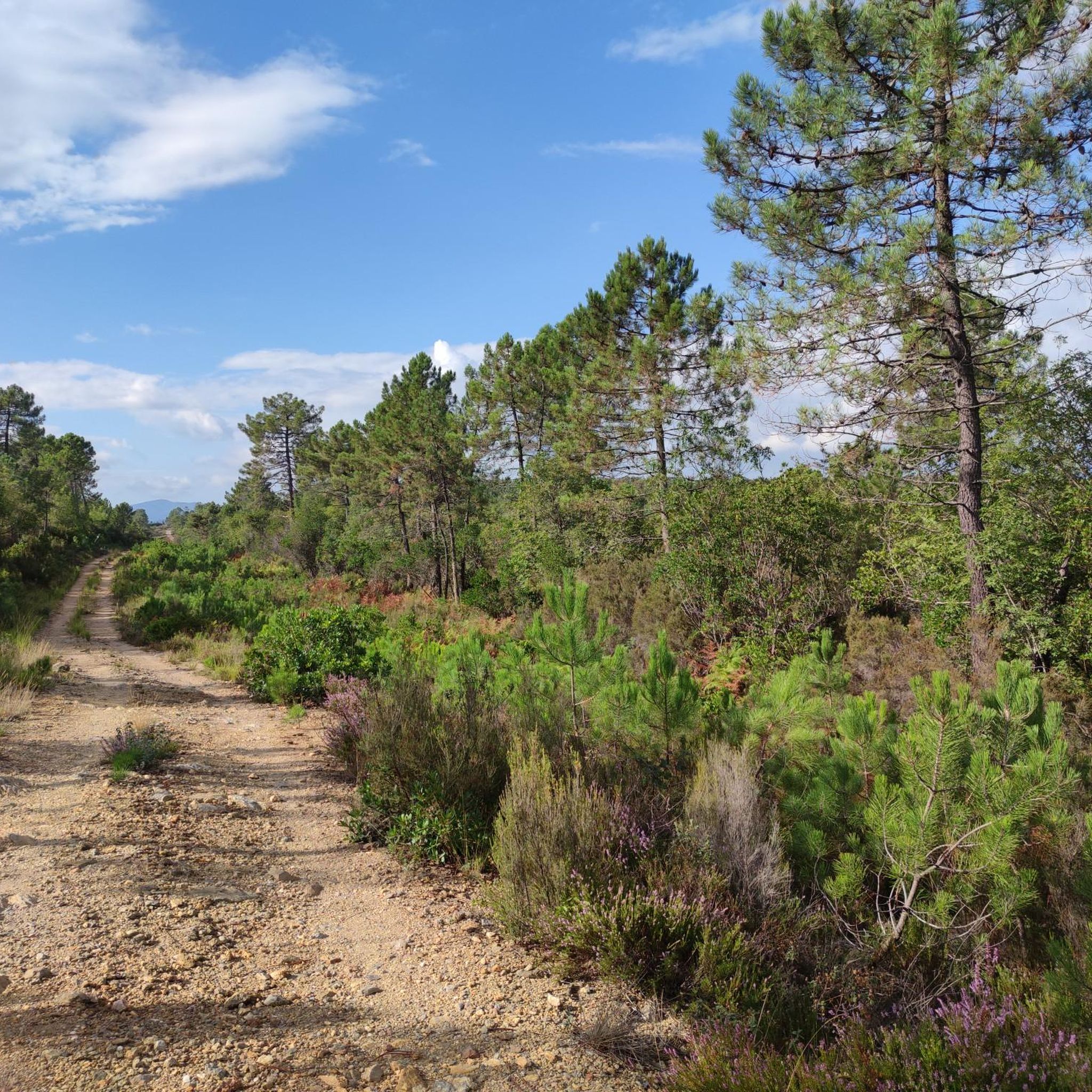
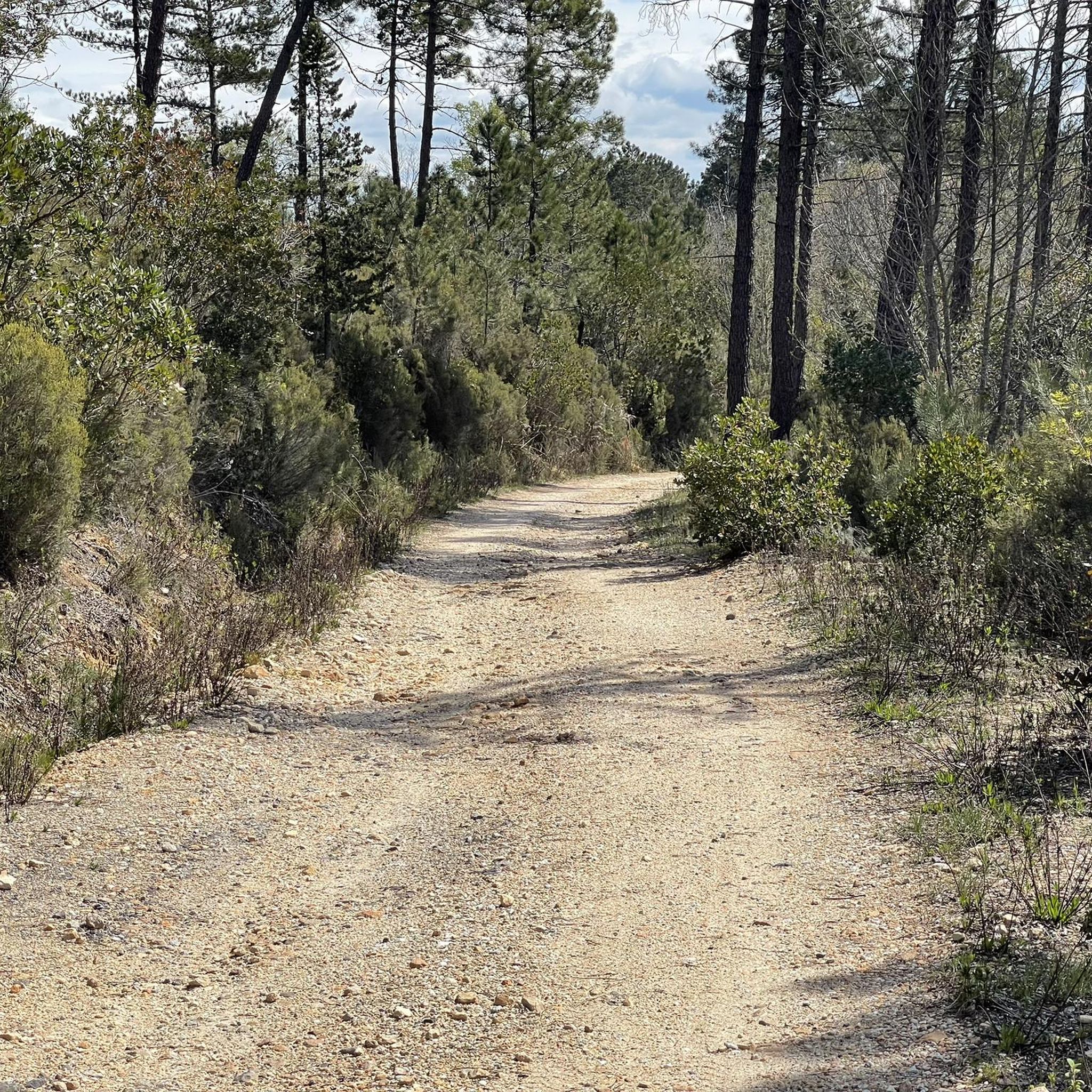
Hiking in Riserva Naturale Alto Merse offers diverse landscapes southwest of Siena, characterized by extensive, lush forests of oak and chestnut trees. The reserve encompasses the Merse River and its tributaries, providing rich riverine environments. Hikers will find varied terrain, from dense woodlands to open clearings, with elevations generally below 200 meters. The area also features historical traces, including ancient ironworks and mills.
Best hiking trails in Riserva Naturale Alto Merse
- The most popular hiking route is Discovering the Val di Merse - Ring Tour, a 6.1 miles (9.7 km) trail that takes 2 hours 46 minutes to complete. This moderate route explores the varied landscapes of the Merse valley.
- Another top favourite among local hikers is Eremo di Santa Lucia – Hermitage of Santa Lucia loop from Tonni, a moderate 4.1 miles (6.6 km) path. This trail leads through wooded areas to a historical hermitage.
- Local hikers also love the Hermitage of Santa Lucia – Ponte della Pia loop from Tonni, an 8.2 miles (13.1 km) trail leading through riverine environments and historical sites, often completed in about 3 hours 50 minutes.
- Hiking in Riserva Naturale Alto Merse is defined by lush forests, clear river valleys, and historical traces. The network offers options for different ability levels, from easy walks to more challenging moderate routes.
- The routes in Riserva Naturale Alto Merse are highly rated by the komoot community with an average score of 4.4 stars from over 650 reviews. More than 2400 hikers have used komoot to explore Riserva Naturale Alto Merse's varied terrain.
Last updated: July 9, 2026
4.4
(45)
143
hikers
9.73km
02:46
220m
220m
Moderate hike. Good fitness required. Easily-accessible paths. Suitable for all skill levels.
4.7
(15)
52
hikers
6.56km
02:02
170m
170m
Moderate hike. Good fitness required. Mostly accessible paths. Sure-footedness required.

Sign up for free
3.6
(17)
45
hikers
Moderate hike. Good fitness required. Easily-accessible paths. Suitable for all skill levels.
4.5
(17)
57
hikers
15.2km
04:11
260m
260m
Moderate hike. Good fitness required. Easily-accessible paths. Suitable for all skill levels.
4.0
(6)
24
hikers
4.25km
01:13
100m
100m
Easy hike. Great for any fitness level. Easily-accessible paths. Suitable for all skill levels.
Get access to more routes and recommendations from other explorers.
Sign up for free
Already have an account?
Our route recommendations are based on thousands of hikes, rides, and runs completed by other people on komoot.
Start today with a free account
Your next adventure awaits.
Login or Signup

Tips from the Community

This olive grove offers the opportunity to see olives from blossom to fruit on the tree. I also appreciate it as a place to slow down and relax, and as an opportunity for detailed photography.
0
0

The Montesiepi Hermitage was built immediately after the saint's death, over the ancient hut where San Galgano lived during his last year (1181). The hermitage was consecrated in 1185 by the bishop of Volterra, Ildebrando Pannocchieschi. The small complex consists of the circular church interrupted only by the small apse, the chapel with frescoes by Lorenzetti, and the entrance porch. In the porch, look down to the left and look for an "original" medieval plaque that reminds the pilgrim... that he must die and that life is short. The original church was circular, then the entrance hall was added in 1200. The bell tower and Lorenzetti's chapel were added in the following century. The rectory dates back to the 18th century. The dome, constructed from alternating rows of white stones, is extremely elegant. Inside the Hermitage, in the center of the Rotonda, there is the famous Sword of San Galgano, stuck in the rock for over 800 years.
0
0

Built in the 13th century in Gothic style and dedicated to the saint from Chiusdino, today it is completely in ruins: only the walls remain standing, with the apse still in evidence, perfectly facing east, while on the upper part of the facade there are two pointed windows. The roof of the Abbey of San Galgano is no longer there today. The "official" version says that it deteriorated and then fell over the centuries, while an alternative version, according to some legend and according to others truth, states that it was originally made of lead, and was sold by Girolamo Vitelli in 1550. Whatever the truth behind the roof of the abbey, after some restoration attempts that went badly, at the end of the 18th century it was deconsecrated and left to the elements until the present day. The ruins of the Abbey of San Galgano, with its profile still intact and immersed in the Tuscan countryside, offer a truly incredible and particular view. In addition to the roof, the floor is also missing, which during the summer turns into a grassy blanket, while you can still see a transept with three naves and 4 chapels with cross vaults. Next to the Abbey of San Galgano there is the cloister, which was rebuilt at the beginning of the last century, using the original materials. Some accessory rooms are also very beautiful, which can also be visited with the entrance ticket to the abbey, including the chapter house, where the monks originally met to deliberate the main rules of the community, and the scriptorium, which was the place where the monks copied the manuscripts.
2
0

Mill half hidden by vegetation, the stone millstones remain clearly visible.
0
0

Place of worship and prayer Sanctuary dedicated to San Galgano Guidotti, a 12th century knight, with his sword exposed as a sacred relic Strada Comunale di S. Galgano, 53012 Chiusdino SI 0577756700
1
0

Montarrenti Castle owned by the province of Siena - unfortunately closed to the public
0
0


A really nice waterfall!
0
0
Frequently Asked Questions
How many hiking trails are available in Riserva Naturale Alto Merse?
Riserva Naturale Alto Merse offers a wide variety of hiking opportunities, with over 200 routes available. These range from easy strolls to more challenging moderate trails, catering to different fitness levels.
What kind of terrain can I expect when hiking in Riserva Naturale Alto Merse?
Hikers in Riserva Naturale Alto Merse will encounter diverse terrain. The reserve is characterized by extensive, lush forests of oak and chestnut trees, alongside rich riverine environments formed by the Merse River and its tributaries. You'll find a mix of dense woodlands and more open clearings, with elevations generally remaining below 200 meters.
Are there any easy hiking trails suitable for beginners or families?
Yes, the reserve offers 74 easy hiking routes, perfect for beginners or families looking for a relaxed outdoor experience. These trails allow you to enjoy the natural beauty without significant difficulty.
What historical sites or landmarks can I discover along the trails?
Beyond its natural beauty, Riserva Naturale Alto Merse is rich in history. You can explore the remains of ancient ironworks and mills, including a 13th-century mill in the Ricausa stream valley. Notable landmarks include Ponte della Pia, the Hermitage of Santa Lucia, and Spannocchia Castle. The fascinating roofless Abbey of San Galgano is also nearby, offering a unique historical experience.
Are there any circular hiking routes in the area?
Yes, there are several circular routes available. For example, the Discovering the Val di Merse - Ring Tour is a popular moderate option that explores the varied landscapes of the Merse valley. Another is the Abbey of San Galgano – San Galgano Abbey loop from Tonni, which takes you past the iconic abbey.
What kind of wildlife might I encounter in Riserva Naturale Alto Merse?
The reserve is a haven for wildlife. Its forests are home to various species, including woodpeckers, wildcats, martens, and skunks. Along the rivers and streams, you might spot fish like the Arno goby, spectacled salamanders, and Italian stream frogs. Birds of prey such as the short-toed snake eagle and common buzzard are also present.
What do other hikers say about their experience in Riserva Naturale Alto Merse?
The area is highly rated by the komoot community, with an average score of 4.4 stars from over 650 reviews. Hikers frequently praise the lush forests, clear river valleys, and the opportunity to connect with wild nature and historical traces.
Can I bring my dog on the hiking trails?
While the guide doesn't specify dog-friendly trails, generally, dogs are permitted in nature reserves in Italy, often on a leash. It's always recommended to check local signage or specific trail regulations before heading out with your pet to ensure a pleasant experience for everyone.
Are there any challenging hikes for experienced trekkers?
While the majority of routes are easy to moderate, there are 15 more difficult trails for those seeking a greater challenge. These routes often feature longer distances or more significant elevation changes, providing a rewarding experience for experienced hikers.
What is the best time of year to go hiking in Riserva Naturale Alto Merse?
The Riserva Naturale Alto Merse offers pleasant hiking conditions for much of the year. Spring and autumn are particularly ideal, with mild temperatures and vibrant natural colors. Summer can be warm, but the extensive forests provide welcome shade. Winter hiking is also possible, though some trails might be muddy after rain.
Are there any specific trails that highlight the river environments?
Yes, the reserve is defined by its riverine ecosystems. The Merse River Trail is a great option to experience these environments directly. Additionally, routes like the Hermitage of Santa Lucia – Ponte della Pia loop from Tonni lead through riverine areas, allowing you to appreciate the clear, fresh tributaries.
Where can I find parking for the hiking trails?
While specific parking locations for all trails are not detailed here, many trailheads in the region, especially those near villages or popular attractions, typically offer designated parking areas. It's advisable to check the starting point of your chosen route on komoot for more precise parking information.
Most popular routes in Riserva Naturale Alto Merse
Most popular attractions in Riserva Naturale Alto Merse

Get inspired with the komoot mobile app


Explore more
Browse the best Hikes in other regions.
