Mount Rainier Wilderness
Mount Rainier Wilderness
The 10 Most Amazing Peaks in Mount Rainier Wilderness
Best mountain peaks in Mount Rainier Wilderness are found within approximately 228,400 acres, covering 97% of Mount Rainier National Park. This designated wilderness area preserves the natural grandeur of the region, featuring glaciers, subalpine meadows, and a rich ecosystem. The area offers diverse ecosystems, from glacial features to wildflower displays, making it a prime destination for experiencing natural beauty.
Best mountain peaks in Mount Rainier Wilderness
- The most popular mountain peaks is Faraway Rock Overlook, a viewpoint that offers…
Last updated: June 29, 2026
Faraway Rock Overlook
Highlight • Viewpoint
Tip by

Second Burroughs Mountain
Highlight • Summit
Tip by
Sign up now to discover places like this
Get recommendations on the best single tracks, peaks, & plenty of other exciting outdoor places.
Sign up for free
Eagle Peak
Highlight • Summit
Tip by
Mt. Rainier View
Highlight • Viewpoint
Tip by

Shriner Peak Fire Lookout
Highlight • Viewpoint
Tip by
Sign up for free to discover even more peaks in Mount Rainier Wilderness.
Sign up for free
Already have an account?
Start today with a free account
Your next adventure awaits.
Login or Signup
Popular around Mount Rainier Wilderness
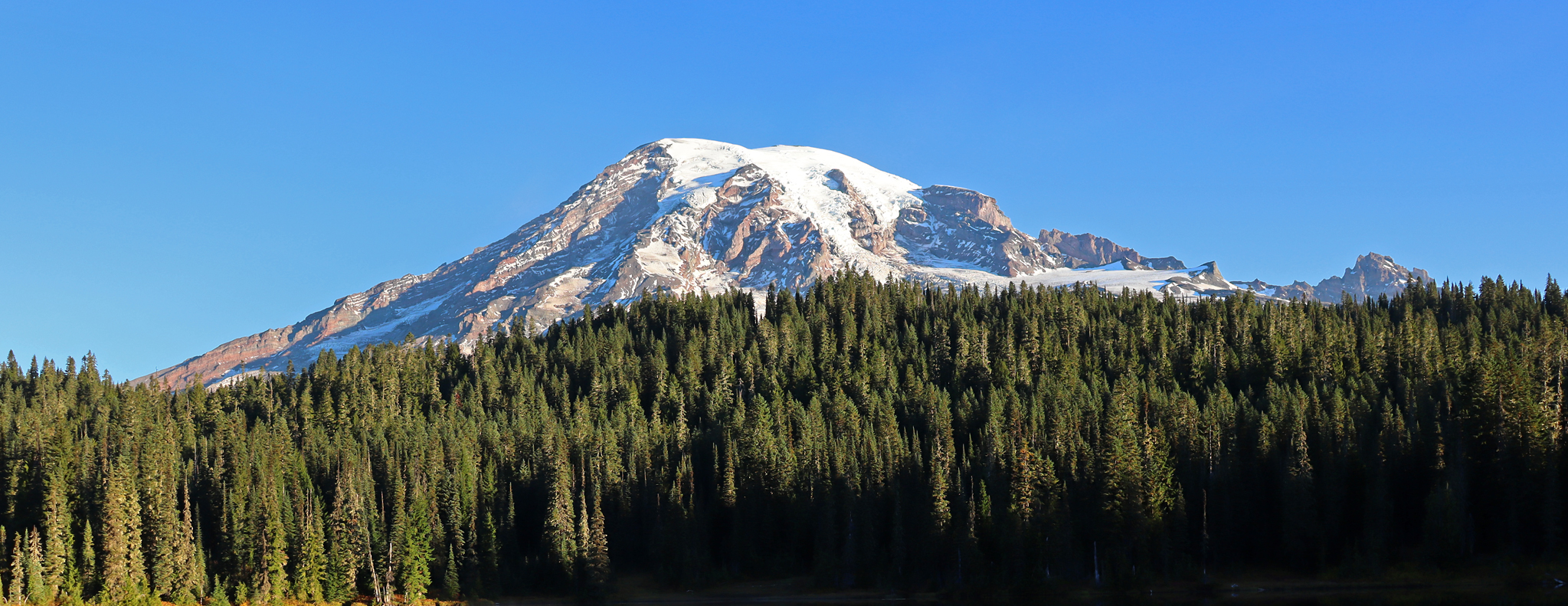
Wonderland Trail — 93 iconic miles around Mount Rainier
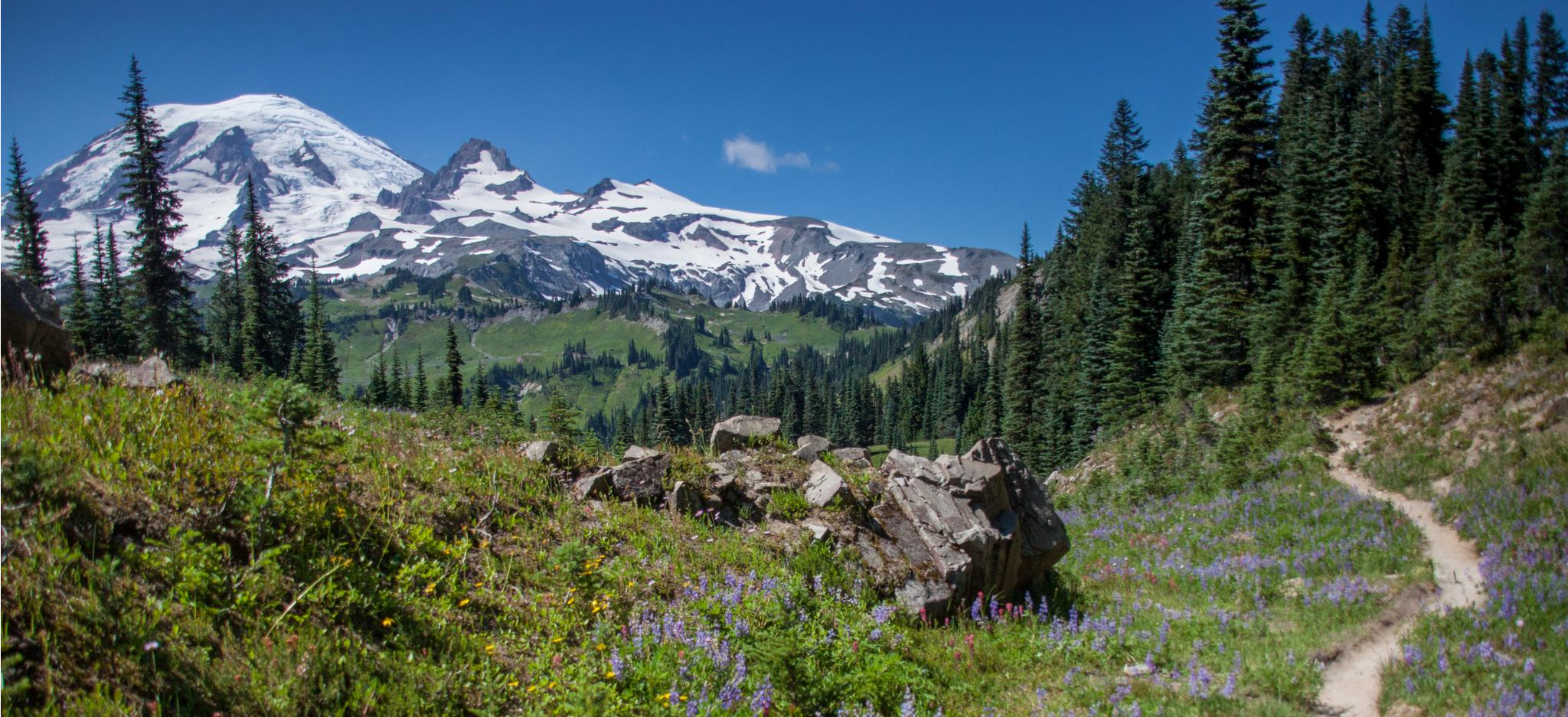
Wonderland Trail — 3-Day fastpacking through the dreamscape
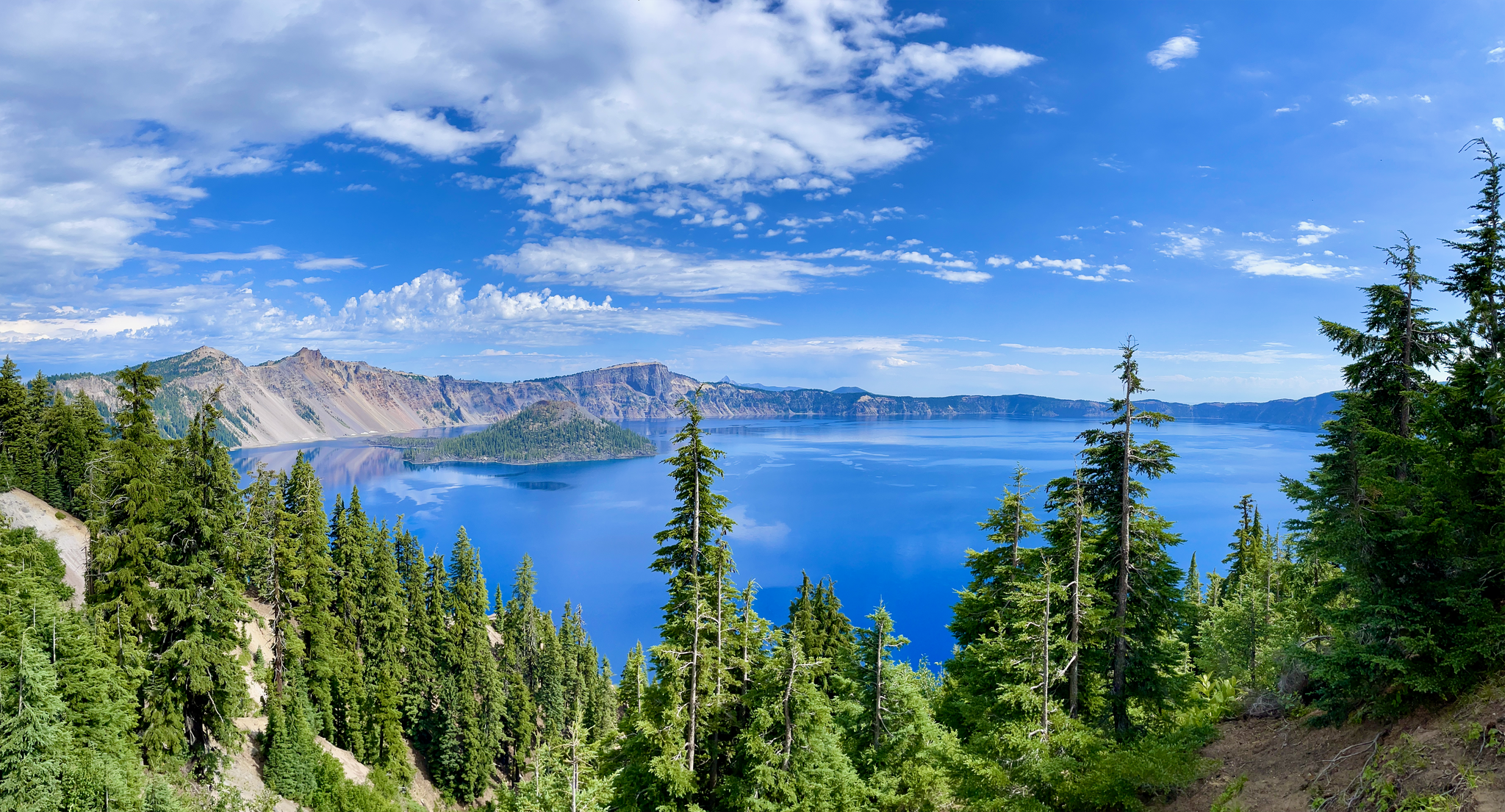
The pristine beauty of the US National Parks
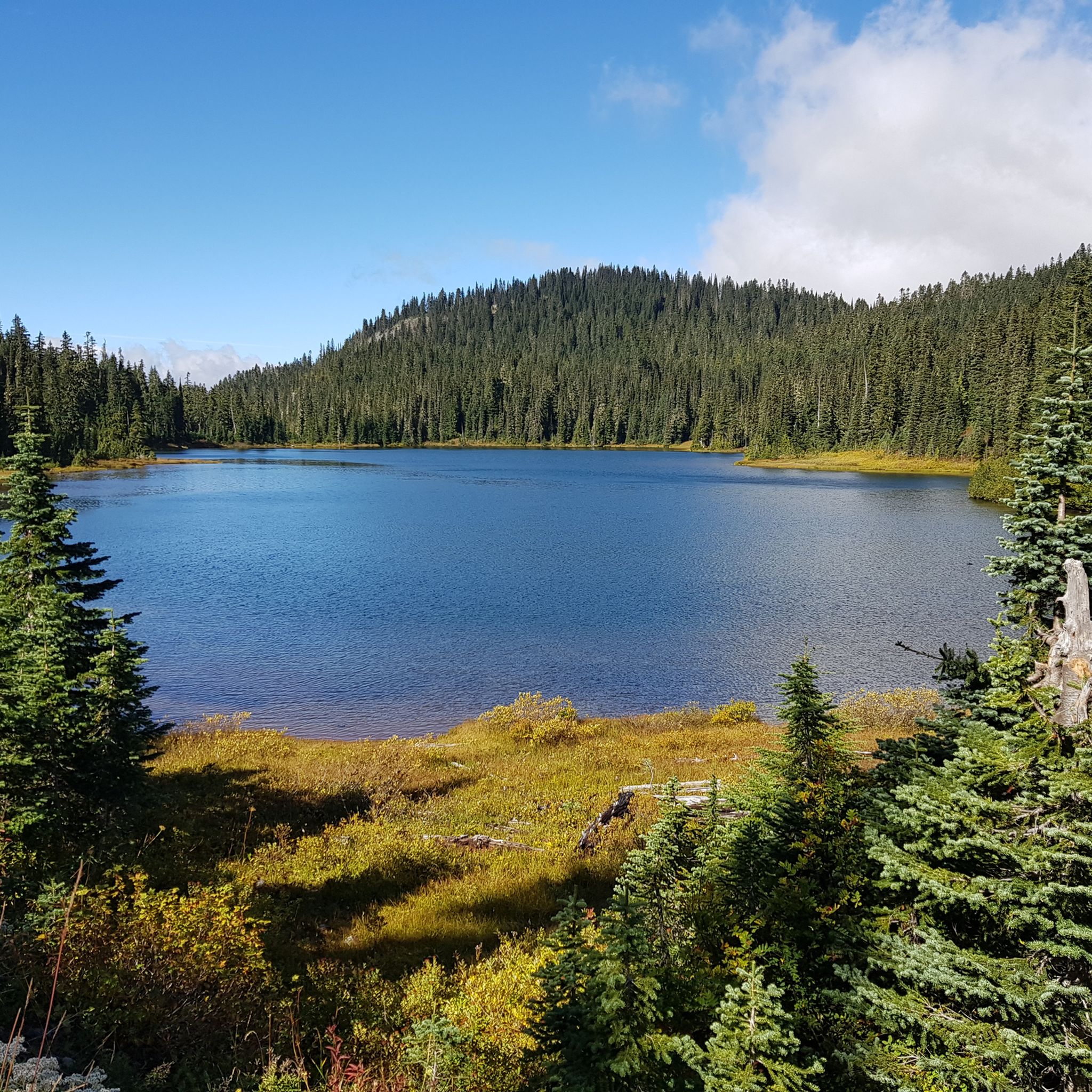
Hiking in Mount Rainier Wilderness
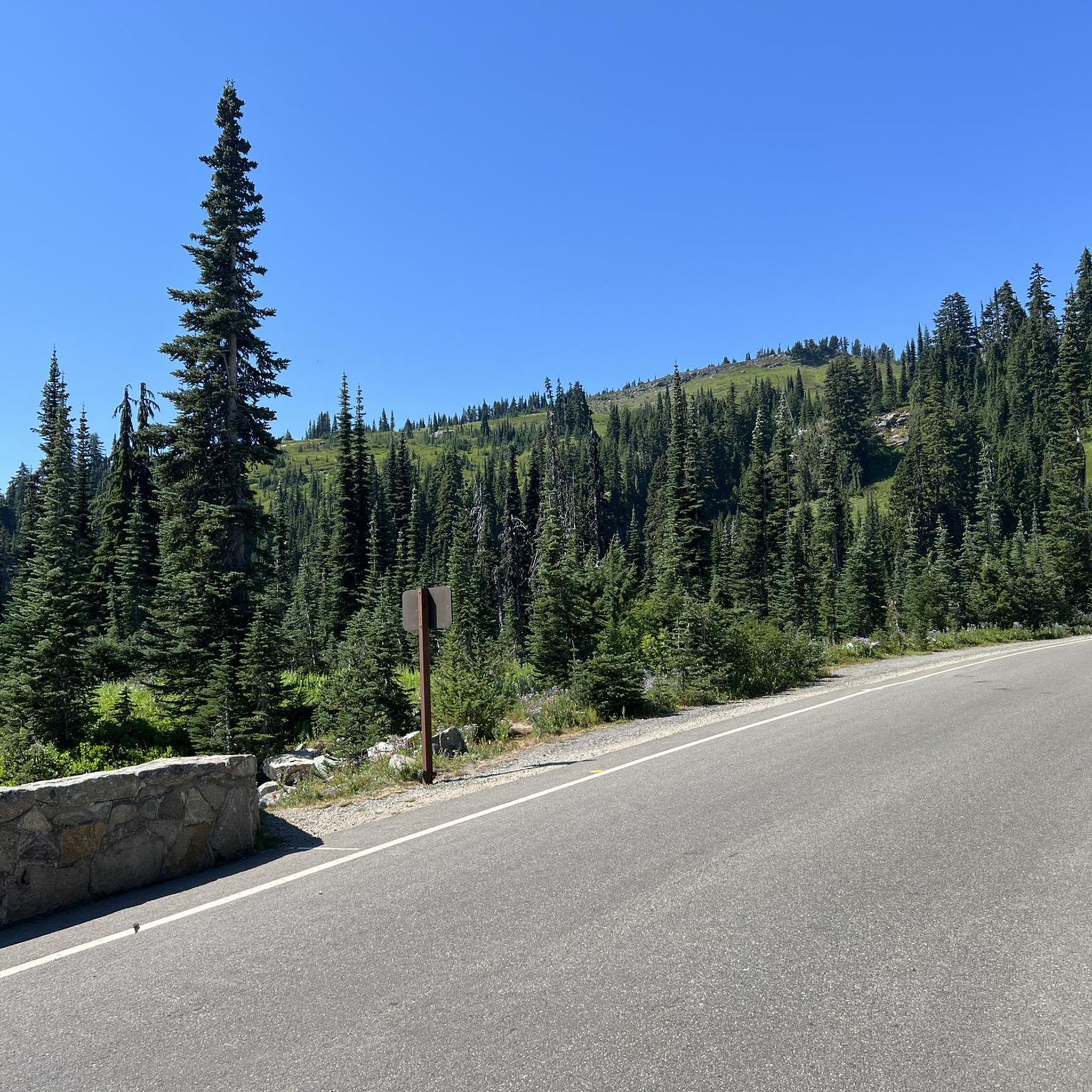
Road Cycling Routes in Mount Rainier Wilderness
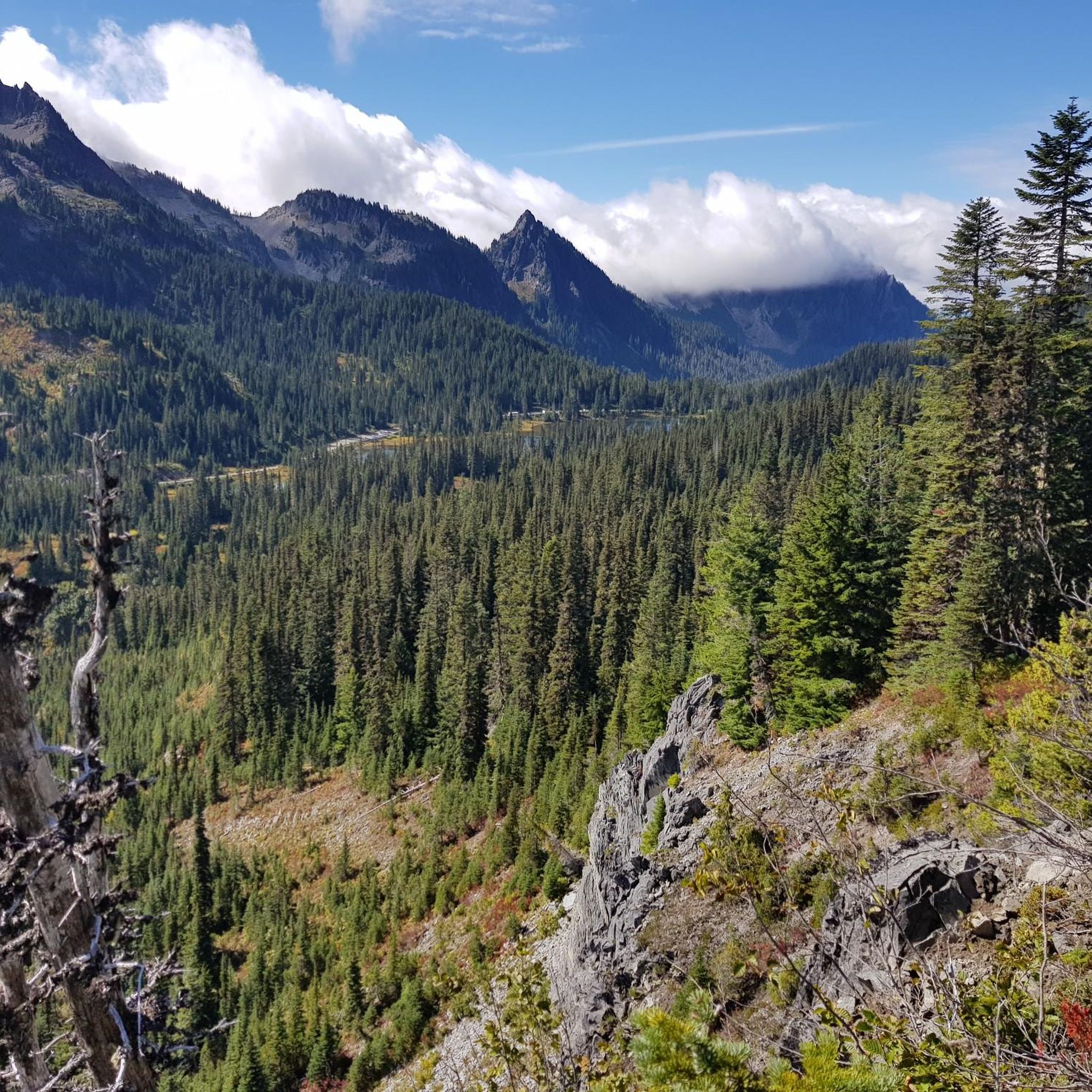
Cycling in Mount Rainier Wilderness
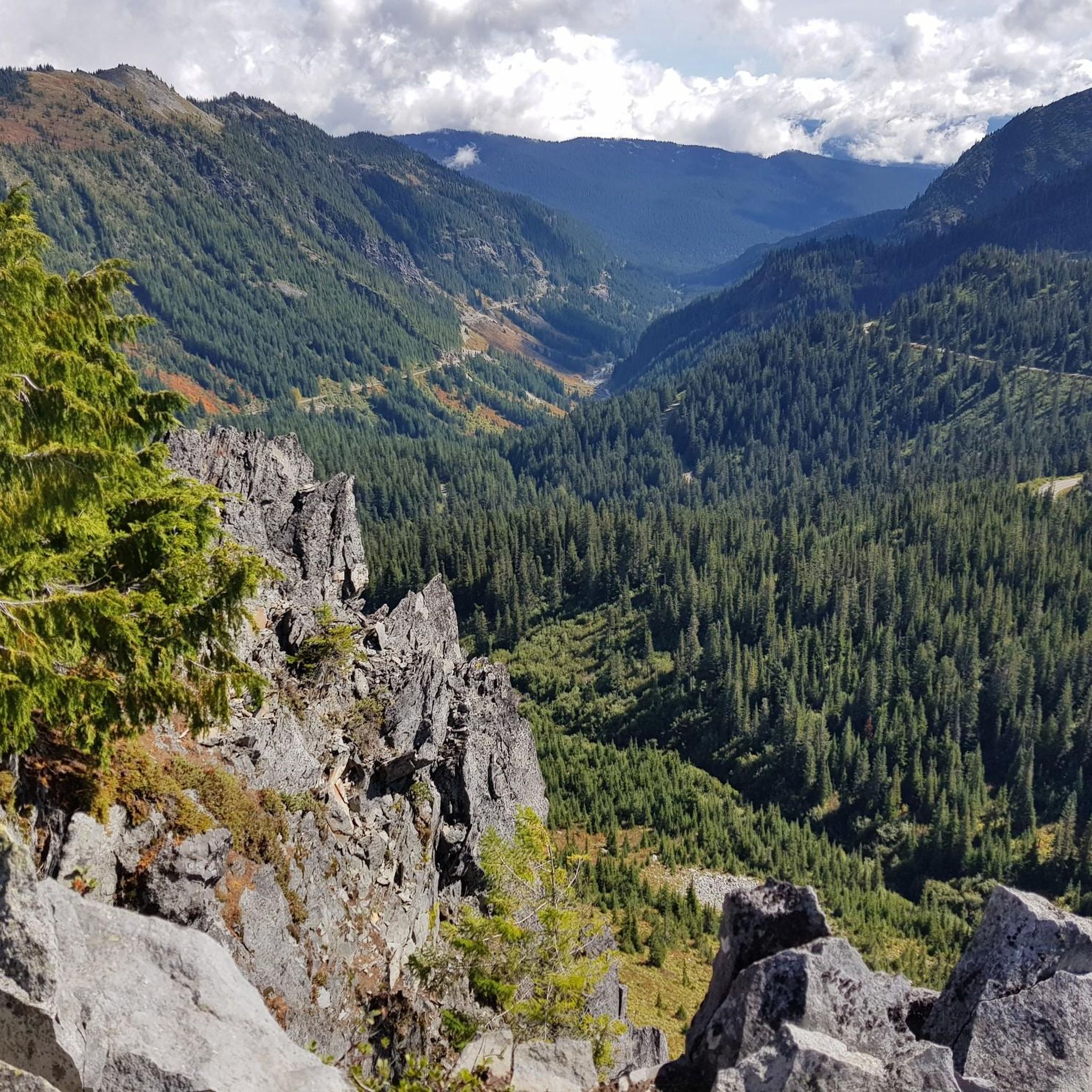
MTB Trails in Mount Rainier Wilderness
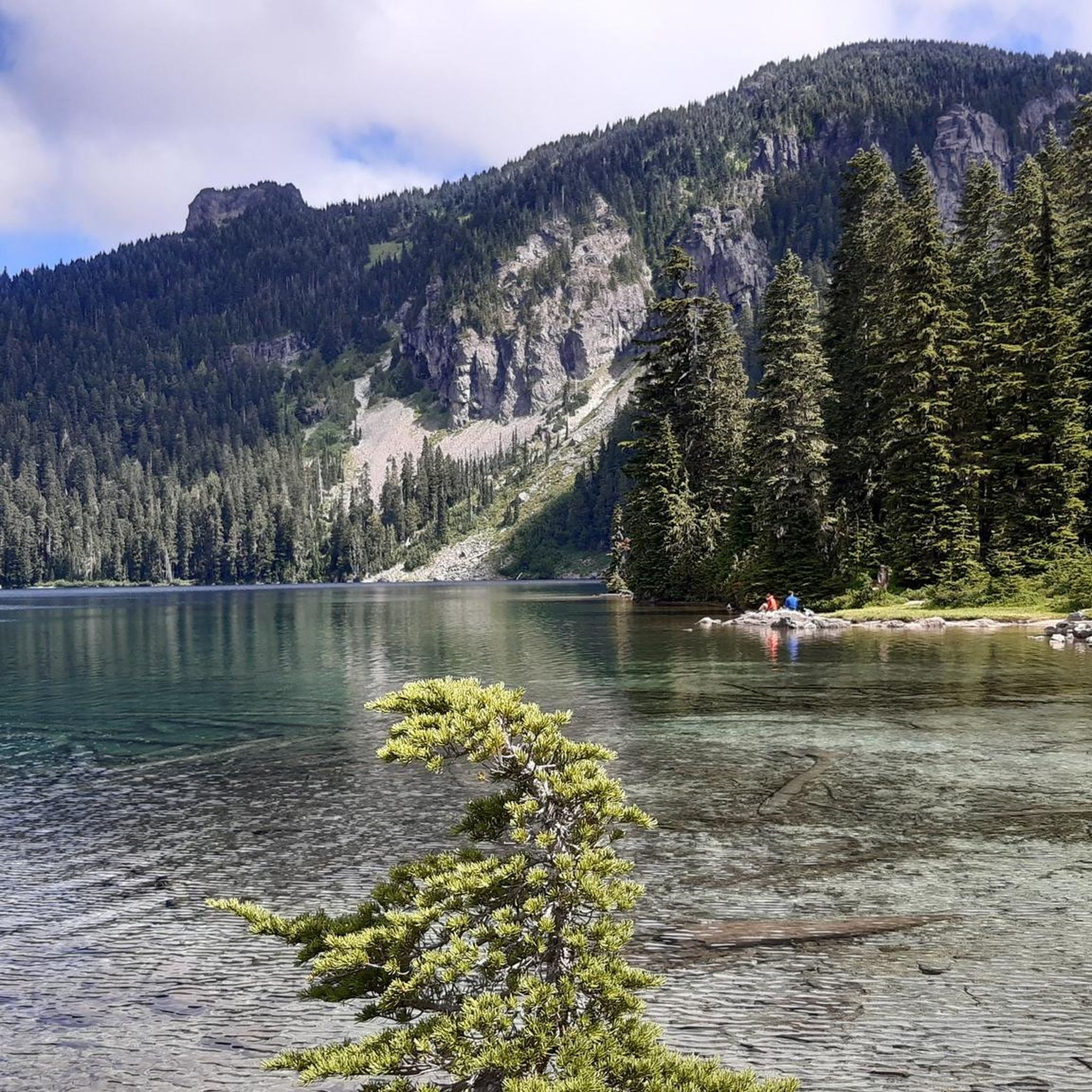
Running Trails in Mount Rainier Wilderness


Tips from the Community

The view of Mount Rainier in the Box Canyon area is one of the more unexpected and dramatic glimpses of the mountain on the southeastern leg of the Wonderland Trail. As you hike through the Box Canyon area, the trail winds along forested ridges and exposed slopes carved by ancient lava flows. Eventually, it opens up to reveal a breathtaking, full-on view of Mount Rainier’s southeastern face, including its sprawling glaciers and snowfields. This perspective feels particularly massive; Rainier dominates the skyline, rising abruptly above the dark green forested valley below. Because it’s slightly removed from the central viewpoints near Paradise and Sunrise, this angle offers a quieter, more solitary look at the mountain’s immensity. Whether you’re day hiking or thru-hiking, it’s a great spot to take a break, soak in the view, and appreciate the sheer scale of the landscape.
0
0
Faraway Rock is an accessible overlook on the Mazama Ridge Trail in Mount Rainier National Park. From the top of Faraway Rock, you get panoramic views of Lake Louise and the Tatoosh Ridge, which includes Tatoosh, Stevens, Plummer, Unicorn, Foss, and Pinnacle Peaks. From here you can keep going on the Mazama Ridge Trail to a tarn and the intersection of the High Lakes Trail, or you can loop back to the trailhead and parking area at Reflection Lakes via the Lower Lakes Trail.
0
0

Just a quarter-mile away from the summit, you'll spot the impressive lookout tower of Shriner Peak. This two-story tower, constructed in the 1930s, offers breathtaking views of Mount Rainier, Little Tahoma, Sourdough Ridge, the Cowlitz Divide, Mount Adams, Goat Rocks, and Mount St. Helens.
0
0
Eagle Peak Saddle is the final part of the trail and the ascent is steep. As you near the saddle and emerge from the forest, you'll be greeted by the striking view of Eagle Peak to the left. The saddle itself is a stunning high alpine meadow full of vibrant of wildflowers during the summer. Upon reaching the saddle, it is advised not to proceed further, as the ascent to the peaks is suitable only for experienced hikers.
0
0
The peak derived its name from the Native American word for eagle.
0
0
Hike to Second Burroughs Mountain for impressive views of Glacier Basin, Little Tahoma, and the surrounding park. Be amazed by the expansive scenery that includes Fremont Lookout, Berkeley and Grand Parks, and Skyscraper Mountain. Remember to tread carefully as the delicate plants in this environment require special attention, and take in the unique landscape at the mountain's peak.
1
0
Take a quick detour along the Mazama Ridge Trail to reach the captivating Faraway Rock overlook. From this vantage point, you'll be treated to breathtaking views of the shimmering Lake Louise below and the majestic Tatoosh Ridge to the south.
0
0

From Reflection Lake, a 2km long, steadily upward path leads to the viewpoint on a small square. Here the hiker has a fantastic view.
0
1
Frequently Asked Questions
What are some of the most popular mountain peaks to visit in Mount Rainier Wilderness?
Mount Rainier Wilderness offers a variety of stunning peaks. Among the most popular are Faraway Rock Overlook, known for its panoramic views of Lake Louise and Tatoosh Ridge, and Second Burroughs Mountain, which provides impressive close-up views of Mount Rainier and Glacier Basin. Pinnacle Peak is also highly regarded for its dramatic vistas of Mount Rainier, Mount Adams, and Mount St. Helens.
Which peaks offer the best panoramic views of Mount Rainier and the surrounding landscape?
For exceptional panoramic views, consider Mount Fremont, where the historic Mount Fremont Fire Lookout provides stunning vistas of Mount Rainier, Grand Park, and Skyscraper Mountain. Dege Peak also offers comprehensive 360-degree views, including Mount Rainier and Mount Adams. From the saddle of Pinnacle Peak, you can see Mount Rainier to the north and Mount Adams, Mount St. Helens, and even Mount Hood to the south on clear days.
When is the best time to visit the mountain peaks in Mount Rainier Wilderness?
The best time to visit the mountain peaks in Mount Rainier Wilderness is typically during the warmer months, from late spring through early autumn. This period allows access to subalpine meadows bursting with wildflowers and offers clearer views. Summer is ideal for experiencing the diverse ecosystems and glacial features, though conditions can vary by elevation.
Are there family-friendly mountain peaks or accessible viewpoints in Mount Rainier Wilderness?
Yes, there are options for families and those seeking accessible viewpoints. Faraway Rock Overlook is an accessible viewpoint on the Mazama Ridge Trail, offering breathtaking views without extreme difficulty. While many peaks require hiking, some areas like Panorama Point Summit are more accessible and provide wide-ranging views of Paradise Valley and distant volcanoes.
What are the difficulty levels for hiking and climbing the peaks in Mount Rainier Wilderness?
Difficulty levels vary significantly. Climbing Mount Rainier itself is a premier mountaineering experience, attracting thousands of attempts annually and requiring advanced skills. Peaks like Pinnacle Peak are considered challenging, with a short rock scramble to the summit. Other trails, such as those leading to Mount Fremont or Second Burroughs Mountain, are generally intermediate, offering rewarding hikes with expansive alpine terrain.
What natural features and wildlife can I expect to see when visiting the peaks?
When exploring the peaks, you can expect to encounter diverse natural features including active stratovolcanoes, 26 major glaciers, extensive permanent snowfields, and dense coniferous forests on lower slopes. Subalpine and alpine meadows burst with wildflowers during warmer months. Wildlife sightings may include marmots, pikas, and wild goats, particularly around areas like Mount Fremont and Pinnacle Peak.
Are there any historical landmarks or unique structures on the mountain peaks?
Yes, a notable historical landmark is the Mount Fremont Fire Lookout. This iconic two-story cabin, built in 1934, stands at the summit of Mount Fremont and offers a glimpse into the historical significance of fire watchtowers while providing exceptional views of the surrounding peaks.
What outdoor activities and trails are available near the mountain peaks in Mount Rainier Wilderness?
Beyond peak bagging, Mount Rainier Wilderness offers a range of outdoor activities. You can find numerous running trails, such as the 'Reflection Lake loop from Faraway Rock' or 'Running loop from Longmire'. Cycling enthusiasts can explore routes like 'Sunrise Park Road' or 'Carbon River Trail'. For more hiking options, including easy trails like 'Dege Peak Trail' or 'Bench and Snow Lake Trail', check out the dedicated guides for Running Trails, Cycling, and Easy Hikes in Mount Rainier Wilderness.
What do visitors enjoy the most about the mountain peaks in Mount Rainier Wilderness?
Visitors consistently praise the breathtaking panoramic views, especially the close-up perspectives of Mount Rainier from various vantage points like Second Burroughs Mountain. The opportunity to witness diverse ecosystems, from glacial features to vibrant wildflower displays in subalpine meadows, is also a major draw. Many appreciate the rewarding hiking experiences and the chance to spot wildlife such as marmots and pikas.
Are there any specific tips for hiking to Eagle Peak?
When hiking to Eagle Peak, be prepared for a steep ascent, particularly as you approach Eagle Peak Saddle. This saddle transforms into a stunning high alpine meadow filled with wildflowers during summer. It's advised that the final ascent to the peak itself is suitable only for experienced hikers, so many choose to enjoy the views from the saddle.
What makes Skyscraper Mountain a notable peak in the wilderness?
Skyscraper Mountain, at 7,078 ft, is a prominent feature in the Mount Rainier Wilderness landscape, often visible from other popular viewpoints like Mount Fremont. It is recognized for offering appealing views and a rewarding hiking experience within the wilderness, making it a significant destination for hikers seeking scenic beauty.
What is the significance of the Burroughs Mountains?
The Burroughs Mountains, including First, Second, and Third Burroughs, are significant for providing increasingly spectacular close-up views of Mount Rainier as you ascend. Second Burroughs Mountain, in particular, is a fan favorite for its expansive alpine terrain and impressive views of Glacier Basin and Little Tahoma.
Most popular routes in Mount Rainier Wilderness
Most popular attractions in Mount Rainier Wilderness

Get inspired with the komoot mobile app


Explore more
See even more amazing summits in Mount Rainier Wilderness with these guides:
