The 20 Most Amazing Peaks in La Palma
Best mountain peaks in La Palma feature a dramatic volcanic landscape. The island's terrain includes numerous summits, craters, and ridges, offering diverse natural features for exploration. This region is characterized by its unique geological formations, including the Caldera de Taburiente, a large erosion crater, and active volcanic areas like Cumbre Vieja. La Palma's peaks provide extensive views across the island and to neighboring Canary Islands.
Best mountain peaks in La Palma
- The most popular mountain peaks is Pico de la…
Last updated: September 26, 2026
Roque de los Muchachos
Highlight • Summit
Translated by Google •
Tip by

Pico Bejenado
Highlight • Summit
Translated by Google •
Tip by

Sign up now to discover places like this
Get recommendations on the best single tracks, peaks, & plenty of other exciting outdoor places.
Teneguía Volcano
Highlight • Volcano
Translated by Google •
Tip by

Martín Volcano
Highlight • Volcano
Translated by Google •
Tip by

Pico de la Nieve (Snow Peak)
Highlight • Summit
Showing Translation
Tip by
Sign up for free to discover even more peaks in La Palma.
Already have an account?
Start today with a free account
Your next adventure awaits.
Popular around La Palma
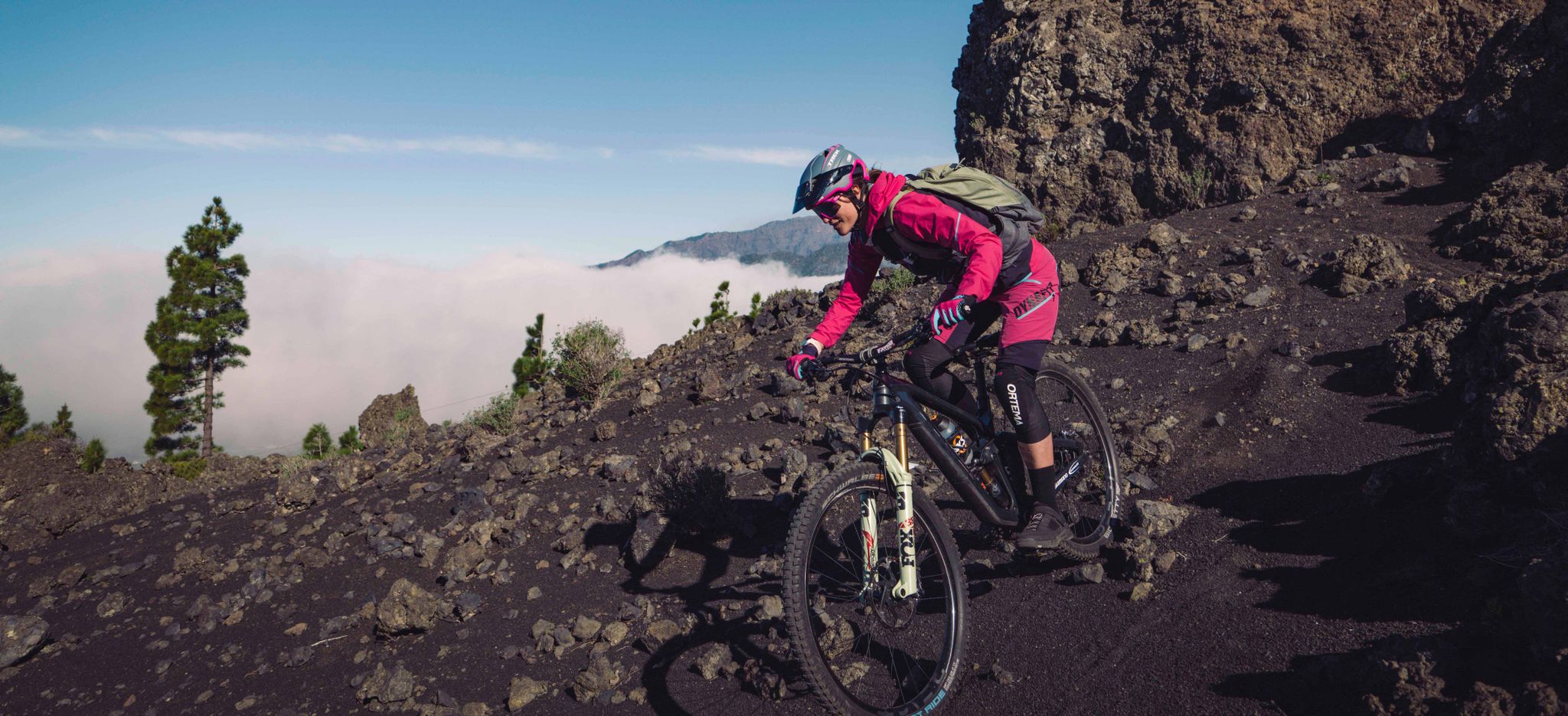
La Palma – my favourite Tours on the Canary Islands’ Isla Bonita
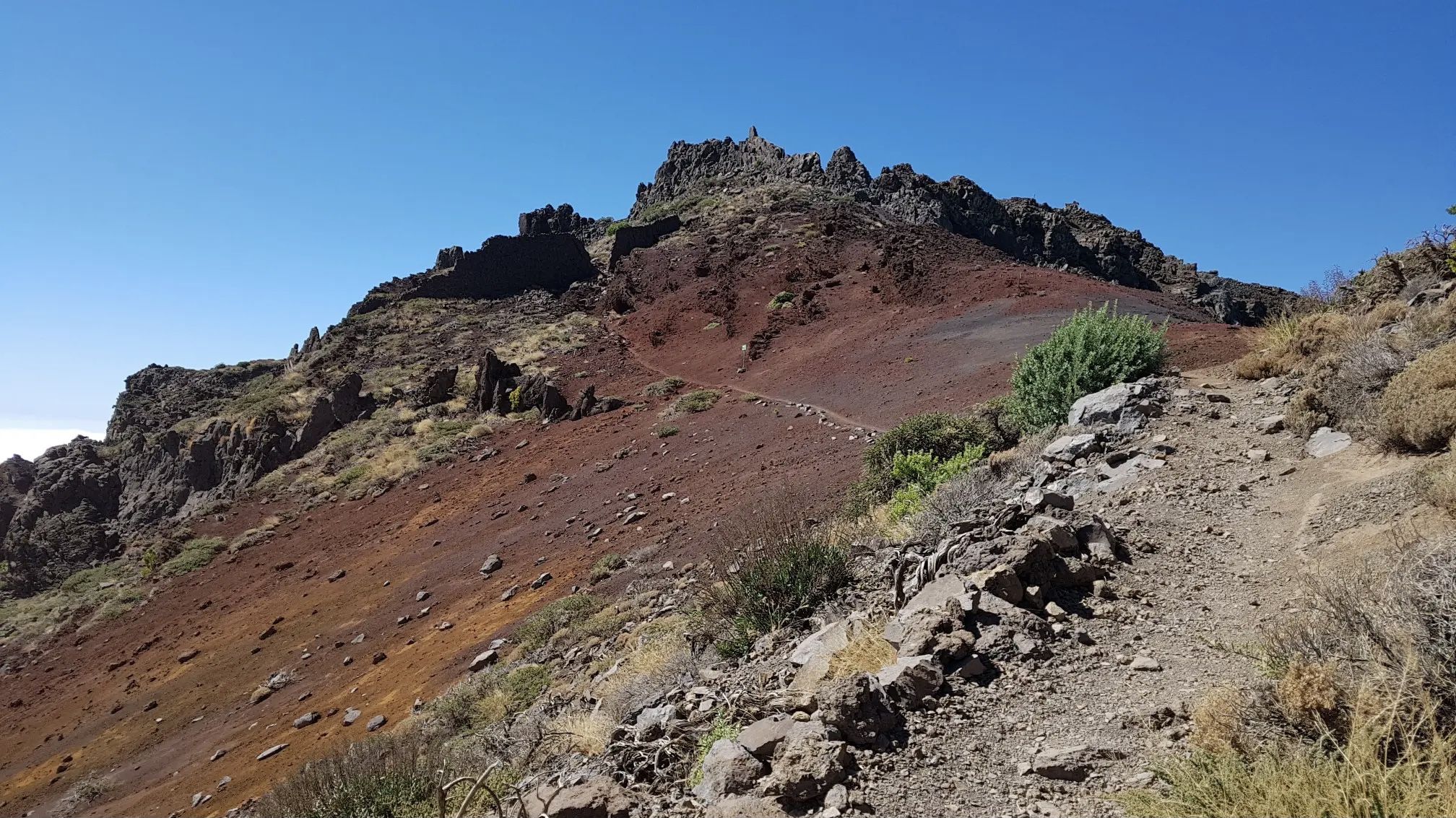
GR 131 El Bastón – La Palma in all its splendour
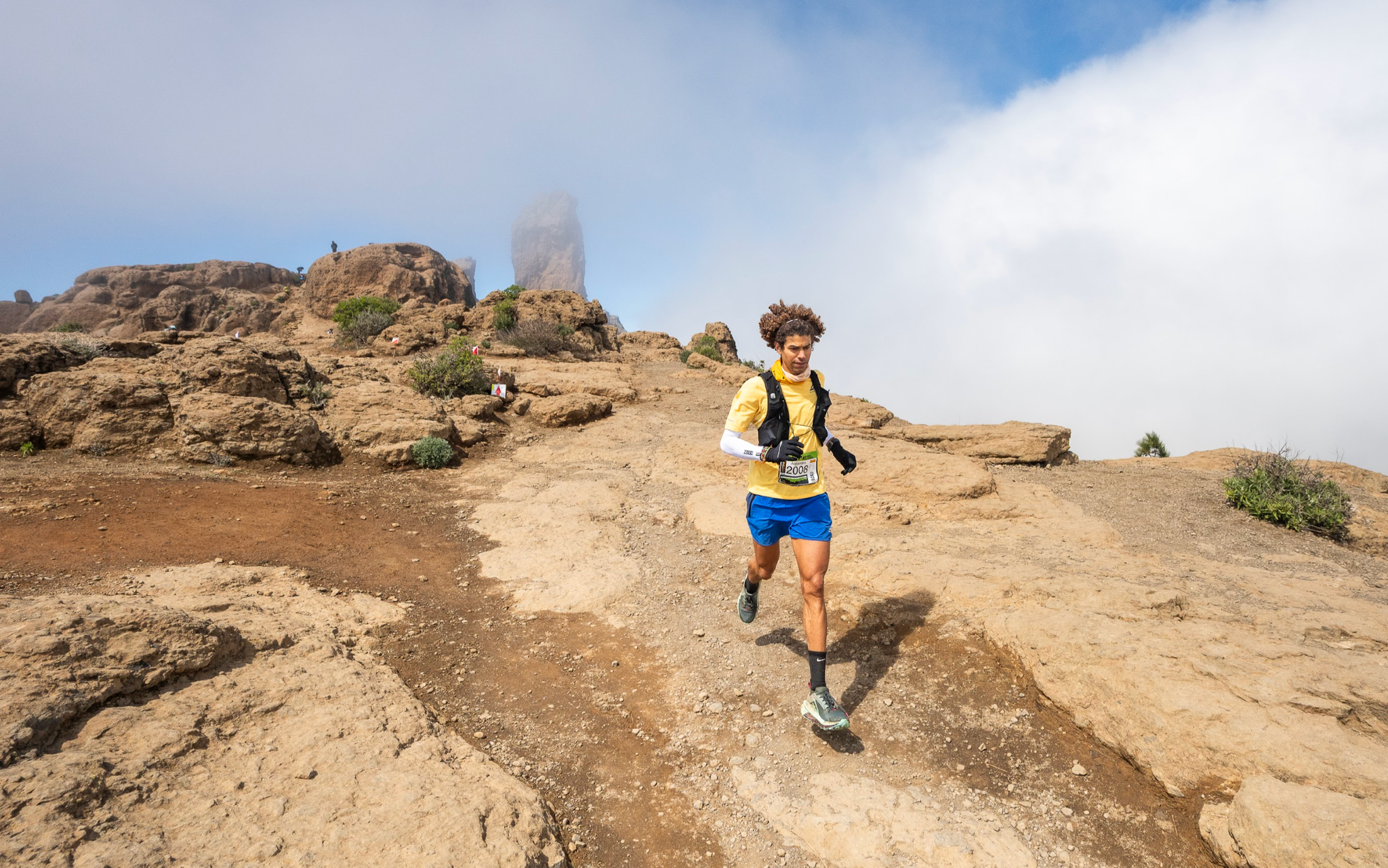
Trail on the Canary Islands – discover the legendary races!
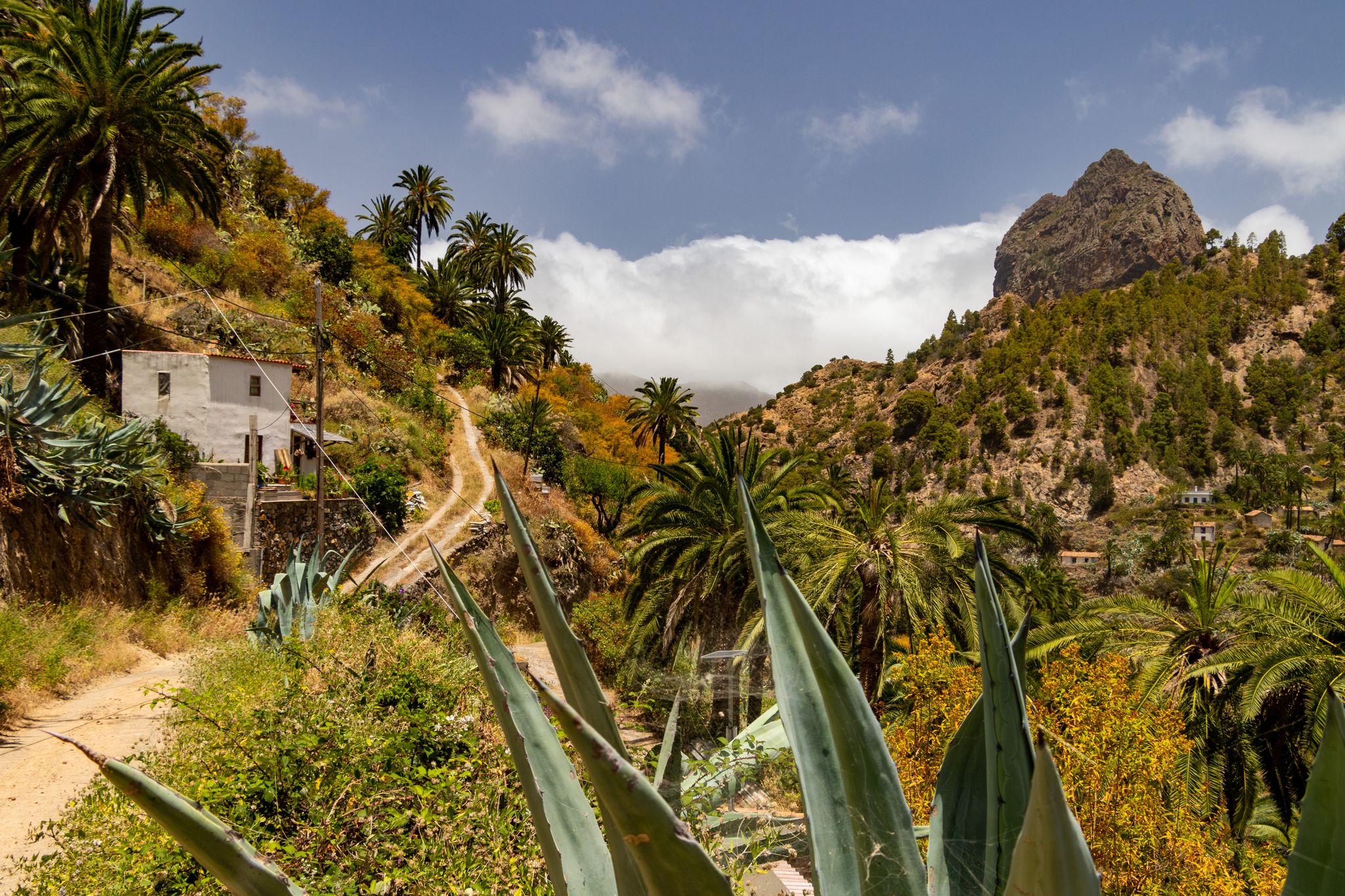
La Palma, El Hierro y La Gomera – explore the Canaries’ Green Islands on foot
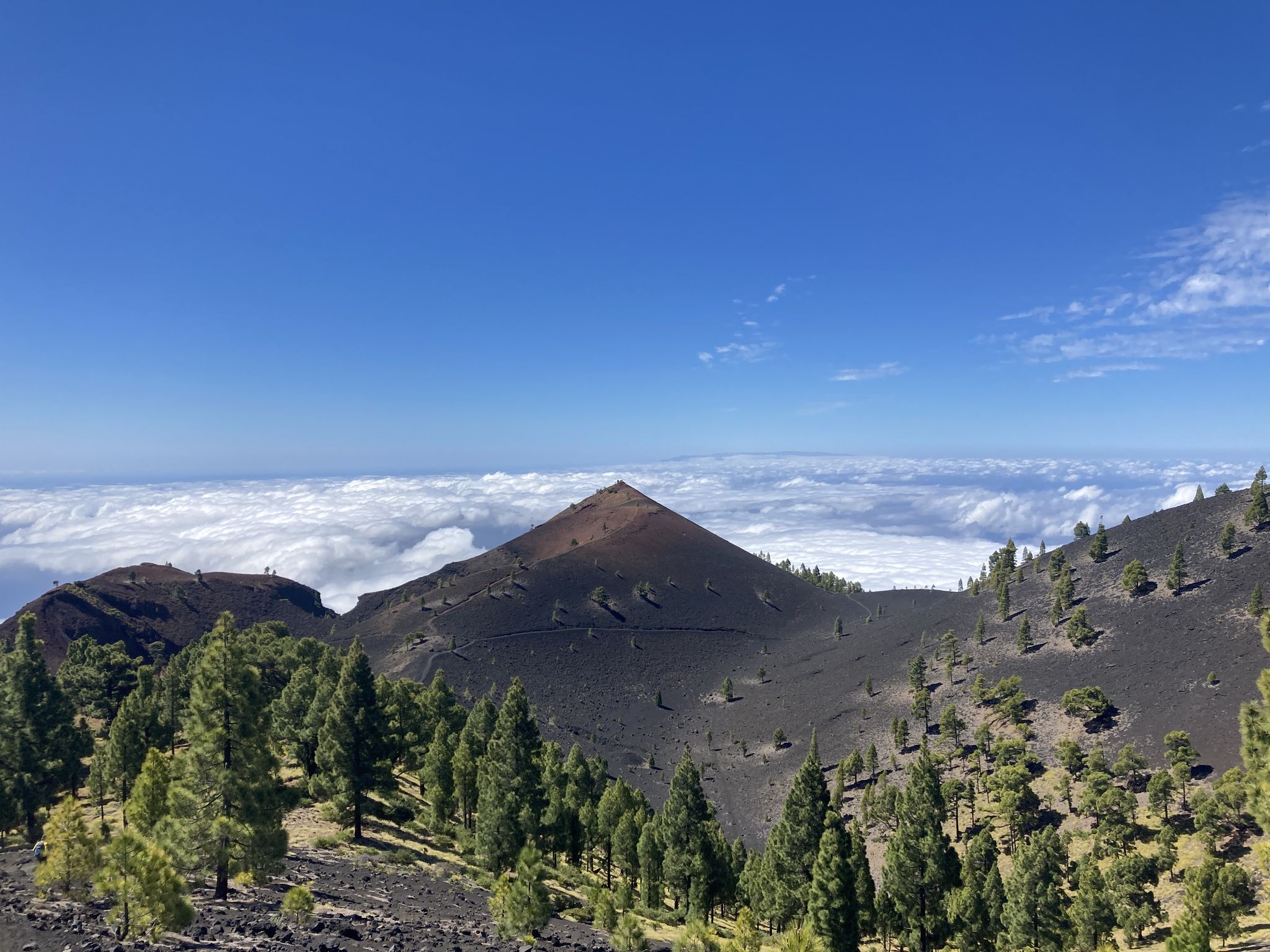
Transvulcania - traverse la Palma in the Canary Islands on the GR 131
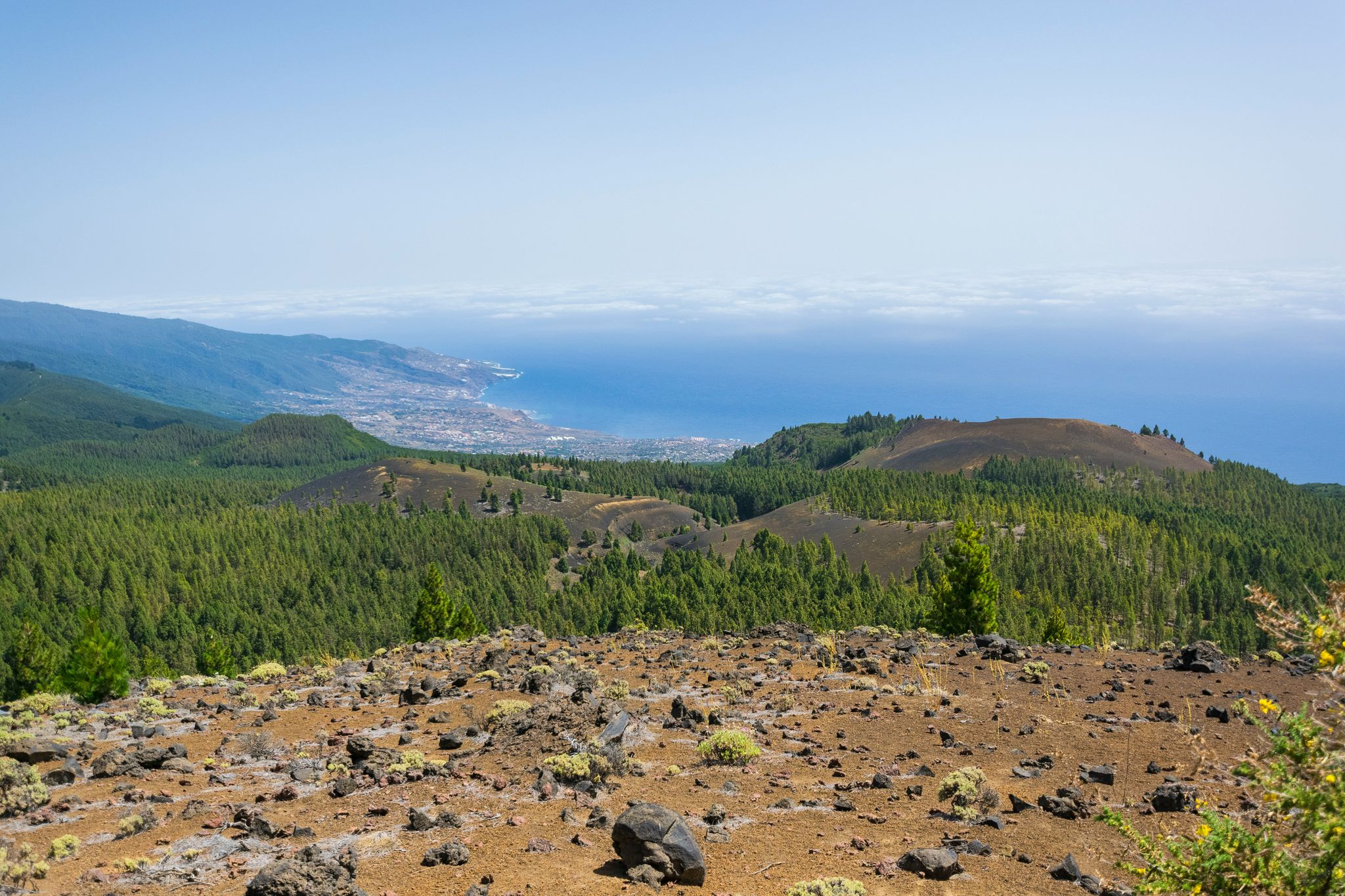
Around the beautiful island – La Palma Nature Trail (GR 130)
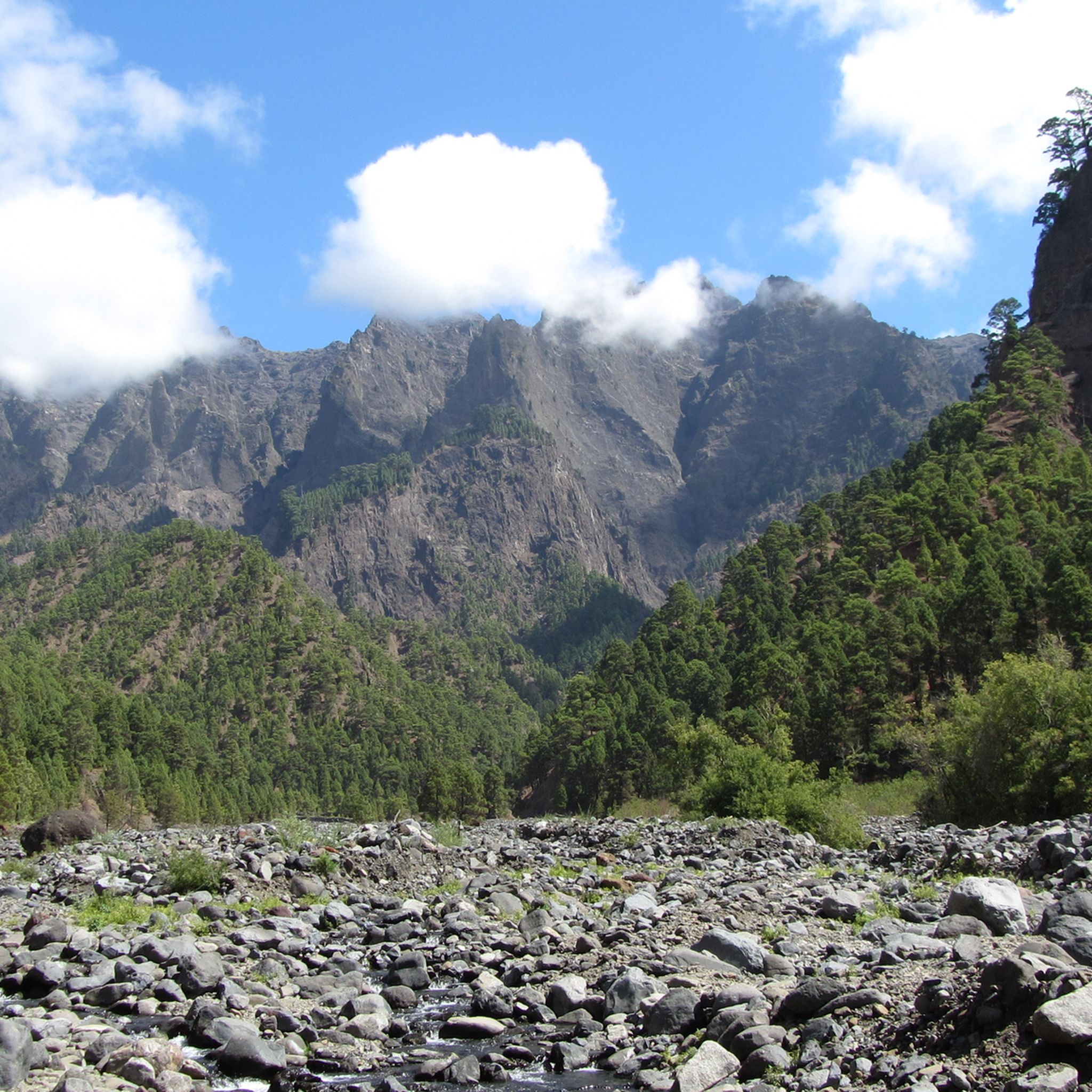
Hiking in La Palma
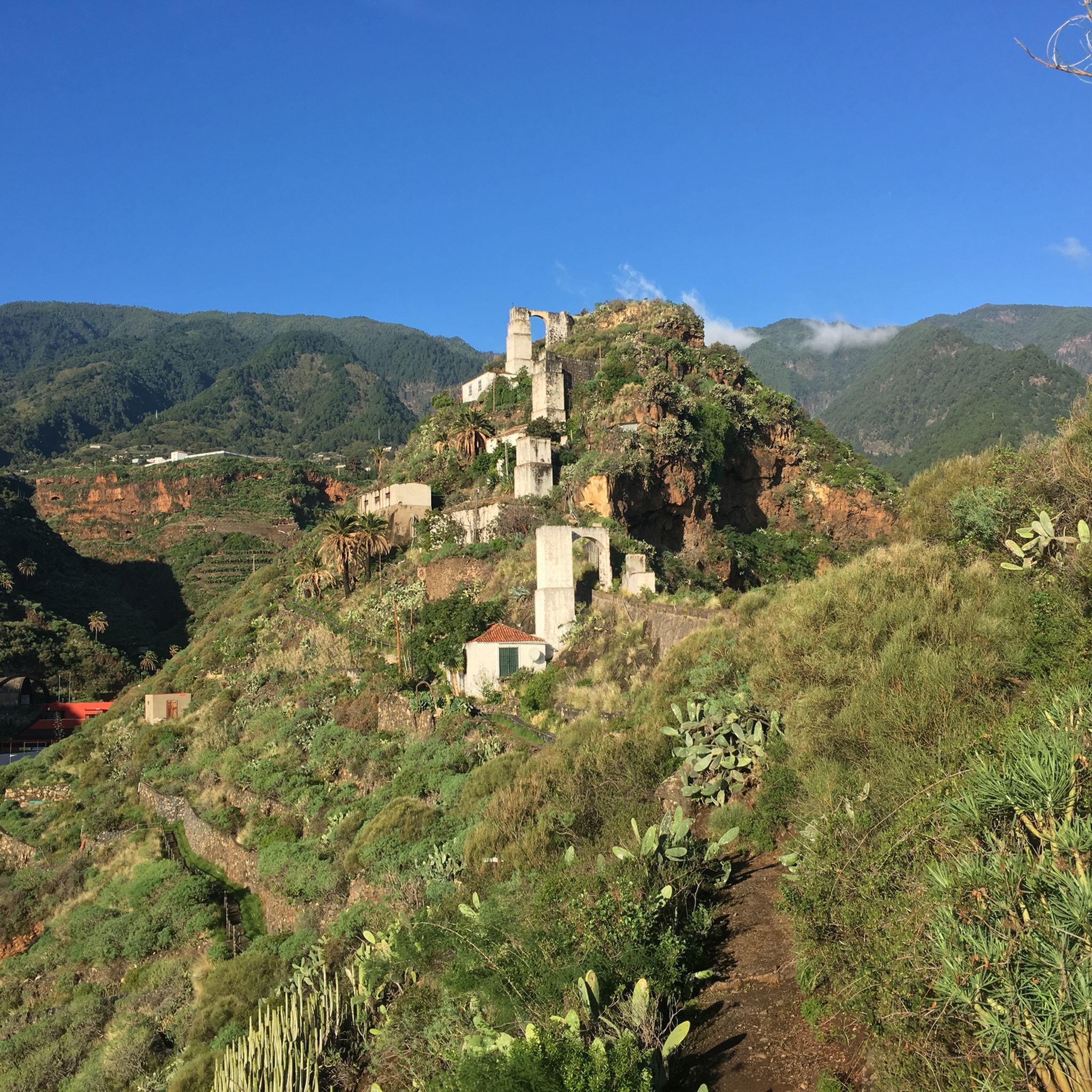
Running Trails in La Palma
MTB Trails in La Palma
Road Cycling Routes in La Palma
Other adventures in La Palma


Tips from the Community

Standing in front of a volcano is quite an experience. A look into the crater is a must!
0
0

You can actually see one of the observatories from here on the other side of the Caldera.
1
0

The route runs through the middle of broom, pine forests and with a view of Teide from Tenerife. Simply a brilliant panoramic view
1
0

Magnificent volcanic landscape with Mediterranean flair
0
0
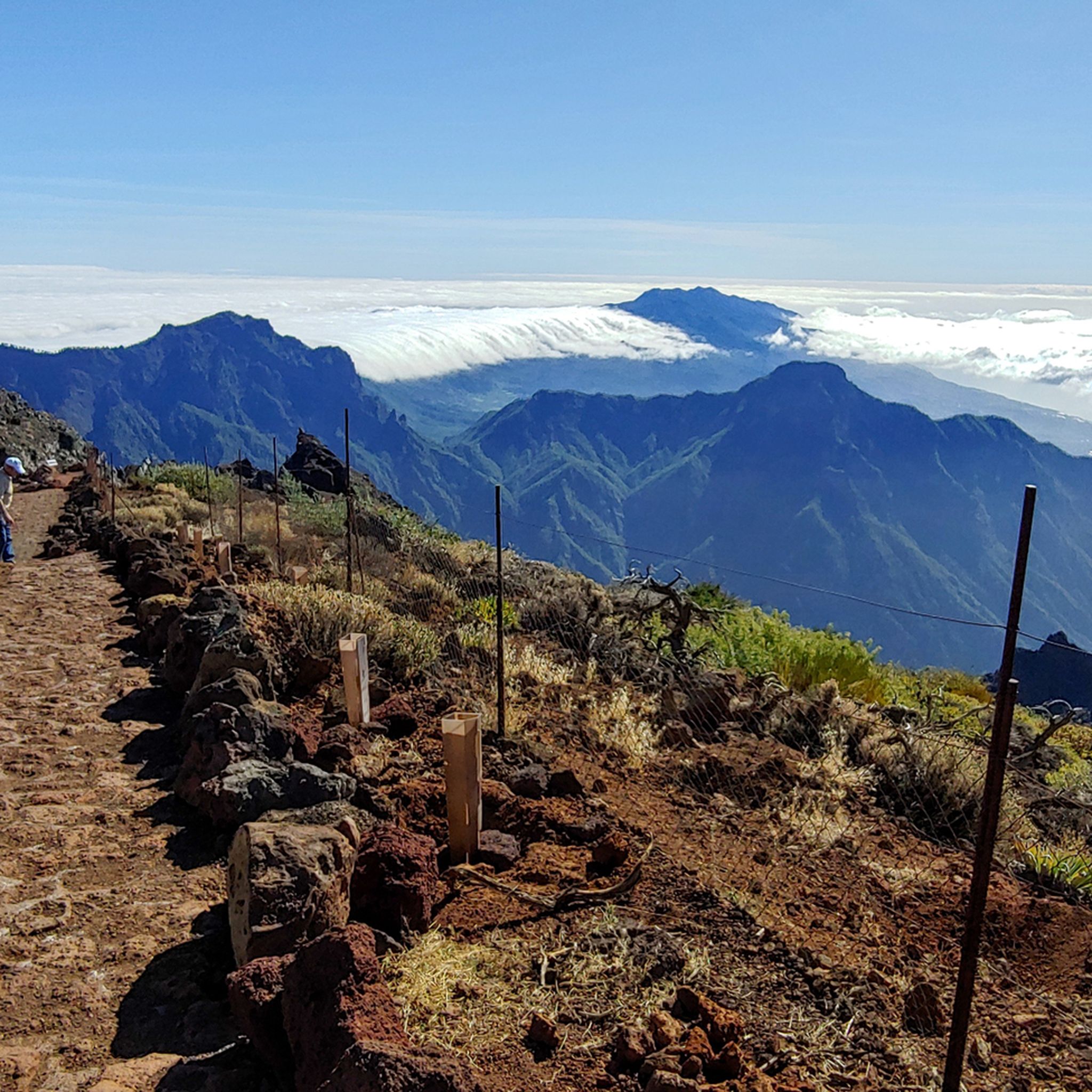
It's worth it even in cloudy weather, as you have a beautiful view of the sea of clouds from above.
1
0

Try to get to the top as early as possible. Later in the day the road becomes very busy and there are few parking spaces left.
5
1

The look into the crater is absolutely worthwhile - not only because of the play of colors of the different rocks. Finally, a word on the topic of hiking equipment: Mandatory due to the many lava/ash fields and differences in altitude!
1
1

On a day with visibility you will see the nearby islands. Don't miss the sunset, the colors are different here. The temperature changes constantly, don't forget your windbreak
7
0
Frequently Asked Questions
Which mountain peaks in La Palma offer the most spectacular panoramic views?
For truly breathtaking panoramic views, consider visiting Roque de los Muchachos, the island's highest point, where you can see across the entire island and to neighboring Canary Islands on clear days. Pico de la Nieve (Snow Peak) also provides extensive views over the Caldera de Taburiente National Park. Pico Bejenado offers a unique 360-degree perspective of the caldera and the west of the island, often including Tenerife, La Gomera, and El Hierro.
Are there accessible mountain peaks for families or those seeking easier hikes in La Palma?
Yes, several peaks offer more accessible options. While many trails involve some challenge, the route to Pico de la Nieve is relatively short and easy with little incline, making it suitable for many hikers. The road leading directly to the summit of Roque de los Muchachos also makes it accessible for those who prefer not to hike extensively. For easy hiking routes in the region, you can explore options like the Volcán de Tajogaite circular route or the San Antonio Volcano Trail, found in the Easy hikes in La Palma guide.
What unique natural features can I expect to see on La Palma's mountain peaks?
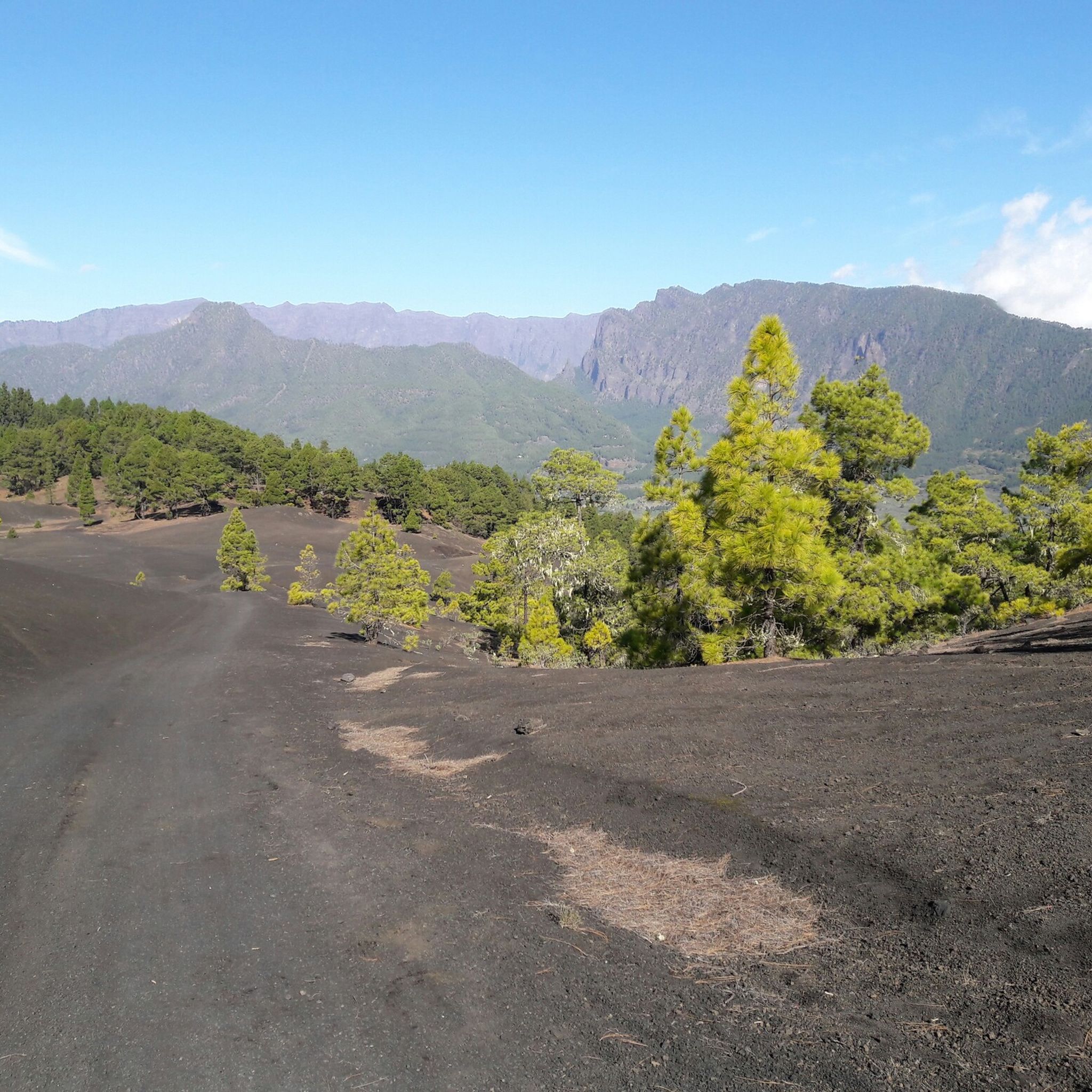
La Palma's peaks are defined by their dramatic volcanic landscape. You'll encounter the massive 1,500-meter-deep Caldera de Taburiente, a remnant of a volcanic eruption, and active volcanic ridges like Cumbre Vieja, which includes the recent Tajogaite volcano. Features include ancient and recent lava flows, pine forests contrasting with dark volcanic earth, and unique phenomena like the 'cloud waterfall' often seen on Cumbre Vieja.
Which mountain peaks offer the best stargazing opportunities?
Roque de los Muchachos is globally renowned for its exceptionally clear skies, making it one of the best locations in the world for stargazing and astronomical observation. The Roque de los Muchachos Observatory, home to advanced telescopes, is located here. You can find more information about stargazing at this location on the Visit La Palma website.
What hiking trails are available near La Palma's mountain peaks?
La Palma offers a wide array of hiking trails. The GR-131 trail, known as 'El Bastón,' follows the ridge of Caldera de Taburiente National Park, passing peaks like Pico de la Cruz. The famous 'Ruta de los Volcanes' traverses the Cumbre Vieja ridge, offering a chance to experience the island's volcanic heart. For more challenging routes, consider the El Rodeo – Pico Bejenado loop or the Hoyo Negro Crater – Deseada Peak loop, detailed in the Mountain Hikes in La Palma guide.
What is the best time of year to hike La Palma's mountain peaks?
La Palma generally enjoys a mild climate year-round, but the best time for hiking mountain peaks is typically during the spring (April-May) and autumn (September-November) when temperatures are pleasant and skies are often clear. Winter months can bring colder temperatures and sometimes snow at the highest elevations, while summer can be hot, especially at lower altitudes. Always check local weather forecasts before heading out, as conditions can change rapidly in the mountains.
Can I see volcanic landscapes on La Palma's mountain peaks?
Absolutely. La Palma is a volcanic island, and its peaks showcase this dramatically. The Cumbre Vieja ridge, for instance, is an active volcanic area featuring numerous craters and lava flows, including the Tajogaite volcano formed in 2021. Peaks like Teneguía Volcano and Martín Volcano offer direct experiences with volcanic terrain and impressive views of the island's geological history.
How can I reach Roque de los Muchachos, the highest peak on La Palma?
Roque de los Muchachos is accessible by road, making it convenient for many visitors. There are also numerous hiking trails of varying difficulty that lead to or pass by the summit. Public transport options to the highest points can be limited, so driving or joining an organized tour is often the most practical way to reach the summit. Parking is available near the trailhead and observatory.
What makes Pico Bejenado a unique peak to visit?
Pico Bejenado is considered unique by some due to its distinct separation from the main caldera rim, offering a different perspective. Located on the south side of the Caldera de Taburiente, it provides a spectacular 360-degree panoramic view of the caldera itself, the west coast of the island, and on clear days, the neighboring islands of El Hierro, La Gomera, and Tenerife with the impressive profile of Pico del Teide.
What is the 'cloud waterfall' phenomenon and where can I see it?
The 'cloud waterfall' is a fascinating meteorological phenomenon caused by trade winds pushing clouds over the mountain ridge, creating the illusion of clouds cascading down the slopes. This can often be witnessed from peaks along the Cumbre Vieja ridge, such as Pico Birigoyo, especially when the trade winds are active. It's a truly spectacular sight unique to La Palma.
Are there opportunities for road cycling near La Palma's mountain peaks?
Yes, La Palma's challenging terrain makes it a popular destination for road cycling. Routes like the Roque de los Muchachos Loop from Santa Cruz or the route from Las Manchas to the Old Fuencaliente Lighthouse offer demanding but rewarding rides with stunning mountain views. You can find more details on these and other routes in the Road Cycling Routes in La Palma guide.
What should I wear when hiking La Palma's mountain peaks?
When hiking La Palma's mountain peaks, it's essential to dress in layers, as weather conditions can change rapidly, especially at higher altitudes. Bring sturdy hiking boots, as trails can be uneven and rocky. A windproof jacket is highly recommended, particularly for exposed summits like Teneguía Volcano or Roque de los Muchachos, where it can be very windy. In winter months, consider bringing mittens or gloves for warmth.
Most popular routes in La Palma
Most popular attractions in La Palma

Get inspired with the komoot mobile app


Explore more
See even more amazing summits in La Palma with these guides:
