Attractions and Places To See in Shawnee National Forest - Top 18
Best attractions and places to see in Shawnee National Forest are spread across 289,000 acres in Southern Illinois. This region features a diverse landscape, including geological formations, historical sites, and recreational opportunities. It is a convergence of six ecological regions, supporting a variety of plant and animal species. The forest offers numerous places to explore, from natural landmarks to cultural points of interest.
Best attractions and places to see in Shawnee National Forest
- The most popular attractions is Chalk Bluff Overlook, a viewpoint offering nature views far into the distance. This spot is suitable for a break and can be reached via a moderate hiking trail from the Little Grand Canyon trailhead.
- Another must-see spot is Ferne Clyffe State Park, a forest area with roughly 2,430 acres of woods, bluffs, and trails. Visitors can explore fern-covered limestone outcrops, Hawks’ Cave, and a waterfall on the Big Rocky Hollow Trail.
- Visitors also love Iron Furnace, a historical site. This stone and brick iron-smelting furnace operated from the late 1830s until 1883, serving as an interesting historical landmark.
- Shawnee National Forest is known for its geological formations, historical sites, and diverse recreational areas. The region offers a variety of attractions to see and explore, including natural landmarks and cultural points of interest.
- The attractions in Shawnee National Forest are appreciated by the komoot community. The guide features 2 photos and has received 5 upvotes from visitors.
Last updated: October 5, 2026
Chalk Bluff Overlook
Highlight • Viewpoint
Tip by

Ferne Clyffe State Park
Highlight • Forest
Tip by

Sign up now to discover places like this
Get recommendations on the best single tracks, peaks, & plenty of other exciting outdoor places.
Garden of the Gods Recreation Area
Highlight • Natural Monument
Tip by

Grand Tower
Highlight • Settlement
Tip by
Iron Furnace
Highlight • Historical Site
Nowadays, the furnace is an interesting historical landmark that draws many visitors. You might also see through-hikers on the River to River Trail camping in the trees near the furnace, or down by the creek.
Tip by
Sign up for free to discover even more attractions in Shawnee National Forest.
Already have an account?
Start today with a free account
Your next adventure awaits.


Other adventures in Shawnee National Forest

Tips from the Community

This little town punches far above its weight class in terms of recreation opportunities. It sits right on the banks of the Mississippi River, with Devil's Backbone Park just to the west and Shawnee National Forest to the east. Grand Tower also serves as the western terminus of the River to River Trail, a 160-mile thru-hike (with hearty portions of road walking) that traverses between the Ohio and Mississippi rivers.
0
0
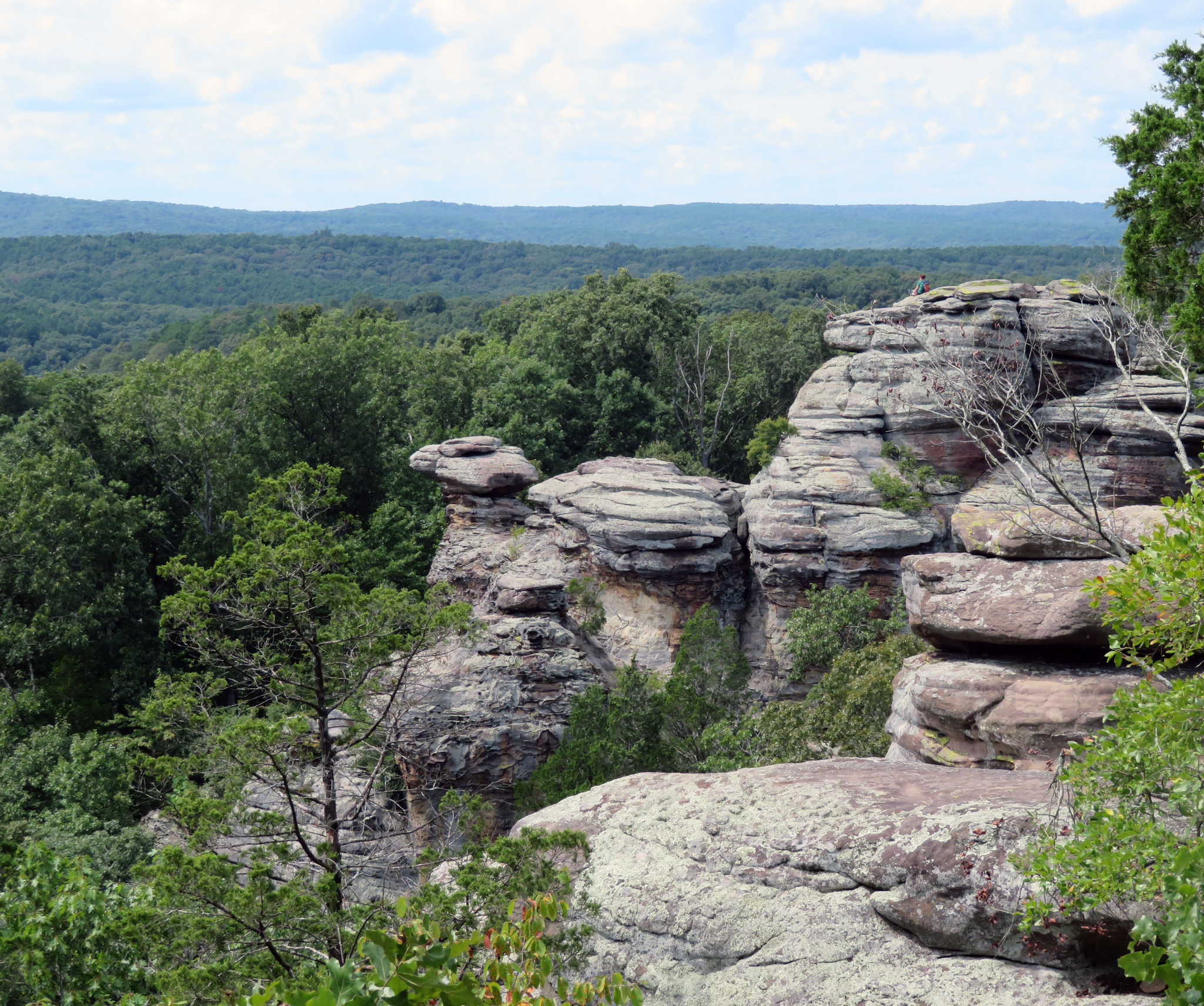
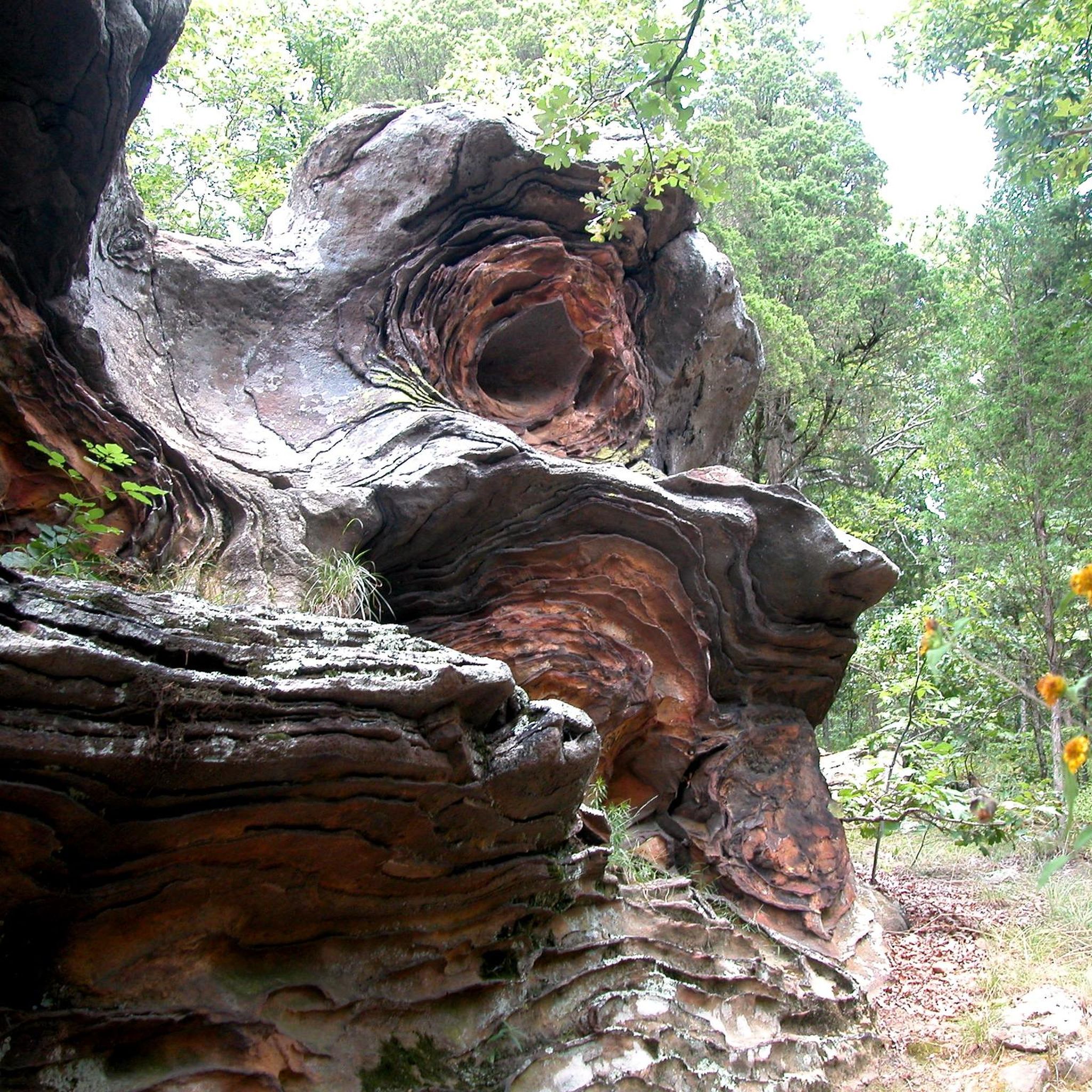
This portion of the River to River Trail wends into the Garden of the Gods — a stunning collection of sandstone formations, sprouting out of the forest as if they had indeed grown out of the ground to please the gods. Wind and water have eroded the stone into fantastical shapes.
0
0

Set in the lush Shawnee Hills of southern Illinois, Ferne Clyffe State Park spreads across roughly 2,430 acres just south of Goreville and offers a rich mix of forest, bluffs, waterfalls, and trails. You can hike through woods filled with fern-covered limestone outcrops, explore Hawks’ Cave and a dramatic intermittent waterfall on the Big Rocky Hollow Trail, or wander around Ferne Clyffe Lake’s one-mile shoreline. Campgrounds range from modern sites with electricity to primitive and equestrian camps, and there are several picnic shelters and lookout points. With over 700 plant species, vibrant spring wildflowers, vivid fall foliage, and rugged natural scenery, this park delivers one of the most scenic escapes in Illinois.
0
0
Built of stone and brick, this iron-smelting furnace operated from the late 1830s until 1883, with a 7-year pause in the 1860s because of the Civil War. Nowadays, the furnace is an interesting historical landmark that draws many visitors. You might also see through-hikers on the River to River Trail camping in the trees near the furnace, or down by the creek.
0
0

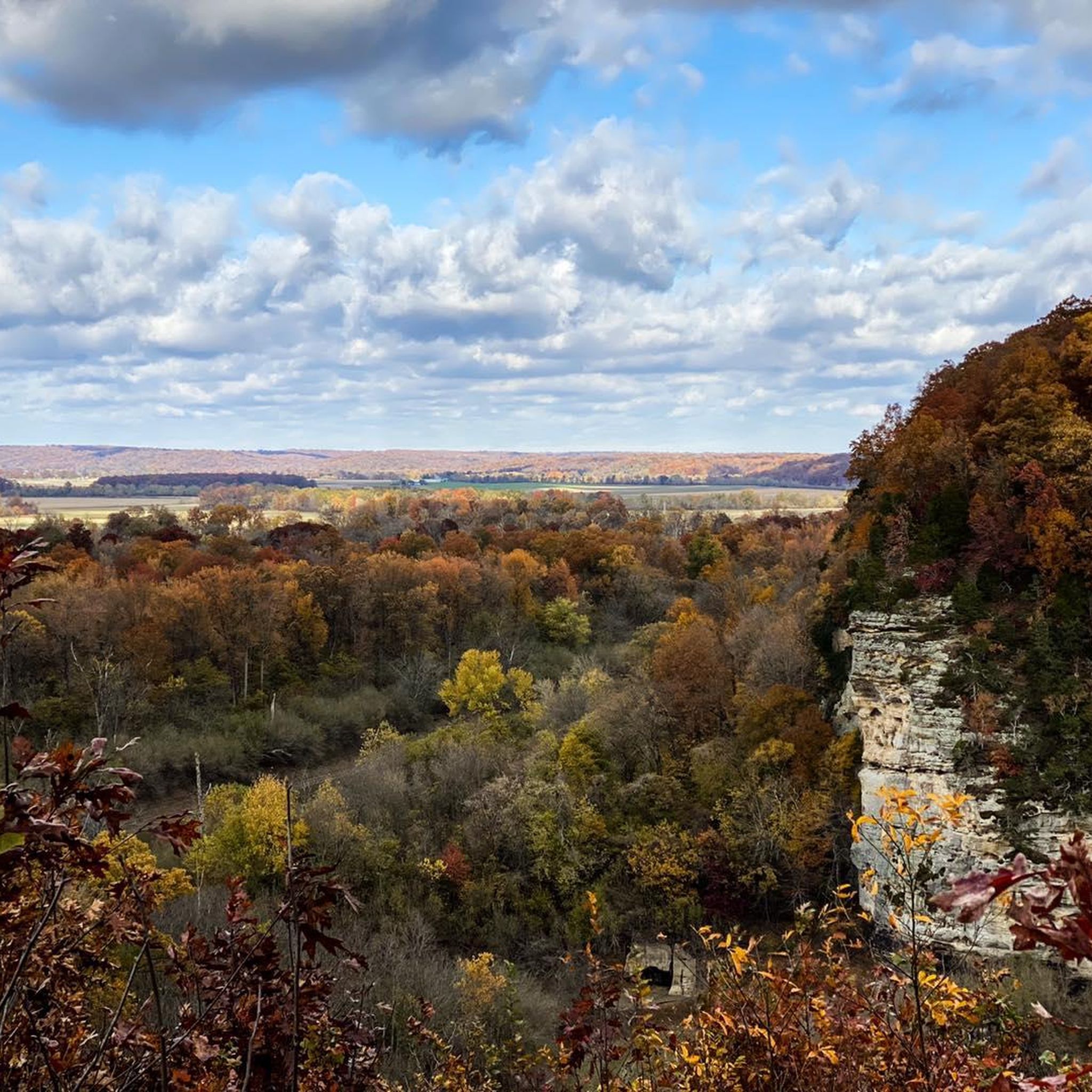
From here, you have beautiful nature views far into the distance. This is a great spot to stop for a break before continuing on. This viewpoint can be reached from the Little Grand Canyon trailhead via a moderate hiking trail.
0
0
Frequently Asked Questions
What natural features can I explore in Shawnee National Forest?
Shawnee National Forest is rich in diverse natural features. You can visit Ferne Clyffe State Park, which offers a mix of forests, bluffs, and waterfalls, including Hawks’ Cave and a dramatic intermittent waterfall on the Big Rocky Hollow Trail. Other notable natural attractions include the iconic Garden of the Gods with its unique geological formations, Rim Rock National Recreation Trail known for its slot canyons and ancient stone walls, and the serene Bell Smith Springs Recreation Area featuring clear streams, scenic canyons, and the largest natural arch in the forest.
Are there any historical sites to visit in Shawnee National Forest?
Yes, the forest offers several historical sites. The Iron Furnace is a significant landmark, a stone and brick iron-smelting furnace that operated from the late 1830s until 1883. You can also explore the Illinois Iron Furnace Historic Site, Millstone Bluff Archaeological Area, and Cave-in-Rock, a historical cave on the Ohio River once used by river pirates. Additionally, Battery Rock is an important Civil War site with carvings left by soldiers.
What are some family-friendly activities in Shawnee National Forest?
For families, Ferne Clyffe State Park is an excellent choice, offering easy trails and diverse scenery. The Iron Furnace provides an interesting historical learning experience. Pounds Hollow Recreation Area is perfect for swimming, fishing, and boating. The Wetlands Nature Center on the Cache offers hands-on experiences for children to learn about local wildlife, and the Shawnee National Forest Bigfoot monument provides a fun photo opportunity.
Where can I find scenic viewpoints in the forest?
For breathtaking vistas, head to Chalk Bluff Overlook, which offers expansive nature views and can be reached via a moderate hiking trail from the Little Grand Canyon trailhead. The Garden of the Gods also features a quarter-mile Observation Trail with stunning views of sheer cliffs. Other scenic spots include Stone Face, offering a beautiful overlook, and Horseshoe Bluff, known for its impressive bluff formations and scenic overlooks.
Are there opportunities for hiking and cycling near the attractions?
Absolutely! Shawnee National Forest is a hiker's and cyclist's paradise. You can find numerous hiking trails, including the popular Garden of the Gods Loop and the more strenuous Little Grand Canyon trails. For cycling, the Tunnel Hill State Trail is a popular choice. You can explore more options for hiking and cycling in the region, with routes ranging from easy to difficult.
What is the best time to visit Shawnee National Forest?
The best time to visit depends on your preferred activities. Spring brings vibrant wildflowers and pleasant temperatures for hiking. Fall offers spectacular foliage, making it ideal for scenic drives and walks. Summer is great for water activities at places like Pounds Hollow. Winter can be a unique time to visit, especially for viewing hidden waterfalls in Little Grand Canyon or the bluffage at Battery Rock when foliage is down and rattlesnakes are less active.
Are there any unique geological formations to see?
Yes, the forest is renowned for its unique geology. The Garden of the Gods is famous for its unusual sandstone formations. Rim Rock National Recreation Trail features distinctive geological structures and slot canyons. You can also visit Pomona Natural Bridge, the only natural land bridge of its kind in Shawnee National Forest, and Bell Smith Springs, known for its high sandstone formations and natural arch.
Where can I go for wildlife spotting?
Heron Pond is an excellent location for wildlife spotting, featuring a long floating boardwalk that takes visitors into a diverse wetland environment resembling southern swamplands. The entire forest, being a convergence of six ecological regions, supports a remarkable variety of plant and animal species, making any trail a potential spot for observing nature.
What are some hidden gems or less-visited spots in the forest?
Beyond the main attractions, consider exploring the Hidden Waterfalls of Little Grand Canyon for a more secluded experience. Pakentuck, near Camp Ondessonk, features multiple waterfalls, a natural arch, and scenic creeks. Pine Hollow (Rocky Creek) offers dramatic cascades after heavy rain, along with cave shelters and an old cemetery. Horseshoe Bluff also provides impressive bluff formations and natural cave shelters away from the crowds.
Is there a place to camp near Garden of the Gods?
Yes, Pharaoh Campground is conveniently located just outside the Garden of the Gods. It's a walk-in only, first-come, first-serve campsite offering pretty views over the hillsides. While it doesn't offer direct views of the famous rock formations, they are just a short walk away.
Can I find any accessible attractions in Shawnee National Forest?
The town of Grand Tower, located on the Mississippi River, is noted as wheelchair accessible and serves as the western terminus of the River to River Trail. While many natural trails can be rugged, some areas and visitor centers may offer more accessible paths. It's always recommended to check specific trail conditions and accessibility information before visiting.
What kind of outdoor sports can I do in the area?
Shawnee National Forest offers a wide range of outdoor sports. Besides hiking and cycling, rock climbing and rappelling are popular at Jackson Falls, known for its vast climbing routes. Pounds Hollow Recreation Area is great for swimming, fishing, and boating. The River to River Trail, a 160-mile path, is ideal for long-distance hiking or trail running. You can find more details on road cycling and hiking routes in the region.
Most popular routes in Shawnee National Forest
Most popular attractions in Shawnee National Forest

Get inspired with the komoot mobile app


Explore more
Still not found the Highlight you’re looking for? See guides of the top attractions in other regions:
