The best cycling routes around Mazowiecki Park Krajobrazowy
4.5
(88)
630
riders
76
rides
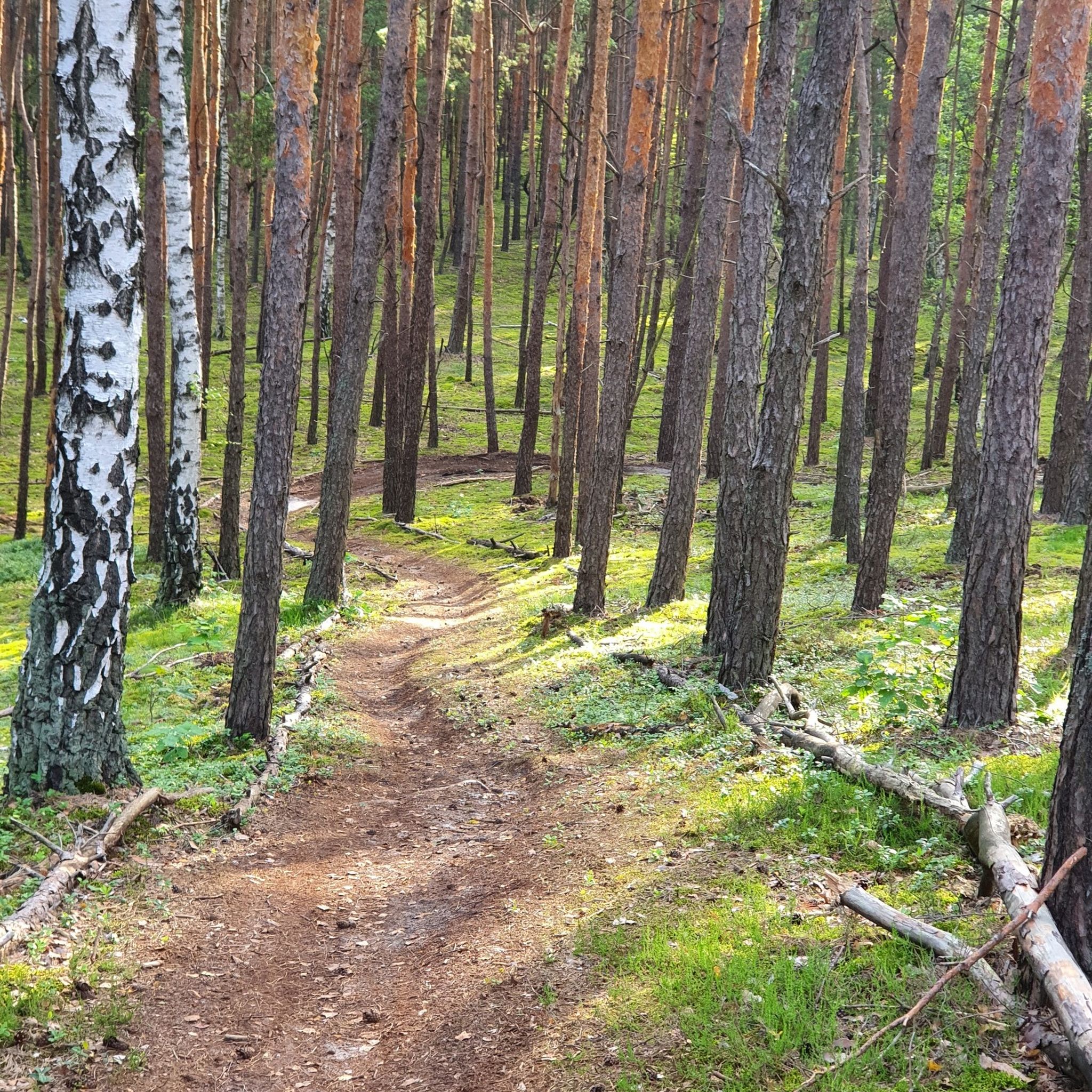
Touring cycling around Mazowiecki Park Krajobrazowy offers routes through diverse landscapes southeast of Warsaw. The park is characterized by extensive coniferous forests, remnants of the ancient Osiecka Forest, covering about 70% of its area. Interspersed within these woodlands are unique ecosystems, including significant peat bogs like Bagno Całowanie, wetlands, and river valleys such as the Świder and Mienia. The terrain generally features gentle elevation changes, making it suitable for various cycling experiences.
Best touring cycling routes around Mazowiecki Park Krajobrazowy
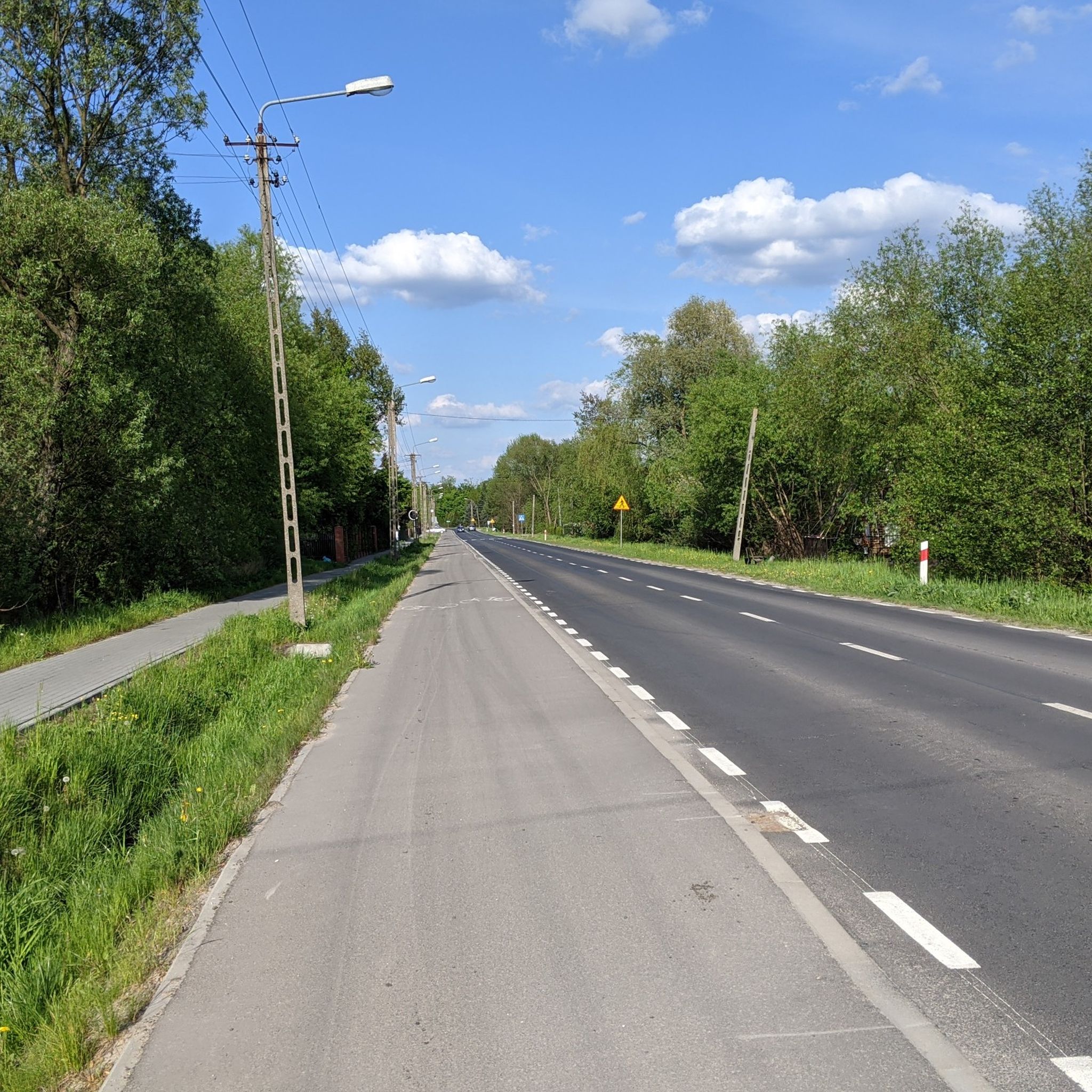
- The most popular touring cycling route is Ponurzyca Paved Road – Christ at Rest Wayside Shrine loop from Celestynów, a 43.5 miles (70.1 km) trail that takes 4 hours 47 minutes to complete. This route features paved sections and passes through traditional Mazovian villages.
- Another top favourite among local touring cyclists is Celestynów Railway Station – Abram Gurewicz Guesthouse loop from Celestynów, an easy 17.2 miles (27.7 km) path. This route is accessible from Celestynów and leads through forest fragments.
- Local touring cyclists also love the New footbridge over the Mienia – Świder River Bend loop from Zakręt, a 22.2 miles (35.8 km) trail leading through the picturesque river valleys of the Mienia and Świder, often completed in about 2 hours 23 minutes.
- Touring cycling around Mazowiecki Park Krajobrazowy is defined by vast coniferous forests, unique peat bogs, and meandering river valleys. The network offers options for different ability levels, from easy forest paths to more challenging longer routes.
- The routes in Mazowiecki Park Krajobrazowy are highly rated by the komoot community with an average score of 4.3 stars from over 80 reviews. More than 500 touring cyclists have used komoot to explore Mazowiecki Park Krajobrazowy's varied terrain.
Last updated: July 7, 2026
4.6
(8)
49
riders
70.5km
04:49
190m
190m
Hard bike ride. Good fitness required. You may need to push your bike for some segments of this route.
4.7
(11)
67
riders
Easy bike ride. Great for any fitness level. Mostly paved surfaces. Suitable for all skill levels.

Sign up for free
20
riders
71.4km
05:21
220m
220m
Hard bike ride. Very good fitness required. You may need to push your bike for some segments of this route.
5.0
(6)
33
riders
Easy bike ride. Great for any fitness level. Mostly paved surfaces. Suitable for all skill levels.
4.7
(7)
37
riders
Easy bike ride. Great for any fitness level. Mostly paved surfaces. Suitable for all skill levels.
Get access to more routes and recommendations from other explorers.
Sign up for free
Already have an account?
Our route recommendations are based on thousands of hikes, rides, and runs completed by other people on komoot.
Start today with a free account
Your next adventure awaits.
Login or Signup

Tips from the Community

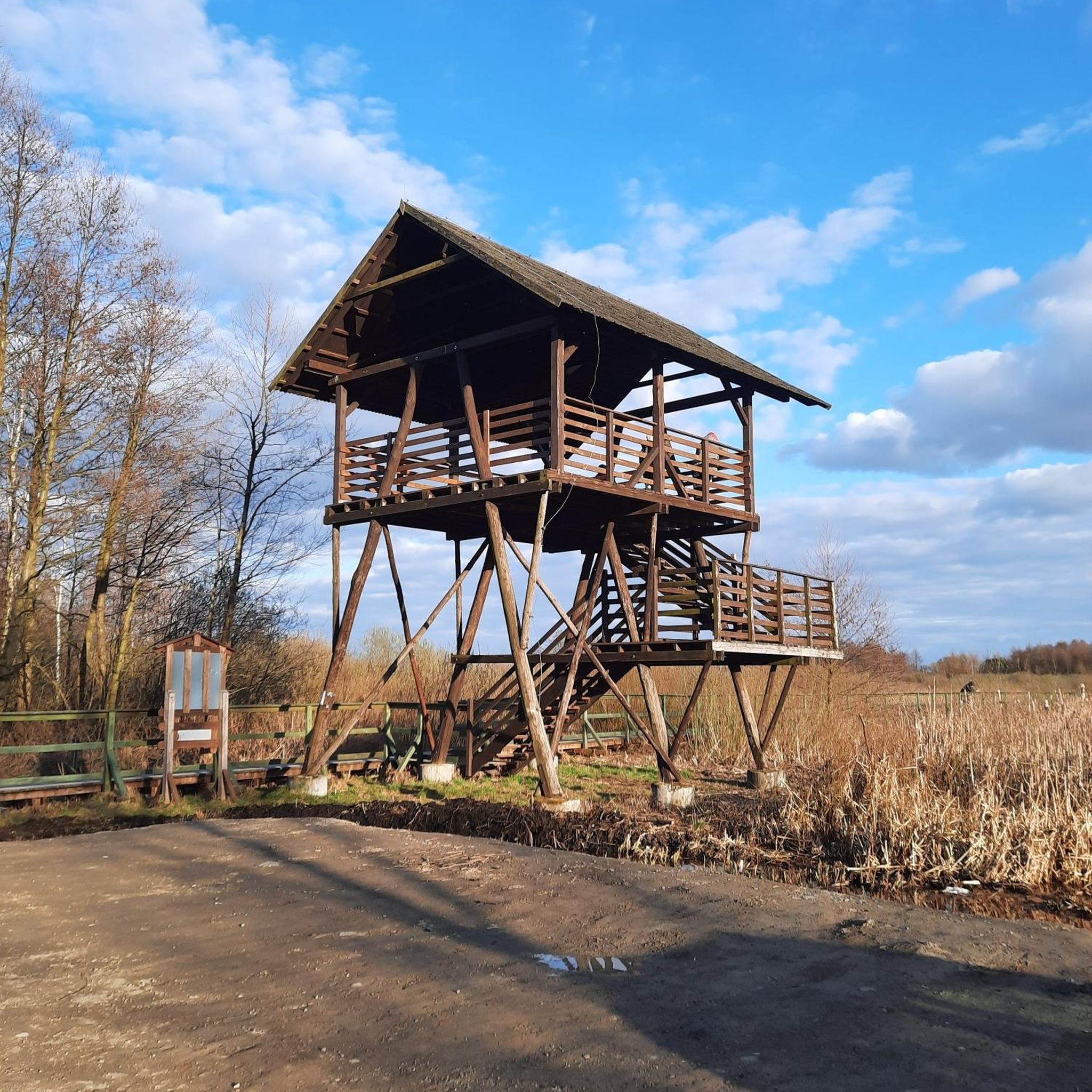
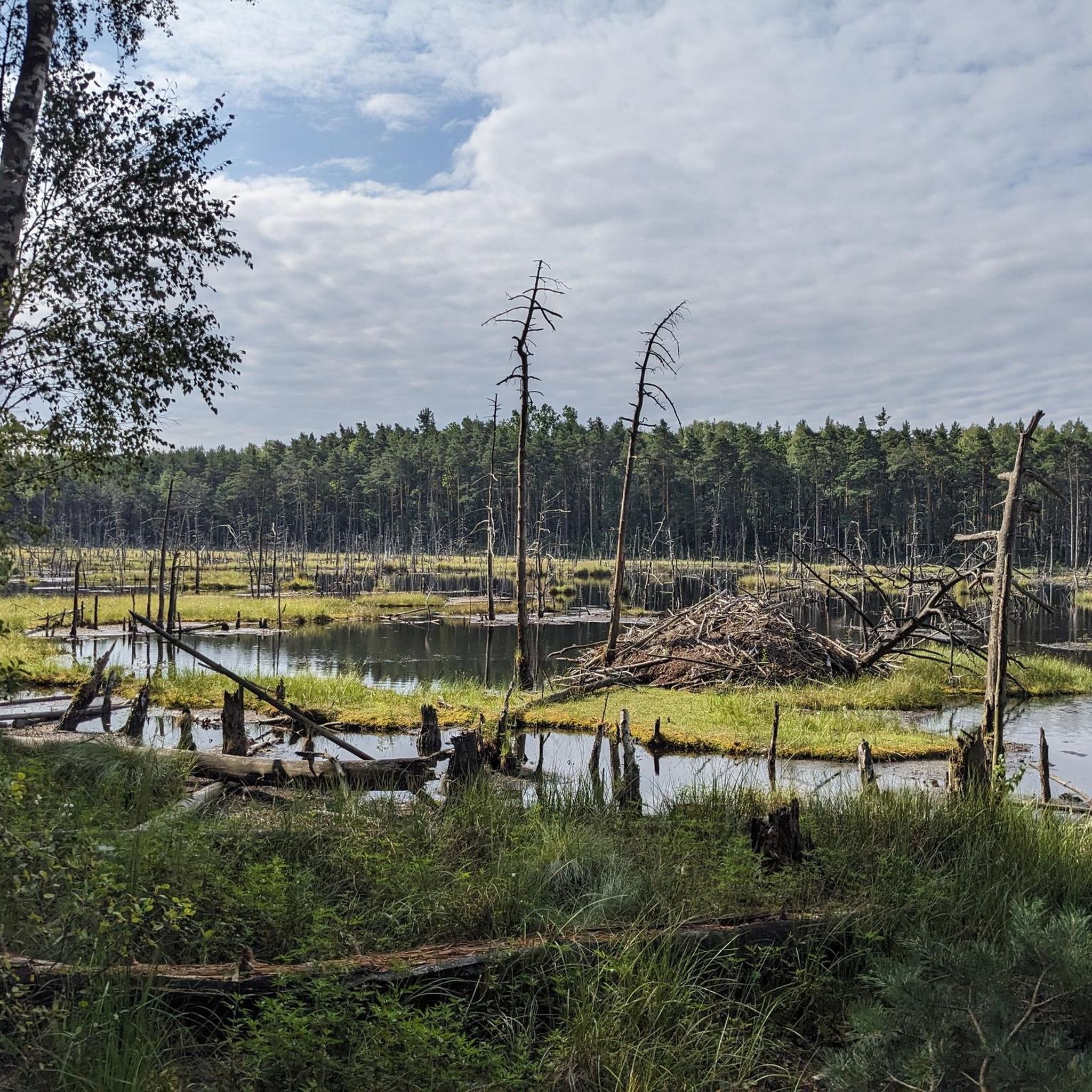
Bagno Całowanie – one of the largest lowland peatland complexes in Mazovia, covering an area of 1200 ha, located within the Mazowiecki Landscape Park, southeast of Warsaw, in the Vistula River valley. The peatland area extends for 15 km, reaching a width of approx. 3 km
1
0
The figure of Christ in Otwock has been entered into the register of monuments. It is a replica from Krakowskie Przedmieście in Warsaw
1
0
Children's playground near Cukiernia Sosenka
1
0
Great cafe in the center of Otwock. The queues are also amazing...
1
0
The brickyard in Radzin was established around 1850 as part of the local manor. Initially, bricks were produced solely for the manor's needs, but over time the plant expanded its operations – residents of the surrounding villages began to buy bricks. In 1928, the characteristic brick chimney, towering over the trees, was erected, which dominated the area for years. Residential barracks for workers and their families were also built at the plant. The construction of the massive structures, especially between 1890 and 1930, was a laborious process involving the precise manual laying of hundreds of bricks, layer by layer, on increasingly higher wooden scaffolding. Specialist bricklayers, often risking their lives without adequate safety measures, ensured the perfect verticality and roundness of the structure, using lime mortar and occasionally steel hoops for increased stability. Such height was not an architect's whim – it was a key technological element, ensuring a strong, natural draft necessary for efficient combustion in brick kilns and for dispersing smoke and pollutants far from the plant, which, in the understanding of the time, was intended to protect the environment and human health in the immediate vicinity. The brickyard operated successfully until the tragic December of 1939, when history added a tragic chapter to its story. During the German occupation, in December 1939, an attack occurred in Celestynów on the home of the German Zommer family. In response, German gendarmes carried out a brutal reprisal. It was assumed that the perpetrators of the attack were residents of the settlement near the brickyard. 18 men were arrested (many of them former employees of the plant). The detainees were gathered near the train station. As we read in the memoirs of Władysław Święch, "among them was also Father Banasiewicz". Mrs. Zdziechowska, a resident of Celestynów and German by birth, who knew the priest, attempted to secure his release. In a dramatic gesture, she threw herself at the feet of a German officer, begging for mercy. Her desperate pleas were successful, as the priest was released, but the other men were led into the forest along Osiecka Street, where an execution took place. After this tragedy, the brickyard never resumed its operations.
1
0
Baby, babki, babeczki, yeast, shortcrust… and poppy seed rolls! All this awaits you at Sosence!
1
0
Railway station located in Celestynów in the municipality of Celestynów. The station is located on the Vistula railway line from Warsaw East to Dorohusk (railway line No. 7). In the area of the station, there is a historic building with a ticket office and waiting room of Koleje Mazowieckie. In the area of the station, there is also the Celestynów (Cl) signal box building.
1
0
Łowisko Całowanie is a popular fish pond complex located directly on the edge of the Całowanie Marsh (Mazovian Landscape Park), about 40 km southeast of the center of Warsaw. It is an excellent place for both anglers and those seeking an escape into nature.
1
0
Frequently Asked Questions
How many touring cycling routes are available in Mazowiecki Park Krajobrazowy?
There are over 70 touring cycling routes available in Mazowiecki Park Krajobrazowy, offering a wide range of options for different skill levels and preferences. You'll find routes varying in length and terrain, from easy forest paths to more challenging, longer rides.
What is the general difficulty level of touring cycling routes in Mazowiecki Park Krajobrazowy?
The routes in Mazowiecki Park Krajobrazowy cater to various skill levels. Approximately 49 routes are considered easy, 11 are moderate, and 12 are more difficult. This means you can find everything from gentle rides through forests to longer, more demanding tours with varied surfaces.
What do other cyclists say about touring cycling in Mazowiecki Park Krajobrazowy?
The touring cycling routes in Mazowiecki Park Krajobrazowy are highly rated by the komoot community, with an average score of 4.3 stars from over 80 reviews. Cyclists often praise the diverse landscapes, quiet woodlands, and the opportunity to explore unique natural features like peat bogs and river valleys.
Are there any easy touring cycling routes suitable for beginners or families?
Yes, Mazowiecki Park Krajobrazowy offers numerous easy routes perfect for beginners or family outings. An excellent option is the Celestynów Railway Station – Abram Gurewicz Guesthouse loop from Celestynów, an easy 17.2-mile (27.7 km) path that leads through pleasant forest fragments and is easily accessible from Celestynów.
What kind of landscapes can I expect to see on a touring cycling route in Mazowiecki Park Krajobrazowy?
Touring cycling in Mazowiecki Park Krajobrazowy will take you through diverse landscapes. You'll primarily encounter extensive coniferous forests, particularly pine, which cover about 70% of the park. Interspersed within these woodlands are unique ecosystems such as significant peat bogs like Bagno Całowanie, wetlands, and picturesque river valleys of the Świder and Mienia rivers. Some routes also feature inland dunes.
Are there any circular touring cycling routes in the park?
Yes, many routes in Mazowiecki Park Krajobrazowy are designed as loops, allowing you to start and end in the same location. For example, the Ponurzyca Paved Road – Christ at Rest Wayside Shrine loop from Celestynów is a popular 43.5-mile (70.1 km) circular route that features paved sections and passes through traditional Mazovian villages.
What are some natural attractions or points of interest I can visit while cycling?
The park is rich in natural attractions. You can cycle past the significant Torfy Lake, explore the unique Bagno Całowanie peat bog (which often has wooden boardwalks and a viewing tower), or discover the serene Black Pond. The picturesque meanders of the Świder River are also a highlight, known for their natural beauty and wildlife.
Are there any routes that explore the river valleys?
Absolutely. The park includes stretches of the Świder and Mienia rivers, which offer beautiful cycling opportunities. The New footbridge over the Mienia – Świder River Bend loop from Zakręt is a 22.2-mile (35.8 km) trail specifically designed to lead through the picturesque river valleys of the Mienia and Świder, showcasing their natural vegetation and wildlife.
What is the best time of year for touring cycling in Mazowiecki Park Krajobrazowy?
The park is generally suitable for touring cycling from spring through autumn. Spring brings blooming flora, while autumn offers vibrant colors. The extensive forest cover provides shade during warmer summer months. While some routes might be accessible in winter, conditions can be challenging due to snow and ice, so it's best to check local conditions.
Can I access the park's cycling routes using public transport?
Yes, the park is easily accessible from Warsaw, and some routes start near public transport hubs. For instance, the Celestynów Railway Station – Abram Gurewicz Guesthouse loop from Celestynów is accessible directly from Celestynów, which has a PKP (Polish Railways) station, making it convenient for those traveling without a car.
Are there any historical or cultural sites along the cycling routes?
Beyond natural beauty, some cycling routes can lead you to historical sites. The Celestynów-Otwock Forests Route, for example, connects historical sites from the interwar period and World War II. Additionally, the towns bordering the park, such as Otwock, feature unique historical architecture like the 'świdermajer' style, which you might encounter on routes passing through these areas.
What kind of surfaces can I expect on the touring cycling routes?
The routes in Mazowiecki Park Krajobrazowy offer a variety of surfaces. You'll find routes with mostly paved sections, suitable for all skill levels and types of touring bikes. However, there are also unpaved and gravel segments for those seeking a more adventurous ride. Some trails may require good fitness and occasionally necessitate pushing your bike on certain segments, especially in less developed areas.
Most popular routes around Mazowiecki Park Krajobrazowy
Most popular attractions around Mazowiecki Park Krajobrazowy

Get inspired with the komoot mobile app


Explore more
Browse the best Cycling routes in other regions.
