The best mountain hikes in the Bavarian Forest
4.8
(234)
1,818
hikers
214
hikes
Mountaineering in the Bavarian Forest, Germany's first and largest national park, offers routes through a landscape defined by wild nature, expansive ancient forests, and crystal-clear mountain streams. The region features a transition from rolling hills to more imposing mountain ranges, particularly along the border with the Czech Republic, forming the largest continuous forest area in Central Europe. Mountaineering routes often involve significant elevation gains and varied terrain, including rocky sections and distinctive granite domes. This area provides ample opportunities for those seeking an active experience in nature.
Best mountaineering routes in the Bavarian Forest
- The most popular mountaineering route is Rißloch Waterfalls – Kleiner Arber Summit (1,384 m) loop from Bodenmais, an 11.4 miles (18.4 km) trail that takes 6 hours 28 minutes to complete. This difficult route features significant elevation gain and leads to a prominent summit.
- Another top favourite among local mountaineers is Glass Ark in the Bavarian Forest – Lusen Summit loop from Waldhäuser Wald, a difficult 5.5 miles (8.9 km) path. This route offers views from the distinctive granite dome of Lusen Summit.
- Local mountaineers also love the Großer Osser summit – Summit of the Kleiner Osser loop from Thürnstein, a 7.5 miles (12.1 km) trail leading through the Osser region, often completed in about 4 hours 34 minutes.
- Mountaineering in the Bavarian Forest is defined by ancient forests, granite domes, and significant elevation gains. The network offers options for different ability levels, from challenging mountain hikes to routes with varied terrain.
- The routes in Bavarian Forest are highly rated by the komoot community with an average score of 4.8 stars from more than 250 reviews. More than 2,100 mountaineers have used komoot to explore Bavarian Forest's varied terrain.
Last updated: July 2, 2026
5.0
(15)
83
hikers
18.4km
06:28
910m
910m
Hard mountaineering route. Very good fitness required. Mostly accessible paths. Sure-footedness required.
5.0
(5)
21
hikers
9.60km
03:49
590m
600m
Hard mountaineering route. Good fitness required. Sure-footedness, sturdy shoes and alpine experience required.

Sign up for free
5.0
(7)
24
hikers
11.5km
04:22
630m
630m
Hard mountaineering route. Good fitness required. Sure-footedness, sturdy shoes and alpine experience required.
4.7
(3)
57
hikers
12.9km
04:28
630m
630m
Moderate mountaineering route. Good fitness required. Mostly accessible paths. Sure-footedness required.
4.8
(6)
49
hikers
12.7km
04:37
580m
580m
Hard mountaineering route. Good fitness required. Sure-footedness, sturdy shoes and alpine experience required.
Get access to more routes and recommendations from other explorers.
Sign up for free
Already have an account?
Our route recommendations are based on thousands of hikes, rides, and runs completed by other people on komoot.
Start today with a free account
Your next adventure awaits.
Login or Signup
Popular around Bavarian Forest
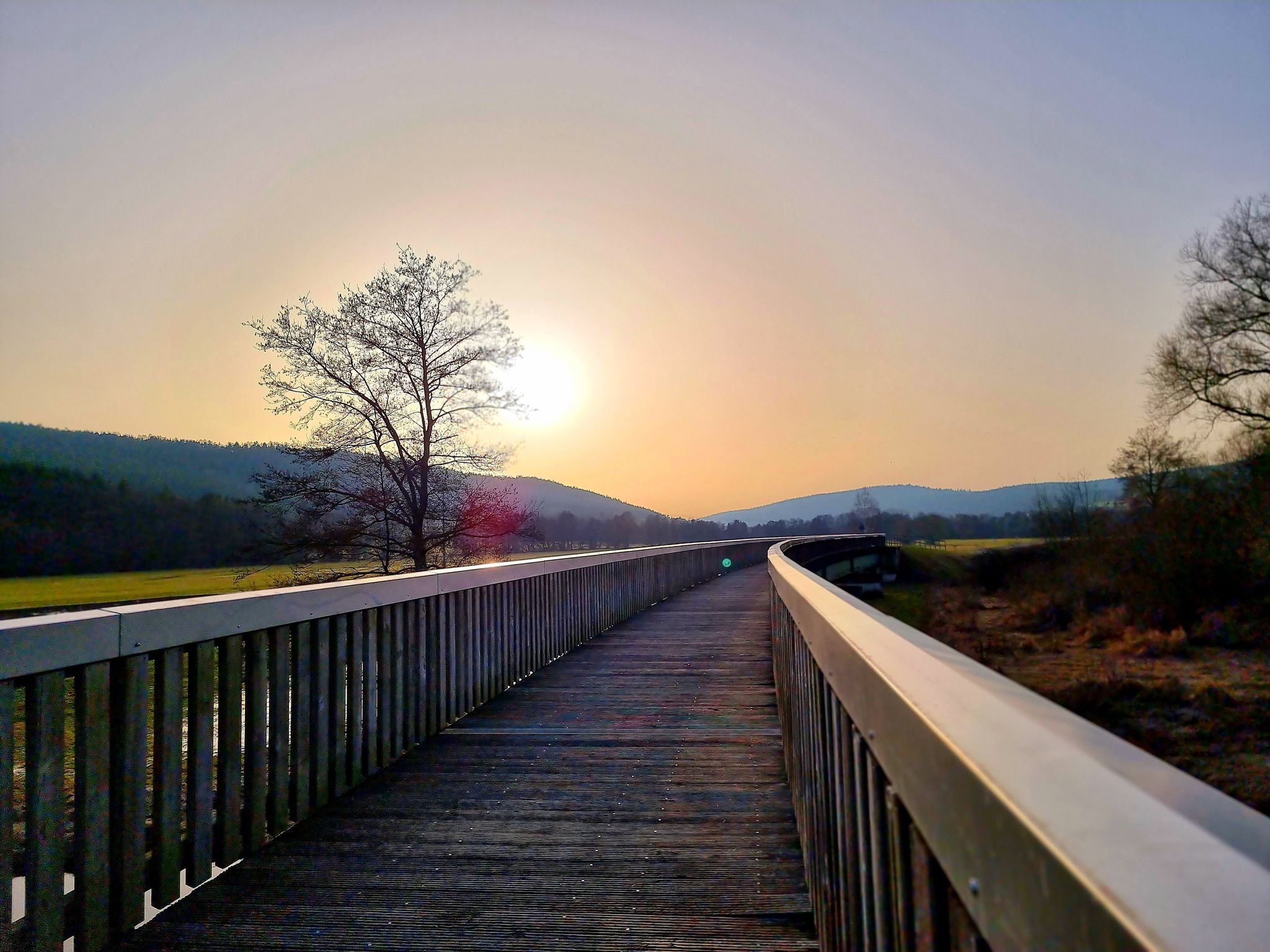
Bavaria-Bohemia long-distance cycling trail – Crossing borders
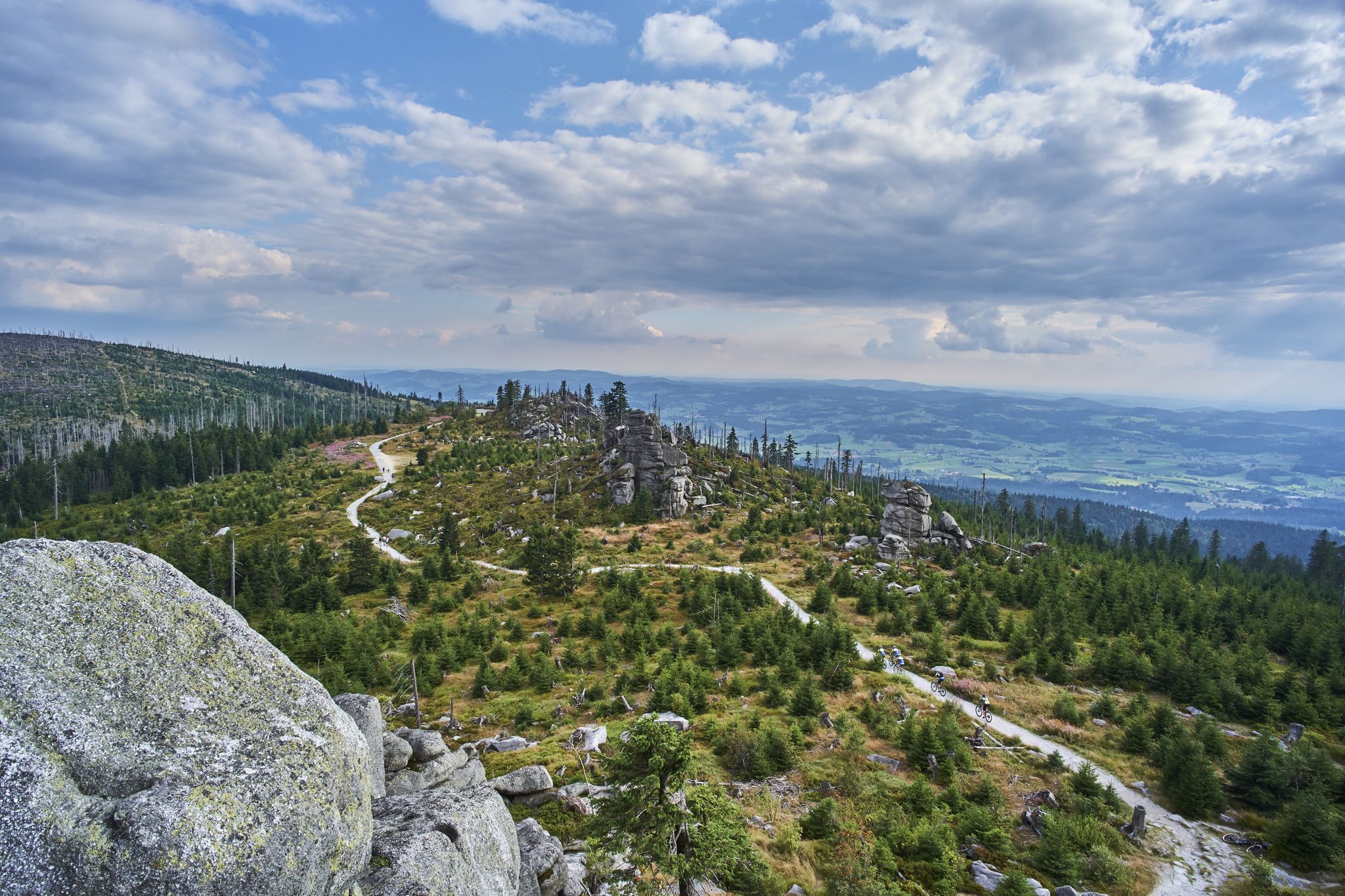
Trans Bayerwald – A mountain bike adventure through Bavaria's finest nature
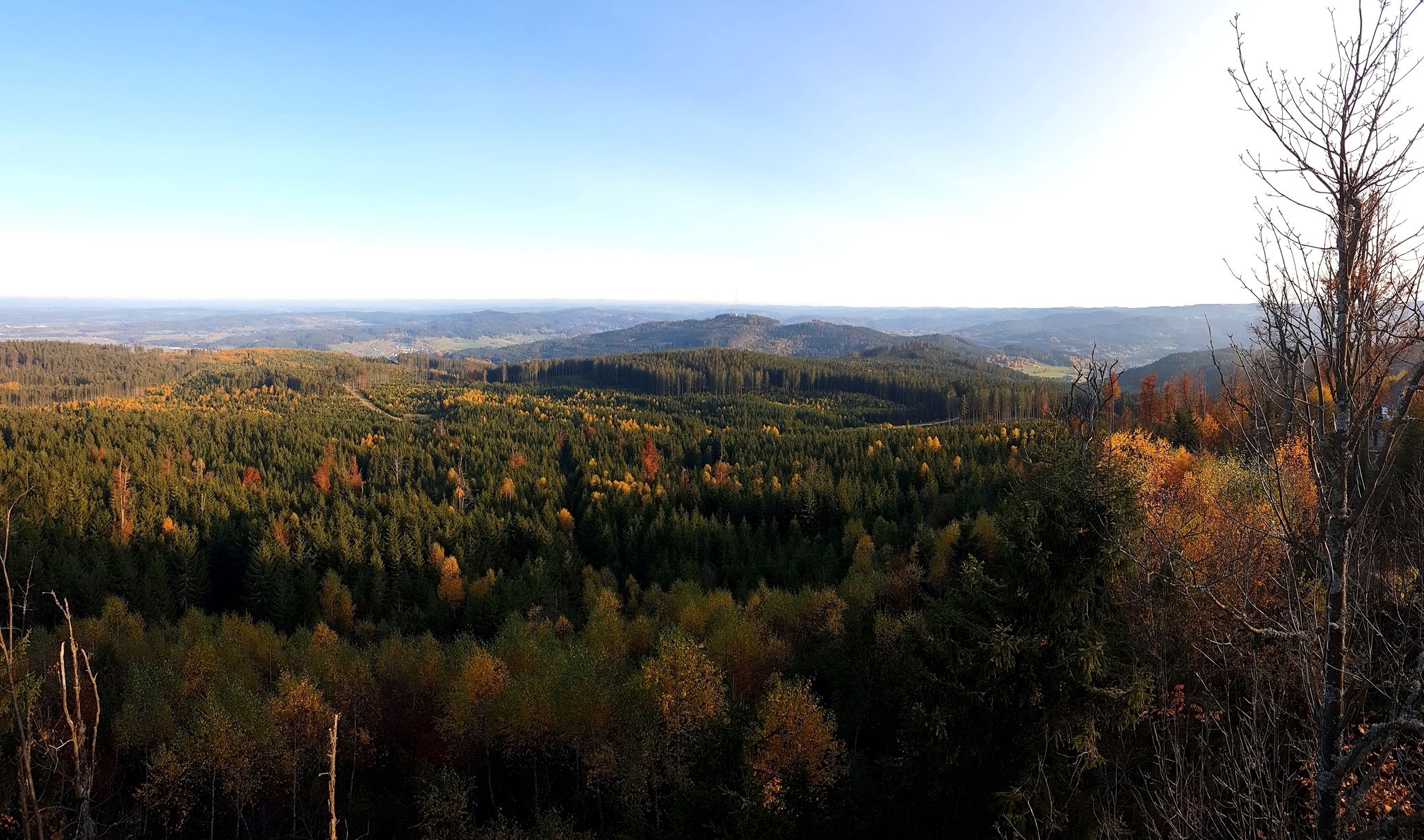
Nordwaldkamm trail – Hiking between the Czech Republic and Austria
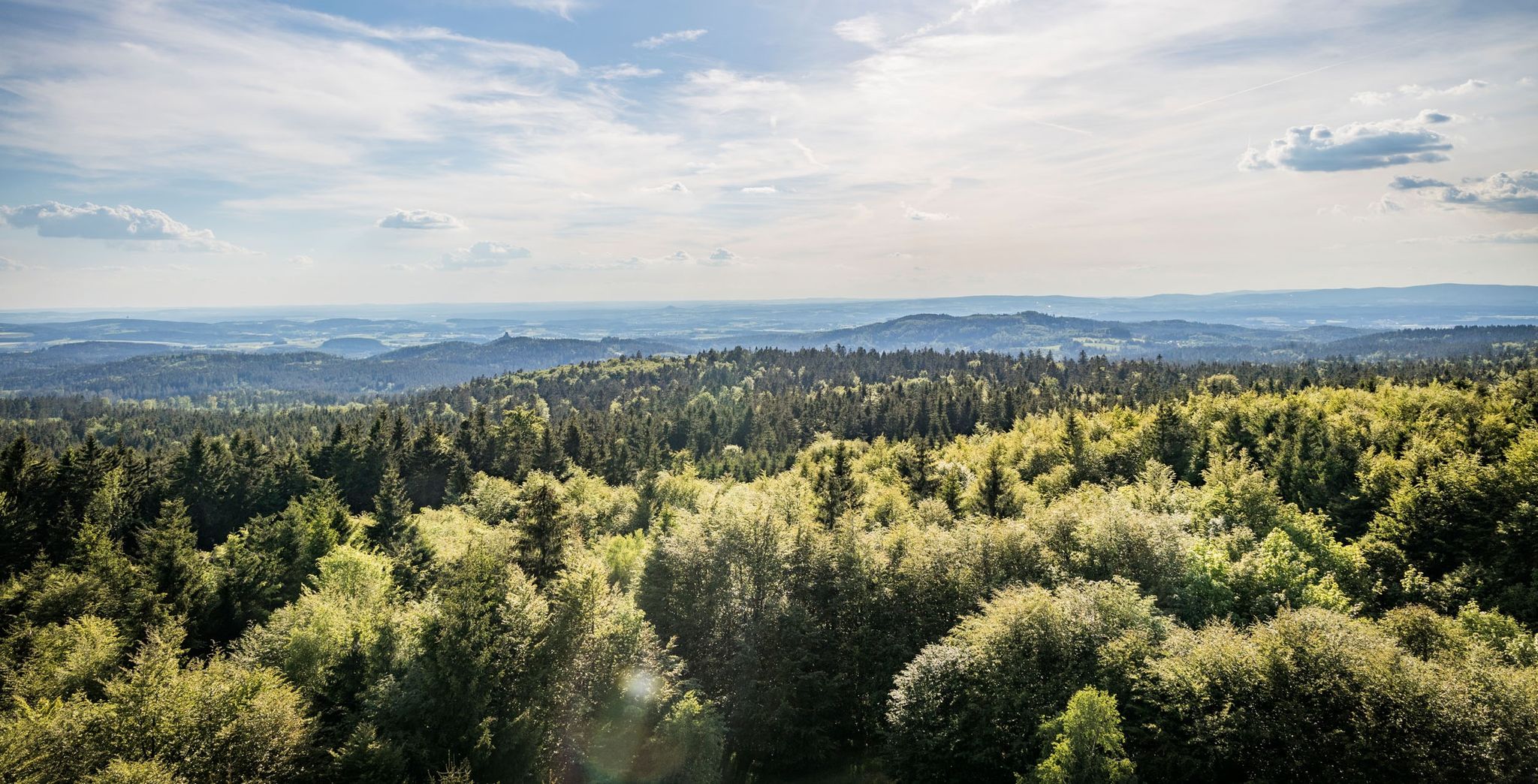
Nurtschweg – Hiking along the German-Czech border
Bikepacking in the Upper Palatinate Forest
The Goldsteig – 38 stages between Upper Palatinate and Passau
Donau-Panoramaweg – 10 days nature views and cultural insights
Goldsteig — The best routes for long distance hiking in Eastern Bavaria
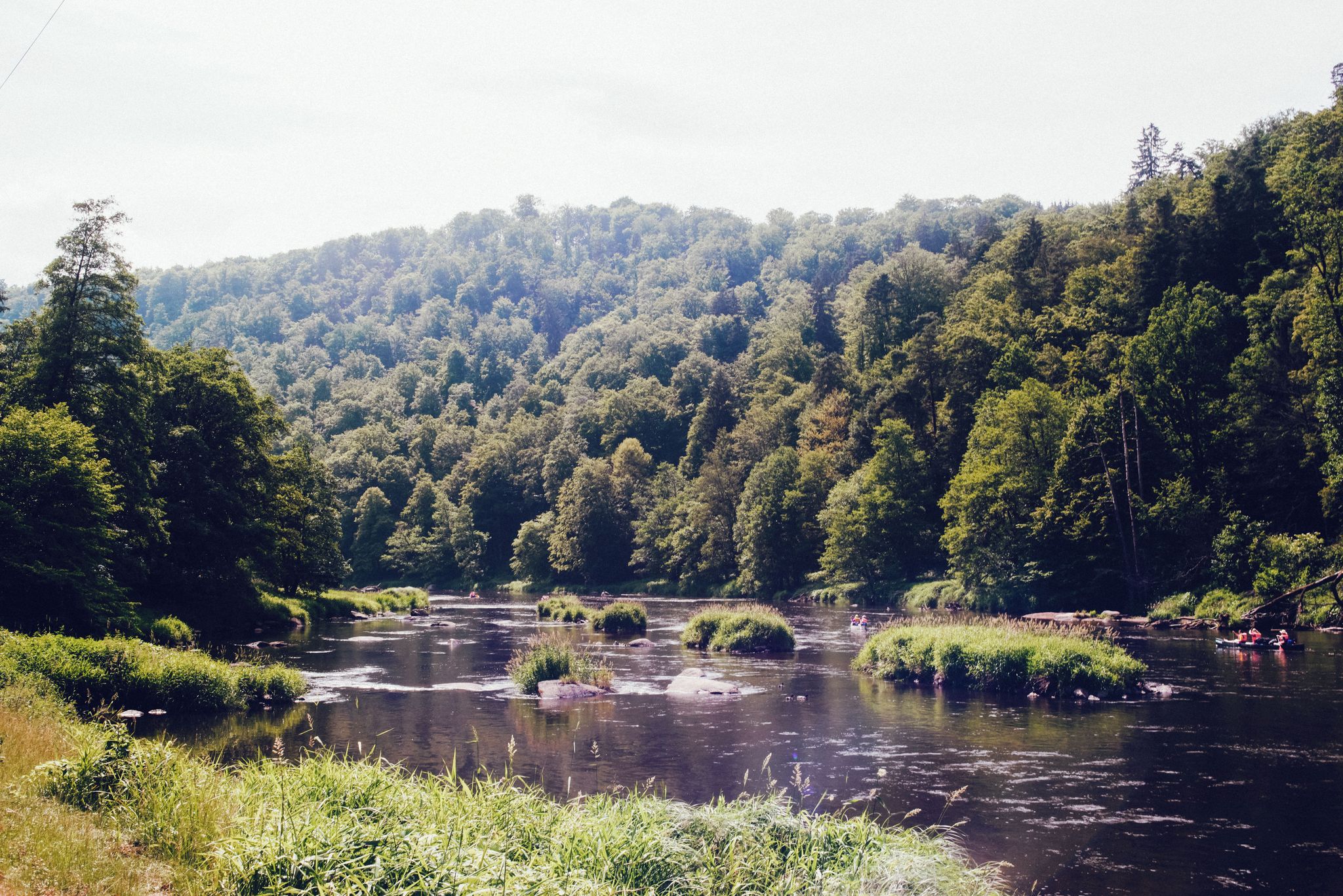
The Rain valley cycle path — 4 days through the Bavarian Forest
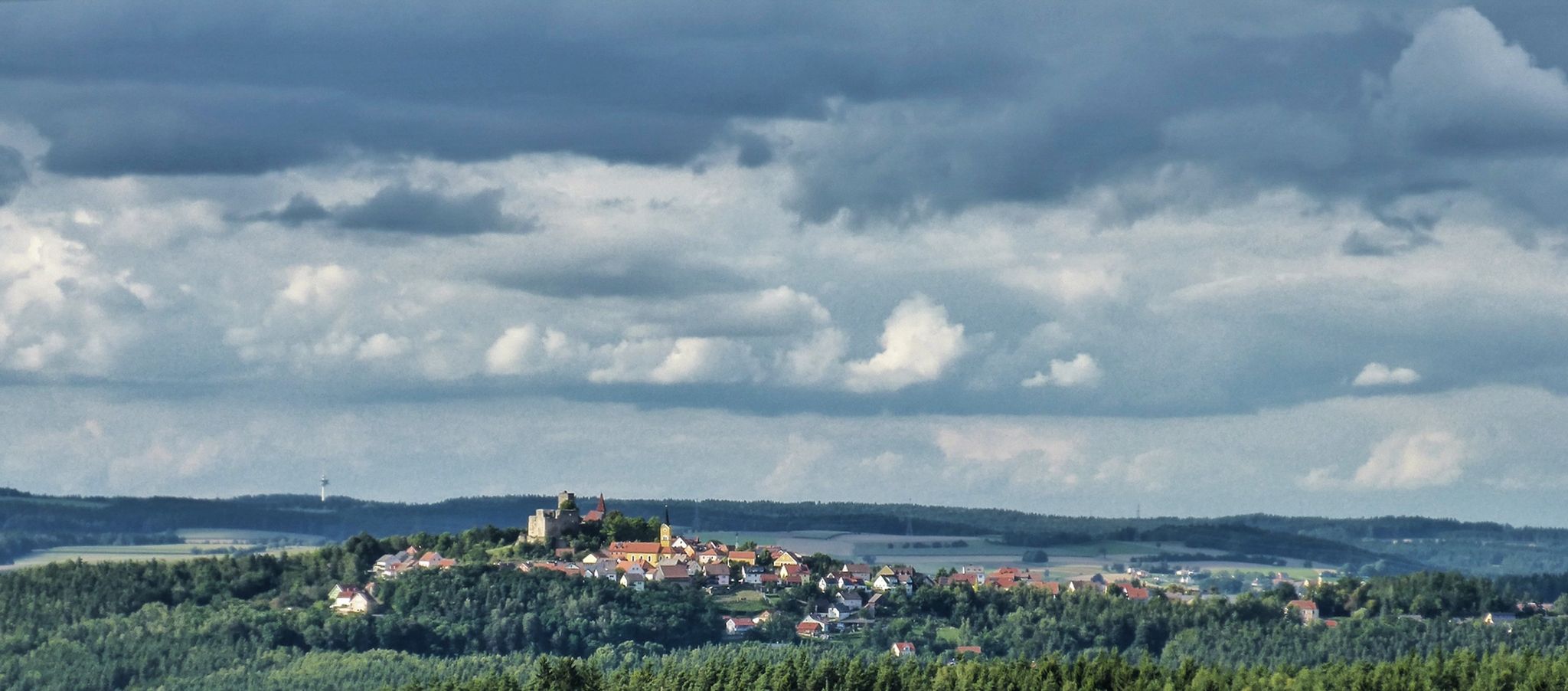
The Upper Palatinate Castle Trail — 9 days in picturesque northern Bavaria
Other adventures in the Bavarian Forest


Tips from the Community

Beautiful old boundary stone
2
0


Another hut directly below the Arberdschutzhaus.
1
0

The pieces are very beautifully carved.
0
0
It's very difficult to cross the border here. 😂
0
0
Interesting set times, who is supposed to control that and who wants to climb this mountain to cross the border. 😂
0
0
Yes, this path can be climbed, you need to be in good shape and have a lot of fun, and you'll get it. 😂
1
0
Frequently Asked Questions
How many mountaineering routes are available in the Bavarian Forest?
The Bavarian Forest offers a wide range of mountaineering experiences, with over 230 routes available. These include 108 difficult routes for experienced mountaineers and 113 moderate options, ensuring there's a suitable challenge for various skill levels.
Are there any circular mountaineering routes in the Bavarian Forest?
Yes, many mountaineering routes in the Bavarian Forest are designed as loops, allowing you to start and finish at the same point. For example, the challenging Rißloch Waterfalls – Kleiner Arber Summit (1,384 m) loop from Bodenmais is a popular choice, as is the Glass Ark in the Bavarian Forest – Lusen Summit loop from Waldhäuser Wald.
What are some notable peaks to explore on a mountaineering tour in the Bavarian Forest?
The Bavarian Forest is home to several prominent peaks offering rewarding mountaineering experiences. You can ascend to the summit of Großer Arber, the highest mountain in the region, or tackle Lusen, known for its distinctive granite dome. The Osser region also provides excellent opportunities, with routes like the Großer Osser summit – Summit of the Kleiner Osser loop from Thürnstein.
What kind of natural features can I expect to see along the mountaineering routes?
Mountaineering routes in the Bavarian Forest traverse a diverse landscape. You'll encounter expansive ancient forests, mystical moors, and crystal-clear mountain streams. Keep an eye out for features like glacial moraines and the stunning Riesloch Falls, which are part of the Rißloch Waterfalls – Kleiner Arber Summit loop.
Are there any family-friendly mountaineering routes in the Bavarian Forest?
While many mountaineering routes in the Bavarian Forest involve significant elevation gains and varied terrain, there are options suitable for families with good fitness levels. Look for routes categorized as 'moderate' or those that offer shorter distances and less extreme ascents. The region's extensive trail network includes paths catering to various abilities.
Can I bring my dog on mountaineering trails in the Bavarian Forest?
The Bavarian Forest National Park generally welcomes dogs, but specific rules apply to protect wildlife and other visitors. Dogs must typically be kept on a leash, especially in designated zones or during certain seasons. Always check local signage and regulations for the specific trail you plan to hike to ensure a pleasant and safe experience for everyone.
What is the best time of year for mountaineering in the Bavarian Forest?
The best time for mountaineering in the Bavarian Forest is generally from late spring to early autumn (May to October). During these months, trails are usually clear of snow, and the weather is more stable. Autumn offers particularly beautiful scenery with vibrant foliage. Winter mountaineering is also possible, but requires appropriate gear for snow and ice, such as snowshoes or crampons.
Are there any waterfalls to discover on mountaineering tours?
Absolutely! The Bavarian Forest is home to beautiful water features. The Riesloch Falls are a highlight, and you can experience them directly on the Rißloch Waterfalls – Kleiner Arber Summit loop from Bodenmais. Other notable waterfalls include the Lower Riesloch Falls and the Rißloch Waterfall Upper Bridge.
What do other mountaineers enjoy most about the Bavarian Forest?
The Bavarian Forest is highly rated by the komoot community, with an average score of 4.8 stars from over 250 reviews. Mountaineers often praise the region's wild, untamed nature, the extensive network of well-maintained trails, and the rewarding panoramic views from summits like Großer Arber Summit and Lusen Summit.
Are there any easier mountaineering routes for beginners?
While many routes are challenging, the Bavarian Forest does offer some easier mountaineering options suitable for beginners or those looking for a less strenuous hike. Out of the 230 available routes, 9 are classified as easy. These routes still offer the beauty of the region without the extreme demands of the more difficult trails.
Can I access mountaineering trailheads using public transport?
The Bavarian Forest National Park is committed to sustainable tourism, and many areas are accessible by public transport. While direct access to every trailhead might vary, regional bus services often connect to popular starting points for hikes. It's advisable to check local public transport schedules and routes in advance for your specific tour.
Are there places to eat or drink near the mountaineering trails?
Yes, you'll find various cafes, pubs, and restaurants in the towns and villages surrounding the Bavarian Forest National Park, such as Bodenmais or Waldhäuser. Some popular trailheads or summits, like Großer Arber, may also have facilities or mountain huts where you can refuel after your hike.
Most popular routes in the Bavarian Forest
Most popular attractions in the Bavarian Forest

Get inspired with the komoot mobile app


Explore more
Browse the best Mountain Hikes & Routes in other regions.
