The 13 Most Amazing Peaks around East Lavington
Best mountain peaks around East Lavington are characterized by rolling hills and downs within the South Downs National Park. This region offers elevated areas with noteworthy features, historical significance, and rewarding views. Visitors can explore a variety of landscapes, from ancient hill forts to natural monuments and unique ecological habitats. The area provides diverse opportunities for outdoor activities and discovery.
Best mountain peaks around East Lavington
- The most popular mountain peaks is Halnaker Windmill, a historical site that offers…
Last updated: July 1, 2026
Bignor Hill summit and Roman road signpost
Highlight • Monument
Tip by

Halnaker Windmill
Highlight • Historical Site
Tip by

Sign up now to discover places like this
Get recommendations on the best single tracks, peaks, & plenty of other exciting outdoor places.
Sign up for free
Temple of the Wind Viewpoint
Highlight • Viewpoint
Tip by

Black Down Summit and Viewpoint
Highlight • Natural Monument
Tip by

Lancaster Bomber Crash Site Memorial, Littleton Down
Highlight • Viewpoint
Tip by

Sign up for free to discover even more peaks around East Lavington.
Sign up for free
Already have an account?
Start today with a free account
Your next adventure awaits.
Login or Signup
Other adventures around East Lavington

Tips from the Community


This is one of many downed aircraft memorials along the South Downs Way. This one is also at the top of Littleton Down, which, at 255 metres high, is also a UK p100 top.
0
0

The views were amazing, after the 800 ft climb 😆
1
0


This is a great place to visit at any time of the year, but is particularly special in the autumn. At the NE edge of the village, on the main road (A285), is a new small carpark. The path up to the windmill (Mill Lane track on OS maps) follows the old Roman Road, Stane Street. Beyond the cottages is the famous Halnaker Tree Tunnel. The sunken path has trees on both sides which look particularly fantastic on sunny, autumn days. There are great views in every direction when you get up to the windmill.
0
0

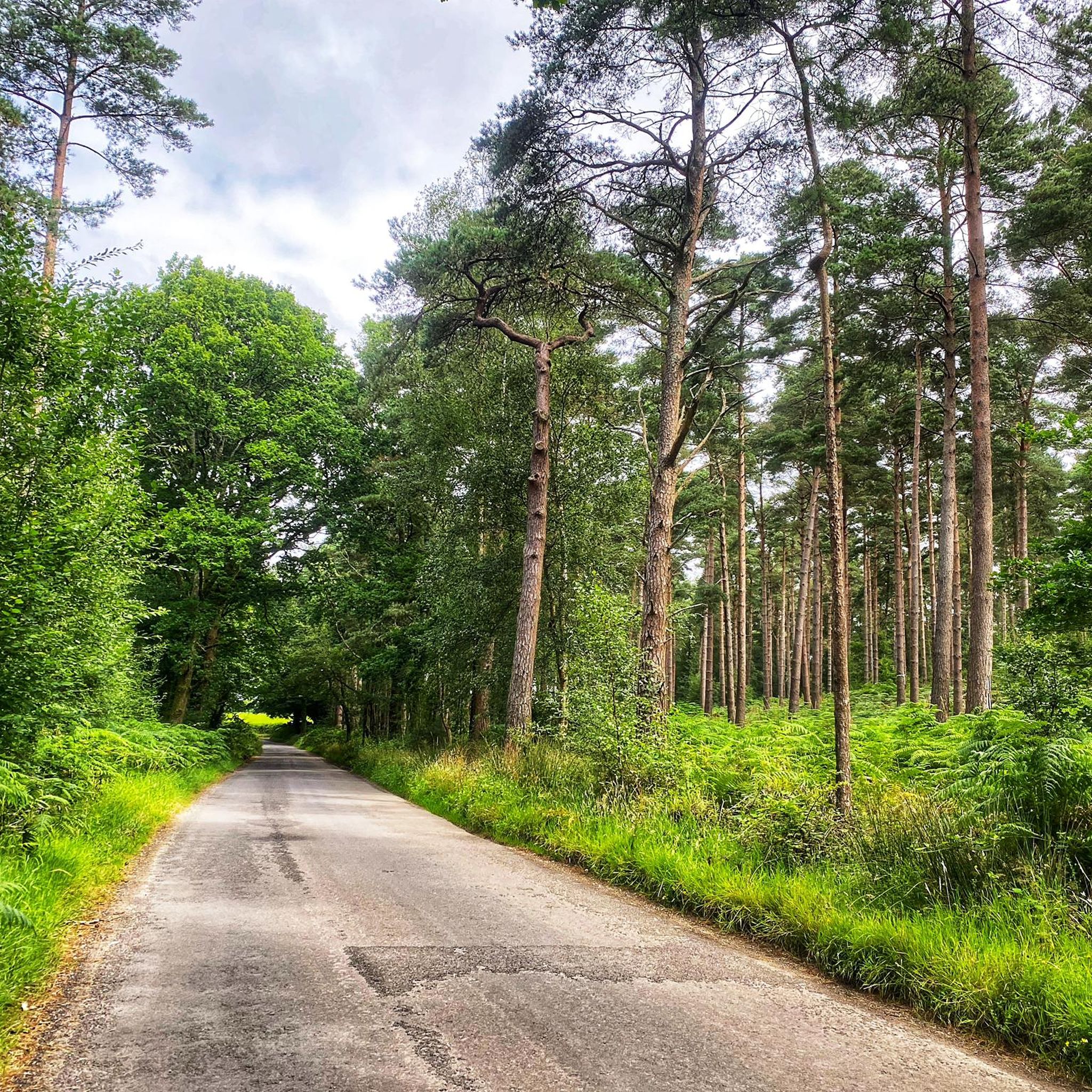
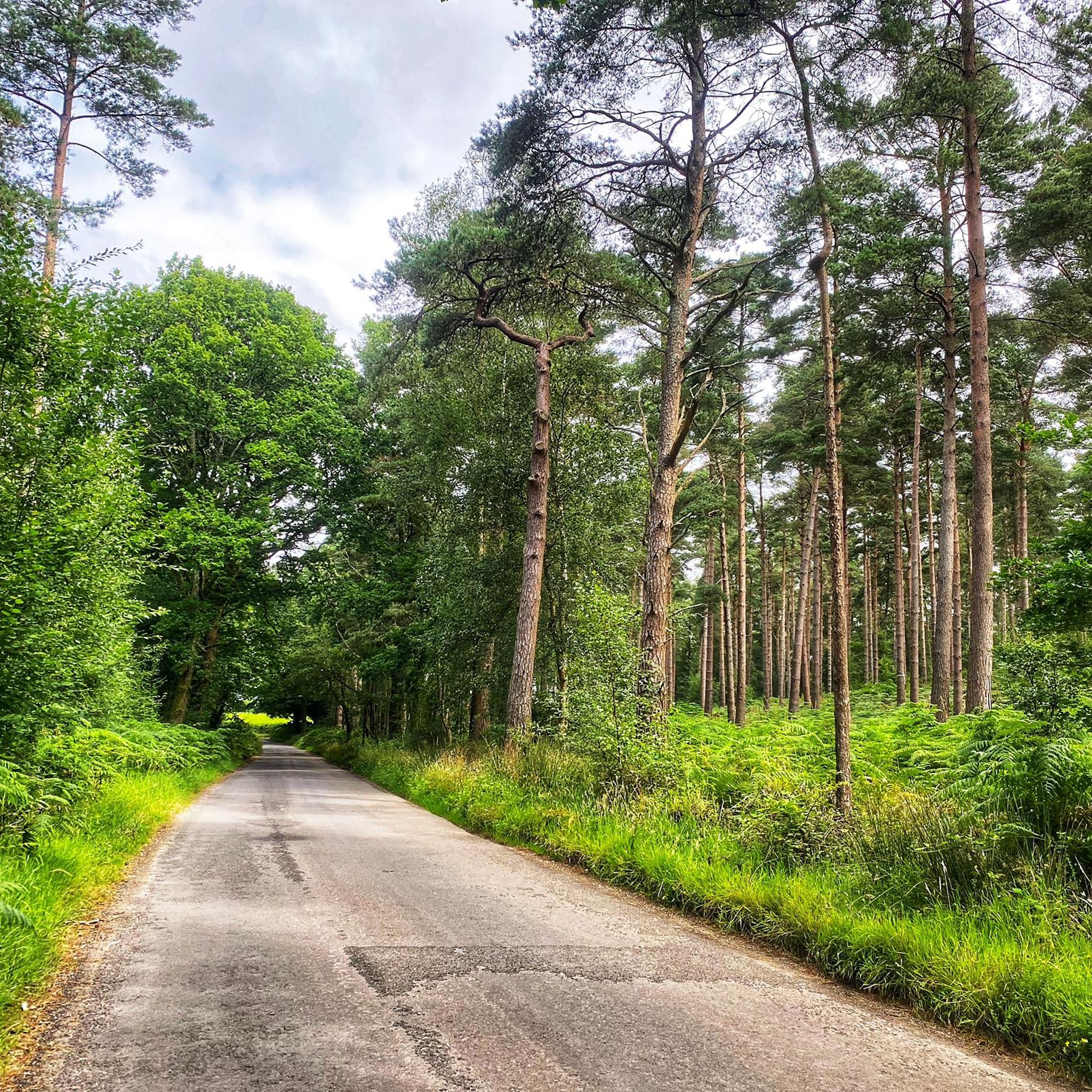
Black Down is the highest point in the South Downs National Park at 290 m. As such it is also is classified one of the UK's Marilyns. Expect a landscape of wavy hair grass, purple heather and pine trees.
0
0

Part of the Slindon Estate, Bignor Hill is an area managed by the National Trust. It's a prominent viewpoint on the South Downs Way, rising to a height of 699 feet (213 m). It features a Roman road sign pointing towards Londinium (London) and Noviomagus Reginorum (Chichester). The sign lies on an intersection of the ancient Roman road known as Stane Street, which connected these cities. Bignor Hill was a strategic location on Stane Street with its high elevation and commanding views of the surrounding countryside.
2
0
Frequently Asked Questions
What are some of the most notable elevated areas to visit around East Lavington?
East Lavington, situated within the South Downs National Park, features rolling hills and downs rather than traditional mountain peaks. Notable elevated areas include Halnaker Windmill, offering fantastic 360-degree views, and Black Down Summit and Viewpoint, a natural monument with beautiful sights. Other significant spots are Bignor Hill summit with its far-reaching vistas, and Temple of the Wind Viewpoint for spectacular views on a clear day.
Are there any historical sites or landmarks on these elevated areas?
Yes, several elevated areas hold historical significance. Halnaker Windmill is a historical site with a path following the old Roman Road, Stane Street. Bignor Hill features a Roman road sign pointing towards Londinium and Noviomagus Reginorum. Additionally, Littleton Down hosts a poignant memorial at the Lancaster Bomber Crash Site, commemorating a wartime event from 1944. The Trundle (St Roche's Hill) also contains visible earthworks from an Iron Age hill fort.
What kind of views can I expect from the peaks around East Lavington?
Many elevated areas offer impressive panoramic views. From Halnaker Windmill and Black Down Summit, you can enjoy 360-degree vistas. Black Down Summit, on a clear day, allows views all the way to the sea at Lewis. Temple of the Wind Viewpoint is particularly known for its spectacular, far-reaching views, especially early on a clear morning. The Trundle provides stunning views to the south, including the Isle of Wight, Chichester, Chichester Harbour, and the Goodwood Motor Racing circuit.
Are there family-friendly walks or viewpoints in the area?
Yes, several spots are suitable for families. Halnaker Windmill, Temple of the Wind Viewpoint, and the Lancaster Bomber Crash Site Memorial on Littleton Down are all categorized as family-friendly. The paths leading to these viewpoints often offer enjoyable walks for all ages.
What unique natural features can be found around East Lavington's elevated areas?
Beyond the panoramic views, you can discover unique natural features. Black Down Summit is a large, wooded area where you can find various small natural wonders. Lavington Common, while not a peak, is a rare surviving example of open lowland heath, characterized by sandy soil and flourishing heather. This area is rich in lichens, bryophytes, and provides habitat for reptiles like adders and sand lizards, as well as heathland insects such as the Green Tiger Beetle.
What is the best time to visit the elevated areas around East Lavington?
The best time to visit depends on your preferences. Halnaker Windmill is particularly special in autumn, with the Halnaker Tree Tunnel looking fantastic on sunny days. Temple of the Wind Viewpoint is best visited early on a clear day for the most spectacular views. Black Down Summit is striking after a fresh snowfall in winter, offering a unique experience.
Are there hiking trails near these elevated areas?
Yes, the region offers numerous hiking opportunities. You can find a variety of routes, from easy strolls to more challenging hikes, that incorporate these elevated areas. For specific hiking trails around East Lavington, you can explore guides like Easy hikes around East Lavington or Hiking around East Lavington.
Can I find mountain biking trails in the vicinity of East Lavington's peaks?
Yes, East Lavington and its surrounding elevated terrain are popular for mountain biking. There are dedicated guides for MTB trails in the area, such as MTB Trails around East Lavington, which feature routes of varying difficulty, including those passing through areas like Graffham Down Nature Reserve.
What makes Bignor Hill a unique place to visit?
Bignor Hill stands proudly above the countryside, offering far-reaching views and is a prominent viewpoint on the South Downs Way. It's steeped in local folklore, with Celtic legend suggesting a dragon once had its lair on top of the hill, its supposed remains still visible in the ground's folds. The hill also features a Roman road sign, marking its historical significance on the ancient Stane Street.
What do visitors particularly enjoy about Black Down Summit?
Visitors to Black Down Summit and Viewpoint appreciate the beautiful sights and the expansive 360-degree field of view. The summit is a large, wooded area, perfect for discovering small natural wonders. It's especially recommended after a fresh snowfall in winter for a truly magical experience, and on clear days, you can see all the way to the sea at Lewis.
Is there a place to experience unique ecology near East Lavington's elevated areas?
Yes, Lavington Common, while not a peak itself, is a rare and valuable example of open lowland heath. This area, with its sandy soil leading up to the chalk escarpment of the South Downs, is rich in diverse plant life like lichens, bryophytes, and flourishing heather. It provides a crucial habitat for various reptiles, including adders and sand lizards, and unique heathland insects like the Green Tiger Beetle, offering a distinct ecological experience.
Most popular routes around East Lavington
Most popular attractions around East Lavington

Get inspired with the komoot mobile app


Explore more
See even more amazing summits around East Lavington with these guides:
