
The best mountain hikes in the Kii Mountains
57
hikers
6
hikes
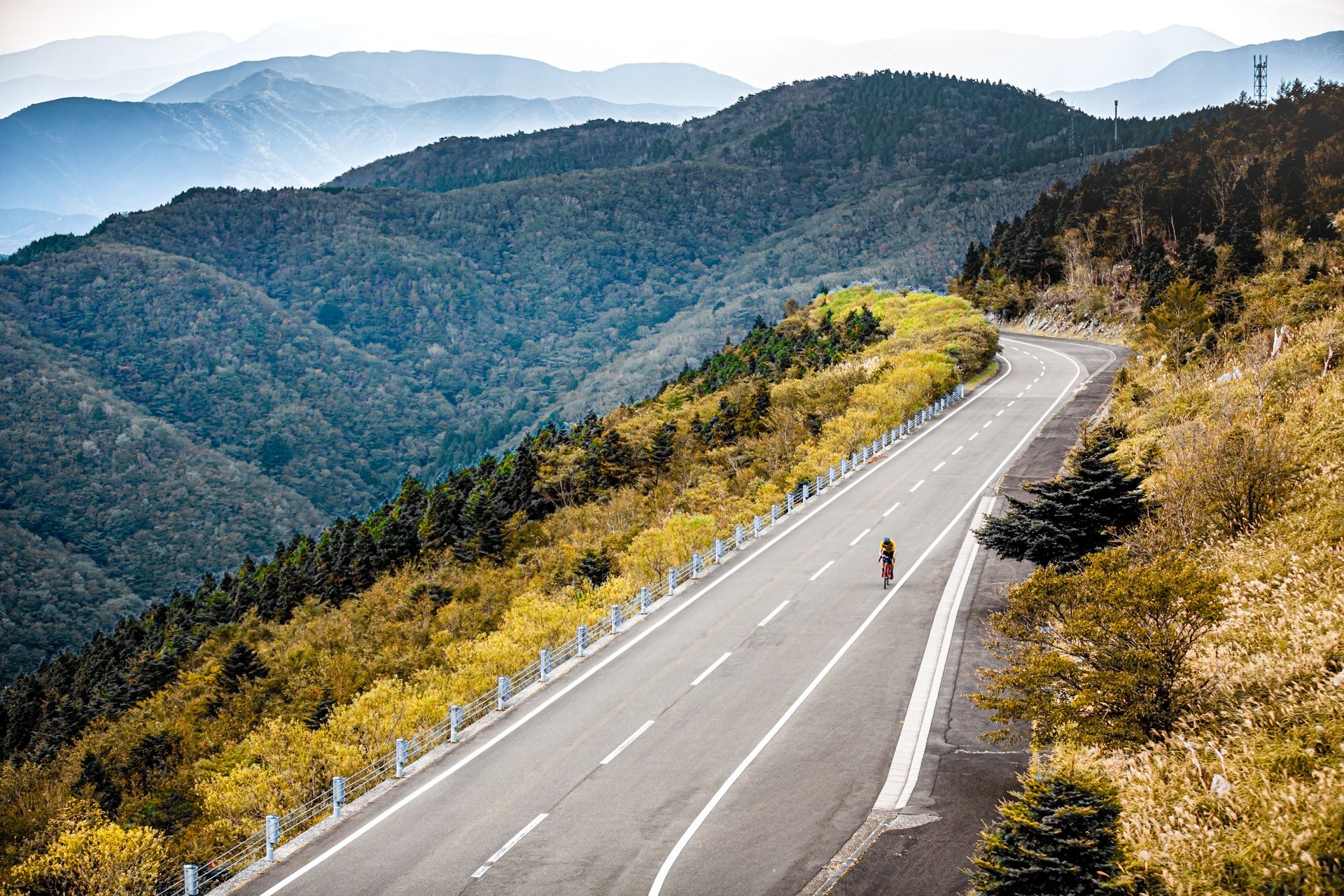
Mountaineering in the Kii Mountains offers diverse challenges across a landscape characterized by dense forests, rugged mountains, and deep valleys. The region's backbone is formed by the Kii Range, featuring steep ascents and descents. This mountainous terrain, heavily wooded, provides varied conditions for mountaineers. Ancient pilgrimage routes, such as the Kumano Kodo, also crisscross the area, offering paths from well-maintained trails to more demanding multi-day treks.
Best mountaineering routes in the Kii Mountains
- The most popular mountaineering route is 釈迦ヶ岳…
Last updated: October 5, 2026
14
hikers
9.18km
03:58
670m
670m
Moderate mountaineering route. Good fitness required. Mostly accessible paths. Sure-footedness required.
10
hikers
10.8km
05:06
1,140m
1,140m
Hard mountaineering route. Very good fitness required. Easily-accessible paths. Suitable for all skill levels.

17
hikers
10.2km
04:06
760m
760m
Moderate mountaineering route. Good fitness required. Easily-accessible paths. Suitable for all skill levels.
9
hikers
11.1km
03:33
470m
470m
Moderate mountaineering route. Good fitness required. Easily-accessible paths. Suitable for all skill levels.
4
hikers
12.1km
03:50
490m
490m
Moderate mountaineering route. Good fitness required. Easily-accessible paths. Suitable for all skill levels.
3
hikers
9.96km
03:16
440m
440m
Hard mountaineering route. Good fitness required. Sure-footedness, sturdy shoes and alpine experience required.
Our route recommendations are based on thousands of hikes, rides, and runs completed by other people on komoot.
Start today with a free account
Your next adventure awaits.


Frequently Asked Questions
What kind of terrain can I expect on mountaineering routes in the Kii Mountains?
The Kii Mountains are characterized by dense forests, rugged mountains, and deep valleys. You'll encounter varied terrain, from steep ascents and descents to ancient pilgrimage paths. The region is heavily wooded, with trees rising from the coast to nearly 4,000 feet, offering a unique blend of challenging climbs and scenic beauty.
Are there any circular mountaineering routes in the Kii Mountains?
Yes, many mountaineering routes in the Kii Mountains are designed as loops, allowing you to start and end at the same point. For example, the 釈迦ヶ岳 loop from 三休の湯 is a moderate 9.1 km route, and the more challenging 伊吹山 – 5合目 loop from Ueno covers 10.8 km with significant elevation gain.
What is the best time of year for mountaineering in the Kii Mountains?
The Kii Mountains offer mountaineering opportunities throughout much of the year. Spring is particularly stunning with cherry blossoms, especially around Yoshino. Autumn brings vibrant foliage. While the region is known for its dense forests, some higher elevations might experience snow in winter, requiring appropriate gear and experience. Always check local weather conditions before heading out.
Are there any family-friendly mountaineering options in the Kii Mountains?
While many routes offer significant challenges, some sections of the ancient Kumano Kodo pilgrimage routes can be adapted for families, particularly the more well-maintained trails. For a moderate mountaineering experience, consider the 鶏冠山 – 竜王山 loop from オランダ堰堤, which is 11.2 km long and takes around 3 hours 34 minutes.
What kind of natural attractions can I see along the mountaineering routes?
The Kii Mountains are rich in natural wonders. You can encounter stunning waterfalls like the sacred Nachi Falls (Nachi-no-Taki), Japan's tallest single-drop waterfall, often combined with visits to the nearby Seiganto-ji Temple. Other highlights include the Uguisu Waterfall and the Aodaki Falls. The region also features diverse landscapes within the Yoshino-Kumano National Park.
Are there any spiritual or historical landmarks to explore while mountaineering?
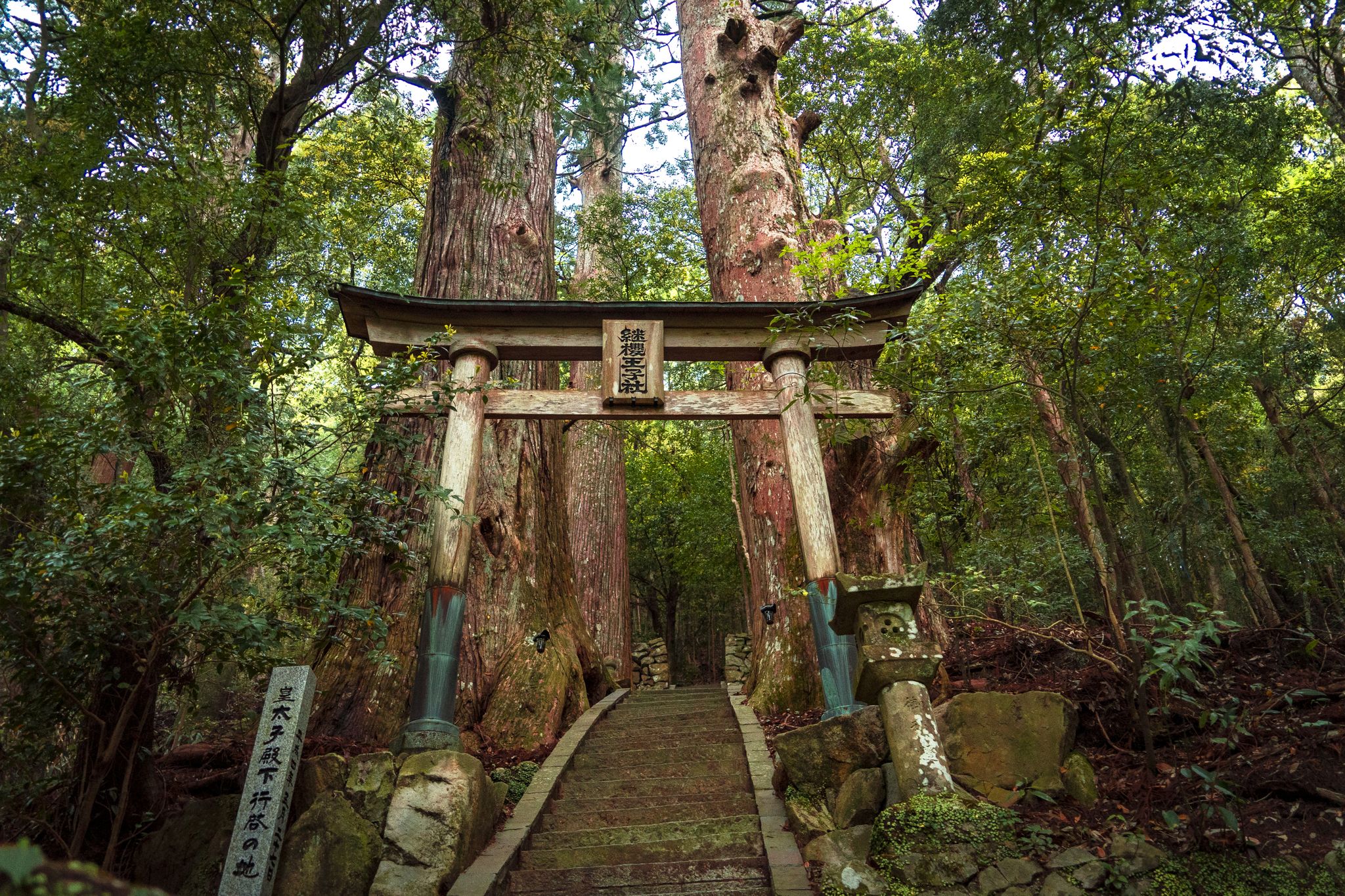
Absolutely. The Kii Mountains are a UNESCO World Heritage site, famous for the ancient Kumano Kodo pilgrimage routes and sacred sites. You can explore areas like Tsugizakura Oji, a historical pilgrimage site, or the grand shrines of Kumano Sanzan. The region is deeply intertwined with over 1,200 years of nature worship and spiritual tradition, offering a unique cultural dimension to your outdoor adventure.
How long do mountaineering routes in the Kii Mountains typically take to complete?
The duration of mountaineering routes varies depending on their length and difficulty. For example, a moderate route like the 釈迦ヶ岳 loop from 三休の湯 (9.1 km) typically takes around 3 hours 57 minutes. More challenging routes, such as the 水堀 – 赤坂池 loop from Takatori (10 km), can take approximately 3 hours 17 minutes due to significant elevation changes.
What is the overall difficulty level of mountaineering in the Kii Mountains?
The Kii Mountains offer a range of difficulties. Out of the six featured routes, four are rated as moderate, and two are difficult. This means you can find options suitable for various fitness levels, from sustained climbs with significant elevation gain to more accessible paths through wooded slopes. The region's diverse terrain ensures there's a challenge for every mountaineer.
Are there any hot springs or onsen near the mountaineering trails for relaxation?
Yes, the Kii Mountains region is renowned for its natural hot springs (onsen), providing perfect opportunities for relaxation after a strenuous hike. Notable onsen include Yunomine Onsen, one of Japan's oldest and a UNESCO World Heritage-listed bath, as well as Shirahama Onsen and Kawayu Onsen. These are excellent places to unwind and rejuvenate.
What do other mountaineers enjoy most about the Kii Mountains?
The Kii Mountains are highly appreciated by the komoot community for their unique blend of challenging terrain and profound spiritual history. Mountaineers often praise the dense forests, rugged mountains, and the sense of solitude found on trails like the ancient Kumano Kodo. The stunning natural beauty, especially around sacred sites and waterfalls, also receives high acclaim.
Can I access mountaineering trailheads in the Kii Mountains using public transport?
Access to trailheads in the Kii Mountains can vary. While some popular pilgrimage routes like sections of the Nakahechi route of the Kumano Kodo are relatively well-served by local buses, more remote mountaineering trails might require private transport or a combination of public transport and a short taxi ride. It's advisable to research specific trailhead access points in advance.
Are there any particularly challenging mountaineering routes for experienced climbers?
For experienced mountaineers seeking a significant challenge, the Kii Mountains offer routes with substantial elevation gain. The 伊吹山 – 5合目 loop from Ueno is a difficult 10.8 km path with over 1,100 meters of ascent. Another demanding option is the 水堀 – 赤坂池 loop from Takatori, a difficult 10 km route with over 445 meters of elevation gain, providing a rigorous experience.
Most popular routes in the Kii Mountains
Most popular attractions in the Kii Mountains

Get inspired with the komoot mobile app


Explore more
Browse the best Mountain Hikes & Routes in other regions.
