The best hikes from bus stations in the Kii Mountains
4.6
(650)
9,016
hikers
35
hikes
Bus station hiking trails in the Kii Mountains traverse a landscape characterized by dense forests, river valleys, and rugged mountainous terrain. This region features ancient pilgrimage routes, including the Kumano Kodo, which wind through spiritual sites and natural features like waterfalls and hot springs. The trails often involve significant ascents and descents, offering varied experiences from coastal views to remote forest paths.
Best bus station hiking trails in the Kii Mountains
- The most popular bus station hiking route is Yunomine…
Last updated: July 12, 2026
4.9
(40)
175
hikers
18.0km
05:47
740m
740m
Hard hike. Very good fitness required. Easily-accessible paths. Suitable for all skill levels.
5.0
(10)
337
hikers
6.36km
01:41
60m
60m
Easy hike. Great for any fitness level. Easily-accessible paths. Suitable for all skill levels.

Sign up for free
4.6
(23)
182
hikers
Easy hike. Great for any fitness level. Easily-accessible paths. Suitable for all skill levels.
4.9
(19)
188
hikers
7.96km
02:58
510m
510m
Moderate hike. Good fitness required. Easily-accessible paths. Suitable for all skill levels.
5.0
(4)
176
hikers
7.99km
02:08
90m
90m
Moderate hike. Good fitness required. Easily-accessible paths. Suitable for all skill levels.
Get access to more routes and recommendations from other explorers.
Sign up for free
Already have an account?
Our route recommendations are based on thousands of hikes, rides, and runs completed by other people on komoot.
Start today with a free account
Your next adventure awaits.
Login or Signup


Tips from the Community

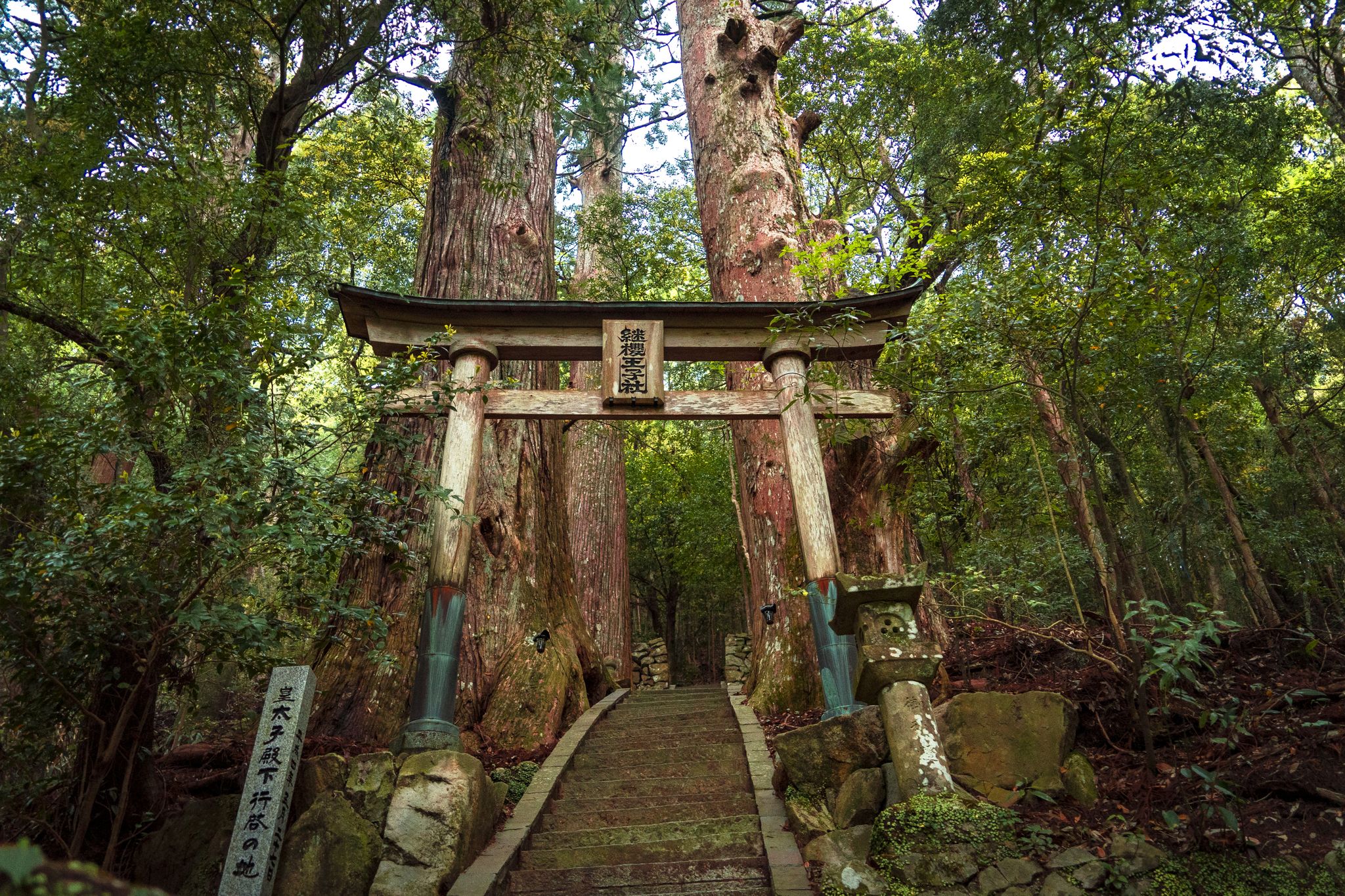
In Japanese, "Oji(王子)" generally means prince, but in the Kumano Kodo, "Oji(王子)" refers to the worship spots scattered along the trail.
0
0
In Japanese, "Oji(王子)" generally means prince, but in the Kumano Kodo, "Oji(王子)" refers to the worship spots scattered along the trail.
0
0
In Japanese, "Oji(王子)" generally means prince, but in the Kumano Kodo, "Oji(王子)" refers to the worship spots scattered along the trail.
0
0
In Japanese, "Oji(王子)" generally means prince, but in the Kumano Kodo, "Oji(王子)" refers to the worship spots scattered along the trail.
0
0

This is the tallest building in Koyasan, being about 48m in height. It was completed in 876. Over the centuries it was destroyed by fire due to lightning strikes five times - and rebuilt every time. This current building was erected in 1937.
0
0
The gate marked - and still marks today - the western entrance to Koyasan. Destroyed by a fire in 1688 it was rebuilt in 1705.
0
0
The Daimon Gate is the western entrance to Koyasan. The gate was destroyed by a fire in 1688 and rebuilt in 1705.
0
0

Unfortunately, there was no booth here on November 7, 2025.
0
0
Frequently Asked Questions
How many bus station hiking trails are available in the Kii Mountains?
There are over 35 hiking trails in the Kii Mountains that are easily accessible from bus stations. These routes offer a range of difficulties, from easy strolls to challenging treks, allowing you to explore the region's diverse landscapes and spiritual sites using public transport.
What is the best time of year to hike from bus stations in the Kii Mountains?
The Kii Mountains offer unique experiences throughout the year. Spring (March-May) is popular for cherry blossoms, especially around Mount Yoshino. Autumn (October-November) provides vibrant fall foliage. Summer (June-August) can be warm and humid but offers lush greenery. Winter (December-February) can bring snow to higher elevations, creating a serene, mystical atmosphere, though some routes may be more challenging. Always check local weather and bus schedules before you go.
Are there easy bus-accessible hikes suitable for beginners in the Kii Mountains?
Yes, there are 19 easy bus-accessible hikes perfect for beginners or those seeking a relaxed experience. An excellent option is the Okunoin Cemetery – Okunoin Cemetery loop from Kōya, which is a gentle 6.5 km walk through a historically significant area. Another easy route is the Daimonzaka Slope – Kumano Nachi Grand Shrine loop from Kumano Nachi Taisha, offering a beautiful introduction to the Kumano Kodo.
Are there challenging bus-accessible hikes for experienced trekkers in the Kii Mountains?
For experienced trekkers, the Kii Mountains offer 3 difficult bus-accessible routes. A notable challenging option is the Yunomine Hot Spring – View of Hongu Shrine Gate loop from Oyunohara. This 18 km route features significant elevation changes, providing a demanding yet rewarding journey through the region's rugged terrain and spiritual heartland.
Are bus station hiking trails in the Kii Mountains dog-friendly?
While some areas in Japan have specific rules regarding pets on public transport and trails, generally, dogs are permitted on many outdoor trails in the Kii Mountains, especially those outside of sacred shrine or temple grounds. However, it's crucial to keep dogs on a leash and clean up after them. Always check specific regulations for each trail and bus line before planning your trip, as rules can vary.
Can I find circular hiking routes accessible by bus in the Kii Mountains?
Yes, several bus-accessible routes in the Kii Mountains are designed as circular loops, allowing you to start and end at the same bus stop without needing to retrace your steps. Examples include the Okunoin Cemetery loop from Kōya and the Okunoin Cemetery – Daimon Gate at Mount Koya loop from Kōya, both offering immersive experiences around the sacred Mount Koya.
What natural attractions can I see along bus-accessible hiking trails in the Kii Mountains?
The Kii Mountains are rich in natural beauty. Many bus-accessible trails lead to stunning waterfalls, such as the iconic Nachi Falls (Nachi-no-Taki), Japan's tallest waterfall, often viewed alongside the Seiganto-ji Temple. You might also encounter the serene Uguisu Waterfall or Aodaki Falls, offering peaceful natural escapes.
Are there cultural or historical landmarks near bus station hiking trails?
Absolutely. The Kii Mountains are a UNESCO World Heritage site, renowned for their spiritual heritage. Many bus-accessible trails are part of the ancient Kumano Kodo pilgrimage routes. You can visit significant sites like the Kumano Nachi Grand Shrine, the Tōdai-ji Temple with its impressive Nandaimon Gate, or the Kasuga Grand Shrine. These sites offer deep cultural insights into Japan's history and spirituality.
What should I pack for a bus-accessible hike in the Kii Mountains?
For bus-accessible hikes in the Kii Mountains, pack essentials like comfortable hiking shoes, weather-appropriate clothing (layers are recommended), rain gear, sufficient water, and snacks. A small first-aid kit, a map or GPS device (like komoot on your phone), and insect repellent are also advisable. If visiting during colder months, be prepared for potentially chilly temperatures, especially at higher elevations.
Are there places to eat or rest near bus-accessible trailheads?
Many bus-accessible trailheads, especially those along the popular Kumano Kodo routes or near towns like Kōya, have amenities such as small cafes, restaurants, or convenience stores where you can grab a meal or a snack. Traditional guesthouses (ryokan) and hot spring resorts (onsen) are also common in the region, offering opportunities for rest and relaxation after your hike. It's always a good idea to carry some provisions, especially on longer or more remote trails.
How can I plan my bus journey to the trailheads in the Kii Mountains?
Planning your bus journey is straightforward. The Kii Mountains have a well-established bus network connecting major train stations (like Kii-Tanabe, Shingu, or Koyasan) to various trailheads and towns. Websites like Japan Transit Planner or local bus company sites (e.g., Kumano Kotsu, Nara Kotsu) are excellent resources for checking schedules and routes. It's advisable to check timetables in advance, especially for less frequent services or during off-peak seasons, as some routes may require transfers.
Most popular routes in the Kii Mountains
Most popular attractions in the Kii Mountains

Get inspired with the komoot mobile app


Explore more
Browse the best Hikes in other regions.
