The best waterfall hikes and walks in the Kii Mountains
4.6
(708)
9,852
hikers
19
hikes
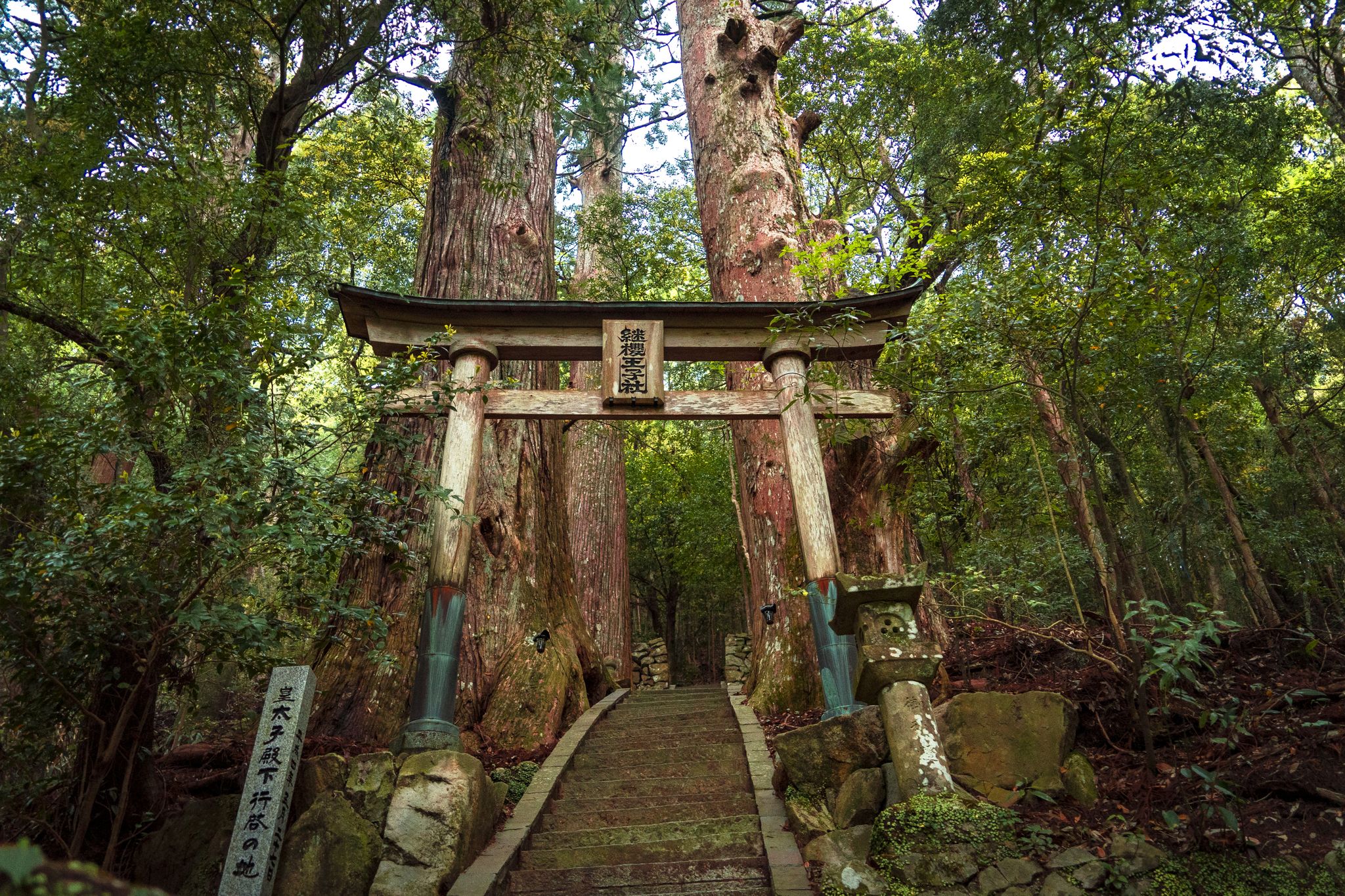
Waterfall hiking trails in the Kii Mountains traverse a diverse landscape characterized by vast mountain ranges, dense rainforests, and numerous mountain streams. The region features significant elevations, including steep mountains and craggy cliffs, alongside highland plateaus. Lush forests, including primeval and ancient woodlands, are abundant, contributing to the area's rich biodiversity and providing the setting for many of its natural cascades. The Kii Mountains are also recognized as a UNESCO World Heritage site for their "Sacred Sites and Pilgrimage Routes."
…Last updated: September 29, 2026
4.6
(54)
647
hikers
8.86km
02:21
90m
90m
Moderate hike. Good fitness required. Easily-accessible paths. Suitable for all skill levels.
4.7
(61)
309
hikers
17.7km
05:06
440m
440m
Hard hike. Very good fitness required. Easily-accessible paths. Suitable for all skill levels.

4.8
(32)
301
hikers
16.6km
04:39
320m
320m
Moderate hike. Good fitness required. Easily-accessible paths. Suitable for all skill levels.
4.4
(25)
191
hikers
5.73km
01:32
60m
60m
Easy hike. Great for any fitness level. Easily-accessible paths. Suitable for all skill levels.
4.7
(3)
18
hikers
11.8km
03:27
310m
310m
Moderate hike. Good fitness required. Easily-accessible paths. Suitable for all skill levels.
Get access to more routes and recommendations from other explorers.
Already have an account?
Our route recommendations are based on thousands of hikes, rides, and runs completed by other people on komoot.
Start today with a free account
Your next adventure awaits.


Tips from the Community

Nara Park 奈良公園, one of Japan's oldest parks Nara Park 奈良公園 is a public park in the city of Nara, Japan, at the foot of Mount Wakakusa. Founded in 1880, it is one of the oldest parks in Japan. Administratively, the park is under the control of the Nara Prefecture. The park is one of the "Places of Scenic Beauty" designated by the Ministry of Education, Culture, Sports, Science and Technology (MEXT). Over 1,200 wild sika deer (シカ or 鹿 shika), which roam freely in the park, are also classified by MEXT and designated as a natural treasure. Although the official size of the park is about 502 hectares (1,240 acres), the area including the grounds of Tōdai-ji, Kōfuku-ji, the Kasuga Grand Shrine, and the Nara National Museum, which lie on the edge of or are surrounded by Nara Park, covers an area of up to 660 hectares (1,600 acres). Text / Source: wikipedia.org https://en.wikipedia.org/wiki/Nara_Park
12
0
The Sika Deer in Nara Park There are over 1,200 wild deer in Nara Park. The deer in Nara Park grow new antlers every spring. These become hard and dangerous for visitors by the mating season in autumn. For this reason, they are caught by the so-called Seko using nets and ropes. The antlers are cut by a Shinto priest. Over a thousand free-ranging Sika deer line the streets and parks of the city of Nara. However, the national sanctuaries are not only a popular tourist attraction but also a growing nuisance for agriculture. The city has now decided to cull surplus deer populations. The city of Nara in the prefecture of the same name is one of Japan's most popular attractions due to its large number of important shrine and temple complexes. Particularly well-known here are not only Todai-Ji or Toshodaiji Temple, but above all Nara Park with its countless free-roaming Sika deer. Text / Source: Sumikai, Magazine about Japan https://sumikai.com/japan-erleben/die-sikahirsche-in-nara-186546/
12
0
Nara Park 奈良公園, one of the oldest parks in Japan Nara Park 奈良公園 is a public park in the city of Nara, Japan, at the foot of Mount Wakakusa. Founded in 1880, it is one of the oldest parks in Japan. Administratively, the park is under the control of the Nara Prefecture. The park is one of the "Places of Scenic Beauty" designated by the Ministry of Education, Culture, Sports, Science and Technology (MEXT). Over 1,200 wild sika deer (シカ or 鹿 shika) that roam freely in the park are also classified by MEXT and designated as a Natural Treasure. Although the official size of the park is approximately 502 hectares (1,240 acres), the area including the grounds of Tōdai-ji, Kōfuku-ji, the Kasuga Grand Shrine, and the Nara National Museum, which are located on the edge of or surrounded by Nara Park, covers an area of up to 660 hectares (1,600 acres). Text / Source: wikipedia.org https://en.wikipedia.org/wiki/Nara_Park
12
0
The Sika Deer in Nara Park There are over 1,200 wild deer in Nara Park. Every spring, the deer in Nara Park grow new antlers. These harden by the mating season in autumn and become dangerous for visitors. For this reason, they are caught by the so-called Seko with nets and ropes. The antlers are cut by a Shinto priest. Over a thousand free-living Sika deer line the streets and parks of the city of Nara. The national sanctuaries are not only a popular tourist attraction but also a growing nuisance for agriculture. The city has now decided to cull excess deer populations. The city of Nara, in the prefecture of the same name, is one of the most popular sights in Japan due to its large number of important shrine and temple complexes. Particularly well-known here are not only the Todai-Ji or Toshodaiji temples, but above all Nara Park with its countless free-roaming Sika deer. Text / Source: Sumikai, Magazine about Japan https://sumikai.com/japan-erleben/die-sikahirsche-in-nara-186546/
12
0

As "nice" as the encounter with the Nara deer may seem at first glance, they are still animals and therefore loyal to their behavior, either instinctively or according to their life stage and gender. Conditional caution, rutting, food jealousy, and territorial demarcation could thus lead to "unpredictable" behavior...
3
0

During the rutting season, male stags can be very dominant. Warnings are issued during this time!
2
0

Around 1,200 friendly sika deer live in Nara Park. They are considered messengers of a deity and are protected as living national treasures. Anyone who wants to feed them can buy biscuits for 200 yen... but be careful, the deer immediately see who's holding a biscuit. From then on, you'll be surrounded by deer. Some will pinch or pull on your T-shirt. Some will even 'bow' to get a biscuit.
5
0
Nara Park is home to approximately 1,200 trusting sika deer, considered messengers of a deity and protected as living national treasures. The deer are so greedy for the biscuits (200 yen) that they even spurn grass. The male deer no longer have antlers... which is a good thing, because otherwise several tourists would be injured.
6
0
Frequently Asked Questions
How many waterfall hiking trails are there in the Kii Mountains?
There are over 18 dedicated waterfall hiking trails in the Kii Mountains, offering a range of experiences from easy strolls to more challenging treks. The komoot community has explored these routes over 7500 times, with an average rating of 4.7 stars.
What is the best time of year to go waterfall hiking in the Kii Mountains?
The best times for hiking in the Kii Mountains are generally spring and autumn. During these seasons, temperatures are mild, and the scenery is particularly beautiful, enhanced by cherry blossoms in spring or vibrant fall colors. The region receives high annual rainfall, ensuring waterfalls are often impressive year-round, but spring and autumn offer the most comfortable hiking conditions.
What kind of terrain can I expect on waterfall hikes in the Kii Mountains?
Waterfall hikes in the Kii Mountains traverse a diverse landscape. You can expect trails through dense rainforests, primeval forests, and ancient woodlands, often featuring towering Japanese cedars and bamboo groves. The terrain can include vast mountain ranges, highland plateaus, steep mountains, and craggy cliffs, with numerous mountain streams leading to the cascades. Some routes, like the Kumano Kodo, can be quite challenging with significant elevation changes.
Are there easy or beginner-friendly waterfall trails in the Kii Mountains?
Yes, the Kii Mountains offer several easy and beginner-friendly options. For instance, the Nigatsu-dō Hall – Kōfuku-ji Temple loop from 近鉄奈良 is an easy 5.8 km hike, and the Tōdai-ji Temple – Kasuga Grand Shrine loop from 近鉄奈良 is another easy 5.7 km route. These trails often lead through historic temple grounds and offer gentle gradients suitable for those new to hiking.
Can I find circular waterfall routes in the Kii Mountains?
Yes, many of the waterfall hiking trails in the Kii Mountains are designed as circular routes, allowing you to start and end at the same point. Examples include the popular Kasuga Grand Shrine – Nigatsu-dō Hall loop from 奈良 and the longer Tōdai-ji Temple – Kasuga Grand Shrine loop from 奈良, which offer varied terrain and cultural sights.
What notable landmarks or natural features can I see near waterfall trails in the Kii Mountains?
Beyond the waterfalls themselves, the Kii Mountains are rich in cultural and natural attractions. You might encounter significant religious sites like Tōdai-ji Temple, Kasuga Grand Shrine, and Kōfuku-ji Temple. The region is also famous for its Nara Park Deer, which roam freely. For a stunning vista, consider the View of Nara from Mount Wakakusa.
Is Nachi Falls part of the waterfall hiking experience in the Kii Mountains?
Absolutely. Nachi Falls is one of Japan's tallest single-drop waterfalls and a highly sacred site within the Kii Mountains. It is a prominent feature along the Kumano Kodo pilgrimage routes and is often visited in conjunction with the Seiganto-ji Temple, offering a profound blend of natural beauty and spiritual heritage.
Are there options for public transport to reach waterfall hiking trails in the Kii Mountains?
Yes, public transport is a viable option for accessing many areas in the Kii Mountains, especially those connected to the Kumano Kodo pilgrimage routes. Train and bus services connect major towns and trailheads. It's advisable to check local schedules in advance, as services to more remote areas might be less frequent.
Is parking available near waterfall hiking trails in the Kii Mountains?
Parking availability varies depending on the specific trailhead. Major attractions and popular starting points for trails often have designated parking lots, though they can fill up quickly during peak seasons. For more remote trails, parking might be limited to smaller pull-offs or roadside spots. Always check specific route information for details on parking facilities.
Are the waterfall hikes in the Kii Mountains suitable for families?
Many waterfall hikes in the Kii Mountains are suitable for families, especially the easier, shorter loop trails that pass through temple grounds and parks. These routes offer manageable distances and less challenging terrain. It's recommended to choose trails with lower difficulty grades and shorter durations, such as the Nigatsu-dō Hall – Kōfuku-ji Temple loop, and ensure children are appropriately equipped for the weather and trail conditions.
What wildlife might I encounter on waterfall trails in the Kii Mountains?
The diverse landscapes of the Kii Mountains support a variety of flora and fauna. While hiking through the forests, you might spot Japanese macaques, Japanese squirrels, Japanese weasels, and deer. Birdwatchers may also enjoy seeing species like the grey heron and Pacific swift, especially near coastal areas. Encounters with larger animals like the Kii black bear are rare but possible in deeper wilderness areas.
What do other hikers enjoy most about waterfall hiking in the Kii Mountains?
The Kii Mountains are highly rated by the komoot community, with an average score of 4.7 stars from over 560 reviews. Hikers frequently praise the region's unique blend of stunning natural beauty, particularly the lush forests and majestic waterfalls, combined with its profound spiritual and cultural heritage. The well-maintained trails and the opportunity to explore ancient pilgrimage routes like the Kumano Kodo are also highly valued.
Most popular routes in the Kii Mountains
Most popular attractions in the Kii Mountains

Get inspired with the komoot mobile app


Explore more
Browse the best Hikes in other regions.
