Easy hikes and walks in the Kii Mountains
4.6
(647)
8,993
hikers
74
hikes
Hiking in the Kii Mountains offers access to a landscape characterized by dense forests, mountainous terrain, and an abundance of rivers and waterfalls. The region is renowned for its ancient pilgrimage routes, including the UNESCO World Heritage-listed Kumano Kodo, which blend natural beauty with deep cultural significance. These trails traverse varied elevations, providing opportunities for exploration through spiritual sites and lush environments.
Best easy hiking trails in the Kii Mountains
- The most popular easy hiking route is Okunoin Cemetery –…
Last updated: June 30, 2026
5.0
(10)
337
hikers
6.36km
01:41
60m
60m
Easy hike. Great for any fitness level. Easily-accessible paths. Suitable for all skill levels.
4.6
(23)
182
hikers
Easy hike. Great for any fitness level. Easily-accessible paths. Suitable for all skill levels.

Sign up for free
4.5
(24)
174
hikers
5.73km
01:32
60m
60m
Easy hike. Great for any fitness level. Easily-accessible paths. Suitable for all skill levels.
4.7
(15)
108
hikers
5.28km
01:37
190m
190m
Easy hike. Great for any fitness level. Easily-accessible paths. Suitable for all skill levels.
5.0
(3)
70
hikers
5.67km
01:31
70m
70m
Easy hike. Great for any fitness level. Easily-accessible paths. Suitable for all skill levels.
5.0
(1)
58
hikers
3.55km
01:11
180m
180m
Easy hike. Great for any fitness level. Easily-accessible paths. Suitable for all skill levels.
5.0
(1)
69
hikers
4.04km
01:03
30m
30m
Easy hike. Great for any fitness level. Easily-accessible paths. Suitable for all skill levels.
4.0
(1)
47
hikers
4.02km
01:03
30m
30m
Easy hike. Great for any fitness level. Easily-accessible paths. Suitable for all skill levels.
5.0
(2)
16
hikers
6.03km
01:39
100m
100m
Easy hike. Great for any fitness level. Easily-accessible paths. Suitable for all skill levels.
22
hikers
2.34km
00:37
20m
20m
Easy hike. Great for any fitness level. Easily-accessible paths. Suitable for all skill levels.
Get access to more routes and recommendations from other explorers.
Sign up for free
Already have an account?
Our route recommendations are based on thousands of hikes, rides, and runs completed by other people on komoot.
Start today with a free account
Your next adventure awaits.
Login or Signup


Tips from the Community

Nara Park 奈良公園, one of the oldest parks in Japan Nara Park 奈良公園 is a public park in the city of Nara, Japan, at the foot of Mount Wakakusa. Founded in 1880, it is one of the oldest parks in Japan. Administratively, the park is under the control of the Nara Prefecture. The park is one of the "Places of Scenic Beauty" designated by the Ministry of Education, Culture, Sports, Science and Technology (MEXT). Over 1,200 wild sika deer (シカ or 鹿 shika) that roam freely in the park are also classified by MEXT and designated as a Natural Treasure. Although the official size of the park is approximately 502 hectares (1,240 acres), the area including the grounds of Tōdai-ji, Kōfuku-ji, the Kasuga Grand Shrine, and the Nara National Museum, which are located on the edge of or surrounded by Nara Park, covers an area of up to 660 hectares (1,600 acres). Text / Source: wikipedia.org https://en.wikipedia.org/wiki/Nara_Park
12
0
The Sika Deer in Nara Park There are over 1,200 wild deer in Nara Park. Every spring, the deer in Nara Park grow new antlers. These harden by the mating season in autumn and become dangerous for visitors. For this reason, they are caught by the so-called Seko with nets and ropes. The antlers are cut by a Shinto priest. Over a thousand free-living Sika deer line the streets and parks of the city of Nara. The national sanctuaries are not only a popular tourist attraction but also a growing nuisance for agriculture. The city has now decided to cull excess deer populations. The city of Nara, in the prefecture of the same name, is one of the most popular sights in Japan due to its large number of important shrine and temple complexes. Particularly well-known here are not only the Todai-Ji or Toshodaiji temples, but above all Nara Park with its countless free-roaming Sika deer. Text / Source: Sumikai, Magazine about Japan https://sumikai.com/japan-erleben/die-sikahirsche-in-nara-186546/
12
0

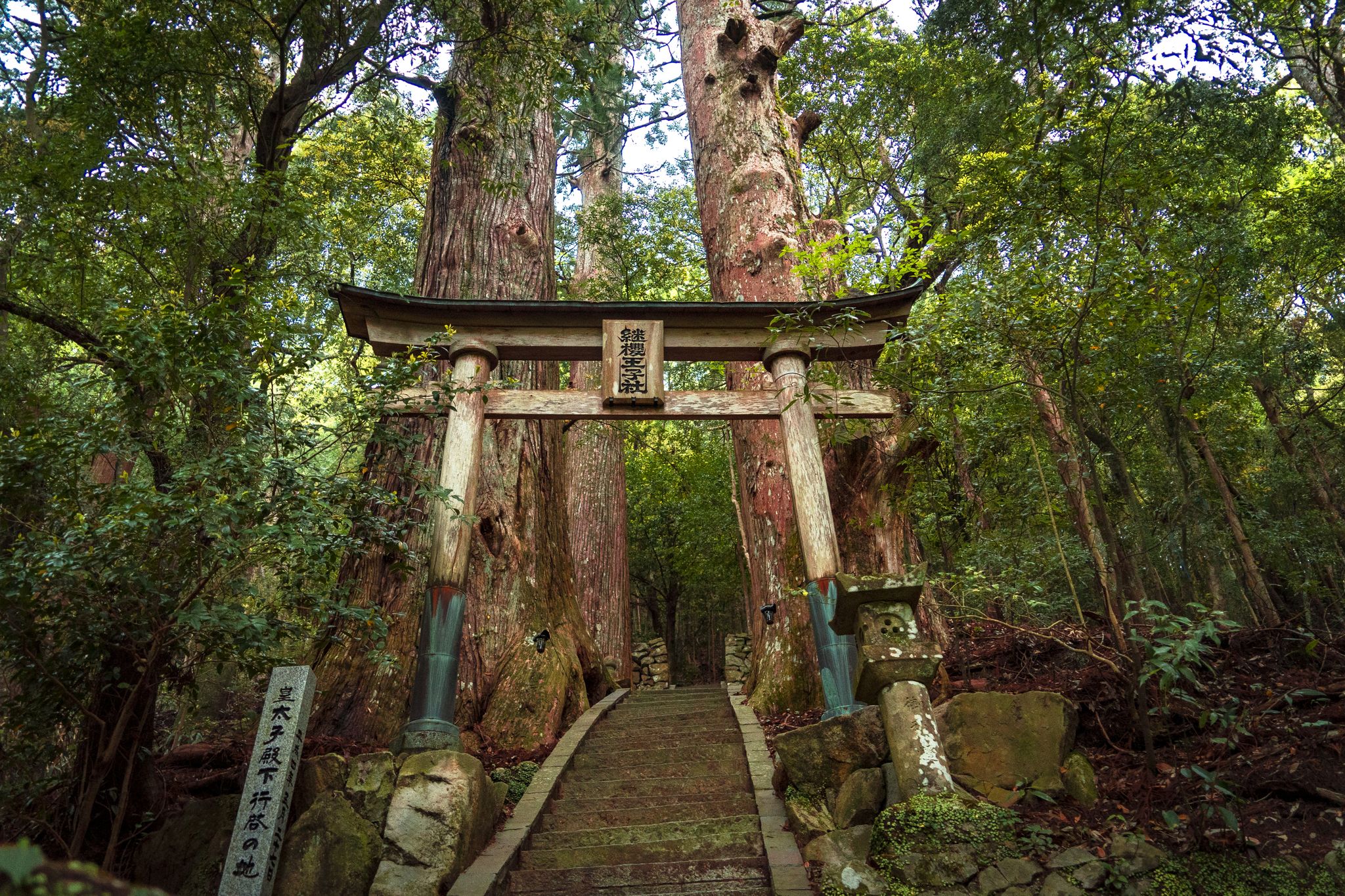
In Japanese, "Oji(王子)" generally means prince, but in the Kumano Kodo, "Oji(王子)" refers to the worship spots scattered along the trail.
0
0

As "nice" as the encounter with the Nara deer may seem at first glance, they are still animals and therefore loyal to their behavior, either instinctively or according to their life stage and gender. Conditional caution, rutting, food jealousy, and territorial demarcation could thus lead to "unpredictable" behavior...
3
0

The cemetery is impressive.
0
0
Frequently Asked Questions
How many easy hiking trails can I find in the Kii Mountains?
The Kii Mountains offer over 30 easy hiking trails, perfect for exploring the region's unique blend of natural beauty and spiritual history. These routes are highly rated by the komoot community, with an average score of 4.7 stars.
When is the best time of year for easy hikes in the Kii Mountains?
The Kii Mountains are beautiful year-round, but spring and autumn are particularly popular. Spring offers pleasant temperatures and the breathtaking cherry blossoms of Mount Yoshino, while autumn provides vibrant foliage. The region experiences high rainfall, contributing to its lush greenery, so be prepared for potential wet weather regardless of the season.
Are there any easy circular hiking routes in the Kii Mountains?
Yes, many easy trails in the Kii Mountains are designed as loops. For instance, the Okunoin Cemetery – Okunoin Cemetery loop from Kōya is a popular 4.0-mile (6.5 km) route exploring a significant spiritual site. Another option is the Nigatsu-dō Hall – Kōfuku-ji Temple loop from 近鉄奈良, which takes you through historic temple grounds.
What kind of natural features can I expect to see on easy hikes in the Kii Mountains?
Easy hikes in the Kii Mountains often lead through dense forests of ancient cedar and cypress trees, offering serene and solitary experiences. You'll also encounter an abundance of streams, rivers, and gorges. The region is famous for its spectacular waterfalls, such as the Nachi Waterfall, Japan's tallest single-drop waterfall, which can be seen on routes like the Daimonzaka Slope – Kumano Nachi Grand Shrine loop.
Are there any family-friendly easy hikes in the Kii Mountains?
Many easy trails are suitable for families. Routes that explore temple grounds or parks, such as the Nara Park Deer – Tōdai-ji Temple loop from 近鉄奈良, offer gentle terrain and interesting sights for all ages. These paths often combine cultural exploration with natural beauty.
What cultural or historical landmarks can I explore on easy hiking trails?
The Kii Mountains are rich in spiritual history. You can explore sites like the atmospheric Okunoin Cemetery on the Okunoin Cemetery loop, or the historic Daimonzaka Slope leading to Kumano Nachi Taisha shrine. Other notable landmarks include the Tōdai-ji Temple and Kasuga Grand Shrine, accessible via routes like the Tōdai-ji Temple – Kasuga Grand Shrine loop. The region is home to the UNESCO World Heritage-listed Kumano Kodo pilgrimage routes, offering a journey through ancient spiritual paths.
Are there any viewpoints or scenic spots on easy trails in the Kii Mountains?
Yes, several easy routes offer rewarding views. For example, the Mount Wakakusa Hiking Trail – View of Nara City loop provides expansive vistas of Nara City. You can also find viewpoints like View of Nara from Mount Wakakusa and Hyakken-gura Viewpoint, which are accessible on various trails.
Can I access easy hiking trails in the Kii Mountains using public transport?
Many trails, especially those near towns and cities like Nara or Kōya, are accessible via public transport. For example, routes starting from '近鉄奈良' (Kintetsu Nara) or 'Kōya' are typically well-connected. It's advisable to check local bus or train schedules for specific trailheads.
Are there hot springs (onsen) near easy hiking routes for relaxation?
The Kii Peninsula is famous for its natural hot springs. After an easy hike, you can find rejuvenating onsen experiences in towns like Yunomine Onsen, which features the UNESCO World Heritage-listed Tsuboyu bath. While not directly on every easy trail, many are within a short distance, offering a perfect way to relax.
What do other hikers enjoy most about easy hikes in the Kii Mountains?
The Kii Mountains are highly rated by the komoot community, with an average score of 4.7 stars from over 500 reviews. Hikers often praise the serene atmosphere of the dense forests, the spiritual significance of the ancient pilgrimage paths, and the well-maintained trails that make exploration accessible. The blend of natural beauty with deep cultural immersion is a frequently highlighted aspect.
Are there any easy trails that feature deer or other wildlife?
While the region is known for its diverse flora and fauna, one prominent highlight for wildlife spotting on an easy trail is Nara Park. The Nara Park Deer – Tōdai-ji Temple loop from 近鉄奈良 allows you to encounter the famous wild deer that roam freely in the park, which is also a designated Natural Monument.
Are there cafes or accommodation options near easy hiking trails?
Yes, especially around popular pilgrimage towns and tourist centers. Areas like Koyasan and the Kumano Sanzan offer traditional lodgings and guesthouses. Towns along the Kumano Kodo, such as Yunomine Onsen, also provide accommodation and local eateries where you can refuel after your hike.
Most popular routes in the Kii Mountains
Most popular attractions in the Kii Mountains

Get inspired with the komoot mobile app


Explore more
Browse the best Hikes in other regions.
