The 20 Most Amazing Peaks around Sillano Giuncugnano
Best mountain peaks around Sillano Giuncugnano are situated within the Tuscan-Emilian Apennines National Park and border the Orecchiella National Park. This area features diverse landscapes, including lush forests, high-altitude meadows, and panoramic views. The region offers access to several notable mountain peaks, appealing to hikers and nature enthusiasts. Its geography provides a range of experiences, from challenging ascents to moderate trails.
Best mountain peaks around Sillano Giuncugnano
- The most popular mountain peaks is Tambura Pass, a mountain pass that…
Last updated: May 9, 2026
Tambura Pass
Highlight • Mountain Pass
Translated by Google •
Tip by

Mount Prado
Highlight • Summit
Translated by Google •
Tip by

Sign up now to discover places like this
Get recommendations on the best single tracks, peaks, & plenty of other exciting outdoor places.
Sign up for free
Pizzo d'Uccello Summit
Highlight • Summit
Translated by Google •
Tip by

Vallestrina Shelter
Highlight • Mountain Hut
Translated by Google •
Tip by

Mount Grondilice
Highlight • Summit
Translated by Google •
Tip by

Sign up for free to discover even more peaks around Sillano Giuncugnano.
Sign up for free
Already have an account?
Start today with a free account
Your next adventure awaits.
Login or Signup
Popular around Sillano Giuncugnano
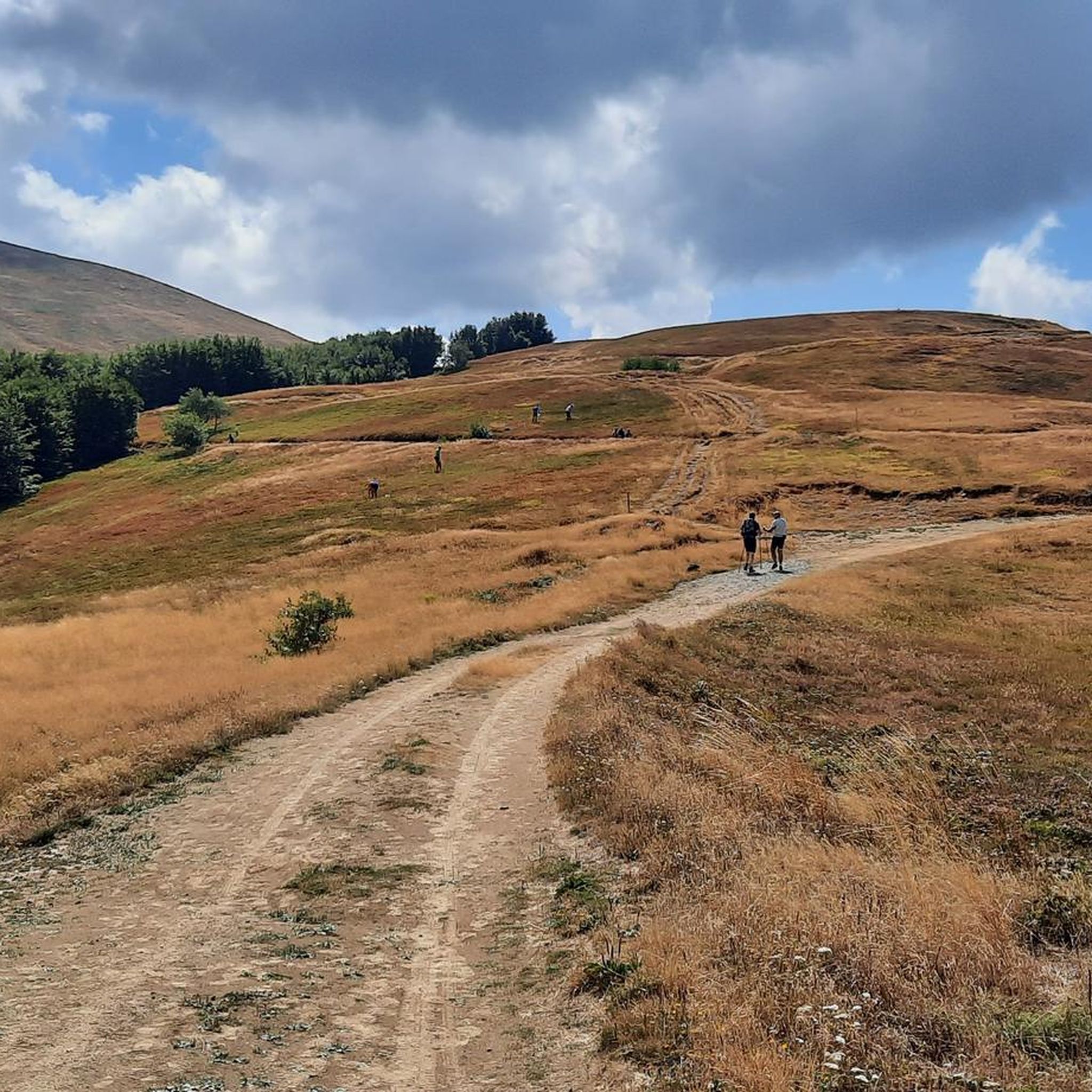
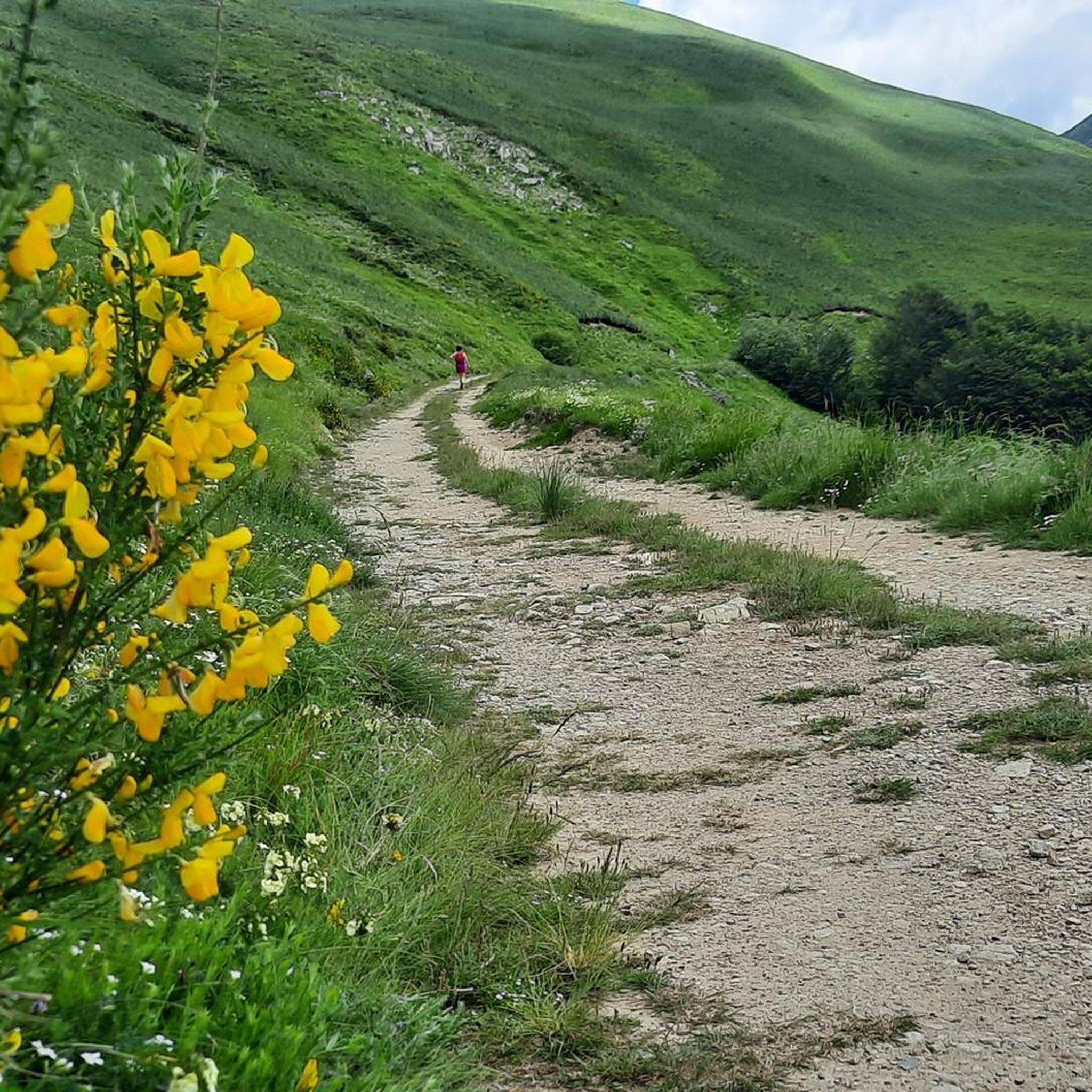
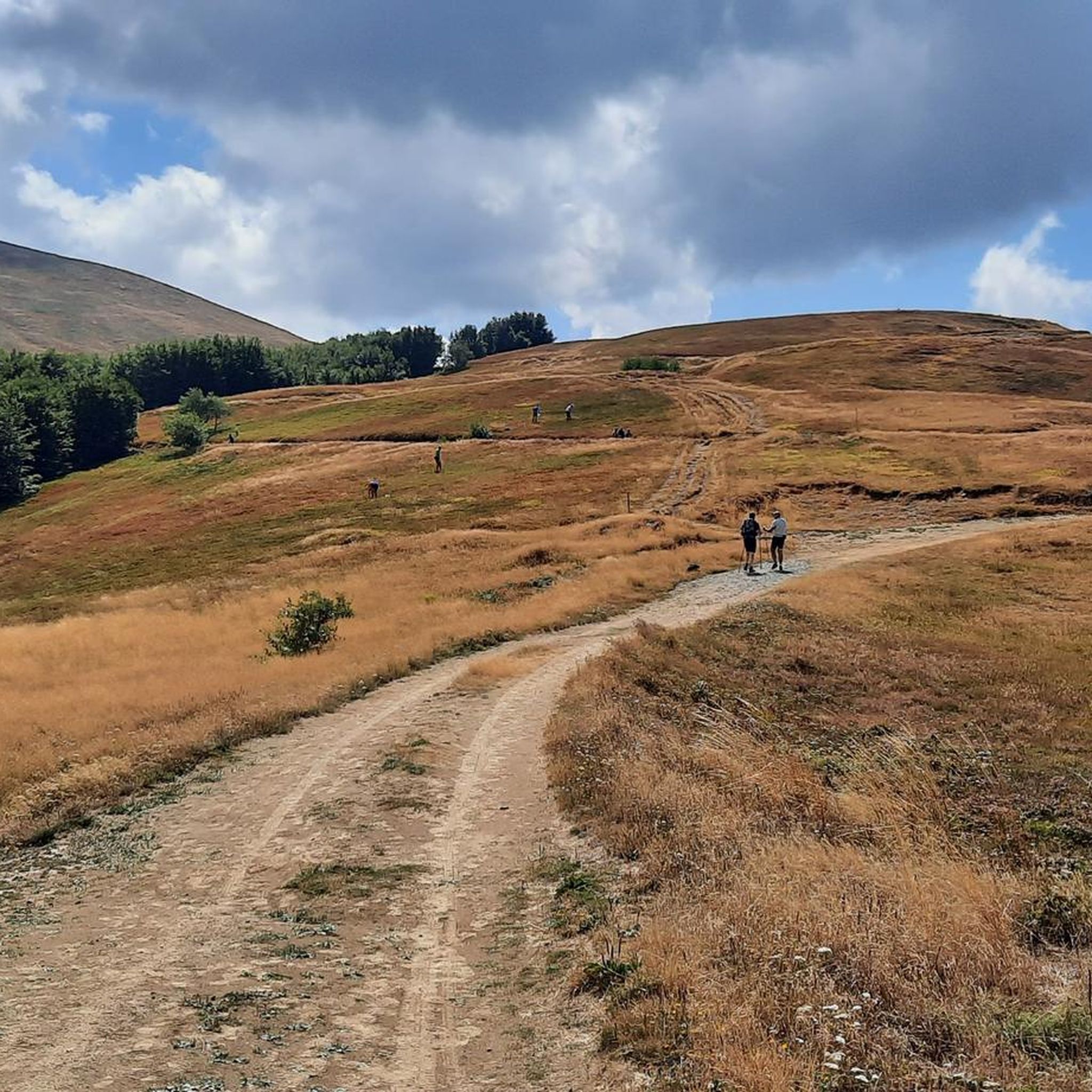
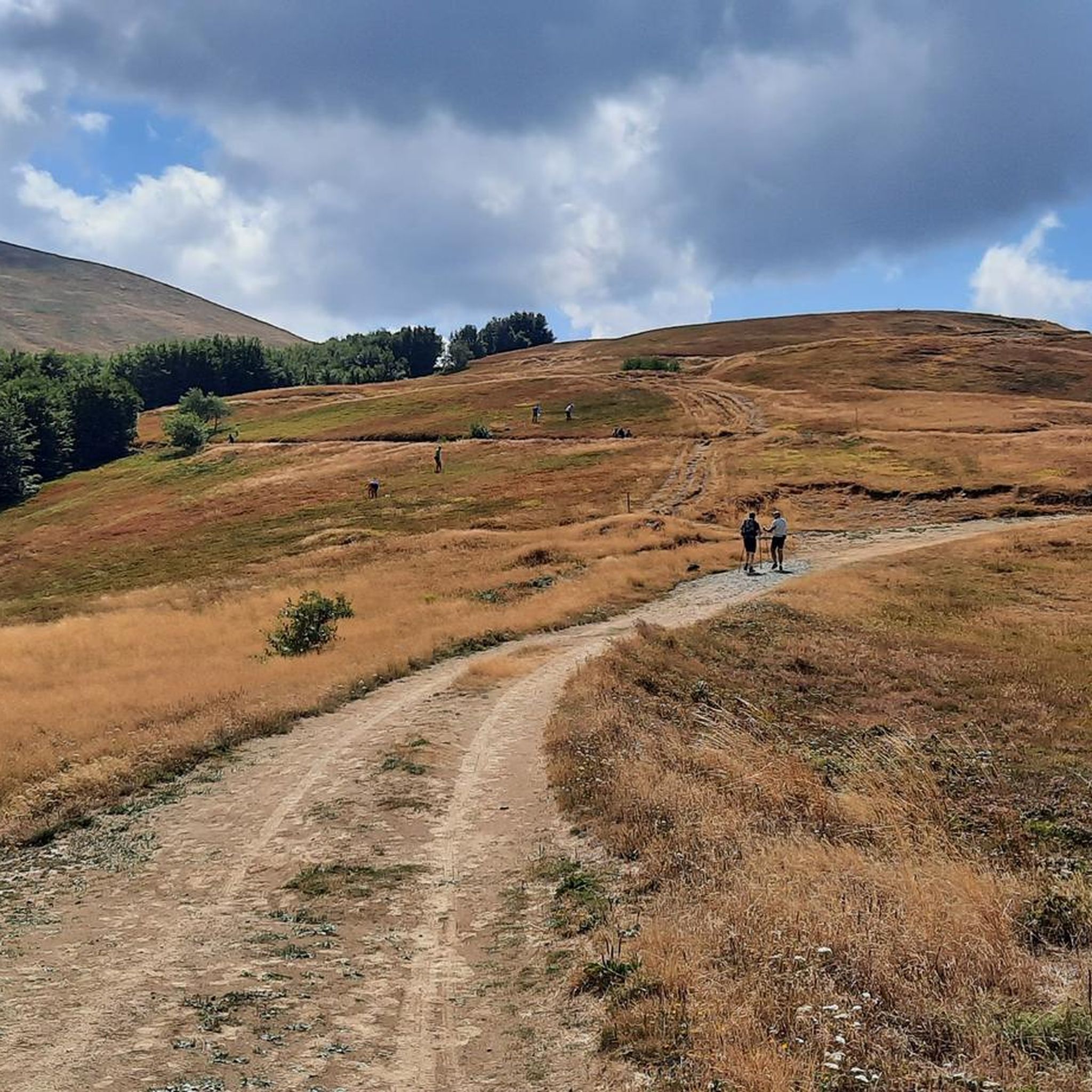
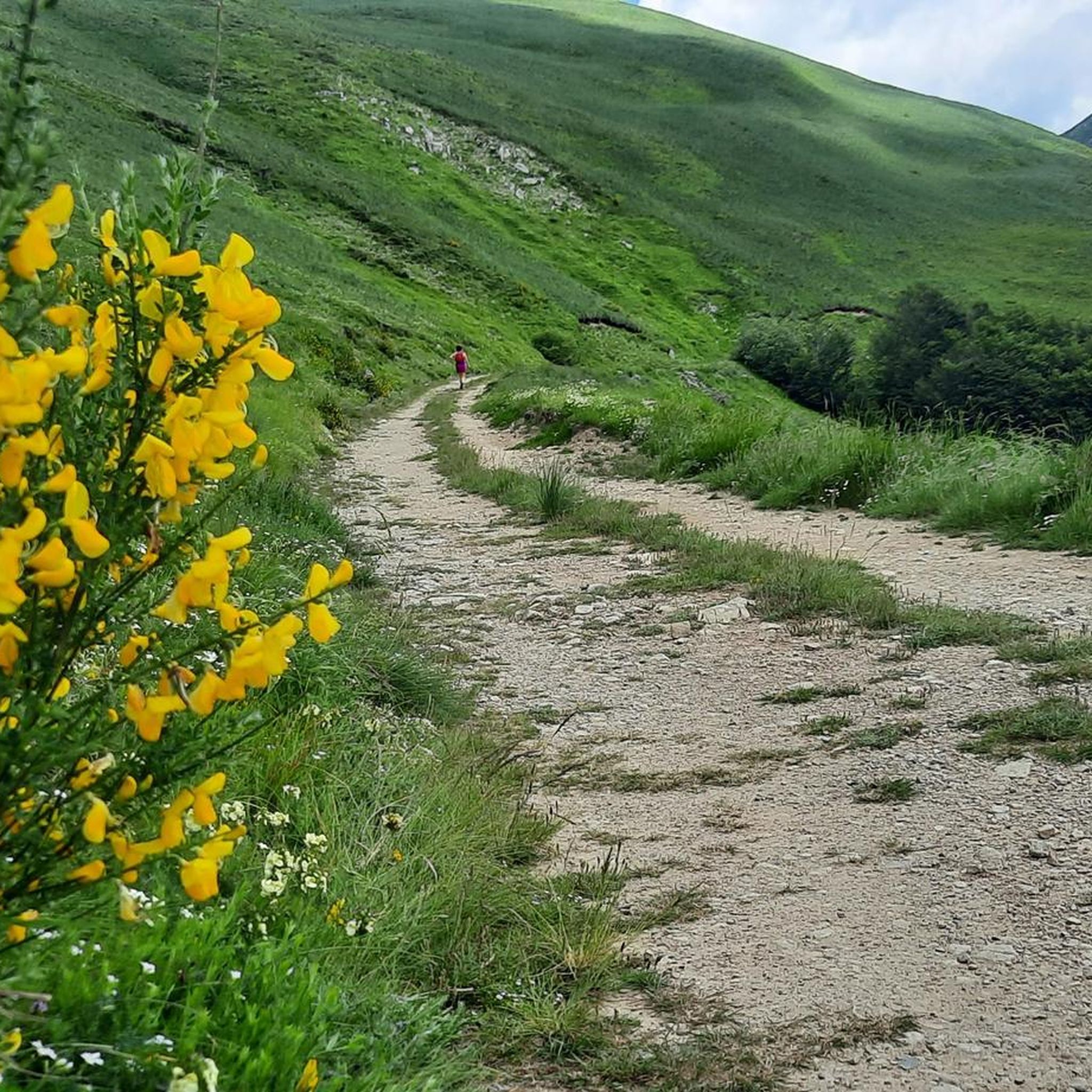
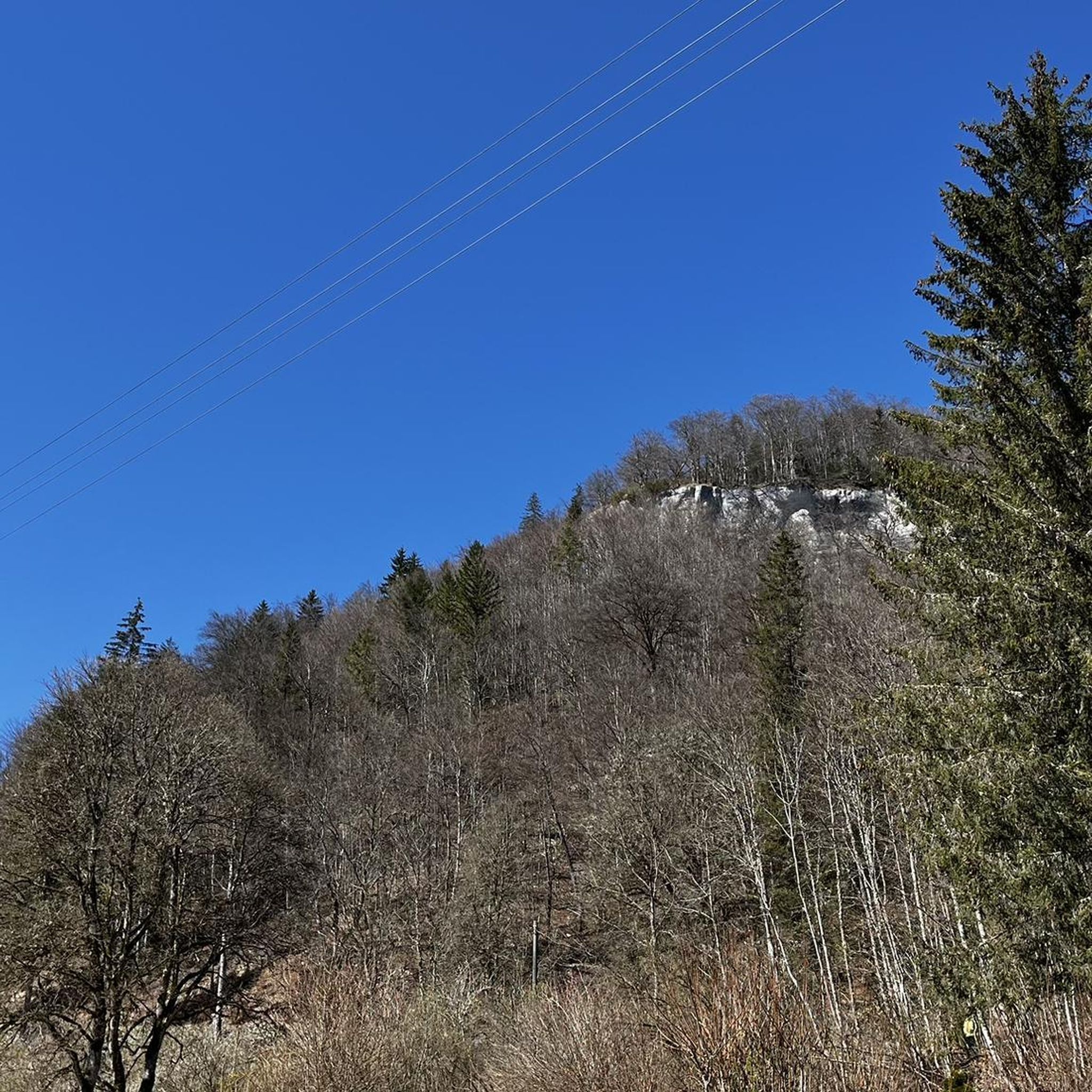
Tips from the Community

2054 meters of pure beauty from every angle you look
0
0

the closing of the ring has a challenging part, with some slightly dangerous parts and others not marked, at least as far as the route that the navigator makes you do is concerned
0
0

Spectacular and not too difficult to reach
0
0

Great view of Focoletta, Sella and Fiocca
0
0
Creste della Tambura, view of Focoletta, Sella and Fiocca
0
0

Bivouac very well maintained by the CAI. Truly a gem
1
0

The Vallestrina bivouac is a spartan bivouac located in the shadow of the Alp of the same name. Spartan in appearance, but not in content. Inside we can find: stove, table with chairs and bench, chopped wood, bunk bed with three seats and above all electric light provided by a photovoltaic panel. Outside: mega table and barbecue. Going up the stream, there is a source about 100 meters away. The password is always the same: RESPECT!
0
0
Frequently Asked Questions
Which mountain peaks offer unique natural features around Sillano Giuncugnano?
The region boasts several peaks with distinct natural characteristics. Mount Prado, the highest mountain in Tuscany, is known for its glacial landscapes, including cirques and lakes like Lago della Bargetana, and is considered a botanical paradise. Alpe di Succiso features a distinctive pyramidal shape carved by gorges and is the origin of the Secchia and Enza rivers. Pania di Corfino, though close to the Apennines, has a calcareous rock composition similar to the Apuan Alps and is home to a botanical garden preserving indigenous flora.
What kind of panoramic views can I expect from the mountain peaks in this area?
The peaks around Sillano Giuncugnano offer extensive and diverse panoramic views. From Mount Prado, you can see the surrounding Apennines, the Garfagnana region, and even the Tuscan Archipelago islands on clear days. Alpe di Succiso provides 360-degree panoramas, stretching from the highest peaks of the Tuscan-Emilian Apennines to the jagged Apuan Alps, and on very clear days, even the Ligurian Sea and Corsica. Pania di Corfino offers breathtaking views across the entire Garfagnana valley, the Apennines, and the sharp Apuan Alps.
Are there challenging peak climbs around Sillano Giuncugnano for experienced hikers?
Yes, several peaks offer challenging climbs. Alpe di Succiso has various hiking itineraries, some requiring sure-footedness and good training, particularly along its slightly exposed ridge. Pizzo d'Uccello Summit is known for its non-trivial path that often requires the use of hands and feet, and its impressive north face is vertical for almost 800 meters. The ascent to Mount Prado can also be challenging, especially if attempting it by MTB with portage sections.
What is the best time of year to hike the mountains around Sillano Giuncugnano?
The region is appealing throughout the warmer months. Late spring is particularly stunning for Pania di Corfino, as the Apuan Alps still hold patches of winter snow, enhancing the views. Generally, the snow on higher peaks like Mount Prado melts from May until the beginning of summer, making these months ideal for hiking. Winter offers unique experiences, especially on mountains like Alpe di Succiso, which is considered one of the most interesting in the Tuscan-Emilian Apennines during this season, though requiring appropriate gear and experience.
Are there family-friendly mountain walks around Sillano Giuncugnano?
While some peaks offer challenging ascents, the diverse landscapes of the Tuscan-Emilian Apennines National Park and Orecchiella National Park also provide more moderate trails suitable for families. The area features lush forests and mountain meadows, which can be explored on less strenuous routes. For specific family-friendly options, it's advisable to check local trail guides or visitor centers for routes with gentler gradients and shorter distances.
What outdoor activities can I do near these mountain peaks?
Beyond peak bagging, the area offers a variety of outdoor activities. You can find numerous hiking trails, including multi-day treks like the Garfagnana Trekking stages and the Apennine Watershed Trail. For cyclists, there are challenging touring bicycle routes such as the Castelnuovo di Garfagnana – San Romano in Garfagnana loop. Mountaineering routes are also available, including the Monte Cusna loop and various via ferratas. You can explore more options on the Hiking around Sillano Giuncugnano, Cycling around Sillano Giuncugnano, and Mountain Hikes around Sillano Giuncugnano guide pages.
Are there any shelters or accommodation options on the mountain trails?
Yes, there are facilities like the Vallestrina Shelter, which is a well-maintained bivouac equipped with beds, a table, chairs, and a stove. It's located on the border between wood and clearing, making it suitable for winter excursions as well. A spring for water is available a few hundred meters away. Such shelters provide essential resting points for hikers on longer routes.
What is the significance of <a href="https://www.komoot.com/highlight/2092117" target="_blank" rel="noopener">Tambura Pass</a>?
Tambura Pass is a mountain pass located at 1630 meters above sea level, offering exceptional 360-degree views. It has a unique history, as a road was built across its saddle between 1738 and 1751 by Domenico Vandelli, requiring extensive engineering due to the steep slopes. Today, this route is primarily suitable for walking or cycling. The pass is situated right at the foot of Mount Focoletta, and nearby, you can find marble quarries.
What makes <a href="https://www.komoot.com/highlight/2824933" target="_blank" rel="noopener">Tambura Ridge</a> a notable feature?
Tambura Ridge is a summit known for its smooth crest, offering beautiful panoramas. While generally not overly difficult, it can be slightly exposed in certain sections, adding to the adventure. It provides a rewarding experience for hikers seeking expansive views without extreme technical challenges.
What do visitors enjoy most about the mountain peaks around Sillano Giuncugnano?
Visitors highly appreciate the spectacular natural environments and the diverse range of hiking experiences. The breathtaking panoramic views from summits like Mount Prado and Alpe di Succiso, extending to the sea on clear days, are a major draw. The unique geological features, rich flora, and the sense of accomplishment from challenging climbs also contribute to a memorable experience. The komoot community has shown its appreciation with 6 highlights, 73 photos, and 95 upvotes for the area's mountain peaks.
Are there any specific natural monuments or protected areas associated with these peaks?
Yes, the peaks are nestled within significant natural areas. Mount Prado is part of the Parco dell'Alto Appennino Reggiano (Parco del Gigante), recognized for its high naturalistic value. Alpe di Succiso is also within the National Park of the Appennino Tosco-Emiliano. Pania di Corfino is located within the Parco dell'Orecchiella, an area noted for its significant naturalistic value and protected botanical and faunal elements, including a botanical garden.
What kind of flora and fauna can be observed around these mountain peaks?
The region is rich in biodiversity. Mount Prado is described as a 'botanical paradise' due to its exceptionally rich flora. Pania di Corfino's unique position supports diverse flora, combining high-altitude and Mediterranean species. Hikers in areas like the Grottacce scree near Pania di Corfino might also spot eagles, indicating a healthy faunal presence in these protected natural environments.
Most popular routes around Sillano Giuncugnano
Most popular attractions around Sillano Giuncugnano

Get inspired with the komoot mobile app


Explore more
See even more amazing summits around Sillano Giuncugnano with these guides:
