Attractions and Places To See around Kapuzinerberg - Top 20
Best attractions and places to see around Kapuzinerberg include a prominent hill on the eastern bank of the Salzach River in Salzburg, Austria. Rising to an elevation of 640 meters, it forms part of the city's UNESCO World Heritage Site. The area serves as a green lung for Salzburg, providing numerous walking and hiking opportunities through its dense forest. It offers a blend of history, nature, and panoramic views of the city.
Best attractions and places to see around Kapuzinerberg
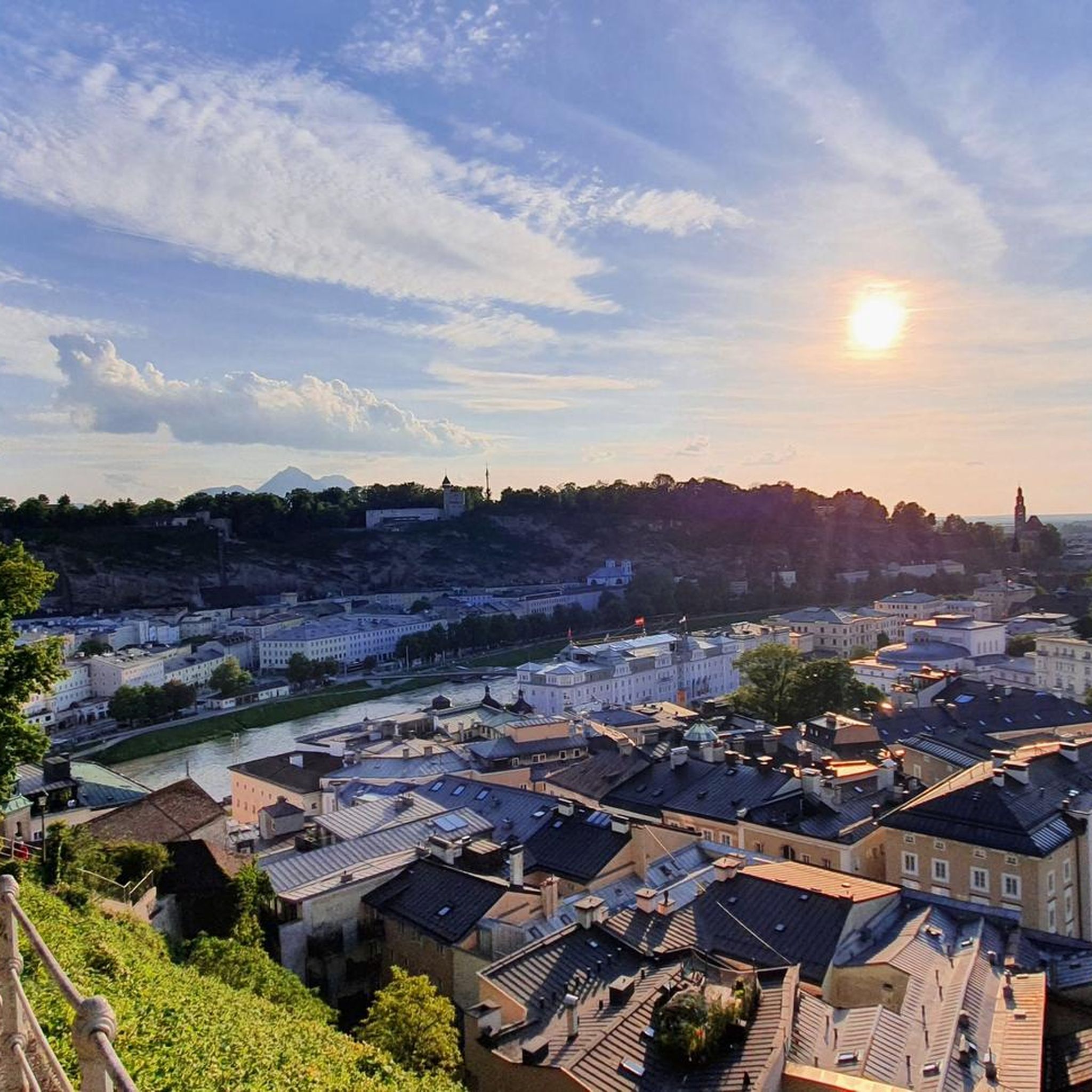
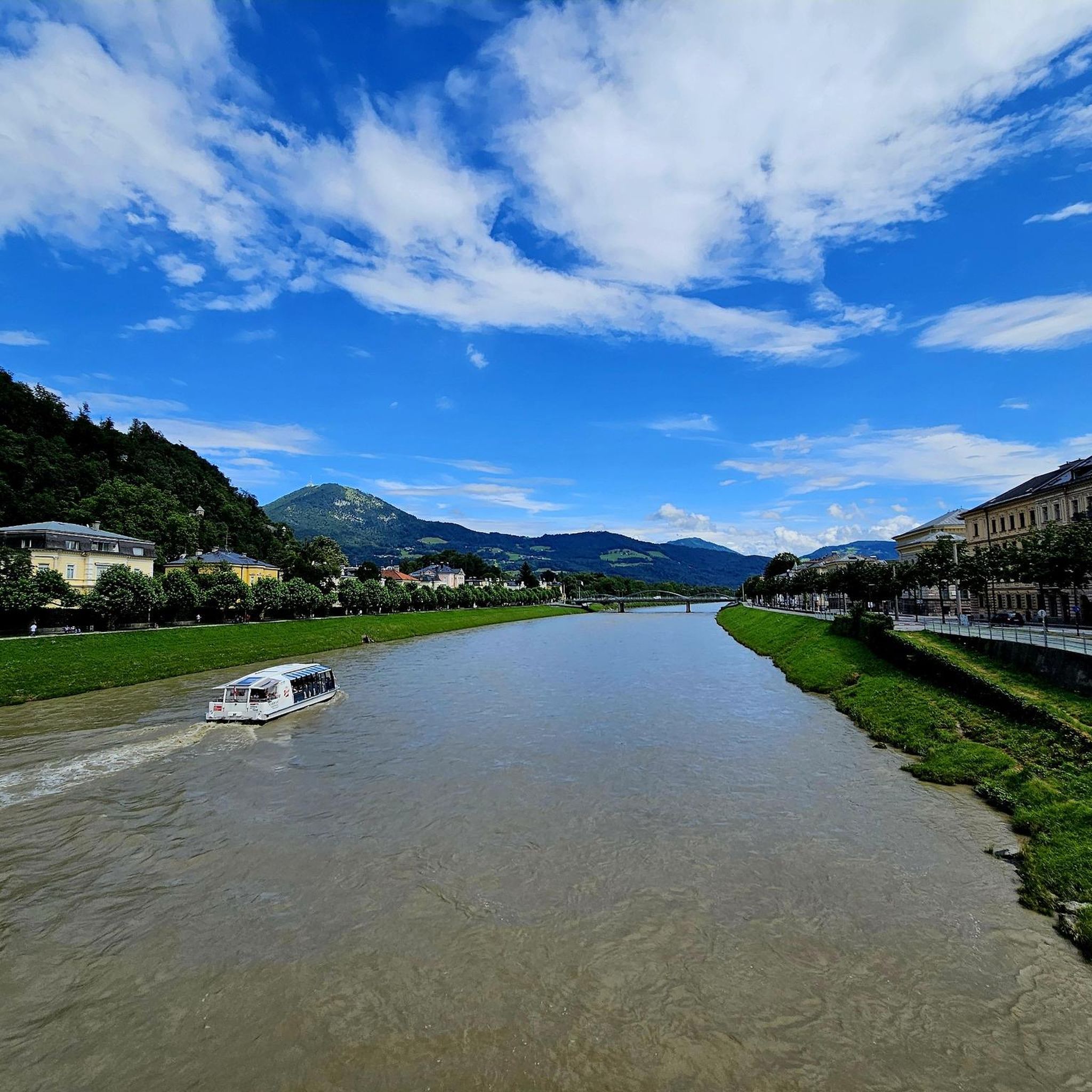
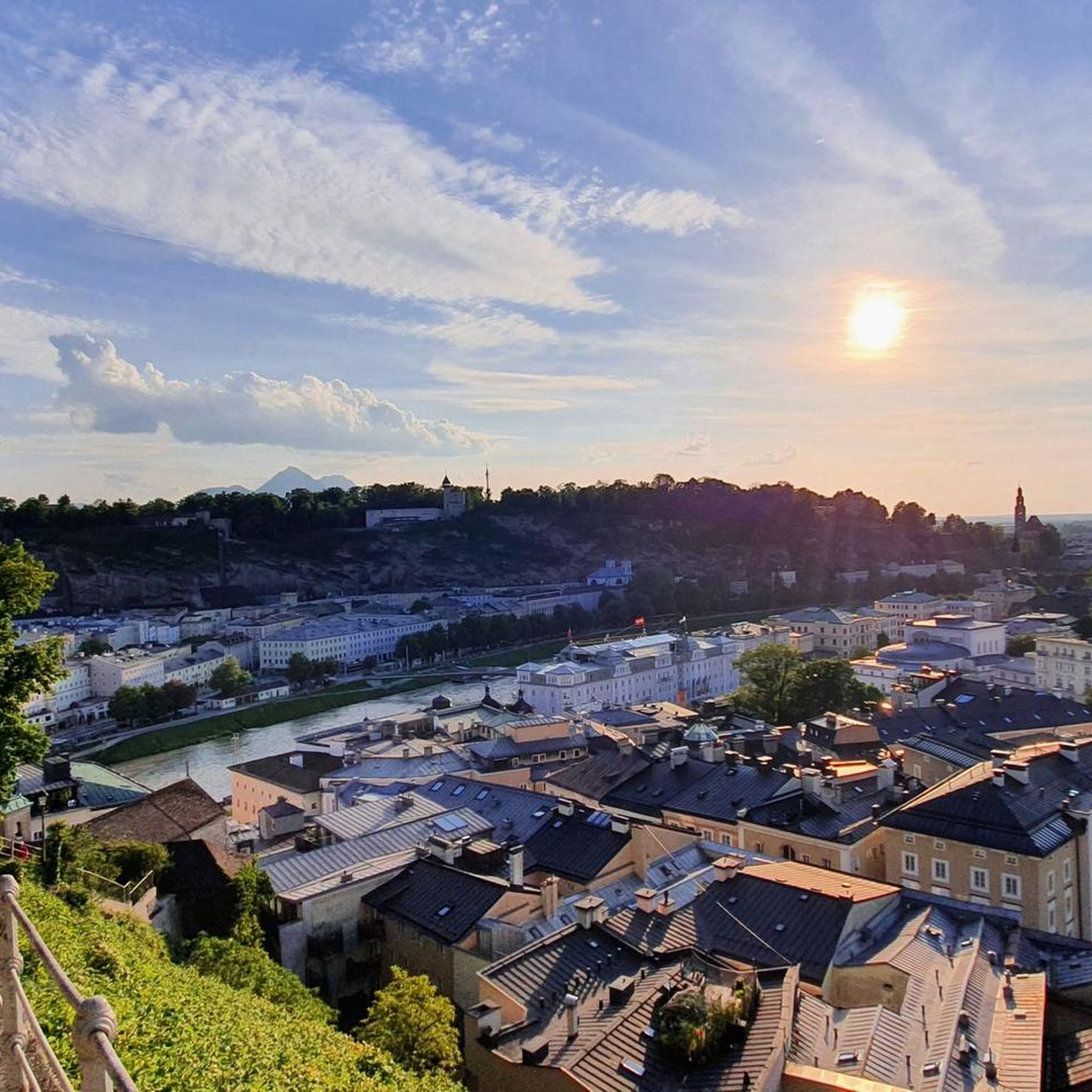
- The most popular attractions is View of Hohensalzburg Fortress and Salzburg's Old Town from the Salzach Cycle Path, a viewpoint that offers a magnificent view of this impressive structure. This spot provides clear views of Hohensalzburg Fortress and Salzburg's Old Town.
- Another must-see spot is Way of the Cross to the Capuchin Monastery (Kapuzinerberg), a trail leading up the Kapuzinerberg. This path features the Stations of the Cross and offers views on the ascent to the Capuchin Monastery.
- Visitors also love Linzer Gasse, a pedestrian zone. This street features shops and restaurants, providing a local experience north of the Salzach.
- Kapuzinerberg is known for historical sites, panoramic viewpoints, and natural landscapes. Visitors can explore a variety of attractions, from ancient fortifications to dense wooded areas and unique wildlife.
- The attractions around Kapuzinerberg are appreciated by the komoot community. More than 950 upvotes and 65 photos have been shared for the 23 highlights in this area.
Last updated: May 25, 2026
View of Hohensalzburg Fortress
Highlight • Viewpoint
Translated by Google •
Tip by

View of Hohensalzburg Fortress and Salzburg's Old Town from the Salzach Cycle Path
Highlight • Viewpoint
Translated by Google •
Tip by

Sign up now to discover places like this
Get recommendations on the best single tracks, peaks, & plenty of other exciting outdoor places.
Sign up for free
Linzer Gasse
Highlight • Settlement
Translated by Google •
Tip by

Way of the Cross to the Capuchin Monastery (Kapuzinerberg)
Highlight (Segment) • Trail
Translated by Google •
Tip by
Historic Centre of Salzburg
Highlight • Historical Site
Only the most outstanding natural and cultural monuments make it onto the UNESCO World Heritage List. In addition to architectural monuments and urban ensembles, the World Heritage also includes cultural landscapes, industrial monuments, and works of art such as petroglyphs. Austria currently has twelve World Heritage sites. By signing the UNESCO Convention of 1993, Austria committed itself to protecting and preserving the World Heritage sites within its borders. The Historic Center of the City of Salzburg has been on the UNESCO World Heritage List since 1996/1997. The historic center, which is worthy of protection, covers 236 hectares and contains approximately 1,000 objects.
Text / Source: TSG Tourismus Salzburg GmbH, Auerspergstraße 6, Salzburg
salzburg.info/de/salzburg/unesco-welkulturerbe
Translated by Google •
Tip by

Sign up for free to discover even more attractions around Kapuzinerberg.
Sign up for free
Already have an account?
Start today with a free account
Your next adventure awaits.
Login or Signup
Popular around Kapuzinerberg
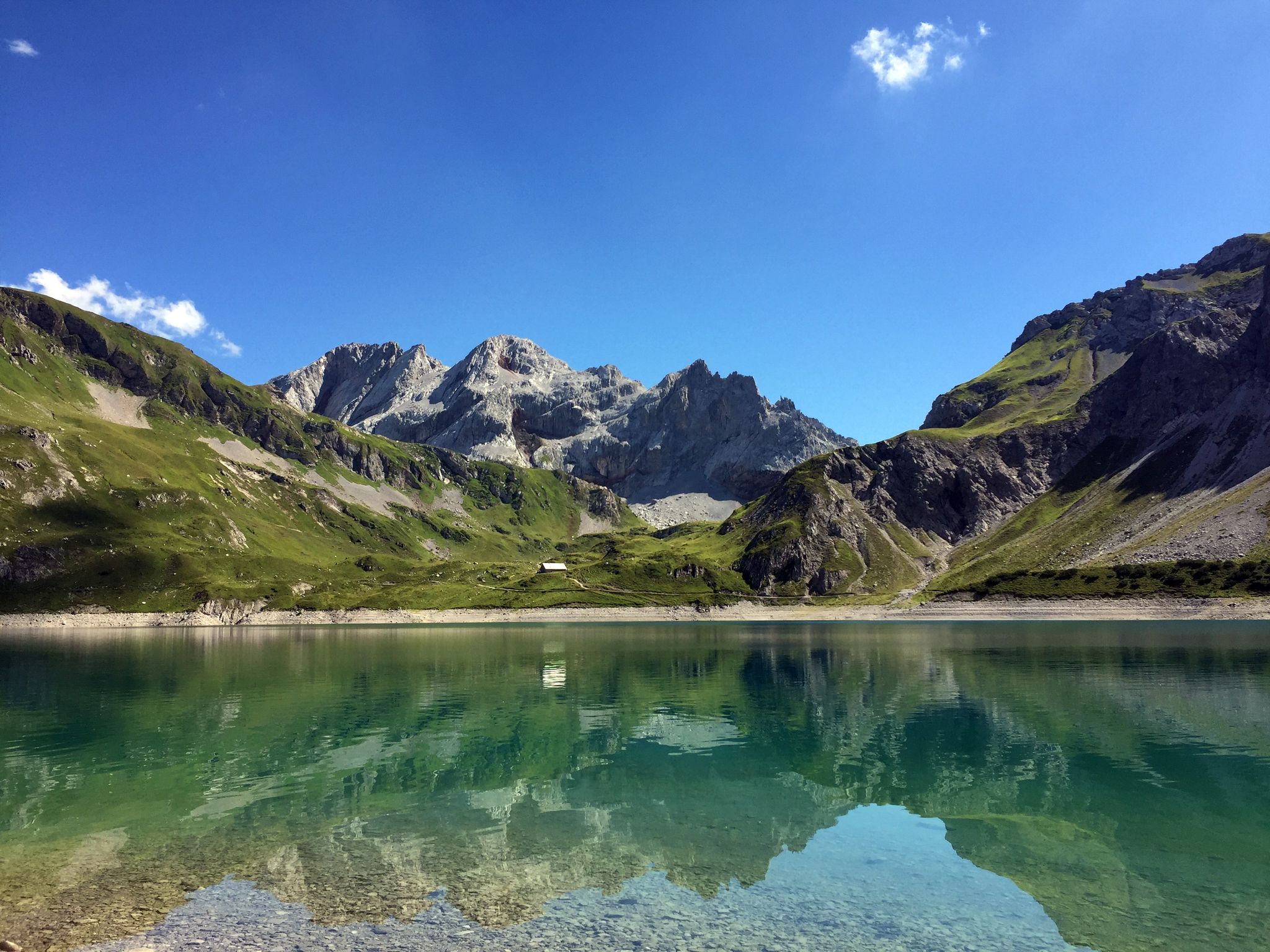
Mighty mountains and historic cities – hiking in Austria
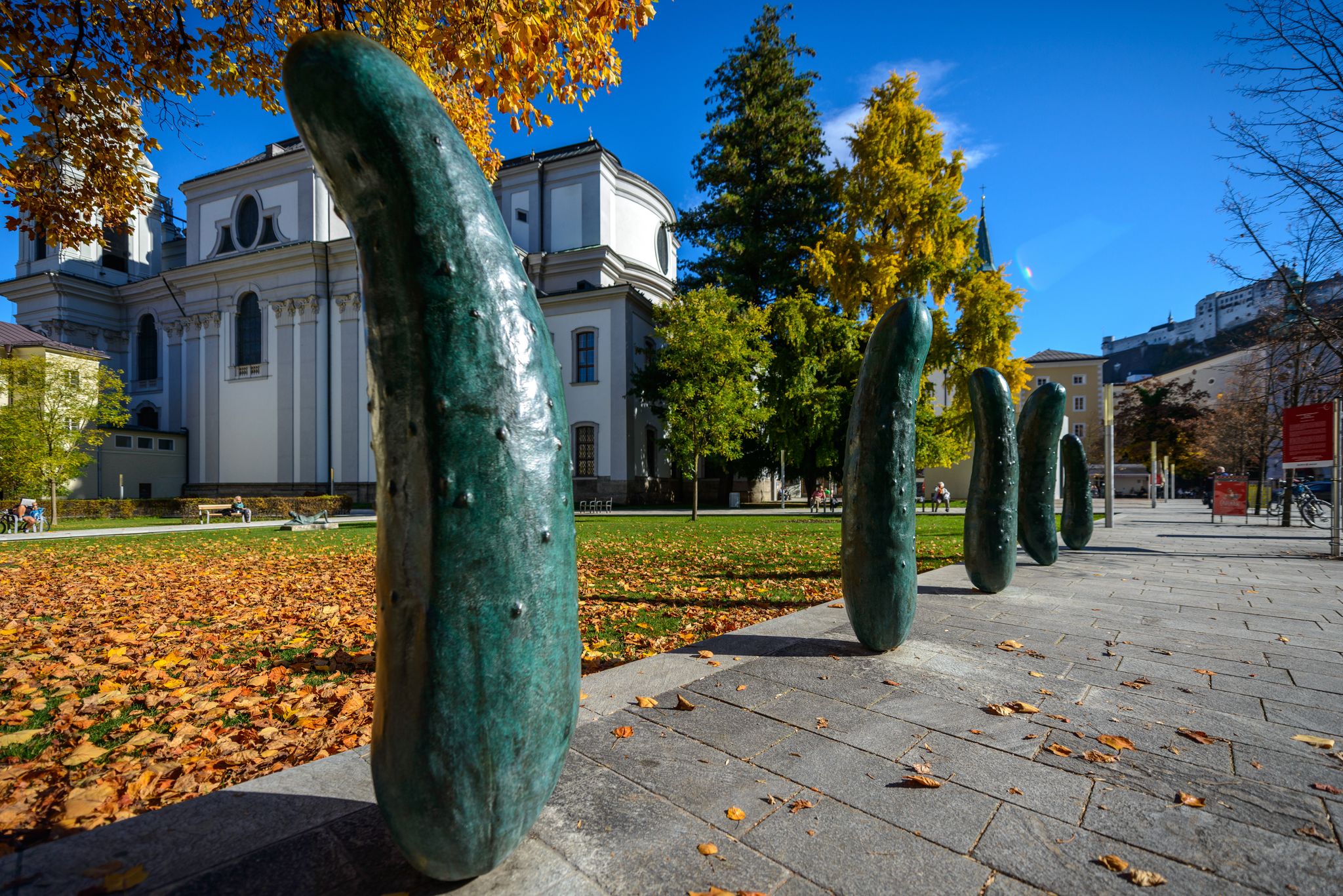
Something different – city walks through Salzburg
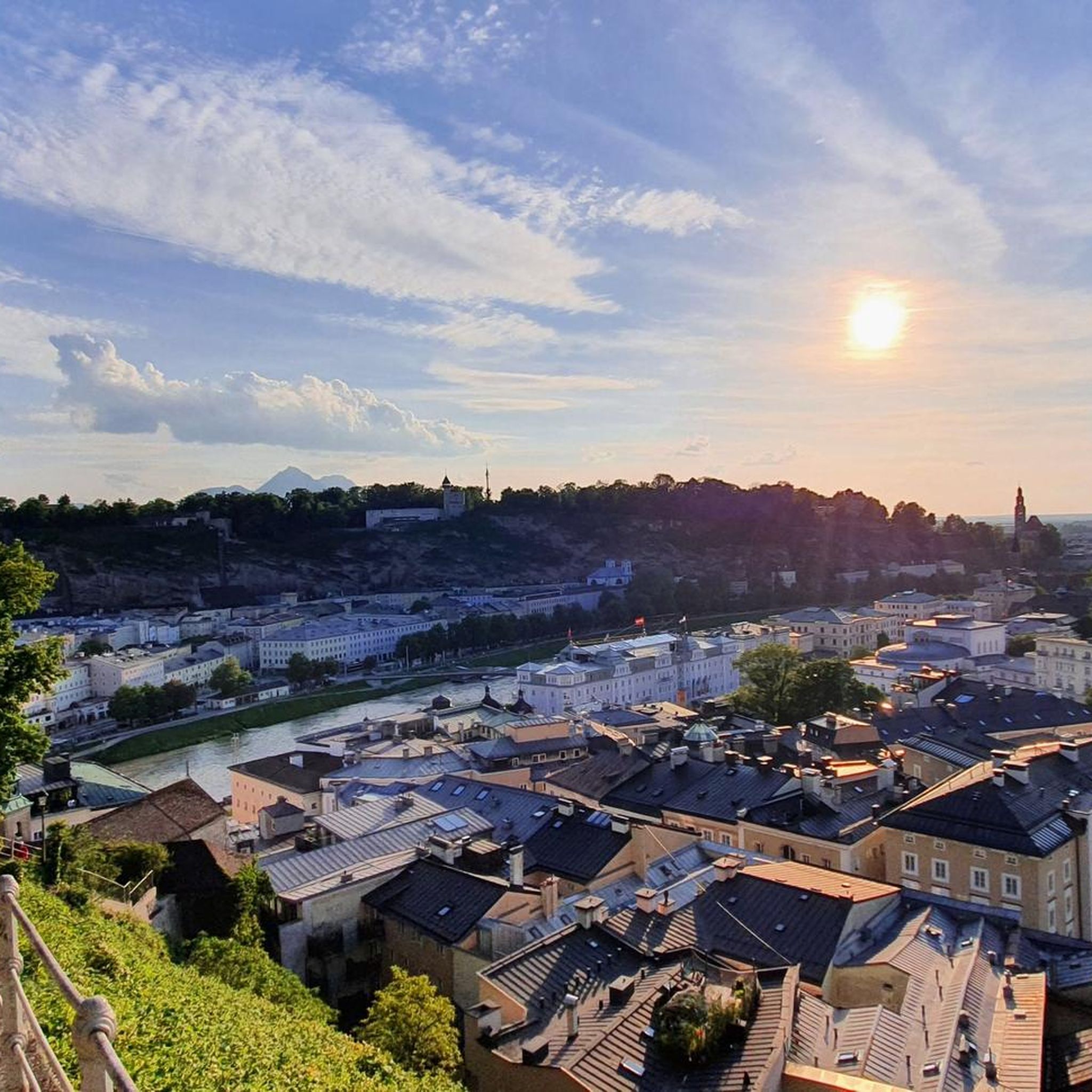
Cycling around Kapuzinerberg
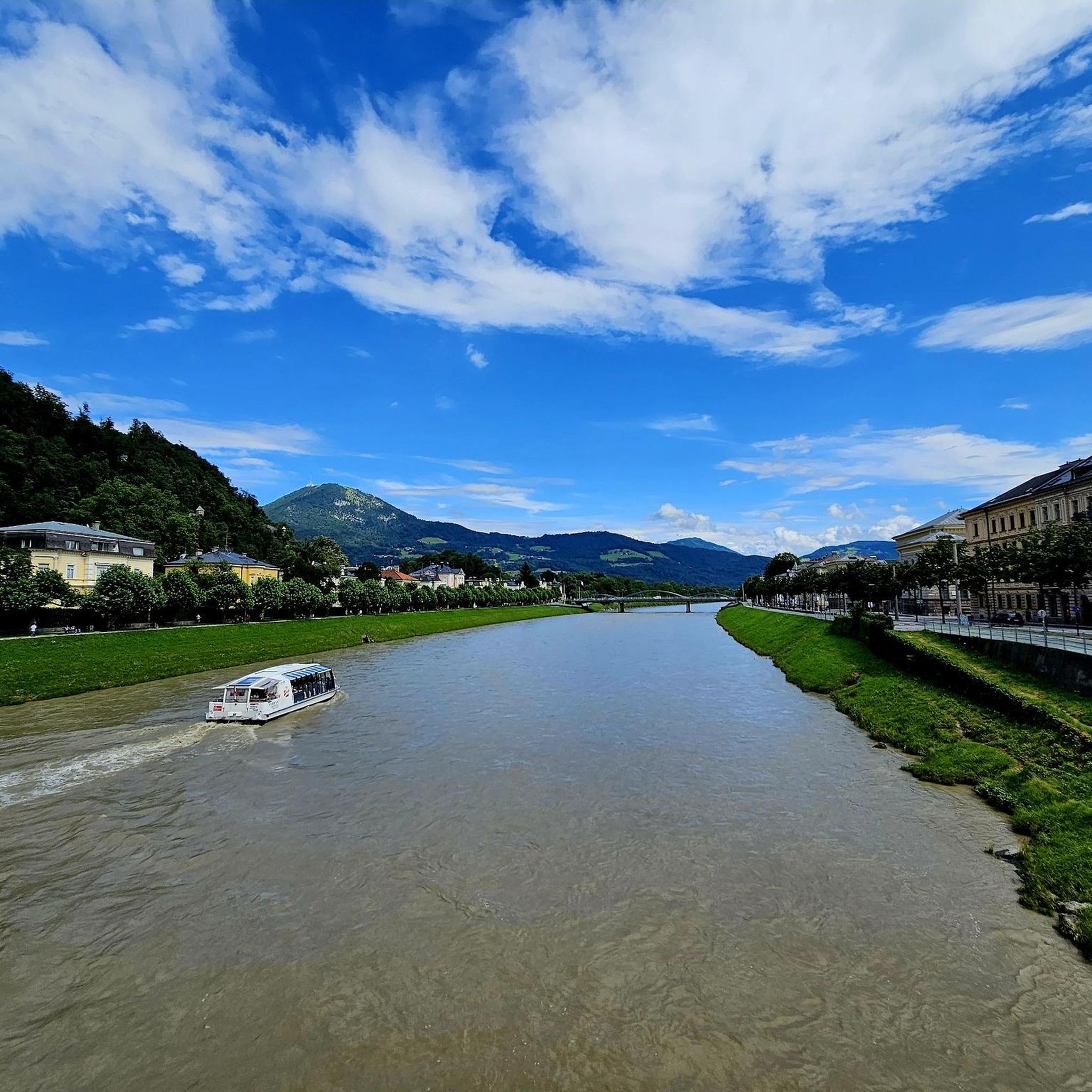
Running Trails around Kapuzinerberg
Road Cycling Routes around Kapuzinerberg
Gravel biking around Kapuzinerberg
MTB Trails around Kapuzinerberg
Hiking around Kapuzinerberg
Mountain Hikes around Kapuzinerberg


Tips from the Community

A truly beautiful view & perspective
5
1

Salzburg's Historic Center: UNESCO World Heritage Site Only the most outstanding natural and cultural monuments make it onto the UNESCO World Heritage List. In addition to architectural monuments and urban ensembles, the World Heritage also includes cultural landscapes, industrial monuments, and works of art such as petroglyphs. Austria currently has twelve World Heritage sites. By signing the UNESCO Convention of 1993, Austria committed itself to protecting and preserving the World Heritage sites within its borders. The Historic Center of the City of Salzburg has been on the UNESCO World Heritage List since 1996/1997. The historic center, which is worthy of protection, covers 236 hectares and contains approximately 1,000 objects. Text / Source: TSG Tourismus Salzburg GmbH, Auerspergstraße 6, Salzburg https://www.salzburg.info/de/salzburg/unesco-welkulturerbe
13
0

It's a very pleasant place to stroll around. There are also a number of great little specialty shops here.
3
0
The somewhat arduous path up to the Capuchin Church becomes more pleasant with the Stations of the Cross and allows you to find some peace:
2
0

From the opposite bank of the Salzach you have a great view of the fortress and the old town. What's special is sitting in the Monkeys cafe bar cityoasis right on the waterfront, sipping a cocktail and enjoying the view.
3
2

The climb is definitely worth it
2
0

It's also worth stopping by on this side of the Salzach. Also because of the climb to Kapuzinerberg.
1
0

Great path on the Kapuzinerberg with beautiful views... Above is the beautiful Capuchin monastery.
3
0
Frequently Asked Questions
What kind of panoramic views can I expect from Kapuzinerberg?
Kapuzinerberg is renowned for its breathtaking panoramic views. From various points, including the View of Hohensalzburg Fortress and Salzburg's Old Town from the Salzach Cycle Path and Hettwer Bastei, you can see Salzburg's Old Town, the Hohensalzburg Fortress, the Salzach River, and on clear days, even the peaks of the Bavarian Alps.
Are there hiking opportunities on Kapuzinerberg?
Yes, Kapuzinerberg is largely covered by dense forest and offers numerous hiking opportunities. Well-maintained paths like the Stefan-Zweig-Weg and Basteiweg provide stunning views and a peaceful escape. You can find various routes, including easy hikes, in the area. For more options, explore easy hikes around Kapuzinerberg.
What historical sites can I explore on Kapuzinerberg?
Kapuzinerberg is rich in history. You can visit the Capuchin Monastery, built between 1599 and 1605, and the Franziskischlössl, a historic site at the summit. The mountain also features well-preserved artillery bastions from 1629 and a 400-year-old defensive wall, including the Felixtor. The Way of the Cross to the Capuchin Monastery (Kapuzinerberg) is another significant historical path.
Is Kapuzinerberg suitable for families?
Yes, Kapuzinerberg offers several family-friendly aspects. The wooded areas and hiking trails provide a natural playground, and the chance to spot the unique chamois colony can be exciting for children. Many viewpoints, like the View of Hohensalzburg Fortress and Salzburg's Old Town from the Salzach Cycle Path, are easily accessible.
Can I bring my dog to Kapuzinerberg?
Kapuzinerberg is generally dog-friendly, with many trails and wooded areas suitable for walks with your pet. Please ensure your dog is kept on a leash, especially given the presence of wildlife like the chamois colony, and always clean up after your dog.
What unique natural features does Kapuzinerberg offer?
Beyond its dense forests and panoramic views, Kapuzinerberg is home to the world's only chamois colony in an urban area, offering a unique wildlife viewing opportunity. The mountain's steep north face also provides opportunities for rock climbing.
How can I reach Kapuzinerberg using public transport?
Kapuzinerberg is centrally located in Salzburg, making it accessible via public transport. Various bus lines serve the areas surrounding the mountain, particularly near Linzergasse or the Old Town. From these points, it's a short walk to the ascent paths leading up Kapuzinerberg.
Are there any cafes or restaurants near Kapuzinerberg?
Yes, the area surrounding Kapuzinerberg, especially the nearby Linzer Gasse, features numerous shops and restaurants. While the Franziskischlössl at the summit once served as a restaurant, you'll find plenty of options for refreshments and meals in the city below.
What is the best time of year to visit Kapuzinerberg?
Kapuzinerberg can be visited year-round. Spring and autumn offer pleasant temperatures for hiking and vibrant foliage. Summer is ideal for enjoying the green landscapes, while winter provides a unique, often snowy, perspective of the city, though some paths might be slippery. The rock climbing 'City Wall' is permitted from July until March.
Are there any specific trails recommended for an easy walk on Kapuzinerberg?
For an easy walk, the lower sections of the Basteiweg or the paths leading to Hettwer Bastei offer gentle inclines and rewarding views without being overly strenuous. The easy hikes around Kapuzinerberg guide provides more detailed options.
What is the significance of the Capuchin Monastery on Kapuzinerberg?
The Capuchin Monastery, built between 1599 and 1605, is a central feature of Kapuzinerberg. It was established as a stronghold against the Reformation and reflects the Capuchin order's values through its simple, modest architecture. The path leading to it is lined with thirteen oratories of the Way of the Cross.
Can I find any Mozart-related sites on Kapuzinerberg?
Yes, there is a memorial place for Wolfgang Amadeus Mozart on Kapuzinerberg. Additionally, the St. Sebastian's Cemetery (Mozart Family Graves), located nearby, is the resting place for members of the Mozart family, including his father Leopold and wife Constanze.
What are the fortification walls around Kapuzinerberg?
A 400-year-old defensive wall encloses Kapuzinerberg, built during the Thirty Years' War. This wall, along with several well-preserved artillery bastions from 1629 and the Felixtor (built in 1632), formed part of Salzburg's old fortifications. The Basteiweg trail runs along this wall, offering unique views of Salzburg's historic Altstadt.
Is rock climbing possible on Kapuzinerberg?
Yes, the steep north face of Kapuzinerberg provides opportunities for rock climbing. The 'City Wall' fixed-cable climb is permitted from July until March, offering a unique urban climbing experience.
What do visitors enjoy most about Kapuzinerberg?
Visitors particularly enjoy the stunning panoramic views of Salzburg's Old Town and Hohensalzburg Fortress, the peaceful hiking trails through dense forests, and the unique opportunity to spot the chamois colony. The blend of historical landmarks and natural beauty makes it a highly appreciated destination.
Most popular routes around Kapuzinerberg

Get inspired with the komoot mobile app


Explore more
Still not found the Highlight you’re looking for? See guides of the top attractions in other regions:
