The best hikes from bus stations around Kapuzinerberg
4.6
(4787)
38,865
hikers
716
hikes
Bus station hiking trails around Kapuzinerberg offer access to a 640-meter-high hill on the right bank of the Salzach River. The area is characterized by dense forests, varied trails, and historic fortifications. Kapuzinerberg features a mix of paved paths, unpaved trails, and stairs, providing diverse terrain for hikers. The mountain is encircled by 400-year-old defensive walls, with paths leading to panoramic viewpoints over Salzburg.
Best bus station hiking trails around Kapuzinerberg
- The most popular bus station hiking route is In…
Last updated: June 29, 2026
4.6
(14)
55
hikers
4.48km
01:13
60m
60m
Easy hike. Great for any fitness level. Easily-accessible paths. Suitable for all skill levels.
5.0
(1)
6
hikers
7.29km
01:58
90m
90m
Easy hike. Great for any fitness level. Easily-accessible paths. Suitable for all skill levels.

Sign up for free
4.5
(2)
5
hikers
3.48km
00:57
50m
50m
Easy hike. Great for any fitness level. Easily-accessible paths. Suitable for all skill levels.
4.8
(4)
26
hikers
5.04km
01:24
100m
100m
Easy hike. Great for any fitness level. Easily-accessible paths. Suitable for all skill levels.
77
hikers
3.08km
00:52
60m
60m
Easy hike. Great for any fitness level. Easily-accessible paths. Suitable for all skill levels.
Get access to more routes and recommendations from other explorers.
Sign up for free
Already have an account?
Our route recommendations are based on thousands of hikes, rides, and runs completed by other people on komoot.
Start today with a free account
Your next adventure awaits.
Login or Signup
Popular around Kapuzinerberg


Tips from the Community

The Linzer Gasse is the historic main street of the old town on the right bank of the Salzach.
4
0
The Church of St. Sebastian is a beautiful Baroque building next to the also noteworthy Cemetery of St. Sebastian.
5
0

A beautiful place to linger in any season
0
0

St. Sebastian's Church in Salzburg is located on Linzergasse in the Inner New Town and is part of the UNESCO World Heritage Site "Historic Centre of the City of Salzburg". It was originally built between 1505 and 1512 as a Gothic plague church under Archbishop Leonhard von Keutschach and consecrated in 1512. The church is dedicated to Saint Sebastian, who was invoked especially during times of plague, as it was originally located outside the city walls next to a plague cemetery. The current Baroque hall church was built between 1749 and 1753 according to plans by the architect Kassian Singer and was reconsecrated in 1754.
3
0

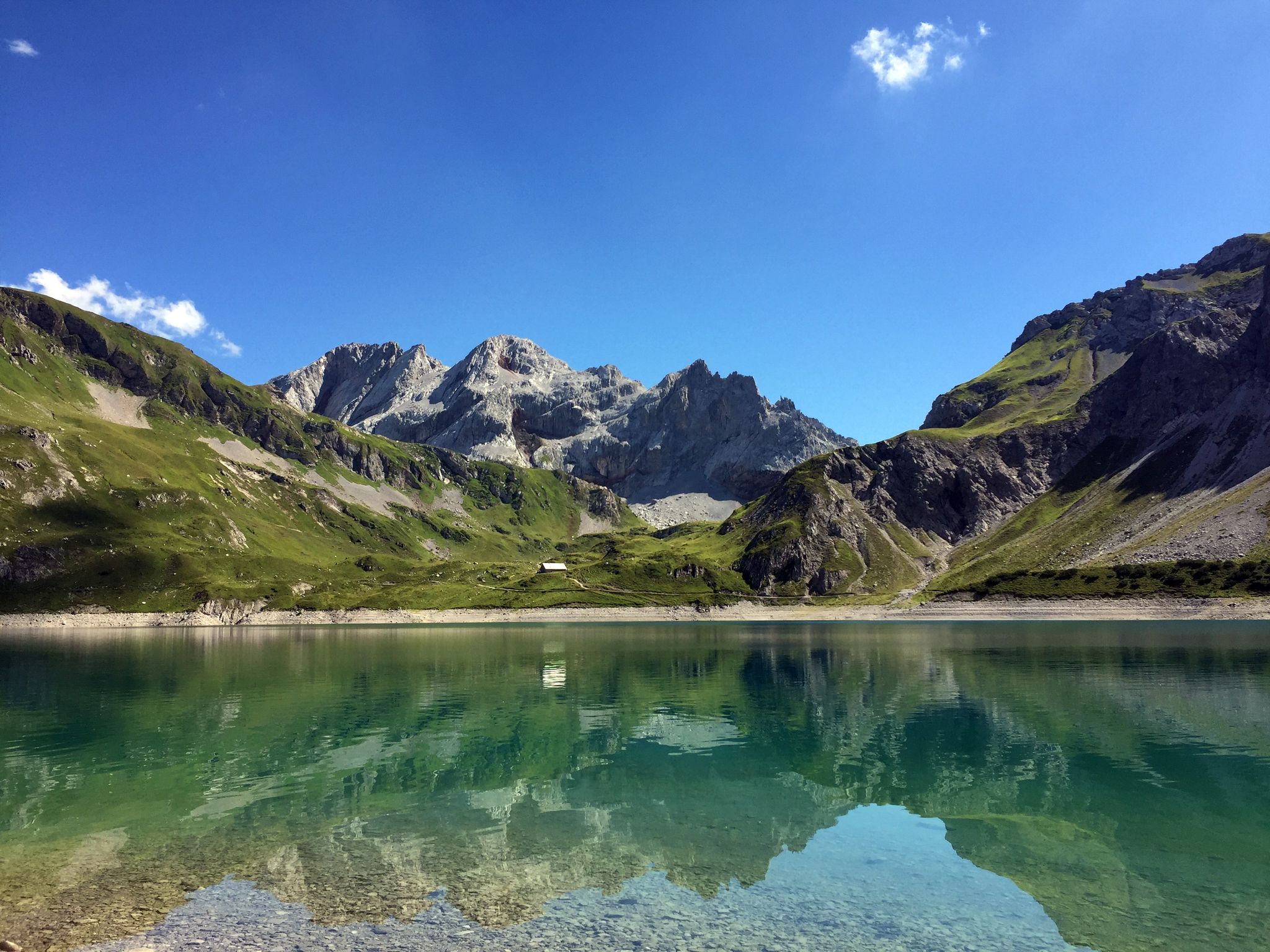
Beautiful spot by the lake with a fantastic view - whether you just want to relax on one of the benches or are on a hike; simply enjoy
2
0

beautiful panoramic views
0
0

Standing up there, you almost think the city is stretching out just to look more beautiful. Salzburg lies at your feet like a freshly made bed in a boutique hotel – a little too perfect to be true. The towers, the roofs, the fortress, everything is meticulously arranged, as if an architecture student with a penchant for the dramatic had finished building his model and perfectly aligned the light. The Mönchsberg is understated, which makes it all the more appealing. No ostentatious peak, no spectacle – more like a discreet box seat for city lovers. One of those places that wants nothing but quiet enthusiasm. You can sit, look out, and discreetly fall in love with Salzburg. Not with the city as it appears on postcards, but with its intricate reality: the narrow old town, where Mozartkugeln and silk blouses compete for glory, the cathedral, posing like a grand seigneur, and in between, people looking, walking, buying, marveling. A canopy of autumn leaves frames the scene in red and gold – a baroque painting that paints itself. In winter, the haze from the rooftops draws fine lines across the panorama, as if someone were gently applying a layer of melancholy. Below, traffic roars along Rudolfskai, as if trying to make itself important – but you can barely hear it. The Mönchsberg filters the sounds of the city in a way that only mountains can: with wise old indifference. Anyone who hasn't seen this view doesn't know Salzburg. And anyone who has seen it once will miss it the next time, even before they've reached the top.
1
0

Trinity Church, Salzburg The Trinity Church is the dominant building on Makartplatz and part of a late Baroque ensemble that is no longer completely preserved. It is located on the edge of the New Town, the 19th-century buildings that were built on the site of former fortifications. The Trinity Church was the first important building built in Salzburg by the Baroque architectural star Johann Bernhard Fischer von Erlach. He also designed St. Mark's Church, the Hospital Church of St. John, and the Collegiate Church. The Trinity Church already has many of the characteristics of a Fischer von Erlach religious building: the central dome, as well as the playful, clearly segmented façade and two towers. These elements sometimes make the Trinity Church appear more like a palace than a church. The Market Square was given its current design in the 19th century. It offers the Trinity Church enough space to unfold its impact on the viewer. The church was built between 1694 and 1702, when Prince Archbishop Ernst von Thun commissioned the construction of a seminary. Fischer von Erlach, as was often the case, was inspired by Roman buildings. The building complex still serves as a seminary today. The Trinity Church is famous for the frescoes in the dome, which were painted by Johann Michael Rottmayr—a successful collaboration that culminated and culminated with the Karlskirche in Vienna. The dome frescoes of the Trinity Church depict the Coronation of the Blessed Virgin Mary, accompanied by the Holy Trinity. Text / Source: TSG Tourismus Salzburg GmbH, Auerspergstraße 6, Salzburg https://visit-salzburg.net/deutsch/sehenswuerdig/dreifaltigkeitskirche.htm
14
0
Frequently Asked Questions
How many bus station hiking trails are available around Kapuzinerberg?
There are over 700 hiking routes accessible from bus stations around Kapuzinerberg. The majority of these, more than 460, are rated as easy, making them suitable for a wide range of hikers. Another 229 routes are moderate, and about 35 are considered difficult.
What kind of views can I expect on these bus-accessible trails?
Many trails offer stunning panoramic views of Salzburg, including the iconic Hohensalzburg Fortress and the Old Town. The Kapuzinerberg itself is known for its excellent viewpoints, such as the Hettwerbastei. You can find a great perspective from the View of Hohensalzburg Fortress and Salzburg's Old Town from the Salzach Cycle Path, which is easily incorporated into a walk.
Are there any family-friendly hiking options from bus stations?
Yes, Kapuzinerberg offers many easy trails suitable for families. The mountain's dense forests provide ample shade, and the mix of paved and unpaved paths can cater to different preferences. Routes like In Salzburg auf den Spuren Mozarts are relatively short and have minimal elevation gain, making them great for a family outing.
Can I bring my dog on the bus station hiking trails?
Yes, Kapuzinerberg is generally dog-friendly. The area's natural environment and varied trails are suitable for walks with your canine companion. Just remember to keep dogs on a leash, especially in busier areas and to respect local regulations regarding waste disposal.
What historical landmarks or attractions can I see along these routes?
Kapuzinerberg is rich in history. You can explore the 400-year-old defensive walls, visit the Capuchin Abbey, or discover the Franziskischlössl, which now serves as a popular tavern. The Way of the Cross to the Capuchin Monastery (Kapuzinerberg) is a notable trail leading to the abbey. Other points of interest include St. Johannes am Imberg Church and St. Sebastian's Cemetery (Mozart Family Graves).
Are there circular hiking routes accessible from bus stops?
Absolutely. Many trails around Kapuzinerberg are designed as loops, allowing you to start and end your hike conveniently near a bus stop. For example, the Linzer Gasse – Linzer Gasse loop from Salzburg offers an easy circular option, starting and finishing near the historic Linzer Gasse.
What is the best time of year to hike around Kapuzinerberg?
Kapuzinerberg is beautiful year-round. Spring and autumn offer pleasant temperatures and vibrant foliage. Summer provides lush greenery and shade from the dense forests. Even in winter, the trails can be enjoyed, offering a peaceful experience, though some paths might be slippery after snow or rain. Always check local conditions before heading out.
Are there any cafes or refreshment stops along the trails?
Yes, the Franziskischlössl, a historic defensive structure, has been converted into a popular tavern and often includes a beer garden, making it an excellent spot for refreshments during your hike. Additionally, the area around Linzer Gasse, a common starting point for many trails, offers various cafes and eateries.
What do other hikers enjoy most about hiking in Kapuzinerberg?
The area is highly rated by the komoot community, with an average score of 4.6 stars. Reviewers often praise the unique combination of natural beauty, varied terrain, and breathtaking panoramic views of Salzburg. The accessibility from the city center and the peaceful escape offered by the dense forests are frequently highlighted.
Are there any trails that focus on the natural features or wildlife?
Kapuzinerberg is known as Salzburg's "green lung" due to its dense forests. While hiking, you might spot chamois, a type of goat-antelope, within the park. The Basteiweg Trail, for instance, allows you to immerse yourself in the natural surroundings while also exploring the historic fortifications.
How accessible are the trails for different fitness levels?
The trails around Kapuzinerberg cater to various fitness levels. There are many easy routes with minimal elevation, such as Salzburger Festspiele, which is relatively flat. Other paths, like the main paved loop (Stefan-Zweig-Weg), are considered moderate with some steep sections and stairs, offering a good workout without being overly strenuous.
Most popular routes around Kapuzinerberg
Most popular attractions around Kapuzinerberg

Get inspired with the komoot mobile app


Explore more
Browse the best Hikes in other regions.
