The best mountain hikes around Kapuzinerberg
4.7
(103)
1,920
hikers
47
hikes
Mountaineering around Kapuzinerberg offers routes through the mountainous terrain surrounding Salzburg. The region features forested slopes and elevated viewpoints, providing diverse conditions for mountaineers. Routes often ascend to summits, offering panoramic views of the surrounding landscape. The area is characterized by its natural elevation and varied gradients suitable for different skill levels.
Best mountaineering routes around Kapuzinerberg
- The most popular mountaineering route is View from Gaisberg – Gaisberg Summit (1,287 m) loop from Gaisberg, a 5.6 miles (9.0 km)…
Last updated: July 5, 2026
5.0
(2)
81
hikers
9.18km
04:19
830m
830m
Moderate mountaineering route. Good fitness required. Mostly accessible paths. Sure-footedness required.
5.0
(1)
74
hikers
9.26km
04:32
820m
820m
Moderate mountaineering route. Good fitness required. Mostly accessible paths. Sure-footedness required.

Sign up for free
5.0
(1)
47
hikers
14.2km
05:27
850m
850m
Hard mountaineering route. Very good fitness required. Mostly accessible paths. Sure-footedness required.
29
hikers
15.6km
06:29
860m
860m
Hard mountaineering route. Very good fitness required. Mostly accessible paths. Sure-footedness required.
11
hikers
15.6km
06:31
960m
960m
Hard mountaineering route. Very good fitness required. Sure-footedness, sturdy shoes and alpine experience required.
Get access to more routes and recommendations from other explorers.
Sign up for free
Already have an account?
Our route recommendations are based on thousands of hikes, rides, and runs completed by other people on komoot.
Start today with a free account
Your next adventure awaits.
Login or Signup
Popular around Kapuzinerberg
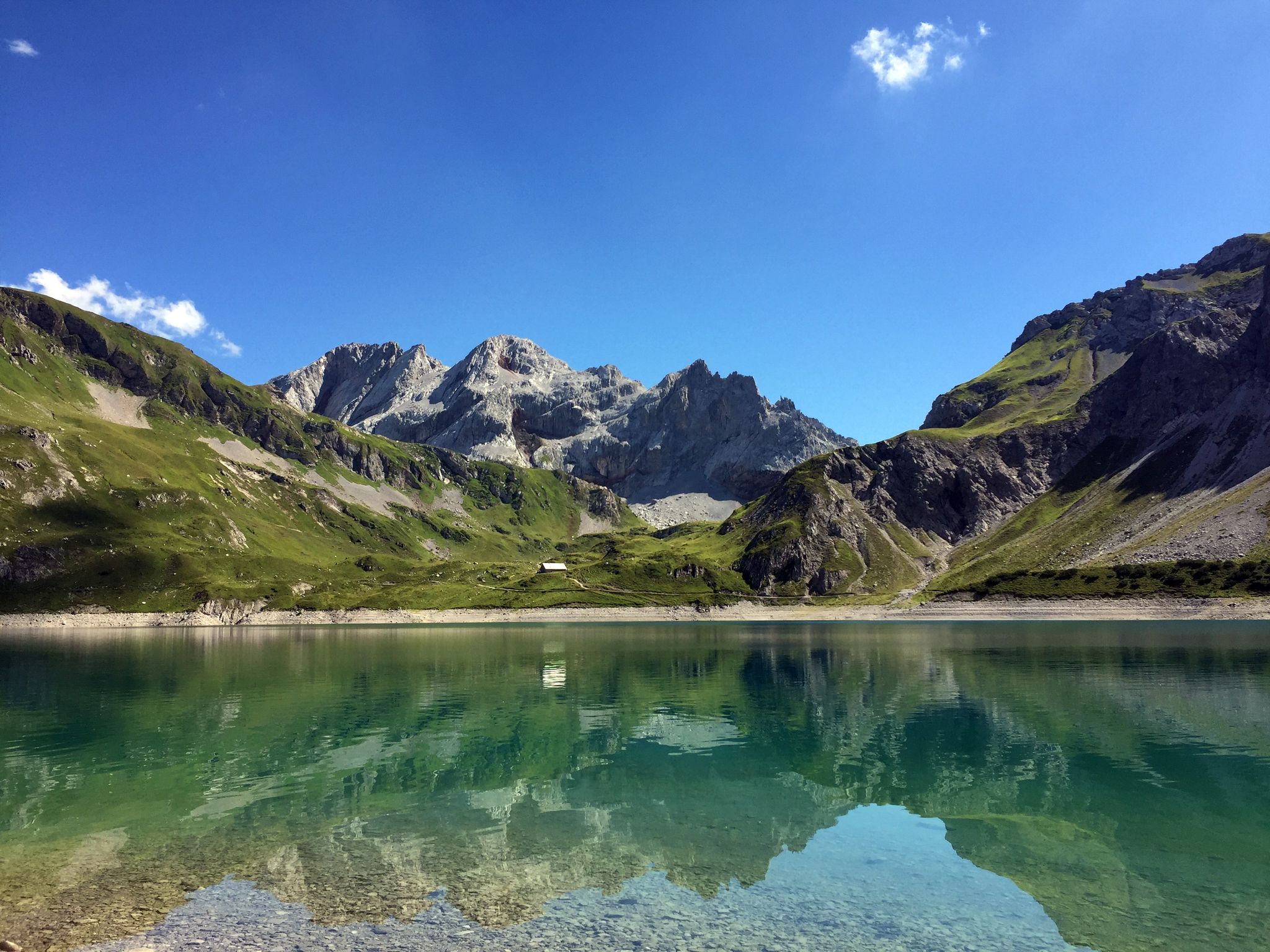
Mighty mountains and historic cities – hiking in Austria
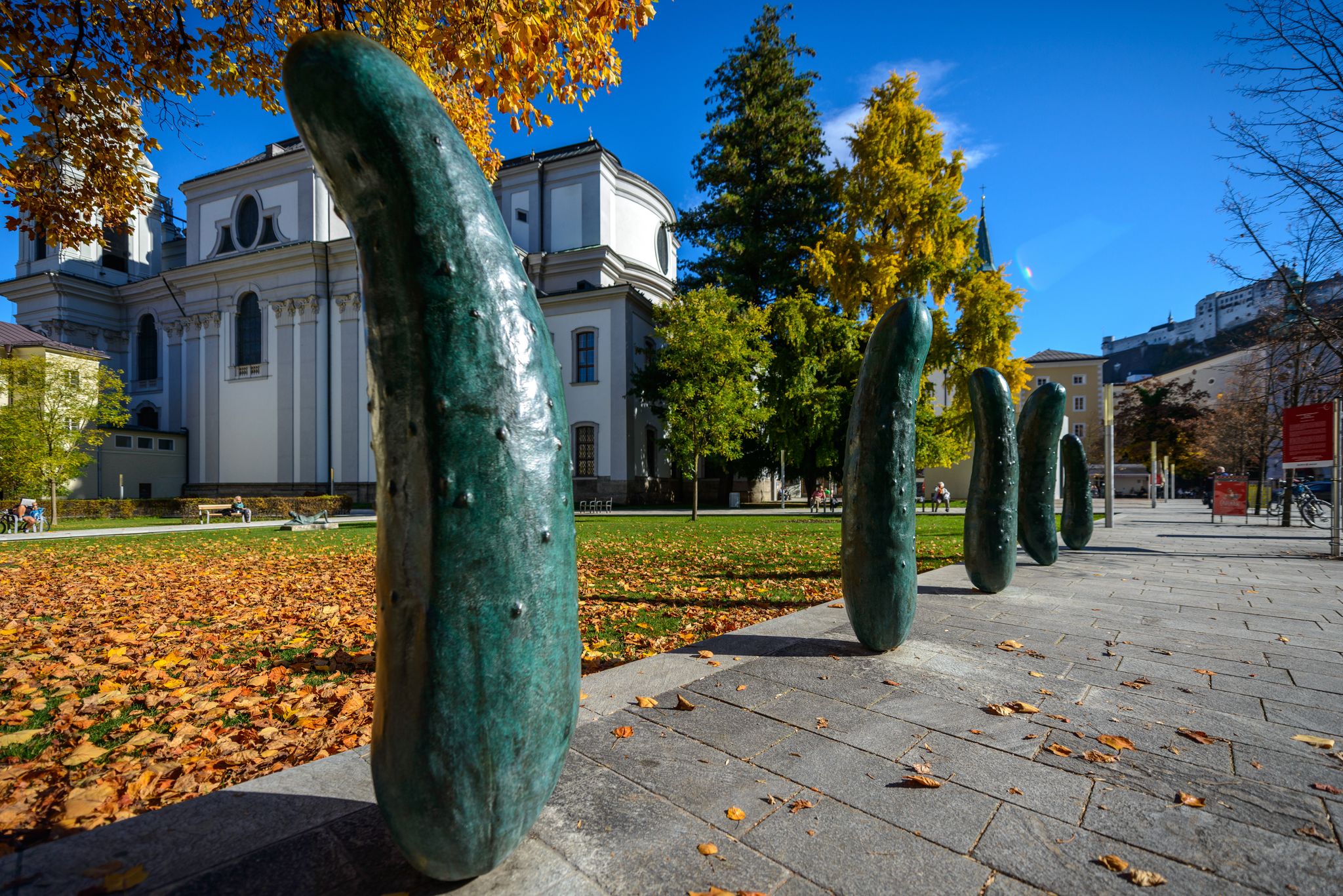
Something different – city walks through Salzburg
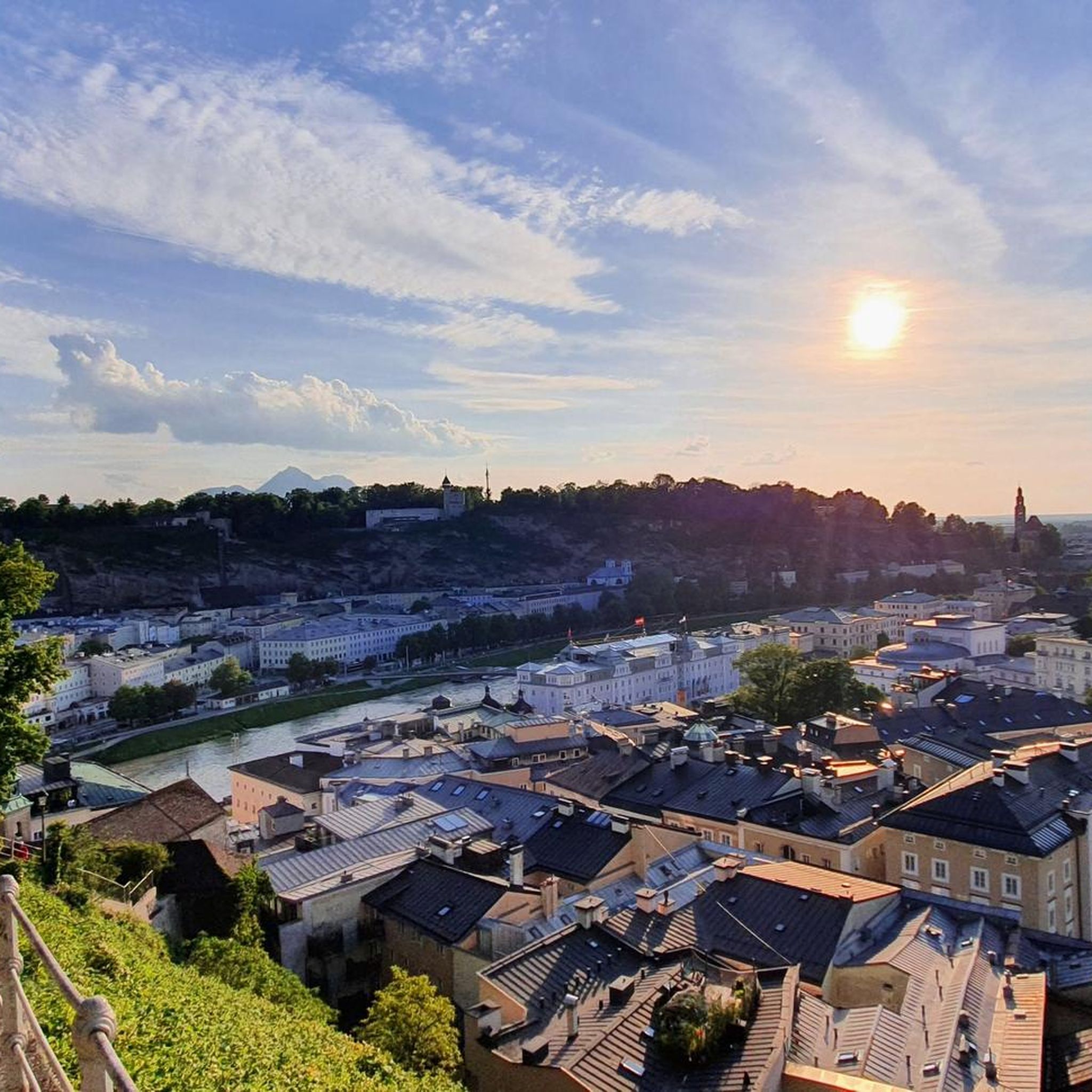
Cycling around Kapuzinerberg
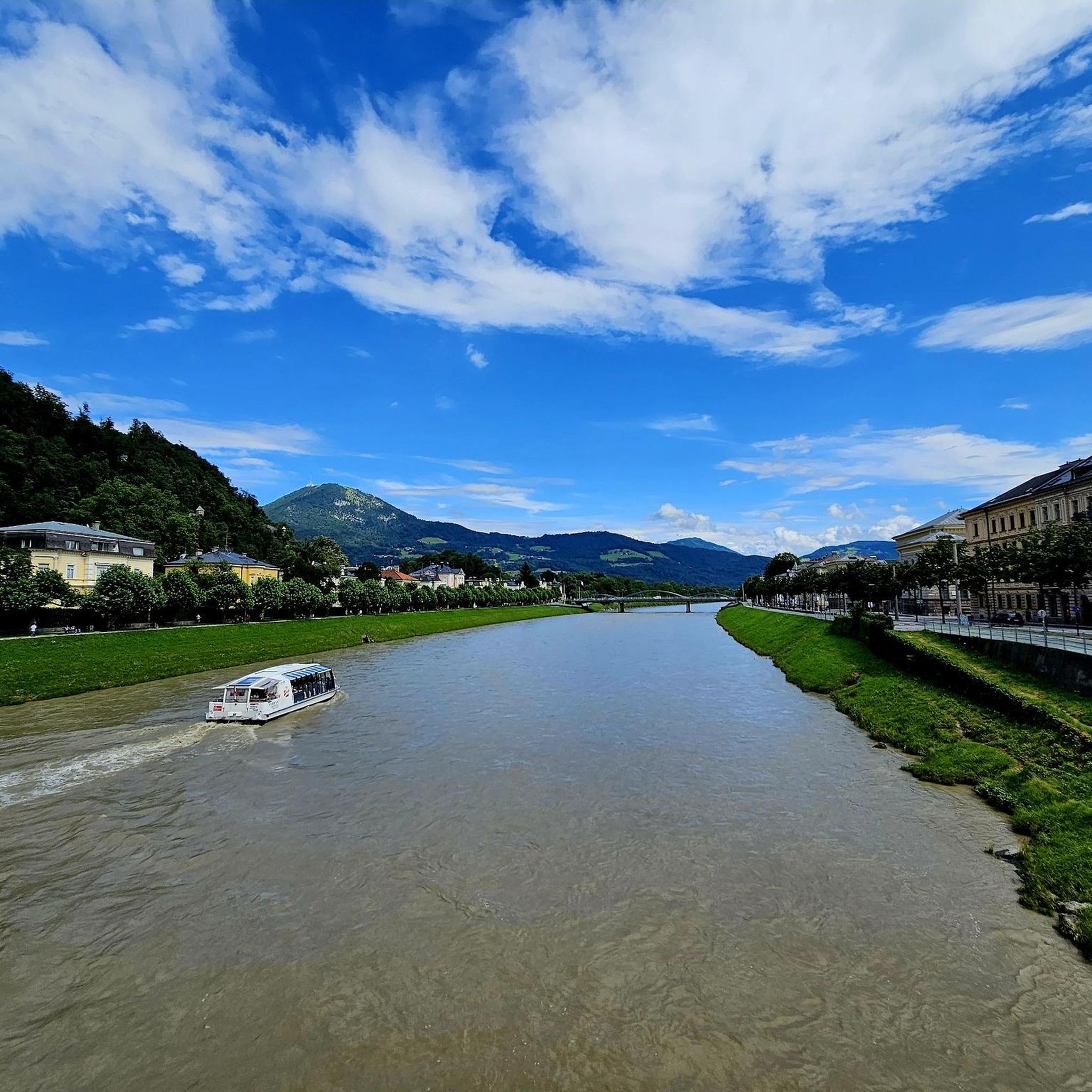
Running Trails around Kapuzinerberg
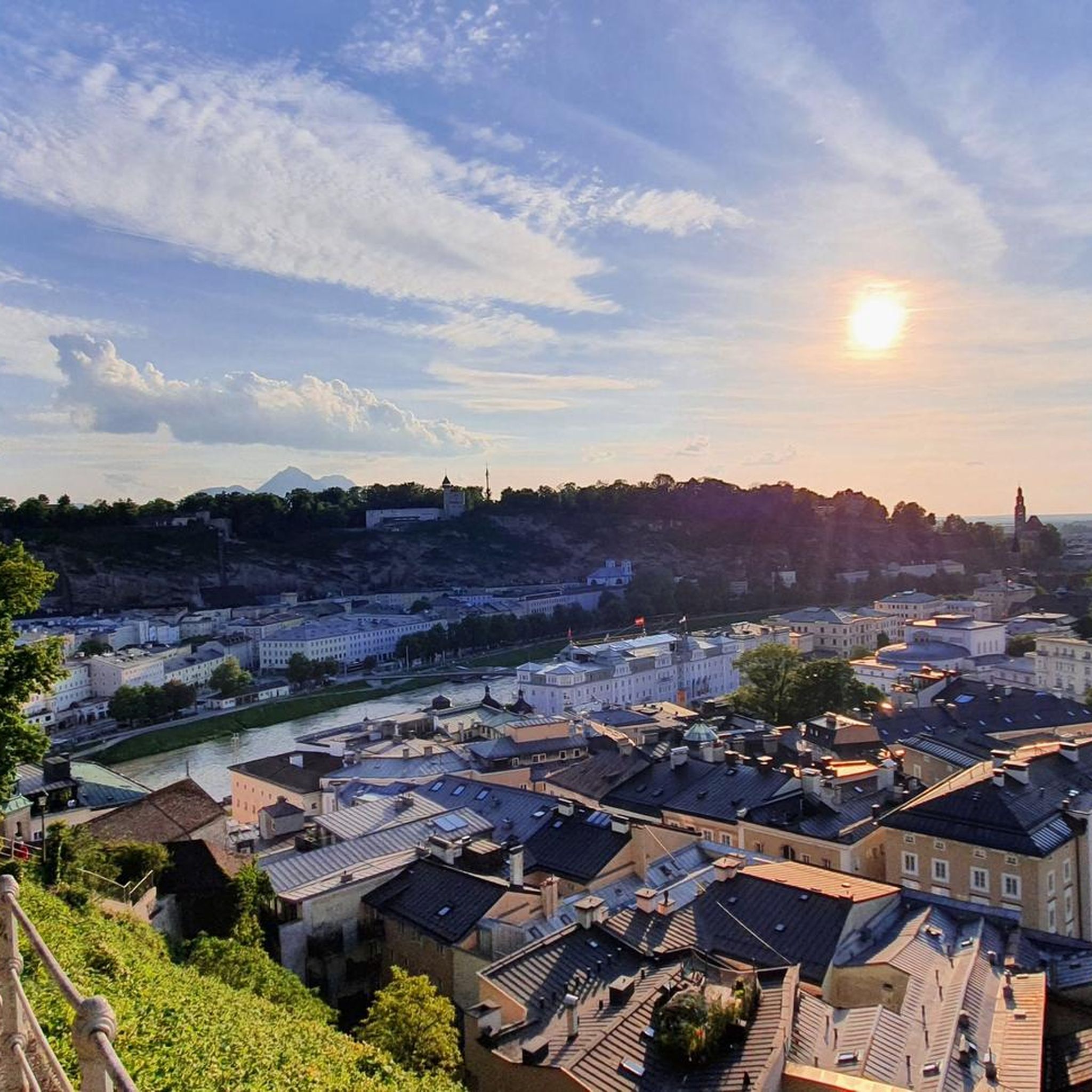
Road Cycling Routes around Kapuzinerberg
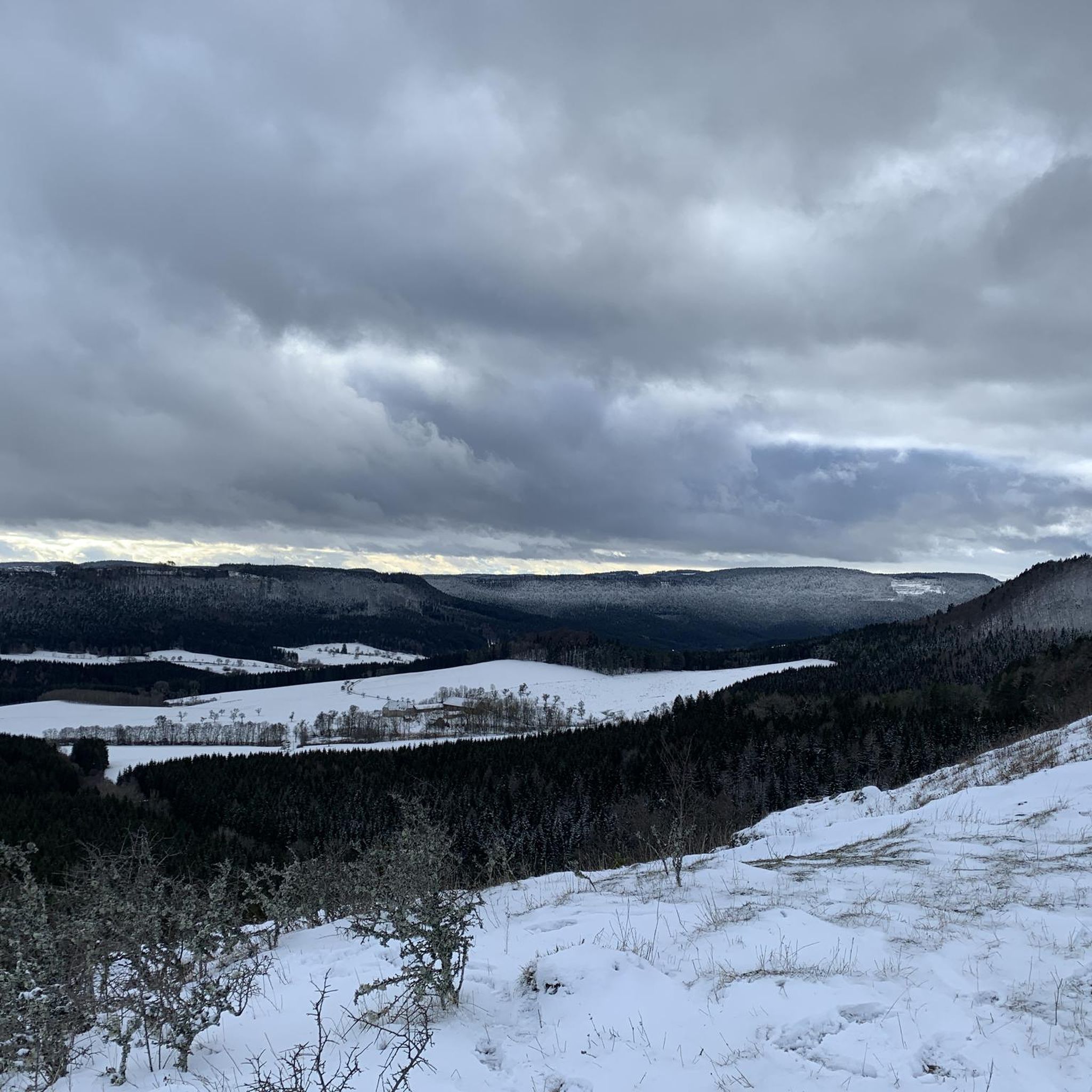
Gravel biking around Kapuzinerberg
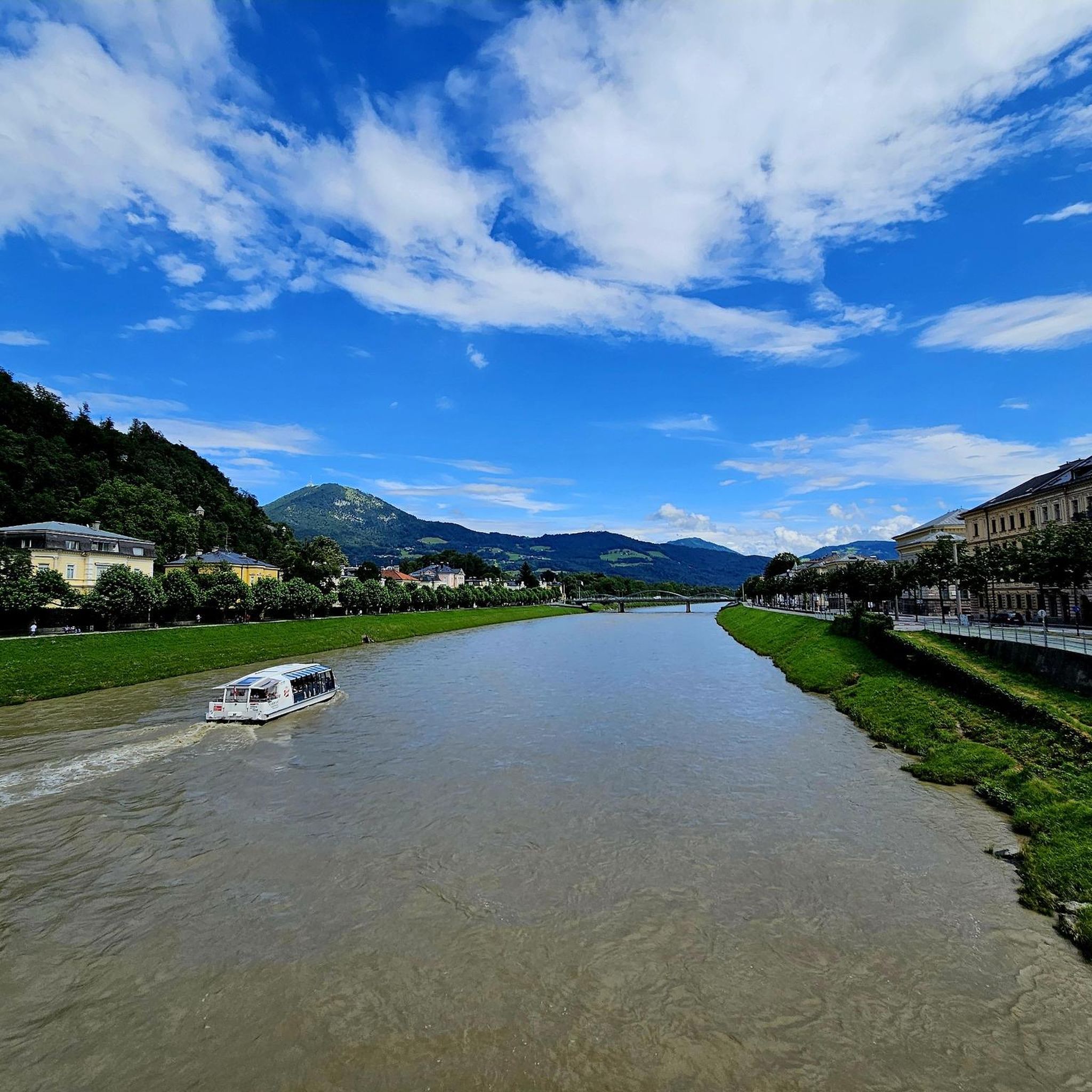
MTB Trails around Kapuzinerberg
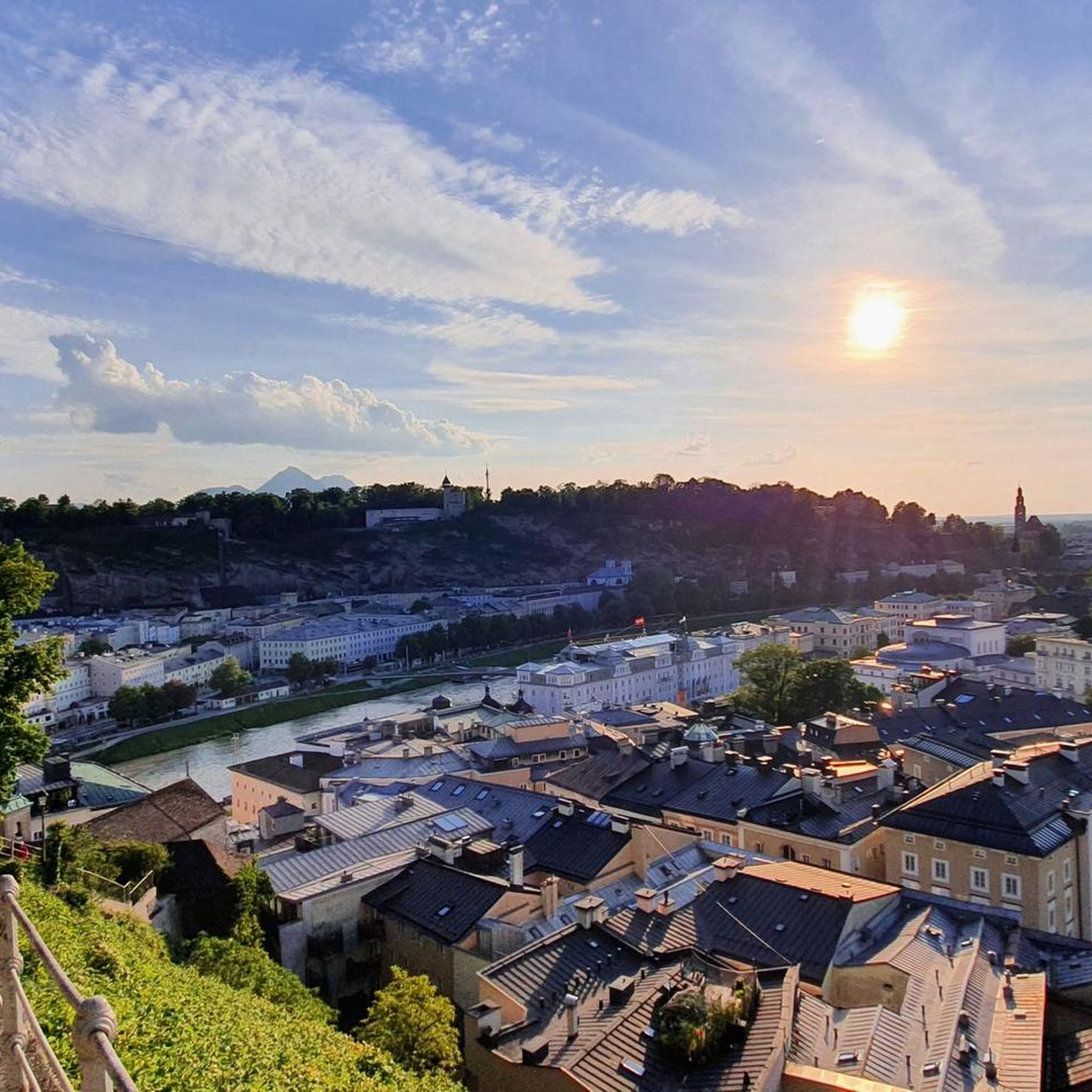
Hiking around Kapuzinerberg


Tips from the Community

A fantastic panoramic view every time
0
0

Spectacular view of this mountain that stands out among the others.
0
0
Semi-technical section in summer and quite technical in winter due to frost
0
0

Clean and well-maintained 👍
1
0

My recommendation to travel with Westbahn is a real highlight! It starts with the uncomplicated booking process; you don't have to wait long for anything. You simply check in, and presto – you get refreshments for the comfortable journey, and Westbahn even sponsors your first coffee. There's space at the table and a 230V power outlet right at your seat, which is really handy if you need to charge your phone or laptop. Seating comfortably is no problem, and you arrive at the station refreshed. This time, you're headed to Salzburg's main train station, where you can already enjoy some of Salzburg's culinary delights. The journey is relaxing, and the scenery outside is picture-perfect. So, next time you're traveling, make sure you take Westbahn – it's really worth it! Comfort and convenience are their top priorities, and that makes the journey so much more enjoyable!
1
2
Salzburg's main train station is a major hub in the city of Mozart. If you arrive by plane, you'll often land at the station in the city center. Most independent travelers take either a car or a train, with the latter always terminating at the main station. The station is located in the northern part of Salzburg and is well connected by numerous bus lines – both city buses and regional connections to other parts of Austria and the surrounding area. For travelers, there are plenty of convenient amenities: an ATM, lockers with digital access control, fast-food outlets, a hairdresser, and a tourist information office. Restrooms are also available, but unfortunately, they are not free. The Old Town is about a 15- to 20-minute walk away. Those with luggage can easily switch to a taxi or bus.
3
1

History & Future of Salzburg Central Station The main train station opened in 1860, which is actually quite late considering the size of Salzburg. However, the city went through very difficult economic times in the first half of the 19th century, and the expansion of the railway network throughout the Habsburg Empire progressed only slowly. After 1860, the station steadily gained in importance. During the Second World War, the station, along with the entire surrounding area, was heavily bombed and severely damaged. A temporary reconstruction followed. This temporary structure remained in place for decades: corrugated iron roofs, a patchwork of asphalt, and rusting steel girders. The reason for this was that no agreement could be reached on a new building. The Austrian Federal Railways (ÖBB), Salzburg politicians, and citizens' groups argued about which parts of the station were worth preserving and which should be completely rebuilt. Meanwhile, Südtirolerplatz in front of the station has been renovated, and an underground regional train station was completed in 1996. The renovation of the train station only began in 2009, and the project, which essentially involved rebuilding the station within its historic facade, was completed in 2010. In the preceding years, new office buildings and a shopping center were constructed near the station. Compared to the 1990s (not to mention the years before that), the station area has drastically improved. However, you'll still find plenty of homeless people there, and pickpockets are also active during peak season. Nevertheless, the station is becoming increasingly less unattractive. Text / Source: TSG Tourismus Salzburg GmbH, Auerspergstraße 6, Salzburg https://visit-salzburg.net/deutsch/reise-info/bahnhof.htm
13
2
Salzburg Main Station Salzburg Main Station is a key arrival point in Mozart's city: Even those arriving by plane usually reach the city center via the station. Most independent travelers, however, arrive in Salzburg by car or train, the latter almost inevitably via the station. It is located in the northern part of the city. Many important bus lines stop here, including city buses and intercity buses that connect Salzburg with other regions in Austria and the surrounding communities. You will also find a large taxi rank at the station. Other facilities at the station that may be useful for tourists include an ATM, lockers with a very cool digital access control system, fast-food restaurants, a hairdresser, and a tourist information office. And of course, restrooms, which, unlike those on the trains, are not free. The main station is within easy walking distance of the Old Town: Without luggage, you can reach it in about 15 to 20 minutes. With luggage, you can still choose between a taxi or bus. For details on the latter, please read our article about public transportation in Salzburg. Buses to the surrounding areas of the city and to Bavaria operate from a separate bus station and look different from the city buses, which run on overhead lines. Text / Source: TSG Tourismus Salzburg GmbH, Auerspergstraße 6, Salzburg https://visit-salzburg.net/deutsch/reise-info/bahnhof.htm
13
2
Frequently Asked Questions
How many mountaineering routes are there around Kapuzinerberg?
There are nearly 50 mountaineering routes available around Kapuzinerberg, offering a wide range of options for different skill levels and preferences.
What is the difficulty level of mountaineering routes in Kapuzinerberg?
The routes around Kapuzinerberg vary in difficulty. You'll find a good mix of challenges, with 19 moderate routes and 29 difficult routes. There is also one easy route for those looking for a less strenuous experience.
Are there family-friendly mountaineering options around Kapuzinerberg?
While many routes are moderate to difficult, the region does offer some options suitable for families. For a less challenging experience, consider the one easy route available. Always check the specific route details for elevation gain and distance to ensure it's appropriate for all family members.
Can I bring my dog on the mountaineering trails?
Generally, dogs are welcome on many trails in the Kapuzinerberg area. However, it's always best to check local regulations for specific routes or protected areas. Ensure your dog is well-behaved, kept on a leash where required, and that you carry waste bags.
What is the best season for mountaineering around Kapuzinerberg?
The best season for mountaineering around Kapuzinerberg is typically from late spring to early autumn (May to October) when the weather is most stable and trails are clear of snow. Winter mountaineering is possible but requires appropriate gear and experience due to snow and ice conditions.
Are there circular mountaineering routes available?
Yes, there are several circular mountaineering routes. For example, the Gaisberg Summit (1,287 m) loop from Gaisberg is a popular moderate option, and the more challenging Gaisberg Summit (1,287 m) – View from Gaisberg loop from Salzburg Parsch also offers a circular experience.
What kind of wildlife might I encounter on the trails?
The forested slopes of Kapuzinerberg are home to various wildlife. You might spot deer, squirrels, and a variety of bird species. Keep an eye out for local flora and fauna, especially in quieter sections of the trails.
Are there any interesting sights or landmarks along the routes?
Yes, the area offers several points of interest. You can find a Way of the Cross to the Capuchin Monastery, or enjoy a stunning View of Hohensalzburg Fortress and Salzburg's Old Town from the Salzach Cycle Path. The St. Sebastian's Cemetery, where the Mozart family is buried, is also nearby.
How long do mountaineering routes typically take?
Route durations vary significantly based on distance and difficulty. For instance, the View from Gaisberg – Gaisberg Summit (1,287 m) loop from Gaisberg takes approximately 4 hours 16 minutes, while a longer route like Gaisberg Summit (1,287 m) loop from Salzburg Hauptbahnhof (S-Bahn) can take around 6 hours 27 minutes.
Is parking available for mountaineering routes?
Parking is generally available at common starting points for routes, especially those accessible by car. For routes starting directly from Gaisberg, there are designated parking areas. If starting from Salzburg Parsch, you might find street parking or public garages nearby.
Can I reach the mountaineering routes by public transport?
Yes, some routes are accessible via public transport. For example, the Gaisberg Summit (1,287 m) loop from Salzburg Hauptbahnhof (S-Bahn) starts conveniently from the main train station, making it accessible for those using public transport.
What do other mountaineers say about the routes in Kapuzinerberg?
The routes in Kapuzinerberg are highly rated by the komoot community, with an average score of 4.8 stars from over 100 reviews. Mountaineers often praise the diverse terrain, the rewarding summit views, and the well-maintained paths that offer a comprehensive experience of the region's natural beauty.
Are permits required for mountaineering in Kapuzinerberg?
Generally, permits are not required for day mountaineering trips on established trails around Kapuzinerberg. However, always be aware of any specific local regulations or temporary restrictions, especially if venturing into sensitive ecological areas.
Most popular routes around Kapuzinerberg
Most popular attractions around Kapuzinerberg

Get inspired with the komoot mobile app


Explore more
Browse the best Mountain Hikes & Routes in other regions.
