Attractions and Places To See around Albert Canal - Top 20
Best attractions and places to see around Albert Canal, a vital waterway in northeastern Belgium, encompass notable landmarks, historical sites, and natural surroundings. Stretching 129.5 kilometers, the canal connects Antwerp with Liège, as well as the Meuse and Scheldt Rivers. It is a significant engineering feat, playing a role in both freight transport and as a historical defense line during World War II. The region offers opportunities for cycling and exploring its unique features.
Best attractions and places to see around Albert Canal
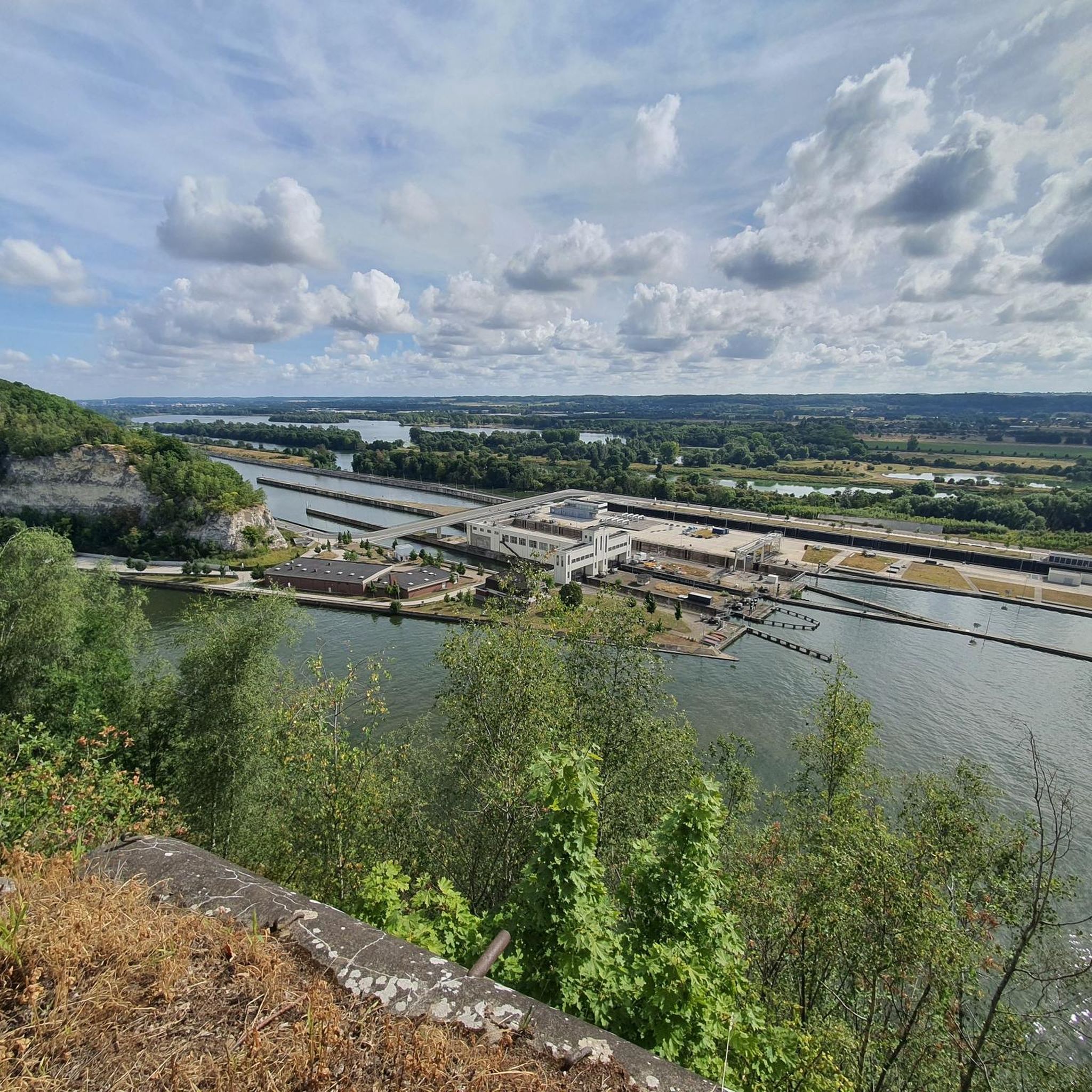
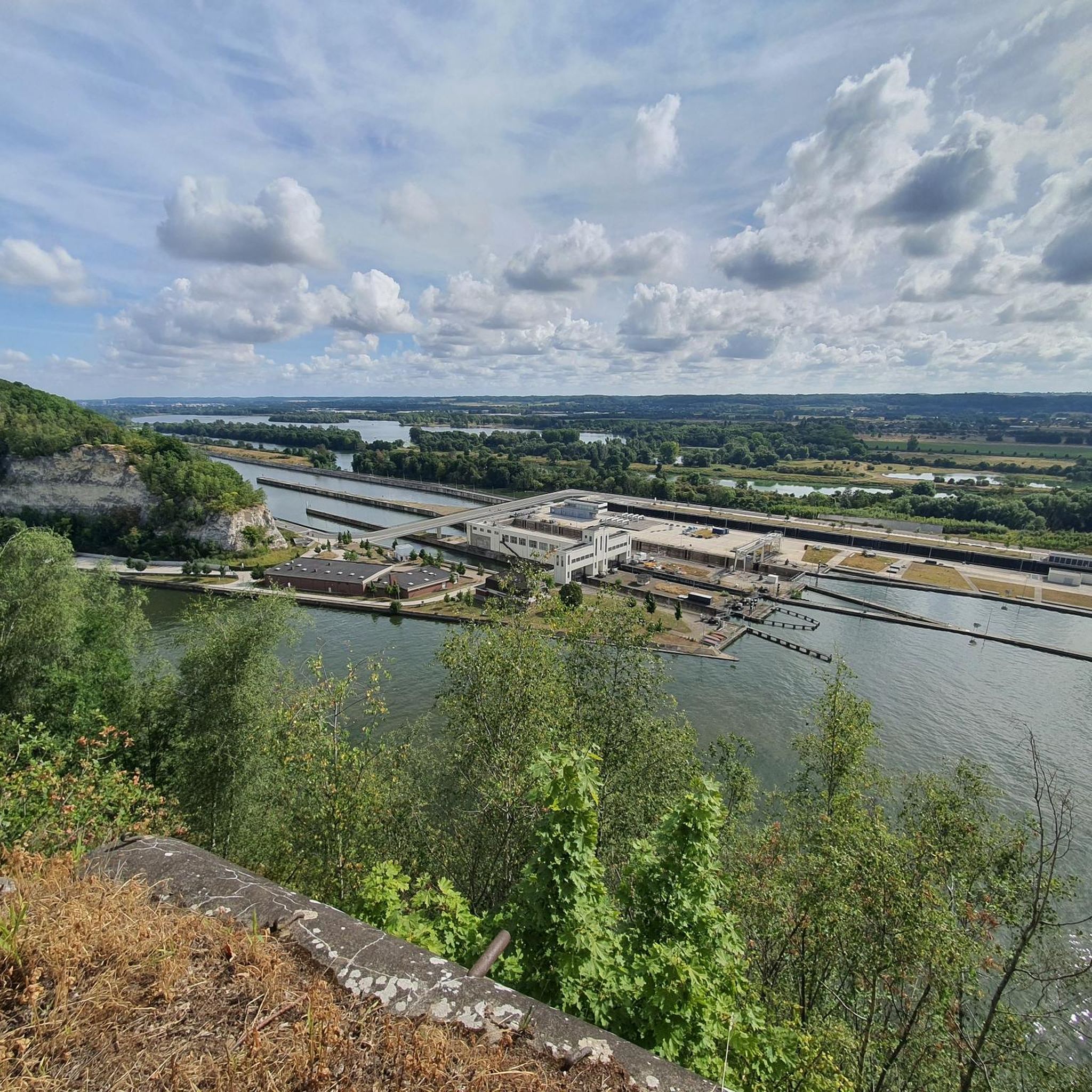
- The most popular attractions is Lanaye Lock, a lock complex that manages water levels and allows ships up to 9,000 tons to pass. It is known for its size and the cycling routes that pass by it, offering views towards Visé and along the canal to Kanne.
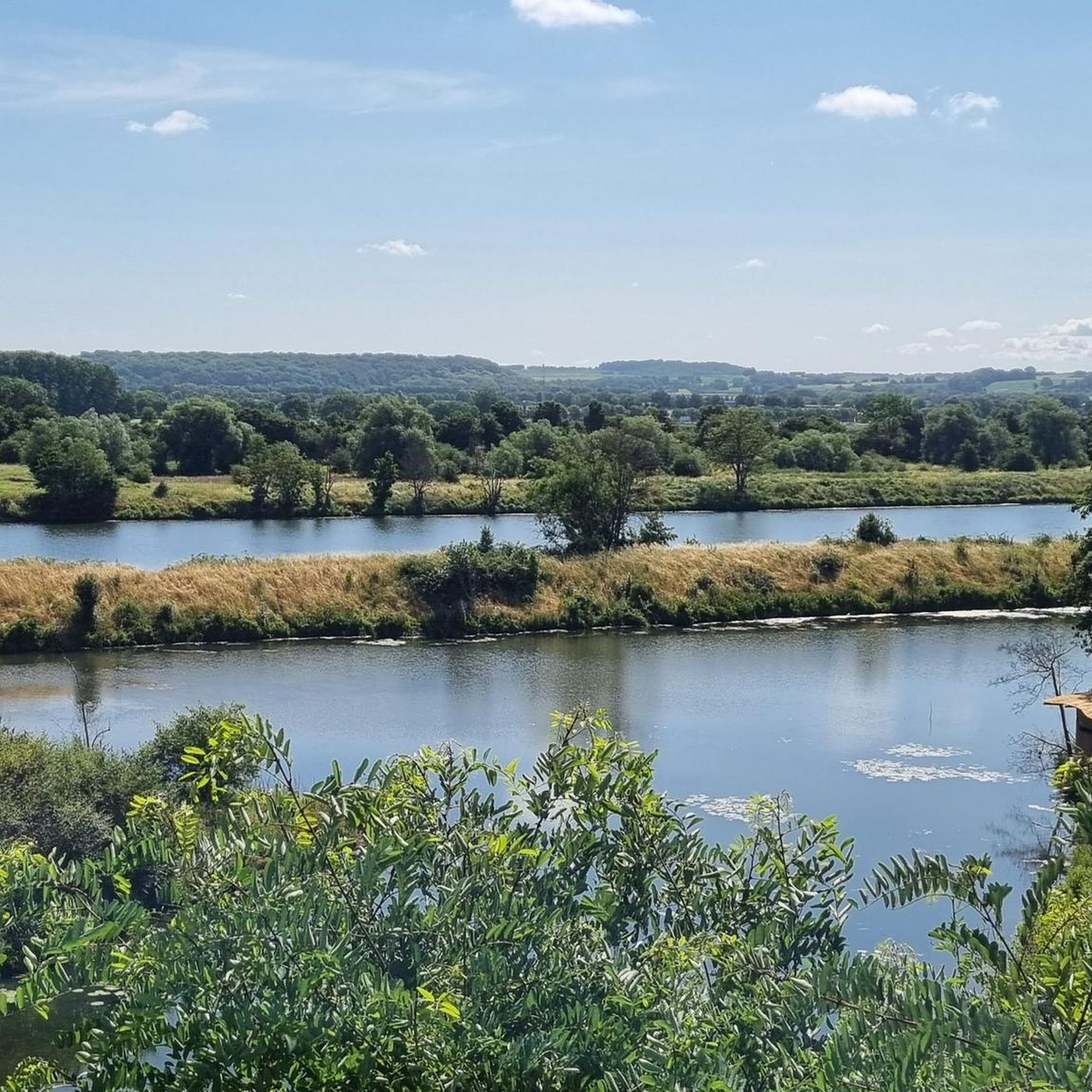
- Another must-see spot is Albert Canal Towpath at Kanne, a scenic towpath offering views of a steep rock wall with a bunker, part of the Eben-Emael fortress. This path provides a route for cycling and walking, located near Maastricht.
- Visitors also love Kanne Bridge, a bridge that provides scenic views over the water. Inaugurated in 2004, it includes benches for visitors to take a break.
- Albert Canal is known for its historical landmarks, cycling paths, and natural features. Visitors can explore lock complexes, bridges, and towpaths, offering diverse attractions to see and explore.
- The attractions around Albert Canal are appreciated by the komoot community, with over 1300 upvotes and 88 photos shared by visitors.
Last updated: June 22, 2026
Lanaye Lock
Highlight • Monument
Translated by Google •
Tip by

Albert Canal Towpath at Kanne
Highlight • Cycleway
Translated by Google •
Tip by

Sign up now to discover places like this
Get recommendations on the best single tracks, peaks, & plenty of other exciting outdoor places.
Sign up for free
Kanne Bridge
Highlight • Bridge
Translated by Google •
Tip by

Albert Canal
Highlight • River
Originally built to connect steel factories and coal mines: today this canal is good for around 40 million tonnes of freight per year.
With six locks and space for ships up to 9,000 tonnes, it is an impressive piece of infrastructure!
Translated by Google •
Tip by

Vroenhoven Bridge
Highlight • Bridge
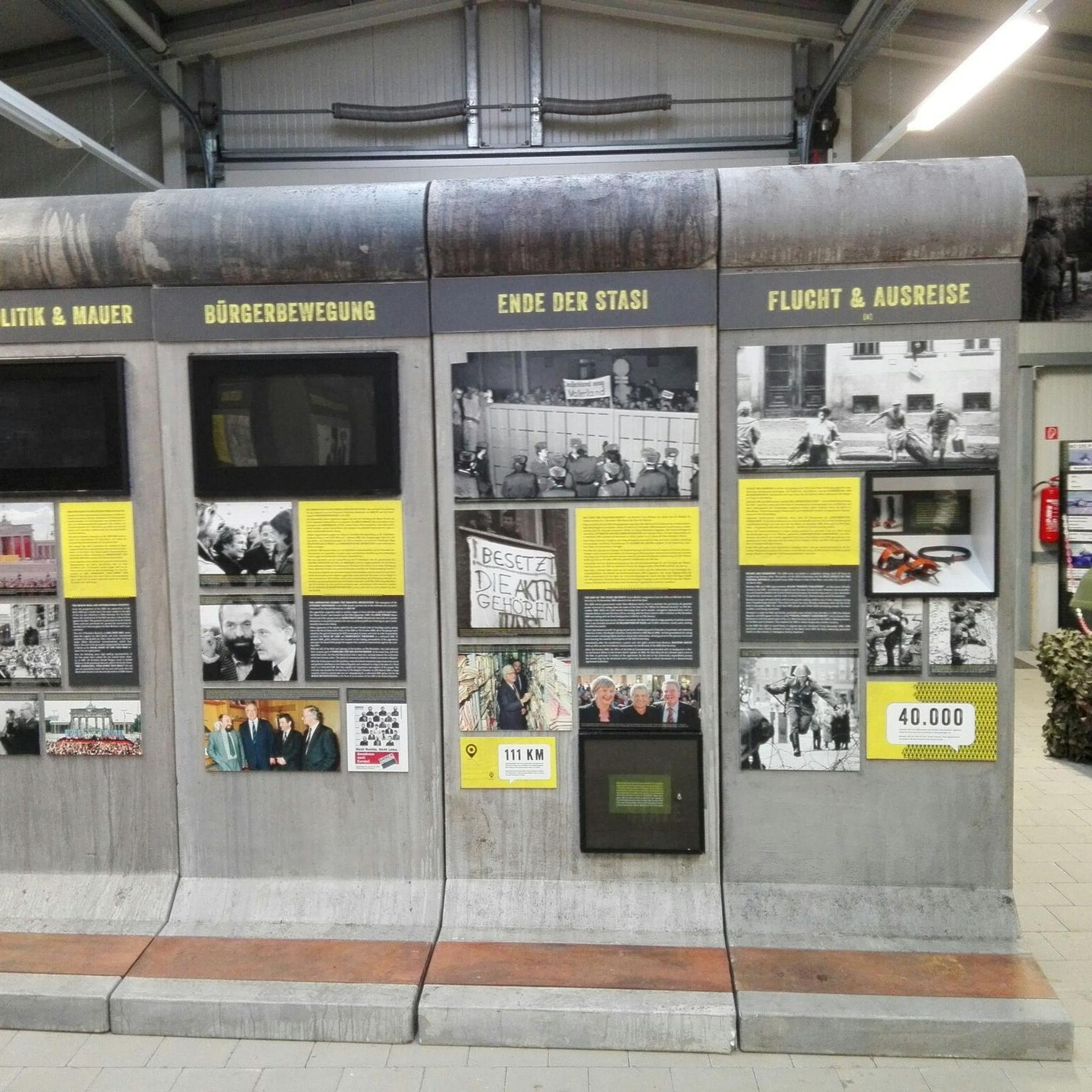
Attention is also paid to inland shipping, the canals and the life of animals and plants in them. In addition to a cafeteria, there is a meeting or event room for 150 to 1500 people and an open-air auditorium.
Translated by Google •
Tip by

Sign up for free to discover even more attractions around Albert Canal.
Sign up for free
Already have an account?
Start today with a free account
Your next adventure awaits.
Login or Signup
Popular around Albert Canal
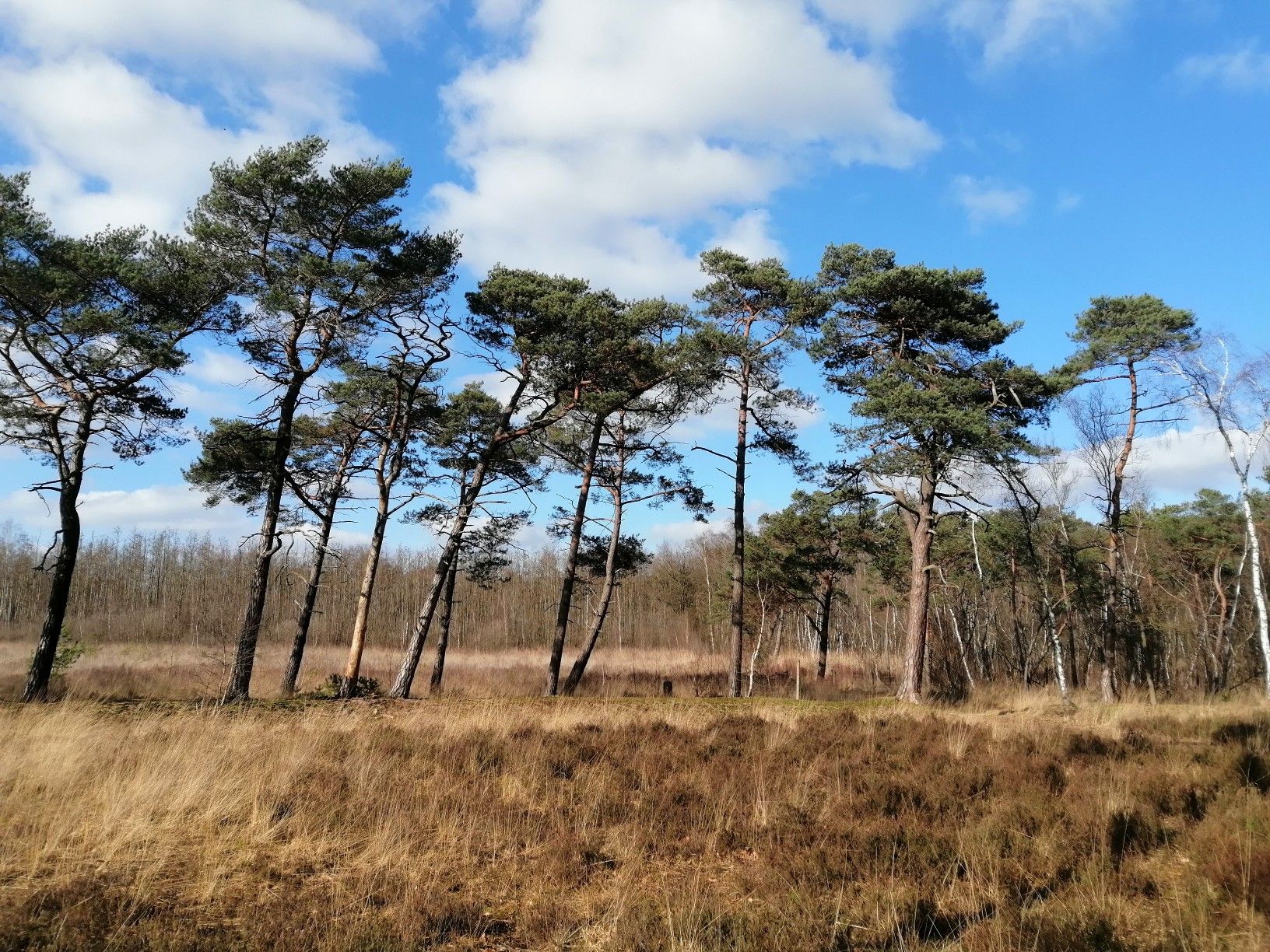
From Flanders to the Ardennes — GR 5 in Belgium
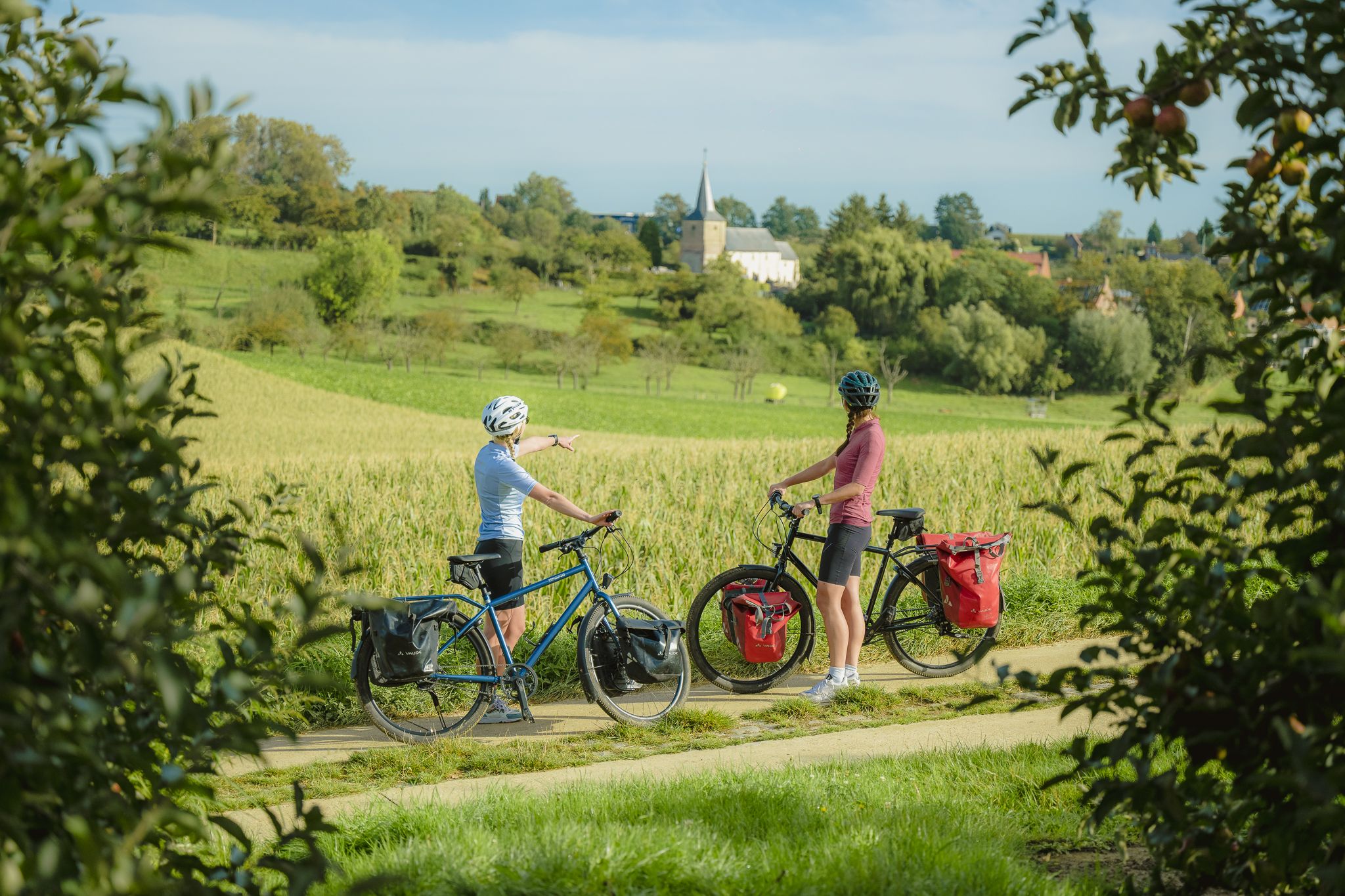
The best of Flanders — the Flanders Route
Cycling around Albert Canal
Road Cycling Routes around Albert Canal
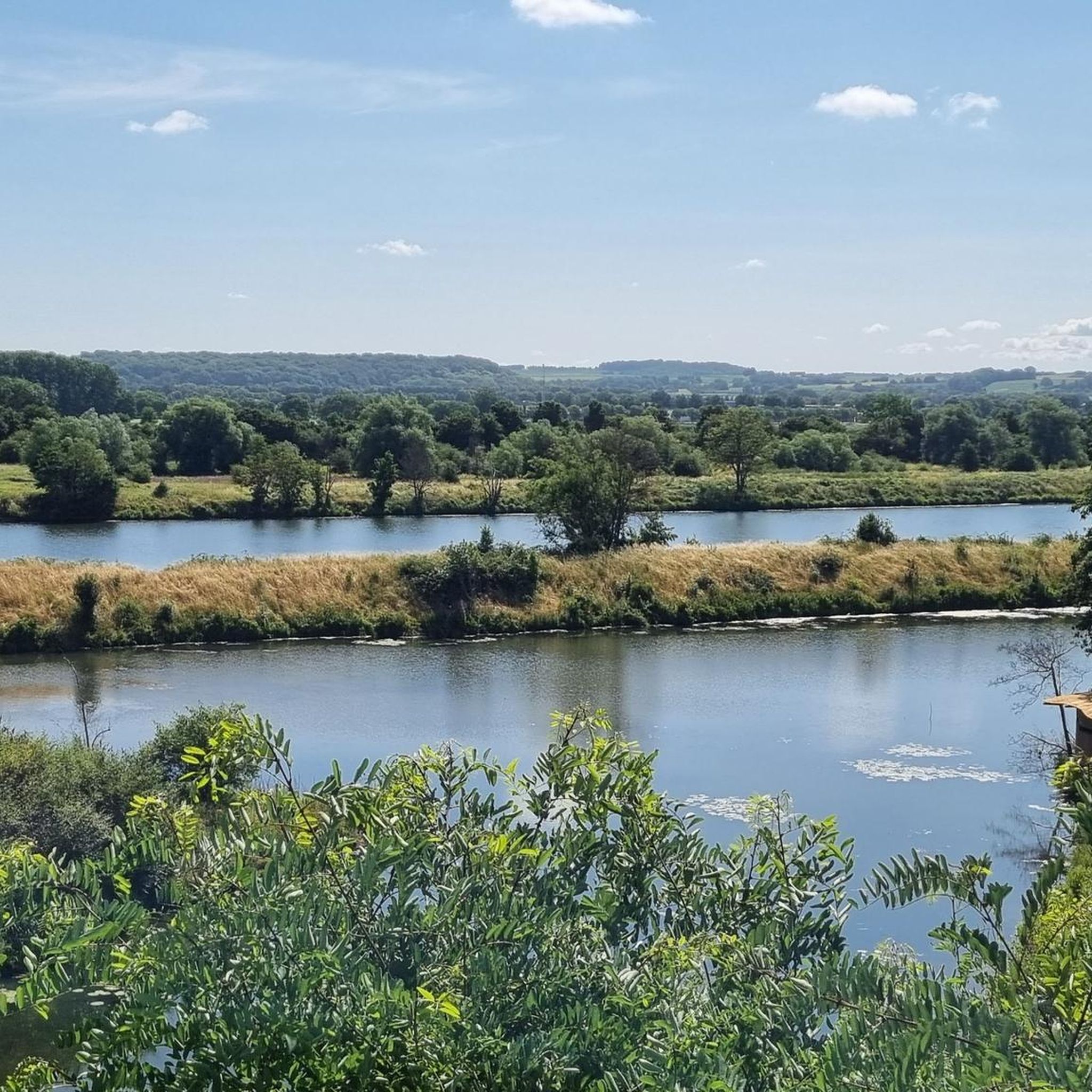
MTB Trails around Albert Canal
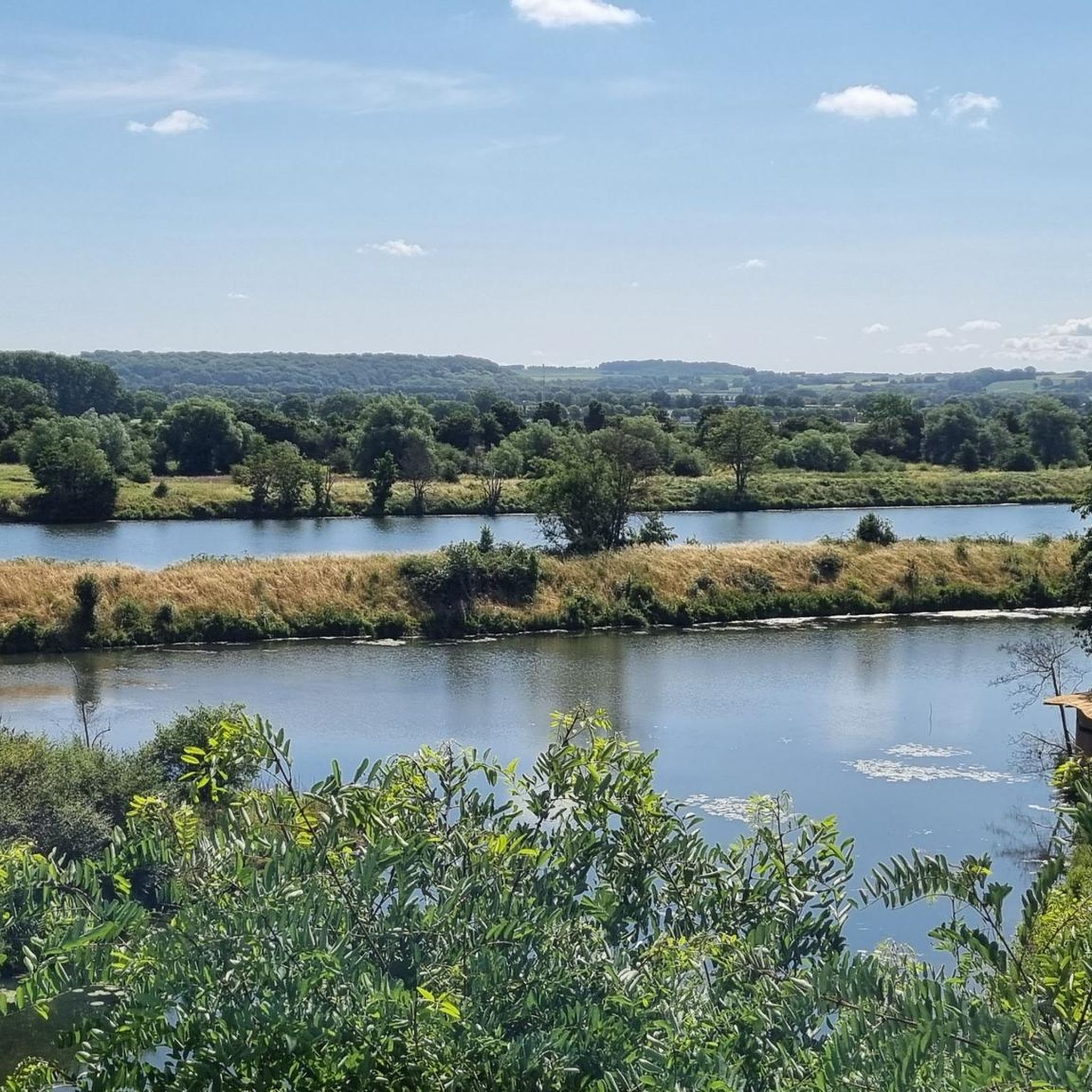
Hiking around Albert Canal
Gravel biking around Albert Canal
Running Trails around Albert Canal

Mountain Hikes around Albert Canal


Tips from the Community

An unusual, beautiful building with many great photo opportunities.
1
0

Beautiful section along the canal
1
0

Nature and calm without cars
0
0

albert canal > breakthrough for political reasons. Left bank > Fort Eben emael. Start of occupation of WW2 of Belgium by Nazis
0
0

Super nice cycle path next to the Albert Canal. This canal is 130 kilometres long and connects Liège with Antwerp. Fun fact: It was named after King Albert I and has played an important role in Belgian freight transport since 1939. Originally built to connect steel factories and coal mines: today this canal is good for around 40 million tonnes of freight per year. With six locks and space for ships up to 9,000 tonnes, it is an impressive piece of infrastructure!
0
0
Good to drive, interesting views
0
0

Good flat path, easy to manage.
1
2
Frequently Asked Questions
What are some of the most impressive engineering marvels along the Albert Canal?
The Albert Canal is renowned for its significant engineering. You can observe the massive Lanaye Lock, one of Europe's largest inland waterway locks, which allows ships up to 9,000 tons to pass. The canal also features five other lock complexes, each with a 10-meter lift, managing a total elevation difference of 56 meters. Additionally, the Kanne Bridge, a suspension bridge, offers scenic views and is notable for its design.
What historical sites can I explore along the Albert Canal?
The Albert Canal played a crucial role during World War II. The Vroenhoven Bridge hosts a museum detailing its history during the war, including the experiences of soldiers and the attack on the nearby Fort Eben-Emael. You can also see bunkers along the canal's western bank, remnants of its past as a defense line. The Albert Canal Towpath at Kanne offers views of a steep rock wall with a bunker that was part of the Eben-Emael fortress.
Are there good cycling opportunities along the Albert Canal?
Yes, the Albert Canal is a popular destination for cycling. Well-paved service roads run on both sides of the canal, traversing scenic farmland, particularly around Smeermaas, Lanaken, and Maasmechelen. The Albert Canal Towpath at Kanne is a particularly scenic route. For more cycling options, explore the Road Cycling Routes around Albert Canal guide.
Can I find hiking trails near the Albert Canal attractions?
Absolutely. The area around the Albert Canal offers several easy hiking trails. For example, you can enjoy walks along the Albert Canal Towpath at Kanne, which provides pleasant views. To discover more options, check out the Easy hikes around Albert Canal guide, which includes routes like the 'Albert Canal at Cannerberg – Vroenhoven Bridge loop from Kanne'.
Are the attractions along the Albert Canal suitable for families?
Many attractions along the Albert Canal are family-friendly. The towpaths, such as the Albert Canal Towpath at Kanne, are great for walks and bike rides with children. Observing the large ships passing through the Lanaye Lock can also be an exciting experience for all ages. The Vroenhoven Bridge museum also offers educational insights that can be interesting for older children.
What natural features can I observe along the Albert Canal?
Beyond its man-made structures, the Albert Canal offers natural beauty. Near Kanne, the canal breaks through a limestone mountain range, creating beautiful formations and rock walls. The canal itself is an important migration route for fish species like eel and salmon. The towpaths provide opportunities to enjoy the surrounding farmland and observe local wildlife. The canal also serves as the largest source of drinking water in Flanders.
Are there options for gravel biking around the Albert Canal?
Yes, the diverse terrain around the Albert Canal provides excellent opportunities for gravel biking. You can find routes that combine paved sections with unpaved paths through natural areas. For specific gravel biking trails and their difficulty levels, refer to the Gravel biking around Albert Canal guide, which features routes like the 'Warandeplas – The Zwart Water loop from Herentals'.
When is the best time to visit the Albert Canal for outdoor activities?
The Albert Canal area is enjoyable for outdoor activities throughout much of the year. Spring and autumn offer pleasant temperatures for cycling and hiking, with beautiful scenery as nature awakens or changes colors. Summer is ideal for longer days and enjoying the canal-side cafes, though it can be busier. Even in winter, the towpaths can be suitable for walks, offering a different, serene perspective of the landscape.
Where can I find scenic viewpoints along the Albert Canal?
Several spots offer picturesque views of the Albert Canal and its surroundings. The Kanne Bridge provides excellent vistas over the water, with benches for taking a break. The Albert Canal Towpath at Kanne offers views of a unique rock wall and the canal itself. Observing the ships from the Lanaye Lock also provides a dynamic and impressive viewpoint.
What do visitors particularly enjoy about the Albert Canal area?
Visitors frequently praise the Albert Canal for its excellent cycling paths and the impressive scale of its infrastructure. Many enjoy the scenic towpaths, like the one at Kanne, which offers views of unique rock formations and historical bunkers. The opportunity to observe large ships navigating the locks, such as the Lanaye Lock, is also a highlight. The blend of natural beauty, historical significance, and outdoor activity options makes it a popular destination.
Are there any wheelchair-accessible paths or attractions along the Albert Canal?
The towpaths along the Albert Canal are generally flat and well-maintained, making many sections suitable for wheelchair users. The Vroenhoven Bridge, which houses a museum, is designed with accessibility in mind, offering facilities for visitors with mobility needs. It's always advisable to check specific route conditions for the most up-to-date accessibility information.
Can I bring my dog to the trails along the Albert Canal?
Yes, the towpaths along the Albert Canal are generally dog-friendly, making them great for walks with your canine companion. It's always recommended to keep your dog on a leash, especially in areas with cyclists or near water, and to be mindful of other visitors and local regulations regarding pet waste. Enjoy exploring the scenic routes with your dog!
Most popular routes around Albert Canal
Most popular attractions around Albert Canal

Get inspired with the komoot mobile app


Explore more
Still not found the Highlight you’re looking for? See guides of the top attractions in other regions:
