The best cycling routes around Albert Canal
4.4
(14487)
159,276
riders
5,771
rides
Touring cycling routes around Albert Canal primarily follow the canal's banks, offering flat and accessible paths. The terrain is characterized by low elevation changes, making it suitable for various skill levels. Cyclists encounter a mix of urban landscapes, historical sites, and agricultural areas, with the canal serving as a consistent navigational feature. The region's network of paths often connects towns and villages, providing opportunities for extended rides along the waterway.
Best touring cycling routes around Albert Canal
- The most popular…
Last updated: May 26, 2026
4.5
(25)
170
riders
47.7km
02:48
90m
90m
Moderate bike ride. Good fitness required. Mostly paved surfaces. Suitable for all skill levels.
4.1
(9)
133
riders
Easy bike ride. Great for any fitness level. Mostly paved surfaces. Suitable for all skill levels.

Sign up for free
4.1
(7)
113
riders
28.1km
01:39
60m
60m
Easy bike ride. Great for any fitness level. Mostly paved surfaces. Suitable for all skill levels.
4.4
(12)
110
riders
40.6km
02:29
280m
280m
Moderate bike ride. Good fitness required. Mostly paved surfaces. Suitable for all skill levels.
4.4
(14)
77
riders
49.0km
03:02
70m
70m
Hard bike ride. Good fitness required. You may need to push your bike for some segments of this route.
Get access to more routes and recommendations from other explorers.
Sign up for free
Already have an account?
Our route recommendations are based on thousands of hikes, rides, and runs completed by other people on komoot.
Start today with a free account
Your next adventure awaits.
Login or Signup
Popular around Albert Canal
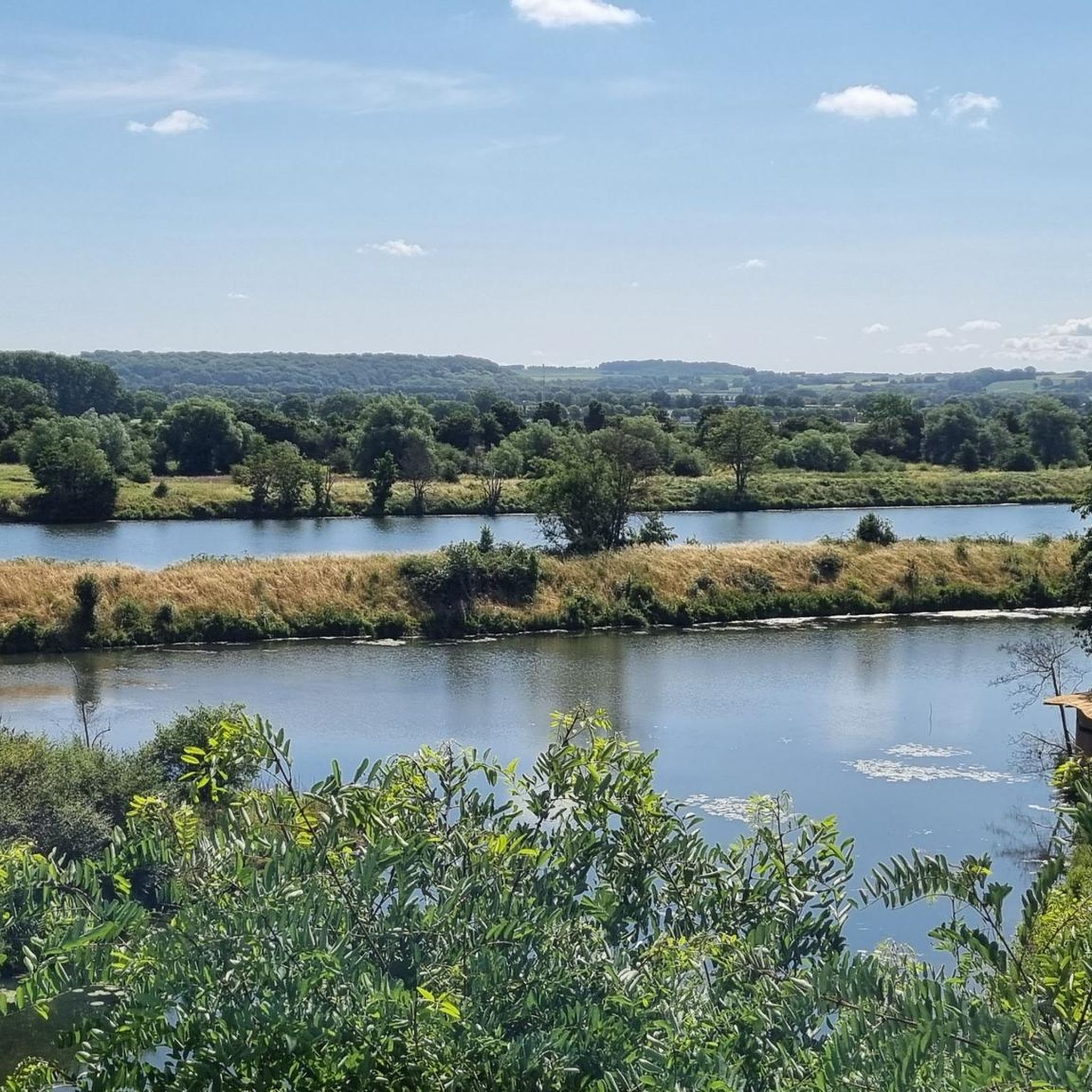
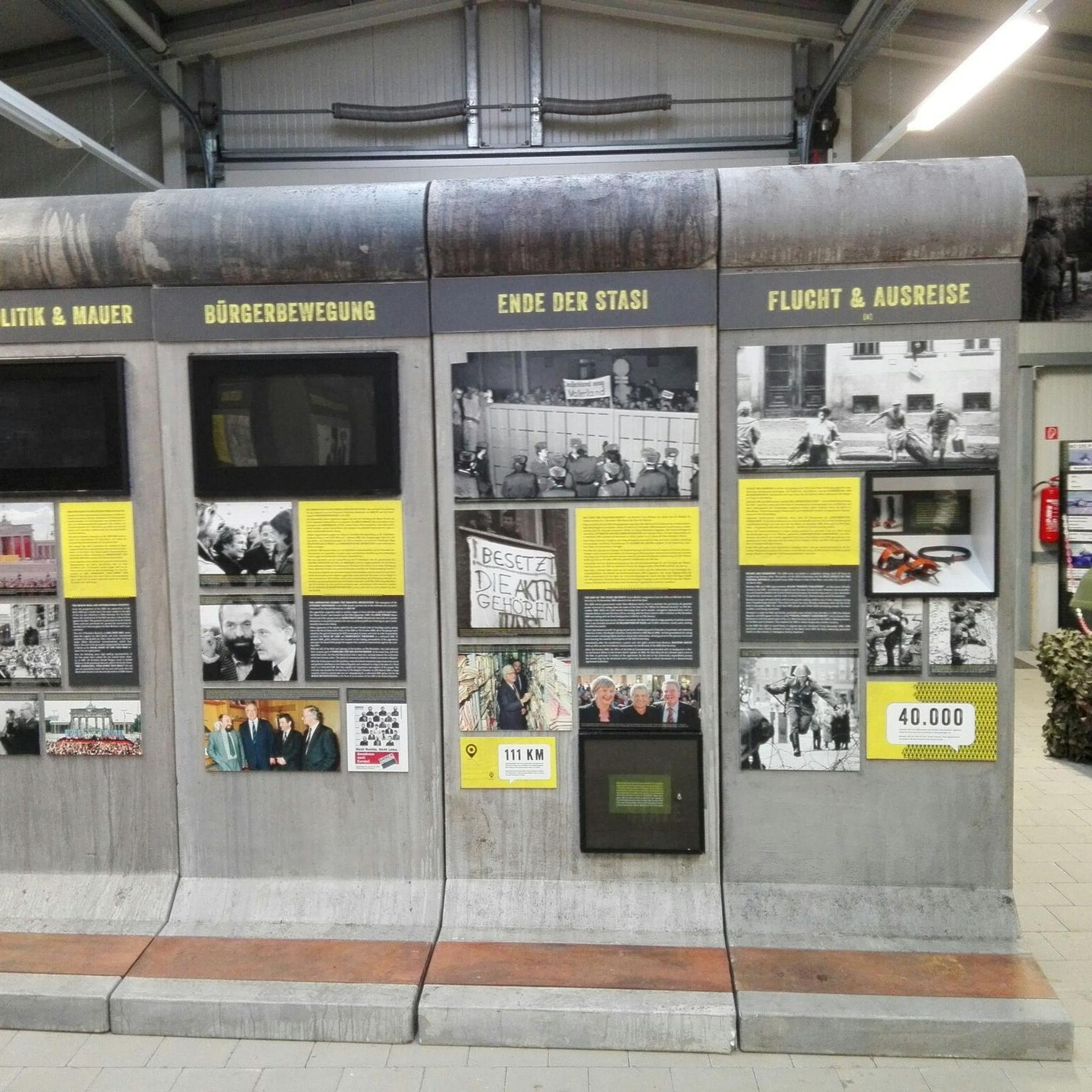
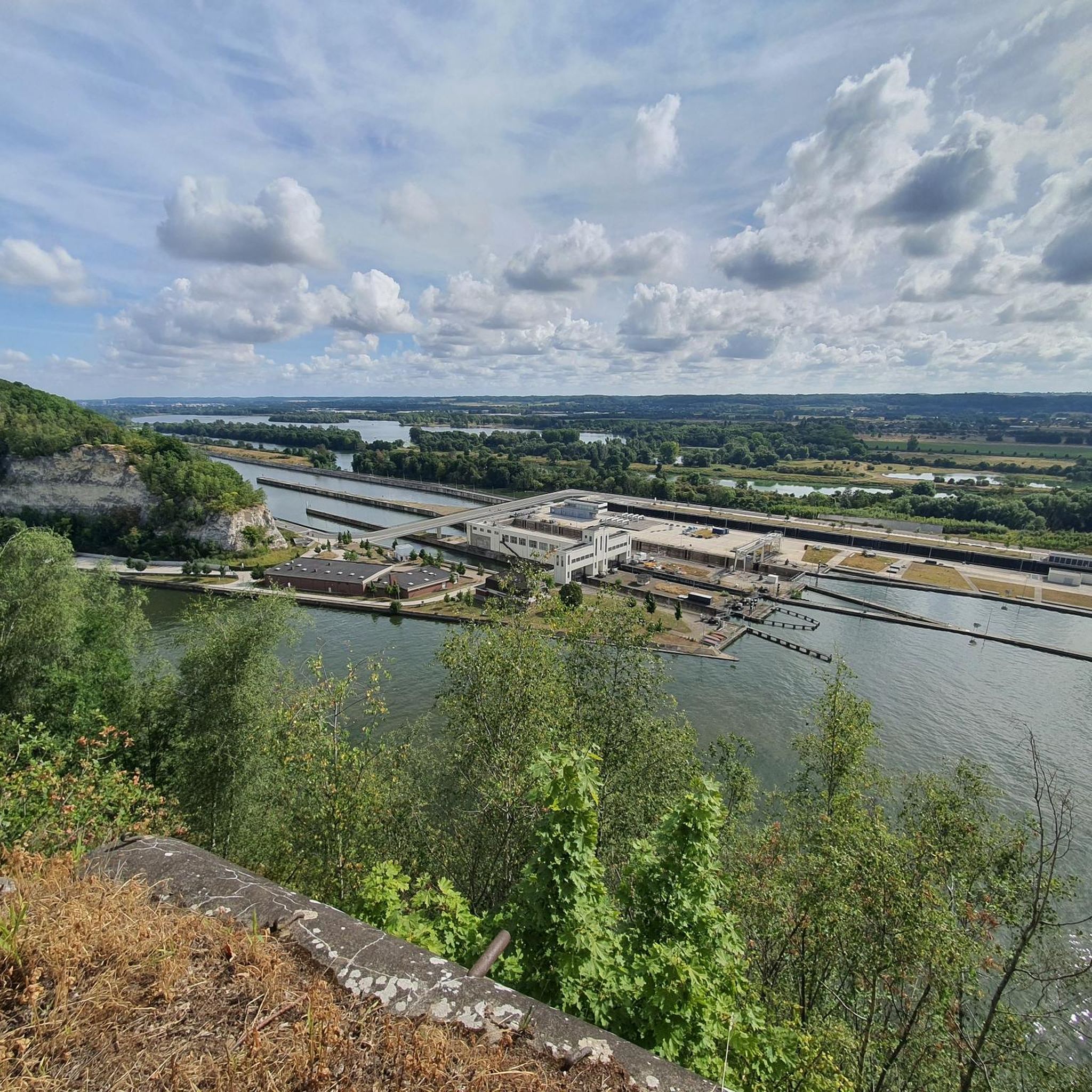



Tips from the Community

beautiful view of the anti-tank ditch, built to stop tanks in WWII
0
0


The old town hall of Vorst was built in 1910, it is protected as a monument.
2
0

The Water Castle was the center of the lordship of Millen or Milina, which was a fief of the County of Loon. It was first mentioned in 1143. The oldest known lord was Walter van Millen (Walterus de Milne), who was seneschal to Louis II of Loon. Successively, the lordship was owned by the families de Melin, Proest (1369), van Guygoven (1456), van Berloz (1479), van Houthem (1531), de Fléron (1625) and d’Hemricourt (1741). The castle was first mentioned in 1365. The original castle was transformed into a water castle in the 14th century. It then consisted of the older keep, which was expanded into a square water castle with a gate tower and two side towers. In the first half of the 17th century, the castle, which had fallen into ruin, was converted into a castle. It became a comfortable nobleman's residence without military significance. From the 18th century onwards, the castle was no longer permanently inhabited and fell into disrepair. In 1811, it was bought by baron de Blisia, after which a large part of it was demolished, including the keep and the tower on the southwest side. Only the east and west wings remained and have since served as a farm. In 1972, the remains of the castle were purchased by the municipality and restored. The 14th-century left tower, made of marlstone, has a Gothic vault. It is part of the east wing, the age of which may date back to the 12th century. Today, the castle houses a museum that depicts the life of the nobility in the 16th and 17th centuries. It is also a hub for a number of cycling routes in the surrounding area that focus on the fortified past of the Euregio. The building also houses a tourist café, and the water castle is freely accessible.
2
0


An unusual, beautiful building with many great photo opportunities.
1
0
Beautiful Lourdes grotto with some benches in the shade to rest for a while.
0
0

A lovely cycle path runs along the Albert Canal. Some sections have quite a few potholes, so be careful. Otherwise, enjoy the surrounding industrial character!
1
0
Frequently Asked Questions
How many touring cycling routes are available around Albert Canal?
There are over 5,300 touring cycling routes available around the Albert Canal, catering to various skill levels. Approximately 2,800 of these are considered easy, making the region highly accessible for many cyclists.
What do other touring cyclists appreciate most about cycling around Albert Canal?
The Albert Canal region is highly rated by the komoot community, with an average score of 4.4 stars from over 13,000 reviews. Cyclists often praise the flat, accessible canal-side paths, the mix of urban and natural landscapes, and the historical landmarks encountered along the way. The well-connected network of paths also makes it easy to explore different towns and villages.
Are there easy or family-friendly cycling routes along the Albert Canal?
Yes, the Albert Canal region is well-suited for easy and family-friendly cycling. Many routes feature low elevation changes and follow the canal banks, providing a relaxed experience. An excellent option is the Antwerp City Hall – Het Steen loop from Schoten, an easy 17.6-mile (28.3 km) path that offers urban cycling through historical city centers.
Can I find circular touring cycling routes around Albert Canal?
Yes, many touring cycling routes around Albert Canal are designed as loops, allowing you to start and end at the same point. For example, the De Merode Castle, Westerlo – Averbode Abbey loop from SsangYong is a popular 29.9-mile (48.2 km) circular route connecting historical castles and abbeys.
What interesting sights or landmarks can I explore while cycling along the Albert Canal?
The Albert Canal region is rich in historical and man-made landmarks. You can cycle past impressive structures like the Lanaye Lock, the Kanne Bridge, and the Vroenhoven Bridge. The canal itself is a significant feature, and you can also visit the Esplanade King Albert I on Monsin Island.
Are there any natural monuments or unique geological features to see near the Albert Canal?
Yes, the area around Albert Canal offers some interesting natural and historical sites. You can explore the Thier des Vignes Flint Caves, the Neanderthal Site Veldwezelt, or the St. Pietersberg Marl Caves. There's also a breeding wall for sand martins, offering a glimpse into local wildlife.
What are good starting points for cycling routes along the Albert Canal?
Starting points often depend on the specific route you choose, but many towns and villages along the canal offer convenient access. Popular options include areas near Antwerp, Schoten, Kanne, and Oelegem, which provide access to routes like the Kanne Hairpin Road – Vroenhoven Bridge loop from Kanne or the Stone Mill of Oelegem – Meadows in the Kleine Nete Valley loop from Oelegem.
Is public transport accessible for reaching cycling routes along the Albert Canal?
Many towns and cities along the Albert Canal are well-connected by public transport, including train and bus services, making it feasible to reach various starting points for your cycling tours. It's advisable to check local public transport schedules and bicycle carriage policies for specific routes and times.
Are there parking facilities available near the cycling routes?
Yes, parking facilities are generally available in the towns and villages situated along the Albert Canal, especially near popular starting points or attractions. Look for designated parking areas in places like Antwerp, Schoten, Kanne, or Oelegem when planning your trip.
What is the best season for touring cycling around Albert Canal?
The best season for touring cycling around Albert Canal is typically spring (April to June) and early autumn (September to October). During these months, the weather is generally mild and pleasant, with less extreme heat or cold, making for comfortable riding conditions. Summer can also be enjoyable, but be prepared for potentially warmer temperatures.
Are there places to stop for refreshments or food along the Albert Canal cycling routes?
Yes, as the cycling routes often connect towns and villages, you'll find numerous opportunities to stop for refreshments, meals, or snacks. Many cafes, pubs, and restaurants are located along or near the canal, especially in urban areas and popular tourist spots, allowing you to refuel during your ride.
Are touring cycling routes around Albert Canal dog-friendly?
While specific routes may not be explicitly marked as 'dog-friendly,' the flat and wide nature of many canal-side paths makes them suitable for cycling with a well-behaved dog on a leash or in a trailer. Always ensure your dog is comfortable with cycling and that you adhere to local regulations regarding pets in public spaces.
What is the typical length and duration of touring cycling routes in the Albert Canal region?
Touring cycling routes in the Albert Canal region vary in length and duration. You can find shorter, easy routes like the Antwerp City Hall – Het Steen loop from Schoten, which is 17.6 miles (28.3 km) and takes about 2 hours. Longer, moderate routes, such as the Fort Oelegem – Antitank Ditch Antwerp loop from Viersel, can be up to 30.4 miles (48.9 km) and take around 3 hours.
Most popular routes around Albert Canal
Most popular attractions around Albert Canal

Get inspired with the komoot mobile app


Explore more
Browse the best Cycling routes in other regions.
