The best traffic-free bike rides around La Guyonnière
4.4
(254)
1,462
riders
170
rides
Touring cycling around La Guyonnière, located in the Vendée department of France, offers diverse landscapes and an extensive network of cycle paths. The region features a largely flat terrain, ideal for relaxed touring, with some rolling countryside and short climbs. Key natural features include Lac du Jaunay, the Vendée Bocage, and coastal areas, providing varied scenery for no traffic touring cycling routes. The area is also near the Vélodyssée, a long-distance cycling route along the Atlantic coast.
Best no traffic…
Last updated: November 4, 2026
5.0
(1)
33
riders
Moderate bike ride. Good fitness required. Mostly paved surfaces.
5.0
(1)
28
riders
52.1km
03:57
370m
370m
Moderate bike ride. Good fitness required. Mostly paved surfaces.

5.0
(1)
9
riders
Hard bike ride. Very good fitness required. You may need to push your bike for some segments of this route.
4.7
(6)
11
riders
35.9km
02:36
200m
200m
Moderate bike ride. Good fitness required. Mostly paved surfaces.
4.5
(2)
12
riders
27.1km
01:40
190m
190m
Moderate bike ride. Good fitness required. Mostly paved surfaces.
Get access to more routes and recommendations from other explorers.
Already have an account?
Our route recommendations are based on thousands of hikes, rides, and runs completed by other people on komoot.
Start today with a free account
Your next adventure awaits.
Popular around La Guyonnière

Tips from the Community

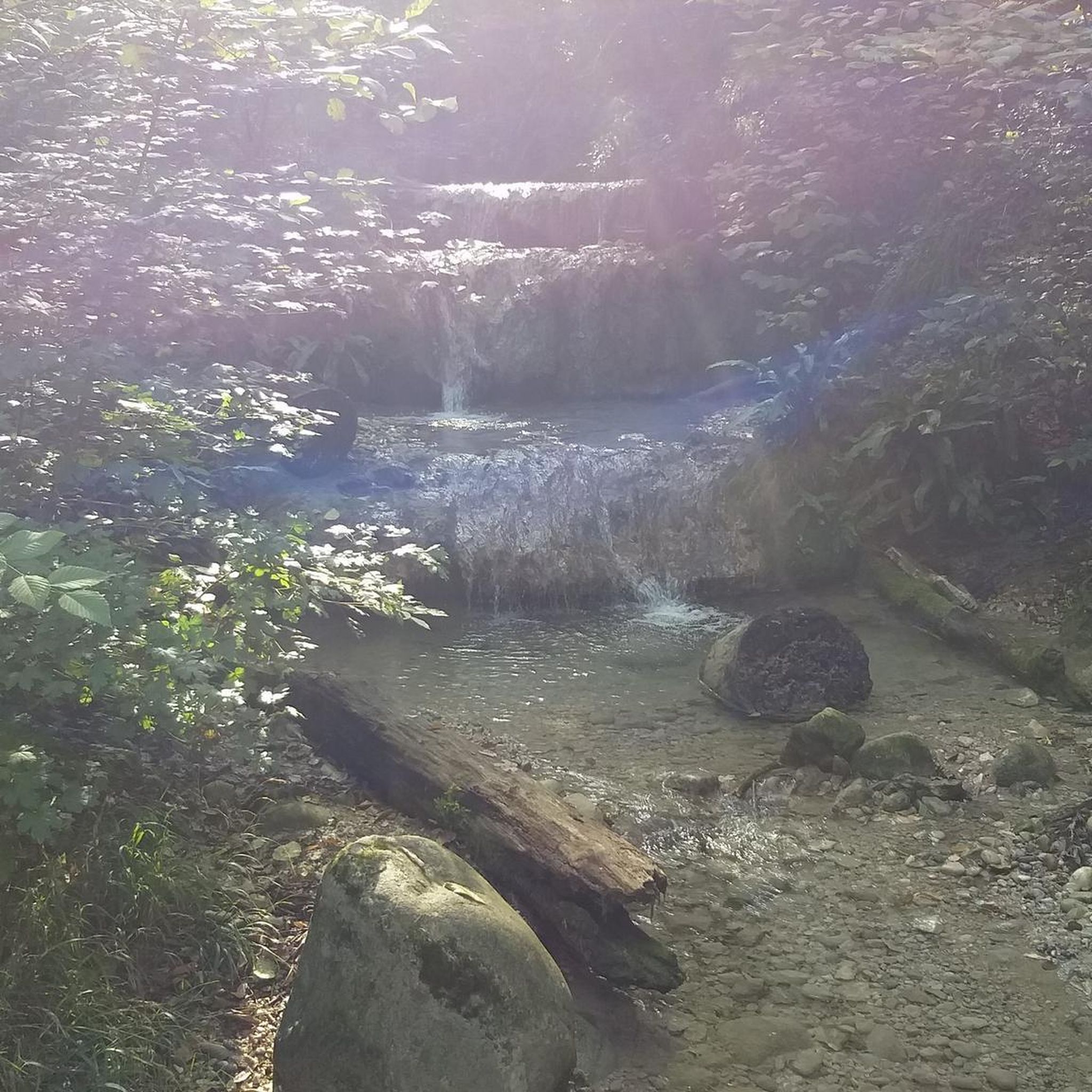
A beautifully restored old watermill, in the heart of a beautiful natural site.
0
0
19th century church whose unfinished bell tower was topped with a slate spire which clashes a little - a lot - with the rest of the monument.
0
0

Unfortunately signs that camping is prohibited
0
0

A lovely restaurant with outdoor seating overlooking the water. It's ideal for a relaxing break, with food and drinks available.
0
0

Clisson Castle has quite a story to tell: first an impregnable fortress overlooking the Sèvre, then a ducal residence, and finally a romantic ruin. In the 12th century, the powerful lordship of Clisson built this stone castle with highly elaborate defensive architectural systems: arrow slits, gun ports, and slits. A strategic point protecting the border of the Duchy of Brittany in the 15th century, it was abandoned by its owners from the second half of the 17th century onward before being burned down by Republican troops in 1793. But, beyond its grand history, this castle also has a more historic significance! In 1807, François-Frédéric Lemot, creator of the Garenne Lemot estate (a picturesque landscape located on the other side of the river), was captivated by these ruins and purchased it to turn it into an ornamental factory. The château was declared a historic monument in 1924, before being acquired by the Loire-Atlantique department in 1962. Today, visitors can visit it, take a guided tour, or simply experience its history. A stop on the Journey through the Vineyard, it's a stopover during the wine tourism tour of Nantes' wine country, featuring natural sites, heritage features, characterful villages, and unique cellars.
1
0
The unmissable annual event for extreme music in France. Founded in 2006 and based in the small town of Clisson for 13 years, Hellfest has established itself as one of the leading European festivals offering extreme music. A veritable marathon of hardcore, punk, grind, death metal, and trash, accessible just a few minutes from Nantes by train. More than 160 artists from all over the world perform on six stages for four days of fury! Every June, Clisson becomes the international center of metal culture, attracting more than 100,000 festival-goers to a dedicated venue. In 2014, the Hellfest Festival presented "its" town with a symbolic guitar over 10 meters high (the work of artist J.-F. Buisson), comfortably installed on the Looksor roundabout near the grounds, which welcome more than 100,000 festival-goers each year. Visible from the road, we can see the permanent installations emblematic of the metal aesthetic
0
0
La Roche-Pépin, a village in Saint-Georges and its abandoned chapel—this could have been the headline in the newspaper Ouest-France in May 1992. Indeed, in the heart of the Saint-Georges hamlet stands the Chapel of the Blessed Virgin, located on the pilgrims' route to Santiago de Compostela. A chapel with the distinction of belonging to the village's inhabitants. The construction of this building began in 1858, without the bishop's authorization. Its founders, Eugène Jaunet (mayor of Saint-Georges in 1857) and his sisters Victorine and Elisa, were a wealthy family who fed the poor. On May 16, 1859, Monsignor Delamare blessed the chapel. A building that, after their deaths, would gradually fall into disrepair. But the month of Mary continued to be celebrated there until 1952. Miss Gris, who looked after the chapel, said, "When I was young, we celebrated the month of Mary there, avoiding standing under the dangerous areas." The upper part of the chapel deteriorated, and in 1970, the slate roof finally collapsed. Father Jagueneau, who had attempted repairs, gave up due to the scale and cost of the work. The bell that rang the Angelus and for funerals was almost taken down in 1972. Only the sacred stone of the altar was removed. In 1986, a stone falling from the top of the building hit a car, creating controversy and tension among the villagers, some of whom reinforced the upper part of the walls. Michel Bonnet, the mayor, gathered the villagers to discuss a crucial question: should the chapel be razed, as some local residents suggested, or should funds be raised to restore the building? In 1992, under the leadership of Marc Jaulin, the Association for the Preservation of Heritage was founded and raised funds for two years to restore the chapel. The restoration took place from May 1993 to May 1997, requiring 545 hours of volunteer work, at a total cost of €42,662, of which €32,342 was funded by the association and municipal and departmental grants. Today, the restored and flower-bedecked chapel is open to visitors, and the month of Mary is celebrated there in May. Léone Epaulais, who arranges flowers and maintains the chapel, also recalls a legend: "More than a hundred years ago, the crown of the Blessed Virgin was thrown onto the flames of a fire, and the fire went out."
0
0
Frequently Asked Questions
How many no-traffic touring cycling routes are available around La Guyonnière?
There are over 130 dedicated no-traffic touring cycling routes around La Guyonnière. These routes are designed to offer a peaceful and safe cycling experience, ranging from easy to difficult, ensuring options for all skill levels.
What kind of landscapes can I expect on these car-free cycling routes?
The no-traffic routes around La Guyonnière traverse a diverse range of landscapes. You'll cycle through the charming wooded farmland of the Vendée bocage, past picturesque villages, and along the serene shores of lakes like Lac de la Bultière. Some routes also offer glimpses of the wider Vendée region's natural beauty, including its proximity to the Atlantic coast and unique salt marshes.
Are there any easy, family-friendly no-traffic cycling options?
Yes, La Guyonnière is ideal for family-friendly cycling with 61 easy routes that are mostly paved and suitable for all ages. The region's largely flat terrain, combined with extensive car-free paths, makes it perfect for relaxed touring with children. Many routes around Lac de la Bultière are particularly popular for their scenic beauty and gentle gradients.
Can I find circular no-traffic routes for touring cycling?
Absolutely. Many of the no-traffic touring routes around La Guyonnière are circular, allowing you to start and end at the same point. An example of a moderate circular route is The Arsenal – Vendée vélo loop from Montaigu Vendée, which offers a great way to explore the local area without retracing your steps.
What historical attractions can I visit along the no-traffic cycling routes?
The region offers several historical points of interest accessible from the cycling routes. You can explore sites like Tiffauges Castle, a significant medieval fortress, or the impressive Montaigu Castle. The route The Three Provinces – Tiffauges Castle loop from Treize-Septiers is a great option to combine cycling with historical exploration.
Are there any natural landmarks or points of interest on these routes?
Yes, the routes often pass by beautiful natural features. Lac de la Bultière is a prominent natural landmark, offering a scenic 15 km path around its perimeter. You might also encounter the The Arsenal bridge or the unique Valley of the Three Provinces, which are integrated into various routes.
What is the best time of year to enjoy no-traffic touring cycling in La Guyonnière?
The Vendée region, including La Guyonnière, is pleasant for cycling from spring through autumn. Spring offers mild temperatures and blooming landscapes, while summer is warm and sunny, perfect for combining cycling with lake or coastal activities. Autumn provides cooler weather and beautiful fall foliage. The extensive network of paths makes it enjoyable even in milder winter conditions, though some services might be reduced.
Are there any challenging no-traffic routes for experienced touring cyclists?
While much of the region is relatively flat, there are 8 difficult routes for those seeking a greater challenge. These routes may include more significant elevation gains and longer distances. An example is the Lac de la Bultière – Montaigu Castle loop from Montaigu Vendée, which features over 400 meters of elevation gain.
What do other touring cyclists say about the no-traffic routes in La Guyonnière?
The no-traffic touring cycling routes in La Guyonnière are highly regarded by the komoot community, with an average rating of 4.2 out of 5 stars from 192 reviews. Cyclists often praise the peacefulness of the car-free paths, the diverse and picturesque landscapes, and the well-maintained infrastructure that makes for a safe and enjoyable experience.
Are there any routes that pass through charming villages or offer opportunities for pub stops?
Many routes wind through the Vendée bocage, connecting picturesque villages where you can find local amenities. While specific 'pub stops' might be less common than in some other regions, you'll often find opportunities to stop for refreshments or a meal in the villages along the way. The route Château de Clisson – Valley Bridge loop from Treize-Septiers, for instance, passes near the medieval town of Clisson, offering cultural and culinary stops.
Is it possible to combine cycling with other outdoor activities in La Guyonnière?
Absolutely. La Guyonnière is a hub for outdoor activities. Many cycling routes are close to Lac de la Bultière and the larger Lac du Jaunay, where you can enjoy hiking, water sports, or simply relax by the water. The proximity to the Vendée coastline also means you can easily combine a cycling trip with a visit to the beach.
Most popular routes around La Guyonnière
Most popular attractions around La Guyonnière

Get inspired with the komoot mobile app


Explore more
Browse the best Cycling routes in other regions.
