The best city hikes and walks around Tournai
4.4
(2855)
14,588
hikers
34
hikes
Urban hiking trails around Tournai offer a blend of historical exploration and natural scenery within the city's diverse landscapes. The region features lush greenery and rolling hills, providing a varied backdrop for walks. Trails often integrate ancient woodlands and follow river paths, such as along the Scheldt. While the area includes modest elevations like Mount Saint Aubert (149 meters), some routes allow for notable elevation gain.
Best urban hiking trails around Tournai
- The most popular urban hiking route is Historic…
Last updated: June 30, 2026
3.0
(1)
2
hikers
1.90km
00:30
20m
20m
Explore the historic heart of Tournai on this easy 1.2-mile (1.9 km) hike, passing UNESCO sites and the picturesque Scheldt River.
4.7
(10)
48
hikers
5.36km
01:24
30m
30m
Easy hike. Great for any fitness level. Easily-accessible paths. Suitable for all skill levels.

Sign up for free
4.3
(6)
29
hikers
10.8km
02:49
80m
80m
Moderate hike. Good fitness required. Easily-accessible paths. Suitable for all skill levels.
5.0
(3)
22
hikers
11.9km
03:02
40m
40m
Moderate hike. Good fitness required. Easily-accessible paths. Suitable for all skill levels.
18
hikers
4.55km
01:11
30m
30m
Easy hike. Great for any fitness level. Easily-accessible paths. Suitable for all skill levels.
Get access to more routes and recommendations from other explorers.
Sign up for free
Already have an account?
Our route recommendations are based on thousands of hikes, rides, and runs completed by other people on komoot.
Start today with a free account
Your next adventure awaits.
Login or Signup
Popular around Tournai

City hikes in Plaines De L'Escaut Natural Park

City hikes in Parc Naturel Des Plaines De L’Escaut
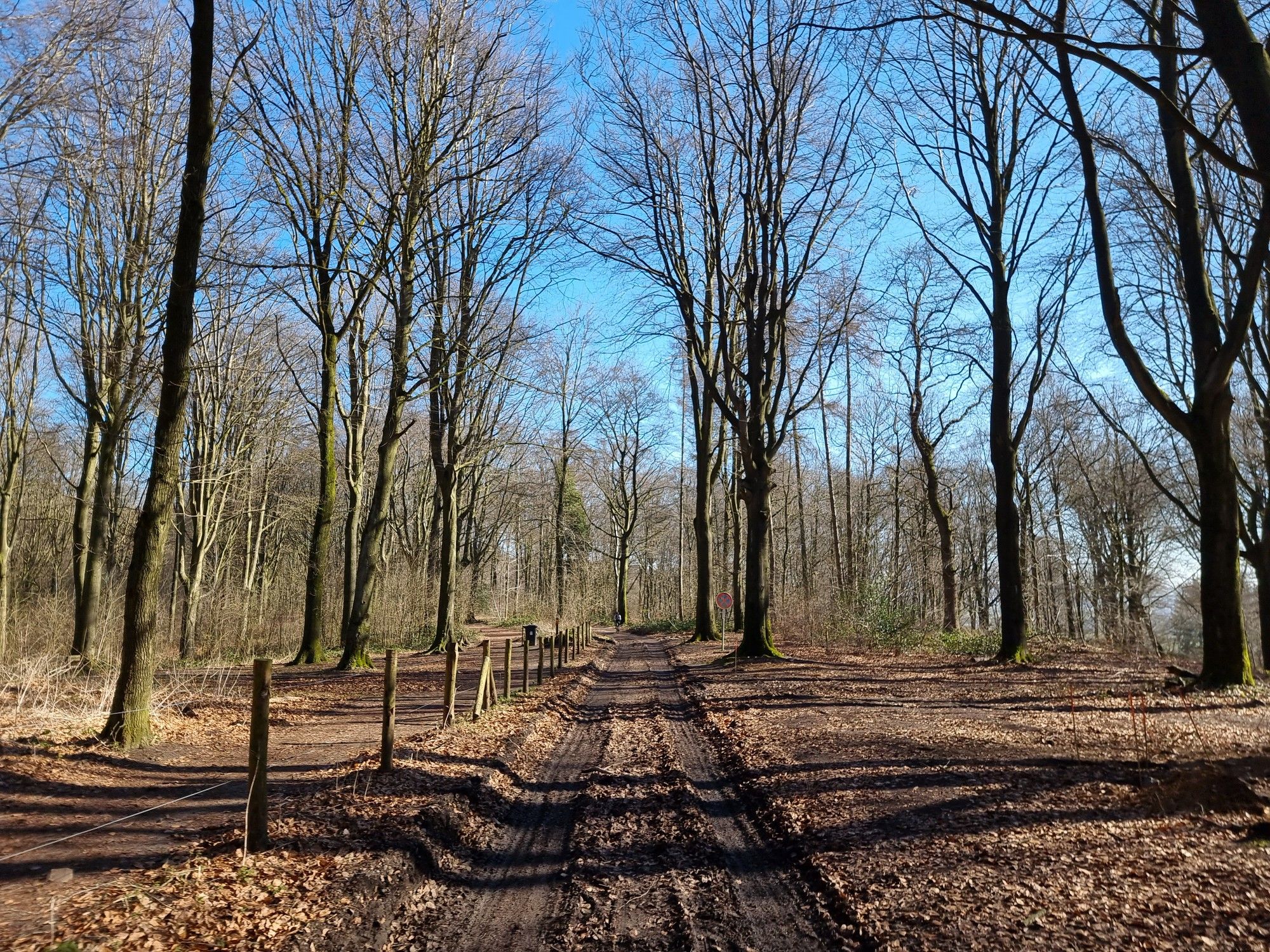
Grande Randonnée GRavel — Western Hainaut
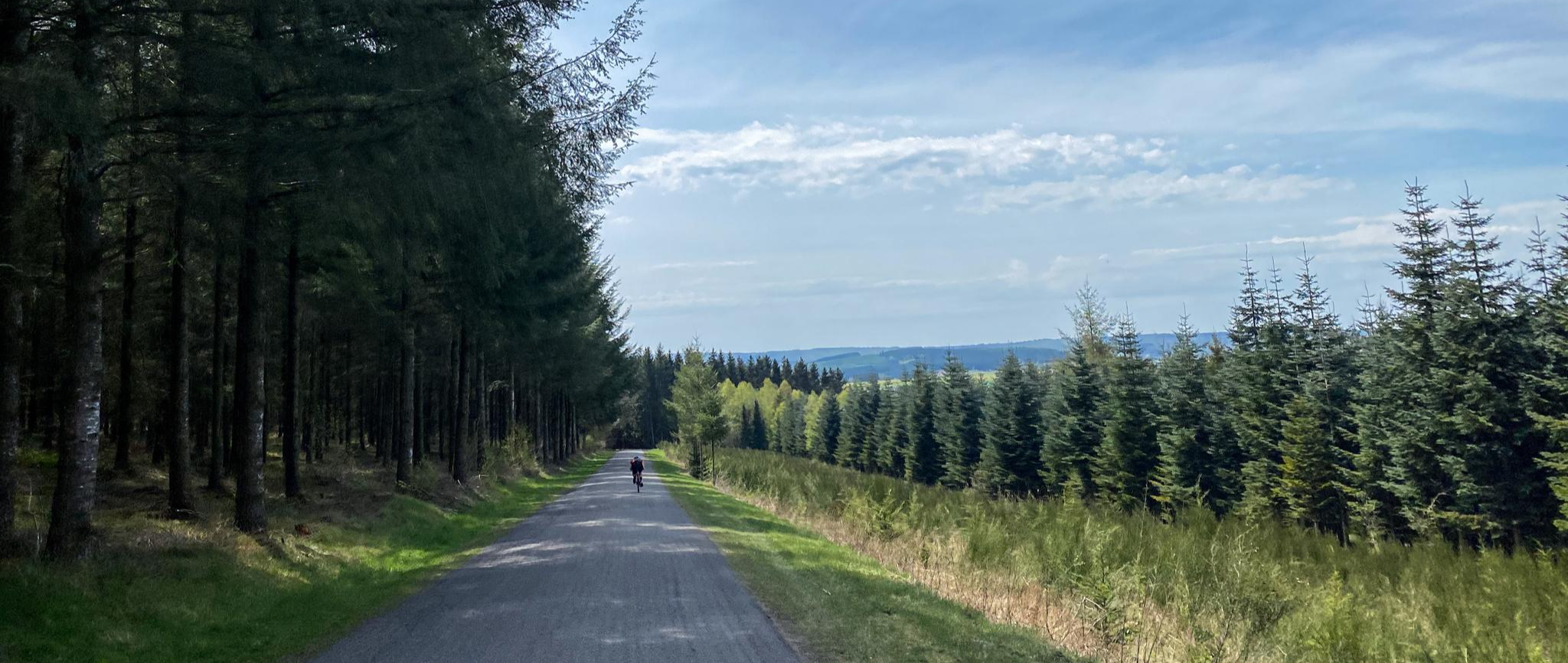
From Picardie to the Ardennes — Crossing Wallonia by Bike
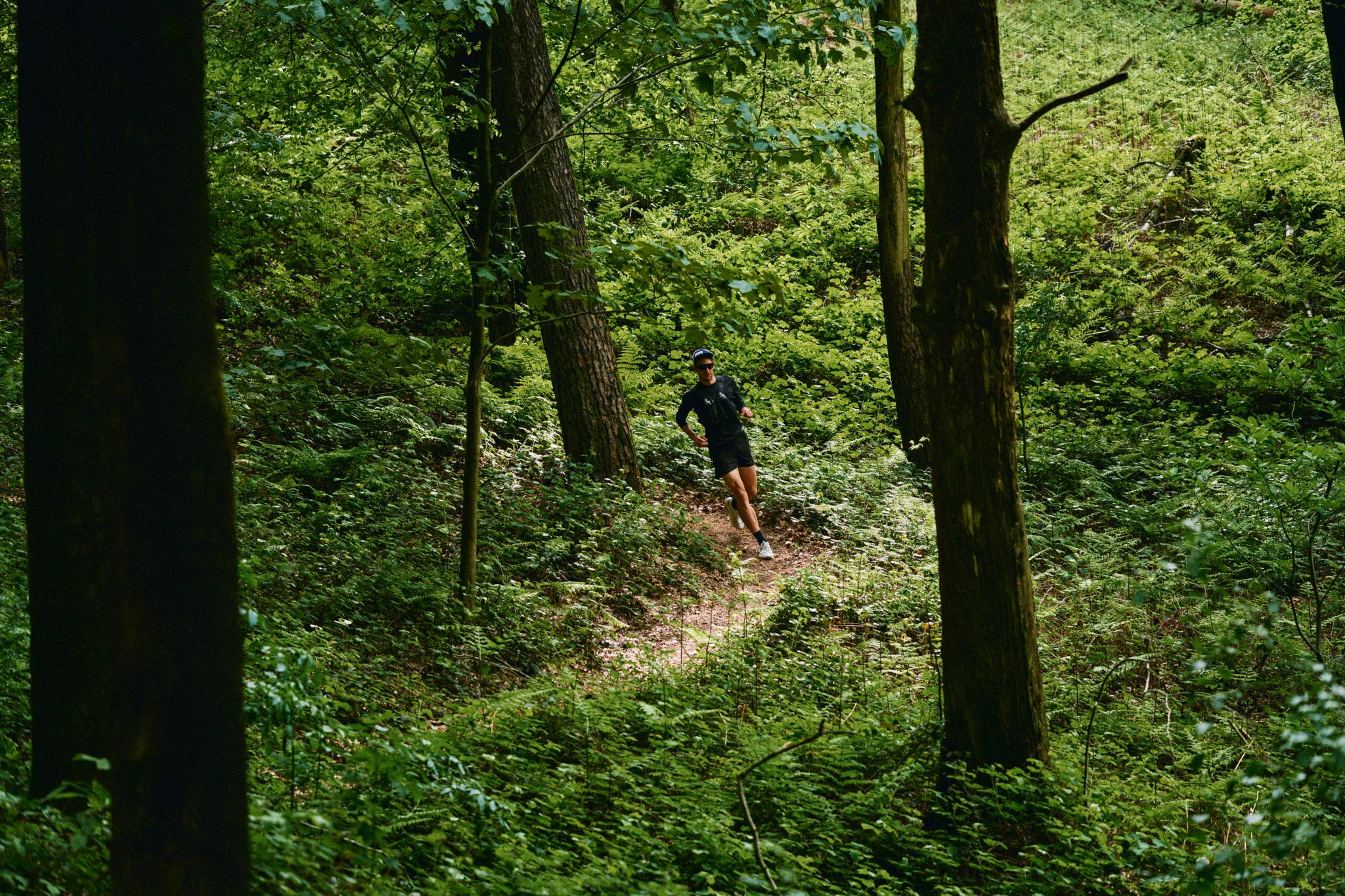
Through forests and fields – trail running in the Flemish Ardennes
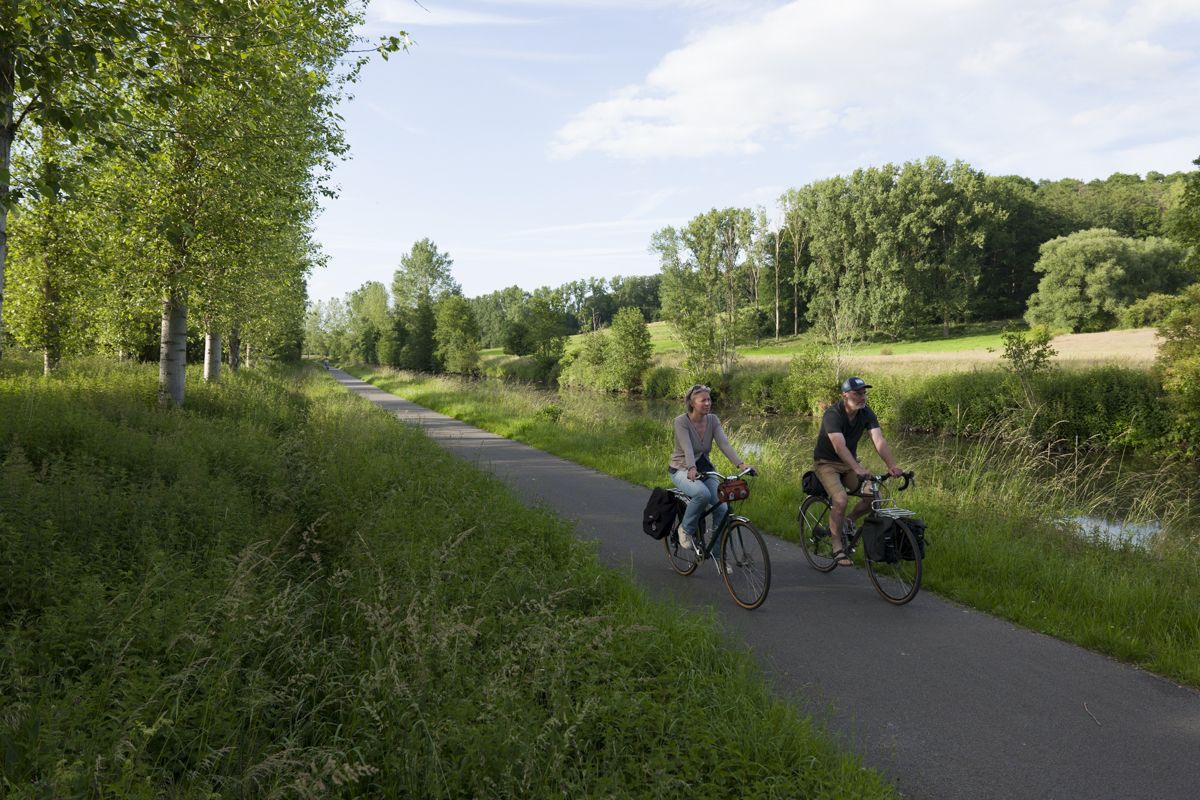
Cycling from Bethuné to Brussels – Eurovelo 5
Other adventures around Tournai


Tips from the Community

Cathedral on the market square Tournai
0
0

The church was built in the last quarter of the 12th century. At the beginning of the 13th century, the Romanesque choir was replaced by a Gothic choir with ribbed vaults. The bell tower was added in the 15th century. It served as a bell tower on the right bank of the river before that part of the city was added to Tournai. When a rectory was built next to the church, a fantastic discovery was made in 1653: the intact tomb of the Merovingian king Childeric I was discovered [2]. Due to its location close to the train station, the church suffered heavily during World War II. The interior, in particular, was irreparably damaged during German air raids. Restoration work lasted until 1954.
1
0
The original 13th-century wooden cloth hall was destroyed in a storm in 1606. Between 1610 and 1611, the building was rebuilt in various architectural styles: Gothic pointed arches on the ground floor, a Renaissance first floor, and Baroque gables. The courtyard with galleries from 1616 is Italianate. In 1881, the cloth merchants' building collapsed. It was rebuilt and became a city museum. After the fire bombs in 1940, the building had to be repaired. The facade was renewed during city restoration works in 1998. The building is a meeting centre and event hall.
1
0

A footbridge here connects the Tournai districts of Saint-Piat and Saint-Jean, separated by the Scheldt. From this bridge, you look out over the Quai des Poissonsceaux and see the 5 towers of the Notre-Dame Cathedral, a symbol of Tournai, rising above the city.
1
0
After the boutique "Le Loft" closed its doors in 2017, the former post office building stood empty for a while, until a restaurant based on a street food concept moved in in 2022... but it only lasted a few months. In May 2024, "Happy Days", a venue for birthday parties for children and young people, opened here. At the end of 2023, the City of Tournai had announced plans to temporarily house the Archaeological Museum (which had to be closed for safety reasons) here, pending the establishment of a specific 'History and Remembrance Centre'," (as can be read on notele.be), but it seems those plans did not go ahead (yet). Source: tournai.be, lavenir.be, dhnet.be
1
0
The church is located at the end of the Grote Markt and undoubtedly has its origins in the large Gallo-Roman cemetery that stretched over the site of the Grote Markt and an adjacent district. The nave dates from the end of the 12th century. Two round chapels, one of which houses the tomb of Jacques Castaigne (1327), are housed in the corners formed by the nave and the transept. The transept and the choir, with their ribbed vaults, belong to the transition between the Romanesque and Gothic periods. The central tower also dates from the 13th century. It is decorated inside with a double triforium. The choir, surrounded by a 17th-century marble enclosure, was surrounded in 1464 by an ambulatory and several chapels. At the ends of the nave, you can admire two statues forming the so-called Annunciation group, namely the Virgin and the Archangel Gabriel. The statues were made by Jean Delemer, a sculptor from Tournai. They are made of white stone from Avesnes and the original polychromy is attributed to Robert Campin. The organ with 36 registers was made by Georges Delmotte in 1986. Source: openchurches.eu
1
0
The construction of the very first hall dates back to the 13th century. Built of wood, it was blown away by a storm. Four years later, it was rebuilt (1610-1611) in a mixture of styles: Renaissance on the 1st floor, Baroque gables, a frontispiece with Ionic columns,... The facade of this magnificent building was restored during the construction of the new Grand-Place, inaugurated in 1998. Mainly to be viewed from the outside. During certain events, the interior can be visited (e.g. Halle Gourmande, Christmas market,...). source: visitwallonia.be
2
0
The belfry of Tournai is the oldest in Belgium (12th century). The building, which is part of UNESCO World Heritage, is 72 meters high and dominates the Grand-Place. During the ascent of the tower with its 257 steps, one discovers various didactic exhibitions, the prison, the carillonneur's room, and finally the bells which ring every Sunday during the summer (around 3:30 PM). The belfry of Tournai, built in 1192, symbolizes municipal freedoms. Its bell (the “Bancloque”) was used to warn the population of trials, executions, invasions, fires, etc. The belfry served as a watchtower, prison, bell tower, and town hall. You have access to the first terrace, which offers a breathtaking view of Tournai and its surroundings. source: visitwapi.be
1
0
Frequently Asked Questions
How many urban hiking trails are available in Tournai?
There are over 30 urban hiking trails around Tournai, ranging from easy strolls to more moderate walks. Most of these routes are considered easy, making them accessible for various fitness levels.
What kind of terrain can I expect on urban hikes in Tournai?
Urban hikes in Tournai typically feature varied terrain, including paved city paths, riverside promenades along the Scheldt, and sections through parks and green spaces. While generally flat, some routes may include gentle inclines, especially when exploring areas like the historic city center.
Are there any family-friendly urban walks in Tournai?
Yes, many urban trails in Tournai are suitable for families. Routes like the Historic Heart Circuit Trail are relatively short and easy, perfect for a leisurely outing with children. These paths often pass by notable landmarks, keeping younger hikers engaged.
Can I bring my dog on urban hiking trails in Tournai?
Most urban hiking trails in Tournai are dog-friendly, provided your dog is kept on a leash. It's always a good idea to carry water for your pet and be mindful of other pedestrians, especially in busier city areas. Always check local signage for any specific restrictions.
What historical landmarks can I see along urban hiking routes in Tournai?
Tournai's urban hikes are rich with history. You can expect to see iconic landmarks such as the UNESCO World Heritage-listed Notre-Dame Cathedral, the Belfry of Tournai, and the Pont des Trous. Routes like the Pont des Trous – Belfry of Tournai loop from Tournai specifically highlight these historic sites.
Are there any circular urban walks in Tournai?
Yes, many of the urban hiking routes in Tournai are designed as circular walks, allowing you to start and end at the same point. Examples include the Saint Brice Church – Pont des Trous loop from Tournai, which offers a convenient way to explore the city's highlights.
What are the best viewpoints along urban trails in Tournai?
While urban trails generally offer cityscapes, you can find excellent views of the city's architecture and the Scheldt River. For panoramic views of the wider region, consider extending your trip to nearby areas like Mont-Saint-Aubert, which offers significant elevation gain and sweeping vistas.
What do other hikers enjoy most about urban hiking in Tournai?
The urban hiking experience in Tournai is highly rated by the komoot community, with an average score of 4.4 stars from over 2,400 ratings. Reviewers often praise the seamless blend of historical architecture with natural riverside paths, and the accessibility of the trails for all skill levels.
Are there places to eat or drink along the urban hiking routes?
Given the urban setting, you'll find numerous cafes, restaurants, and pubs conveniently located along or near the hiking routes, especially in the city center and around popular landmarks like The Grand Place. This makes it easy to take a break and enjoy local cuisine or refreshments during your walk.
What is the best time of year for urban hikes in Tournai?
Urban hikes in Tournai can be enjoyed year-round. Spring and autumn offer pleasant temperatures and beautiful scenery, with blooming flowers or colorful foliage. Summer is also popular, though it can be warmer, while winter walks can be charming, especially if you enjoy crisp air and fewer crowds.
Where can I find parking for urban walks in Tournai?
Tournai offers various public parking options throughout the city, including underground car parks and street parking. Many urban hiking routes start and end near accessible parking facilities, particularly around the city center. Check local signage for parking regulations and fees.
Are there any castles or historical sites near the urban trails that I can visit?
Beyond the city's immediate historical landmarks, the Tournai region is home to several impressive castles. While not directly on urban trails, you can easily access sites like the Antoing Castle or the Ruins of la Royère castle with a short detour, offering a deeper dive into the area's rich heritage.
Most popular routes around Tournai
Most popular attractions around Tournai

Get inspired with the komoot mobile app


Didn’t find what you were looking for?
Check out more Hikes throughout Tournai below and find the perfect route in your destination.
