The best traffic-free bike rides around Max-Eyth-See
4.4
(2748)
45,080
riders
73
rides
Road cycling around Max-Eyth-See is characterized by its generally flat and accessible terrain, offering numerous no traffic road cycling routes. The landscape features the artificial Max-Eyth-See lake, surrounded by gently sloping vineyards and extensive green spaces. Routes often follow the Neckar River, providing scenic views and connecting to broader cycling networks. The area's paths are predominantly paved, making it suitable for various fitness levels.
Best no traffic road cycling routes around Max-Eyth-See
- The most popular no traffic road cycling route…
Last updated: October 2, 2026
5.0
(2)
66
riders
38.9km
01:42
340m
340m
Moderate road ride. Good fitness required. Mostly well-paved surfaces and easy to ride.
4.0
(2)
57
riders
44.3km
01:52
320m
320m
Moderate road ride. Good fitness required. Some segments of this route may be unpaved and difficult to ride.

12
riders
Moderate road ride. Good fitness required. Mostly well-paved surfaces and easy to ride.
5.0
(1)
14
riders
29.8km
01:23
320m
320m
Moderate road ride. Good fitness required. Mostly well-paved surfaces and easy to ride.
4.7
(3)
51
riders
13.8km
00:42
170m
170m
Easy road ride. Great for any fitness level. Mostly well-paved surfaces and easy to ride.
Get access to more routes and recommendations from other explorers.
Already have an account?
Our route recommendations are based on thousands of hikes, rides, and runs completed by other people on komoot.
Start today with a free account
Your next adventure awaits.


Tips from the Community

Beautiful place with a magnificent view
0
0

beautiful view of the Neckar
0
0

Here pedestrians and cyclists can cross the Neckar side.
3
0
Nice steep slope. On Sundays the road is closed to traffic and completely free for cyclists and pedestrians.
3
0

The Neckar is a 362-kilometer-long tributary of the Rhine.
0
0

From 1728, the Palm'sche Schloss was the residence of the Barons von Palm. The castle dates back to a manor house built around 1595, which was rebuilt and expanded several times. The castle complex included outbuildings, stables, and kitchen gardens, as well as the well from 1735. Since 1990, the district town hall of the Mühlhausen district has been established here.
3
0
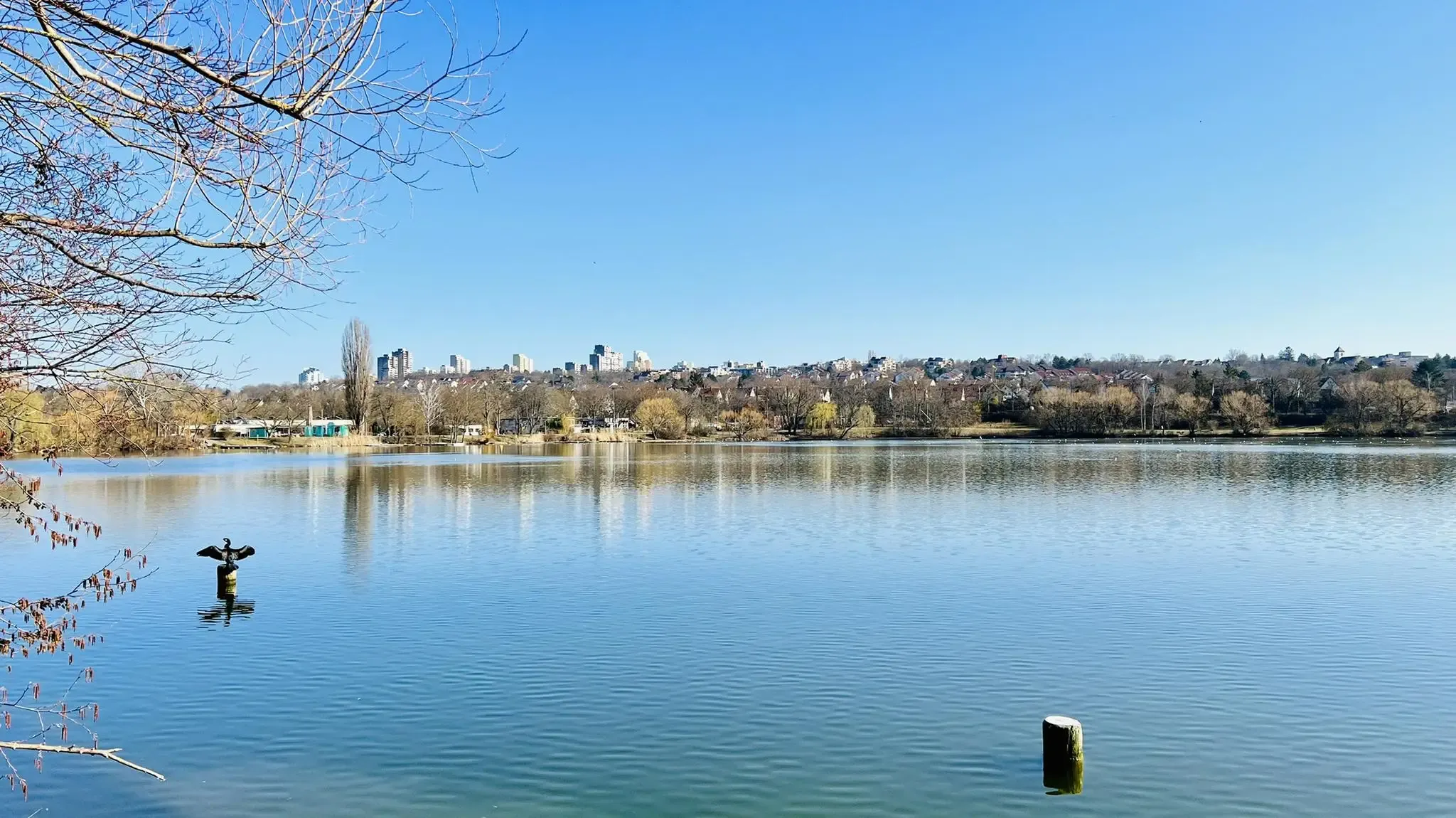
The Hofen weir clearly marks the transition from the „Bonatz weirs“ to those of the 1950s: the roller weir, probably co-designed by Bonatz, has the weir bridge over the downstream for the first time since 1927. In the lock built in 1957, a lift-and-turn and a lift-and-slide gate are combined. In the impoundment area is the Max-Eyth-See, which was created in 1935 for a water sports exhibition accompanying the Neckar canalization.
3
0
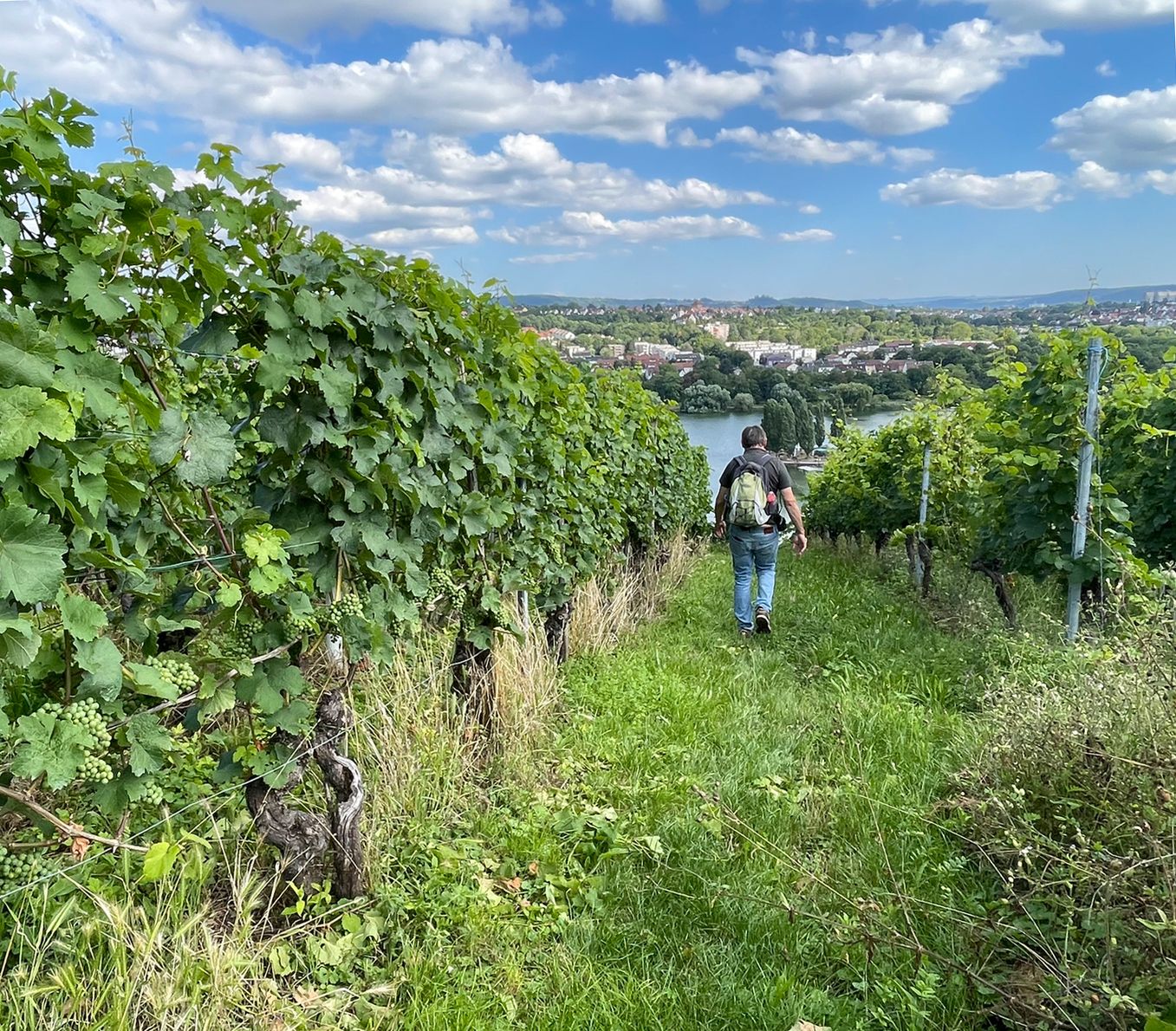
The Cannstatter Zuckerle is a single vineyard site on the Neckar, supported by numerous dry stone walls.
0
0
Frequently Asked Questions
How many traffic-free road cycling routes can I find around Max-Eyth-See?
There are over 70 dedicated traffic-free road cycling routes around Max-Eyth-See, offering a wide range of options for different skill levels. You'll find routes ranging from easy to moderate, with a few more challenging options available.
What is the typical terrain and difficulty level of road cycling routes around Max-Eyth-See?
The routes around Max-Eyth-See are generally characterized by mostly paved, flat, and easy paths, making them accessible for various fitness levels. While many are easy, there are also numerous moderate routes and a few more challenging options that include some elevation gain, often winding through the picturesque vineyards.
Are there any beginner-friendly traffic-free road cycling routes?
Yes, Max-Eyth-See is an excellent area for beginners. You'll find over 20 easy-rated routes that are perfect for those new to road cycling or looking for a relaxed ride. These typically feature gentle gradients and well-maintained surfaces.
What can I see along the traffic-free road cycling routes around Max-Eyth-See?
Many routes offer scenic views of the lake, surrounding vineyards, and the Neckar River. You can also discover points of interest like the Heidenschloss – Roman Estate at Max-Eyth-See, or enjoy a view of the vineyards on the Neckar. There are also several viewpoints and benches along the lake, such as the Bench by the Max-Eyth-See dock.
Are there any loop routes for traffic-free road cycling?
Yes, many of the traffic-free road cycling routes around Max-Eyth-See are designed as loops, allowing you to start and end at the same point. An example is the moderate-difficulty route, Path Between the Linden Trees – Neckar Riverside Path loop from Hofen, which offers a great circular experience.
What is the best time of year for traffic-free road cycling in this region?
The Max-Eyth-See area is enjoyable for road cycling throughout much of the year. Spring and autumn offer pleasant temperatures and beautiful scenery, especially with the changing colors of the vineyards. While the immediate lake area can get crowded on weekends, the broader region provides numerous cycling opportunities that extend beyond the lakeside, making it suitable for cycling even during peak seasons.
Where can I find parking for traffic-free road cycling routes near Max-Eyth-See?
There are parking options available near the Max-Eyth-See area. For instance, you can find free parking opposite Max-Eyth-See. Many routes also start from various points around the lake and in nearby districts, often with accessible parking.
Are there places to eat or drink along the traffic-free road cycling routes?
Yes, the Max-Eyth-See area offers several options for refreshments. You can find restaurants like "Haus am See" and the Meeting Point Am See Beer Garden & Restaurant, which is located on a peninsula in the lake. These spots are ideal for a break during your ride.
What do other road cyclists enjoy most about road cycling in Max-Eyth-See?
The area is highly rated by the komoot community, with an average score of 4.38 stars. Reviewers often praise the picturesque views of the lake and vineyards, the well-maintained paved paths, and the overall serene environment that makes for enjoyable, traffic-free rides.
Can I connect to longer cycling paths from the Max-Eyth-See area?
Yes, Max-Eyth-See is situated next to the Neckar River, which connects to the broader Neckartal Cycle Path. This allows cyclists to extend their rides beyond the immediate lake area and explore more of the cultural landscape along the river. Routes like the Lock and Hofen Bridge – Stammheim Bypass Path loop from Auwiesen incorporate sections along the Neckar.
Are there any routes that explore the vineyards specifically?
Absolutely. The region is known for its vineyards, and many routes offer stunning views and even pass directly through them. The Cannstatter Zuckerle Vineyards loop from Steinhaldenfeld is a great example of a moderate route that takes you through this unique landscape.
How can I find routes suitable for families with children?
For family-friendly rides, look for the 'easy' rated routes, which typically feature flat, paved surfaces and shorter distances. These paths are generally safe and enjoyable for cyclists of all ages, allowing for a relaxed experience away from traffic.
Most popular routes around Max-Eyth-See
Most popular attractions around Max-Eyth-See

Get inspired with the komoot mobile app


Explore more
Browse the best Road cycling routes in other regions.
