Réserve naturelle des Hauts Plateaux du Vercors
Réserve naturelle des Hauts Plateaux du Vercors
Attractions and Places To See around Réserve naturelle des Hauts Plateaux du Vercors - Top 20
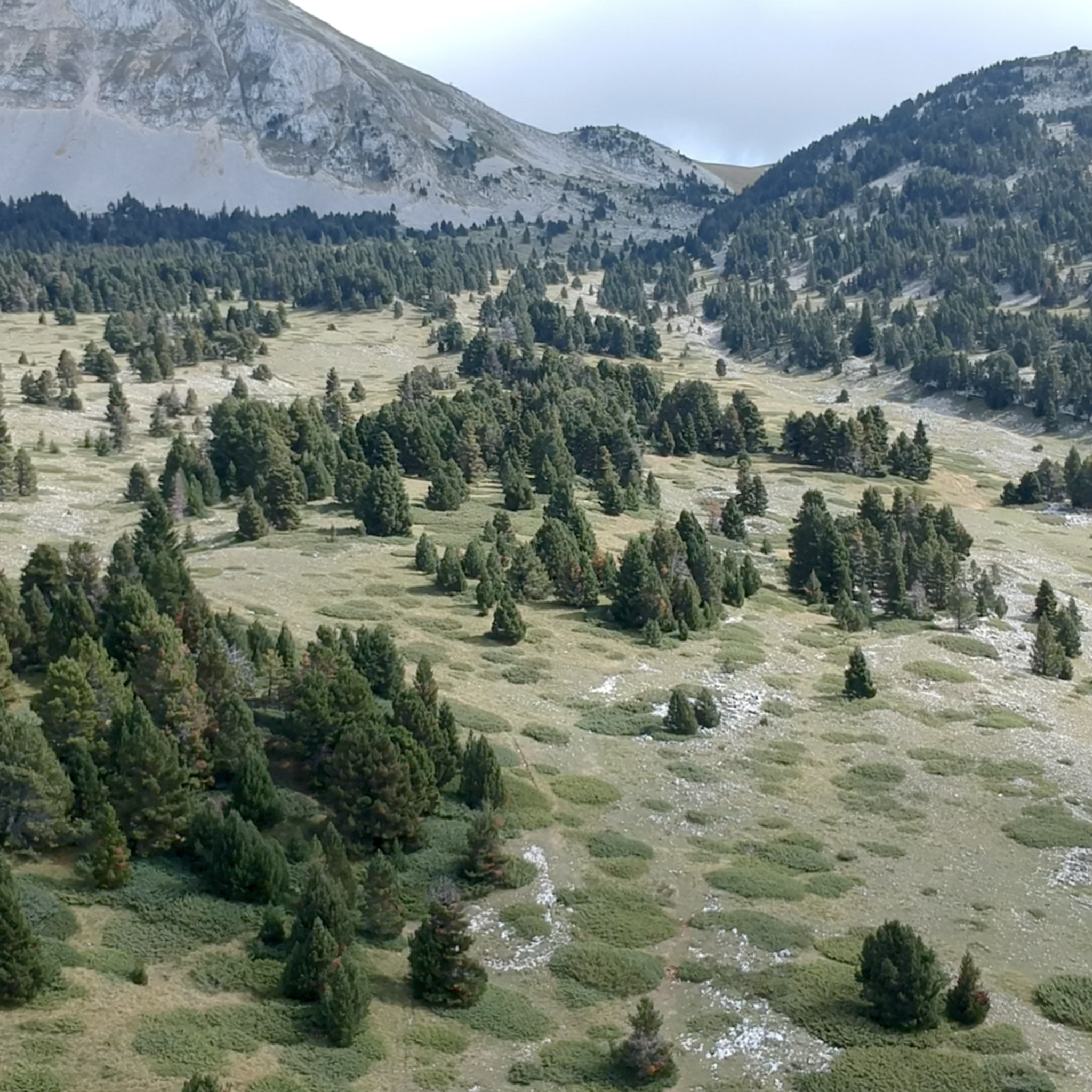
Best attractions and places to see around Réserve naturelle des Hauts Plateaux du Vercors include a diverse range of natural features. This region is the largest terrestrial nature reserve in metropolitan France, spanning 17,030 hectares without permanent habitation or roads. It features a varied geomorphology with cliffs, alpine pastures, forests, and limestone formations. The reserve is also a sanctuary for biodiversity, home to 738 species of flora and various wildlife.
Best attractions and places to see around Réserve naturelle des Hauts Plateaux du Vercors
- The most popular attractions is Grand Veymont, a summit that is the highest point of the Vercors at 2,341 meters. It offers panoramic views of the Alps and the Vercors plateaus, and ibexes are often sighted there.
- Another must-see spot is Bachassons Pass, a summit offering a gateway to the Hauts Plateaux du Vercors. Visitors can expect views of the Grand Veymont and opportunities to observe mountain goats.
- Visitors also love Pié Ferré (Le Dôme) – 2,041 m, a summit. This promontory provides a 360-degree panorama, including views of the Diois valley, Mont Aiguille, and Grand Veymont.
- Réserve naturelle des Hauts Plateaux du Vercors is known for its prominent peaks, extensive natural features, and historical traces. The area offers a variety of summits, passes, and refuges to explore.
- The attractions around Réserve naturelle des Hauts Plateaux du Vercors are appreciated by the komoot community, with 44 highlights, 100 photos, and 166 upvotes.
Last updated: July 6, 2026
Grand Veymont
Highlight • Summit
Translated by Google •
Tip by

Pié Ferré (Le Dôme) – 2,041 m
Highlight • Summit
Translated by Google •
Tip by

Sign up now to discover places like this
Get recommendations on the best single tracks, peaks, & plenty of other exciting outdoor places.
Sign up for free
Jasse du Play Refuge
Highlight • Other
On the other hand, we benefited from the lodging for us all alone, it was very quiet!! The plain in which it is located is magnificent and exudes tranquility.
Translated by Google •
Tip by

Bachassons Pass
Highlight • Summit
While the climb is steep, suddenly, two steps further, a huge seemingly infinite plateau opens up. Here you are in a world apart, protected, where the fauna is rich and calm is recommended.
Translated by Google •
Tip by

Pas de l'Aiguille Memorial
Highlight • Monument
It was built in memory of 23 resistance fighters near the cave where they died.
Translated by Google •
Tip by

Sign up for free to discover even more attractions around Réserve naturelle des Hauts Plateaux du Vercors.
Sign up for free
Already have an account?
Start today with a free account
Your next adventure awaits.
Login or Signup
Popular around Réserve naturelle des Hauts Plateaux du Vercors
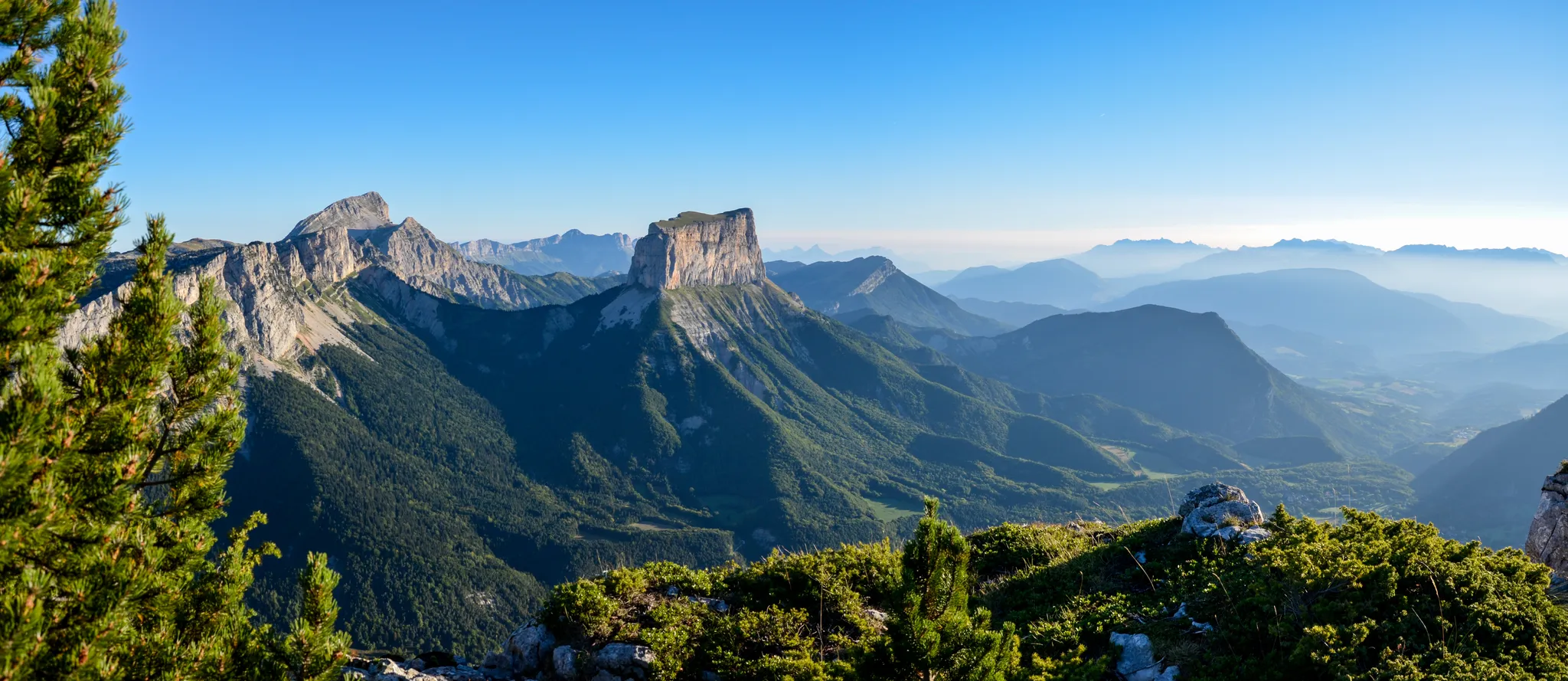
Grand Tour of the Vercors – first section
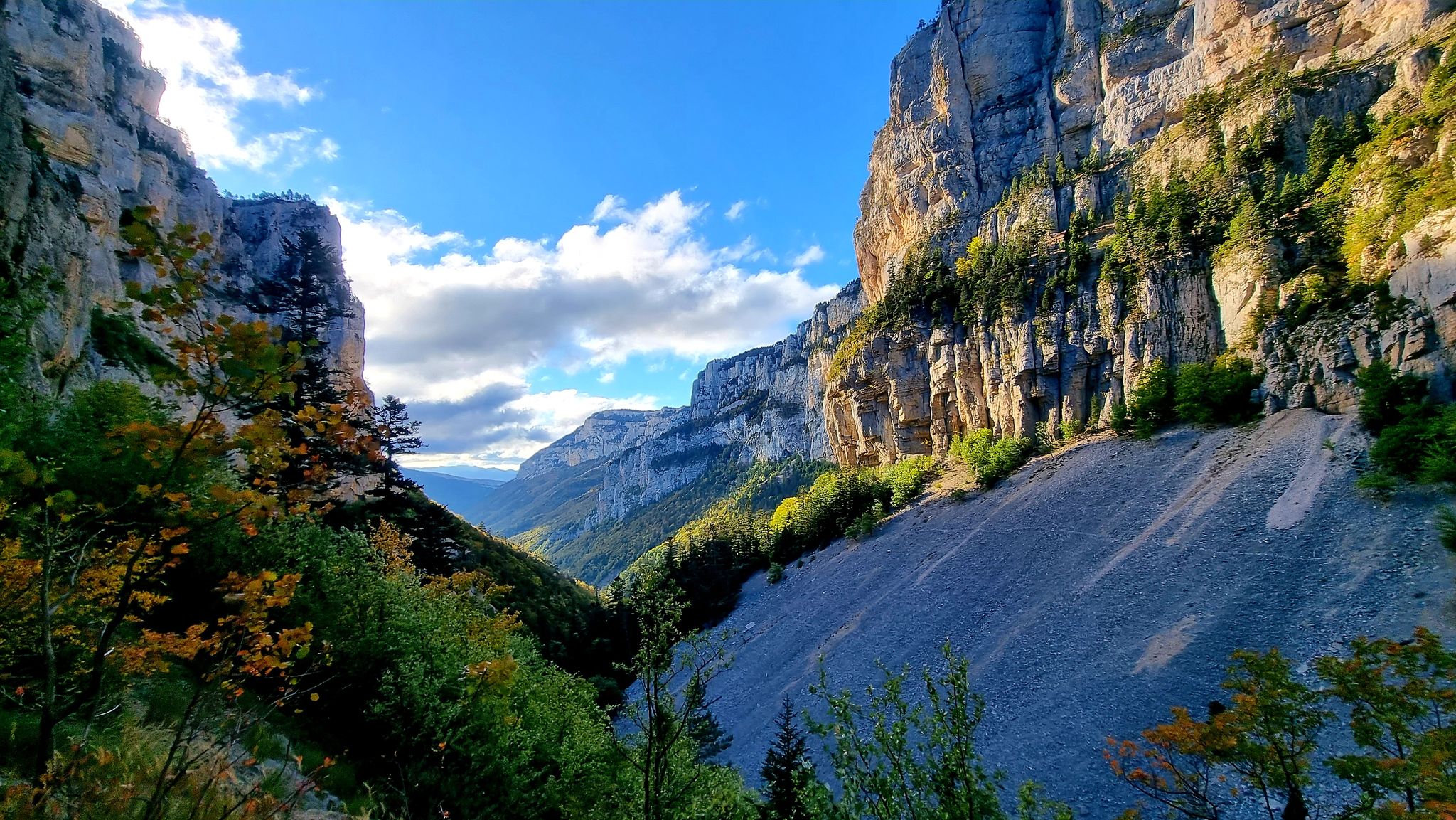
Écrins, Belledonne and Vercors – HexaTrek, Hautes-Alpes
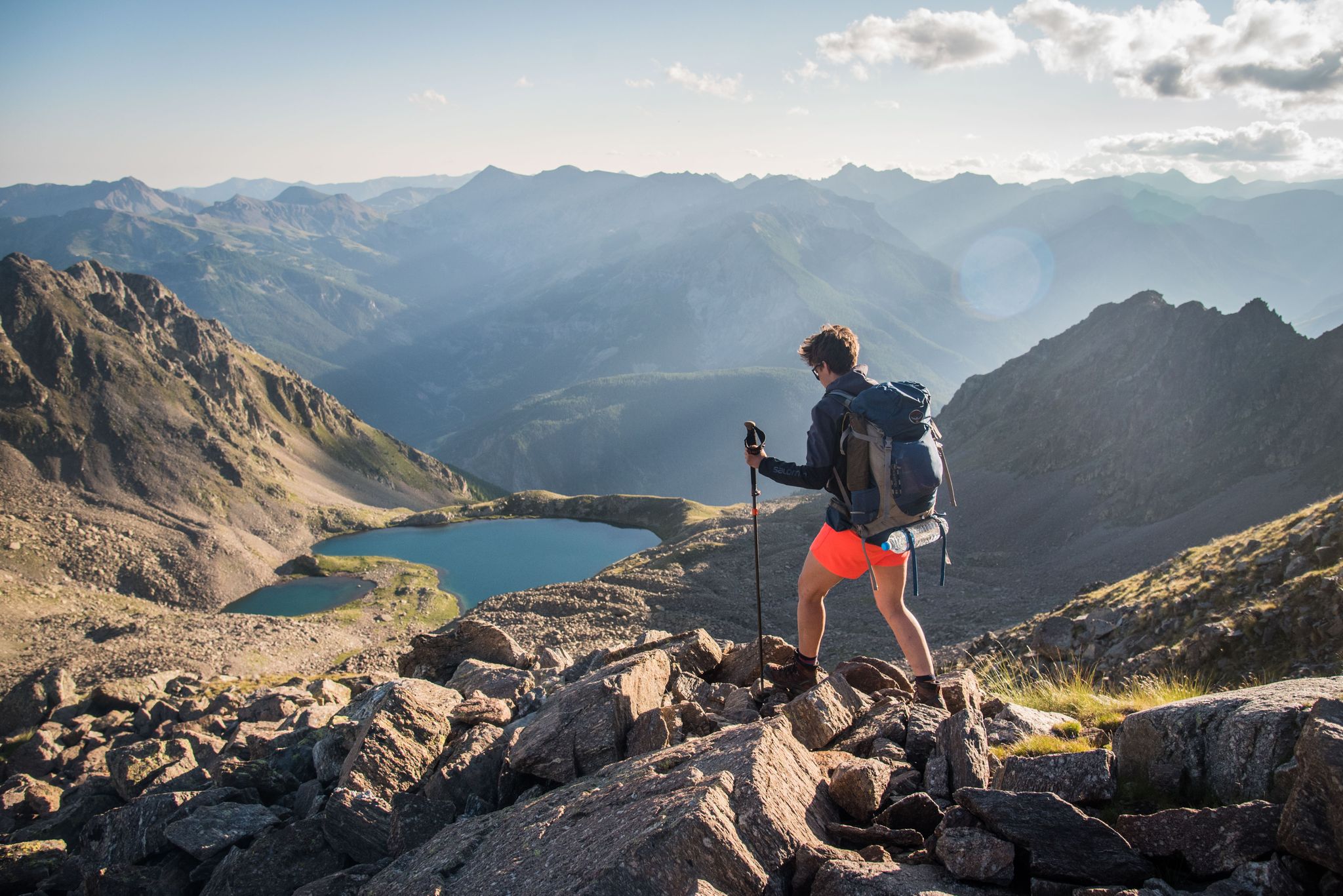
France — two weeks of hiking at its best!
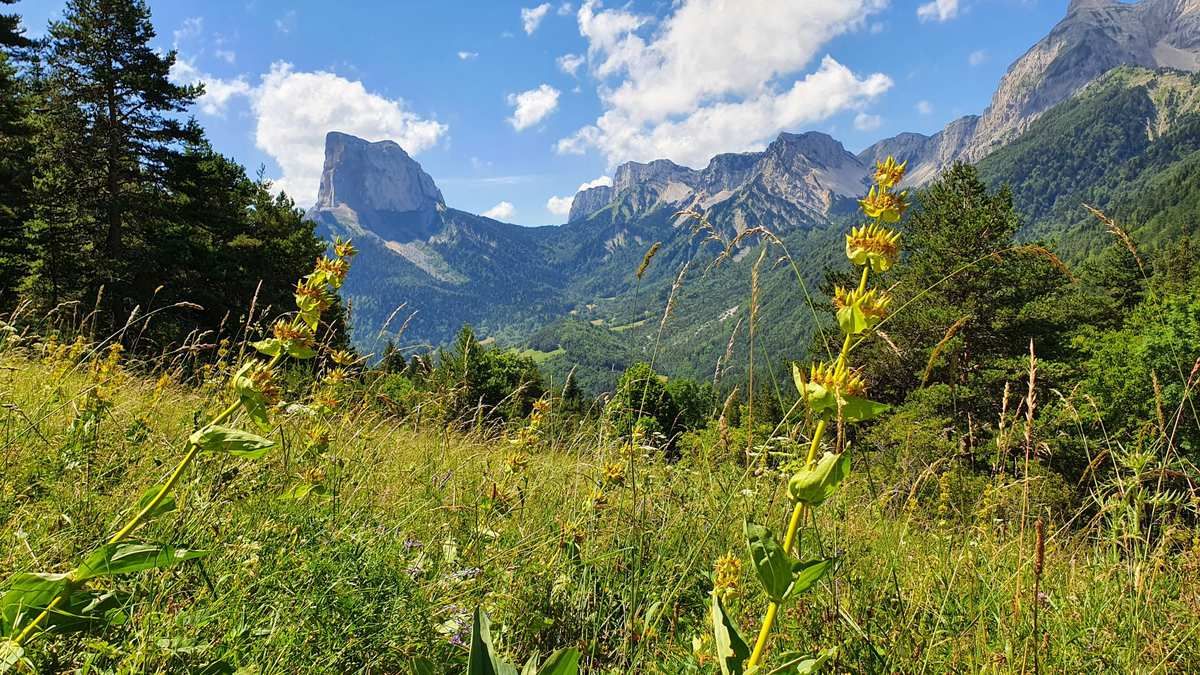
High altitude adventure — hiking across the high plateaus of the Vercors
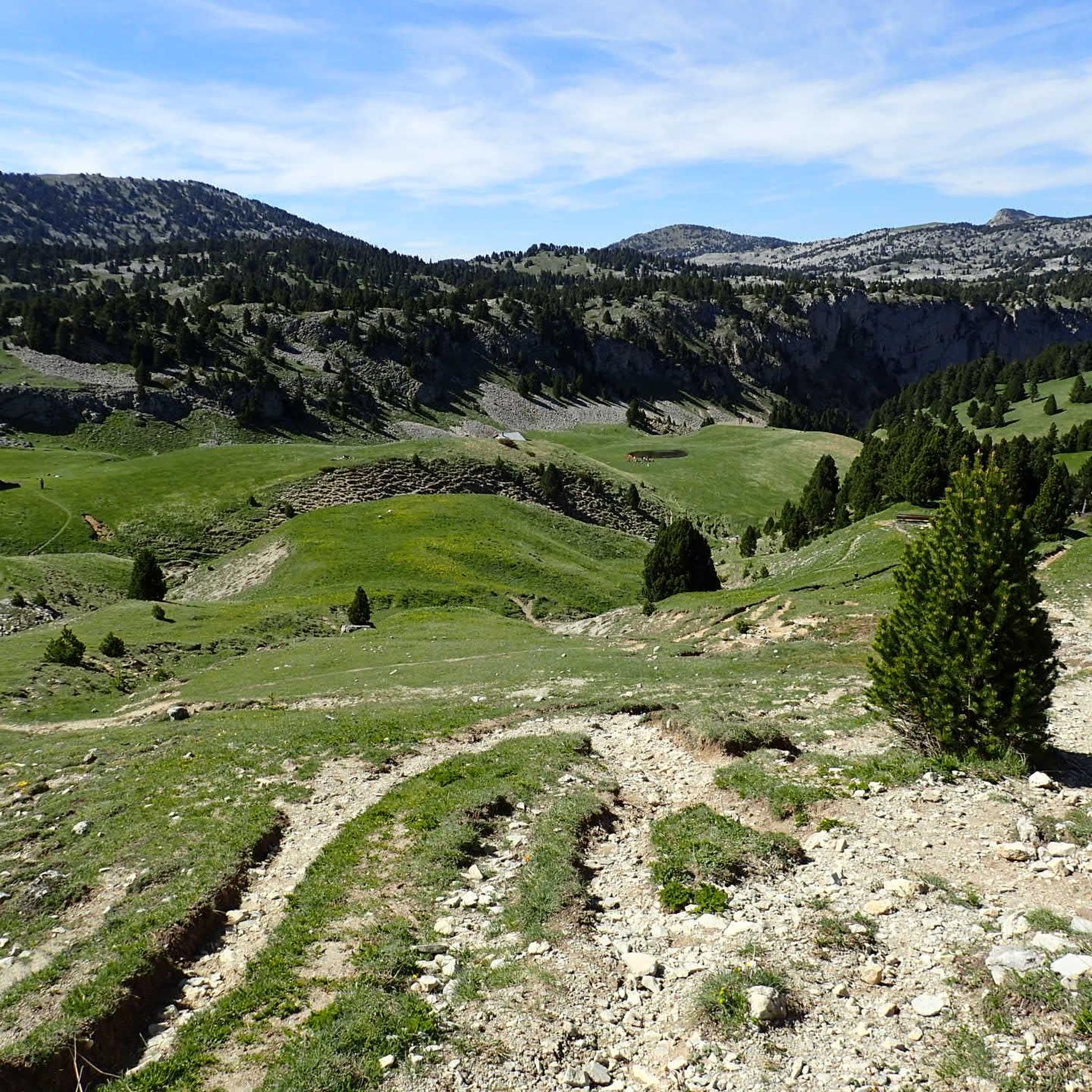
Road Cycling Routes around Réserve naturelle des Hauts Plateaux du Vercors
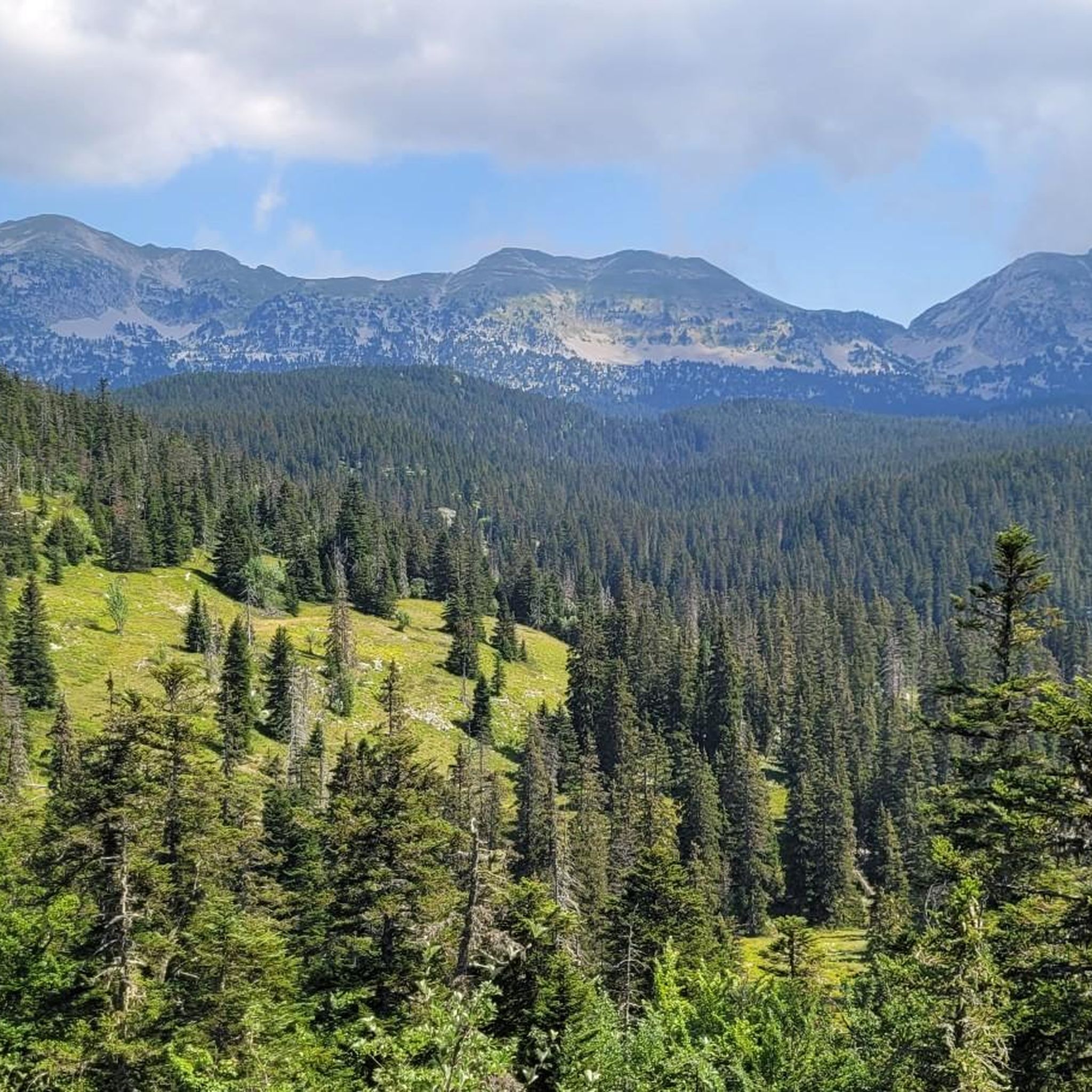
Hiking around Réserve naturelle des Hauts Plateaux du Vercors
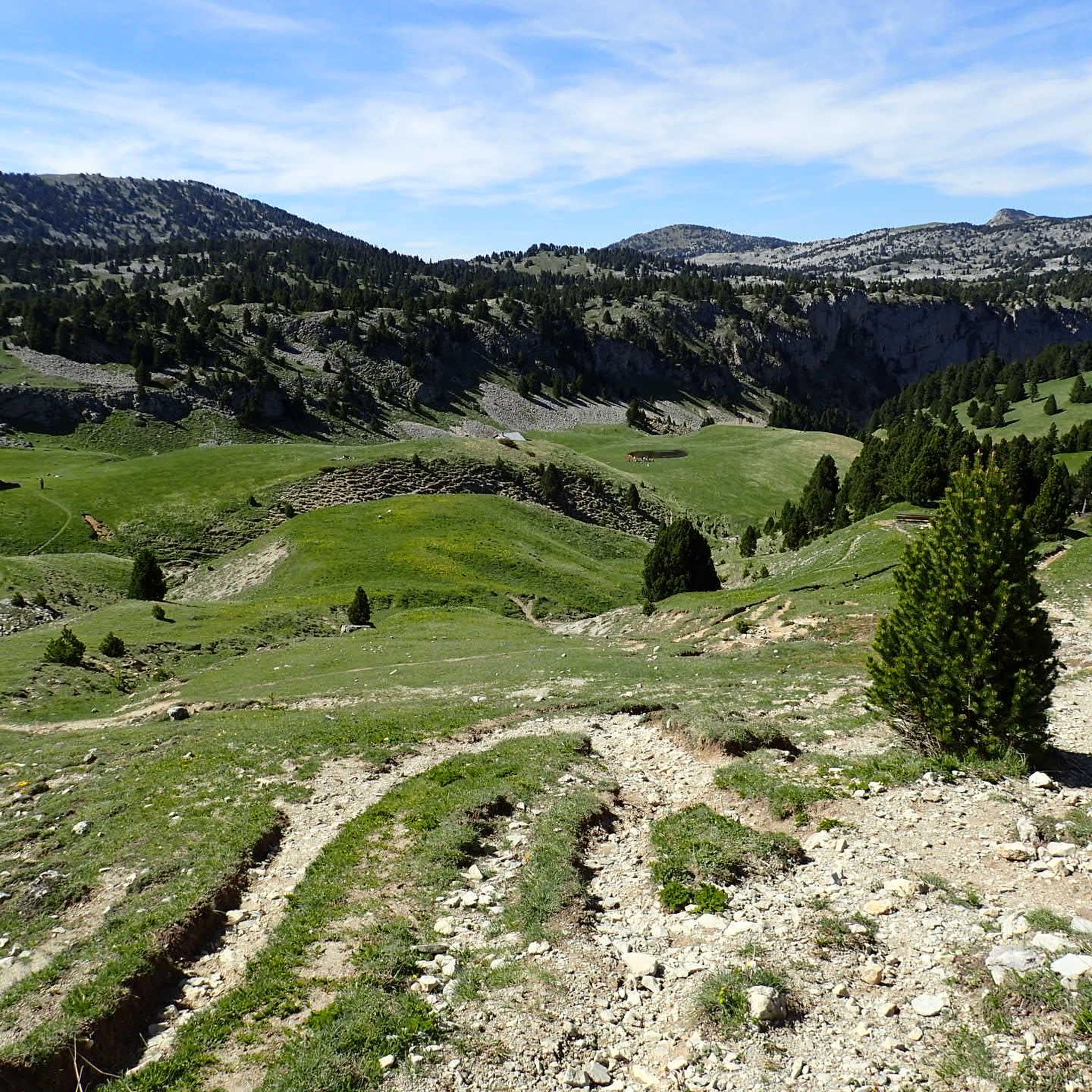
Cycling around Réserve naturelle des Hauts Plateaux du Vercors
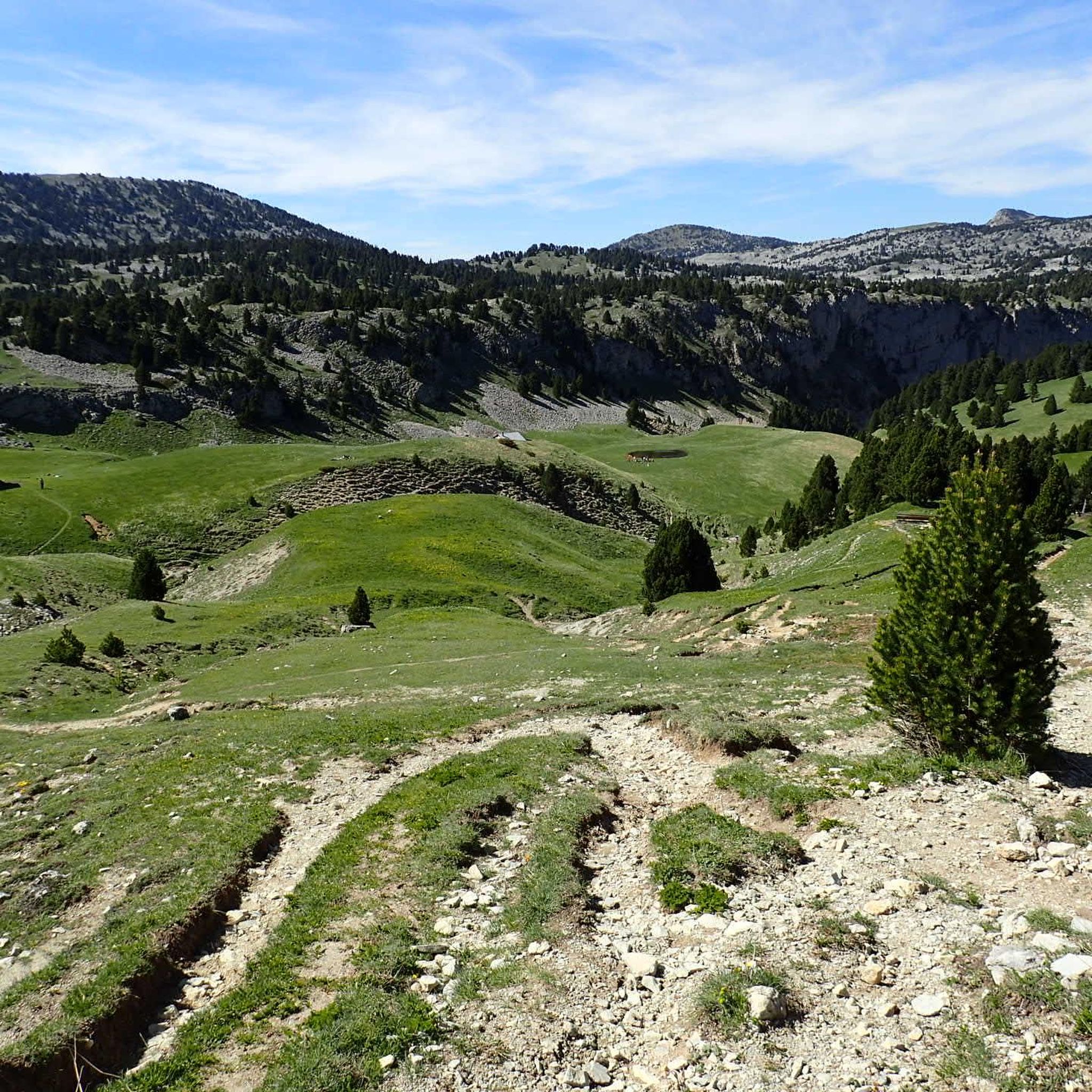
MTB Trails around Réserve naturelle des Hauts Plateaux du Vercors
Running Trails around Réserve naturelle des Hauts Plateaux du Vercors

Gravel biking around Réserve naturelle des Hauts Plateaux du Vercors
Other adventures around Réserve naturelle des Hauts Plateaux du Vercors


Tips from the Community

Very pretty viewpoint, very rolling, and you will surely be lucky enough to see some marmots and chamois! Quite a few passages under the trees, possibility to do it even if it's hot! 👌
0
0
As pretty at the top as at the bottom, lots of ways to get to the top, accessible for all levels (not technical but lots of elevation gain depending on your starting point) but it's worth it!
1
0
Very pretty, not technical trail for a hike, however plan to do the route in the opposite direction (start with the small climb) if you want a more rolling trail route. Very beautiful landscapes (no dangerous areas / climbing and as a bonus the possibility of seeing animals!
0
0

The fountain is located just below, one of the rare water points on the heights
1
0

The highest peak of the Vercors is very easy to cross. A little more exposed from the north, but without any real climbing spots, and even easier terrain from the south. Great panoramic views and into the distance - but particularly impressive from some places directly into the almost vertical eastern flank, which stretches over the entire chain in a slight curve to the Grande Moucherolle (the second highest peak) and beyond. And there were plenty of ibexes on my tour too.
3
1

From the La Coche car park, high Vercors plateau then climb that day in the clouds until the descent with ibexes and magnificent views. in pictures: https://youtu.be/8pB17Oq7F_k?si=IOz_0vT4bs_-bvpo
1
0

This national necropolis located in the Chaumailloux valley is the smallest in France. It was built in memory of 23 resistance fighters near the cave where they died.
0
0

The Grand Veymont is the highest point of the Vercors massif at 2,341 meters above sea level. This emblematic summit offers a wide panorama of the Gresse valley and the Vercors plateau.
3
0
Frequently Asked Questions
What are the most notable natural landmarks and viewpoints in the Réserve naturelle des Hauts Plateaux du Vercors?
The reserve is home to several prominent natural landmarks. The Grand Veymont, at 2,341 meters, is the highest peak in the Vercors massif, offering panoramic views of the Alps and the Vercors plateaus. Another significant point is Pié Ferré (Le Dôme) – 2,041 m, which provides an exceptional 360-degree panorama including views of the Diois valley, Mont Aiguille, and Grand Veymont. The Bachassons Pass also offers a spectacular gateway to the Hauts Plateaux, with views of the Grand Veymont and opportunities to observe mountain goats. Mont Aiguille, an iconic isolated rock formation, is also a striking feature visible from various trails.
What kind of wildlife can I expect to see in the Réserve naturelle des Hauts Plateaux du Vercors?
The reserve is a sanctuary for diverse wildlife. Visitors often spot mountain species such as marmots, chamois, and golden eagles. Ibexes are frequently sighted, especially around Grand Veymont. Rarer birds like the black grouse, Alpine ptarmigan, Eurasian pygmy owl, and Tengmalm's owl can also be found. Reintroduced species include the Alpine ibex, bearded vulture, and griffon vulture, and wolves have also made a return to the territory.
Are there any historical sites or cultural points of interest within the reserve?
While the reserve is primarily a wilderness area without permanent habitation, it holds traces of human history. The Pas de l'Aiguille Memorial is a national necropolis commemorating 23 resistance fighters. You can also find simple, un-guarded shepherds' huts, like the Carette shelter or the Jasse du Play Refuge, which offer basic refuge for hikers and a glimpse into the traditional pastoral use of the high plateaus. Archaeological evidence suggests human activity dating back over a thousand years, and even Neanderthal camps from 140,000 to 45,000 years ago near the reserve.
What are the best times to visit the Réserve naturelle des Hauts Plateaux du Vercors?
The best time to visit largely depends on the activities you plan. For hiking and wildlife viewing, late spring to early autumn (May to October) offers the most favorable weather conditions. During these months, the alpine pastures are vibrant with flora, and trails are generally clear of snow. Winter offers opportunities for snowshoeing or cross-country skiing, but access can be more challenging, and some refuges might be less accessible.
What kind of hiking trails are available in the Réserve naturelle des Hauts Plateaux du Vercors?
The reserve features an extensive network of hiking trails catering to various difficulty levels. Major routes include the GR® 91, GR® 93, and the Sentier Central, with the GR-91 forming part of the 'Vercors Great Crossing' for multi-day treks. For those seeking easier options, there are several easy hikes around the area, such as the 'Views of Mont Aiguille – Pisse Waterfall loop' or the 'Vue du Mont Aiguille – Pas de l'Aiguille Memorial loop'. You can find more details on these and other trails on the Easy hikes around Réserve naturelle des Hauts Plateaux du Vercors guide.
Are there any family-friendly activities or walks in the Vercors Natural Park?
While the core reserve is rugged, the broader Vercors Natural Park offers family-friendly options. Many of the easier hikes, especially those with views of Mont Aiguille, are suitable for families. These often involve shorter distances and less elevation gain. The natural beauty and opportunities to spot wildlife like marmots can be very engaging for children. Always check specific trail difficulty and length to ensure it's appropriate for your family's capabilities.
Can I bring my dog to the Réserve naturelle des Hauts Plateaux du Vercors?
As a strict nature reserve, regulations regarding dogs are typically stringent to protect wildlife. Dogs are generally not allowed, even on a leash, within the core zone of the Réserve naturelle nationale des Hauts Plateaux du Vercors to minimize disturbance to sensitive species like chamois, ibex, and ground-nesting birds. It's crucial to check the most current regulations from official sources before planning your visit with a dog.
What are the terrain and difficulty levels of the trails in the Réserve naturelle des Hauts Plateaux du Vercors?
The reserve's terrain is varied and can be challenging. It features dizzying cliffs, vast alpine pastures, dense forests, and chaotic limestone formations (lapiaz). Many trails, especially those leading to summits like Grand Veymont, are considered challenging due to significant elevation gain and rocky paths. However, there are also intermediate options like Pié Ferré (Le Dôme) – 2,041 m, and easier walks can be found around the periphery of the reserve. Always be prepared for changing weather conditions and uneven surfaces.
What outdoor activities, besides hiking, can I do near these attractions?
Beyond hiking, the region around the Réserve naturelle des Hauts Plateaux du Vercors is excellent for various outdoor sports. Road cycling is popular, with routes like the 'Wonderful Col de Rousset – Panoramic View of the Diois loop'. Gravel biking is also an option, with challenging routes such as the 'Châtillon-en-Diois – Miscon Pass loop'. You can explore more cycling routes on the Road Cycling Routes around Réserve naturelle des Hauts Plateaux du Vercors guide and the Gravel biking around Réserve naturelle des Hauts Plateaux du Vercors guide.
What do visitors enjoy most about the Réserve naturelle des Hauts Plateaux du Vercors?
Visitors consistently praise the stunning 360-degree panoramic views from peaks like Grand Veymont and Pié Ferré (Le Dôme) – 2,041 m. The rich fauna, including frequent sightings of ibexes and marmots, is a major highlight. The sense of tranquility and immersion in a protected, wild environment, especially when staying in refuges like Jasse du Play Refuge, is also highly valued. The dramatic and varied landscapes, from cliffs to alpine pastures, contribute to an unforgettable experience.
Are there any accommodations or amenities directly within the Réserve naturelle des Hauts Plateaux du Vercors?
The Réserve naturelle des Hauts Plateaux du Vercors is intentionally free from permanent habitation and roads, meaning there are no hotels, cafes, or traditional amenities directly within its boundaries. However, there are simple, un-guarded shepherds' huts and refuges, such as the Jasse du Play Refuge, which offer basic overnight shelter for hikers. For more comprehensive accommodations, restaurants, and supplies, you would need to look in the villages and towns surrounding the reserve.
What should I pack for hiking in the Vercors region?
Given the varied terrain and potential for rapid weather changes, it's essential to pack appropriately. Recommended items include sturdy hiking boots, layered clothing (even in summer), waterproof and windproof outerwear, a map and compass or GPS device, sufficient water, high-energy snacks, sun protection (hat, sunscreen), a first-aid kit, and a headlamp. For overnight stays in refuges, a sleeping bag and mat are necessary. Always check the weather forecast before heading out.
Most popular routes around Réserve naturelle des Hauts Plateaux du Vercors
Most popular attractions around Réserve naturelle des Hauts Plateaux du Vercors

Get inspired with the komoot mobile app


Explore more
Still not found the Highlight you’re looking for? See guides of the top attractions in other regions:
