National Park Calblanque, Monte de las Cenizas y Peña del Águila
National Park Calblanque, Monte de las Cenizas y Peña del Águila
Attractions and Places To See around National Park Calblanque, Monte de las Cenizas y Peña del Águila - Top 20
Best attractions and places to see around National Park Calblanque, Monte de las Cenizas y Peña del Águila offers a diverse landscape of pristine beaches, arid mountains, and dramatic cliffs. This protected natural area in the Murcia Region features unique fossil dunes and white salt lakes, important for birdwatching. The park also contains significant historical military installations and remnants of an ancient Roman road. It provides a blend of natural beauty and cultural sites for outdoor enthusiasts.
Best attractions and places to see around National Park Calblanque, Monte de las Cenizas y Peña del Águila
- The most popular attractions is La Chapa Battery and Portmán Lighthouse, a man-made monument that offers beautiful views of Portmán Bay, the beach, and the lighthouse. It is built on the ruins of the Torre de San Gil and came into operation in 1865.
- Another must-see spot is Calblanque Beach, a beach known for its wide, sandy, and unspoiled character. It is a popular public beach, accessible and clean, with spectacular virgin sands.
- Visitors also love Peña del Águila Trail, a trail that connects Llano del Beal with the car park for the ascent to the Cenizas Battery and the Pórtman road. This route offers a varied landscape and is appreciated for its scenic views.
- National Park Calblanque, Monte de las Cenizas y Peña del Águila is known for its pristine beaches, arid mountains, and historical military sites. Visitors can explore diverse landscapes, from coastal areas to mountain viewpoints and historical landmarks.
- The attractions around National Park Calblanque, Monte de las Cenizas y Peña del Águila are appreciated by the komoot community, with 26 highlights featuring 44 photos and receiving 82 upvotes.
Last updated: July 6, 2026
La Chapa Battery and Portmán Lighthouse
Highlight • Monument
Translated by Google •
Tip by

Calblanque, Monte de las Cenizas and Peña del Águila Regional Park
Highlight • Natural Monument
It covers an area of 2,400 hectares and has 13 kilometres of coastline.
From the bay of Cala Reona, in Cabo de Palos, to the mining town of Portmán, you can enjoy the very well-preserved environment of Calblanque, a combination of beautiful coves, dunes, sandy areas, salt flats and cliffs. The wildlife reserve of the Parque Natural de Calblanque includes rock formations that run parallel to the sea and descend gently to the flattest area: the Salinas del Rasall.
The pristine waters and the spectacular seabed, a favourite of divers, make Calblanque "a paradise at sea with the wildest, most natural side of the Murcian coastline".
This nature reserve represents one of the last unspoilt areas along the Mediterranean coast. Its enormous natural wealth is based on the arid mountains, the long, ochre and golden beaches, as well as the solitary coves, the formation of the fossil dunes, the white salt lakes and the mountain ranges, which contrast with the blue sea. There are no facilities here (apart from a few toilets in the visitor centre) so don't forget to pack a picnic!
To access the Calblanque Regional Park, take the motorway to La Manga, exit 10 and be ready to enjoy this Murcian gem.
Translated by Google •
Tip by

Sign up now to discover places like this
Get recommendations on the best single tracks, peaks, & plenty of other exciting outdoor places.
Sign up for free
Peña del Águila Trail
Highlight • Trail
Translated by Google •
Tip by

Calblanque Beach
Highlight • Beach
Tip by

Mirador de Cenizas
Highlight (Segment) • Viewpoint
Translated by Google •
Tip by

Sign up for free to discover even more attractions around National Park Calblanque, Monte de las Cenizas y Peña del Águila.
Sign up for free
Already have an account?
Start today with a free account
Your next adventure awaits.
Login or Signup
Popular around National Park Calblanque, Monte de las Cenizas y Peña del Águila
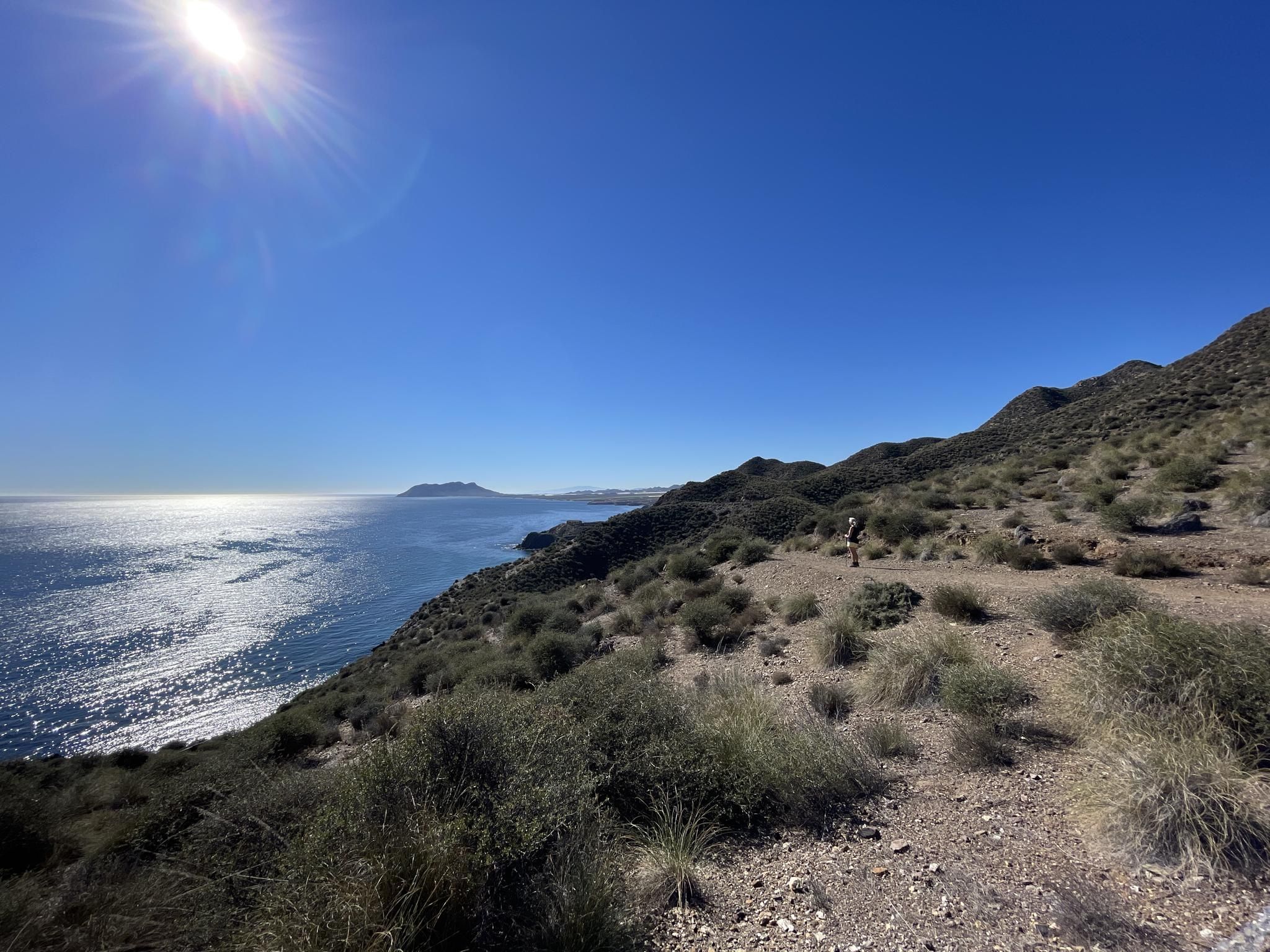
Mediterranean industry and nature – hike the GR 92 in Murcia
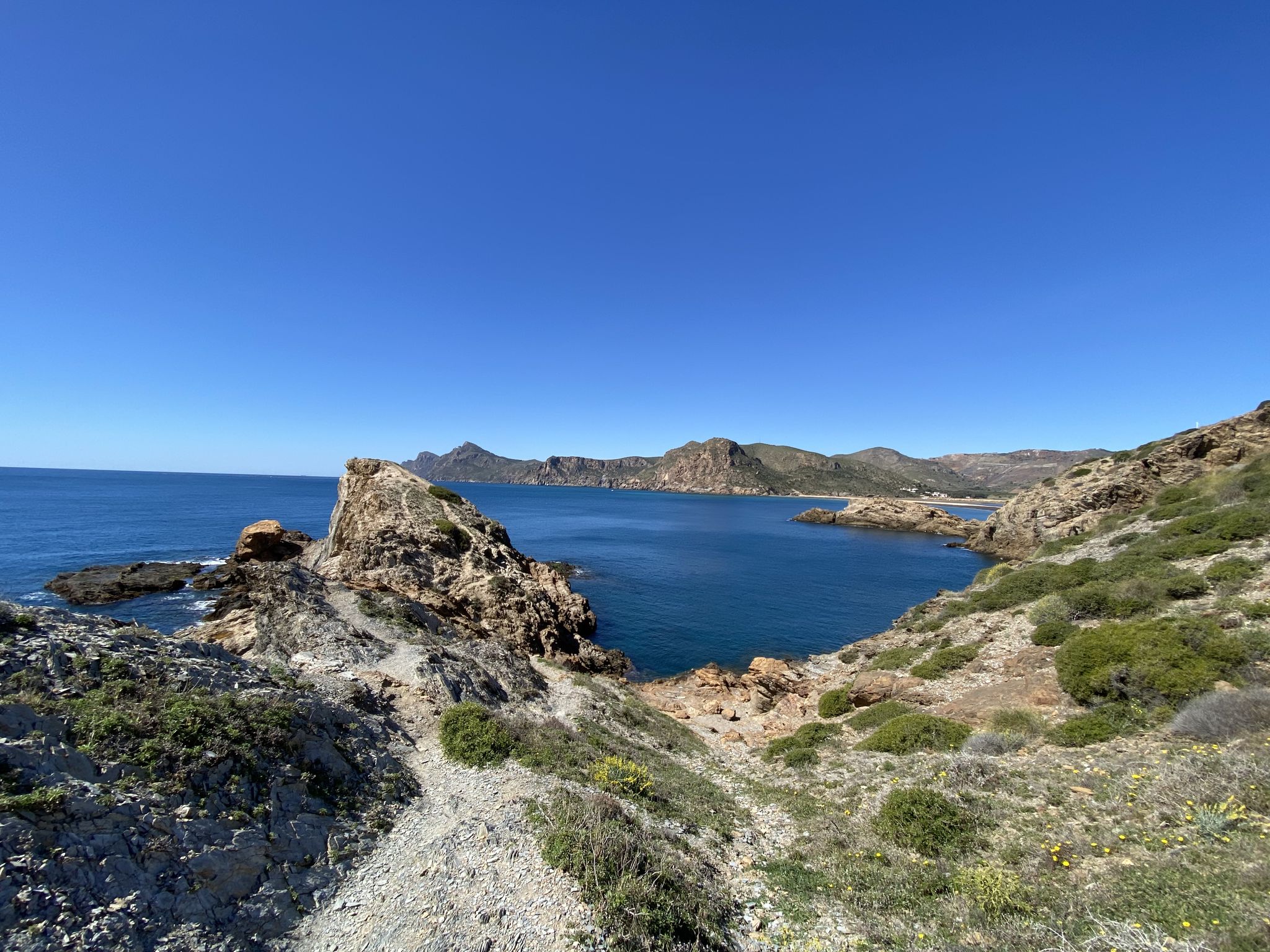
Walk among volcanoes and cliffs – Cape Palos and Calblanque
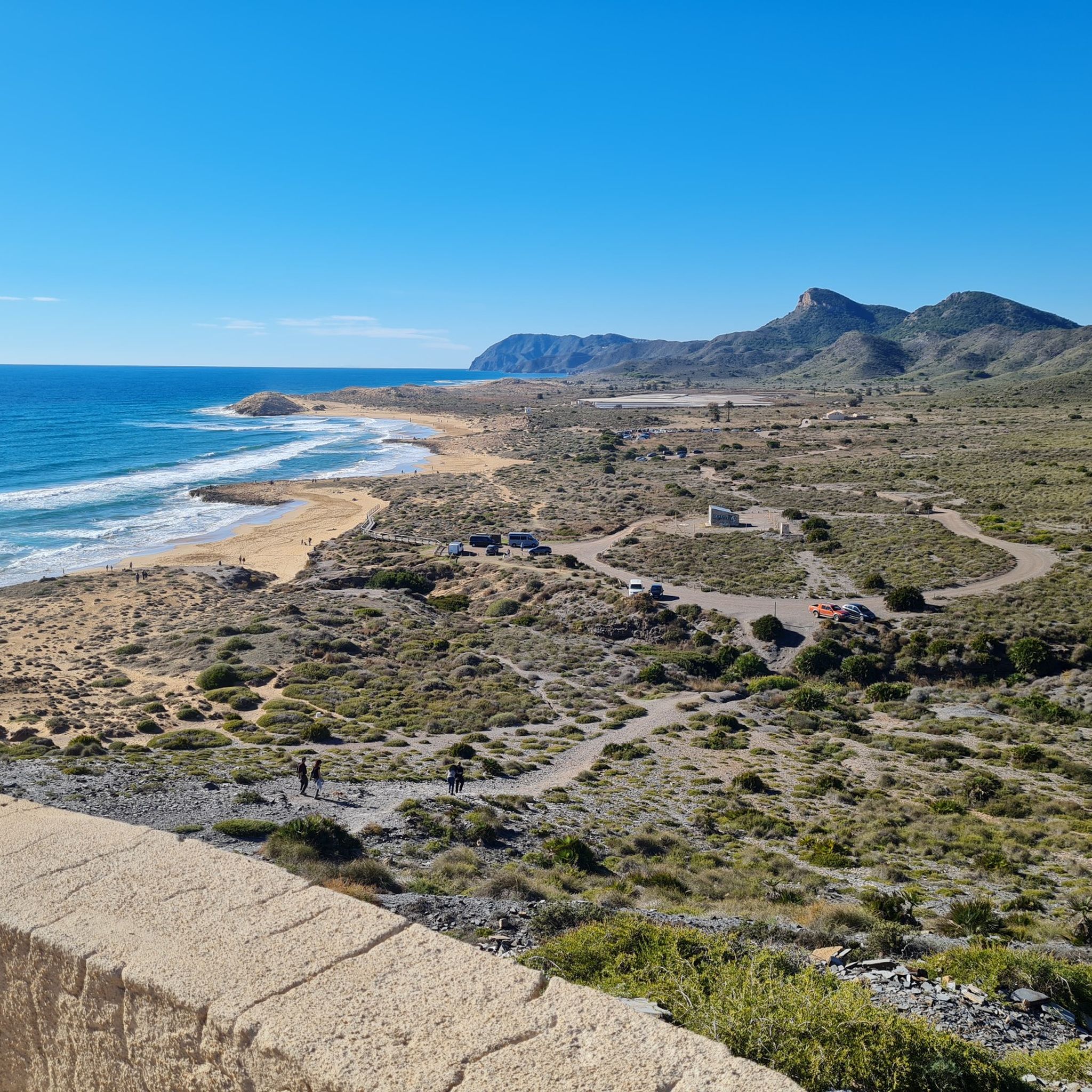
Hiking around National Park Calblanque, Monte de las Cenizas y Peña del Águila
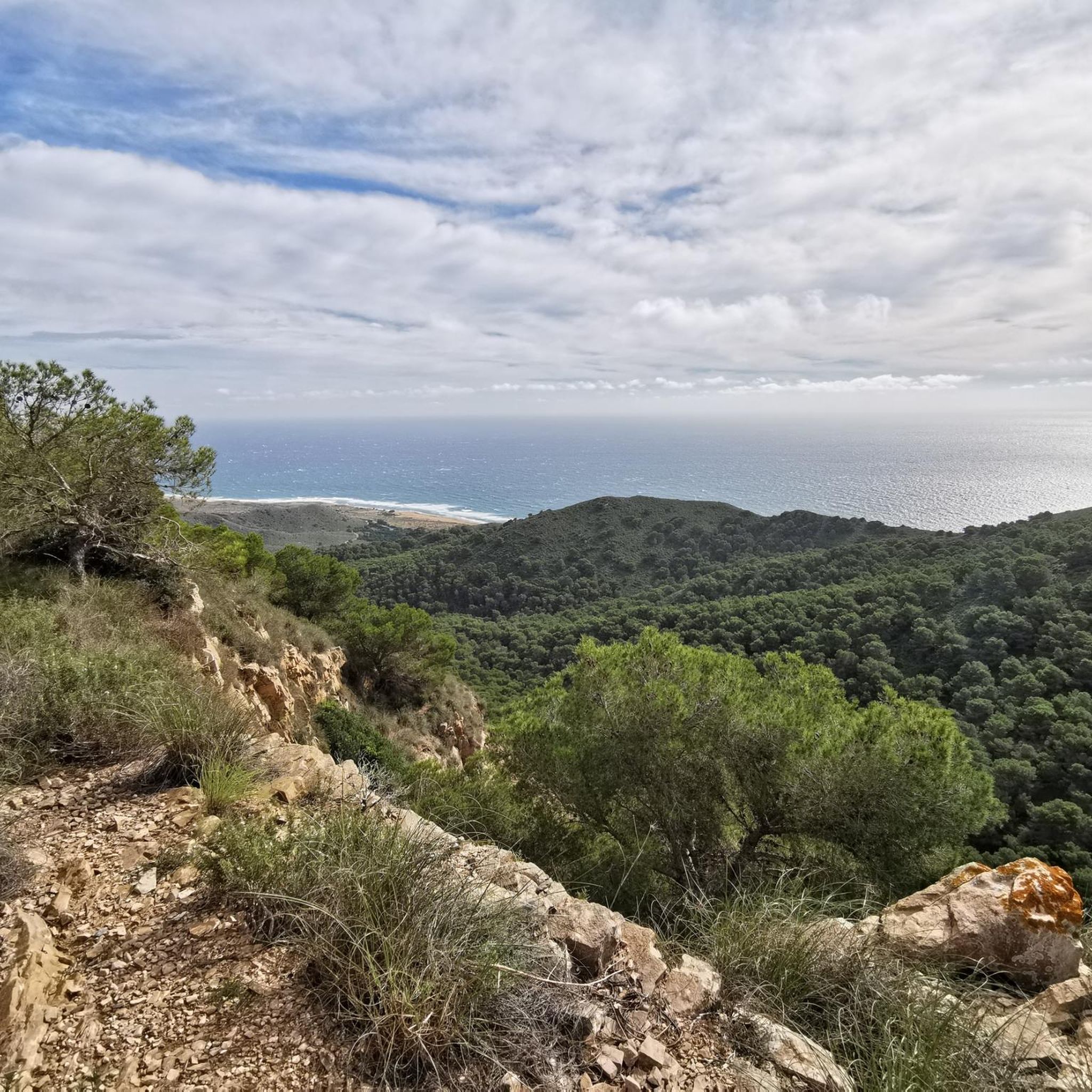
Cycling around National Park Calblanque, Monte de las Cenizas y Peña del Águila
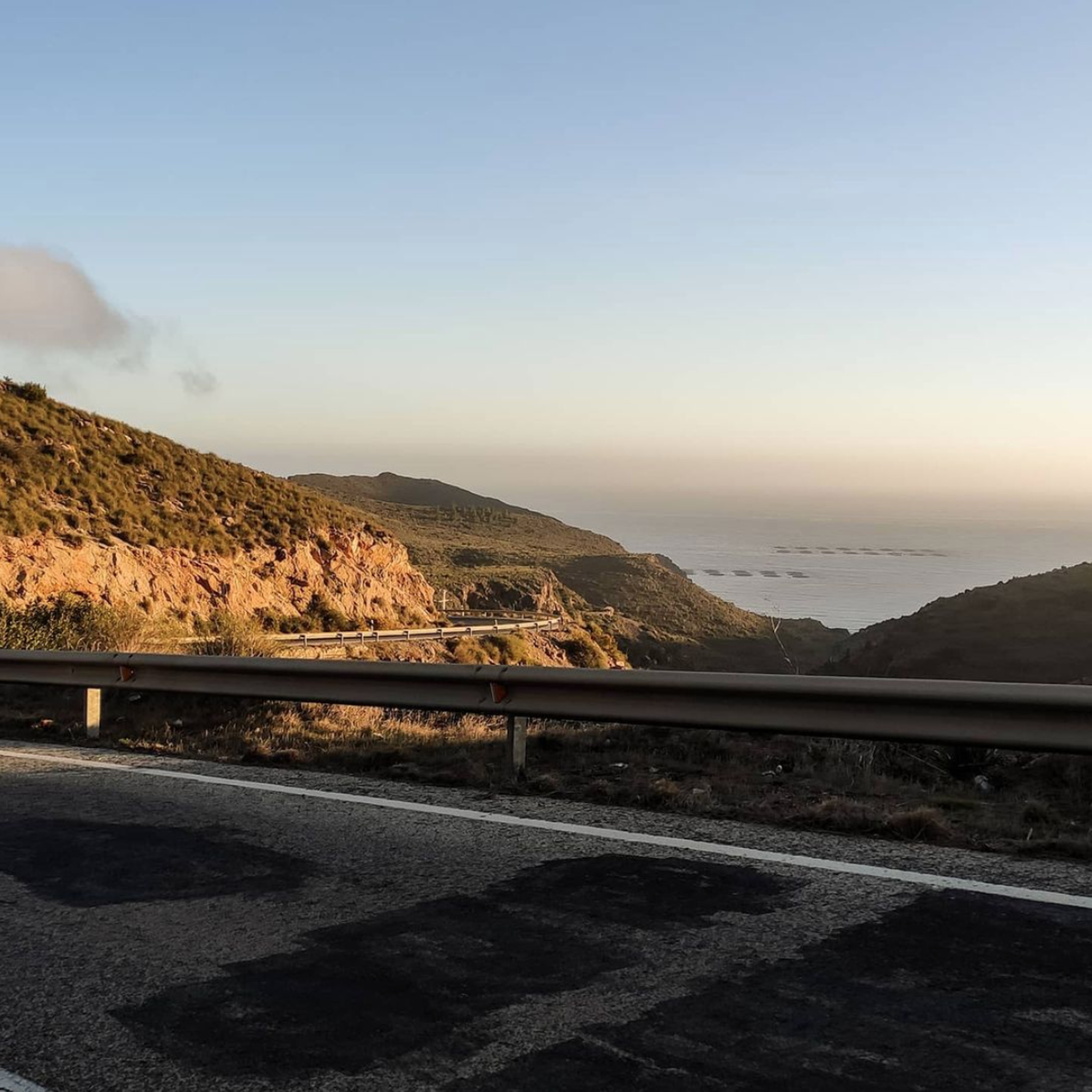
Road Cycling Routes around National Park Calblanque, Monte de las Cenizas y Peña del Águila
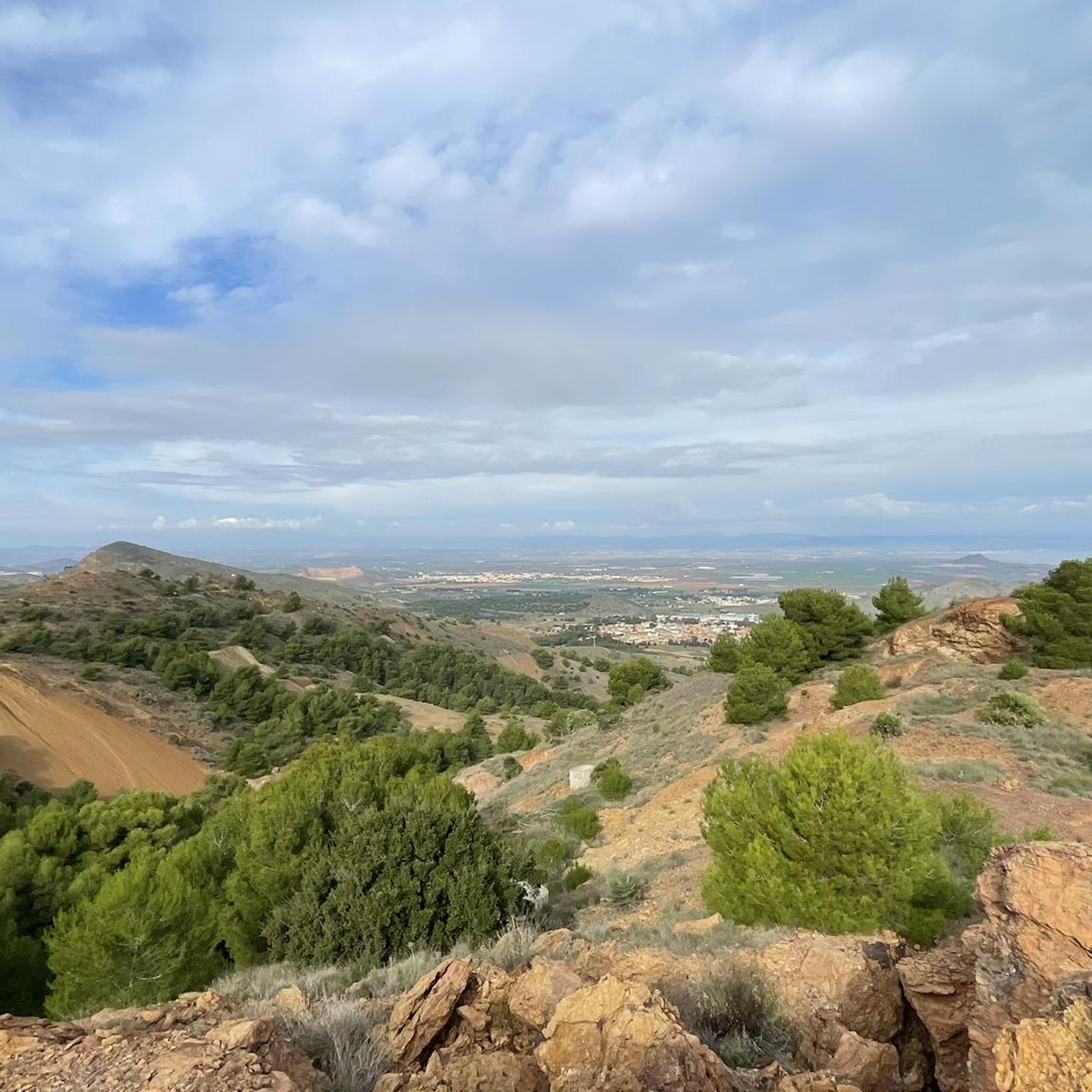
Running Trails around National Park Calblanque, Monte de las Cenizas y Peña del Águila
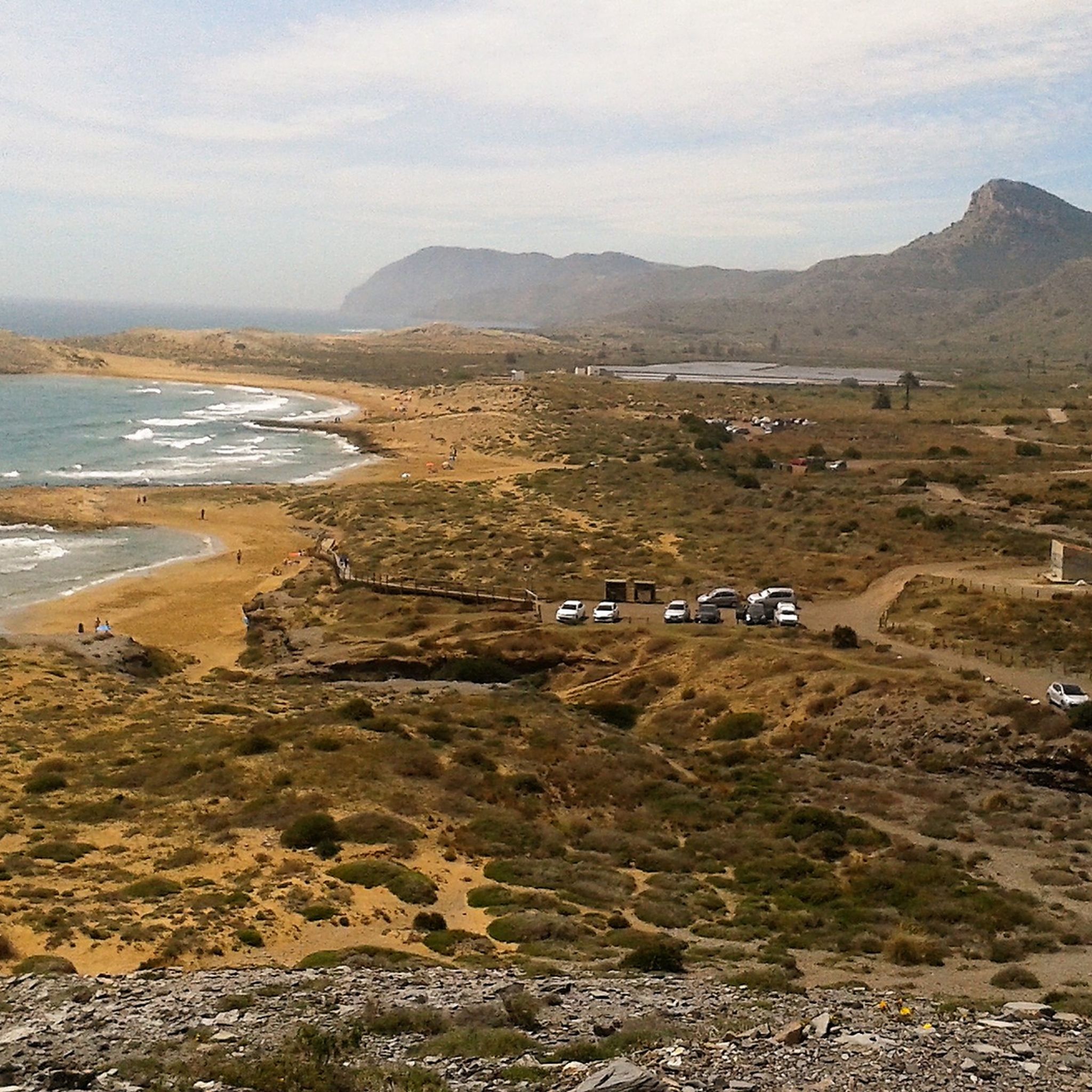
MTB Trails around National Park Calblanque, Monte de las Cenizas y Peña del Águila

Gravel biking around National Park Calblanque, Monte de las Cenizas y Peña del Águila
Other adventures around National Park Calblanque, Monte de las Cenizas y Peña del Águila


Tips from the Community

Park Calblanque is probably the best Natural Park to visit in Murcia. It is near to Cartagena, which in itself is worth a visit to enjoy the vibrant town and Roman history. Park Calblanque has stunning natural beaches. sand dunes and a wild coastline. Highly recommended.
0
0


The Calblanque Regional Park is a coastal destination in the Region of Murcia, which has been a protected natural area since 1987 and a nature reserve since 1992. It covers an area of 2,400 hectares and has 13 kilometres of coastline. From the bay of Cala Reona, in Cabo de Palos, to the mining town of Portmán, you can enjoy the very well-preserved environment of Calblanque, a combination of beautiful coves, dunes, sandy areas, salt flats and cliffs. The wildlife reserve of the Parque Natural de Calblanque includes rock formations that run parallel to the sea and descend gently to the flattest area: the Salinas del Rasall. The pristine waters and the spectacular seabed, a favourite of divers, make Calblanque "a paradise at sea with the wildest, most natural side of the Murcian coastline". This nature reserve represents one of the last unspoilt areas along the Mediterranean coast. Its enormous natural wealth is based on the arid mountains, the long, ochre and golden beaches, as well as the solitary coves, the formation of the fossil dunes, the white salt lakes and the mountain ranges, which contrast with the blue sea. There are no facilities here (apart from a few toilets in the visitor centre) so don't forget to pack a picnic! To access the Calblanque Regional Park, take the motorway to La Manga, exit 10 and be ready to enjoy this Murcian gem.
0
0


The Faro de Portmán was originally built in 1865 to ensure safe navigation along the Costa Cálida. The coast is partly rocky and has historically been dangerous for navigation, especially during periods of heavy shipping traffic when mining was carried out in the region. The lighthouse stands on a rocky hill at the entrance to the bay of Portmán, a former mining and fishing village, and offers picturesque views of the Mediterranean Sea and the surrounding coastal landscapes. The Faro de Portmán is a beautiful destination for a tour. Due to its elevated position, the Faro de Portmán offers excellent views over the sea and the rugged coastline. In good weather, large parts of the Mediterranean coast and the surrounding hills can be seen from here.
0
0

The beach can be reached directly from a public car park.
0
0

Mirador de Cenizas is a breathtaking viewpoint located in the Calblanque, Monte de las Cenizas y Peña del Águila Natural Park, near Portman, Spain. Perched approximately 300 metres above sea level, it offers panoramic views that stretch along the entire coastline, from the Mar Menor and La Manga to the sheer cliffs between La Unión and Escombreras, leading towards Cartagena. It is a popular spot for hikers and nature lovers, offering a perfect blend of natural beauty and historical intrigue with its abandoned military base.
1
0

Nice view from Faro. I was there on December 29th. with overcast skies and only 15 degrees here. Nevertheless, I found this stretch of coast attractive. The paths are easy to manage.
0
0
Frequently Asked Questions
What types of beaches can I explore in Calblanque National Park?
The park is renowned for its diverse and unspoiled coastline. You can find wide, sandy beaches like Playa Larga, which is also nudist-friendly, and more remote options such as Negrete Beach with its fine, tan-colored sand. Cala Arturo is popular with surfers, while Cola de Caballo beach features distinctive black sand and is known for cetacean sightings. Secluded spots like Playa Parreño and Las Cañas Cove offer quiet retreats. The pristine waters and spectacular seabed also make Calblanque a favorite for divers.
What historical landmarks are there to visit in the region?
The area is rich in history, particularly with military installations. You can visit the La Chapa Battery and Portmán Lighthouse, which offers beautiful views of Portmán Bay and dates back to 1865. Another significant site is the Batería de Cenizas on Monte de las Cenizas, an abandoned military base featuring impressive Vickers 1923 cannons and panoramic coastal views. Hiking routes in Monte de las Cenizas also reveal remnants of an ancient Roman road.
Are there good hiking opportunities in Calblanque, Monte de las Cenizas y Peña del Águila?
Yes, the park boasts numerous scenic trails suitable for various fitness levels. You can explore rugged terrain, pine forests, and coastal paths, many of which lead to breathtaking views or secluded coves only accessible by foot. A notable route is the Peña del Águila Trail, which connects Llano del Beal with the car park for the ascent to the Cenizas Battery. For more detailed routes, you can explore the Running Trails around National Park Calblanque, Monte de las Cenizas y Peña del Águila guide.
What unique natural features can I observe in the park?
Beyond its stunning beaches, the park features unique fossil dunes and white salt lakes, such as the Salinas del Rasall, which are important for birdwatching, including sightings of flamingos. The landscape also includes arid mountains that gently descend to flatter areas, impressive sea cliffs, and coastal pine forests, offering a diverse natural environment.
Where can I find the best panoramic views in the area?
For breathtaking vistas, head to Mirador de Cenizas, located approximately 300 meters above sea level on Monte de las Cenizas. From here, you can enjoy panoramic views stretching from the Mar Menor and La Manga to the cliffs between La Unión and Escombreras. The Batería de Cenizas also offers magnificent views of the entire coastline.
Is Calblanque National Park suitable for family visits?
Yes, the park offers several family-friendly attractions. Calblanque Beach is a popular public beach, known for being accessible and clean, making it suitable for families. The Las Cobaticas Visitor Centre provides informative material and exhibitions about the park's environment, which can be engaging for children. While the park is intentionally undeveloped, its natural beauty and wildlife spotting opportunities can be very appealing to families.
Can I go cycling in the National Park Calblanque area?
Absolutely. The park and its surroundings offer various cycling opportunities. You can find trails winding through rugged terrain and coastal paths. For specific routes, consider exploring the Road Cycling Routes around National Park Calblanque, Monte de las Cenizas y Peña del Águila or the Gravel biking around National Park Calblanque, Monte de las Cenizas y Peña del Águila guides, which list routes of varying difficulties.
What kind of wildlife can I expect to see in Calblanque?
Calblanque is a sanctuary for diverse wildlife. Visitors might spot migratory birds, including flamingos in the Salinas del Rasall, foxes, and even sea turtles. The park is also home to endemic species like the Spanish tooth carp and natterjack toad, as well as various birds of prey such as peregrine falcons, eagle owls, and Bonelli's eagles.
What do visitors enjoy most about the attractions in this region?
Visitors particularly appreciate the stunning natural beauty and the sense of unspoiled wilderness. The pristine beaches, dramatic cliffs, and panoramic viewpoints like those from La Chapa Battery and Portmán Lighthouse are highly rated. The diverse landscapes, from arid mountains to coastal pine forests, and the opportunities for hiking and cycling through varied terrain are also frequently praised.
Is there a visitor center for information about the park?
Yes, the Las Cobaticas Visitor Centre is located within the Regional Park. It provides informative material, an exhibition room, and a video documentary about the park's environment, offering a great starting point for your visit.
What is the best time to visit Calblanque National Park?
The park is beautiful year-round, but access during summer months may be limited to preserve the area, with bus services often provided from designated parking areas. Spring and autumn generally offer pleasant temperatures for hiking and exploring, while the pristine waters are inviting during warmer months. Sunrises are particularly stunning for photography.
Are there any specific tips for accessing the beaches in Calblanque?
Many of the park's coves are only accessible by foot, offering a more secluded experience. For more popular beaches like Calblanque Beach, direct access from a public car park is available. During peak summer months, be aware that vehicle access might be restricted, and shuttle bus services may be in operation from designated parking areas outside the core protected zones.
Most popular routes around National Park Calblanque, Monte de las Cenizas y Peña del Águila
Most popular attractions around National Park Calblanque, Monte de las Cenizas y Peña del Águila

Get inspired with the komoot mobile app


Explore more
Still not found the Highlight you’re looking for? See guides of the top attractions in other regions:
