The best hikes from bus stations in Flanders
4.4
(35473)
219,744
hikers
34,521
hikes
Bus station hiking trails in Flanders provide access to a varied landscape, encompassing vast pine forests, blooming heathlands, and shifting dunes, particularly in areas like Hoge Kempen National Park. The region also features unique riverine environments along the Meuse Valley, rolling hills in the Flemish Ardennes, and extensive woodlands such as the Sonian Forest. Coastal scenery, dunes, and polder landscapes can be explored in areas like Zwin Nature Park, offering a blend of natural features for hikers.
Best bus station hiking trails in Flanders
- The most popular bus station hiking route is Walk through the Berlare peat pit, a 6.4 miles (10.3 km) trail that takes 2 hours 35 minutes to complete, exploring a unique peatland environment.
- Another top favourite among local hikers is Zwin Route, a moderate 7.5 miles (12.1 km) path. This route offers views of the coastal scenery and unique nature of the Zwin Nature Park.
- Local hikers also love the Albijn Van den Abeele Trail, a 5.4 miles (8.6 km) trail leading through varied landscapes, often completed in about 2 hours 11 minutes.
- Hiking in Flanders is defined by pine forests, heathlands, river valleys, and rolling hills. The extensive network offers options for various ability levels, from easy strolls to more demanding hikes.
- The routes in Flanders are highly rated by the komoot community with an average score of 4.4 stars from over 45,000 reviews. More than 289,000 hikers have used komoot to explore Flanders's varied terrain.
Last updated: October 1, 2026
4.6
(419)
1,418
hikers
10.3km
02:35
10m
10m
Moderate hike. Good fitness required. Easily-accessible paths. Suitable for all skill levels.
4.5
(207)
1,273
hikers
12.1km
03:03
20m
20m
Moderate hike. Good fitness required. Easily-accessible paths. Suitable for all skill levels.

4.5
(108)
447
hikers
6.27km
01:36
20m
30m
Easy hike. Great for any fitness level. Easily-accessible paths. Suitable for all skill levels.
4.5
(143)
629
hikers
8.64km
02:11
10m
10m
Moderate hike. Good fitness required. Easily-accessible paths. Suitable for all skill levels.
4.6
(81)
387
hikers
5.75km
01:28
10m
10m
Easy hike. Great for any fitness level. Easily-accessible paths. Suitable for all skill levels.
Get access to more routes and recommendations from other explorers.
Already have an account?
Our route recommendations are based on thousands of hikes, rides, and runs completed by other people on komoot.
Start today with a free account
Your next adventure awaits.
Popular around Flanders

Hikes from bus stations in East Flanders

Hikes from bus stations in West Flanders

Hikes from bus stations in South Limburg
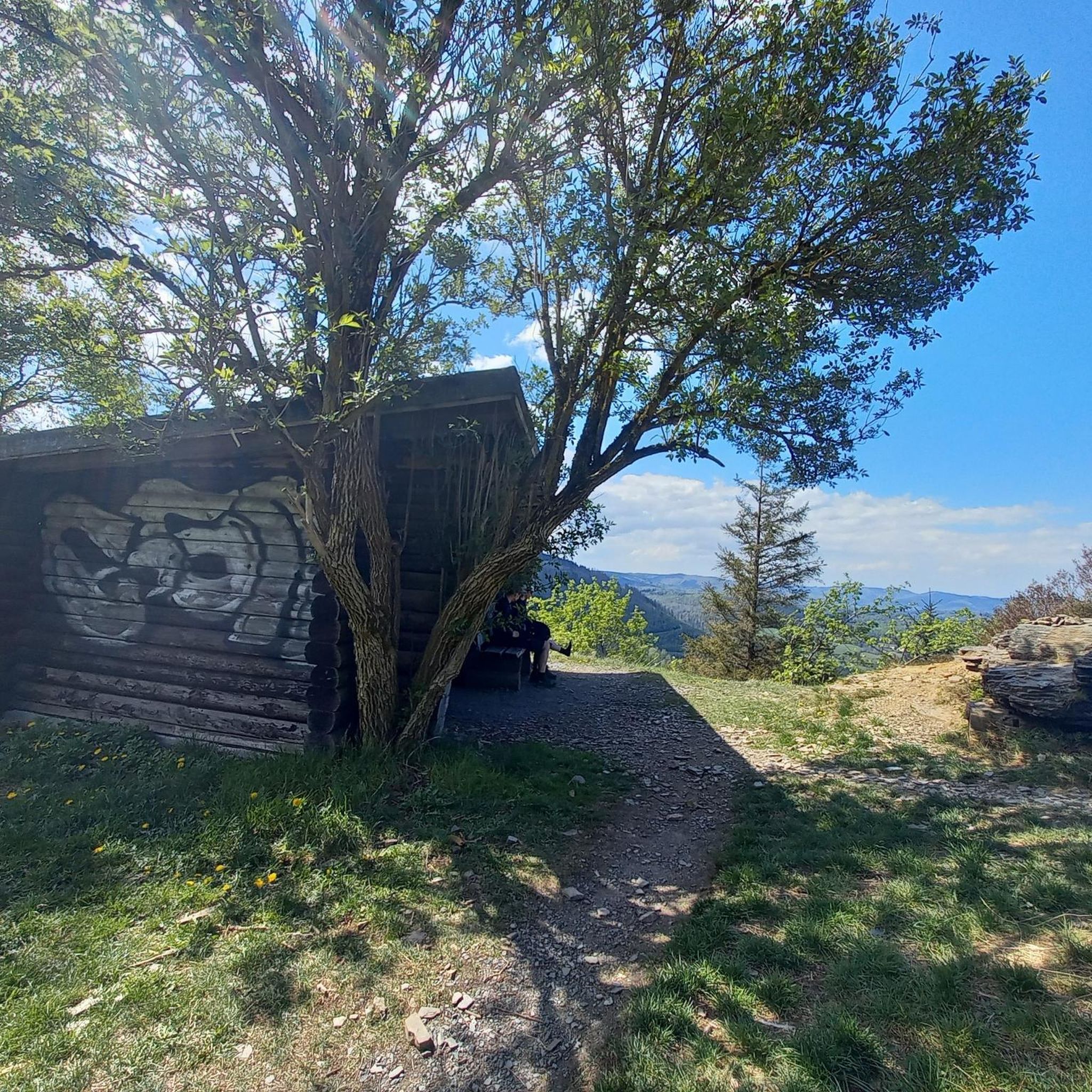
Hikes from bus stations in Flemish Brabant

Hikes from bus stations in Antwerp
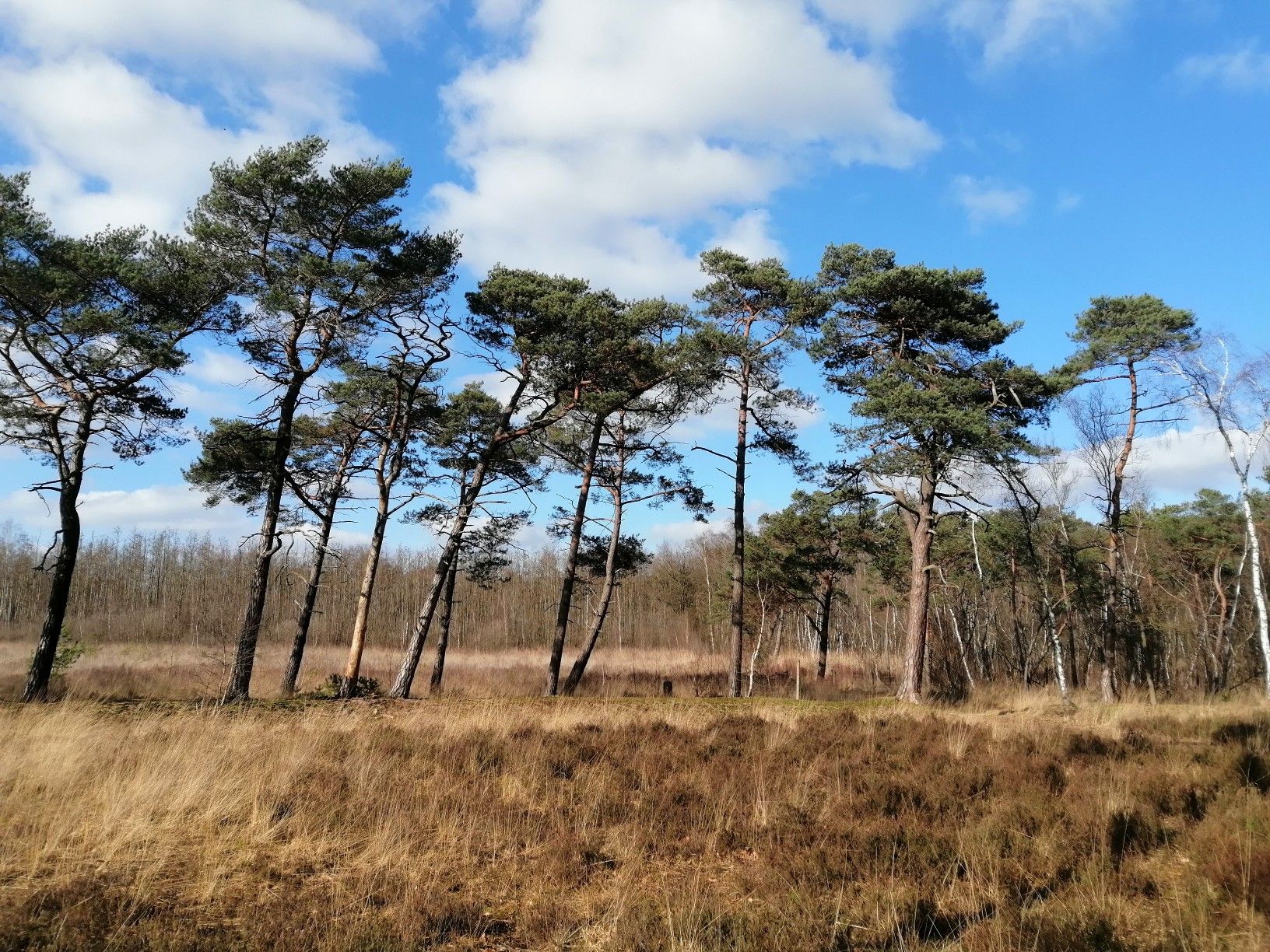
From Flanders to the Ardennes — GR 5 in Belgium
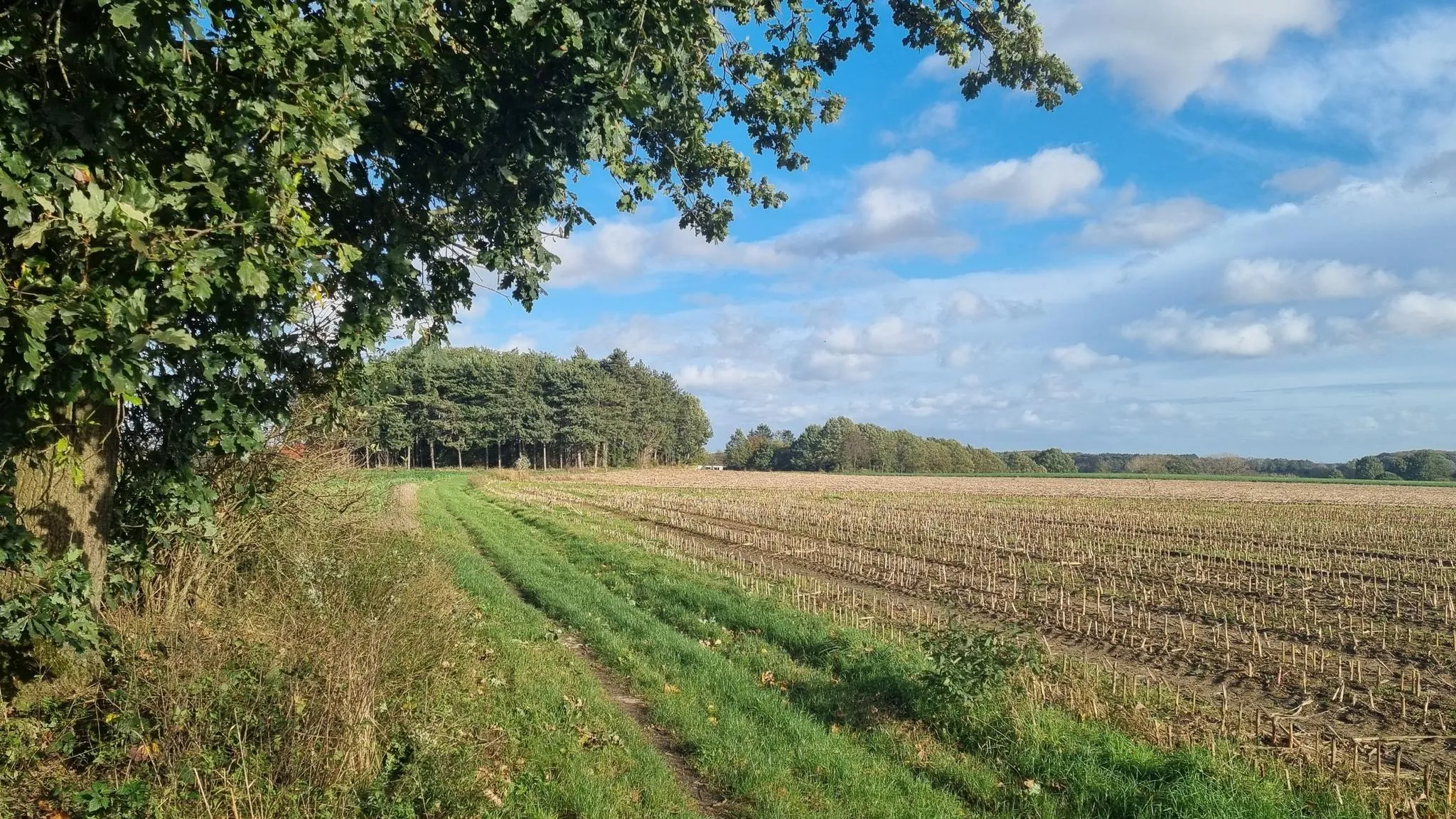
Streek-GR Hageland – Hollow roads and endless fields
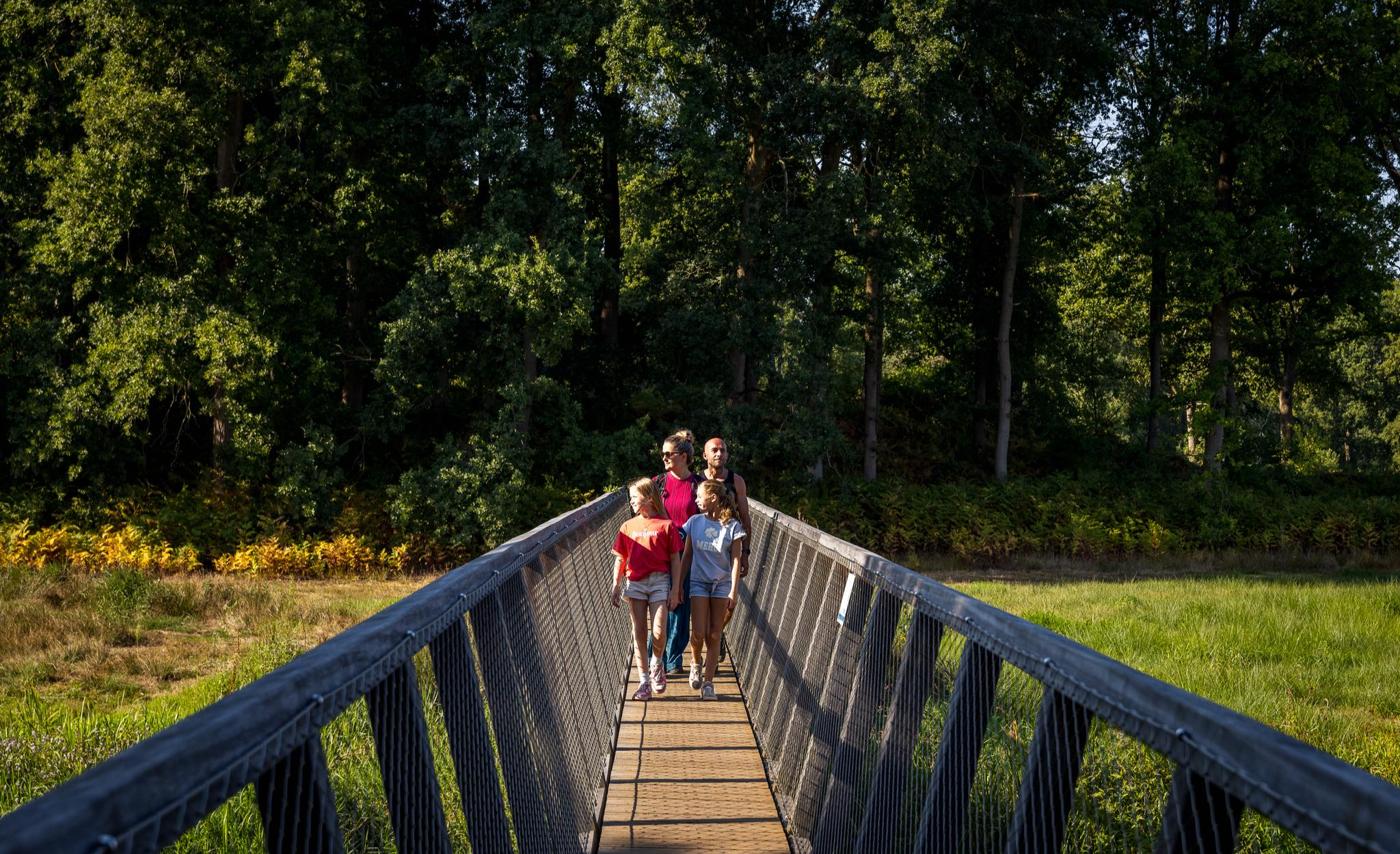
Flanders’ Finest Hiking Routes
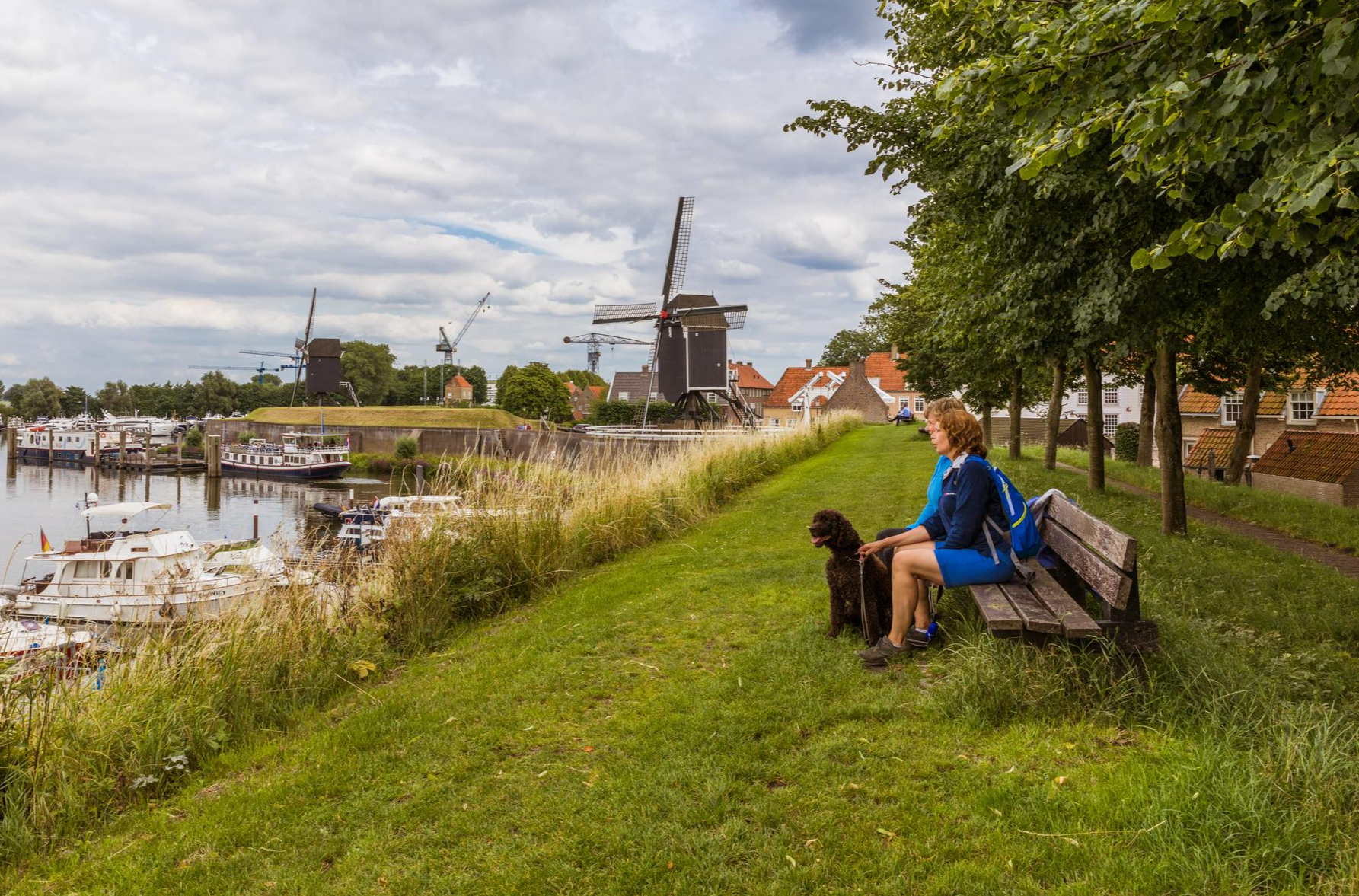
Hiking in Brabant – in Van Gogh’s footsteps in Southern Netherlands
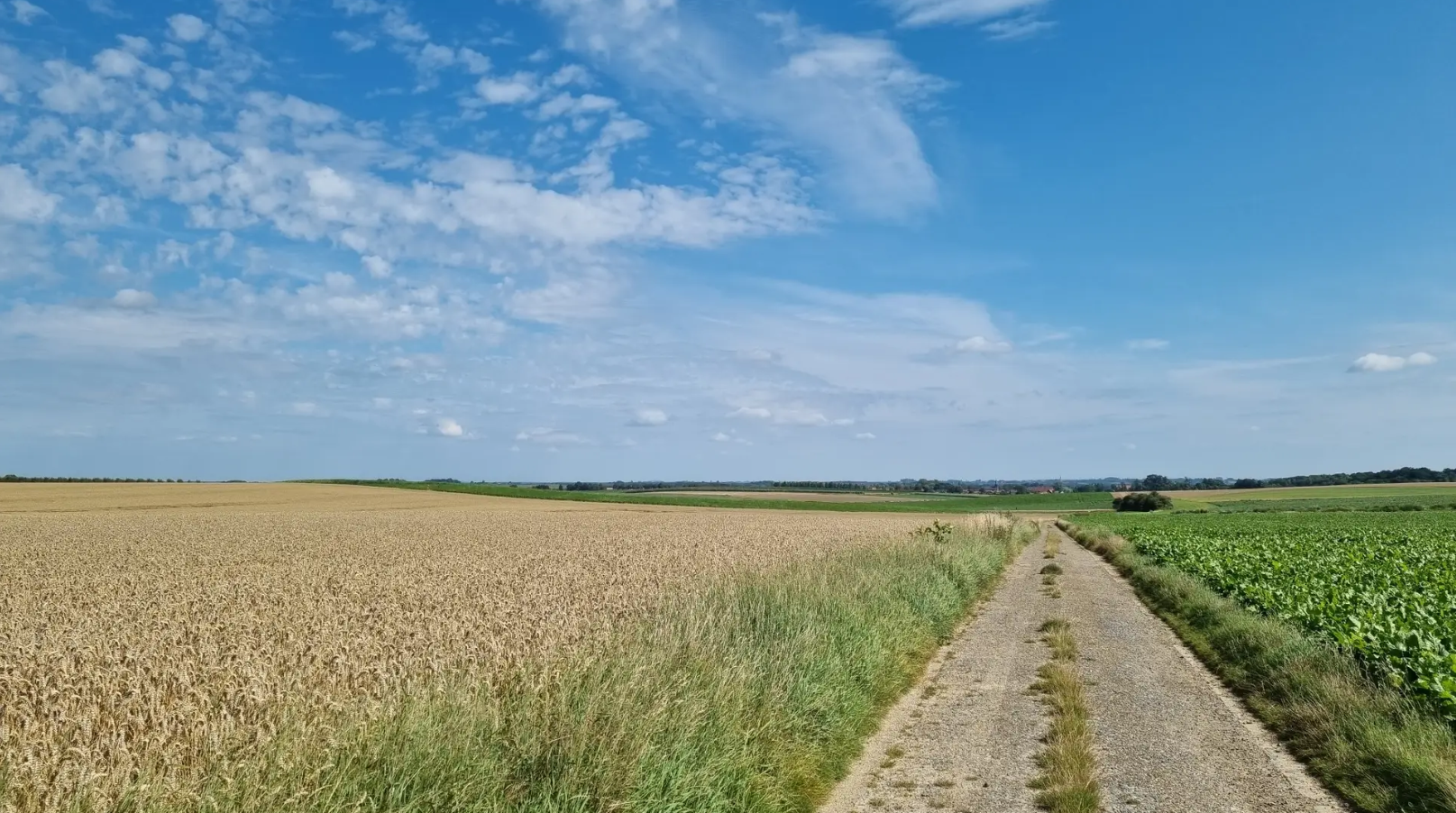
Bloesems, Forests and hidden Heritage – Streek-GR Haspengouw
Other adventures in Flanders


Tips from the Community

Very nice market with a view of the Dilje.
0
0

The Speicherhaus on the Graslei in Ghent dates from the late 12th century, making it one of the oldest examples of bourgeois Romanesque architecture in the Netherlands. It is built of Tournai limestone and was used as a grain staple until the mid-18th century. After falling into disrepair in the 19th century, it was restored in 1901-1902 and now houses a restaurant.
0
0

Walking through a sunken historyDid you know that the idyllic ponds in the Berlare Broek were created by human hands? Where you now enjoy chirping birds and reflecting trees, peat cutters toiled from 1686 onwards to extract precious fuel from the ground. Their back-breaking work in this ancient, cut-off Scheldt meander created more than fifty ponds. A beautiful piece of nature full of history where you can enjoy a wonderful walk through boardwalks and forest paths!
2
0

A Romanesque warehouse, also called "Spijker", served as a storage place for grain transported along the Leiehaven until 1734. Presumably initially owned by the Ghent patrician family Utenhove; since the end of the 13th century, it belonged to the Holy Spirit table of St. Nicholas' Church, which rented it out to grain merchants. From the 16th century onwards, it housed offices of the staple lords, who supervised the collection of the Ghent staple duty; from 1750 as a meeting place for the Pijnders or grain unloaders. The ground floor in the 19th century deteriorated into slum dwellings; burned down in 1896, but the facade was preserved. Restored in 1903 according to a design by architect August Van Assche. Currently, the municipal cleaning service continues to use it for storing containers. Slightly forward-leaning facade with seven bays and three storeys, as well as a gable roof (ridges perpendicular to the street, slate tiles), from the fourth quarter of the 12th century. A wide, stepped gable with six bays and an additional bay, topped with two battlements, built entirely of Tournai limestone. Source: https://inventaris.onroerenderfgoed.be/erfgoedobjecten/24758
3
0
The Korenstapelhuis or Spijker is a guild house in the Belgian city of Ghent on the Graslei. It is a building built in the Romanesque style from the late 12th century, making it one of the oldest examples of bourgeois Romanesque architecture in Belgium and the Netherlands. It is built of Tournai limestone. It served as a Spijker (grain storage) until 1734. After that, the building served as a meeting place for the Pijnders (grain unloaders). In the 19th century, the building fell into disrepair until it was restored in 1901–1902. Today it houses a hamburger restaurant. To the right of the Korenstapelhuis is the Mauthaus. The left side wall of the Tolhuisje is actually the outer wall of the Korenstapelhuis.
3
0
Between the Leie and Onderbergen lies the Pand, a former Dominican monastery. It is an impressive complex around a forecourt and the old cemetery. The former hospital (1201) came into the hands of the Dominicans, an order that preached in cities and won souls, hence their nickname 'Preachers'. The people of Ghent, however, did not like being enslaved and were tired of the sermons. This monastery thus became one of the first victims of iconoclasm. In the 16th century, Ghent's first theological university saw the light of day in this monastery. Later, in the 19th century, the building became a "tenement house": Almost every square meter was rented out to students, artists, and Ghent tribes. The nickname 'Flea Palace' also dates from this period. Source: https://visit.gent.be/nl/zien-doen/pand
2
0
The Royal Dutch Theatre Dutch: Koninklijke Nederlandse Schouwburg, is a theatre building in the Belgian city of Ghent. The theatre is located on the north side of Sint-Baafsplein, which was created in 1897 by the demolition of older buildings that blocked the view of St. Bavo's Cathedral. The theatre was built between 1897 and 1899 on the site of the former Regnessestraat. It was designed in an eclectic style with predominantly Renaissance elements by the architect Edmond De Vigne.
3
0
In the second half of the 9th century, Wijdenaard, the most important port on the Scheldt, was located here. "Natur" meant mooring place and "broad" referred to the importance of the place. Although some claim that this place name refers to Wijden or Groten Aard, more specifically to the Sint-Janskerkhof, which was formerly located here on the site of the Bisdomplein. The trade around this port led to considerable growth of the oldest medieval city center. In the following centuries, trade shifted to the Castrum on the Leie, where a second portus developed. Due to this development, Wijdenaard lost its importance and was given the name Wijngaard and the nearby bridge logically Wijngaardbrug. Previously, the wines delivered along the Scheldt were unloaded and sold there. Many wine sellers lived in the area. In 1526, the existing wooden bridge was replaced by a stone one. A second renovation took place in 1734 by master builder David 't Kindt. At that time, this bridge was barely 6 m wide. When the Lower Scheldt was filled in 1885, the Wijngaardbrug was rebuilt in metal across the entire width of the Reep, i.e. 22 m. New buildings in the course of the 19th and the first quarter of the 20th century with the construction of large complexes in various neo-styles. Dominated on the west by the neo-Gothic Bishop's Palace, on the south by monumental neoclassical buildings of the National Bank, and finally by the empire-colored buildings of the Provincial Government. The gas lamps on the bridge disappeared in 1954, when public lighting was introduced. When the Reep was filled in 1960, the bridge was demolished in nine days. The Scaldis lock (Scaldis = Scheldt), completed in 2012 at the Oude Beestenmarkt, allows the Upper Scheldt, coming from the Brabantdam, to flow into the newly excavated Lower Scheldt. Between the Bisdomplein and the Reep, the "Wijdenaardbrug" was built for this purpose, which was completed at the end of March 2007 and was then only accessible to cyclists and pedestrians. Source: https://gentdekuip.com/wijdenaardbrug/
2
0
Frequently Asked Questions
How many bus station hiking trails are available in Flanders?
Flanders offers a vast network of trails accessible by public transport. There are over 32,000 hiking routes that start conveniently from bus stations across the region, catering to various preferences and fitness levels.
Are there easy hiking trails accessible by bus in Flanders?
Yes, Flanders has a significant number of easy hiking trails reachable by bus. Over 18,700 routes are classified as easy. For example, the GR 128 Flanders Route: Ghent City Section offers a pleasant, accessible walk, as does the 10,000 steps in Mechelen tour.
What kind of natural features can I expect to see on bus-accessible hikes in Flanders?
Flanders boasts diverse landscapes. You can explore vast pine forests and heathlands in areas like Hoge Kempen National Park, riverine environments along the Meuse Valley River Park, or rolling hills in the Flemish Ardennes. Coastal areas like the Zwin Nature Park offer dunes and polder landscapes. Many routes also feature picturesque fens, forests, and bodies of water.
Are there any waterfalls or gorges I can visit on bus-accessible hikes?
While Flanders is not known for dramatic waterfalls, you can find interesting water features and unique geological formations. For instance, the Motmolen Waterfall on the River Demer and the Dragon Gate Waterfall are notable. You can also explore unique gorges and hollow ways such as The Pit of Zonhoven or the Zavelkuil Hollow Way.
What do other hikers enjoy most about bus station trails in Flanders?
The komoot community highly rates the bus-accessible trails in Flanders, with an average score of 4.42 out of 5 stars from over 45,000 ratings. Hikers frequently praise the well-maintained paths, the accessibility of diverse natural landscapes, and the convenience of starting directly from public transport hubs.
Are there family-friendly bus-accessible hiking options in Flanders?
Absolutely. Many of the easy and moderate trails are suitable for families. Regions like Bosland and the Sonian Forest offer extensive, safe paths. Look for routes with shorter distances and minimal elevation gain, often found near nature parks or urban green spaces, which are typically well-served by bus routes.
Can I bring my dog on bus-accessible hikes in Flanders?
Many hiking trails in Flanders are dog-friendly, especially in larger nature reserves and forests. However, it's always best to check local regulations for specific parks or protected areas, as some may require dogs to be on a leash or restrict access in certain zones. Public transport rules for dogs should also be considered.
What are some notable circular routes accessible by bus in Flanders?
Flanders offers numerous circular routes perfect for a day trip. While specific circular routes from bus stations vary, many trails within national parks like Hoge Kempen or nature reserves like Bosland are designed as loops. The Walk through the Berlare peat pit is an example of a moderate circular route you can start from a bus stop.
Are there any long-distance hiking routes in Flanders that can be accessed via bus stations?
Yes, Flanders is home to extensive GR (Grande Randonnée) routes, which are long-distance trails. Sections of these routes, such as the GR 128 Flanders Route, can be accessed from various bus stations, allowing you to hike a segment and return using public transport.
What is the best time of year to go hiking from bus stations in Flanders?
Spring (April-May) and autumn (September-October) are generally considered the best times for hiking in Flanders. Spring brings blooming flowers and pleasant temperatures, while autumn offers beautiful foliage. Summer can be warm but is also suitable, especially for shaded forest trails. Winter hiking is possible, though some paths might be muddy, and daylight hours are shorter.
Are there bus-accessible trails that offer coastal views or unique coastal ecosystems?
Yes, the 67-kilometer coastline of Flanders offers unique hiking experiences. The Zwin Route, for example, takes you through the Zwin Nature Park, where you can experience a blend of coastal scenery, dunes, and polder landscapes, all accessible via public transport.
Where can I find information about bus schedules for trailheads in Flanders?
For detailed bus schedules and routes to specific trailheads in Flanders, it's best to consult the official website of De Lijn, Flanders' public transport company. Their journey planner will help you find the most convenient connections to your chosen starting point.
Most popular routes in Flanders
Most popular attractions in Flanders

Get inspired with the komoot mobile app


Didn’t find what you were looking for?
Check out more Hikes throughout Flanders below and find the perfect route in your destination.
