The best city hikes and walks in Flanders
4.4
(35693)
220,613
hikers
3,567
hikes
Urban hiking trails in Flanders offer diverse experiences through historic city centers, along canals, and into green spaces. The region, while generally flat, incorporates riverine landscapes and pockets of woodland, providing varied scenery for city walks. Many urban routes connect cultural landmarks with accessible natural areas, making them suitable for exploration on foot. These trails often feature well-maintained paths that highlight both architectural heritage and urban parklands.
Best urban hiking trails in Flanders
- The most popular urban hiking route is…
Last updated: October 1, 2026
4.6
(100)
377
hikers
7.43km
01:53
10m
10m
Easy hike. Great for any fitness level. Easily-accessible paths. Suitable for all skill levels.
4.5
(108)
447
hikers
6.27km
01:36
20m
30m
Hike the easy 3.9-mile GR 128 Flanders Route: Ghent City Section, exploring historic landmarks and serene waterways in Ghent.

4.6
(81)
387
hikers
5.75km
01:28
10m
10m
Easy hike. Great for any fitness level. Easily-accessible paths. Suitable for all skill levels.
4.5
(59)
364
hikers
4.82km
01:13
10m
10m
Easy hike. Great for any fitness level. Easily-accessible paths. Suitable for all skill levels.
4.4
(35)
171
hikers
8.01km
02:04
40m
40m
Moderate hike. Good fitness required. Easily-accessible paths. Suitable for all skill levels.
Get access to more routes and recommendations from other explorers.
Already have an account?
Our route recommendations are based on thousands of hikes, rides, and runs completed by other people on komoot.
Start today with a free account
Your next adventure awaits.
Popular around Flanders

City hikes in West Flanders

City hikes in East Flanders

City hikes in Antwerp

City hikes in Flemish Brabant
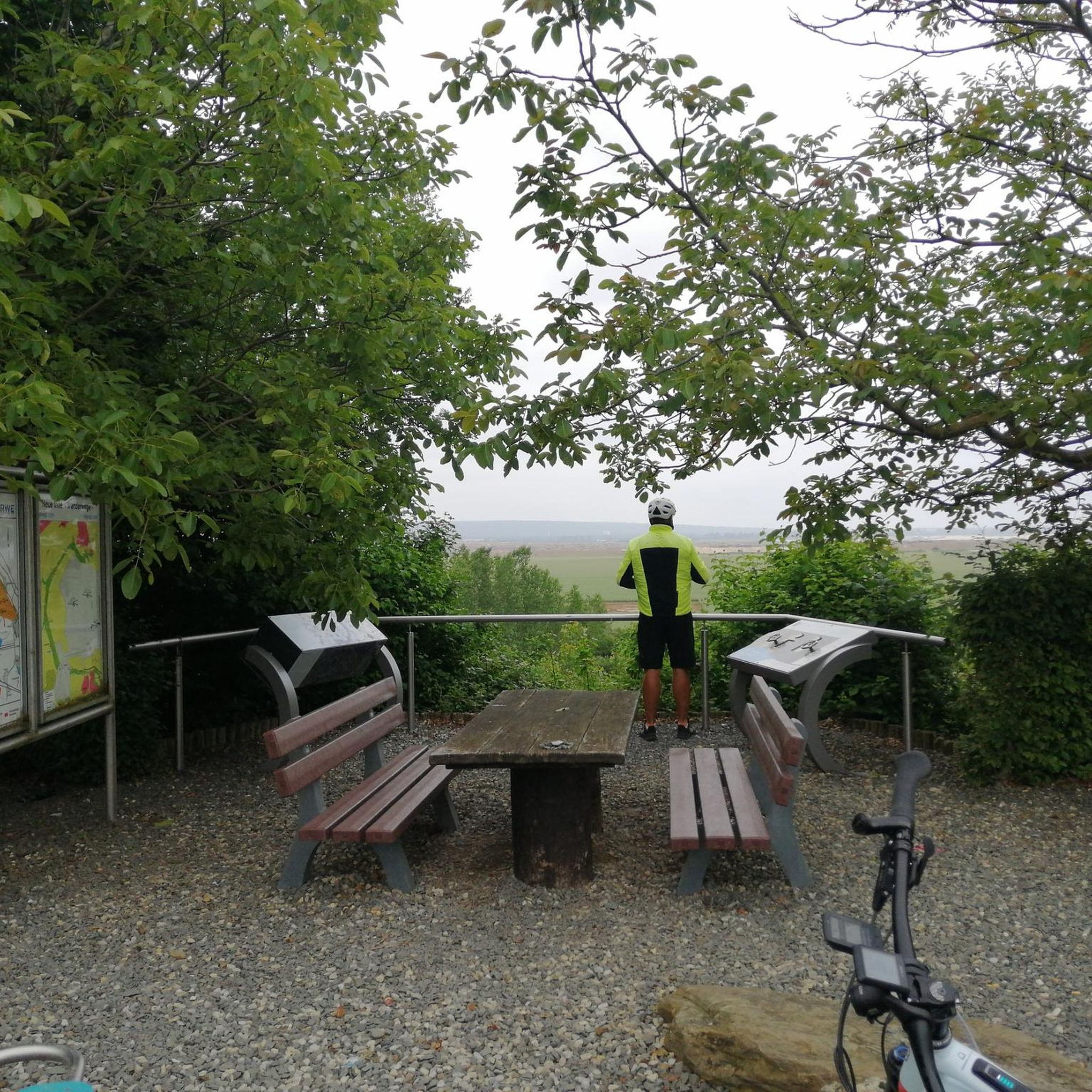
City hikes in South Limburg
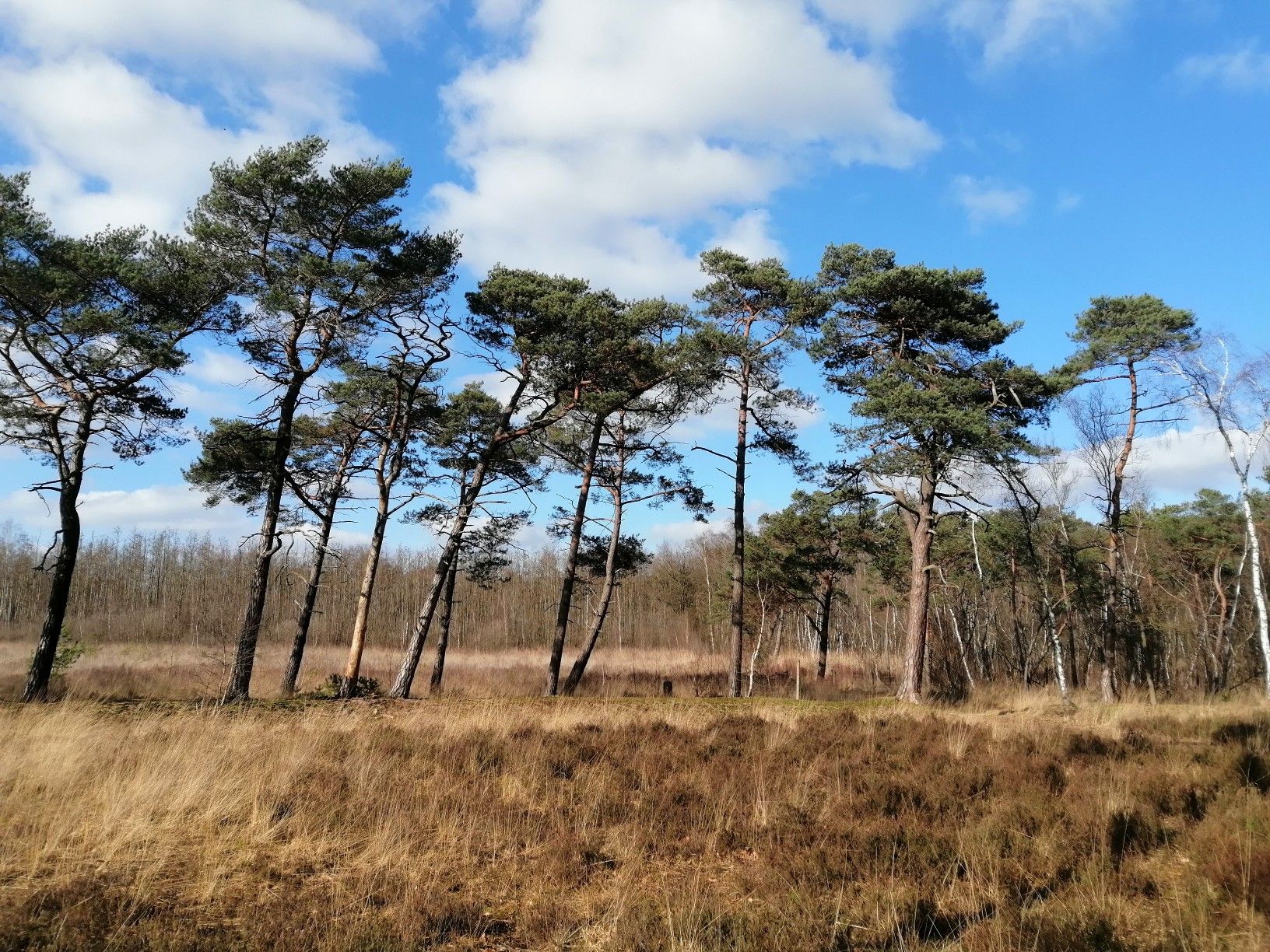
From Flanders to the Ardennes — GR 5 in Belgium
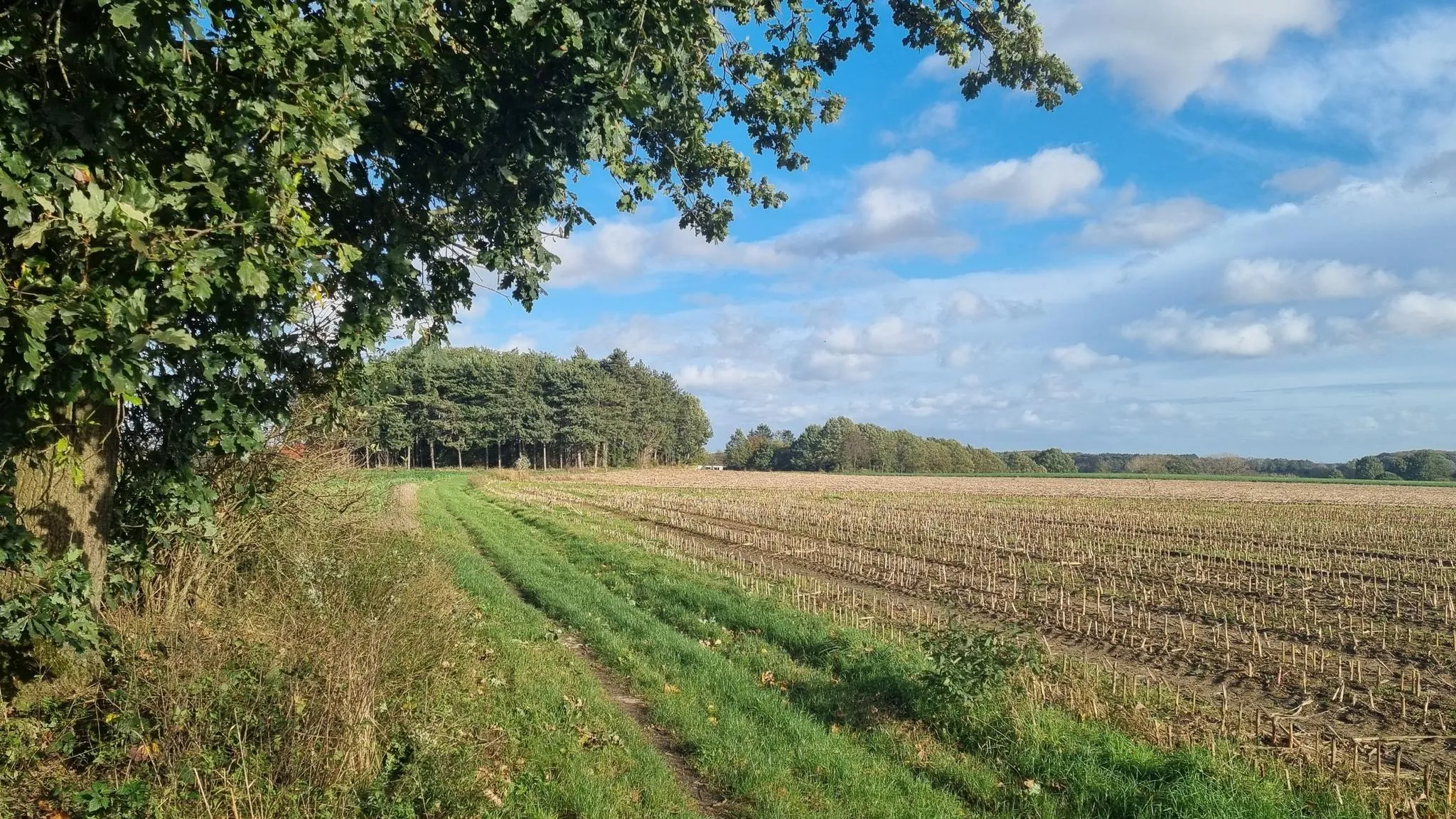
Streek-GR Hageland – Hollow roads and endless fields
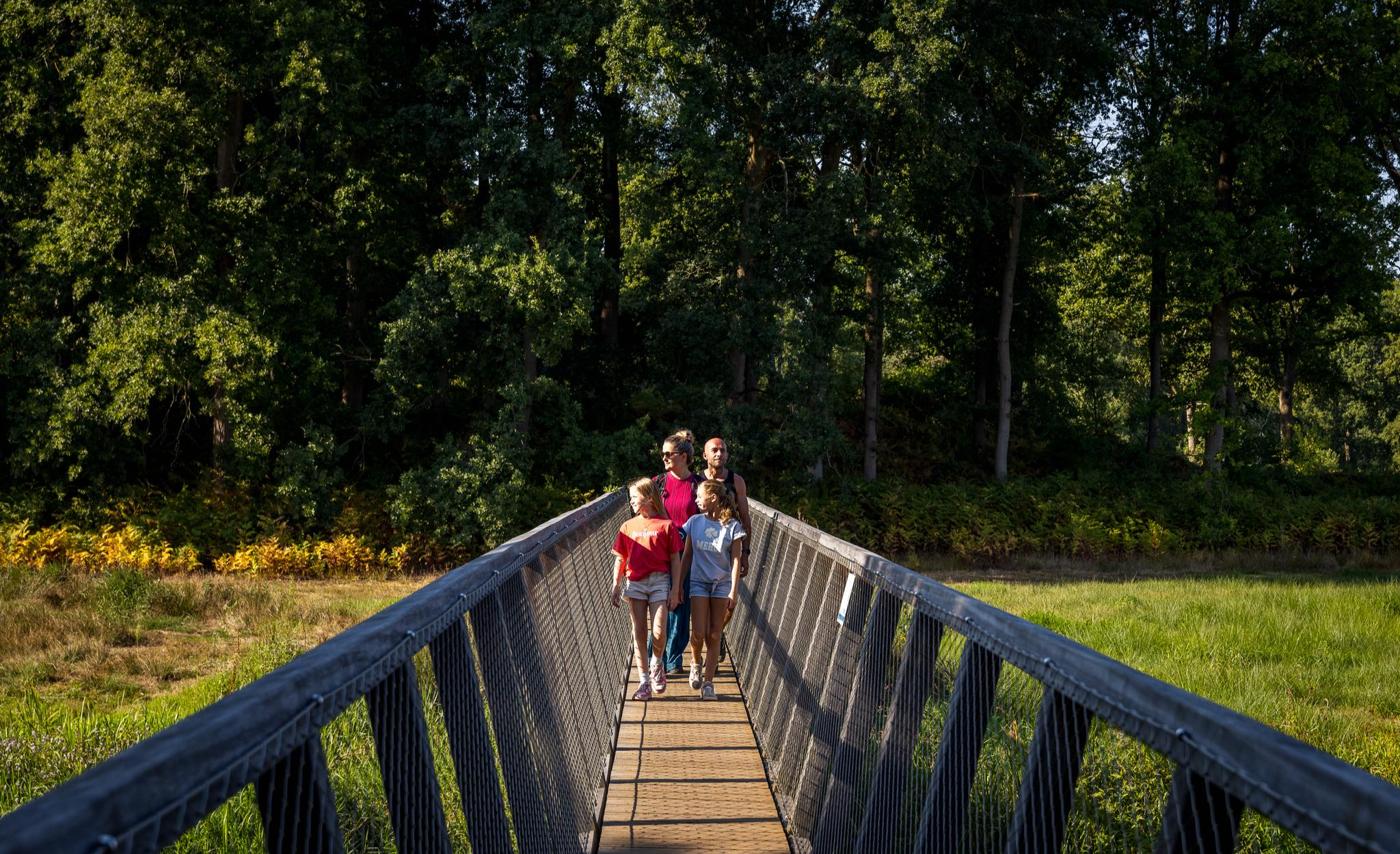
Flanders’ Finest Hiking Routes
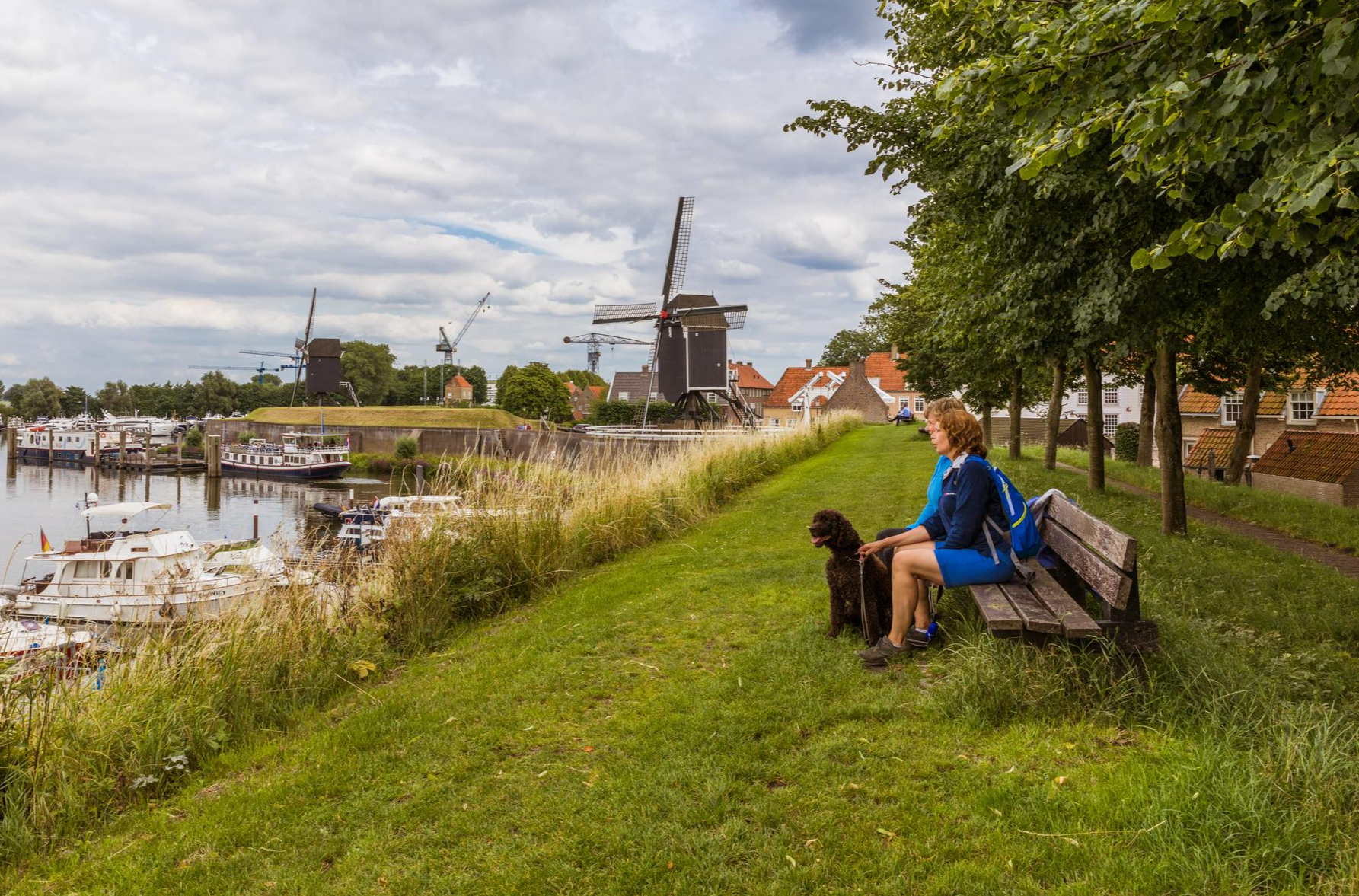
Hiking in Brabant – in Van Gogh’s footsteps in Southern Netherlands
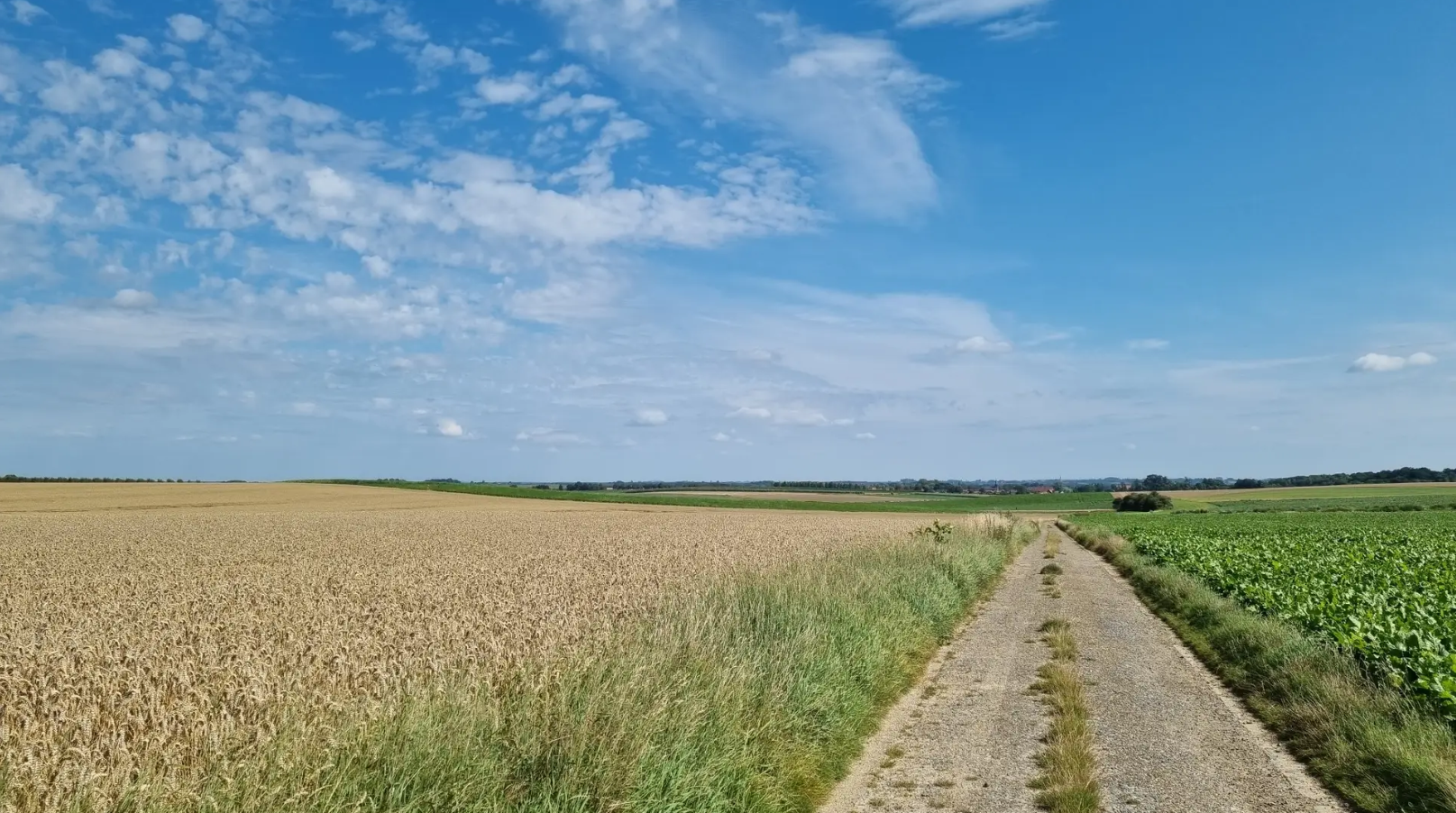
Bloesems, Forests and hidden Heritage – Streek-GR Haspengouw
Other adventures in Flanders


Tips from the Community

Very nice market with a view of the Dilje.
0
0

The Speicherhaus on the Graslei in Ghent dates from the late 12th century, making it one of the oldest examples of bourgeois Romanesque architecture in the Netherlands. It is built of Tournai limestone and was used as a grain staple until the mid-18th century. After falling into disrepair in the 19th century, it was restored in 1901-1902 and now houses a restaurant.
0
0

A Romanesque warehouse, also called "Spijker", served as a storage place for grain transported along the Leiehaven until 1734. Presumably initially owned by the Ghent patrician family Utenhove; since the end of the 13th century, it belonged to the Holy Spirit table of St. Nicholas' Church, which rented it out to grain merchants. From the 16th century onwards, it housed offices of the staple lords, who supervised the collection of the Ghent staple duty; from 1750 as a meeting place for the Pijnders or grain unloaders. The ground floor in the 19th century deteriorated into slum dwellings; burned down in 1896, but the facade was preserved. Restored in 1903 according to a design by architect August Van Assche. Currently, the municipal cleaning service continues to use it for storing containers. Slightly forward-leaning facade with seven bays and three storeys, as well as a gable roof (ridges perpendicular to the street, slate tiles), from the fourth quarter of the 12th century. A wide, stepped gable with six bays and an additional bay, topped with two battlements, built entirely of Tournai limestone. Source: https://inventaris.onroerenderfgoed.be/erfgoedobjecten/24758
3
0
The Korenstapelhuis or Spijker is a guild house in the Belgian city of Ghent on the Graslei. It is a building built in the Romanesque style from the late 12th century, making it one of the oldest examples of bourgeois Romanesque architecture in Belgium and the Netherlands. It is built of Tournai limestone. It served as a Spijker (grain storage) until 1734. After that, the building served as a meeting place for the Pijnders (grain unloaders). In the 19th century, the building fell into disrepair until it was restored in 1901–1902. Today it houses a hamburger restaurant. To the right of the Korenstapelhuis is the Mauthaus. The left side wall of the Tolhuisje is actually the outer wall of the Korenstapelhuis.
3
0
Between the Leie and Onderbergen lies the Pand, a former Dominican monastery. It is an impressive complex around a forecourt and the old cemetery. The former hospital (1201) came into the hands of the Dominicans, an order that preached in cities and won souls, hence their nickname 'Preachers'. The people of Ghent, however, did not like being enslaved and were tired of the sermons. This monastery thus became one of the first victims of iconoclasm. In the 16th century, Ghent's first theological university saw the light of day in this monastery. Later, in the 19th century, the building became a "tenement house": Almost every square meter was rented out to students, artists, and Ghent tribes. The nickname 'Flea Palace' also dates from this period. Source: https://visit.gent.be/nl/zien-doen/pand
2
0
The Royal Dutch Theatre Dutch: Koninklijke Nederlandse Schouwburg, is a theatre building in the Belgian city of Ghent. The theatre is located on the north side of Sint-Baafsplein, which was created in 1897 by the demolition of older buildings that blocked the view of St. Bavo's Cathedral. The theatre was built between 1897 and 1899 on the site of the former Regnessestraat. It was designed in an eclectic style with predominantly Renaissance elements by the architect Edmond De Vigne.
3
0
In the second half of the 9th century, Wijdenaard, the most important port on the Scheldt, was located here. "Natur" meant mooring place and "broad" referred to the importance of the place. Although some claim that this place name refers to Wijden or Groten Aard, more specifically to the Sint-Janskerkhof, which was formerly located here on the site of the Bisdomplein. The trade around this port led to considerable growth of the oldest medieval city center. In the following centuries, trade shifted to the Castrum on the Leie, where a second portus developed. Due to this development, Wijdenaard lost its importance and was given the name Wijngaard and the nearby bridge logically Wijngaardbrug. Previously, the wines delivered along the Scheldt were unloaded and sold there. Many wine sellers lived in the area. In 1526, the existing wooden bridge was replaced by a stone one. A second renovation took place in 1734 by master builder David 't Kindt. At that time, this bridge was barely 6 m wide. When the Lower Scheldt was filled in 1885, the Wijngaardbrug was rebuilt in metal across the entire width of the Reep, i.e. 22 m. New buildings in the course of the 19th and the first quarter of the 20th century with the construction of large complexes in various neo-styles. Dominated on the west by the neo-Gothic Bishop's Palace, on the south by monumental neoclassical buildings of the National Bank, and finally by the empire-colored buildings of the Provincial Government. The gas lamps on the bridge disappeared in 1954, when public lighting was introduced. When the Reep was filled in 1960, the bridge was demolished in nine days. The Scaldis lock (Scaldis = Scheldt), completed in 2012 at the Oude Beestenmarkt, allows the Upper Scheldt, coming from the Brabantdam, to flow into the newly excavated Lower Scheldt. Between the Bisdomplein and the Reep, the "Wijdenaardbrug" was built for this purpose, which was completed at the end of March 2007 and was then only accessible to cyclists and pedestrians. Source: https://gentdekuip.com/wijdenaardbrug/
2
0

Striking in the facade is the large arch field, decorated with a multi-colored mosaic. The allegorical scene depicts Apollo and the Muses. In the niches, the statues of the most important Ghent rhetoricians' chambers from the end of the 19th century are displayed: de Fonteine, Sint Barbara, Sint Agneete and Maria ter Eere. They are by Louis Mast.
3
0
Frequently Asked Questions
How many urban hiking trails are available in Flanders?
Flanders offers a wide selection of urban hiking trails, with over 3,100 routes available for exploration. Most of these, around 2,600, are considered easy, making them accessible for many hikers.
What kind of terrain can I expect on urban hikes in Flanders?
Urban hikes in Flanders generally feature relatively flat terrain, typical of city environments. While some routes might have minor elevation changes, they are mostly gentle. For example, the GR 128 Flanders Route: Ghent City Section has minimal elevation gain, making it suitable for a relaxed city stroll.
Are there family-friendly urban walking routes in Flanders?
Yes, many urban routes in Flanders are suitable for families. They often pass through parks, historical centers, and along waterways, providing interesting sights for all ages. Routes like 10,000 steps in Mechelen or 10,000 Steps in Bruges are great options for an enjoyable family outing.
Can I bring my dog on urban hikes in Flanders?
Many urban areas in Flanders are dog-friendly, especially in parks and along designated paths. However, it's always best to check local regulations for specific areas or attractions you plan to visit, as rules can vary. Always keep your dog on a leash and clean up after them.
What historical sites or landmarks can I see on urban trails?
Flanders' urban trails are rich in history and culture. You can explore charming city centers, historic buildings, and picturesque squares. For example, the Veurne city walking route takes you through the historic town of Veurne. In other parts of Flanders, you might encounter landmarks like the Kluisberg - Mont de l'Enclus, which offers both historical significance and panoramic views.
What is the best time of year for urban hiking in Flanders?
Urban hiking in Flanders is enjoyable year-round. Spring (April-May) brings blooming flowers and mild temperatures, while autumn (September-October) offers beautiful fall foliage. Summer (June-August) is popular for longer daylight hours, and even winter (November-March) can be pleasant for city walks, especially with the charm of festive markets and cozy cafes.
Are there good public transport options or parking near urban trails?
Flanders has an excellent public transport network, making many urban trails easily accessible by train or bus. Major cities like Ghent, Bruges, and Mechelen are well-connected. Parking is generally available in city centers, often in paid parking garages or designated zones. It's advisable to check specific city websites for the most up-to-date parking information and public transport schedules.
Are there cafes or pubs along urban hiking routes in Flanders?
Absolutely! One of the joys of urban hiking in Flanders is the abundance of cafes, pubs, and restaurants. Most city routes will lead you past numerous establishments where you can stop for a coffee, a local beer, or a meal, especially in popular areas like Ghent, as seen on the 10,000 steps in Ghent route.
What do other hikers enjoy most about urban hiking in Flanders?
The komoot community highly rates urban hiking in Flanders, with an average score of 4.4 stars. Hikers frequently praise the well-maintained paths, the blend of historical architecture with green spaces, and the convenience of having amenities like cafes and public transport readily available. The ability to explore charming cities on foot is a major highlight.
Are there any viewpoints or scenic spots on urban hikes?
While urban hikes in Flanders are generally flat, many offer scenic views of cityscapes, canals, and historical buildings. Some routes might lead to elevated points within the city or along riverbanks that provide picturesque vistas. For more expansive natural viewpoints, you might explore areas like the View of the Terrils from the Lake, though this is typically found outside the immediate urban core.
Most popular routes in Flanders
Most popular attractions in Flanders

Get inspired with the komoot mobile app


Didn’t find what you were looking for?
Check out more Hikes throughout Flanders below and find the perfect route in your destination.
