The best traffic-free bike rides in Dauner Maare
4.6
(1485)
5,835
riders
20
rides
No traffic touring cycling routes in Dauner Maare traverse a landscape shaped by ancient volcanic activity, characterized by circular, water-filled craters known as Maare. The region features dense forests, rolling hills, and former railway lines converted into smooth cycle paths. This unique geological setting, part of a UNESCO Global Geopark, offers diverse terrain for touring cyclists.
Best no traffic touring cycling routes in Dauner Maare
- The most popular no traffic touring cycling route is View of Daun from Daun Viaduct…
Last updated: September 28, 2026
4.6
(222)
923
riders
Moderate bike ride. Good fitness required. Mostly paved surfaces. Suitable for all skill levels.
4.7
(44)
216
riders
Easy bike ride. Great for any fitness level. Mostly paved surfaces. Suitable for all skill levels.

5.0
(7)
24
riders
Hard bike ride. Very good fitness required. Mostly paved surfaces. Suitable for all skill levels.
4.6
(5)
14
riders
47.2km
03:41
730m
730m
Hard bike ride. Very good fitness required. Mostly paved surfaces. Suitable for all skill levels.
4.2
(5)
15
riders
Hard bike ride. Very good fitness required. Mostly paved surfaces. Suitable for all skill levels.
Get access to more routes and recommendations from other explorers.
Already have an account?
Our route recommendations are based on thousands of hikes, rides, and runs completed by other people on komoot.
Start today with a free account
Your next adventure awaits.
Popular around Dauner Maare
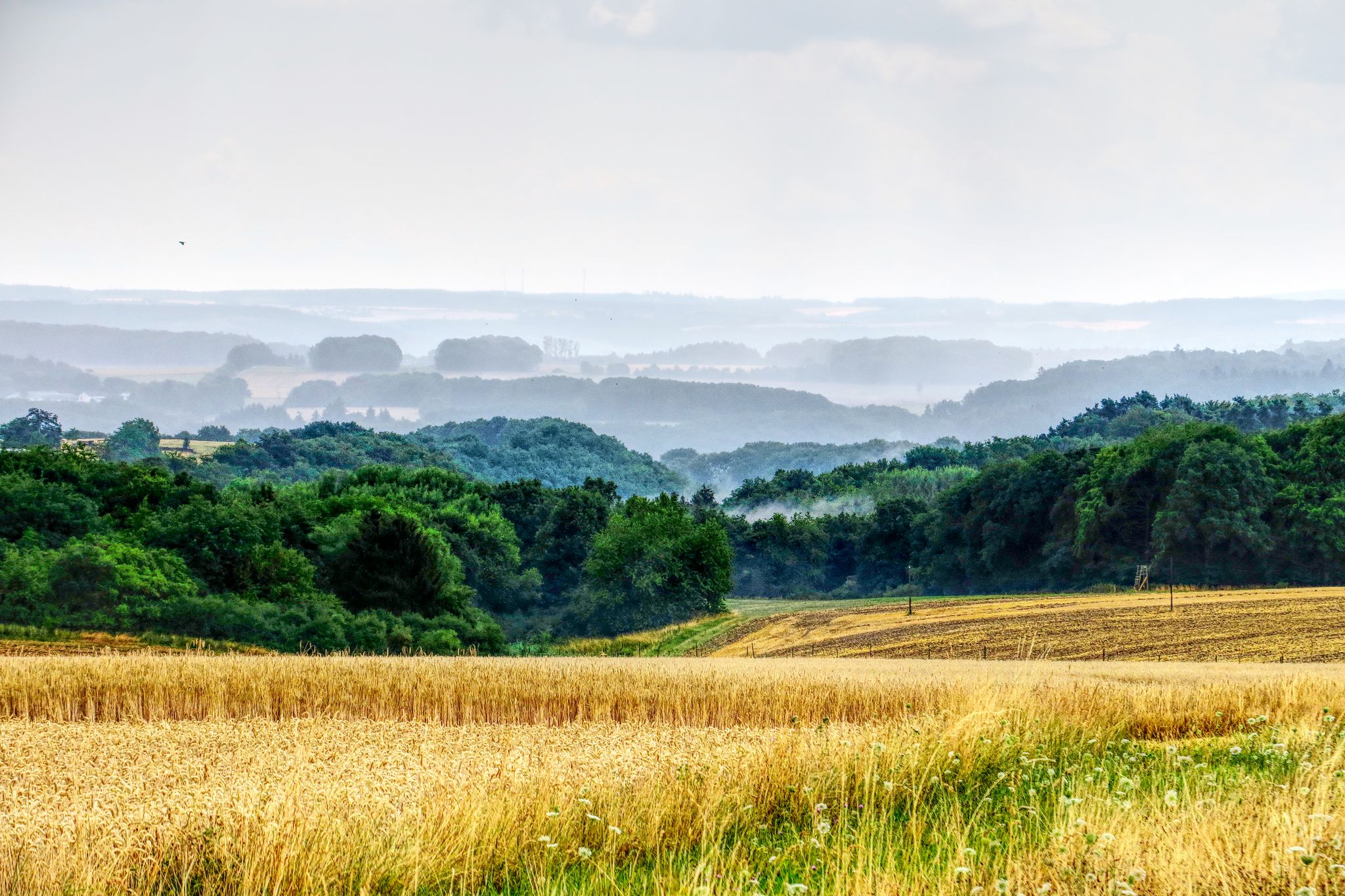
The National Natural Landscapes in Rheinland-Pfalz
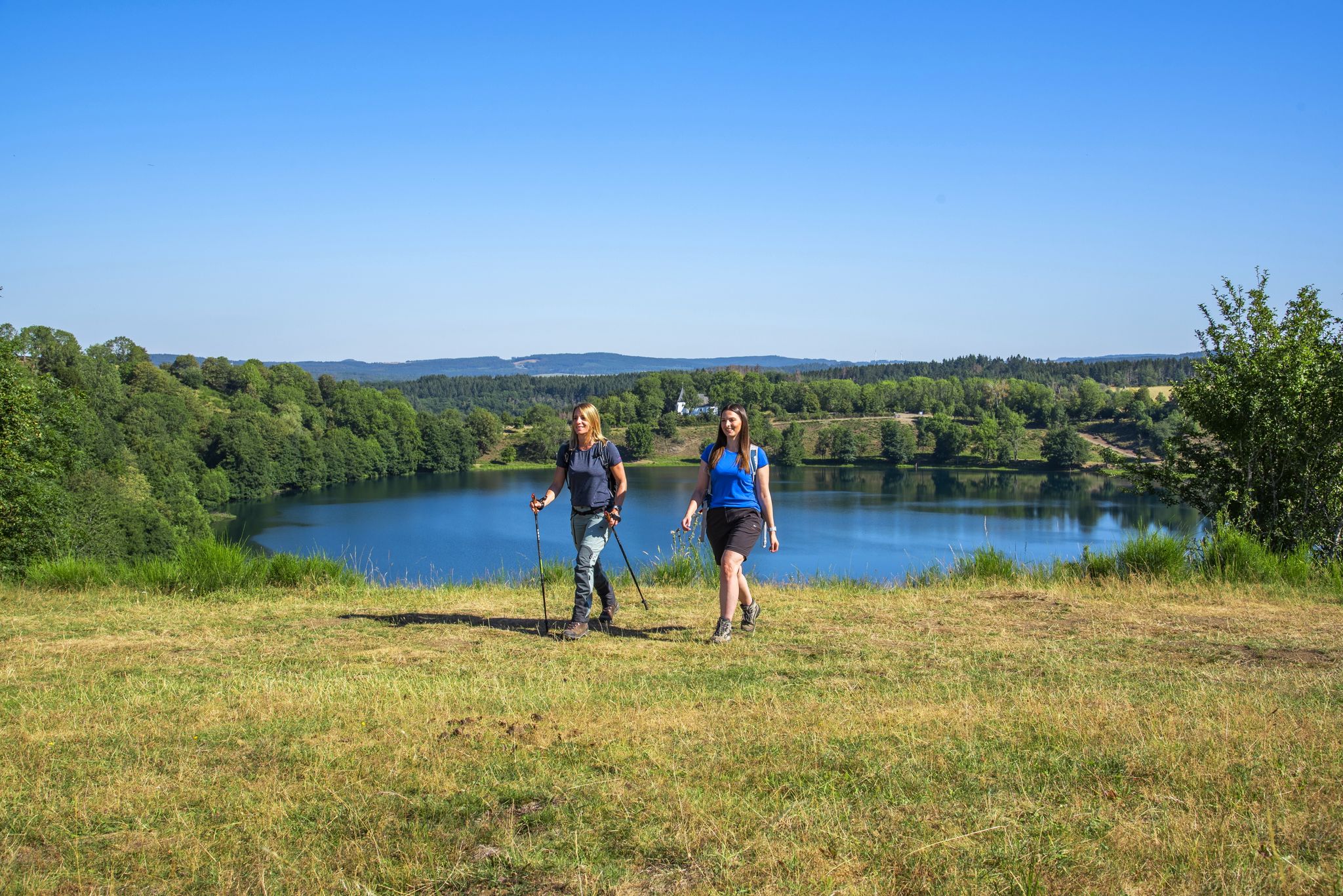
Excellent paths in the Vulkaneifel – Explore the HeimatSpuren
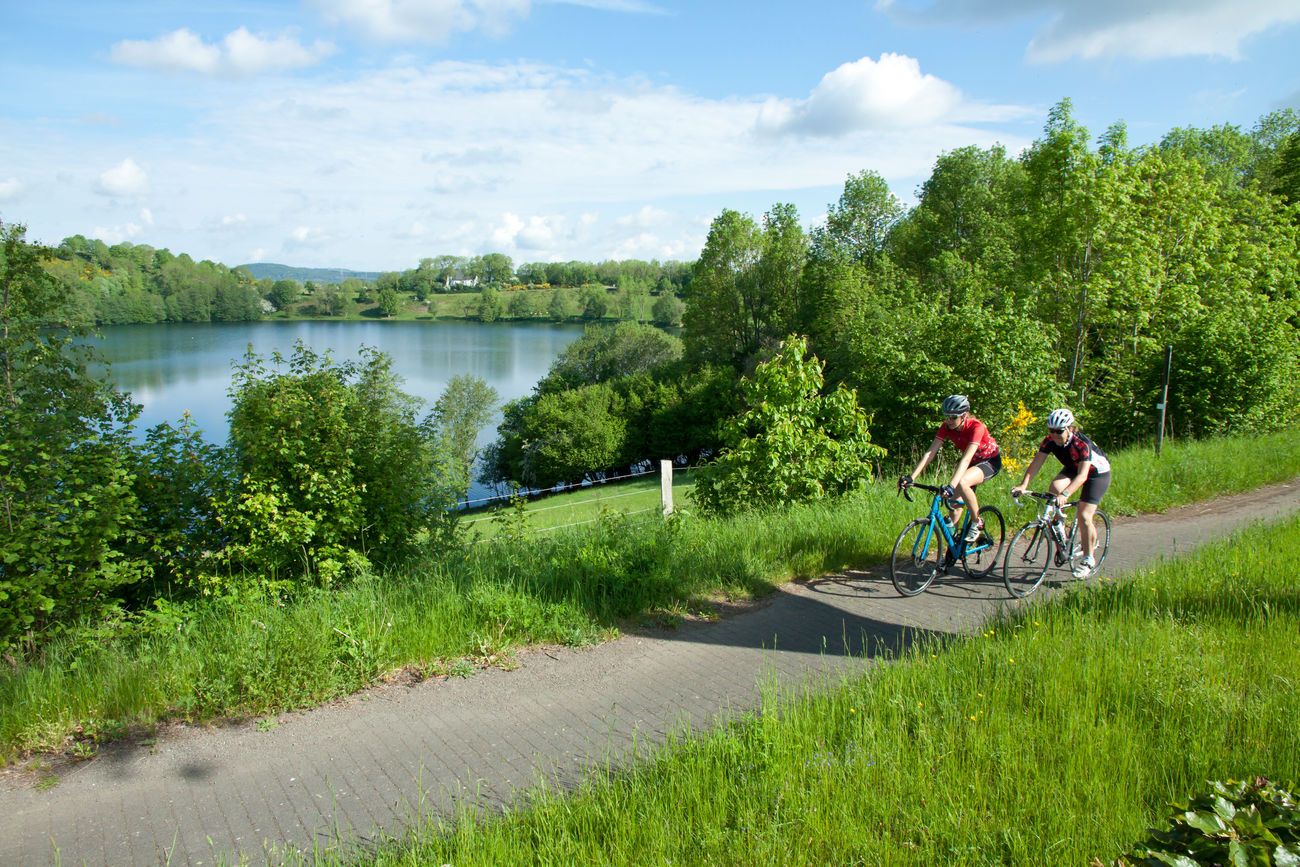
Discover Germany with the Tour in a motorhome and racing bike
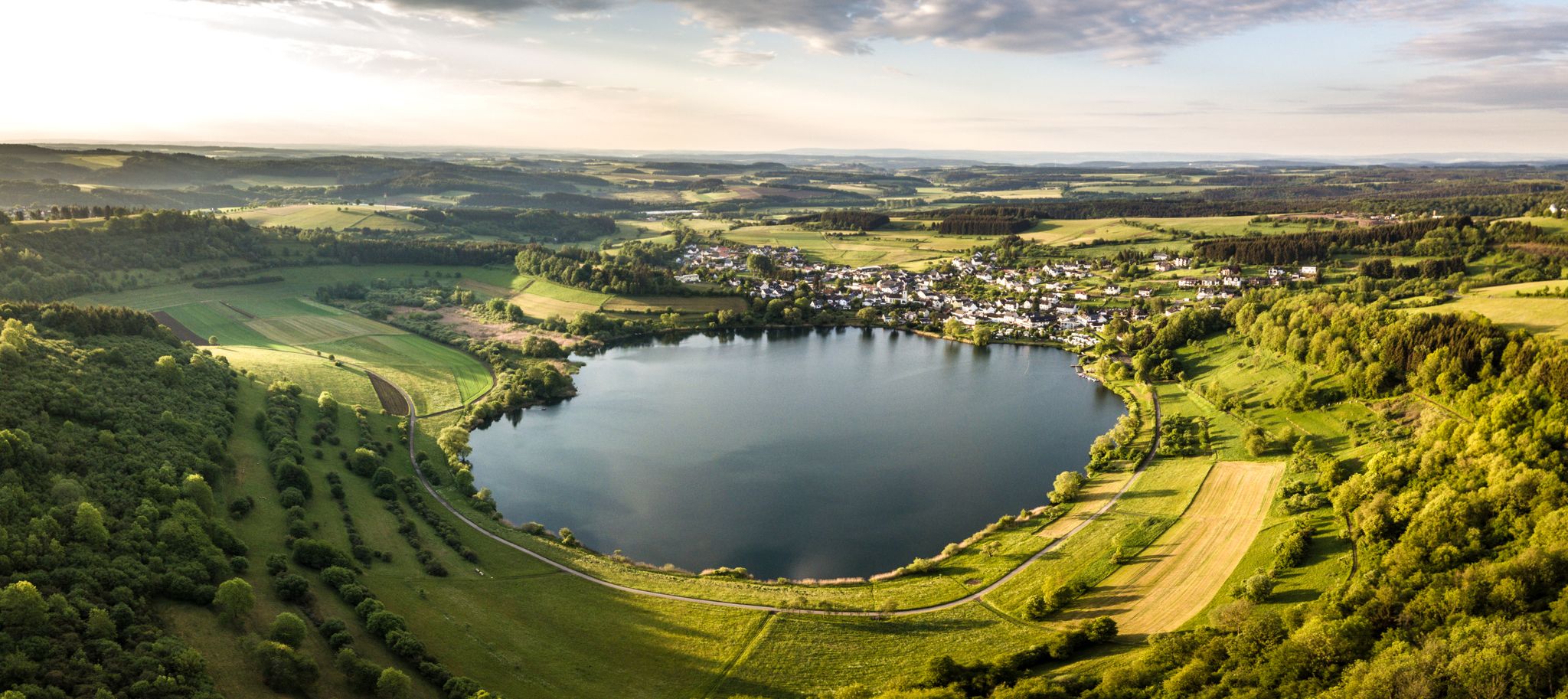
Volcanoes, water, forest – the partner trails of the Eifelsteig
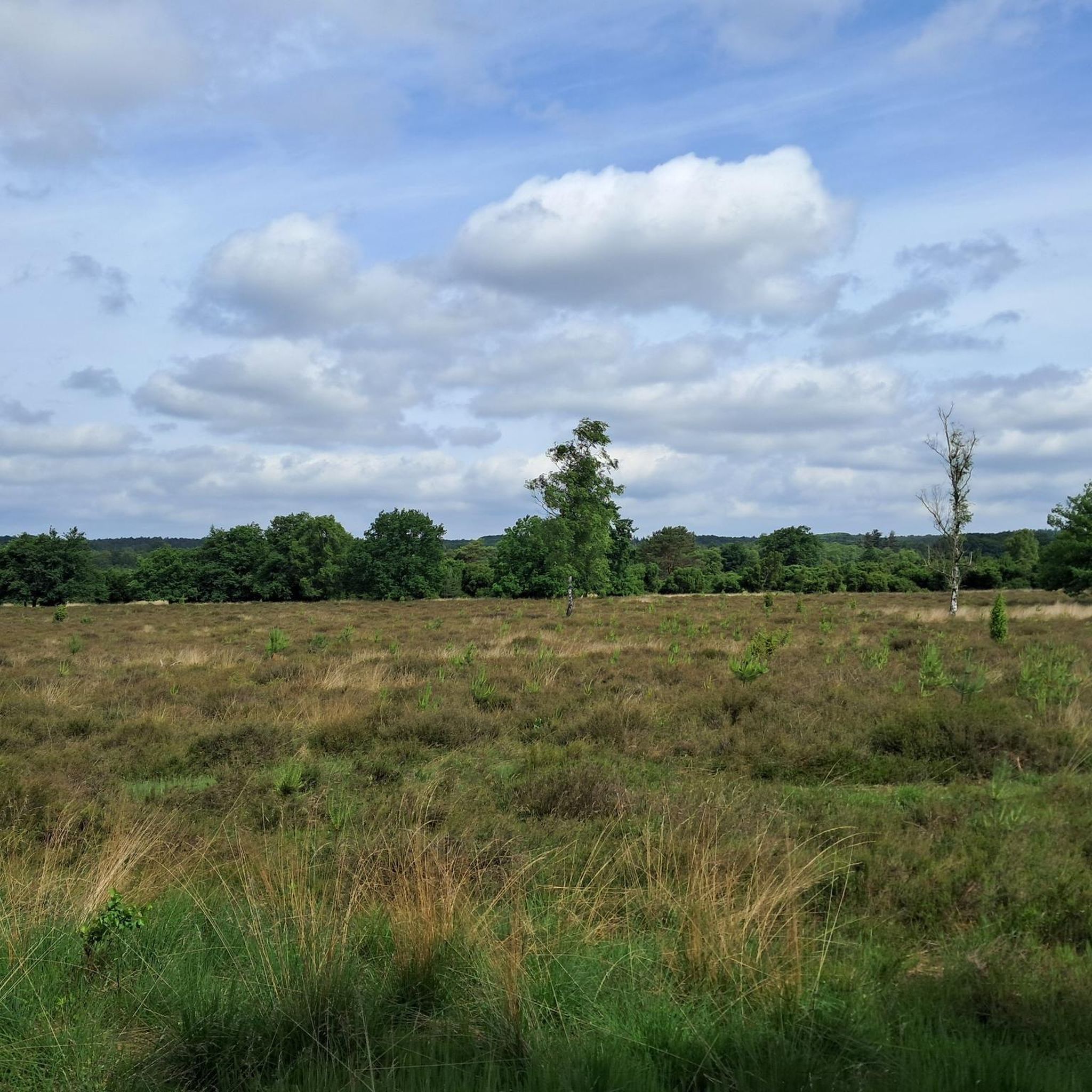
Traffic-free bike rides in Dauner Maare
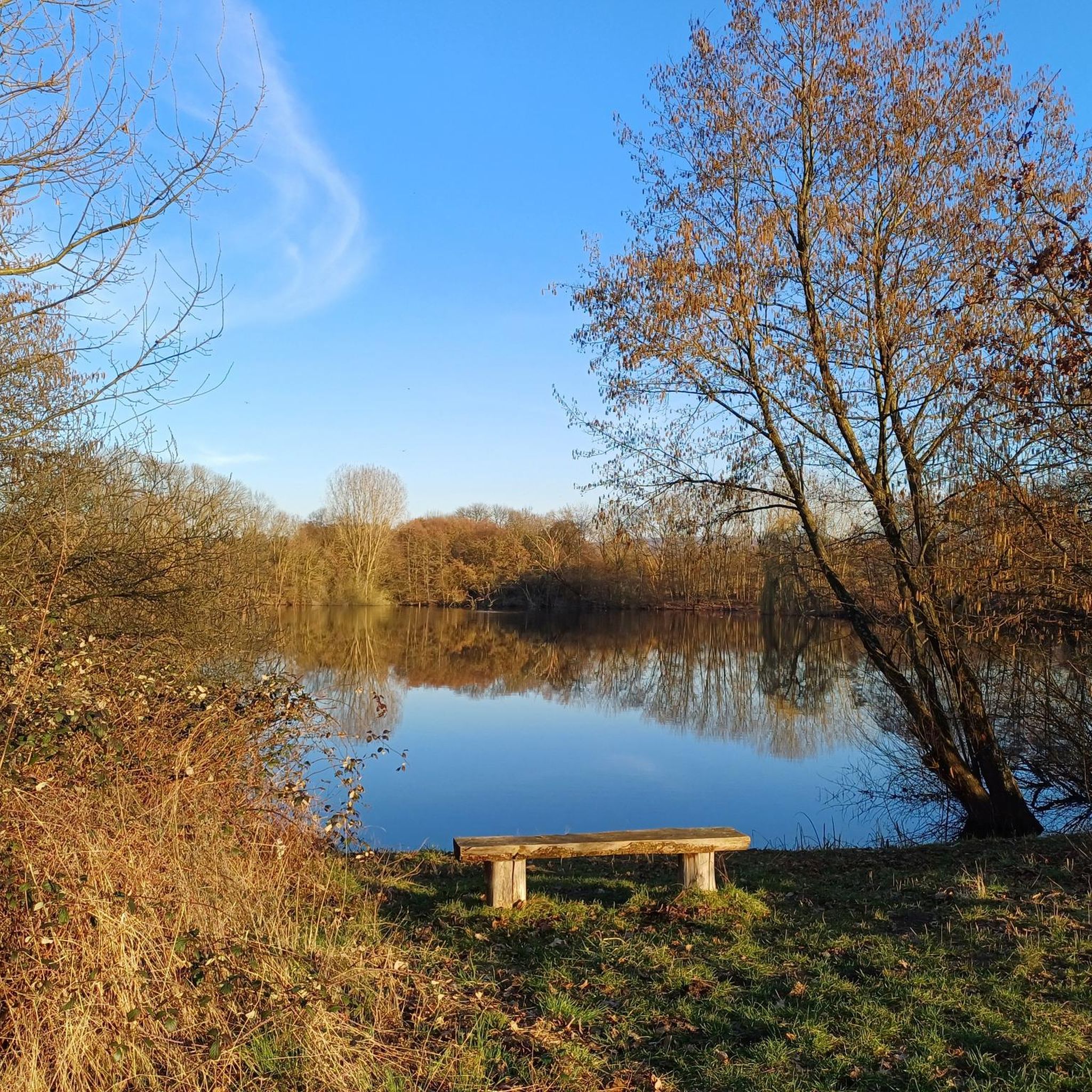
Traffic-free bike rides in Dauner Maare
Other adventures in Dauner Maare


Tips from the Community


Nice place to stop for refreshments after a hike to the Pulvermaar.
1
0

Discovering the historical is always a highlight
0
0

A truly amazing experience for young and old. Turn on the lights – even though the tunnel is lit. And in hot weather, it's like riding through a "refrigerator."
0
0
A well-maintained cycle path runs around the maar, and beautiful views are guaranteed.
0
0

Motorhome port at the holiday village Pulvermaar
0
0

Unfortunately, it is not possible to cycle directly around the maar.
0
0

"Old Station" Schalkenmehren Passenger service between Daun and Wittlich was discontinued on November 1, 1981. Schalkenmehren. Approaching the Old Station in Schalkenmehren on the former railway line, today's Maare-Mosel cycle path, and seeing the station building, it's hard to believe that it was opened as a fourth-class railway station exactly 100 years ago. But how did it all begin 100 years ago? Surveying for the Daun-Wittlich railway line began as early as 1897. General preparatory work for the single-track line began in 1907. But it would take some time before the Daun-Schalkenmehren-Gillenfeld section opened on December 1, 1909, with the line running over the 28-meter-high Daun viaduct and through the 560-meter-long Schalkenmehren railway tunnel, "Großes Schlitzohr" (Great Sly Fox). The extension from Gillenfeld to Manderscheid to Pantenburg was completed on May 1, 1910, and the extension from Manderscheid-Pantenburg to Wittlich, signifying the completion of the entire line, was completed on July 1, 1910. The completion of the Daun-Wittlich railway line brought rapid development to the village of Schalkenmehren. In the first year of the line's existence (1910), 18,968 tickets were sold in Schalkenmehren, followed by 25,057 in 1913, 27,969 in 1919, and even 30,279 in 1922. In addition, Schalkenmehren station was designed for general cargo traffic and the receipt and dispatch of wagonloads. Text / Source: www.volksfreund.de/ https://www.volksfreund.de/region/vulkaneifel/ein-schmuckstueck-fuer-nostalgiker_aid-5712448
14
0
Frequently Asked Questions
How many no-traffic touring cycling routes are available in Dauner Maare?
The Dauner Maare region offers a good selection of car-free touring cycling routes. You can find over 20 routes, ranging from easy to difficult, ensuring there's something for every skill level.
What kind of terrain can I expect on the no-traffic touring cycling routes in Dauner Maare?
The terrain varies, reflecting the region's volcanic landscape. Many routes, like those built on former railway lines, feature gentle gradients, making them very accessible. However, some routes will include rolling hills and moderate climbs, especially if you venture away from the main railway paths. For example, the Holzmaar – Cycle path on a railroad line loop from Daun covers over 700m of elevation gain.
Are there any family-friendly no-traffic cycling routes in the Dauner Maare region?
Yes, the Dauner Maare is excellent for family-friendly cycling. The most prominent route, the Maare-Mosel Cycle Route, is built on a former railway line, offering continuously asphalted paths with gentle gradients (averaging 2.5%) and bypassing road traffic through tunnels and over viaducts. This makes it ideal for families and touring cyclists seeking an easy, car-free experience. Routes like the View of Daun from Daun Viaduct – Großes Schlitzohr Tunnel loop from Schalkenmehren are also suitable for a relaxed family outing.
Can I bring my dog on the no-traffic touring cycling routes?
Generally, dogs are welcome on most cycling paths in the Dauner Maare region, including the popular Maare-Mosel Cycle Path, provided they are kept on a leash. Always ensure your dog is comfortable with cycling alongside you and that you carry water for both of you. Specific regulations might apply in certain protected natural areas, so it's always good to check local signage.
What natural attractions can I see along these car-free cycling routes?
The region's unique volcanic history means you'll encounter stunning natural features. Many routes pass by the famous 'Maare' – circular, water-filled volcanic craters. You can enjoy views of the Gemünden maar, the Schalkenmehrener Maar, and the Weinfelder Maar. The Strohner Lava Bomb – Schutzalf Memorial Bell Tower loop from Schalkenmehren also takes you past the impressive Strohner Lava Bomb, a testament to the area's fiery past.
Are there any historical landmarks or viewpoints accessible from the no-traffic routes?
Yes, the Dauner Maare offers several interesting landmarks and viewpoints. The Dronke Tower on the Mäuseberg provides panoramic views over the maars, a rewarding stop for cyclists. While not directly on a no-traffic route, Kasselburg Castle with its eagle and wolf park is an interesting historical site nearby. You can also find charming towns and smaller historical points of interest along many routes.
Are there circular no-traffic touring cycling routes in Dauner Maare?
Yes, many of the no-traffic touring cycling routes in Dauner Maare are designed as circular loops, allowing you to start and end at the same point. Examples include the Pulvermaar – Cycle path on a railroad line loop from Schalkenmehren and the Cycle path on a railroad line – View of the Pulvermaar loop from Daun. These loops are great for exploring the diverse landscapes without needing a return trip arrangement.
Where can I park my car when starting a no-traffic touring cycling route in Dauner Maare?
Parking is generally available in the towns and villages that serve as starting points for these routes. For instance, Daun and Schalkenmehren, which are central to many no-traffic paths, offer designated parking areas. Along the Maare-Mosel Cycle Route, you'll find parking at various access points, often near former train stations or trailheads. Look for signs indicating 'Radweg Parkplatz' or general public parking.
Is public transport an option to reach the no-traffic cycling routes?
Public transport options are available to help you access the cycling routes. The Maare-Mosel Cycle Route, for example, is well-connected, and during peak season, there are often dedicated 'RadBus' services that transport both cyclists and their bikes, linking the Vulkaneifel with the Mosel region. Check local bus schedules for specific routes and bike transport availability, especially for reaching the more remote starting points.
What is the best time of year to go touring cycling in Dauner Maare?
The spring (April-May) and autumn (September-October) months are generally considered the best time for touring cycling in Dauner Maare. During these periods, the weather is typically mild, and the landscapes are particularly beautiful with blooming flowers or vibrant autumn foliage. Summer can also be pleasant, but routes may be busier, especially on weekends. Winter cycling is possible but requires appropriate gear for colder temperatures and potentially icy conditions.
What do other cyclists enjoy most about the no-traffic touring routes in Dauner Maare?
The Dauner Maare region is highly rated by the komoot community, with an average score of 4.6 stars. Reviewers often praise the tranquility and safety of the car-free paths, the stunning volcanic lake views, and the well-maintained surfaces, especially along the former railway lines. The combination of unique natural beauty and accessible routes makes it a favorite for a relaxed and scenic cycling experience.
Most popular routes in Dauner Maare
Most popular attractions in Dauner Maare

Get inspired with the komoot mobile app


Explore more
Browse the best Cycling routes in other regions.
