The best hikes from bus stations in Dauner Maare
4.5
(20270)
68,193
hikers
41
hikes
Hiking in Dauner Maare offers a unique experience through the Vulkaneifel region, characterized by its distinctive volcanic landscapes and picturesque maars. The area features circular crater lakes, often referred to as the "eyes of the Eifel," nestled amidst lush forests. This UNESCO Global Geopark showcases a rugged and primeval landscape shaped by ancient volcanic activity, including numerous maars and cinder cones. The terrain includes diverse ecosystems around the maars, with shore areas, bogs, and mixed woodlands.
Best bus station hiking…
Last updated: September 28, 2026
4.7
(606)
2,130
hikers
Moderate hike. Good fitness required. Easily-accessible paths. Suitable for all skill levels.
4.3
(36)
158
hikers
26.2km
07:20
510m
510m
Hard hike. Very good fitness required. Easily-accessible paths. Suitable for all skill levels.

4.7
(178)
924
hikers
3.16km
00:50
30m
30m
Easy hike. Great for any fitness level. Easily-accessible paths. Suitable for all skill levels.
4.8
(36)
129
hikers
Moderate hike. Good fitness required. Easily-accessible paths. Suitable for all skill levels.
4.6
(10)
36
hikers
Moderate hike. Good fitness required. Easily-accessible paths. Suitable for all skill levels.
Get access to more routes and recommendations from other explorers.
Already have an account?
Our route recommendations are based on thousands of hikes, rides, and runs completed by other people on komoot.
Start today with a free account
Your next adventure awaits.
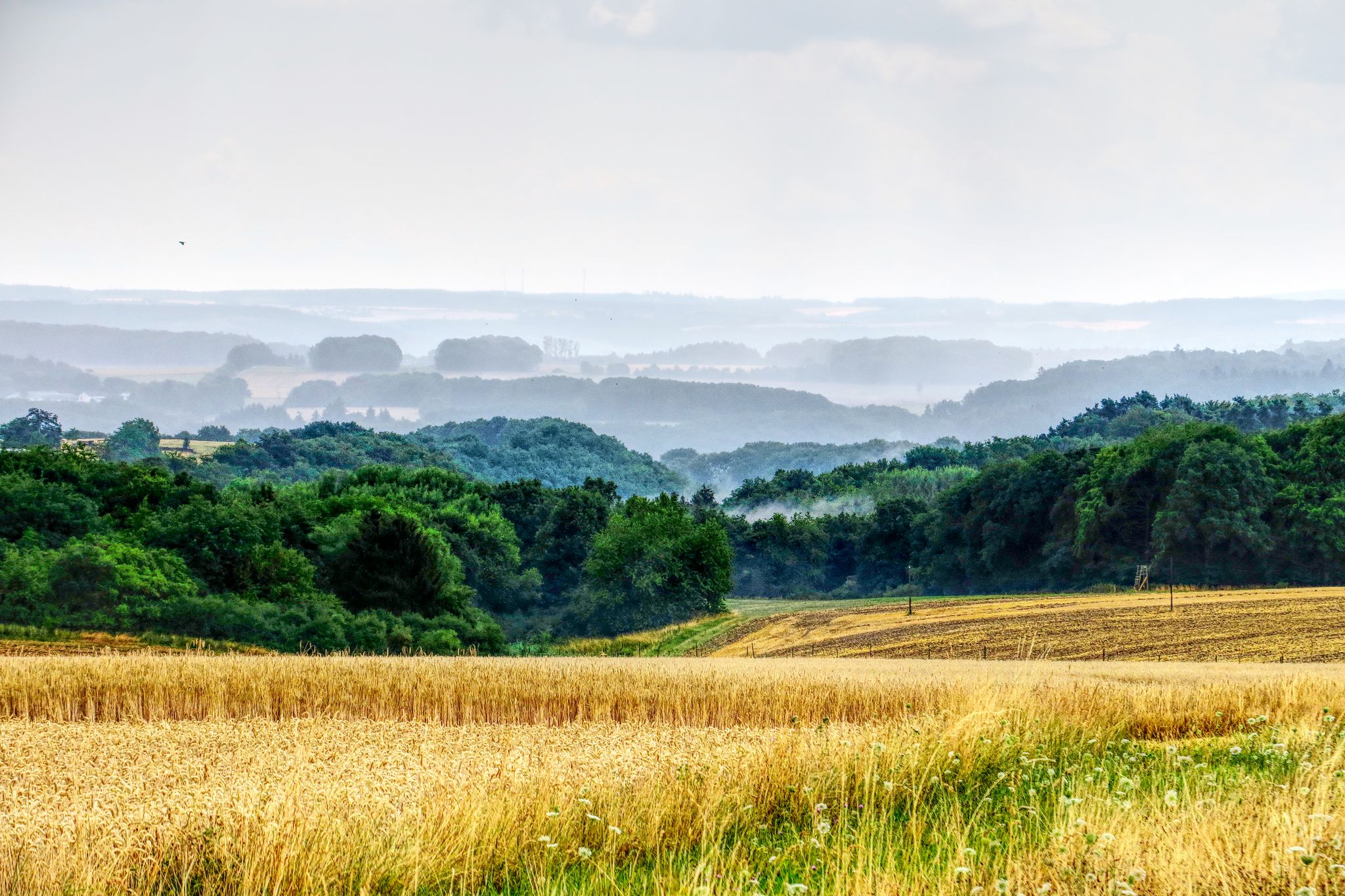
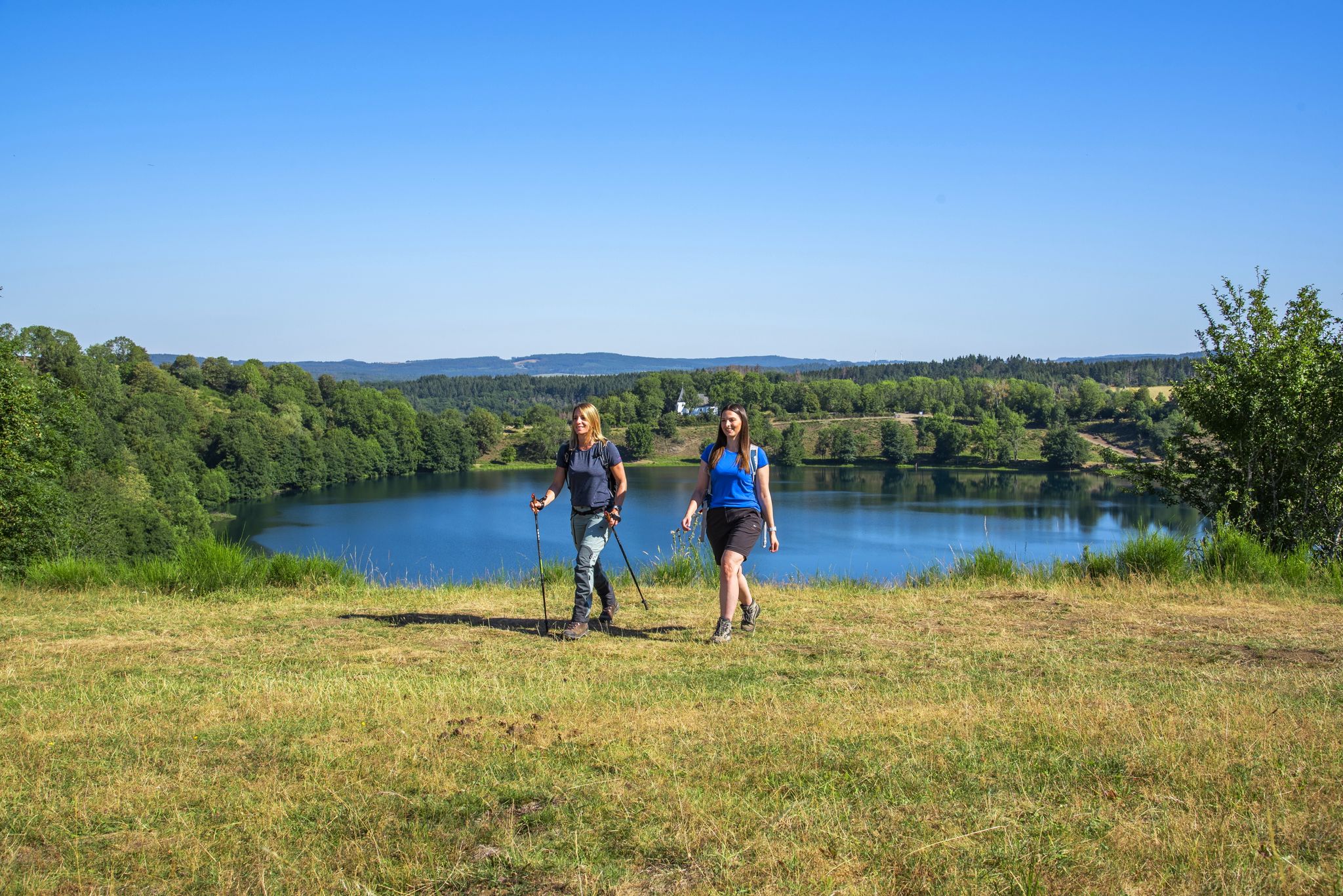
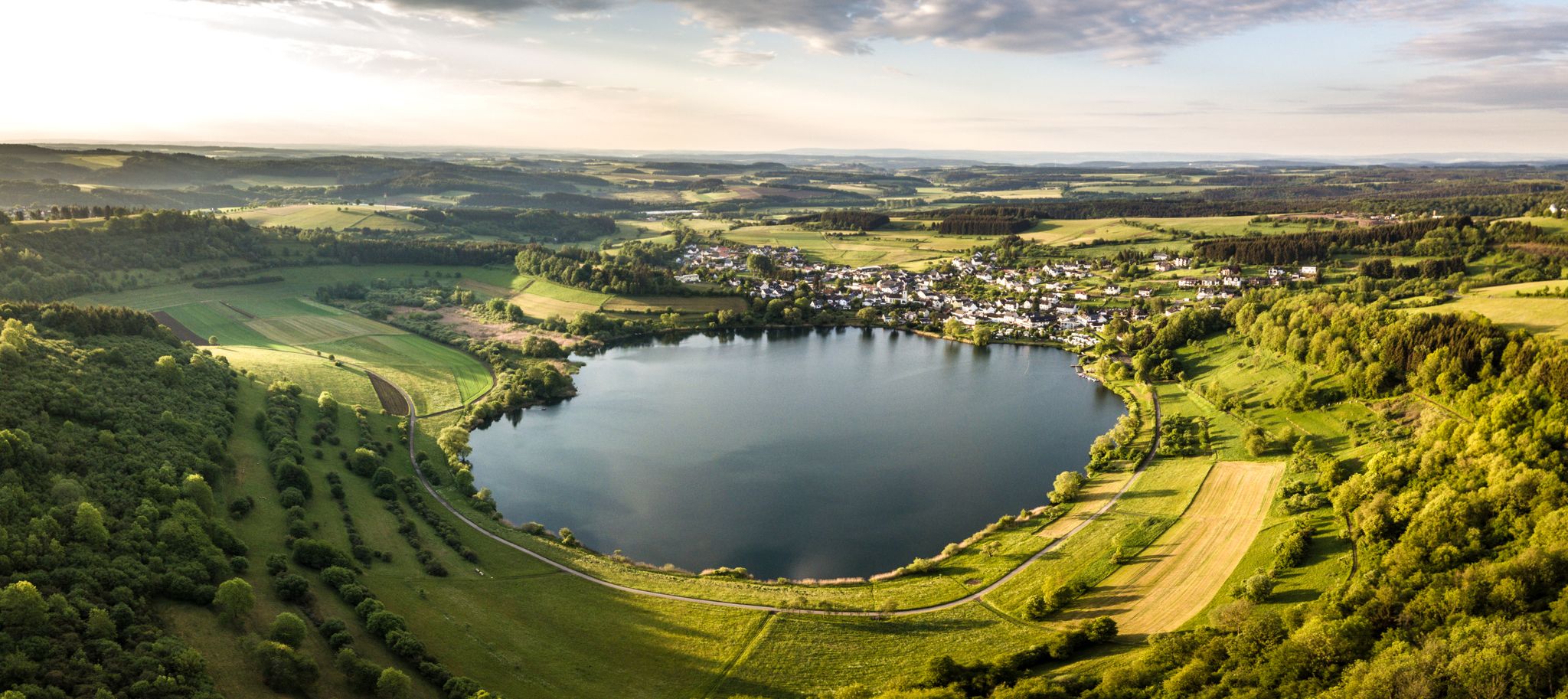
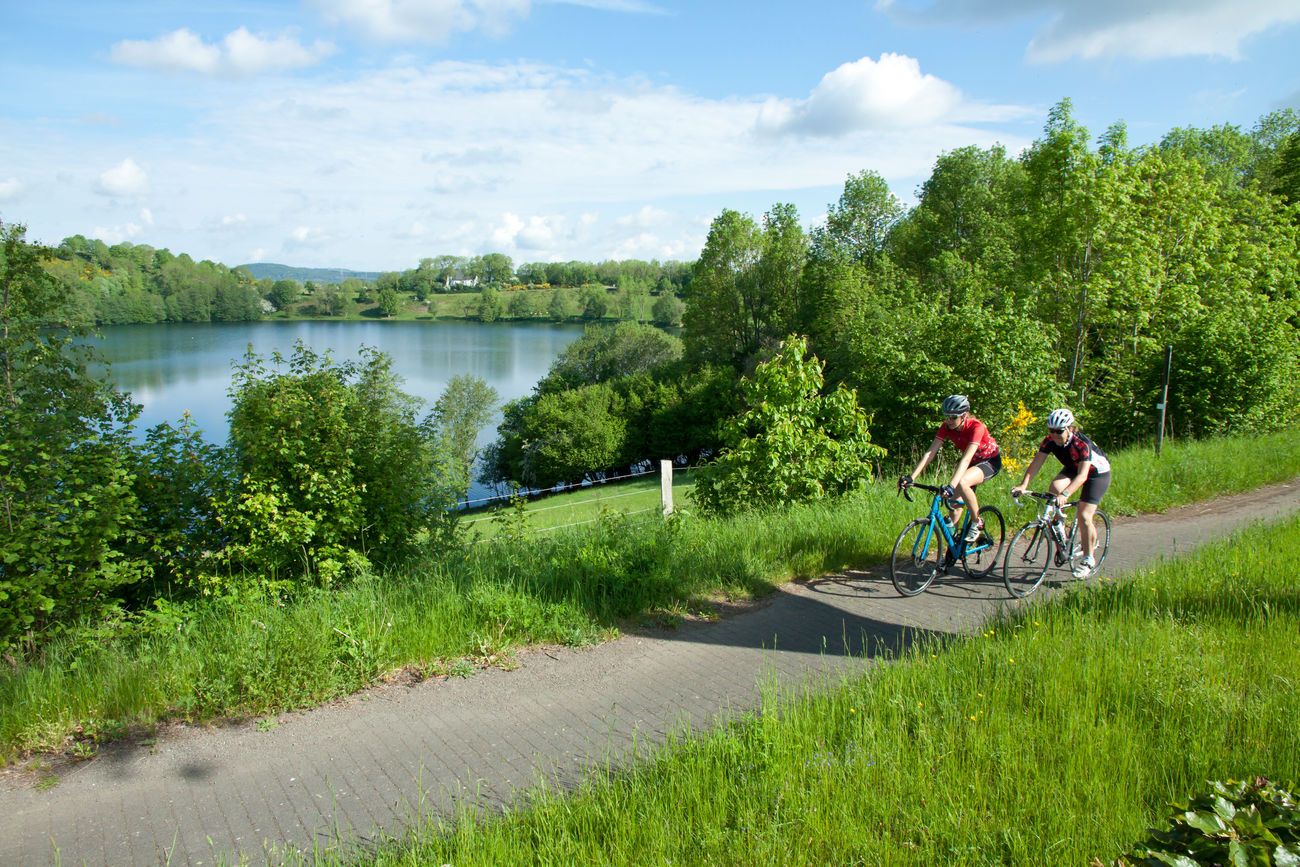
Other adventures in Dauner Maare


Tips from the Community


„Birds are singing, flowers are blooming, green is again the forest and the field. Oh, let us go and wander from one place to another through the wide, green world!“ (Hoffmann von Fallersleben)
5
0
All hikers / walkers, who are enjoying this view that presents itself to the eye here, I would like to invite with the words of the writer Otto Wilhelm Ullmann to discover the world (and with it the beauty of nature): "Hiking means discovering the world, finding hidden corners, in old alleys, quiet spots feeling the bliss of peace, raising reverence for the old and nurturing the heritage of the fathers, awakening joy from the smallest things: Hiking means discovering the world."
2
0
The "Heimatspur Maareglück", which hikers/walkers repeatedly encounter in the vicinity of the Totenmaar, the Schalkenmehrener Maar, and the Gemündener Maar - or perhaps even follow - is in the final for the election of the most beautiful hiking trail in Germany (2026). Those who still want to vote by June 30 can find the virtual voting booth at =>> https://wandermagazin.de/wahlstudio
1
0

A well-maintained cycle path runs around the maar, and beautiful views are guaranteed.
0
0

Information on the Mürmes nature reserve can be found at NABU: https://www.nabu-daun.de/wir-sichern-fl%C3%A4chen/nsg-m%C3%BCrmes/ or at: https://ellscheid-vulkaneifel.de/408/tourismus/muermes
1
0

at this point now well hidden behind trees
1
0

The Daun Maars - 10,000-Year-Old Volcanic Lakes The Daun Maars were formed around 10,000 years ago from volcanic steam explosions. Hot lava rises from the Earth's interior and encounters water, which suddenly evaporates. This blasts away entire mountain peaks. What remains is a deep crater that fills with water over the years and a wall of boulders surrounding the lake. The Daun Maars include the Gemünden Maar, the Weinfelder Maar, and the Schalkenmehrener Doppelmaar. One crater of the Schalkenmehrener Maar has silted up over the millennia. The area is a nature reserve and a refuge for waterfowl and rare dragonfly species. Text / Source: deutschland-outdoor.der https://deutschland-outdoor.de/eifel/dauner-maare
13
0
Frequently Asked Questions
How many hiking trails accessible from bus stations are there in Dauner Maare?
Dauner Maare offers over 40 hiking trails that are conveniently accessible from bus stations, providing a great way to explore the region's unique volcanic landscapes without a car. These routes cater to various fitness levels, from easy strolls to more challenging treks.
What do other hikers enjoy most about the bus station accessible trails in Dauner Maare?
The trails in Dauner Maare are highly rated by the komoot community, with an average score of 4.55 stars from over 17,500 ratings. Hikers frequently praise the stunning views of the maars, the diverse volcanic landscape, and the well-maintained paths that make exploring by public transport a breeze.
Are there any easy, family-friendly hikes from bus stops in Dauner Maare?
Yes, there are many easy routes suitable for families. The area around the maars offers gentle paths with minimal elevation gain. While specific family-friendly routes from bus stops are numerous, you can find over 20 easy trails in the region that are accessible via public transport, perfect for a relaxed day out with children.
Which bus station accessible trails offer the best viewpoints of the maars?
Many routes provide spectacular views of the maars. For panoramic vistas, consider trails that include the Dronke Tower on the Mäuseberg. From here, you can see the Gemündener Maar deep below. Other routes offer stunning perspectives of the Schalkenmehrener Maar and Weinfelder Maar, often referred to as the 'eyes of the Eifel'.
Are there any circular hiking routes from bus stations in Dauner Maare?
Yes, many of the bus station accessible trails are circular, allowing you to start and end your hike at the same public transport stop. A popular option is the Dronke Tower on the Mäuseberg – Schalkenmehrener Maar loop from Schalkenmehren, which offers a moderate 9.7 km circular route with great views.
Can I bring my dog on the bus station accessible hiking trails in Dauner Maare?
Most hiking trails in Dauner Maare are dog-friendly, making it a great destination for exploring with your canine companion. Always keep your dog on a leash, especially in nature conservation areas like around the Weinfelder Maar, and be mindful of other hikers and wildlife. Remember to carry water for your dog, particularly on longer routes.
What kind of terrain can I expect on the bus station accessible hikes?
The terrain in Dauner Maare is varied due to its volcanic origin. You can expect a mix of forest paths, lakeside trails, and some ascents to viewpoints. While many paths are well-maintained, some routes may include natural, uneven surfaces. The region is characterized by its maars, which are volcanic crater lakes, and rolling hills, offering a diverse hiking experience.
Are there any longer, more challenging hikes accessible by bus in Dauner Maare?
For those seeking a greater challenge, Dauner Maare offers several difficult routes accessible by bus. The Volcano Trail is a demanding 26 km route with significant elevation changes, providing an immersive experience of the volcanic landscape. This trail requires good fitness and sure-footedness.
What natural attractions can I see along the bus station hiking trails?
Beyond the stunning maars themselves, you can discover various natural monuments and unique geological features. Highlights include the View of the Gemünden maar, the Schalkenmehrener Maar, and the View of the Weinfelder Maar (Totenmaar). The region is part of a UNESCO Global Geopark, showcasing its rich volcanic history and diverse ecosystems.
When is the best time of year to go hiking from bus stations in Dauner Maare?
Dauner Maare is beautiful year-round. Spring brings blooming flora, while summer allows for swimming in some maars. Autumn offers vibrant foliage, and even winter hiking can be magical, though some paths might be slippery. For the most comfortable hiking conditions and clear views, late spring to early autumn is generally recommended.
Are there any less crowded hiking routes from bus stops in Dauner Maare?
While the main maars can be popular, you can find quieter trails by exploring routes slightly further afield or by hiking during off-peak times. The Mürmes Bog – Mürmes Nature Reserve loop from Schalkenmehren offers a moderate 11.9 km route through a unique bog landscape, which can be a peaceful alternative to the more frequented maar paths.
Can I find cafes or pubs near the bus stations after a hike?
Yes, many villages in the Dauner Maare region, especially those with bus stops, offer cafes, restaurants, and pubs where you can relax and refuel after your hike. Schalkenmehren, for example, is a good starting point for several trails and has options for refreshments. It's always a good idea to check opening hours in advance, especially during off-season.
Most popular routes in Dauner Maare
Most popular attractions in Dauner Maare

Get inspired with the komoot mobile app


Explore more
Browse the best Hikes in other regions.
