The best traffic-free bike rides in Nationalpark-Kernzone
4.7
(135)
841
riders
48
rides
No traffic gravel bike trails in Nationalpark-Kernzone traverse a landscape characterized by varied topography, including rugged mountains, dense forests, and clear streams. The region features extensive gravel path networks, often along forest roads, with some sections on asphalt, making them suitable for gravel bikes. Iconic rock formations and picturesque valleys provide scenic backdrops for rides. These protected areas prioritize nature, offering well-preserved environments ideal for exploration on two wheels.
Best no traffic gravel bike trails in Nationalpark-Kernzone
- The most popular no traffic gravel bike trail is Elbe River and Bastei Bridge Loop, a 18.9 miles (30.5 km) trail that takes 2 hours 9 minutes to complete. This moderate route offers views of the Elbe River and the Bastei Bridge.
- Another top favourite among local gravel bikers is Kirnitzsch Valley Cycle Path – Schwarzbach Valley loop from Goßdorf-Kohlmühle, a difficult 40.8 miles (65.7 km) path. This route winds through the Kirnitzsch and Schwarzbach valleys, presenting a challenging terrain.
- Local gravel bikers also love the From Schmilka around the big Zschirnstein, a 13.3 miles (21.4 km) trail leading through varied terrain around the Big Zschirnstein, often completed in about 1 hour 52 minutes.
- Gravel biking in Nationalpark-Kernzone is defined by diverse topography, extensive gravel path networks, and iconic rock formations. The network offers options for various ability levels, from moderate to difficult routes.
- The routes in Nationalpark-Kernzone are highly rated by the komoot community with an average score of 4.6 stars from over 100 reviews. More than 700 gravel bikers have used komoot to explore Nationalpark-Kernzone's varied terrain.
Last updated: July 9, 2026
4.8
(5)
37
riders
30.5km
02:09
380m
380m
Explore the moderate 18.9-mile gravel biking route from Wehlen to Bastei and Königstein, featuring iconic rock formations and historic fortr
5.0
(2)
45
riders
65.7km
04:44
1,210m
1,210m
Hard gravel ride. Very good fitness required. You may need to push your bike for some segments of this route.

Sign up for free
3
riders
21.4km
01:52
450m
450m
Hard gravel ride. Very good fitness required. Some segments of this route may be unpaved and difficult to ride.
5.0
(3)
12
riders
Hard gravel ride. Very good fitness required. Mostly paved surfaces. Suitable for all skill levels.
4.6
(12)
40
riders
47.2km
03:41
850m
850m
Hard gravel ride. Very good fitness required. You may need to push your bike for some segments of this route.
Get access to more routes and recommendations from other explorers.
Sign up for free
Already have an account?
Our route recommendations are based on thousands of hikes, rides, and runs completed by other people on komoot.
Start today with a free account
Your next adventure awaits.
Login or Signup



Tips from the Community

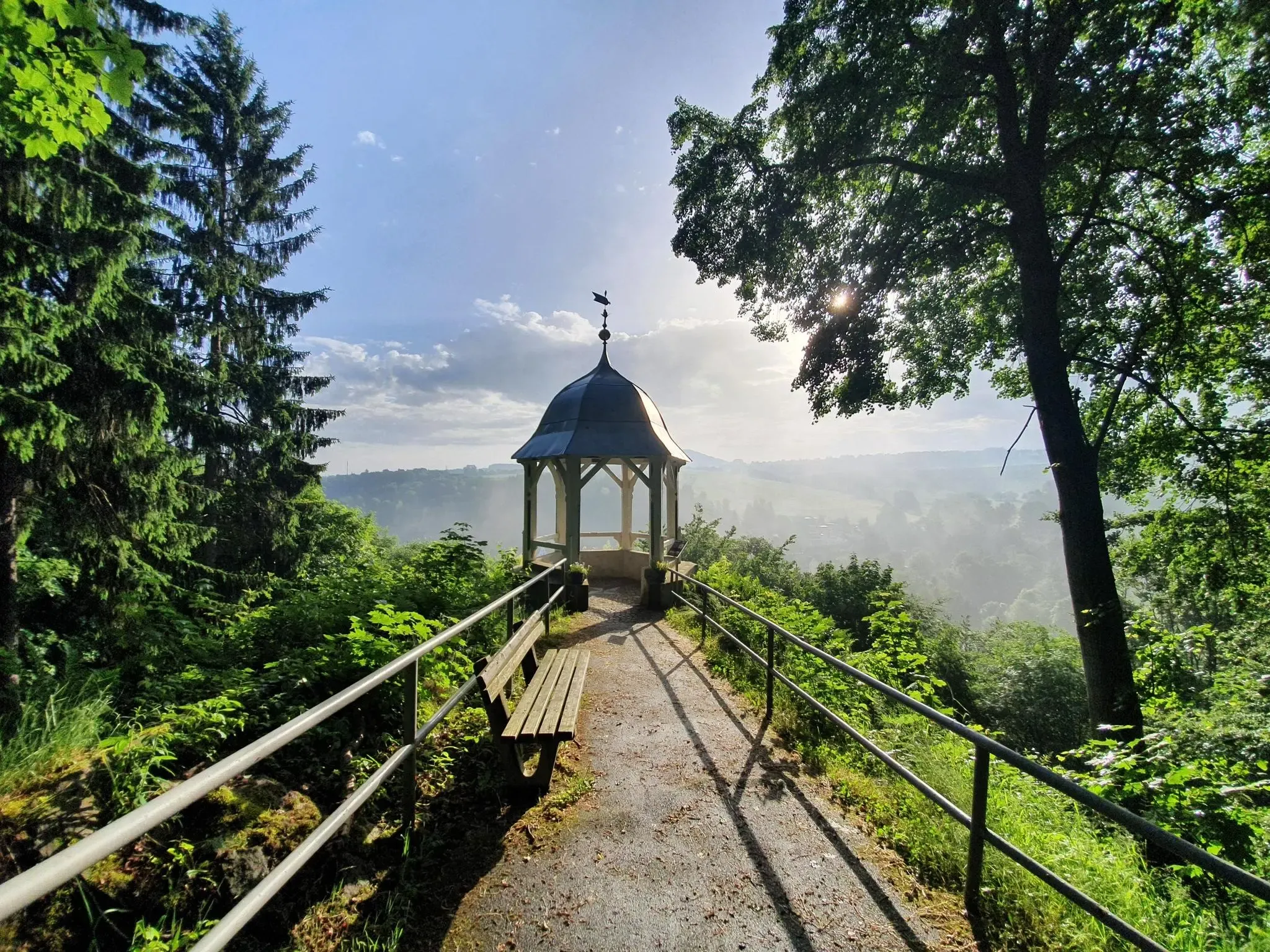
A nice place for a stop. Coffee, beer. The boss is Czech and speaks a little Polish.
0
0

Romantic corner here. The thinned forest reveals the rocks. However, the trail on the German side has been terrible for normal cyclists for as long as I can remember 🫨🤦♂️
0
0


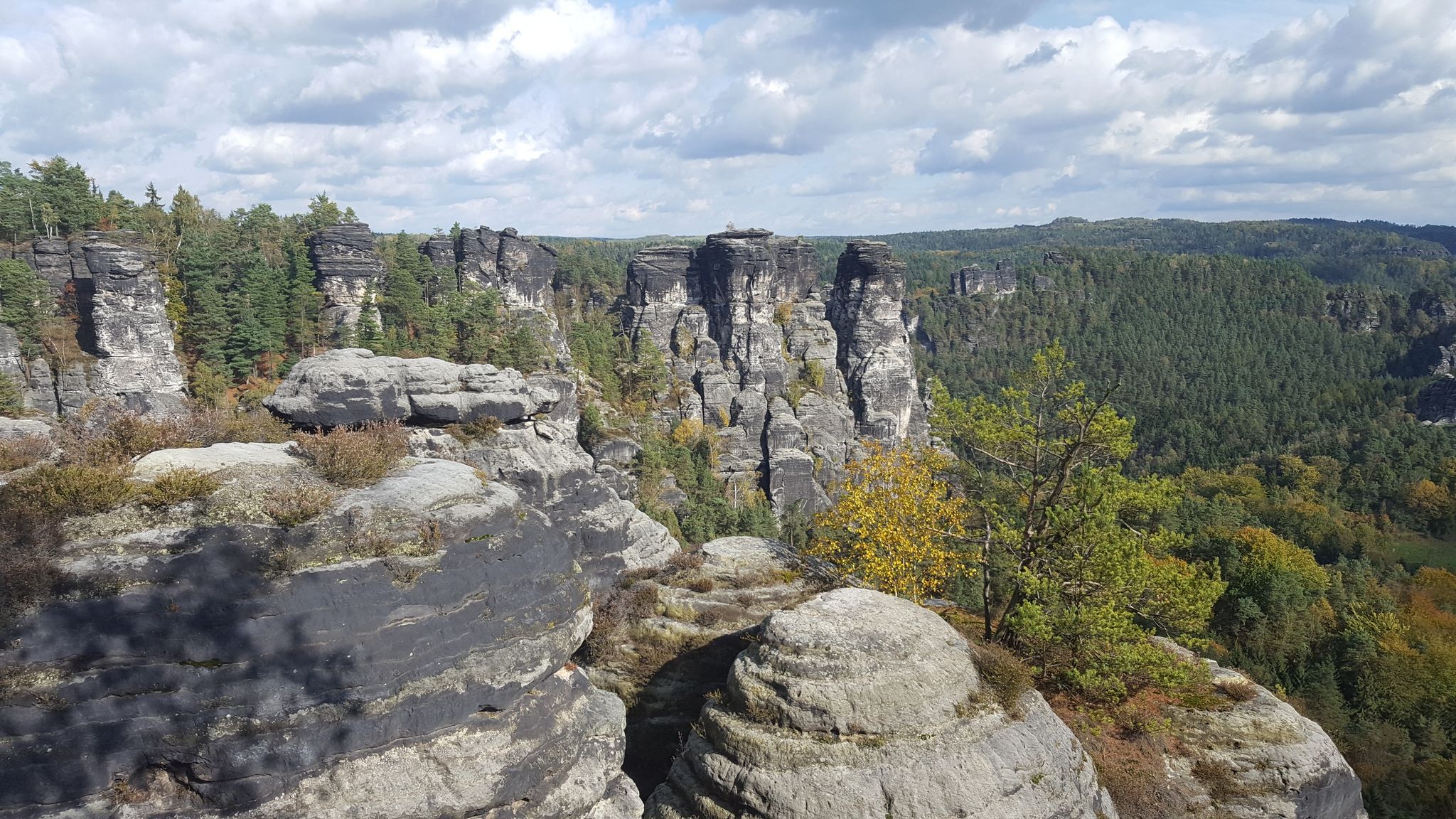
The rock formations of the Bastei are made of heavily fissured sandstone and rise steeply above the Elbe valley. They were formed by erosion and today form one of Germany's most famous landscapes. Typical are slender rock towers, deep gorges, and spectacular viewpoints, which are particularly popular with hikers and tourists.
0
0

View of the Königstein Fortress
0
1

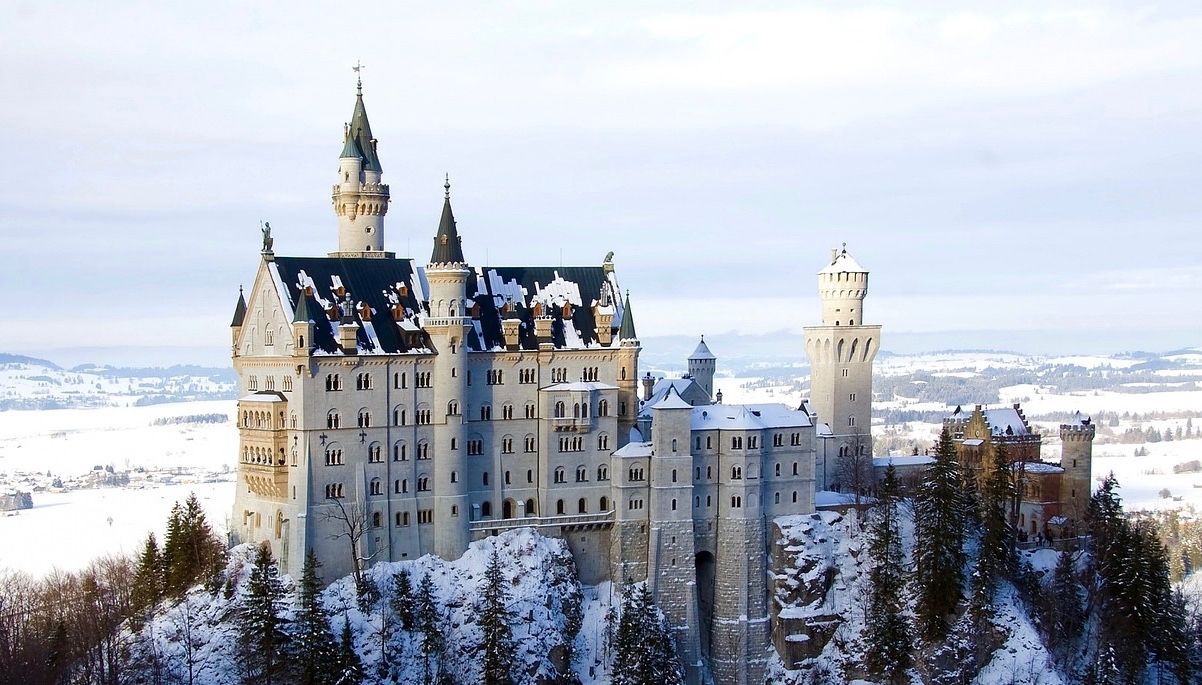
Hohnstein Castle is located in the immediate vicinity of the Saxon Switzerland National Park and not far from the Bastei on a rocky promontory above the romantic Polenztal valley and the town of Hohnstein. The medieval castle complex was first mentioned in a document from 1353, was the seat of the nobility, an office, a state prison and a hunting lodge - and in the 1920s it was the largest and most beautiful youth hostel in Germany. Hohnstein Castle is a picturesque monument just because of its location. The immediate surroundings of the rocks and the deeply cut valleys attracted painters in the 18th and 19th centuries. Caspar David Friedrich was no exception! He was repeatedly inspired by the Elbe Sandstones during his wanderings. Hohnstein Castle is one of these places of inspiration. Above, two impressions from the Polenztal valley, below, a quick study of Hohnstein Castle: a lost sketchbook page from July 8, 1800, tells of a full day of wandering. It is easy to imagine the young Caspar David Friedrich, tired but happy on a warm summer evening after the many impressions of the day, probably sitting in the gazebo of the Gasthaus zum Hirsch inn on Hohnstein square, putting his last drawing to paper. The plan for the next day is probably already made: another trip down to the Schindergraben to draw the ruins at Schinderloch.
2
0

From the Königstein village path at the Königsstein, a steep climb (16% gradient) over old cobblestones is not possible due to the risk of slipping. Going down is life-threatening! We pushed our bikes up. Even hikers fell in front of us. Do not ride here under any circumstances.
0
0

The Armoury is always worth a visit, whether on foot or by bike. Good drinks and food with a very friendly host
1
0
Frequently Asked Questions
How many traffic-free gravel bike trails are available in Nationalpark-Kernzone?
You can explore over 50 dedicated traffic-free gravel bike trails within the Nationalpark-Kernzone. These routes are designed to offer a peaceful and immersive experience away from vehicle traffic, primarily utilizing gravel forest roads and designated cycle paths.
What kind of terrain can I expect on gravel bike trails in Nationalpark-Kernzone?
The Nationalpark-Kernzone offers a diverse range of terrain, perfect for gravel biking. You'll encounter extensive networks of gravel forest roads, some sections of asphalt, and potentially root-covered trails. The varied topography includes rugged mountains, dense forests, and clear streams, providing a mix of challenges and scenic beauty. Your gravel bike's versatility will be well-suited for these paths.
Are there any family-friendly traffic-free gravel bike routes in Nationalpark-Kernzone?
While many routes in Nationalpark-Kernzone can be challenging, there are options suitable for families. Look for routes described as 'moderate' difficulty, which often feature less extreme elevation changes and smoother surfaces. The emphasis on nature protection means these areas are generally tranquil and safe for family outings, though specific routes should be checked for suitability based on children's ages and cycling experience.
What are some notable natural features or landmarks I can see along these trails?
The Nationalpark-Kernzone is rich in natural beauty and historical sites. You can expect to see iconic rock formations, picturesque valleys, and impressive lakes. Some routes, like the Elbe River and Bastei Bridge Loop, offer stunning views of the Elbe River and the famous Bastei Bridge. You might also encounter historical sites or charming villages, adding a cultural dimension to your ride.
Where can I find scenic viewpoints along the traffic-free gravel bike routes?
The region boasts numerous scenic viewpoints. For instance, you can find breathtaking vistas such as the View of Hohnstein Castle and the Polenz Valley from the Hockstein or the Hockstein Viewpoint and Shelter. The Kleiner Winterberg Viewpoint also offers expansive views, allowing you to appreciate the dramatic landscapes of the sandstone rock towers.
Are there any waterfalls accessible from the gravel bike trails?
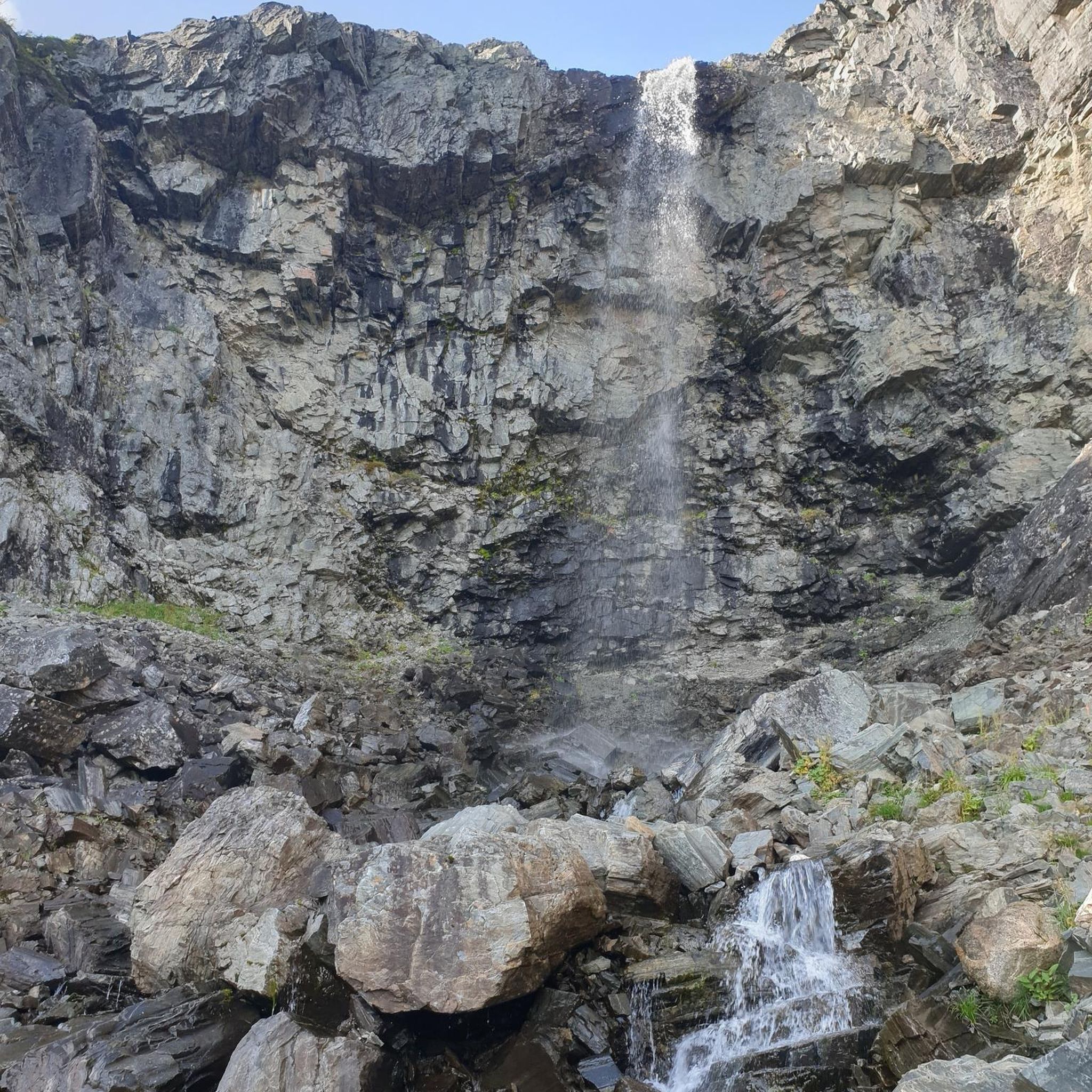
Yes, the Nationalpark-Kernzone features several beautiful waterfalls that can be accessed from or near the gravel bike trails. You might discover the serene Amselfall or the picturesque Lower Lock Waterfall and Boat Landing. These natural attractions provide perfect spots for a break during your ride.
What is the typical difficulty level for gravel biking in Nationalpark-Kernzone?
The trails in Nationalpark-Kernzone range from moderate to difficult. While some routes offer gentle rides, many involve significant elevation changes, with some difficult routes featuring over 1000 meters of ascent. For example, the Kirnitzsch Valley Cycle Path – Schwarzbach Valley loop is rated as difficult, with over 1200 meters of elevation gain. Riders should be prepared for varied challenges, and some segments might even require pushing your bike.
What do other komoot users say about gravel biking in Nationalpark-Kernzone?
The Nationalpark-Kernzone is highly rated by the komoot community, with an average score of 4.6 stars. Reviewers often praise the tranquility of the car-free routes, the stunning natural scenery, and the well-maintained gravel paths that allow for an immersive outdoor experience. Many appreciate the diverse landscapes, from dense forests to dramatic rock formations.
Are there any circular gravel bike routes available?
Yes, many of the gravel bike trails in Nationalpark-Kernzone are designed as circular routes, allowing you to start and end at the same point. For instance, the Once around the Bastei tour offers a challenging loop with significant elevation, while the Kirnitzsch Valley Cycle Path – Weifberg Observation Tower loop provides another excellent circular option to explore the region's beauty.
What are the best times of year to go gravel biking in Nationalpark-Kernzone?
The Nationalpark-Kernzone is beautiful throughout the year, but spring and autumn generally offer the most pleasant conditions for gravel biking. In spring, the landscape comes alive with lush greenery, while autumn provides stunning foliage. Summer can be warm, but the forest trails offer shade. Winter riding is possible, but be mindful of snow and ice, especially on higher elevations and less-maintained paths.
Is public transport or parking available near the trailheads?
Many Nationalpark-Kernzone trailheads are accessible by public transport, particularly in more developed areas or villages bordering the core zone. Additionally, designated parking areas are often available at key entry points to the park. It's advisable to check specific route starting points for detailed information on public transport connections or parking facilities to plan your trip effectively.
Most popular routes in Nationalpark-Kernzone
Most popular attractions in Nationalpark-Kernzone

Get inspired with the komoot mobile app


Explore more
Browse the best Gravel rides in other regions.
