The 20 Most Amazing Peaks around the Weser
Best mountain peaks around the Weser are primarily located within the Weser Uplands, a low mountain range spanning parts of Lower Saxony, Hesse, and North Rhine-Westphalia. This region features numerous hills and ridges, offering diverse natural beauty, panoramic views, and historical significance. The landscape is characterized by dense forests, rocky crags, and river valleys, providing varied terrain for exploration.
Best mountain peaks around the Weser
- The most popular mountain peaks is Adolfsburg viewpoint (Touringen stamp point no. 30), a…
Last updated: May 10, 2026
Heldrastein and view of the Werra valley
Highlight • Viewpoint
Translated by Google •
Tip by

Junkerkuppe – Highest Point of Höheberg (511 m)
Highlight • Summit
Translated by Google •
Tip by

Sign up now to discover places like this
Get recommendations on the best single tracks, peaks, & plenty of other exciting outdoor places.
Sign up for free
Krayenburg Castle Ruins
Highlight • Castle
Translated by Google •
Tip by

Hexenberg (478 m)
Highlight • Summit
Translated by Google •
Tip by

Franzosenkopf Summit (446 m)
Highlight • Summit
Translated by Google •
Tip by

Adolfsburg viewpoint (Touringen stamp point no. 30)
Highlight • Viewpoint
Translated by Google •
Tip by

Göringer Rock
Highlight • Natural Monument
Translated by Google •
Tip by

Hörne Viewpoint (523 m)
Highlight • Viewpoint
Translated by Google •
Tip by

Summit Cross Kielforst
Highlight (Segment) • Summit
Translated by Google •
Tip by

Krähenberg
Highlight • Climb
For cross-country skiers, the descent towards the east is recommended. (Attention: there is a passage block for vehicles to the west which can be dangerous for skiers!)
Translated by Google •
Tip by

Sign up for free to discover even more peaks around the Weser.
Sign up for free
Already have an account?
Start today with a free account
Your next adventure awaits.
Login or Signup
Popular around Weser
Loccum-Volkenroda pilgrim's way – From monastery to monastery
11 Hessen trails – criss-cross through the countryside
Frau Holle Trail – Nature and fairytales, eight stages
Cycle Germany's Mill Route — Open-air museums and Teutoberg forest
Germany's Hunte Cycle Path – Finding rest
German Sluice Route – Idyllic cycling on endless paths
Berlin-Hameln Cycle Route – From West to East
Hike the Fairy Tale Route – Enchanting days in Germany
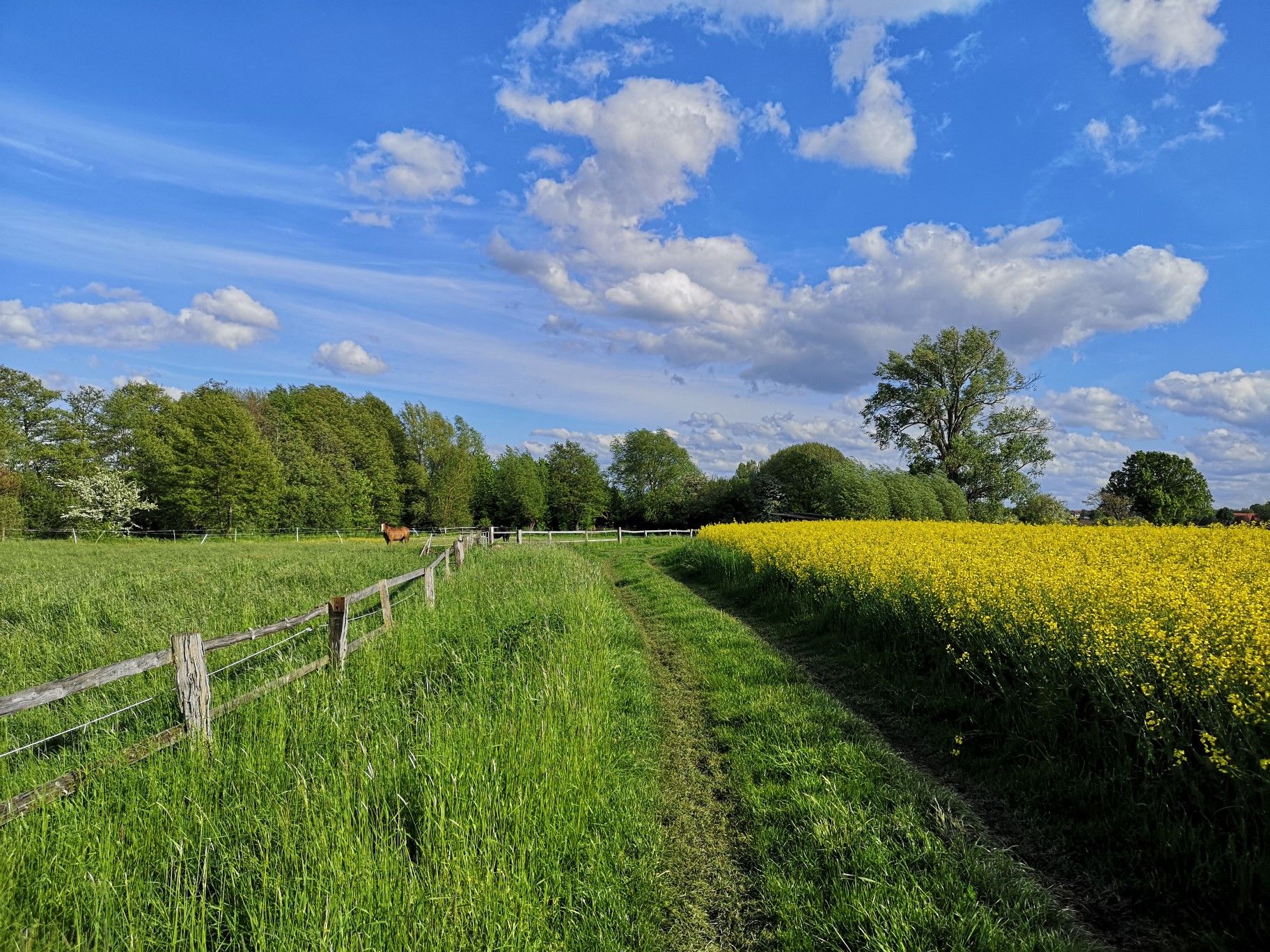
Hiking on Germany's Bückeberg Trail – Gentle hills and green forests
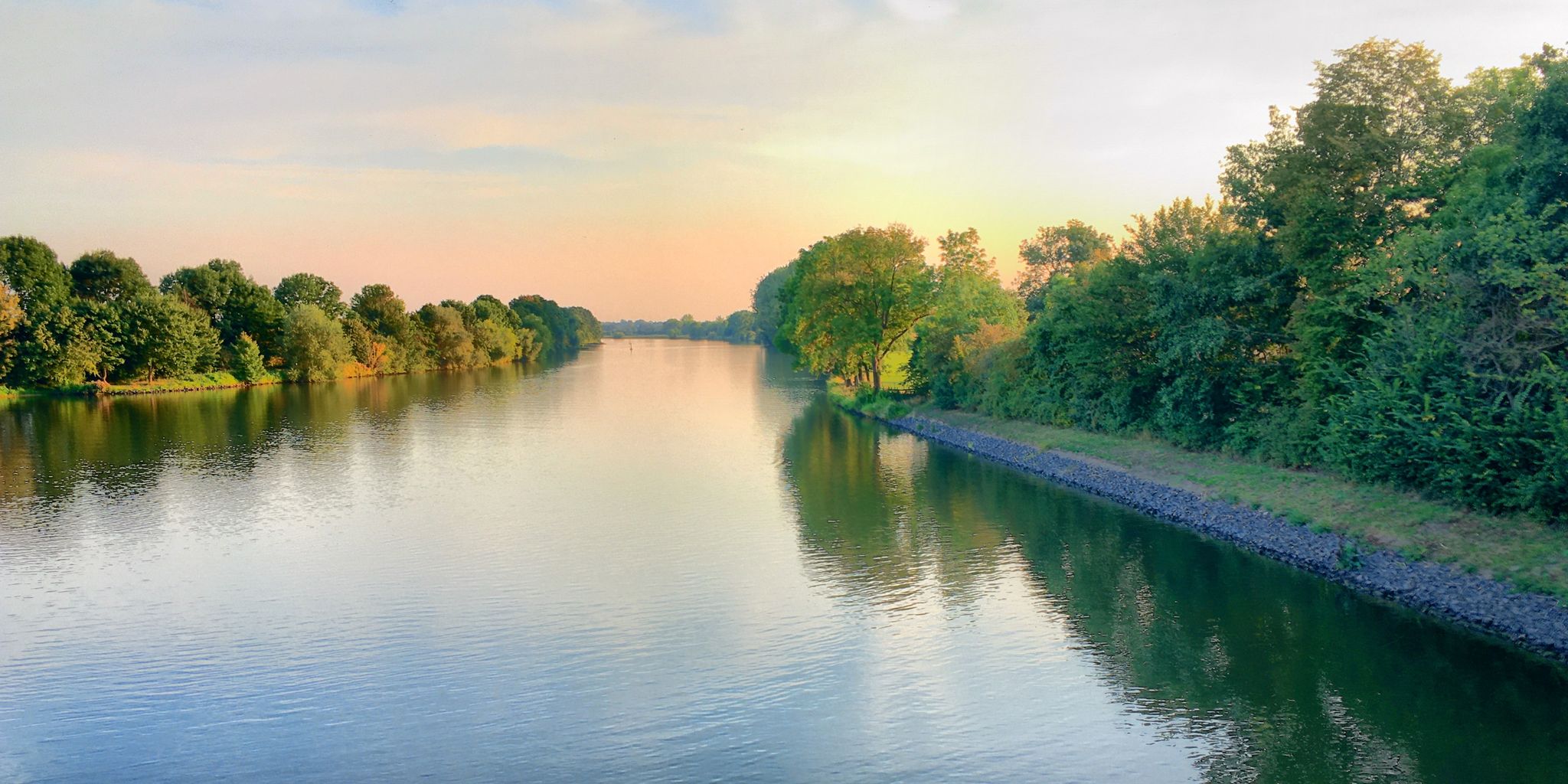
Germany's Weser Trail — Floodplains, dykes and old towns in 8 days
Other adventures around the Weser


Tips from the Community

For centuries, the Hessian-Thuringian state border has run across the summit region of the Kielforst, with a section of border stones dating back to the 16th century. During the Cold War, it was part of the former inner-German border; however, its death strip ran about 500 m east of the summit region; only a narrow border control path was built along the current border.
1
0

By Bremen standards, things are already going steeply uphill here.
0
0

Next to the ruins of the old Krayenburg is the new Krayenburg. Unfortunately, it is only open on a few weekends.
5
0
The ruins of the Krayenburg on the Krayenberg are a place with ancient history. The ruins are not directly accessible, but can be viewed.
5
0

To the west of Tiefenort, the conical hill of the 431 m high Krayenberg rises above the Werra valley. The ruins of Krayenburg castle stand on the summit
17
0

Wonderful forest route over the Hexenberg towards Obermaßfeld Grimmenthal
1
0

Even without catering, the Krayenburg is worth a trip. The paths are easy to hike and don't require any major skills
4
0

Beautiful castle, in a wonderful landscape.
4
0
Frequently Asked Questions
What are some of the most popular mountain peaks and viewpoints in the Weser region?
Visitors frequently enjoy the Adolfsburg viewpoint, which offers magnificent views over the Werra Valley, Treffurt, and Heldra. Another highly rated spot is Heldrastein and view of the Werra valley, known for its extensive panoramic views stretching up to 80 kilometers and its historical observation tower.
Which mountain peaks offer the best panoramic views in the Weser Uplands?
For expansive vistas, the Köterberg is a standout, often referred to as the 'highest elevation from that point to the North Sea,' providing magnificent panoramic views up to 80 kilometers. The Hörne Viewpoint (523 m) also offers a wonderful perspective over the forested hills of Hessian Switzerland, including the Werra and Meissner regions.
Are there any family-friendly mountain peaks or trails in the Weser region?
Yes, several spots are suitable for families. The Krähenberg is categorized as family-friendly, offering a climb with views. Additionally, the Großer Eichelberg Shelter and Viewpoint provides a pleasant destination for families, featuring a shelter and scenic views.
What natural features can I expect to see when exploring the peaks around the Weser?
The Weser Uplands are rich in diverse natural features. You'll find dense forests, such as those covering the Solling, which is part of the Solling-Vogler Nature Park. The Süntel and Ith ranges are known for their impressive rocky crags and unique flora like the dwarf beech trees (Süntelbuchen) in Süntel. Many peaks also offer stunning viewpoints over river valleys and rolling hills.
Are there historical sites or castles located on or near the mountain peaks?
Absolutely. The Krayenburg Castle Ruins stand on the 431 m high Krayenberg, offering both historical exploration and a viewpoint. The Weser Hills (Wesergebirge) feature Schaumburg Castle on the Nesselberg, an emblem of Schaumburg Land, which can be explored via the Three-Castle Route.
What kind of hiking trails are available near the Weser peaks?
The region offers a variety of hiking experiences. The Weserberglandweg is a prominent 225 km trail that crosses areas like the Süntel. For specific routes, you can find options like the 'Rundtour am Weserbogen' or the 'TOP-Hiking trail Hanstein-Teufelskanzel'. You can explore more hiking routes in the region by visiting the Hiking around the Weser guide.
Are there opportunities for cycling or running near the mountain peaks?
Yes, the Weser region provides excellent opportunities for both cycling and running. For cyclists, routes like the 'Three Countries Route' and 'Loop along the Weser' are popular. Runners can enjoy trails such as the 'Alfred-Hoffmann Bridge – Emmasee loop from Bremen'. Discover more options in the Cycling around the Weser guide and the Running Trails around the Weser guide.
Which peak offers a unique view of the Weser River's origin?
For a unique perspective on the Weser River, visit the Blümer Berg, located in the very south of the region near Hann. Münden. From here, you can witness the confluence of the Werra and Fulda rivers, which marks the beginning of the Weser.
What makes the Süntel range a distinctive hiking destination?
The Süntel range is unique for its rocky crags, the rare dwarf beech trees (Süntelbuchen), and the Hohenstein nature reserve. It offers challenging hikes and distinctive geological formations, with the Süntelturm observation tower providing scenic breaks and even a forest pub.
What do visitors appreciate most about the mountain peaks around the Weser?
Visitors frequently highlight the magnificent and extensive views, the rich historical context, and the diverse natural landscapes. Many enjoy the sense of solitude found on trails through dense forests and meadows, as well as the unique geological formations and the well-maintained hiking paths that lead to charming villages and panoramic viewpoints.
Is there a peak known for spectacular sunsets?
Yes, Hohenstein is particularly noted for its wind-tanned cliffs and spectacular sunsets, making it a prime spot for enjoying dramatic evening scenery over the landscape.
Are there any peaks with a significant historical background related to German division?
The Heldrastein holds significant historical importance. After World War II and during the German division, it was in the GDR border restricted area. Its former monitoring system tower was converted into an observation tower, known as the 'tower of unity,' and features an exhibition about the border installations.
Most popular routes around the Weser
Most popular attractions around the Weser

Get inspired with the komoot mobile app


Explore more
See even more amazing summits around the Weser with these guides:
