The best traffic-free bike rides in Tiglitzer Forst
4.5
(71)
502
riders
4
rides
No traffic road cycling routes in Tiglitzer Forst traverse a landscape characterized by serene woodlands, diverse flora, and a varied terrain shaped by the ice age. Road cyclists can expect to navigate extensive mixed forests, wide expanses of moorland, and numerous small and large bodies of water. The region, part of the Dübener Heide Nature Park, features a generally manageable hilly landscape with mostly paved surfaces, offering routes suitable for various skill levels. Natural points of interest, such as the…
Last updated: May 26, 2026
5.0
(1)
8
riders
Moderate road ride. Great for any fitness level. Some segments of this route may be unpaved and difficult to ride.
4
riders
Moderate road ride. Great for any fitness level. Some segments of this route may be unpaved and difficult to ride.

Sign up for free
2
riders
31.5km
01:15
60m
60m
Easy road ride. Great for any fitness level. Mostly well-paved surfaces and easy to ride.
4
riders
50.8km
02:16
220m
220m
Moderate road ride. Good fitness required. Some segments of this route may be unpaved and difficult to ride.
4
riders
Easy road ride. Great for any fitness level. Mostly well-paved surfaces and easy to ride.
Our route recommendations are based on thousands of hikes, rides, and runs completed by other people on komoot.
Start today with a free account
Your next adventure awaits.
Login or Signup
Popular around Tiglitzer Forst
Tips from the Community

The village, located just a few hundred meters from the medieval town of Schmiedeberg, is first documented in 1419 as "Basewitz". The name is presumably derived from the Slavic Basevici ("people of a Bas"). Its origins therefore likely lie even earlier; just as it is also to be assumed that a small chapel probably stood on the site of the present church. The small church made of fieldstones, iron ore pieces, and claystones, which was demolished in 1859 due to major structural damage, was estimated by experts at the time to be 500 years old and had space for "150 souls". It was pastorally and parish-wise served from Pretzsch; the catchment area also included Kleinkorgau and the now deserted places of Zoog, Lausig, and Saulitz. That the interior of the church cannot have been entirely unsightly is proven by the still existing baroque altar and pulpit (both around 1620). The present neoclassical village church was built in 1859 using old materials and solemnly consecrated on February 7, 1860. The altar and pulpit with vestibule, pews, and galleries were taken over from the predecessor church, but in a new color scheme. The windows were newly made. A harmonium, acquired later, served for the musical accompaniment of the service. Roof and tower repairs were carried out in 1935. The documents placed in the tower sphere at that time were reviewed in 1990 and provide an interesting insight into that era. In preparation for the Reformation anniversary in 1967, further necessary repairs were carried out. A memorial plaque for the victims of World War II was made and installed with great public participation. The painter and graphic artist Martin Wolf, Leipzig, designed a new altarpiece with a scene from the Garden of Gethsemane: "But an angel from heaven appeared to him and strengthened him" (Luke 22:43). Despite all these efforts, the exterior and interior of the church in 1990 were still in a shocking state. Thanks to the new political and economic conditions and the great commitment of the parish council and the Bad Schmiedeberg pastor Helga Paul, extensive restorations were carried out in 1990/91 and 1993. The church thus presents itself again in its state from 1860, supplemented by a wrought-iron chandelier and a pew heating system. Source http://www.evkirche-bad-schmiedeberg.de/verzeichnis/visitenkarte.php?mandat=143383
3
0

The church in Gruna is the center of the village, right on the village square, flanked by the fire station and the community center.
0
0
After 1945, the Grunaer Church was left unused for services and exposed to weathering and destruction. The flood of the century in 2002 had ultimately also severely damaged the house of worship internally. During the renovation work in the church, precious gravestones (epitaphs) made of Italian marble and other valuable stones from the time of the von Spiegel family were found. They lay with the valuable, carved side facing down in the floor and had not been recognized as such until then. In 2005, fourteen epitaphs, after extensive reconstruction, were placed around the inner surrounding walls and are now visible to everyone. 6 years after the flood, the Grunaer Church could be returned to its original use in 2008 after extensive repair and renovation. Source https://laussig.com/index.php/kirchen/kirche-gruna
2
0
The Wendenturm, which only received this name in the 19th century, is the keep of a 14th-century moated castle. In plan, it represents a rectangle with a base area of 8 x 9.5 m and walls 2 m thick. In addition, the tower with a hipped roof is approx. 30 m high. Together with the modern manor house, it stands on an earth mound - the remains of a Slavic motte-and-bailey castle. The mound has a diameter of approx. 50 m. It is surrounded on the NE, SE, and SW sides by an approx. 30 m wide, once water-filled moat, which has a depth of approx. 2.5 to 3 m. Source https://www.burgenwelt.org/deutschland/wendenturm/object.php
1
0
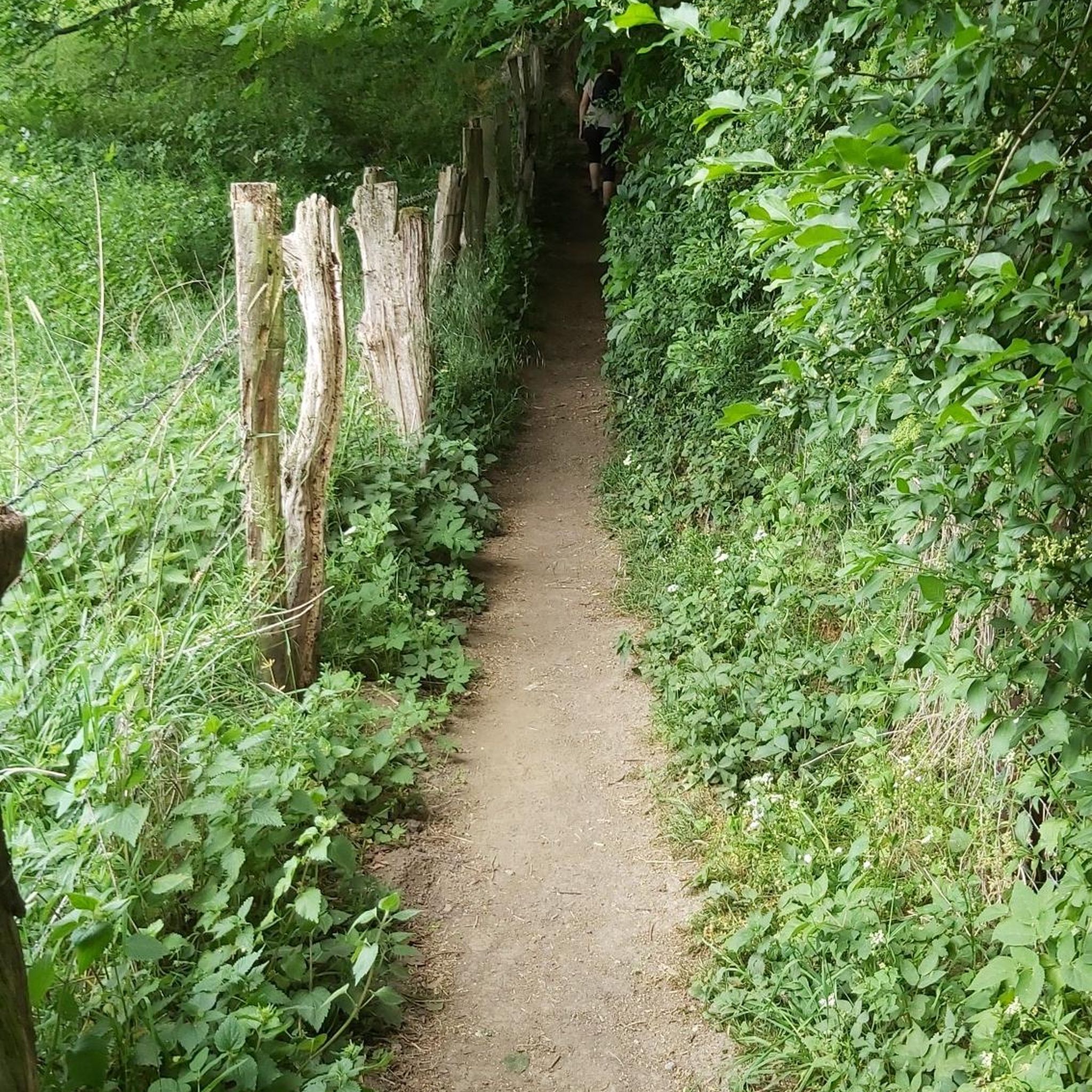
Beautiful section for cycling
0
0

Simply wonderful 👍
0
0
Frequently Asked Questions
How many no-traffic road cycling routes are available in Tiglitzer Forst?
There are 4 dedicated no-traffic road cycling routes in Tiglitzer Forst featured in this guide. These routes offer a peaceful experience away from busy roads, traversing serene woodlands and diverse landscapes.
What is the best time of year for no-traffic road cycling in Tiglitzer Forst?
The Dübener Heide Nature Park, which includes Tiglitzer Forst, is beautiful throughout the warmer months. Spring and autumn offer pleasant temperatures and vibrant scenery, while summer provides longer daylight hours. Winter conditions can vary, so it's best to check local weather forecasts for snow or ice before planning a ride.
Are there any easy no-traffic road cycling routes suitable for beginners or families?
Yes, Tiglitzer Forst offers routes suitable for various fitness levels. For an easier ride, consider the Gruna Ferry – Gruna Cyclists' Church loop from Hohenprießnitz, which is rated as easy and covers approximately 31.5 km. Another easy option is the Bad Schmiedeberg Graduation Tower – Kurhaus Bad Schmiedeberg loop from Korgau, a shorter 15.1 km route.
What kind of landscapes can I expect on these no-traffic road cycling routes?
Cyclists can expect to traverse engaging landscapes characterized by extensive mixed forests, wide expanses of moorland, and numerous small and large bodies of water. The region's terrain was shaped by the ice age, offering a varied but generally manageable hilly landscape, perfect for road cycling without strenuous climbs.
Are there any longer no-traffic road cycling routes for more advanced riders?
While all routes in this guide are moderate or easy, the Mulde Bridge, Eilenburg – Thallwitz Castle loop from Rote Jahne is the longest at approximately 51.8 km, offering a more extended ride. The broader Dübener Heide also features longer tours like the 166-kilometer Dübener Heide Rundtour for multi-day excursions.
What attractions or points of interest can I see along the no-traffic road cycling routes?
While cycling, you might encounter natural points of interest like the Gesundbrunnen (Iron Spring). The broader Dübener Heide Nature Park also offers cultural attractions such as spas in towns like Bad Düben and Bad Schmiedeberg, historic sites like Düben Castle, and picturesque moated castles such as Schnaditz. The Red Bank on the Mulde River also provides a beautiful viewpoint.
Are the no-traffic road cycling routes in Tiglitzer Forst circular?
Yes, many of the routes in this guide are designed as loops, providing a convenient circular experience. For example, the Northern Goitzsche Lake – View of the Mulde River loop from Dorfkirche Schnaditz offers a scenic circular ride around the lake and river views.
What do other road cyclists enjoy most about cycling in Tiglitzer Forst?
The area is highly rated by the komoot community, with an average score of 4.5 stars from 64 ratings. Reviewers often praise the tranquil nature of the routes, the beautiful natural surroundings, and the well-maintained, mostly paved surfaces that make for an enjoyable road cycling experience away from traffic.
How accessible are the no-traffic road cycling routes by public transport?
The Dübener Heide Nature Park is generally well-connected, but specific public transport options to the starting points of these no-traffic routes can vary. It's advisable to check local bus or train schedules for connections to towns near Tiglitzer Forst, such as Bad Düben or Bad Schmiedeberg, and plan your journey accordingly.
Are there good parking options near the starting points of these routes?
Parking availability can vary by specific starting point. Generally, towns within the Dübener Heide Nature Park, such as Bad Düben or Bad Schmiedeberg, offer public parking facilities. For routes starting from smaller villages or specific natural points, look for designated parking areas or consult local maps for suitable spots.
What is the typical surface quality of the no-traffic road cycling routes?
The cycling routes within the Dübener Heide Nature Park, including those in Tiglitzer Forst, often feature mostly paved surfaces. Germany generally boasts high-quality hard-top bike paths, ensuring a pleasant experience for road bikes. While some routes may have short unpaved segments, the focus is on smooth, accessible paths.
Most popular routes in Tiglitzer Forst

Get inspired with the komoot mobile app


Explore more
Browse the best Road cycling routes in other regions.
