The best cycling routes in Tiglitzer Forst
4.4
(1132)
3,591
riders
250
rides
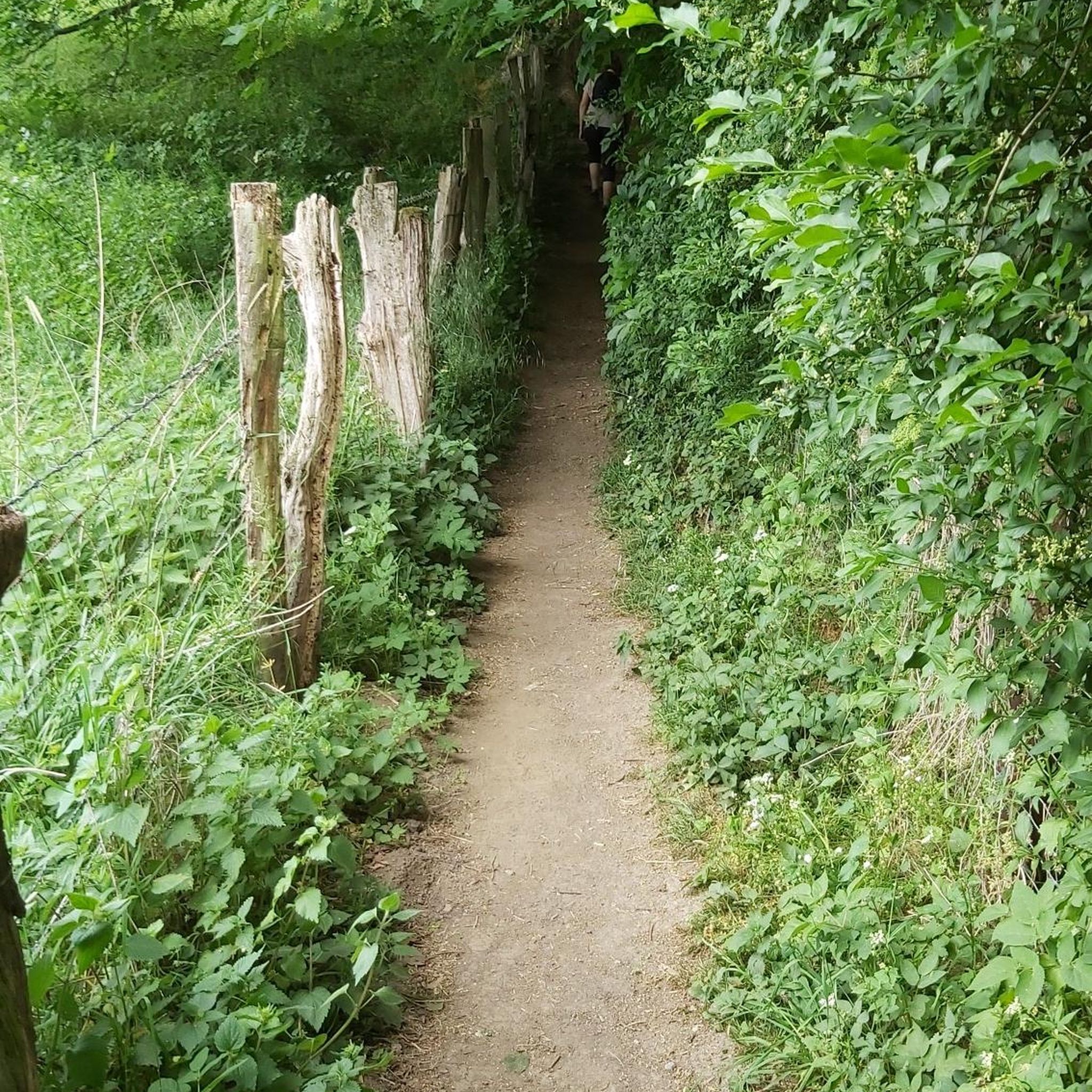
Touring cycling in Tiglitzer Forst offers access to the diverse landscapes of the surrounding Dübener Heide Nature Park. This region, shaped by the Ice Age, features extensive mixed forests, tranquil river landscapes, ponds, and small lakes. Cyclists will encounter varied terrain, including areas of moorland and gently rolling hills, providing a rich natural environment for exploration. The park's network of routes traverses these features, connecting natural beauty with cultural points of interest.
Best touring cycling routes in Tiglitzer Forst
- The…
Last updated: November 23, 2026
4.6
(11)
40
riders
64.5km
03:56
200m
200m
Hard bike ride. Good fitness required. You may need to push your bike for some segments of this route.
4.5
(10)
11
riders
19.5km
01:11
50m
50m
Easy bike ride. Mostly paved surfaces.

4.7
(3)
16
riders
Easy bike ride. Mostly paved surfaces.
4.0
(4)
23
riders
11.7km
00:42
40m
40m
Easy bike ride. Mostly paved surfaces.
4.5
(10)
12
riders
19.5km
01:11
40m
40m
Easy bike ride. Mostly paved surfaces.
Get access to more routes and recommendations from other explorers.
Already have an account?
Our route recommendations are based on thousands of hikes, rides, and runs completed by other people on komoot.
Start today with a free account
Your next adventure awaits.
Tips from the Community

Definitely recommended
1
0
Definitely recommended
1
0
Definitely worth seeing
1
0

The Torgisch Cycle Path goes right through ...
0
0
Definitely worth seeing
2
0
The Mulde, also known as the United Mulde or Vereinte Mulde, is a left, non-navigable tributary of the Elbe. It originates southeast of Leipzig near Sermuth (Saxony) from the confluence of two large headstreams: the longer Zwickauer Mulde and the Freiberger Mulde, which drains a larger catchment area due to its greater discharge. The river's catchment area encompasses large parts of Saxony and, in particular, the vast majority of the northern slopes of the Ore Mountains. With a discharge of approximately 73 m³/s at its mouth,[8] it is the fourth largest tributary of the Elbe. The old name for the Mulde, Milda, is translated by onomasticians as "the water-rich one."[9] The word element "Mel," referring to grinding, is sometimes associated with the name due to the numerous mills that once operated along the river. This overlooks the fact that river names represent the oldest, often Slavic or Celtic, layer of geographical names. The Mulde's name is sometimes linked to the numerous mills that once operated along its banks, but this connection overlooks the fact that river names represent the oldest, often Slavic or Celtic, layer of geographical names. Source https://de.wikipedia.org/wiki/Mulde_(Fluss)
2
0
Very beautiful old church
3
0
Frequently Asked Questions
How many touring cycling routes are available in the Tiglitzer Forst area?
The Tiglitzer Forst region, encompassing the Dübener Heide Nature Park, offers a wide selection of touring cycling routes. On komoot, you can find over 250 routes, catering to various preferences and skill levels. These include 146 easy routes, 70 moderate routes, and 36 difficult routes, ensuring there's something for every cyclist.
What kind of terrain can I expect when cycling in the Tiglitzer Forst region?
The terrain in the Tiglitzer Forst region, part of the Dübener Heide Nature Park, is diverse and shaped by the Ice Age. You'll encounter extensive mixed forests, tranquil river landscapes, ponds, small lakes, and areas of moorland. While generally gently rolling, some routes feature hilly sections, providing varied cycling experiences. The region is known for its natural stretches, sunny fields, and shaded forests.
Are there any family-friendly cycling routes in the area?
Yes, the Dübener Heide Nature Park offers numerous family-friendly cycling options. Many of the 146 easy routes are suitable for families. For a relaxed ride through natural surroundings near Bad Düben, consider the Gruna Ferry – Gruna Ferry House loop from Bad Düben, which is an easy 22.8 km path.
What natural attractions or landmarks can I see along the cycling routes?
The region is rich in natural and cultural highlights. You can explore picturesque heath villages, historic towns like Bad Düben with its distinctive turret clock, and architectural sights such as the 17th-century Reinharz moated castle. Natural points of interest include the 'Rote Ufer,' a steep red bank, and the 'Gesundbrunnen,' a popular spring. Keep an eye out for beavers near the Schleifbach, the heraldic animal of the Dübener Heide. For a shorter route that passes a natural highlight, try the View of the Mulde River – Red Cliff loop from Bad Düben.
Are there any circular cycling routes available?
Yes, many routes in the Tiglitzer Forst area are designed as circular tours, allowing you to start and end at the same point. A notable option is the 'Tiglitz circular trail' which broadly circles the Tiglitzer Forst itself. Another popular circular route is the Bad Düben Post Mill – Kurhaus Bad Schmiedeberg loop from Bad Düben, a moderate 31.8 km trail through varied landscapes.
What is the best time of year to go touring cycling in Tiglitzer Forst?
The Dübener Heide Nature Park, where Tiglitzer Forst is located, is beautiful throughout the warmer months. Spring offers blooming landscapes, while summer provides lush green forests and sunny fields. Autumn transforms the mixed forests into a vibrant display of colors, making it a particularly scenic time for cycling. While winter cycling is possible, some paths might be less accessible depending on snow and ice conditions.
What do other touring cyclists say about the routes in Tiglitzer Forst?
The touring cycling routes in the Tiglitzer Forst area are highly regarded by the komoot community, with an average rating of 4.4 stars from nearly 900 reviews. Over 3000 touring cyclists have used komoot to explore the varied terrain, often praising the extensive mixed forests, tranquil river landscapes, and the well-marked paths that connect natural beauty with cultural points of interest.
Are there options for longer, more challenging touring cycling routes?
Absolutely. For cyclists looking for a longer and more challenging experience, the region offers several difficult routes. An example is the Goitzsche Beach – View of Neuhauser Lake loop from Bad Düben, which spans 62.5 km and features significant elevation changes. Another challenging option is the Gruna Ferry House – Mulde Cycle Path loop from Bad Düben, a 43 km route following the Mulde River.
Is public transport available to access the cycling routes?
The region around Tiglitzer Forst, particularly towns like Bad Düben, serves as a good starting point for many routes. While specific public transport connections for bicycle transfer vary, these towns are generally accessible by regional transport, which can help you reach the broader Dübener Heide Nature Park. It's advisable to check local transport schedules for bicycle carriage options.
Can I find places to eat or stay near the cycling trails?
Yes, the picturesque heath villages and towns within the Dübener Heide Nature Park, such as Bad Düben and Bad Schmiedeberg, offer various amenities. You'll find cafes, restaurants, pubs, and accommodation options in these areas, providing convenient stops for refreshments or overnight stays during your cycling tour.
Are there any specific rules or permits required for cycling in the Tiglitzer Forst area?
Tiglitzer Forst itself is a military training area with restricted access, meaning public access is limited strictly to designated paths. However, the broader Dübener Heide Nature Park, where most touring cycling takes place, has an extensive network of well-marked trails. Generally, no special permits are required for cycling on public paths within the nature park, but always respect local signage and regulations, especially regarding protected areas.
Most popular routes in Tiglitzer Forst

Get inspired with the komoot mobile app


Explore more
Browse the best Cycling routes in other regions.
