Top 3 Caves around Albert Canal
Best caves around Albert Canal are found in a region characterized by its significant waterway and diverse geological formations, particularly in the Liège province and near Kanne. This area, where the Albert Canal traverses, offers insights into natural history and unique underground landscapes. The canal's construction divided areas rich in marl and limestone, leading to accessible cave systems. These sites provide opportunities to explore ancient quarries, observe geological features, and discover historical significance.
Best caves around Albert Canal
- The most…
Last updated: June 22, 2026
Thier des Vignes Flint Caves
Highlight • Cave
Source: mini-ardenne.be/poi.card.php?id=6036&language=fr
Translated by Google •
Tip by

Kanne Mushroom Farm
Highlight • Structure
The Dirk Jackers mushroom farm is the last active underground mushroom farm in the marl …
Translated by Google •
Tip by

Sign up now to discover places like this
Get recommendations on the best single tracks, peaks, & plenty of other exciting outdoor places.
Sign up for free
St. Pietersberg Marl Caves
Highlight • Cave
Translated by Google •
Tip by

Cave Systems Formed by Limestone Mining
Highlight • Cave
Translated by Google •
Tip by
Tunnel networks
Highlight • Cave
Translated by Google •
Tip by
Start today with a free account
Your next adventure awaits.
Login or Signup
Popular around Albert Canal
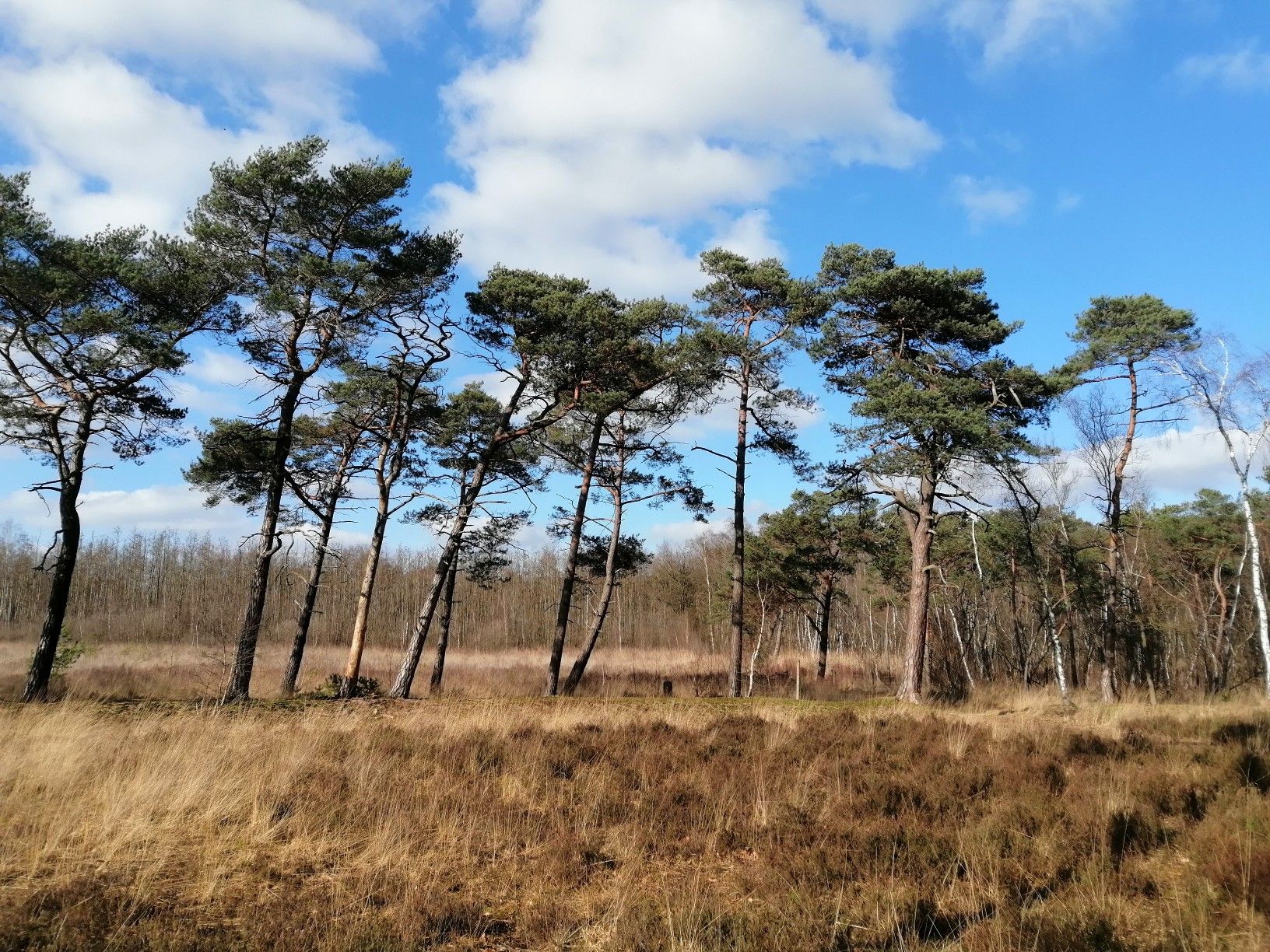
From Flanders to the Ardennes — GR 5 in Belgium
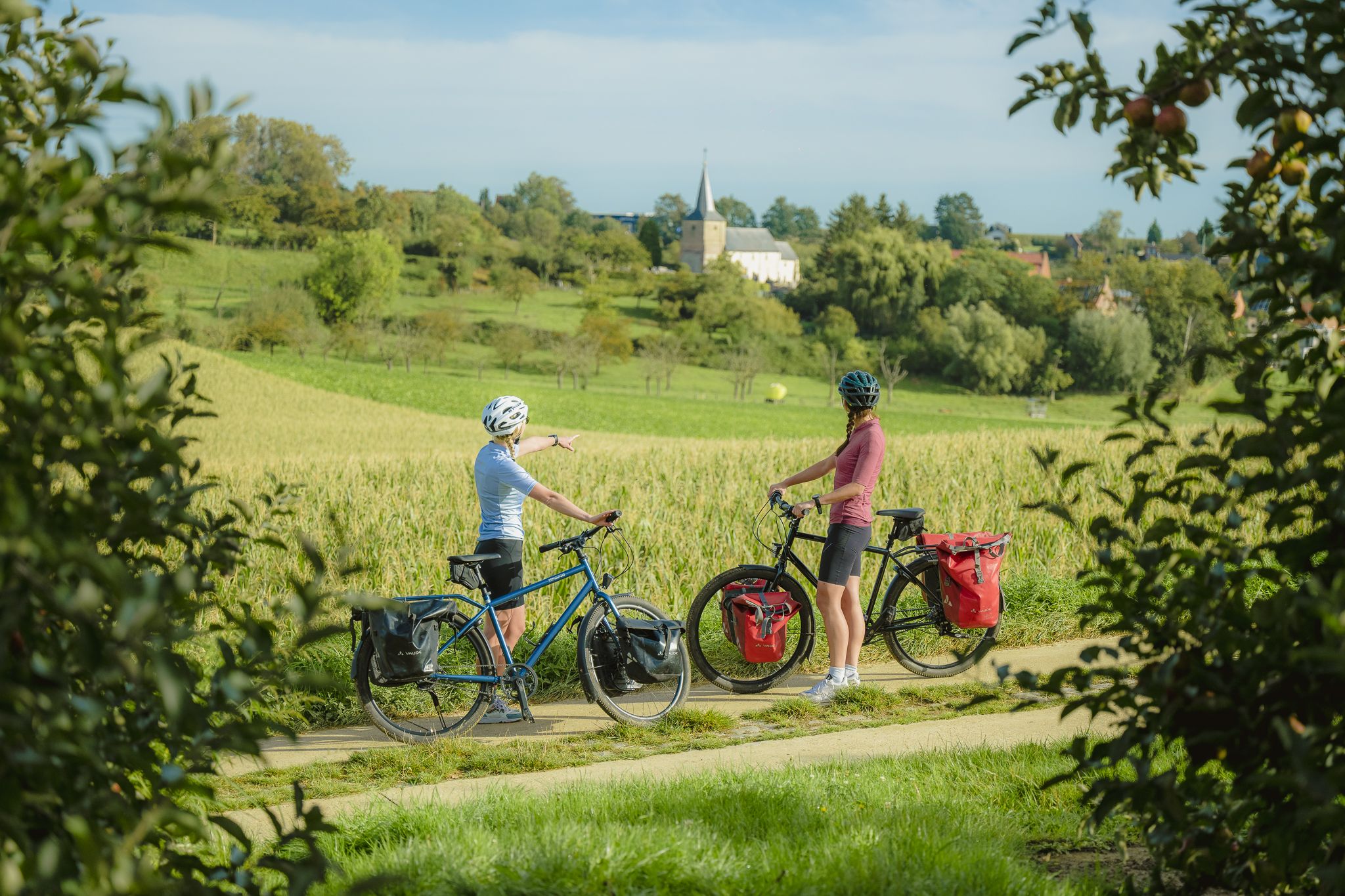
The best of Flanders — the Flanders Route
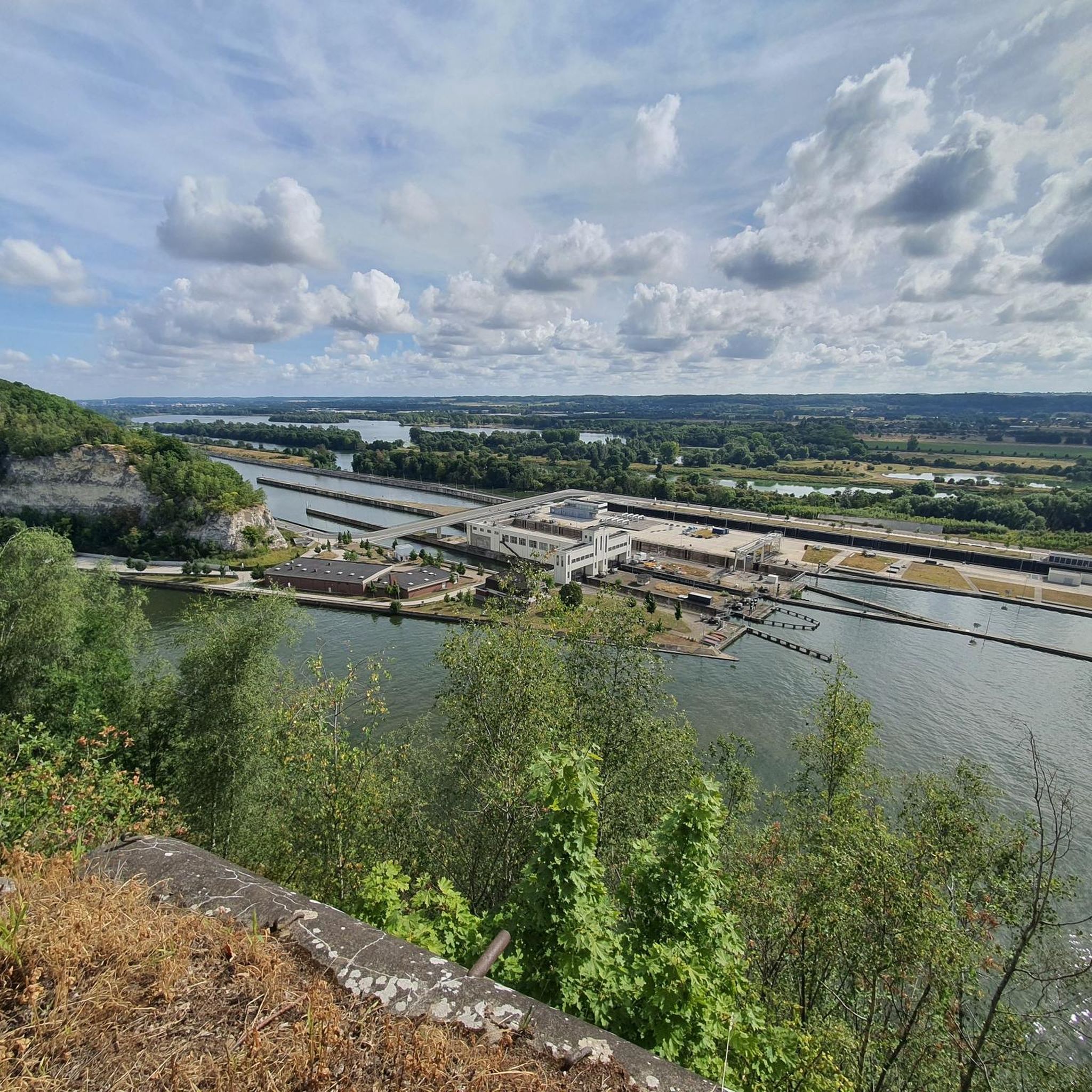
Cycling around Albert Canal
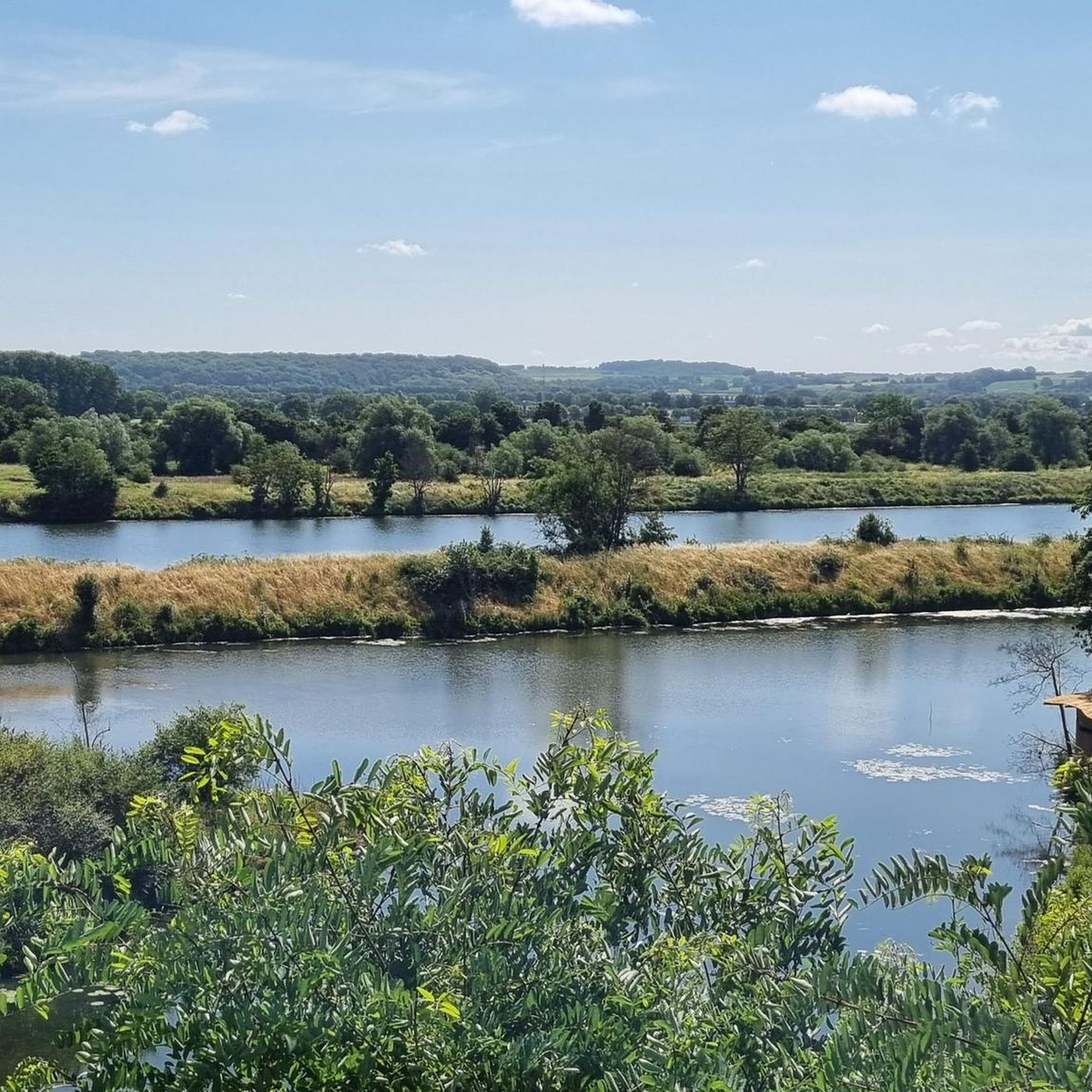
Road Cycling Routes around Albert Canal
MTB Trails around Albert Canal
Hiking around Albert Canal
Gravel biking around Albert Canal
Running Trails around Albert Canal

Mountain Hikes around Albert Canal


Tips from the Community

Milled marl (or milled marl blocks) is Limburg marlstone that is processed into sleek, dimensionally stable shapes using modern machinery (milling and sawing). This material is often used for restoration, renovation, and new construction, particularly in the South Limburg region. Characteristics and Applications of Milled Marl: Unlike hand-hewn blocks, milled blocks have a very sleek and uniform shape, making them ideal for the restoration of monuments where seamless joints are required. Applications: * Restoration & Renovation: Replacing weathered marl blocks in historic buildings. * New Construction & Decorative Elements: Use in facades, garden walls, and as a decorative element. * Sculpture: Due to its soft structure (96-98% lime), it is an excellent material for sculptures and models. * Properties: Marl is a soft, granular limestone. It is weather-resistant, provided the stone's "skin" isn't damaged, which can lead to erosion. * Suppliers: Specialist companies in South Limburg (such as Sibbe) handle the sawing and milling of these blocks. Milled marl offers a combination of historical material and modern dimensional accuracy.
0
0
The tunnel system near the Albert Canal and Sint-Pietersberg near Maastricht (Caestert Plateau) consists of historic marl quarries, including the Ternaaien-Beneden Quarry and the Northern Tunnel System, created by centuries of limestone quarrying. The area is home to a unique ecosystem for bats. The construction of the Albert Canal in the 1930s created the deep "Caestert Passage." Here are the most important details about the tunnel systems near the Albert Canal: Location and Origin: The systems are located in Sint-Pietersberg and the Caestert Plateau, bordering the Albert Canal, which runs through an artificial gorge (Caestert Passage). Northern Tunnel System: Also called Grotten Noord or Berg van Ceulen, located between Fort Sint Pieter and Van Schaïkweg. Ternaaien-Beneden Quarry: Located on Belgian territory, north of the deep Caestert Passage. Bat Sanctuary: The tunnels have a constant temperature of 13°C and are a crucial hibernation site for bats. Tourism and Culture: Guided tours are organized, for example, from Fort Sint Pieter. The Zonneberg system was used as a shelter during the Second World War. Developments: Work is underway on a pedestrian suspension bridge over the Albert Canal, the "Passerelle van Caestert," to better connect the nature reserves and underground sites. The area is a popular destination for hikers and nature lovers.
0
0
In Kanne, Belgium, near the Dutch border, there is a unique and historic mushroom farm. The Dirk Jackers mushroom farm is the last active underground mushroom farm in the marl caves of Kanne (Riemst), known as a traditional producer of chestnut mushrooms. The farm is located in the underground marl quarry (Avergat Quarry/Kanne Caves), which provides an ideal, natural climate for cultivation. Guided tours are offered, providing a unique behind-the-scenes look, learning about the history, and tasting the cave mushrooms. The mushrooms from these caves are recognized as a regional product. Contact/Visit: Location: Kanne Caves / Marl Quarry, Kanne. Information: Visits and tours can often be booked through local tourist information channels such as Visit Kanne. Note: It is advisable to book a tour in advance or check whether the caves are open to visitors.
0
0

There are old flint quarries in this area: the “Carrières de silex du Thier des Vignes”.
1
0

A mysterious flint cave on the edge of the Albert Canal, near the locks at Klein Ternaaien. You reach the entrance via a steep path through the woods. The caves are dark, cool, and full of atmosphere—perfect for those who love hidden natural spaces. Bring a flashlight and good walking shoes!
2
0

This steep hill, formed by the Maas and the Jeker, borders Haspengouw and the Land of Herve. Characteristic is the limestone soil, which has given rise to all kinds of natural phenomena and which has been used by man for centuries.
2
0

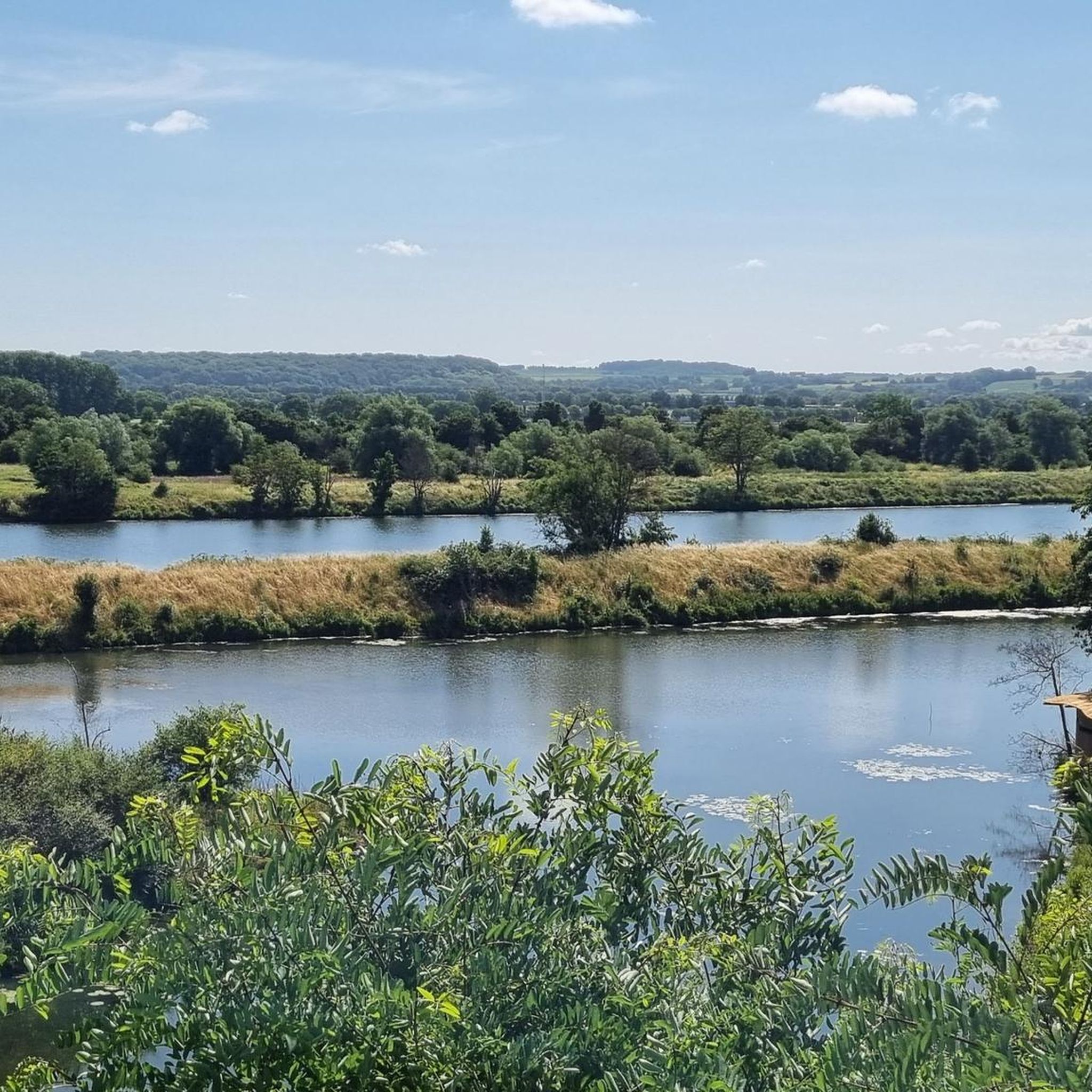
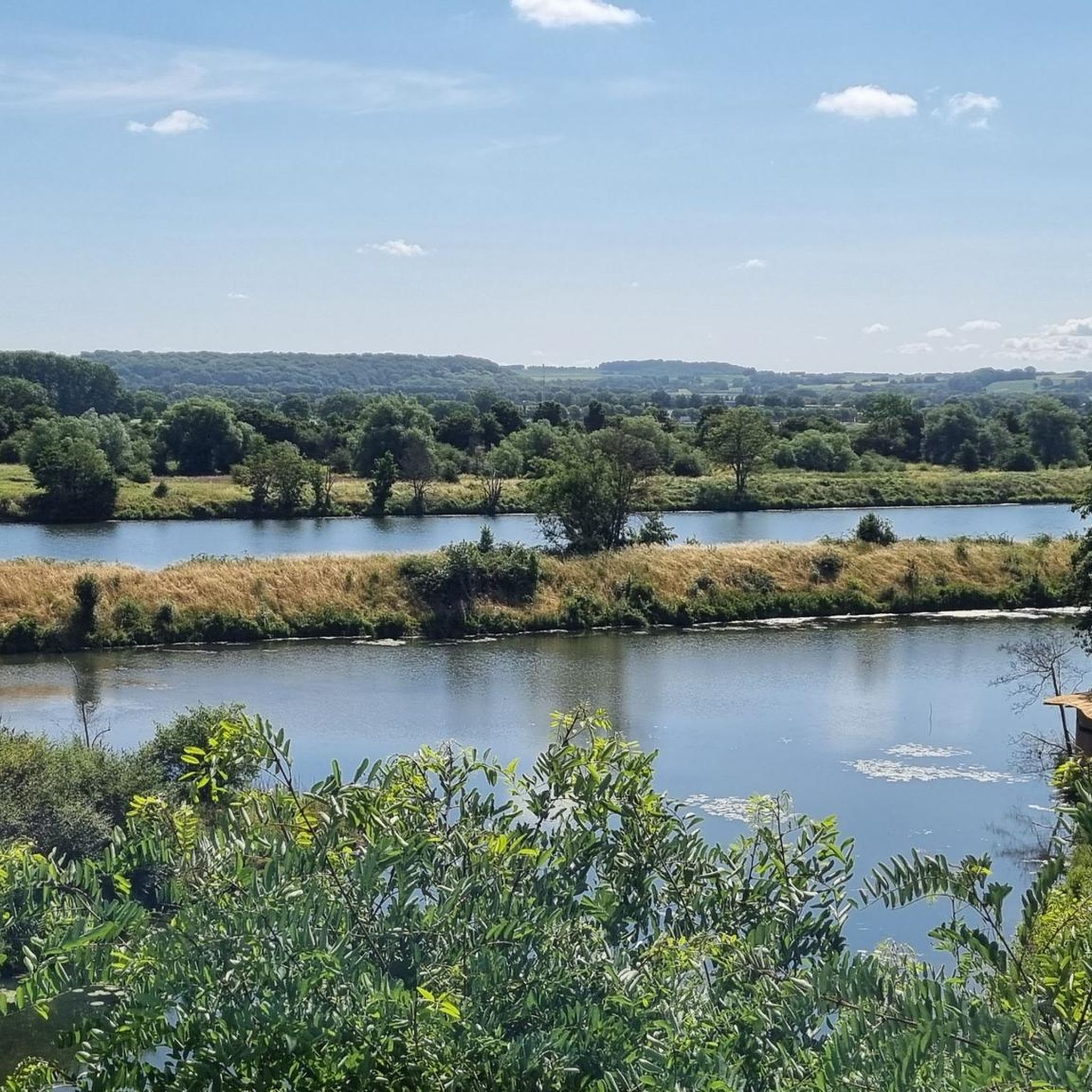
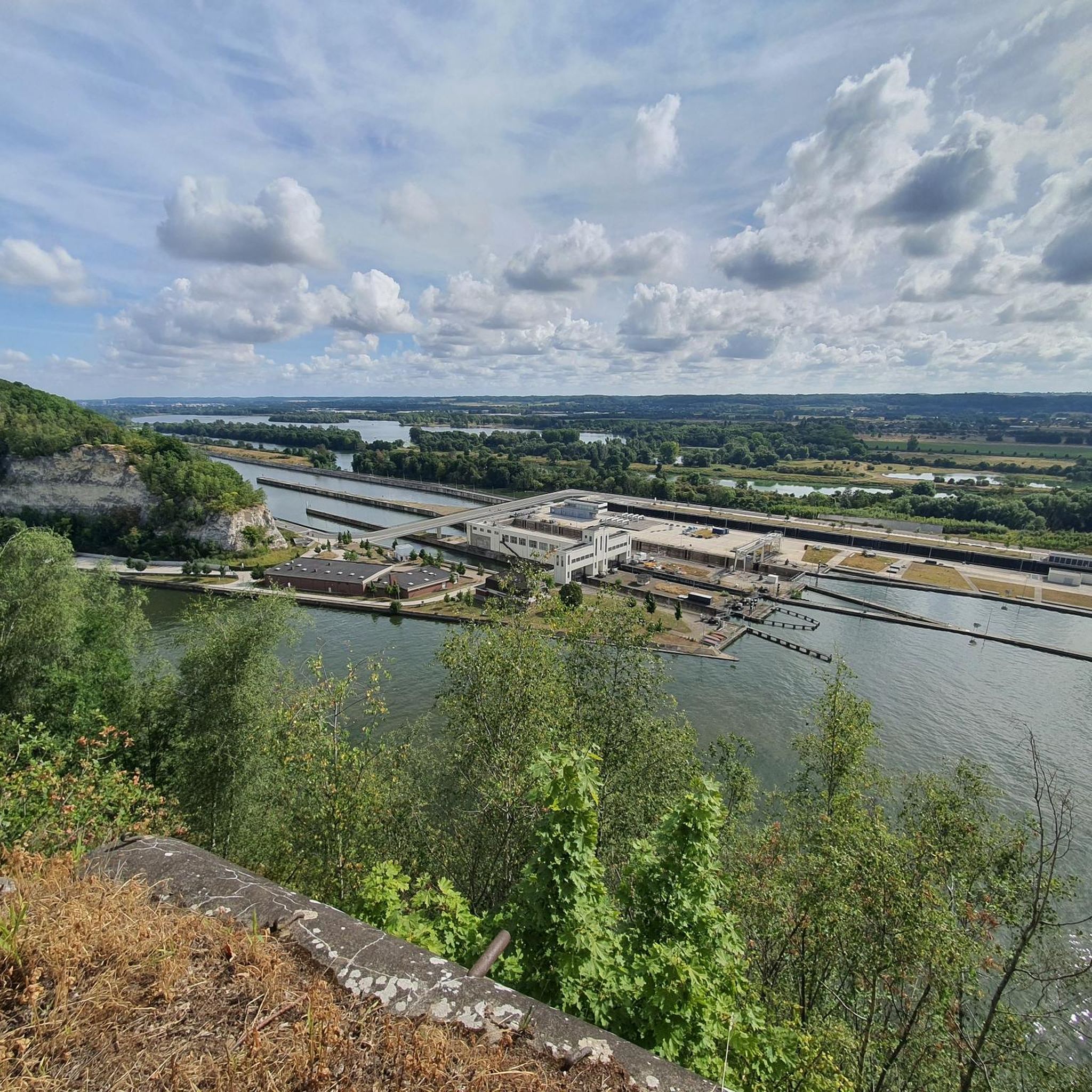
Access to the footpath to the marl caves, quite a steep climb. Beautiful panorama above the Albert Canal and Maas lock complex.
1
0
Impressive, you can see some caves.
1
0
Frequently Asked Questions
What is the historical significance of the caves around the Albert Canal?
The caves in this region hold significant historical value. For example, the Thier des Vignes Flint Caves are ancient flint quarries. The marl caves in Kanne, including the site of the Kanne Mushroom Farm, were formed by centuries of limestone quarrying and were even used as shelters during World War II. Further afield, the Grottes de Remouchamps were inhabited by Paleolithic hunters 8,000 years ago.
What unique natural features can I expect to see in the caves?
The caves offer diverse natural wonders. The Grottes de Remouchamps are famous for impressive geological formations like 'The Cathedral' and 'The Great Drapery', along with an underground river journey by boat. The Grotte de Comblain features unique crystalline structures and specific formations such as 'the waterfall room' and 'the dinosaur head'. The Thier des Vignes Flint Caves, while primarily historical, offer a glimpse into ancient flint deposits.
Are there family-friendly caves to visit near the Albert Canal?
Yes, some caves offer experiences suitable for families. The Grottes de Remouchamps, though not directly on the canal, are a popular choice due to their stunning formations and the unique boat ride on an underground river. The Kanne Mushroom Farm, located within the marl caves, offers guided tours that can be an educational and engaging experience for all ages, including a look at mushroom cultivation.
What kind of wildlife can be found in the caves of the Albert Canal region?
The underground systems, particularly those formed by limestone mining near Sint-Pietersberg and the Caestert Plateau, are crucial hibernation sites for various bat species. The Grotte de Comblain is also recognized as an important hibernation site for bats, offering a unique opportunity to observe wildlife in a natural underground habitat.
Are there guided tours available for the caves?
Yes, guided tours are available for some cave systems. For instance, the Kanne Mushroom Farm offers guided tours within the marl caves, providing insights into their history and mushroom cultivation. Guided tours are also organized for the larger tunnel systems near Sint-Pietersberg, often starting from Fort Sint Pieter.
What should I wear or bring when visiting the caves?
For caves like the Thier des Vignes Flint Caves, which can be dark and cool, a flashlight and sturdy walking shoes are highly recommended. Generally, caves maintain a constant, cooler temperature, so bringing an extra layer of clothing is advisable, even on warm days. Comfortable, closed-toe shoes are always a good idea for uneven terrain.
What outdoor activities can I do near the caves around the Albert Canal?
The area around the Albert Canal offers various outdoor activities. You can find numerous cycling routes, such as those detailed in the Cycling around Albert Canal guide, or explore road cycling options from the Road Cycling Routes around Albert Canal guide. For those who prefer running, there are many trails available, as highlighted in the Running Trails around Albert Canal guide. The region is popular with hikers and nature lovers, especially around the Caestert Plateau.
Are there any caves that are less crowded or more 'hidden'?
The Thier des Vignes Flint Caves are described as mysterious and hidden, accessible via a steep path through the woods. They offer a more secluded and atmospheric experience for those who appreciate less-trafficked natural spaces. While the marl caves in Kanne are well-known, finding an unlocked entrance for independent exploration can be a challenge, suggesting a more adventurous and potentially less crowded experience.
What is the best time of year to visit the caves?
Caves generally maintain a consistent temperature year-round, making them a good destination in any season. They can be particularly refreshing on a hot summer day or offer a unique escape during cooler months. However, if you plan to combine your visit with other outdoor activities like hiking or cycling, spring and autumn often provide the most pleasant weather conditions.
Are there any caves that are particularly challenging to explore?
The Cave Systems Formed by Limestone Mining are categorized as 'challenging' due to their extensive and complex tunnel networks. These systems, created by centuries of quarrying, can be vast and require careful navigation, often best explored with a guided tour for safety and insight.
Can I explore the caves independently, or do I need a guide?
Some caves, like the Thier des Vignes Flint Caves, can be explored independently, though sturdy shoes and a flashlight are recommended. For more extensive or complex systems, such as the Cave Systems Formed by Limestone Mining or the Grottes de Remouchamps, guided tours are often necessary or highly recommended for safety, access, and to fully appreciate their features.
Most popular routes around Albert Canal
Most popular attractions around Albert Canal

Get inspired with the komoot mobile app


Explore more
Extend your search for the best caves by checking out these guides of the top ones around Albert Canal:
