Top 20 Natural Monuments around Mottener Forst-Süd
Best natural monuments around Mottener Forst-Süd are situated within the largely forested Bavarian Rhön, part of the Black Mountains Nature Reserve and the broader Rhön Biosphere Reserve. This region is known for its geological history and ecological significance. It offers a variety of natural attractions that highlight unique features and tranquil settings. The area's designation as a biosphere reserve underscores its commitment to preserving natural beauty and diverse ecosystems.
Best natural monuments around Mottener Forst-Süd
- The most popular natural monuments…
Last updated: June 24, 2026
Basalt Lake Tintenfass
Highlight • Lake
Translated by Google •
Tip by

Bad Brückenau Spa Park
Highlight • Natural Monument
Translated by Google •
Tip by

Sign up now to discover places like this
Get recommendations on the best single tracks, peaks, & plenty of other exciting outdoor places.
Sign up for free
Basalt Lake Stangenroth
Highlight • Lake
Translated by Google •
Tip by

Linden arbor below the Fürstenhof
Highlight • Structure
Translated by Google •
Tip by

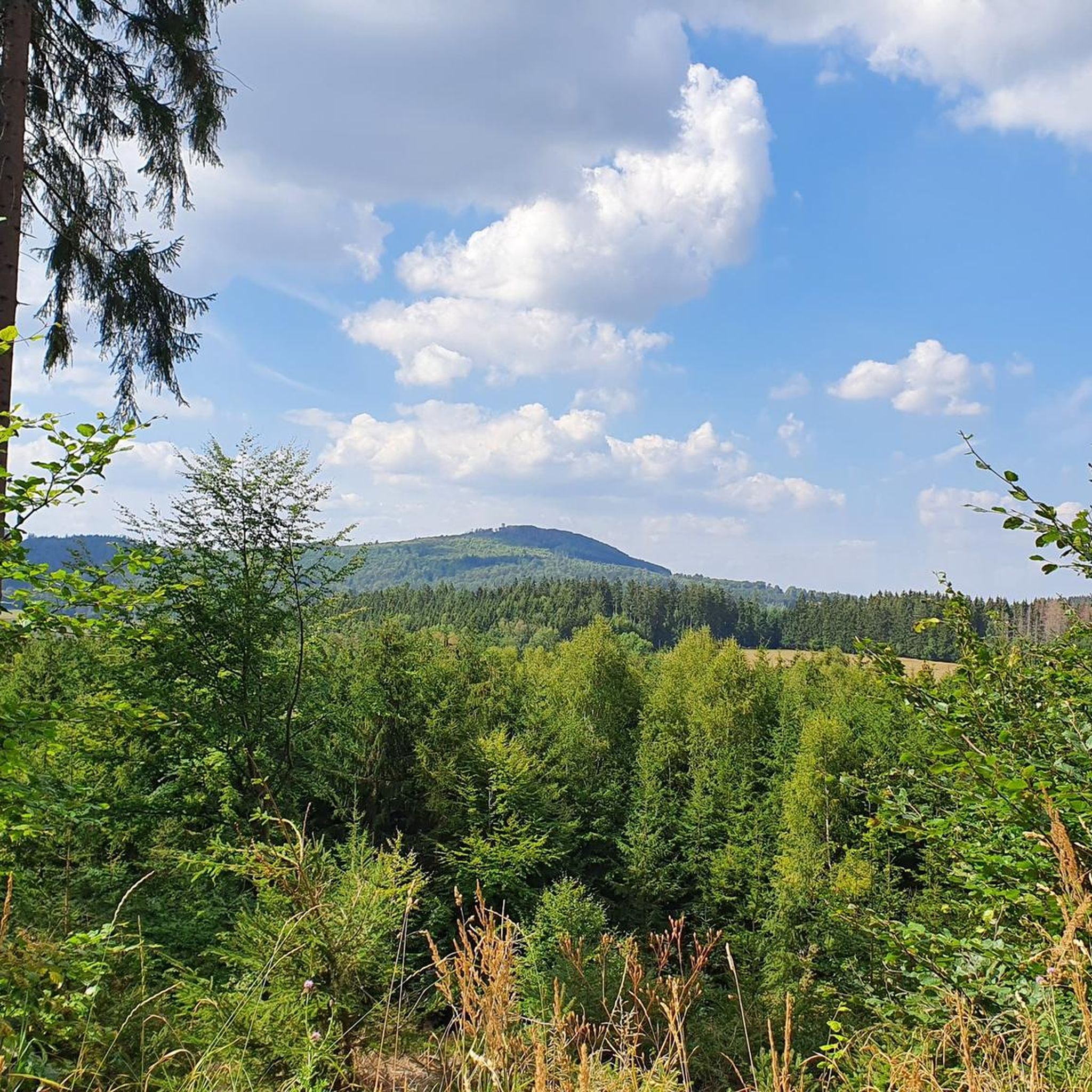
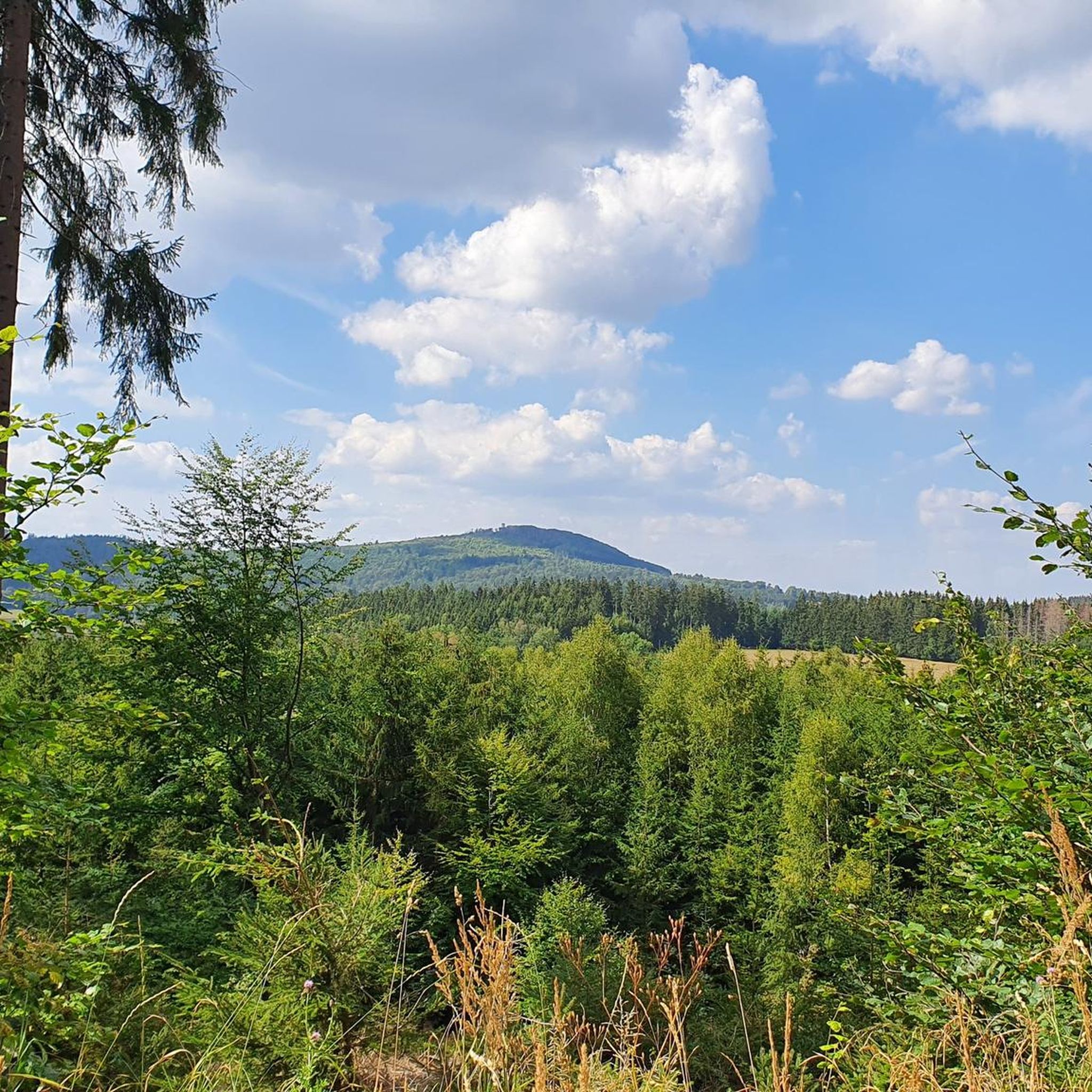
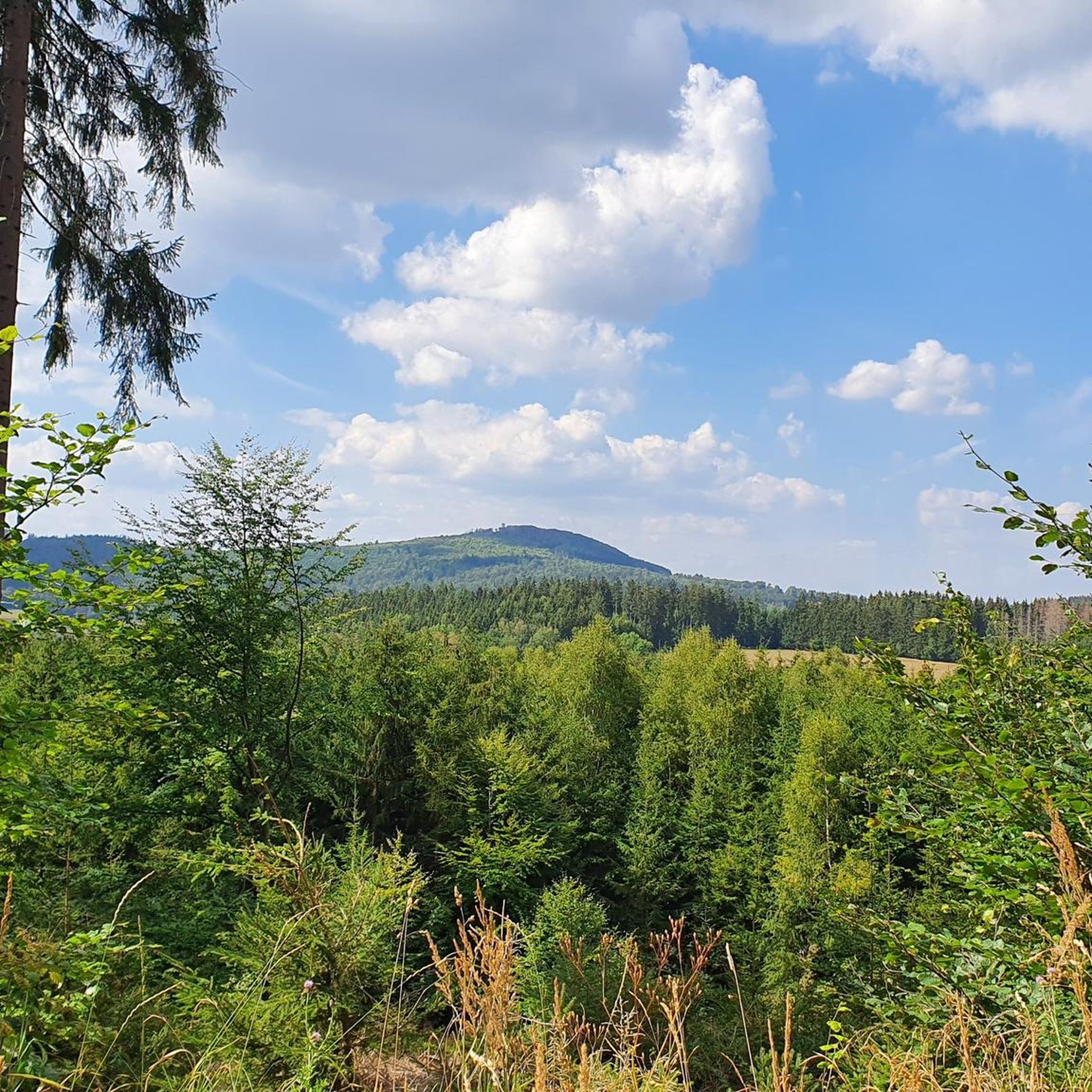
Dreistelzturm Observation Tower
Highlight • Viewpoint
Translated by Google •
Tip by
Sign up for free to discover even more natural monuments around Mottener Forst-Süd.
Sign up for free
Already have an account?
Start today with a free account
Your next adventure awaits.
Login or Signup

Tips from the Community

This pergola has grown beautifully.
6
0

This park is a jewel of beauty and is definitely recommended. And also steeped in history. It was built by the grandfather of King Louis II, also King Louis I. In association with Lola Montez
0
0

Long arcade that is rarely found today.
2
1

Very well maintained and sophisticated looking facility, worthwhile.
7
0

2. Today's plantings are based on the structure of the historical model in terms of new planting and care. The chestnut trees on the avenue are cut strictly in a box shape, and the lime tree arcade below the Fürstenhof also corresponds to the historical specifications. Old and rare trees can be admired in the park, including a "thousand-year-old oak" near the herb garden with a circumference of seven meters[1], as well as the ginkgo tree, the cucumber magnolia and the "oak-leaved hornbeam" (a mutation). Around 60 tree species are listed in the tree register created in 1992. Source:https://de.m.wikipedia.org/wiki/Staatsbad_Br%C3%BCckenau
11
0
1. In 1747, the Ticino Andrea Gallasini, court architect to the Prince Abbots of Fulda, designed a strictly symmetrically arranged garden, the main feature of which was the central axis, which still extends across the state spa today. Over the course of time, additions were made to the building ensemble, particularly by King Ludwig I. This also involved enlargements of the gardens. The baroque gardens were partially converted into an English garden. Despite many changing garden trends, the structure has been preserved to this day and is a defining feature of the park. In contrast to the unspoiled nature of the surrounding meadows and forests, it gives the ensemble a special charm. Source:https://de.m.wikipedia.org/wiki/Staatsbad_Br%C3%BCckenau
12
0

The arcade with its strict geometric alignment and the surrounding French gardens are reminiscent of the Baroque period, when the Prince's Court was a secondary residence of the Prince-Bishops of Fulda. This was the origin of the state spa facilities, which were later expanded to their current size.
4
0
The origins of the spa park (more correctly the castle park) go back to the designs of the court architect Andrea Gallasini. According to these plans, a French garden was created between 1747 and 1749 for the prince abbots/prince-bishops of Fulda. After the dissolution of the Fulda monastery and the new borders during and after the Napoleonic era, the Brückenau office became part of the Kingdom of Bavaria in 1816. The Bavarian King Ludwig I, who reigned until 1848, used the site as a summer residence. During this time, numerous buildings flanking the park were built, such as the Kursaal building and the Badhotel.
6
0
Frequently Asked Questions
What unique geological features can I explore in Mottener Forst-Süd?
Mottener Forst-Süd is rich in geological history. You can visit Basalt Lake Tintenfass, a lake formed in a former basalt quarry, known for its greenish shimmer and surrounding basalt formations. Another significant site is Pilsterstein, a phonolite rock that is the remnant of a larger volcanic cone, offering insights into the region's volcanic past.
Are there any historical natural monuments in Mottener Forst-Süd?
Yes, the region features several natural monuments with historical significance. The Bad Brückenau Spa Park is a stately park with historical architecture and gardens, once a summer residence for King Ludwig I. Additionally, Frauenstein (Baptismal Stone) is a large boulder considered a pre-Christian burial and cult site.
Are the natural monuments in Mottener Forst-Süd suitable for families?
Many natural monuments in Mottener Forst-Süd are family-friendly. For instance, the Bad Brückenau Spa Park offers spacious gardens for leisurely strolls. The area around Basalt Lake Tintenfass is also a popular recreational spot, though bathing is prohibited. The Frauenstein (Baptismal Stone) and Linden arbor below the Fürstenhof are also suitable for family visits.
Which natural monuments are wheelchair accessible?
The Bad Brückenau Spa Park is noted for its accessibility, offering paths suitable for wheelchairs and providing facilities and parking.
What outdoor activities can I do near these natural monuments?
The area around Mottener Forst-Süd is excellent for various outdoor activities. You can find numerous hiking trails, including easy options like the 'Mottener Extra Tour – Pilsterstein loop from Speicherz' or the 'Kothen Mineral Spring – Pilsterstein Viewpoint loop from Kothen'. For more details on hiking, visit our guide on Easy hikes around Mottener Forst-Süd or Hiking around Mottener Forst-Süd. Road cycling routes are also available; check out our guide on Road Cycling Routes around Mottener Forst-Süd.
Are there any natural springs or special water features to visit?
Yes, at the foot of the Pilsterstein, you'll find the "Sauerbrunnen," also known as Pilsterquelle. This carbonated mineral water spring is traditionally attributed with healing properties. Additionally, the Basalt Lake Tintenfass is a unique water feature with its distinctive greenish shimmer.
What do visitors enjoy most about the natural monuments in Mottener Forst-Süd?
Visitors frequently praise the tranquil natural settings and geological insights. The Basalt Lake Tintenfass is highly recommended for its unique appearance, while the Bad Brückenau Spa Park is appreciated for its historical ambiance and horticultural diversity. The Frauenstein (Baptismal Stone) is noted for its interesting natural depression and historical context.
Can I find viewpoints to appreciate the natural landscapes?
Yes, several natural monuments offer excellent viewpoints. The Basalt Lake Tintenfass provides scenic views of the lake and surrounding basalt formations. The Pilsterstein is also a notable viewpoint. Additionally, the Mottener Haube Observation Tower, while not a natural monument itself, offers expansive views of the Rhön mountains surrounding Mottener Forst-Süd.
Is there a good time of year to visit the natural monuments in Mottener Forst-Süd?
The natural monuments in Mottener Forst-Süd can be enjoyed throughout the year, with each season offering a different charm. Spring and autumn are ideal for hiking due to mild temperatures and vibrant foliage. Summer allows for longer days to explore, while winter can offer a serene, snow-covered landscape, particularly around the forested areas and the Basalt Lake Tintenfass.
Are dogs allowed at the natural monuments?
Generally, dogs are welcome on trails and in natural areas around Mottener Forst-Süd, provided they are kept on a leash and owners clean up after them. Specific rules may apply to certain protected areas or within the formal gardens of places like the Bad Brückenau Spa Park, so it's always best to check local signage.
What kind of trees and gardens can I see at the Bad Brückenau Spa Park?
The Bad Brückenau Spa Park features a rich variety of old and rare trees, with around 60 tree species listed in its tree register. You can admire a 'thousand-year-old oak,' ginkgo trees, cucumber magnolias, and oak-leaved hornbeams. The park combines baroque gardens, some transformed into English gardens, offering horticultural diversity and meticulously designed landscapes.
Where can I find parking near the natural monuments?
Parking is available at several locations. The Bad Brückenau Spa Park explicitly offers parking facilities. For other natural monuments and hiking trailheads, designated parking areas are typically available nearby, often indicated on local maps or trail signage.
Most popular routes around Mottener Forst-Süd
Most popular attractions around Mottener Forst-Süd

Get inspired with the komoot mobile app


Explore more
Extend your search for the best caves by checking out these guides of the top ones around Mottener Forst-Süd:
