Top 16 Natural Monuments in Blue Mountains National Park
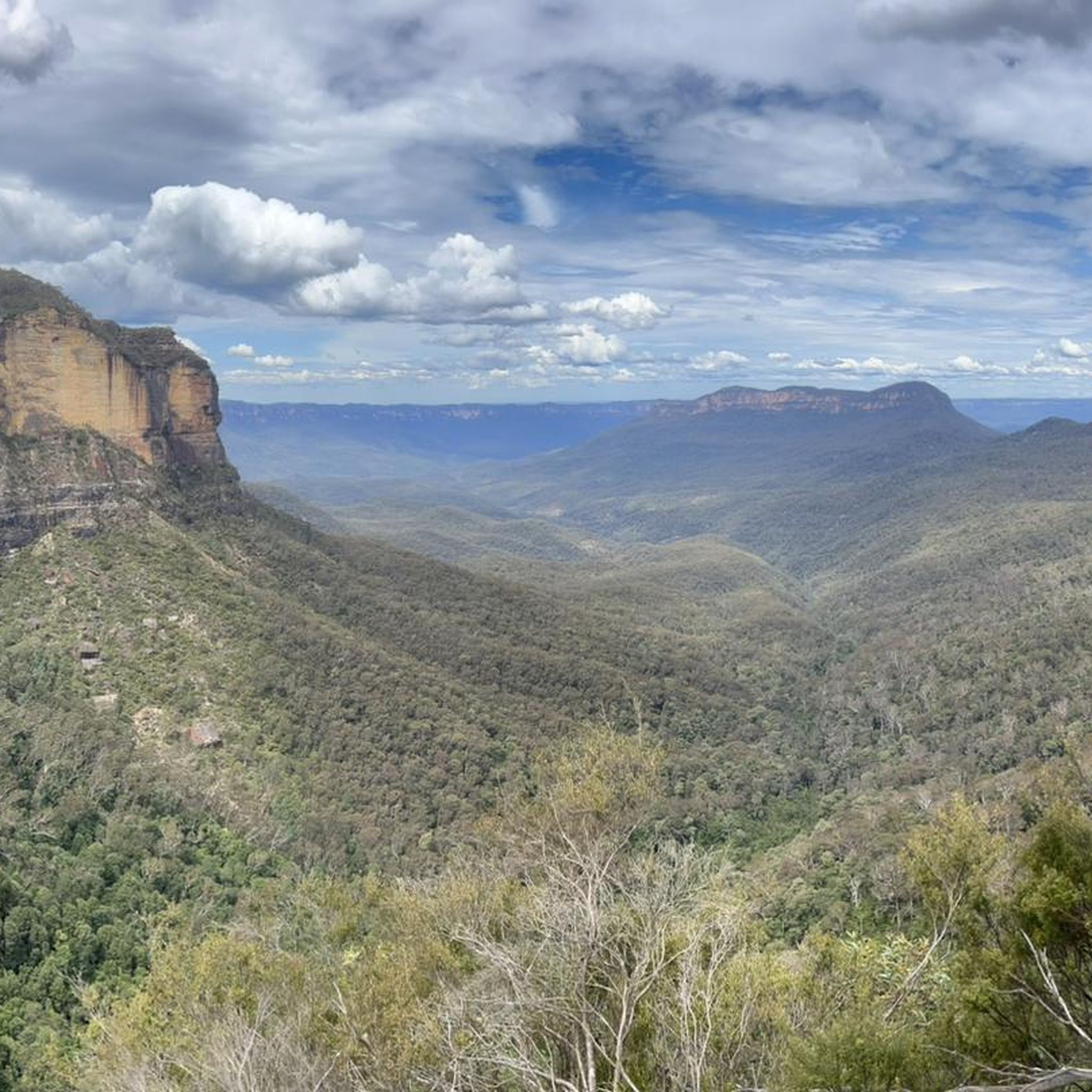
Best natural monuments in Blue Mountains National Park, a UNESCO World Heritage Site, are characterized by dramatic sandstone escarpments, deep gorges, and vast eucalypt forests. The park's distinctive blue haze, caused by oil released from eucalyptus trees, contributes to its unique landscape. This region offers outstanding geology, rich biodiversity, and significant Aboriginal cultural heritage. It provides diverse ecosystems, from open forests to dense rainforests, for exploration.
Best natural monuments in Blue Mountains National Park
- The most popular natural monuments is…
Last updated: July 4, 2026
Echo Point Lookout
Highlight • Viewpoint
Translated by Google •
Tip by

Katoomba Falls
Highlight • Waterfall
Tip by

Sign up now to discover places like this
Get recommendations on the best single tracks, peaks, & plenty of other exciting outdoor places.
Sign up for free
Giant Stairway
Highlight (Segment) • Trail
Tip by

Grand Canyon Track
Highlight (Segment) • Trail
Tip by
Wentworth Falls
Highlight • Waterfall
Tip by

Sign up for free to discover even more natural monuments in Blue Mountains National Park.
Sign up for free
Already have an account?
Start today with a free account
Your next adventure awaits.
Login or Signup
Popular around Blue Mountains National Park
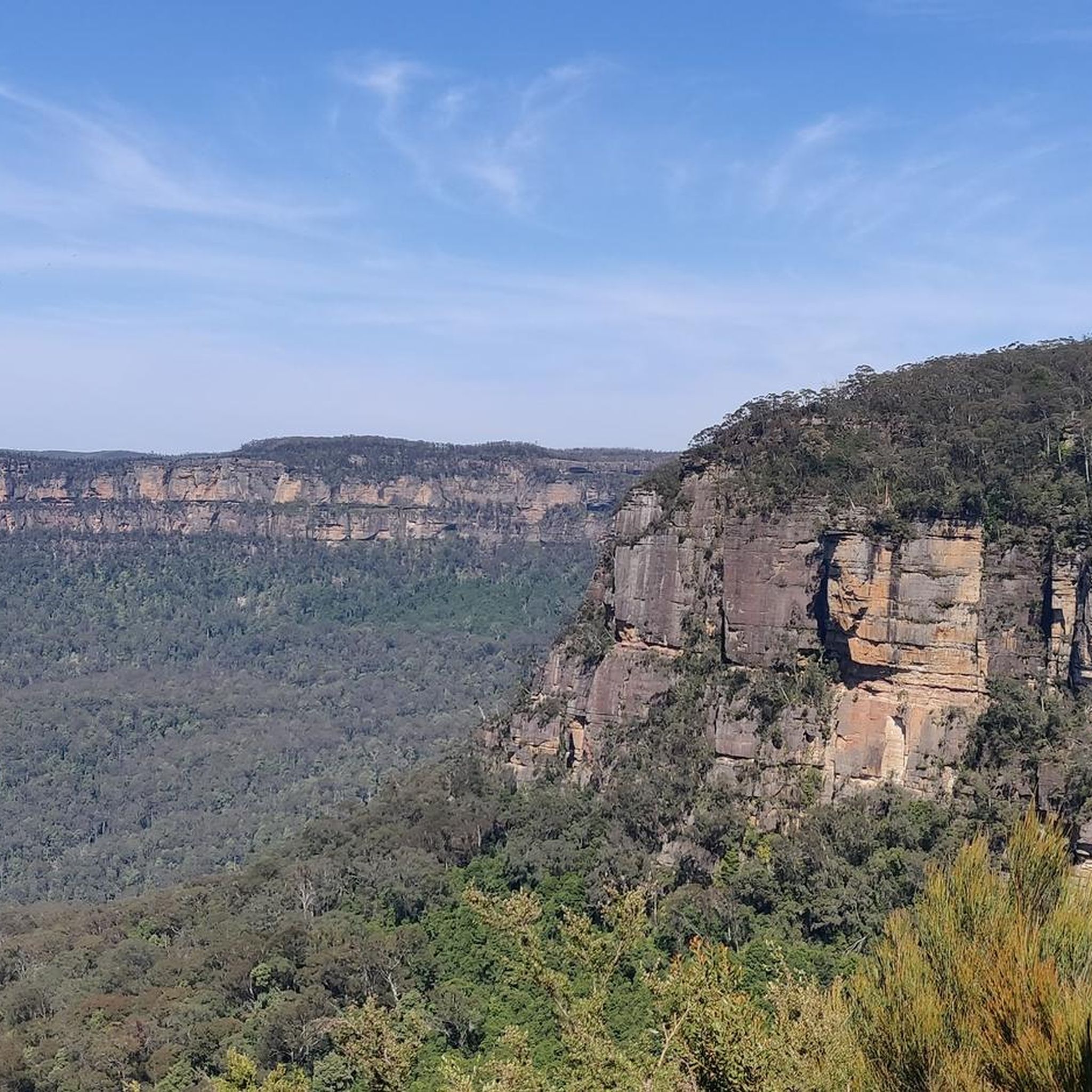
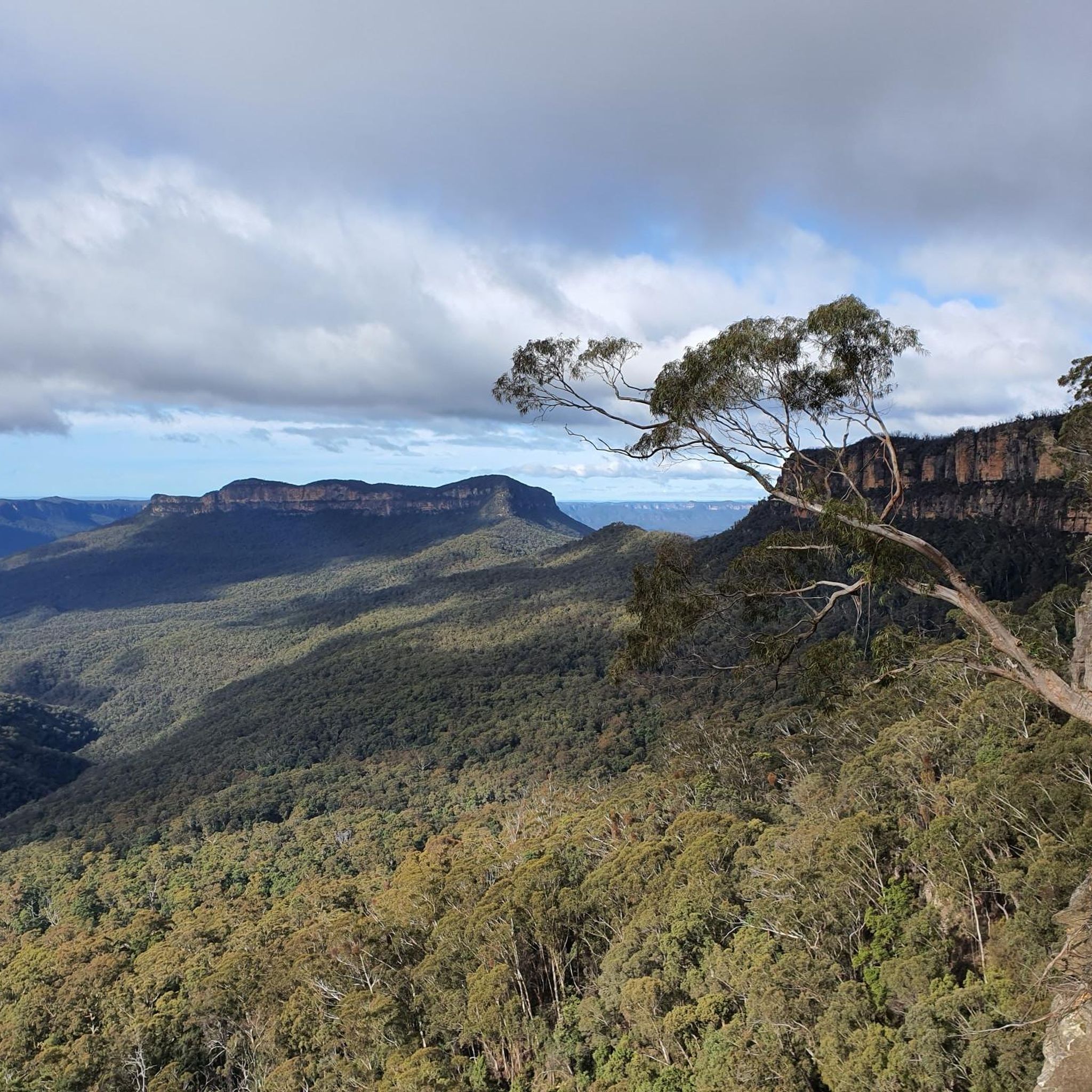
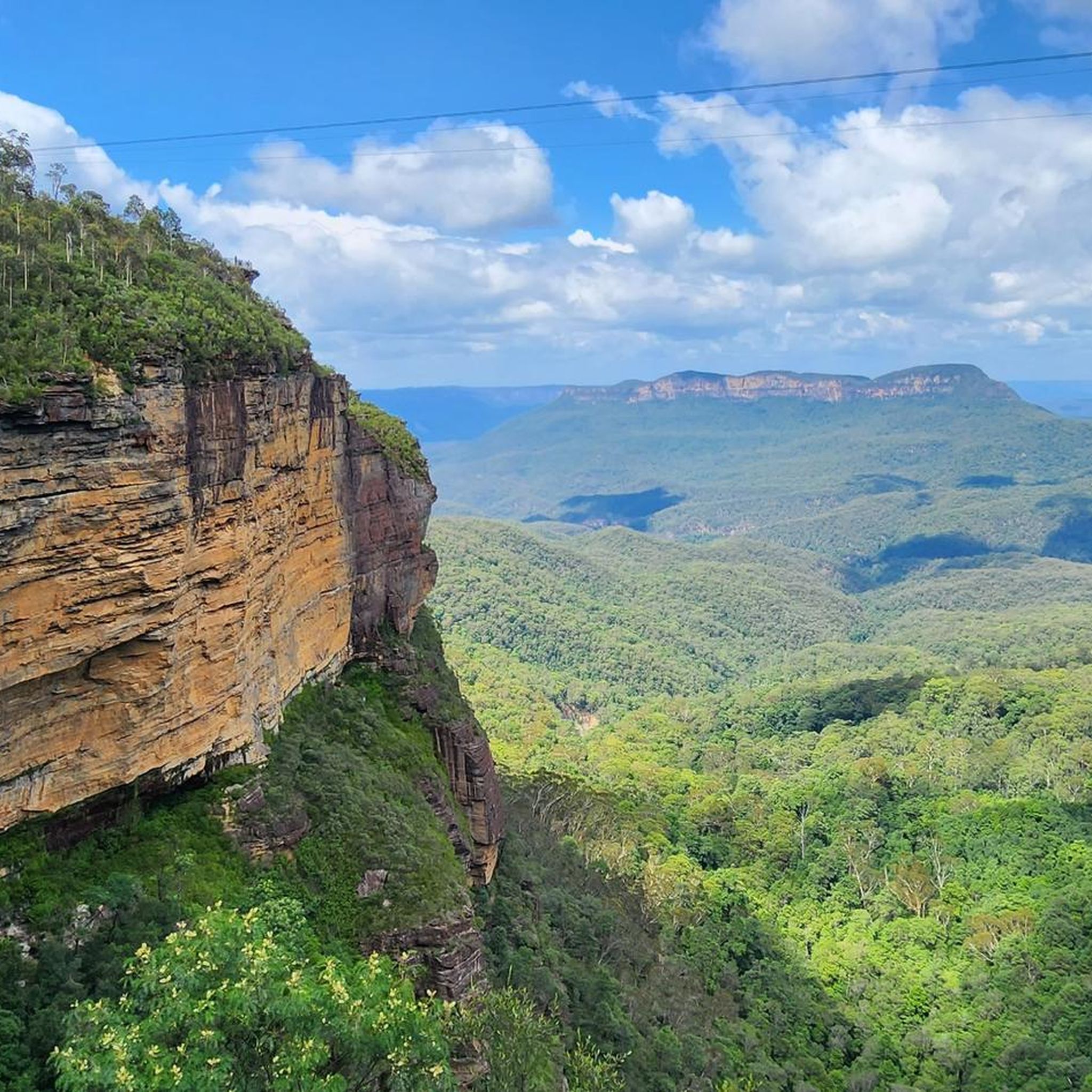
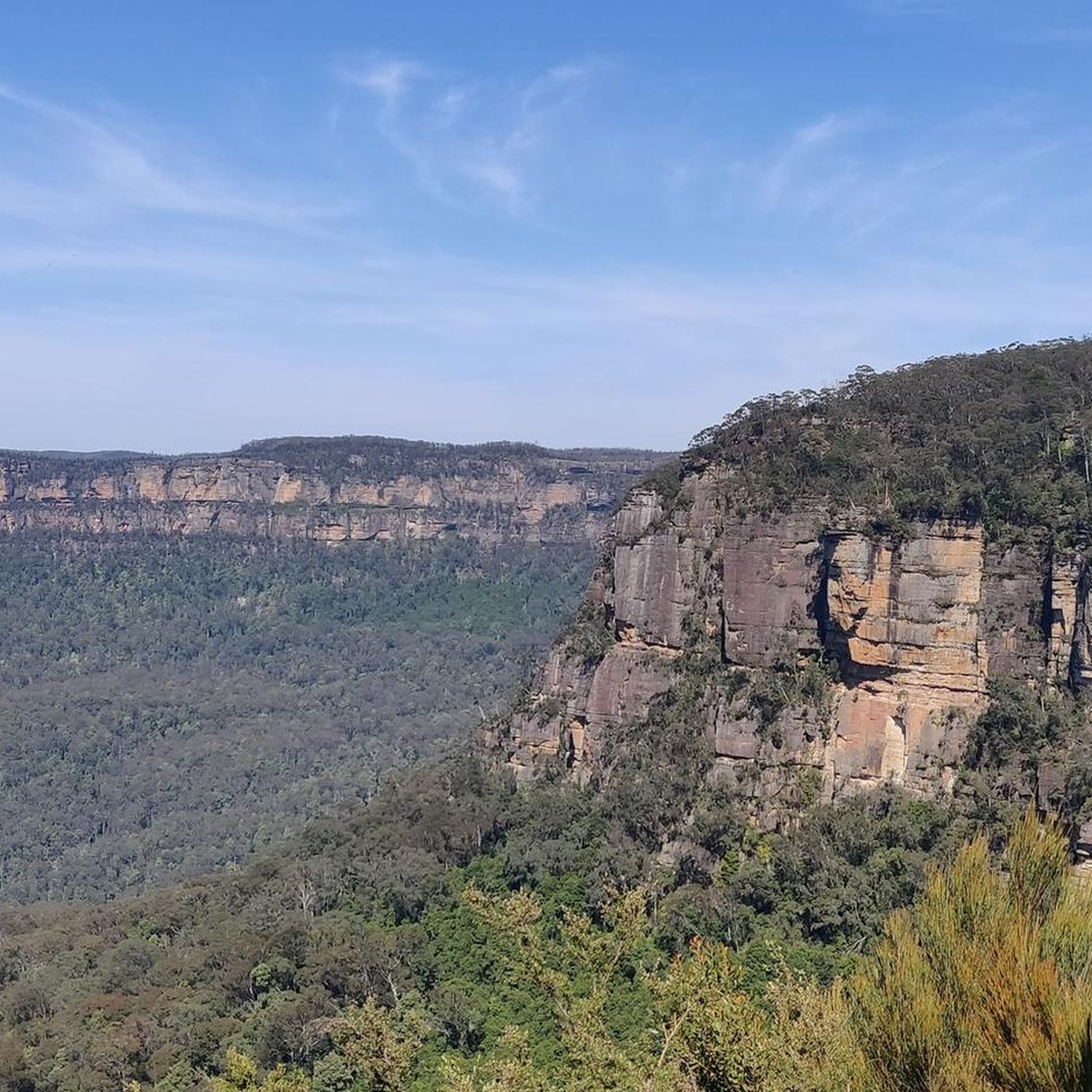
Tips from the Community

The Giant Stairway is a famous, challenging and exhilarating staircase, totalling almost 1000 steps, from the edge of the Blue Mountains National Park cliffside down toward the valley below. The views are hard to beat, and the stairs are carved into the sandstone cliffs, which do become quite slippery after rain. Remember, you must go down before you come up!
1
0

Katoomba Falls is a fantastic multi-tiered waterfall that cascades over sandstone cliffs into the Jamison Valley, and is one of the Blue Mountains’ most recognisable waterfall locations. The falls are surrounded by rugged escarpments, and from here, there are beautiful expansive views across the eucalyptus-covered ridges that stretch through the valley. The combination of plunging water, towering cliffs, and wide valley scenery makes it especially impressive if you're lucky enough to be here after it rains.
0
0
Grand Canyon Track is a 6-kilometre loop walk that winds through lush rainforest, past waterfalls you can walk behind, fern‑lined creeks, rugged rock ledges, and impressive sandstone overhangs, offering both up-close canyon scenery and panoramic views from the rim. Rated as a Grade 3 (moderate) walk, it typically takes about 3 to 4 hours to complete. The beautiful scenery, steep staircases and several creek crossings make it one of the region's most iconic, and rewarding hikes in the Blue Mountains.
0
0

The way down is not very easy but it is worth it... the way back is much harder.
1
0

These waterfalls simply have to be seen to be believed.
1
0
Absolutely brilliant, worth seeing view.
1
0
A hiking route that is worth doing.
3
0
Frequently Asked Questions
What are the most iconic natural monuments to see in Blue Mountains National Park?
The most iconic natural monument is undoubtedly Echo Point Lookout – View of the Three Sisters, offering breathtaking views of the famous rock formation. Another must-see is Wentworth Falls, a majestic waterfall plunging 100 meters into the Jamison Valley. Govetts Leap Lookout also provides sweeping vistas of the Grose Valley and Bridal Veil Falls.
Are there any family-friendly natural monuments or activities in Blue Mountains National Park?
Yes, several natural monuments are suitable for families. Echo Point Lookout – View of the Three Sisters is easily accessible and offers stunning views without extensive hiking. The area around Wentworth Falls also has scenic clifftop picnic spots and diverse walks suitable for various ages. Many lookouts are accessible by car, making them convenient for families.
What unique geological features can I explore in the Blue Mountains?
The Blue Mountains are renowned for their dramatic sandstone escarpments, deep gorges, and vast eucalypt forests. Beyond the iconic Three Sisters rock formation, you can explore the extensive network of magnificent limestone caves at Jenolan Caves, filled with impressive stalactites and stalagmites. Pulpit Rock Lookout also features a unique jagged rock blade jutting into the Grose Valley.
What is the best time of year to visit the natural monuments in Blue Mountains National Park?
The Blue Mountains are beautiful year-round. Spring (September-November) offers pleasant temperatures and blooming wildflowers. Autumn (March-May) is known for its vibrant foliage. Summer (December-February) can be warm but is great for exploring waterfalls. Winter (June-August) brings crisp air, fewer crowds, and occasional misty views, which can be quite atmospheric.
Are there historical or cultural sites among the natural monuments?
Yes, the Blue Mountains hold significant Aboriginal cultural heritage. Red Hands Cave is a notable historical site featuring ancient Aboriginal hand stencils, offering a glimpse into the region's rich past. The Three Sisters also hold deep importance in Aboriginal Dreamtime legends.
What outdoor activities can I do near these natural monuments?
Beyond sightseeing, the Blue Mountains National Park offers extensive opportunities for outdoor activities. You can find numerous routes for cycling, road cycling, and running. For example, explore cycling trails like The Oaks Trail, or discover running trails such as the Evans Lookout loop.
Are there hiking trails near the natural monuments, and what are their difficulty levels?
Yes, many natural monuments are integrated into extensive walking track networks. For instance, the area around Wentworth Falls offers walks ranging from intermediate to challenging, including sections of the Grand Cliff Top Walk. Katoomba Falls also has intermediate trails. Always check trail conditions and difficulty before heading out.
How accessible are the natural monuments for visitors with limited mobility or wheelchairs?
While many trails can be challenging, several lookouts offer good accessibility. Echo Point Lookout – View of the Three Sisters is generally accessible, with paved paths leading to key viewing areas. It's advisable to check specific accessibility details for other lookouts and attractions on the official NSW National Parks website before your visit.
Where can I find less crowded natural monuments in the Blue Mountains?
While popular spots like the Three Sisters can get busy, consider visiting Cahill's Lookout for a more secluded perspective of the Megalong Valley, or explore Pulpit Rock Lookout for a unique view into the Grose Valley, which tends to be less frequented than Echo Point. Visiting during off-peak hours or weekdays can also help avoid crowds.
What do visitors enjoy most about the natural monuments in Blue Mountains National Park?
Visitors consistently rave about the stunning panoramic views, especially from lookouts like Echo Point and Govetts Leap. The majestic waterfalls, such as Wentworth Falls and Katoomba Falls, are also highly praised, particularly after rainfall. The unique geological formations and the sense of being immersed in ancient, vast wilderness are also frequently highlighted.
Are there any natural monuments that are particularly good for birdwatching?
Yes, Govetts Leap Lookout is an excellent spot for birdwatching. The area is known for its diverse birdlife, and you might have the chance to see vibrant king parrots and yellow-tailed black cockatoos while enjoying the views of the Grose Valley.
What should I know about parking and public transport when visiting the natural monuments?
Many popular natural monuments, like Echo Point Lookout, have dedicated parking areas, though they can fill up quickly during peak times. Public transport options, including trains and local buses, connect major towns like Katoomba and Leura, providing access to several key lookouts and trailheads. It's advisable to check local transport schedules in advance.
Can I explore deep into the Grand Canyon within the Blue Mountains National Park?
Yes, the Blue Mountains National Park offers opportunities to descend deep into the Grand Canyon through dedicated walking tracks. These trails showcase ancient rainforests and unique geological formations, providing an immersive experience into the park's natural beauty.
Most popular routes in Blue Mountains National Park
Most popular attractions in Blue Mountains National Park

Get inspired with the komoot mobile app


Explore more
Extend your search for the best caves by checking out these guides of the top ones in Blue Mountains National Park:
