The best running trails in Blue Mountains National Park
4.3
(4)
465
runners
10
runs
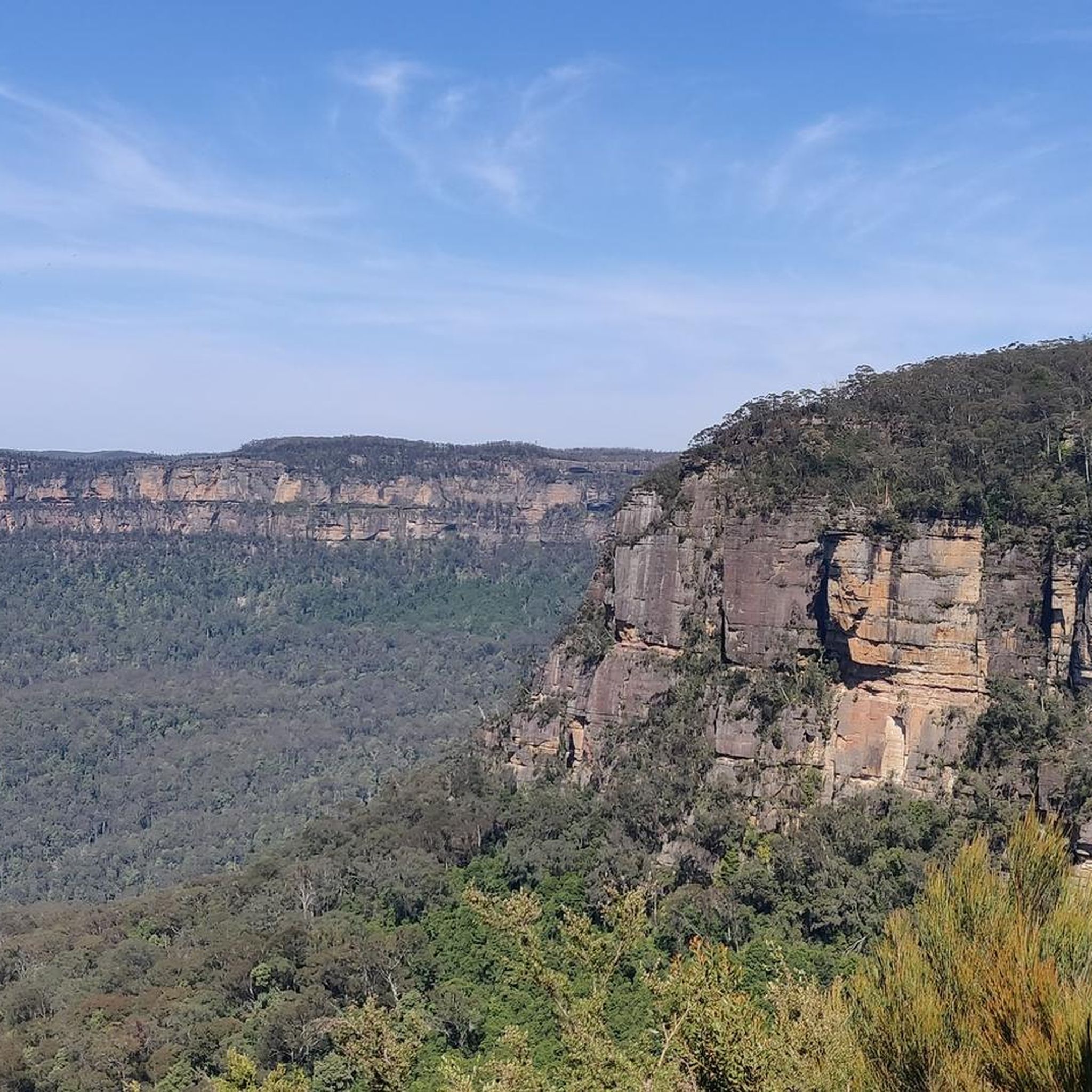
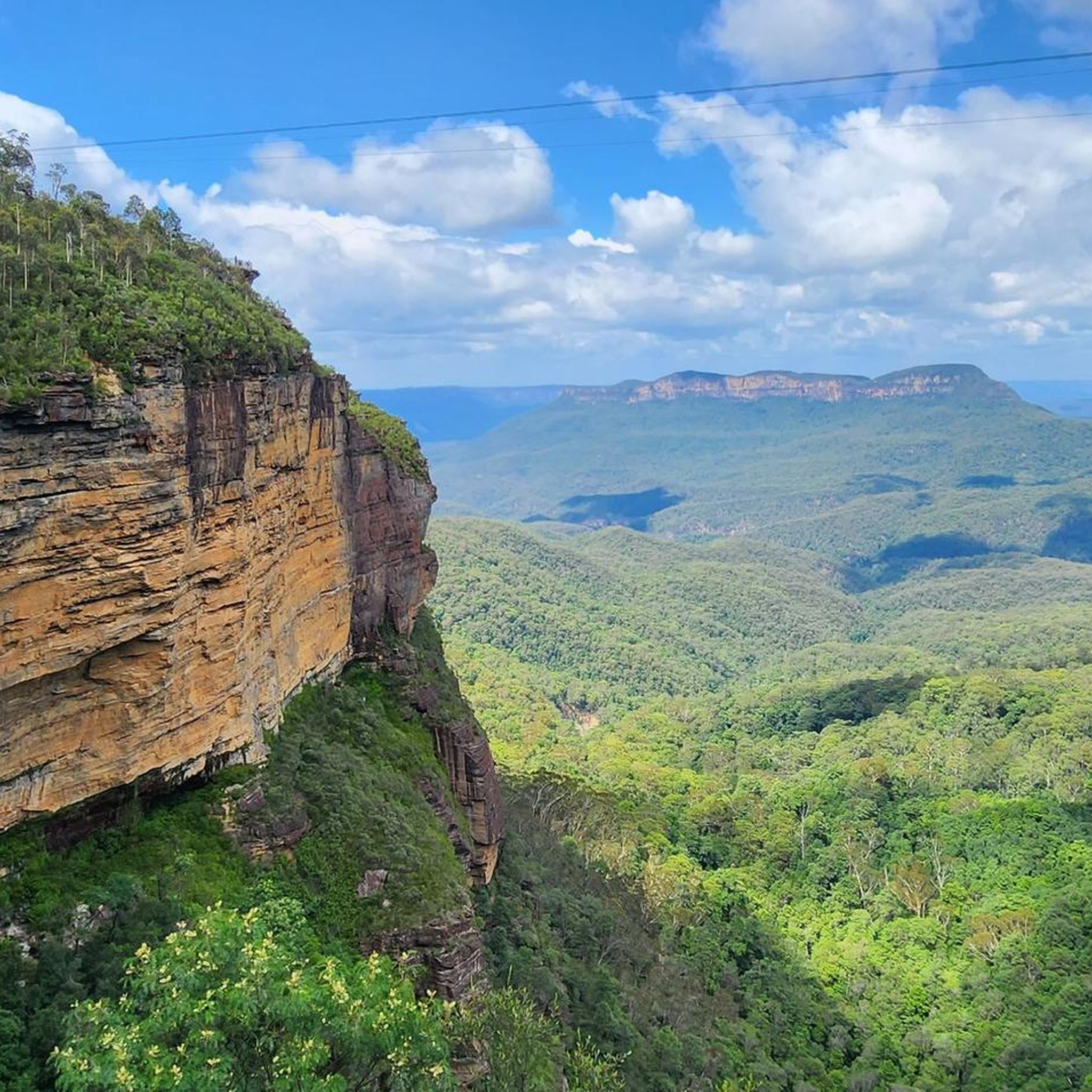
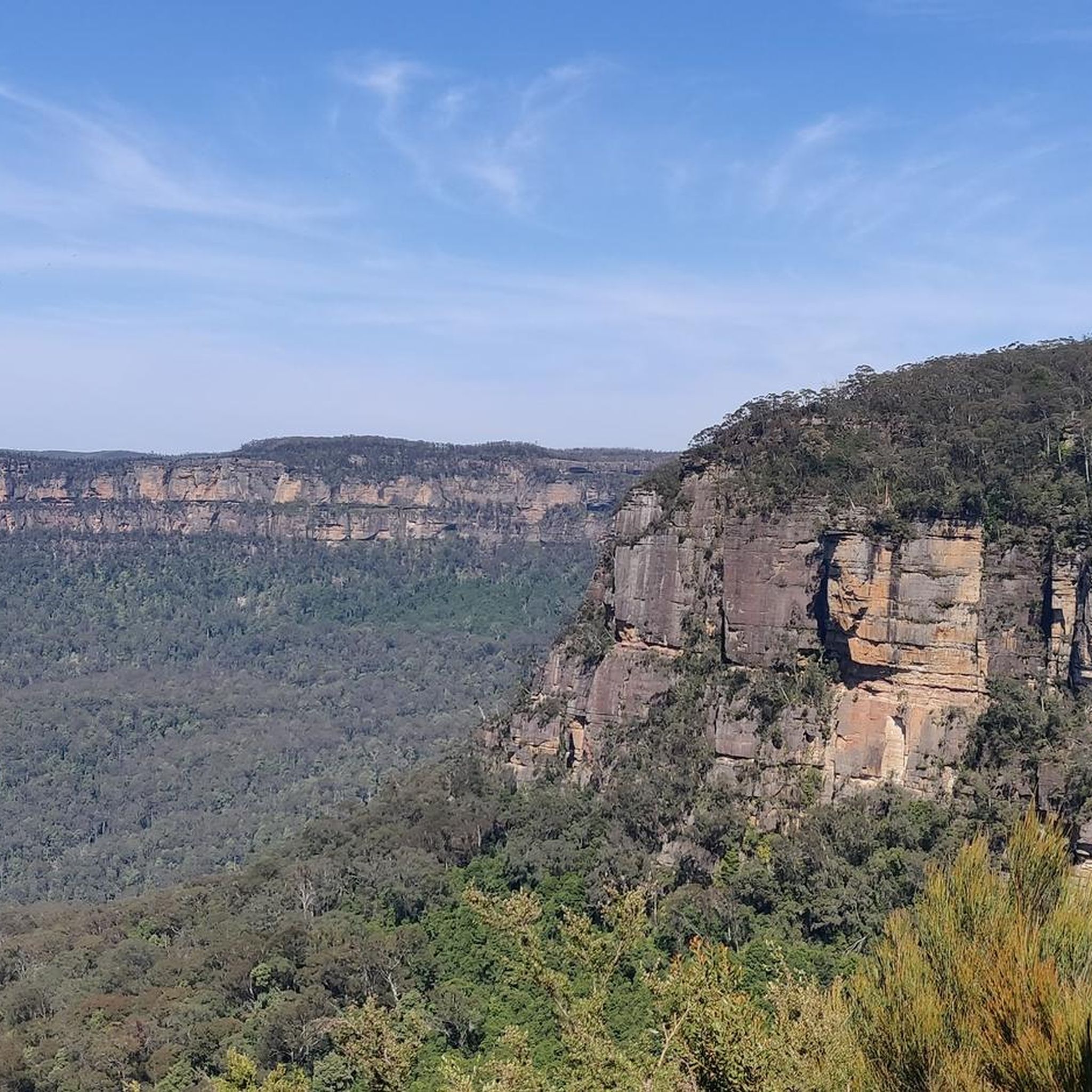
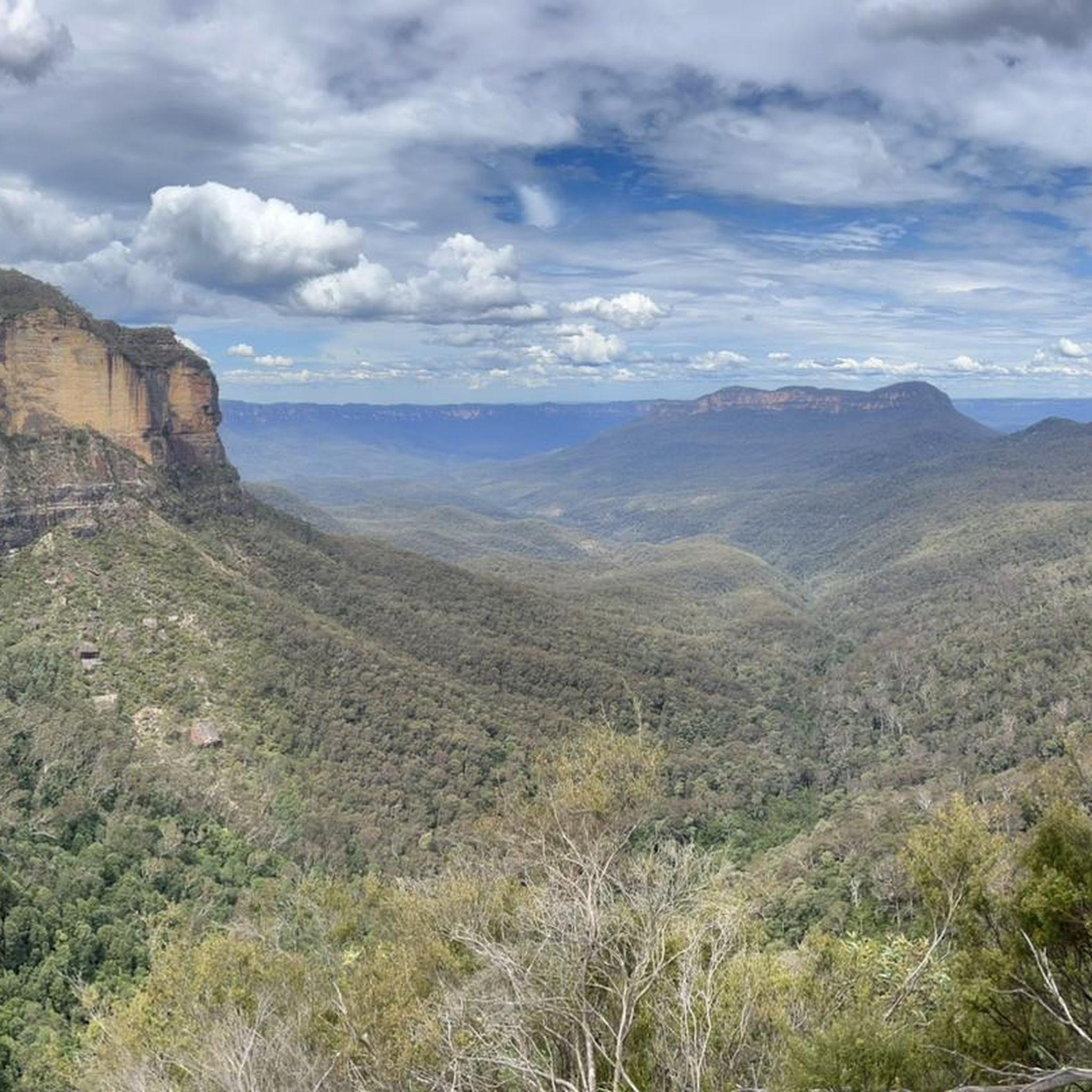
Jogging in Blue Mountains National Park offers diverse landscapes, from vast eucalypt forests to deep gorges and valleys. The terrain varies, encompassing open forests, heathlands, and dense rainforests, with surfaces ranging from paved paths to uneven ground with rocks and roots. Sandstone cliffs and unique rock formations are prevalent, providing varied elevation changes and scenic backdrops for running. This UNESCO World Heritage site is characterized by its distinctive "blue haze" and an extensive network of natural features.
Best jogging routes…
Last updated: November 17, 2026
157
runners
44.6km
06:36
1,950m
1,950m
Hard run. Very good fitness required. Sure-footedness, sturdy shoes and alpine experience required.
4.3
(4)
177
runners
32.2km
05:04
1,580m
1,580m
Hard run. Very good fitness required. Sure-footedness, sturdy shoes and alpine experience required.

36
runners
27.7km
03:19
420m
420m
Hard run. Very good fitness required. Sure-footedness, sturdy shoes and alpine experience required.
28
runners
10.8km
01:38
500m
490m
Hard run. Very good fitness required. Sure-footedness, sturdy shoes and alpine experience required.
25
runners
21.6km
03:49
1,240m
1,240m
Hard run. Very good fitness required. Sure-footedness, sturdy shoes and alpine experience required.
Get access to more routes and recommendations from other explorers.
Already have an account?
Our route recommendations are based on thousands of hikes, rides, and runs completed by other people on komoot.
Start today with a free account
Your next adventure awaits.
Tips from the Community

This trackhead sits at a locked gate at the edge of Blue Mountains National Park, reached via the unsealed Kedumba Valley Road, past the old Queen Victoria Hospital site (now home to a Buddhist retreat). From here, it’s a steep 9-kilometre walk down Kedumba Pass to the River Crossing campground below. There’s no vehicle access beyond this point, so it’s the last stop to check gear and water supplies before heading down into the valley. There are no rubbish bins here, so come prepared to carry everything you need in and take it all back out.
0
0

Furber Steps drops steeply down the escarpment towards the Jamison Valley, with sections of stone steps, metal stairs and track cut close against the sandstone cliffs. You’ll pass beneath large overhangs and get changing views across to Katoomba Falls as you descend. The way down is straightforward enough, but remember you’ll need to regain all that height if you’re returning the same way.
0
0
Bennetts Ridge Day Use Area is a lovely spot with plenty of open green space, picnic tables, a car park, and easy access to Bennetts Ridge Trail and the surrounding fire track network. Set among the eucalypts, it’s a great starting point for exploring the park, and if you’re passing by, a perfect place to rest for a while before continuing your walk.
0
0
Bennetts Ridge Trail is a wide fire track that climbs gradually along the ridgeline under a canopy of eucalypts. Popular with walkers, trail runners, and mountain bikers, it’s a great way to explore this corner of the park where you can occasionally catch a peek across the surrounding valleys through breaks in the trees.
0
0

The Scenic Cableway brings bushwalkers over Blue Mountains National Park. The Scenic Cableway Top Station is an exciting, busy area, where the train and Skyway also depart. There are toilets, Skyway Souvenirs and the Terrace Cafe & Bar, all indoors, ideal in case of rain. Here visitors descend the steep cliff into the valley below, and by steep, it's steep, the cableway is at 36° incline. The Scenic Cableway is open Friday from 10:00 am to 4:00 pm and every other day of the week from 9:00 am to 5:00 pm. Cars depart around every 10 minutes from the top and bottom stations, and ticket prices start at $39 per adult and $21 per child but provides unlimited rides for the day. If you would like to avoid taking the cableway, the climb in and out can be done from the Giant Stairway track.
0
0
Katoomba Cascades is a picturesque series of small cascades on the Kedumba River, where the water tumbles over wide sandstone shelves before continuing downstream to Katoomba Falls. There are boardwalks, bridges, benches and viewing platforms that surround the cascades for a close-up view of the flowing water within the lush gully of ferns and rainforest vegetation. It’s one of the few places where you can experience the river up close before it drops into the Jamison Valley.
1
0
The Giant Stairway is a famous, challenging and exhilarating staircase, totalling almost 1000 steps, from the edge of the Blue Mountains National Park cliffside down toward the valley below. The views are hard to beat, and the stairs are carved into the sandstone cliffs, which do become quite slippery after rain. Remember, you must go down before you come up!
1
0
Upper Wentworth Falls is the first major section of the waterfall system, where Jamison Creek spills over broad sandstone shelves before plunging deeper into the Jamison Valley below. From the top of the falls, you get a mix of calm creek pools, exposed cliff edges, and sweeping valley views all in one spot, with the sound of rushing water carrying through the surrounding bushland after rain. The upper cascades are reached via the Wentworth Falls Track, which descends from the picnic area through a series of steep steps and lookouts.
0
0
Frequently Asked Questions
What kind of terrain can I expect on the running trails in Blue Mountains National Park?
Blue Mountains National Park offers incredibly varied terrain for runners. You'll find everything from mostly paved paths to uneven ground with rocks, roots, and challenging steep sections and stairs. The landscape includes open eucalypt forests, heathlands, dense rainforests, and rugged canyons, providing diverse surfaces and elevation changes.
Are there any easy running routes for beginners in Blue Mountains National Park?
While many routes in the park are challenging, there are options for various fitness levels. The park categorizes trails, with some considered easy (up to 3 miles and 330 ft of elevation gain). For example, the Evans Lookout loop from Beauchamp Falls is a shorter route that leads through forested gorges and offers sweeping views, often completed in about an hour.
What are some notable landmarks or natural features I can see while jogging in Blue Mountains National Park?
The park is rich with stunning natural features. You can encounter cascading waterfalls like Wentworth Falls and Katoomba Falls, dramatic sandstone cliffs, and unique rock formations. Iconic viewpoints such as Echo Point Lookout – View of the Three Sisters, Evans Lookout, and Govetts Leap Lookout offer spectacular vistas across the valleys and gorges.
Are there any circular running routes in Blue Mountains National Park?
Yes, many of the running paths in Blue Mountains National Park are designed as loops, allowing you to start and finish at the same point. A popular example is the challenging Laura Cascades Viewpoint – Fletcher's Lookout loop from Scenic Railway Top Station, which offers extensive views and diverse forest environments.
What do other runners enjoy most about jogging in Blue Mountains National Park?
The running routes in Blue Mountains National Park are highly rated by the komoot community, with an average score of 5.0 stars. Runners often praise the diverse landscapes, from vast eucalypt forests to deep gorges, and the stunning views from various lookouts. The challenging terrain and varied environments also make it a prime location for training.
What is the best time of year to go running in Blue Mountains National Park?
The Blue Mountains offer a unique experience year-round. The 'blue haze' from the eucalypt forests is a constant, but conditions vary. Spring (September-November) brings wildflowers, while autumn (March-May) offers cooler temperatures and vibrant foliage. Summer can be warm, but rainforest gullies provide cooler, shaded environments. Winter can be crisp and clear, with occasional snow at higher elevations, offering a different kind of beauty.
Are there any running routes that pass by waterfalls in Blue Mountains National Park?
Absolutely! The park is home to numerous cascading waterfalls. Routes often incorporate or pass near spectacular falls like Wentworth Falls and Katoomba Falls, providing picturesque backdrops and refreshing stops along your run.
How long are the running routes typically in Blue Mountains National Park?
The running routes in Blue Mountains National Park vary significantly in length and duration. You can find shorter paths, like the Evans Lookout loop from Beauchamp Falls at about 3.7 miles (5.9 km), which takes less than an hour. There are also much longer, challenging routes, such as the Laura Cascades Viewpoint – Fletcher's Lookout loop from Scenic Railway Top Station, which spans 28.0 miles (45.0 km) and can take over 6 hours to complete.
What are the options for parking and public transport when accessing running trails in Blue Mountains National Park?
Many popular trailheads and lookouts in Blue Mountains National Park have designated parking areas. For public transport, train services connect Sydney to various towns within the Blue Mountains, such as Katoomba and Wentworth Falls, from where local buses or walking can lead to trail access points. It's advisable to check specific access details for your chosen route.
Can I bring my dog on the running trails in Blue Mountains National Park?
Generally, dogs are not permitted on most walking tracks and in wilderness areas within Blue Mountains National Park to protect native wildlife and natural environments. However, there are some designated areas and fire trails where dogs on a leash are allowed. It's best to check the specific regulations for the area you plan to visit on the official NSW National Parks website before heading out.
Are there any cafes or facilities near the running routes in Blue Mountains National Park?
Yes, towns like Katoomba, Leura, and Wentworth Falls, which are gateways to many trails, offer a range of cafes, restaurants, and other facilities where you can refuel or relax after your run. Many popular trailheads are accessible from these towns, making it convenient to combine your run with a visit to a local establishment.
What kind of wildlife might I encounter on the running paths?
Blue Mountains National Park is a UNESCO World Heritage site known for its rich biodiversity. While running, you might spot various bird species, including parrots and kookaburras. Keep an eye out for wallabies, kangaroos, and other native marsupials, especially during dawn and dusk. Remember to observe wildlife from a distance and avoid disturbing their natural habitat.
Most popular routes in Blue Mountains National Park
Most popular attractions in Blue Mountains National Park

Get inspired with the komoot mobile app


Explore more
Browse the best Running Trails & Routes in other regions.
