Top 7 Natural Monuments in Bogotá D.C.
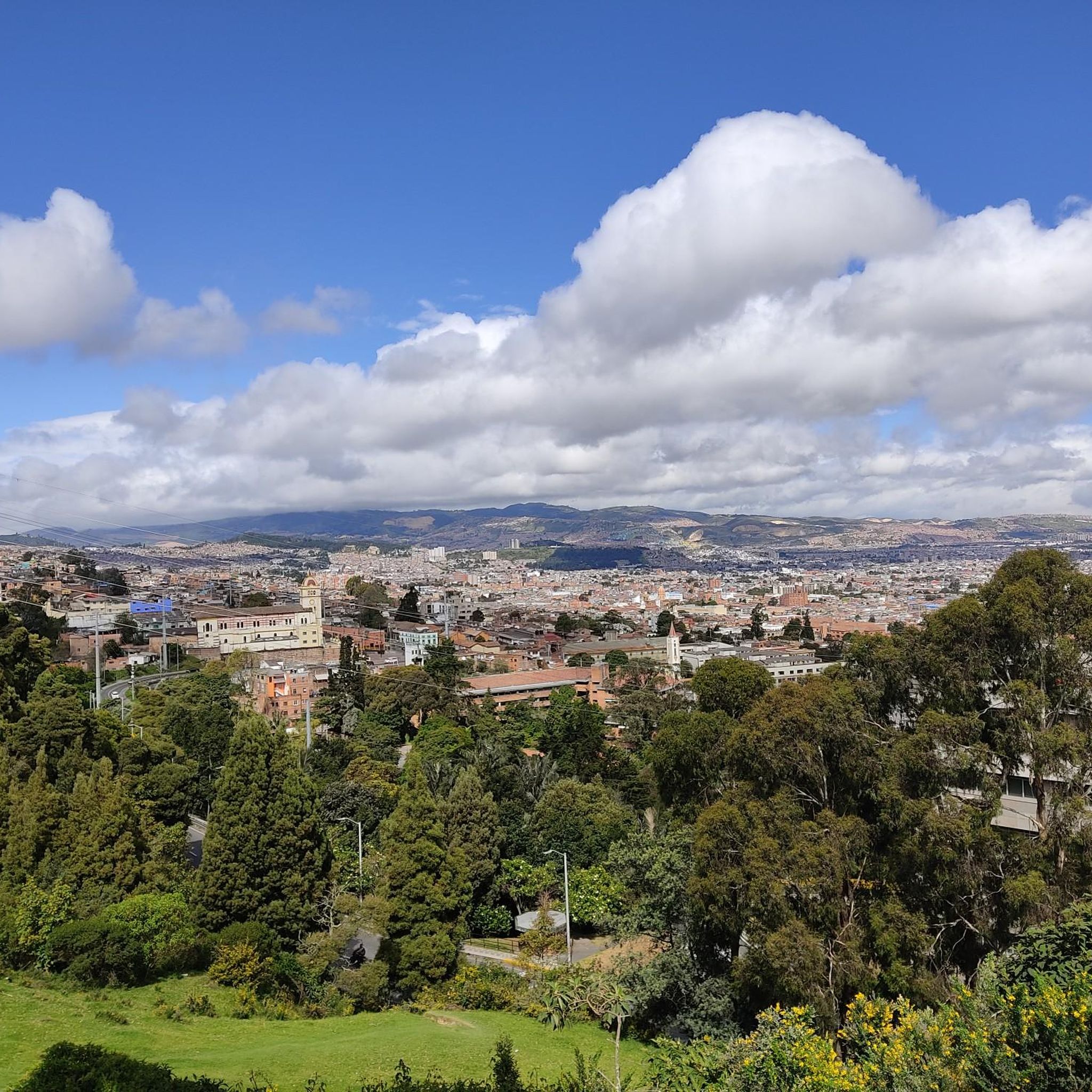
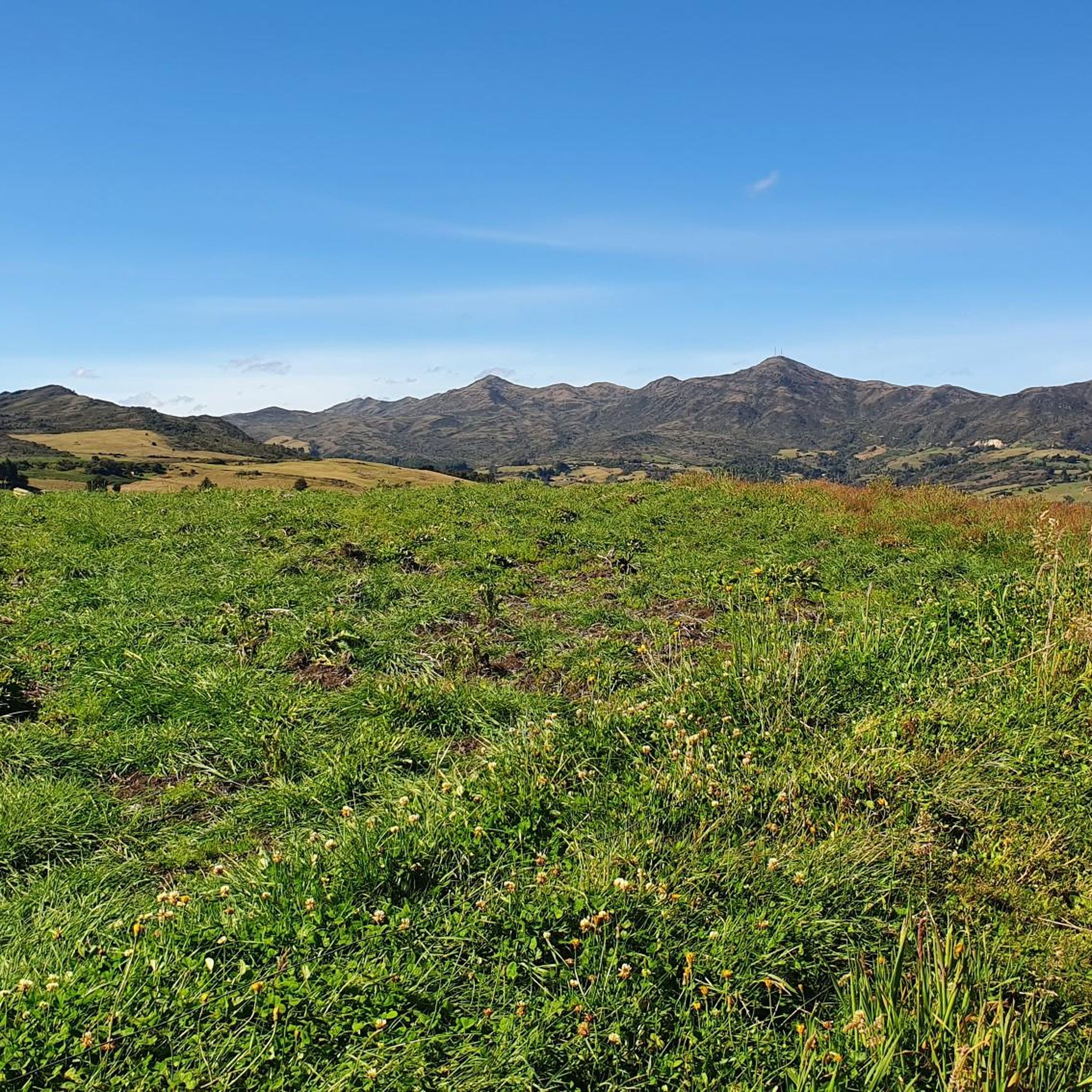
Best natural monuments in Bogotá D.C. are characterized by diverse ecosystems, ranging from high-altitude páramos to urban wetlands. The region's geography includes significant mountain ranges like the Cerros Orientales, which provide a natural backdrop to the city. These areas are crucial for biodiversity and offer opportunities to experience natural landscapes. Bogotá D.C. provides access to protected natural areas that contribute to the city's environmental health and offer recreational spaces.
Best natural monuments in Bogotá D.C.
- The most popular natural monuments…
Last updated: July 3, 2026
Tequendama Falls
Highlight • Waterfall
Tip by

Chisacá Lagoon, Sumapaz National Natural Park
Highlight • Lake
Translated by Google •
Tip by

Sign up now to discover places like this
Get recommendations on the best single tracks, peaks, & plenty of other exciting outdoor places.
Sign up for free
La Regadera Reservoir
Highlight • Lake
Translated by Google •
Tip by

Bogotá Botanical Garden
Highlight • Natural
Tip by

El Chiflón Waterfall
Highlight • Waterfall
Translated by Google •
Tip by

Sign up for free to discover even more natural monuments in Bogotá D.C..
Sign up for free
Already have an account?
Start today with a free account
Your next adventure awaits.
Login or Signup


Tips from the Community

The Jardín Botánico de Bogotá José Celestino Mutis (Botanical Garden of Bogotá) is located in the Engativá district on Avenida Calle 63. The park covers about 19.5 hectares. It is the largest botanical garden in Colombia and is particularly dedicated to the ecosystems of the Andes and the Páramo. Highlights include a waterfall, a rose garden with over 70 species, and greenhouses (Tropicario) for different climate zones. Opening hours: Tuesday to Friday: 08:00 – 17:00. Weekends and public holidays: 09:00 – 17:00.
0
0

The drinks are expensive, and the air is polluted. The road is narrow; you have to be careful of the vehicles.
0
0
The perfect place to take a break
0
0

Cold, beautiful place, be prepared for the cold, respect this place, do not throw garbage, do not shout, there the water is born...
0
0
Good bike route, quiet place... generally cold
0
0

Very nice and a place for high performance athletes
0
0
highly recommended
0
0

At this point there is a dog that looks after the reservoir. If you can, you can leave him food or water. He has his little house where he takes shelter from the cold and the rain.
0
0
Frequently Asked Questions
What natural features can I expect to see in Bogotá D.C.'s natural monuments?
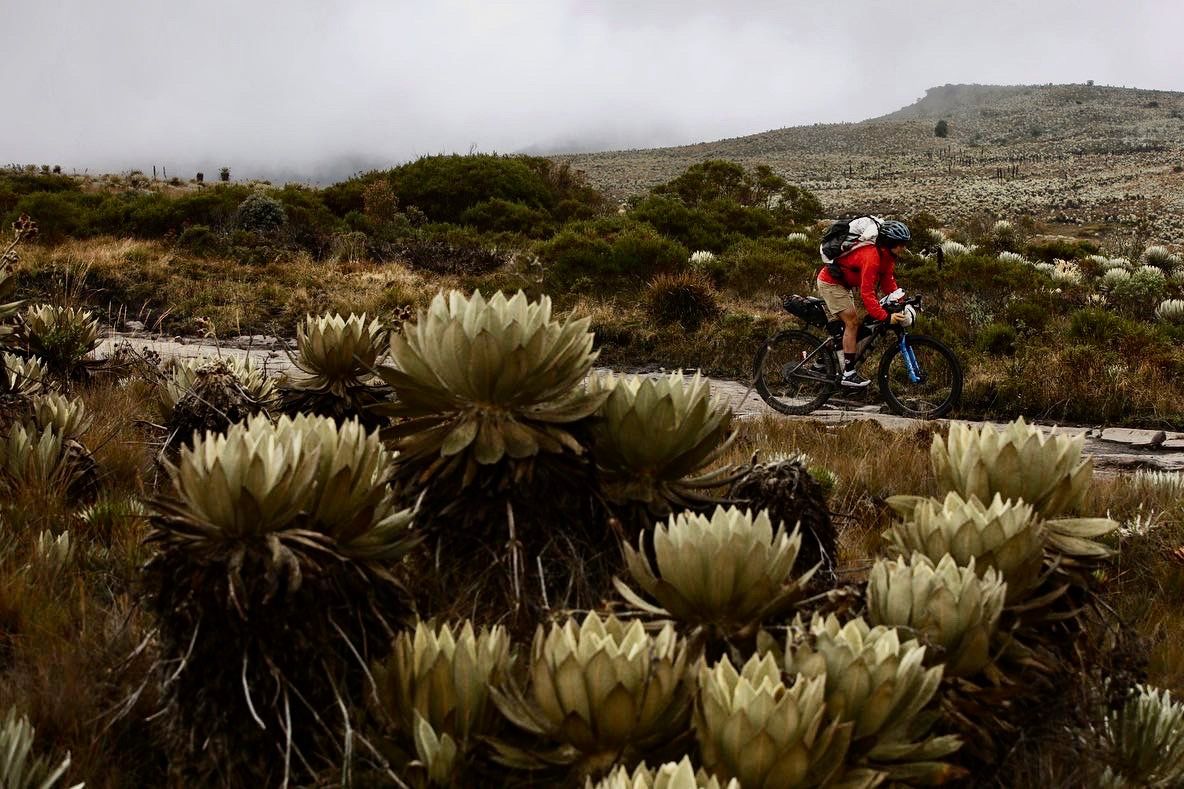
Bogotá D.C. offers a diverse range of natural features. You can explore high-altitude páramos with unique frailejones and glacial lakes like Chisacá Lagoon, lush high-Andean forests, and significant urban wetlands. Notable waterfalls include Tequendama Falls and El Chiflón Waterfall, while La Regadera Reservoir provides a serene lake experience.
Are there opportunities for wildlife spotting in Bogotá D.C.'s natural monuments?
Yes, several natural monuments are excellent for wildlife spotting. Chingaza National Natural Park is home to spectacled bears, Andean condors, pumas, and over 400 bird species. Humedal La Conejera is a recognized birdwatching destination, featuring rufous ducks and various migratory birds. The Cerros Orientales and Parque Entrenubes also host diverse birdlife, including species like the Red-crested Cotinga and Yellow-billed Cacique.
Which natural monuments offer the best panoramic viewpoints of Bogotá D.C.?
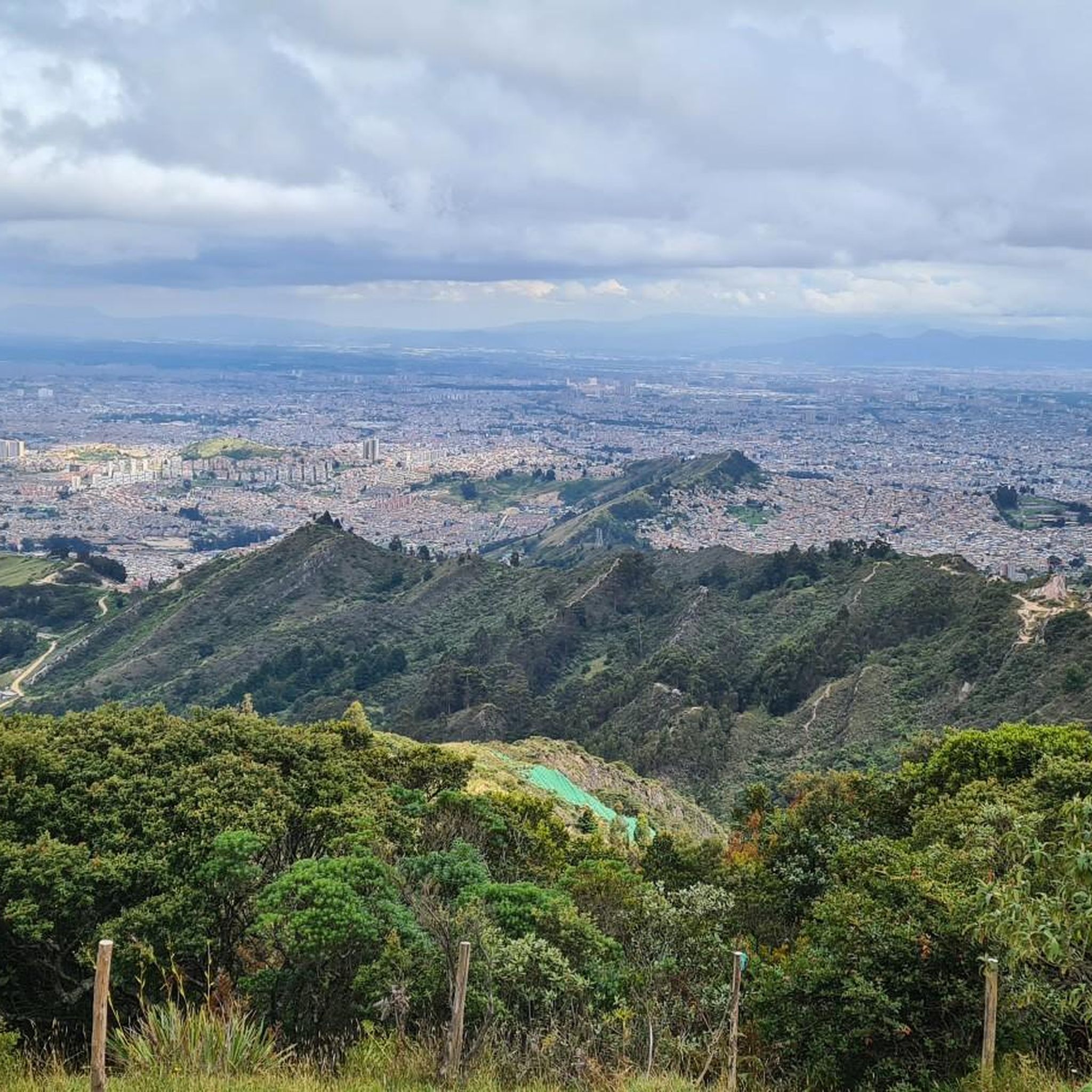
For breathtaking panoramic views of Bogotá D.C., the Cerros Orientales are a prime choice, with peaks like Monserrate and Guadalupe providing stunning vistas. Parque Entrenubes, located in the southeastern part of the city, also offers exceptional 360-degree views, blending urban and rural landscapes from its hills like Juan Rey and Guacamayas.
What are the best hiking trails near Bogotá D.C.'s natural monuments?
Many natural monuments offer excellent hiking opportunities. Chingaza National Natural Park has trails ranging from easy to challenging through its páramo and forests. The Cerros Orientales feature winding trails, including Quebrada La Vieja, which provide great city views. For more specific routes, you can explore the Running Trails in Bogotá D.C. guide, which includes options like the Patios loop.
Are there family-friendly natural monuments in Bogotá D.C.?
Yes, the Bogotá Botanical Garden is a family-friendly natural monument, offering a green oasis with diverse landscapes of Colombia's flora. Humedal La Conejera also provides long, flat dirt trails perfect for leisurely walks and birdwatching, suitable for families looking for a peaceful outdoor experience.
What is the best time to visit natural monuments in Bogotá D.C.?
Bogotá D.C. generally experiences two main seasons: a dry season (December to March and July to August) and a rainy season (April to June and September to November). The dry season typically offers more sunshine and clearer skies, which can be ideal for hiking and enjoying panoramic views. However, the páramo ecosystems, like those in Chingaza and Sumapaz, can be cold and misty year-round, so be prepared for varying weather conditions regardless of the season.
What kind of outdoor activities can I do near these natural monuments?
Beyond hiking, the areas around Bogotá D.C.'s natural monuments offer various outdoor activities. The Cerros Orientales are popular for rock climbing and mountain biking. You can find numerous cycling routes, including challenging climbs, in the Road Cycling Routes in Bogotá D.C. guide, and exciting trails in the MTB Trails in Bogotá D.C. guide.
How can I access Chingaza National Natural Park?
Chingaza National Natural Park is located an hour or two from Bogotá. Access typically requires prior registration and permits due to its protected status. For detailed information on how to plan your visit, including permit requirements and entry points, it's advisable to check official sources like Parques Nacionales de Colombia.
Are there any cultural or historical sites associated with Bogotá D.C.'s natural monuments?
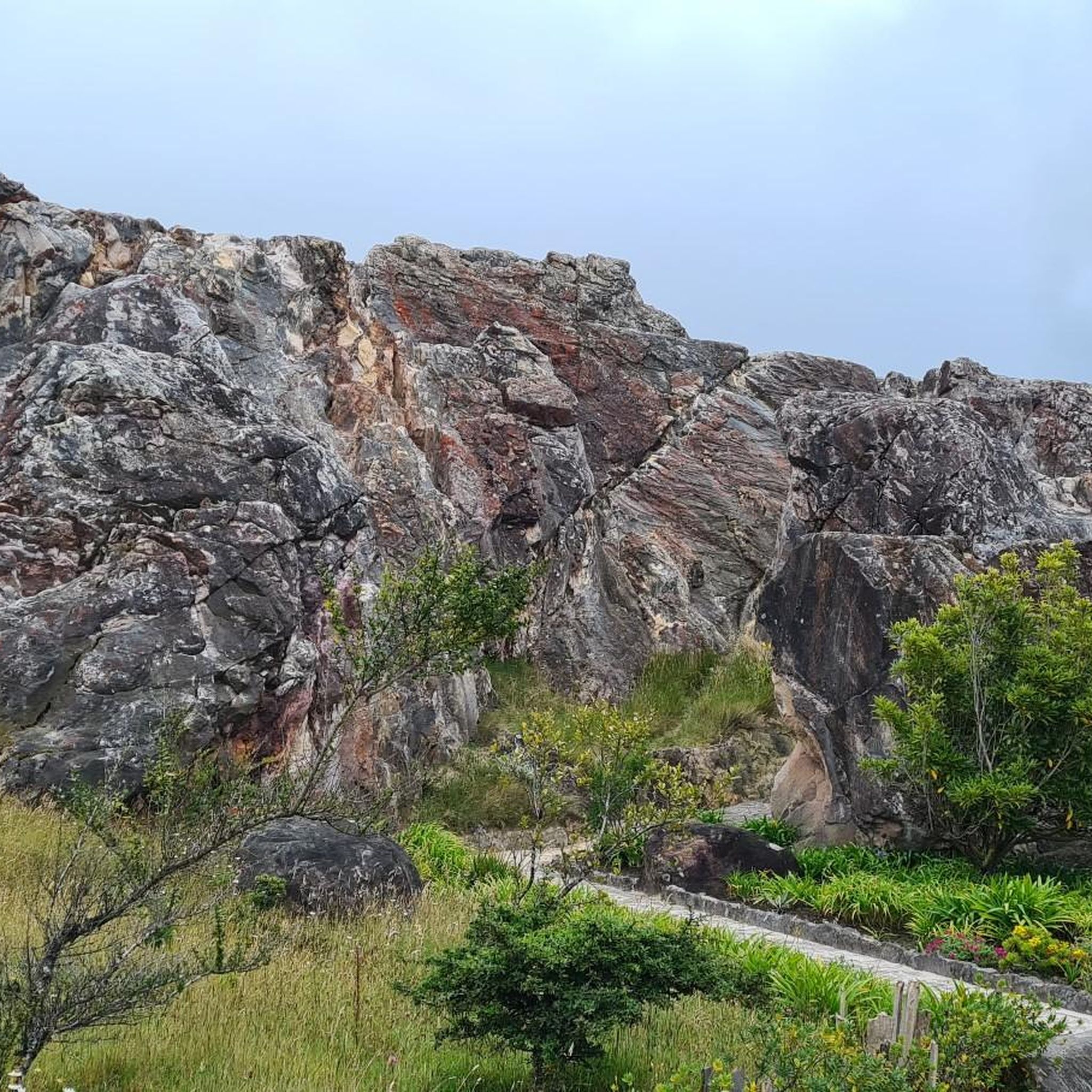
Yes, some natural monuments hold cultural and historical significance. Chingaza National Natural Park, for instance, has sites linked to the Muiscas, an indigenous people who once inhabited the territory. The Cerros Orientales also feature ancient stone carvings and archaeological sites from indigenous communities, adding a historical layer to their natural beauty.
What should I pack for a visit to a natural monument in Bogotá D.C.?
Given the varied ecosystems and altitudes, it's wise to pack layers. For high-altitude areas like Chingaza or Sumapaz, bring warm clothing, a waterproof jacket, and sturdy hiking boots. Even in lower areas, comfortable walking shoes, sun protection (hat, sunscreen), and plenty of water are essential. If visiting wetlands like Humedal La Conejera, insect repellent might also be useful.
What makes Humedal La Conejera a unique natural monument?
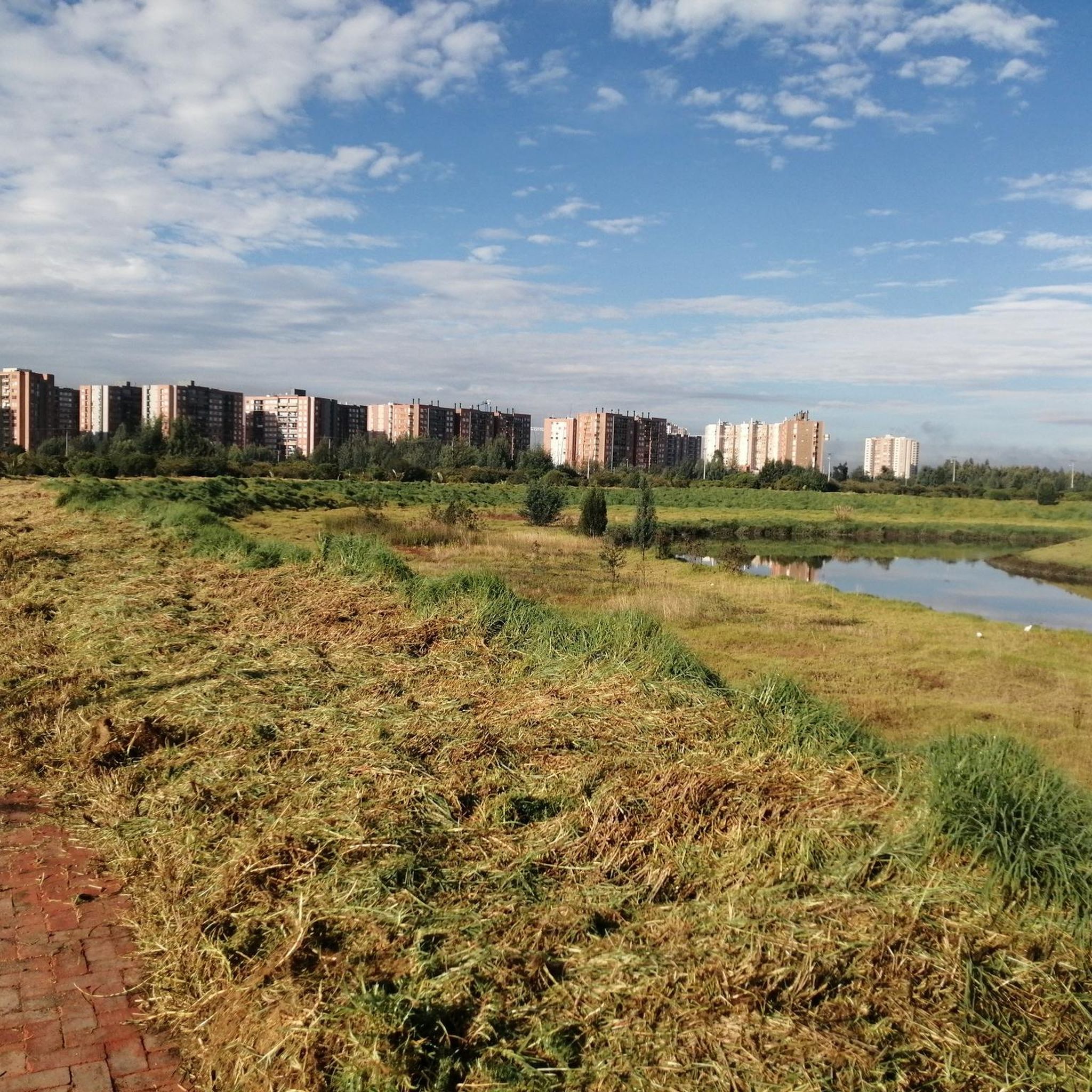
Humedal La Conejera stands out as a well-preserved urban wetland within Bogotá, recognized globally as a top birdwatching destination. Its vibrant green waters and lush vegetation create a tranquil atmosphere, serving as a crucial sanctuary for diverse bird species and other native fauna. It's an excellent example of urban conservation and offers a peaceful escape within the city.
Can I visit Monserrate and Guadalupe peaks in the Cerros Orientales?
Yes, Monserrate is a very popular destination within the Cerros Orientales, accessible by foot, funicular, or cable car. It offers not only spectacular views of Bogotá but also a sanctuary and restaurants. Guadalupe peak is also accessible and provides diverse hiking experiences through lush forests, contributing to the majestic mountain range that borders the city.
Most popular routes in Bogotá D.C.
Most popular attractions in Bogotá D.C.

Get inspired with the komoot mobile app


