Top 16 Natural Monuments in Pichincha
Natural monuments in Pichincha feature a diverse landscape, encompassing towering volcanoes, lush cloud forests, and serene lagoons. This Ecuadorian province is characterized by significant geological formations and rich biodiversity. Many sites offer panoramic views of the Andean landscapes, providing opportunities for exploration and nature observation.
Best natural monuments in Pichincha
- The most popular natural monuments is Rucu Pichincha Summit, a summit that offers panoramic views of Quito and the surrounding Andean landscapes. This challenging climb is a prominent feature…
Last updated: July 1, 2026
Rucu Pichincha Summit
Highlight • Summit
Tip by

Limpiopungo Lagoon
Highlight • Lake
Translated by Google •
Tip by

Sign up now to discover places like this
Get recommendations on the best single tracks, peaks, & plenty of other exciting outdoor places.
Sign up for free
Virgin of El Panecillo
Highlight • Monument
Translated by Google •
Tip by

Trailhead for Rumiñahui Central and North
Highlight • Trail
Translated by Google •
Tip by

Wild horses in Cotopaxi National Park
Highlight • Natural
Translated by Google •
Tip by

Corazón Summit
Highlight • Summit
Translated by Google •
Tip by
View of Limpiopungo Lagoon and Cotopaxi
Highlight • Lake
Translated by Google •
Tip by

Pucara Salitre Ruins
Highlight • Historical Site
Translated by Google •
Tip by
Pululahua Dome
Highlight • Volcano
I recommend to climb up the Domo via the steeper way (left) and go down via the easy way.
Tip by

Road to Cotopaxi National Park
Highlight • Trail
Tip by

Sign up for free to discover even more natural monuments in Pichincha.
Sign up for free
Already have an account?
Start today with a free account
Your next adventure awaits.
Login or Signup


Tips from the Community

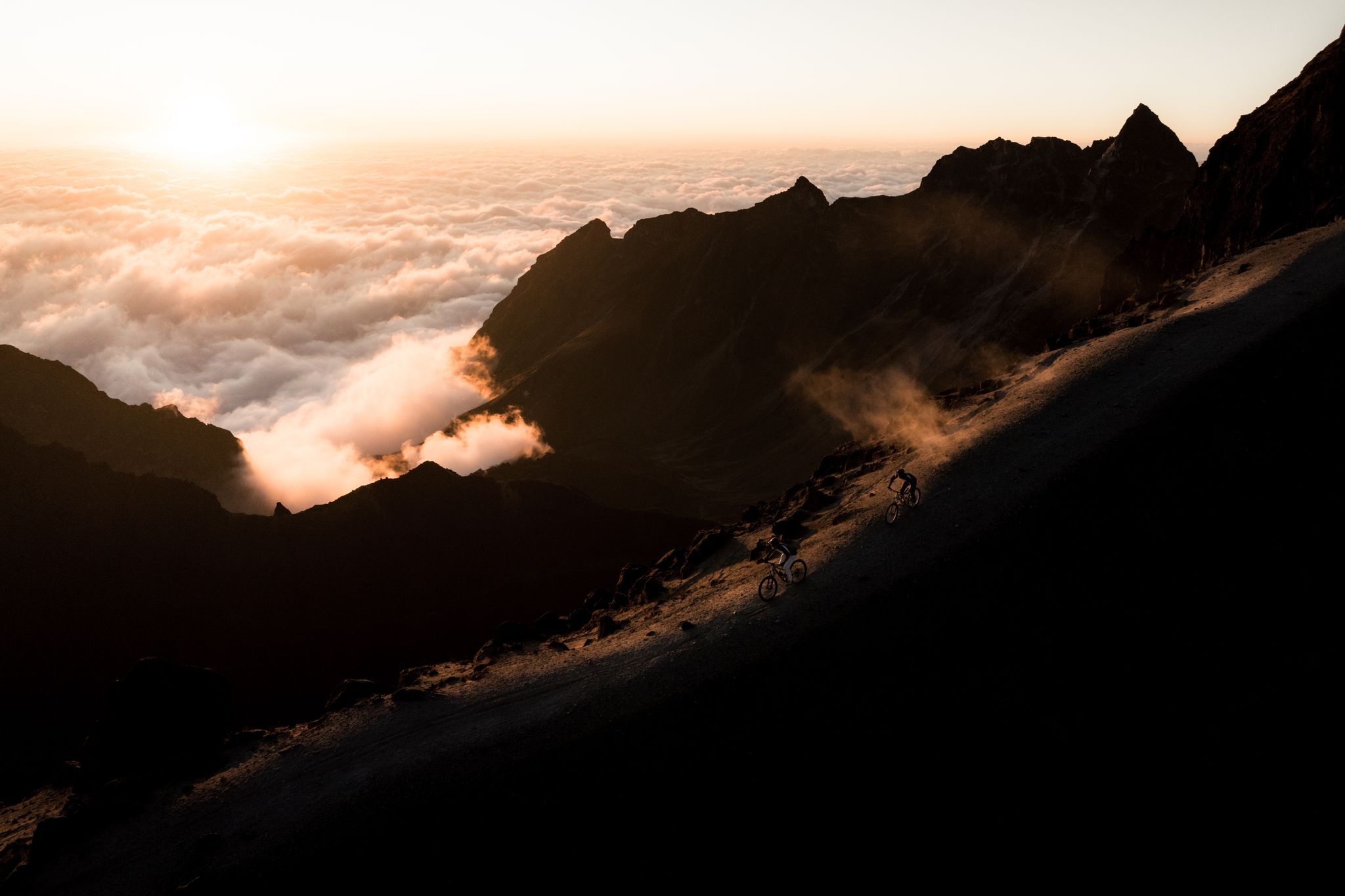
A section of rock climbing, the ridge of the Sucre Face, climbing in a gully, and crossing the "pass of death." It's an excellent route for those who enjoy climbing and the adrenaline rush of traversing a narrow path.
0
0
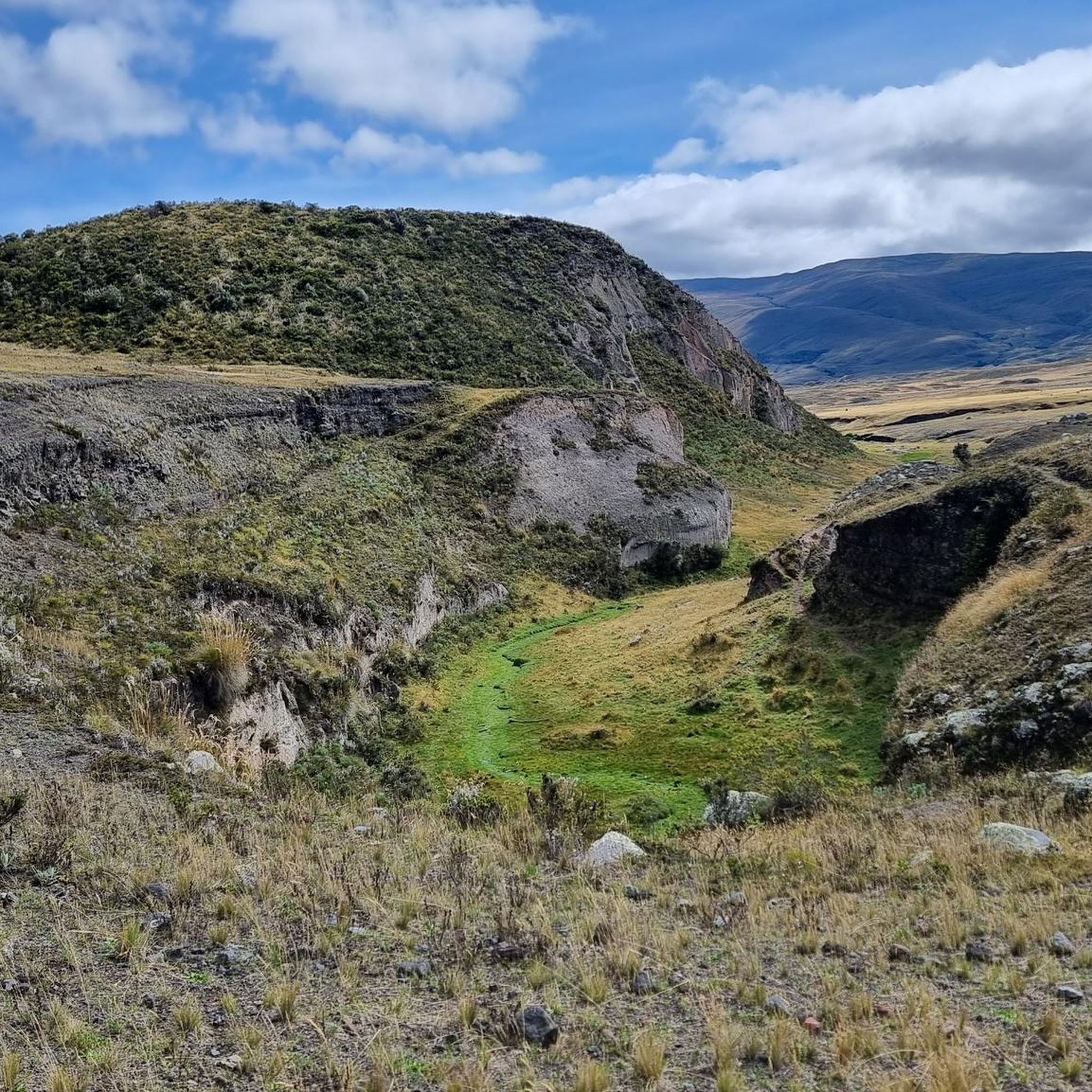
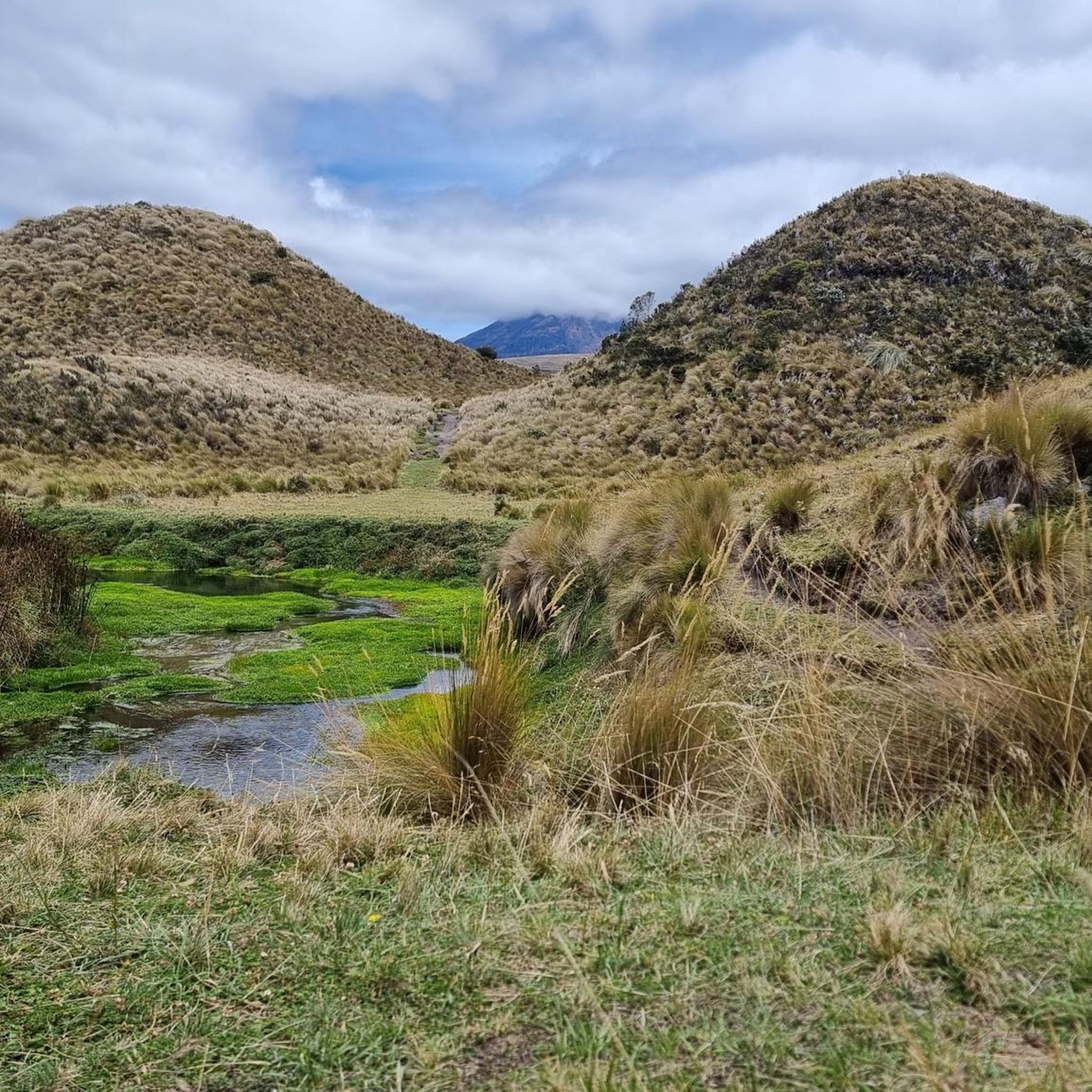
It's an excellent viewpoint, both for Limpiopungo Lagoon and for Rumiñahui and Cotopaxi Volcano. Because of the cold, you'll need to wear a coat.
0
0

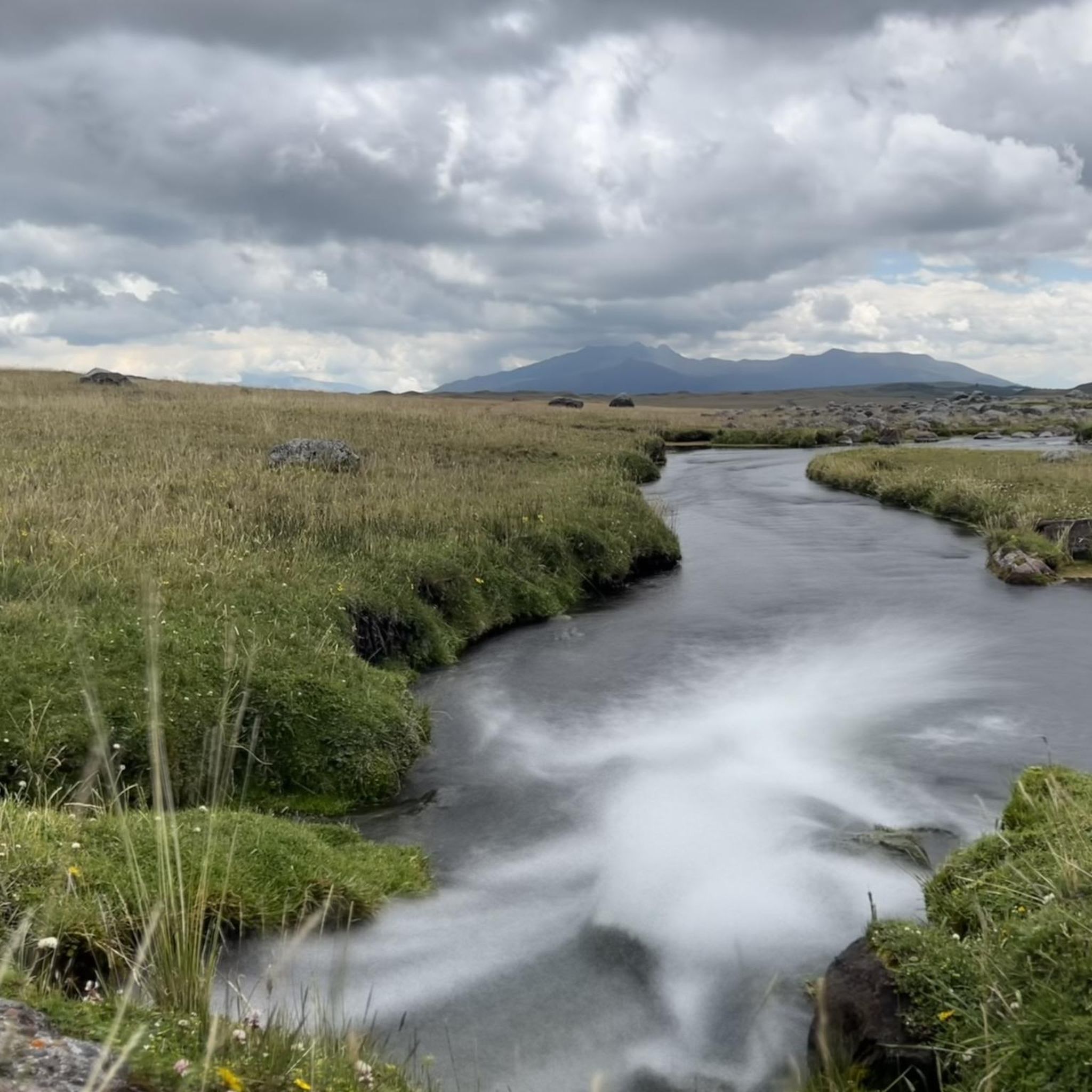
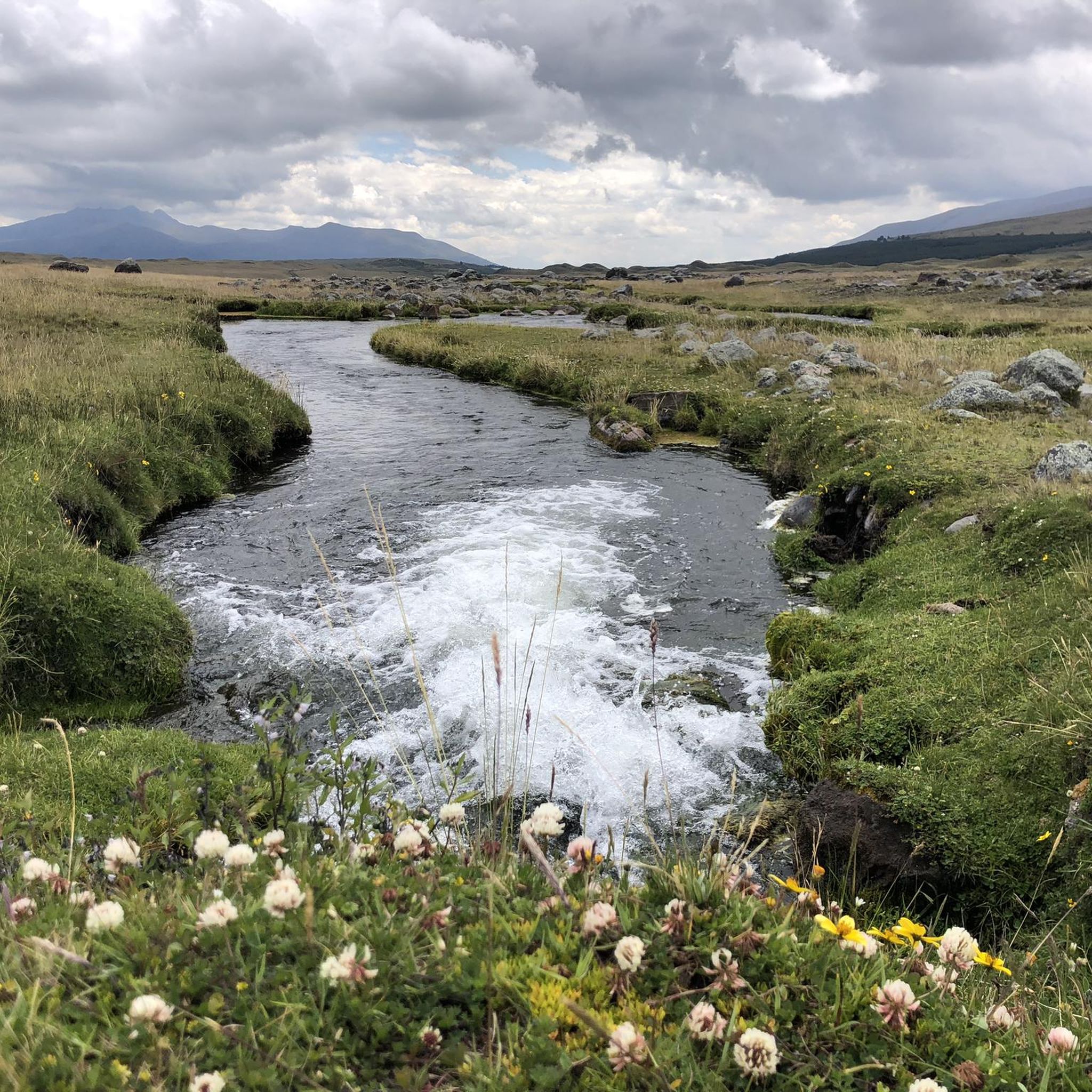
A beautiful circular path leads around the lagoon and great animal sightings are possible.
0
0

Easy, flat tour that circles the lagoon in the rather barren but beautiful landscape of Ecuador.
1
0

The Virgin of El Panecillo (in Spanish: Virgen del Panecillo), also known as the Virgin of Quito from the sculpture of the same name, is a monument in Quito, Ecuador. It is located on the top of the hill of El Panecillo, a loaf-shaped hill in the heart of the city and serves as a backdrop to the historic center of Quito. With a total height of 135 feet (41 meters) including the base, it is the highest statue in Ecuador and one of the highest in South America (taller than the Christ the Redeemer statue in the Brazilian city of Rio de Janeiro). It is also the tallest aluminum statue in the world. EN: https://en.wikipedia.org/wiki/Virgin_of_El_Panecillo
0
0
The Virgin of El Panecillo, also known as the Virgin of Quito due to the name of the sculpture on which it is inspired, is a monument in the city of Quito D.M., in Ecuador. It is located on the top of the El Panecillo hill, a peculiar elevation shaped like a small bread that is located in the heart of the city and serves as a backdrop to the Historic Center. At 41 meters high, if the base is added, it is the tallest statue in Ecuador and one of the tallest in South America, surpassing even the famous Christ the Redeemer in the city of Rio de Janeiro. It is also the tallest aluminum sculpture on the planet. ES: https://es.wikipedia.org/wiki/Virgen_de_El_Panecillo
0
0

Nice circular hike around the lake
0
0
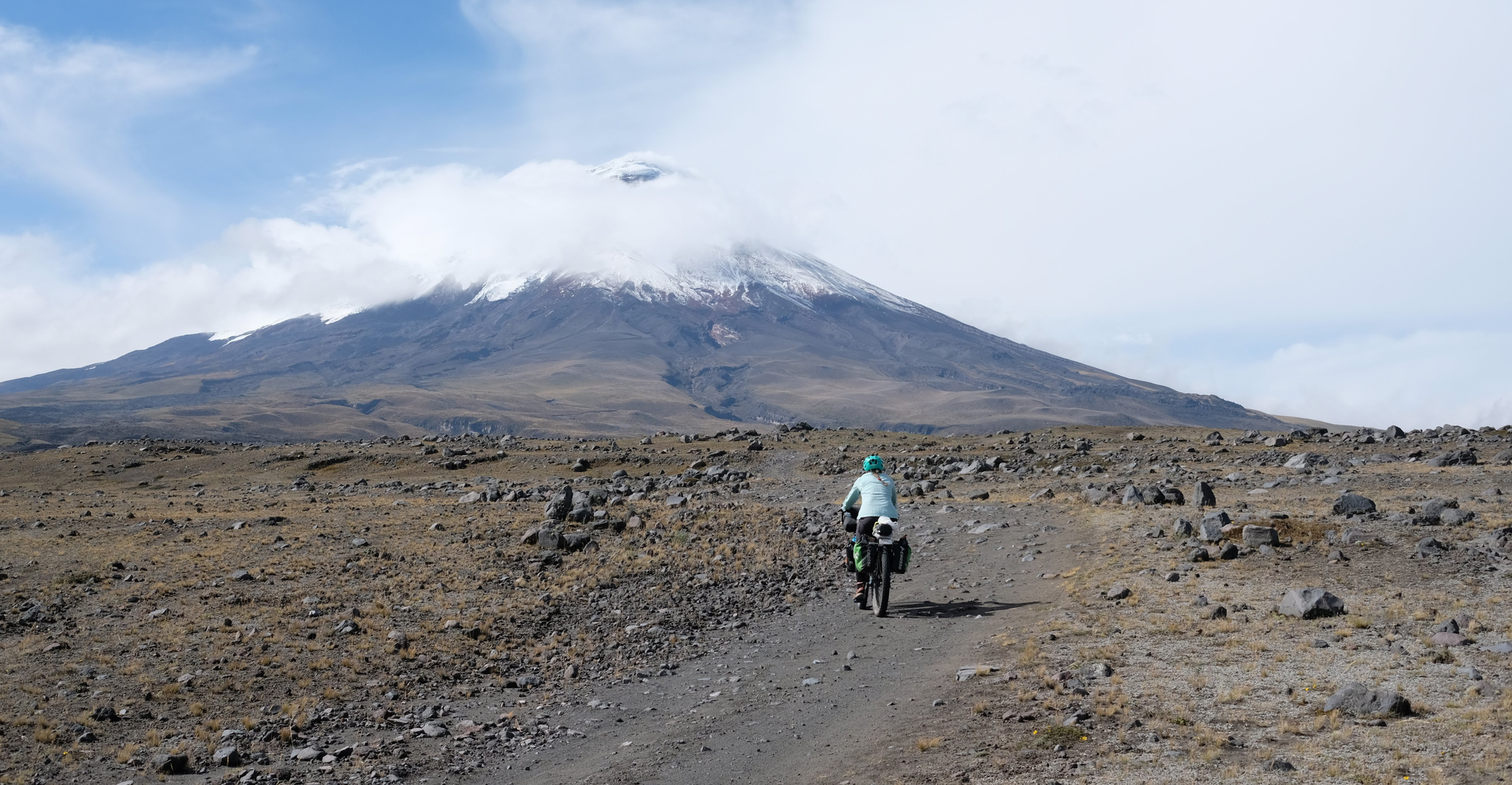
No matter where we are on the plateau. The view of Cotopaxi is omnipresent. And the weather is on our side. Always a good look.
0
0
Frequently Asked Questions
Which natural monuments in Pichincha are suitable for families?
Pichincha offers several family-friendly natural monuments. The Limpiopungo Lagoon is ideal for circular walks and bird watching, with easy, flat paths. You can also spot wild horses in Cotopaxi National Park, which is a unique experience for all ages. The View of Limpiopungo Lagoon and Cotopaxi also offers an easy, flat tour around the lake.
What kind of wildlife can I expect to see at the natural monuments in Pichincha?
Pichincha is rich in biodiversity. At the Mindo-Nambillo Protected Forest, you can observe approximately 500 varieties of birds and 90 species of butterflies within its vibrant cloud forest. The Antisana Ecological Reserve is a prime location for birdwatchers, especially for spotting the majestic Andean Condor and giant hummingbirds. In Cayambe Coca National Park, you might encounter condors, deer, and other native species in the páramos and lagoons. Additionally, wild horses can be found in Cotopaxi National Park.
Are there easy hiking trails around the natural monuments in Pichincha?
Yes, there are easy hiking options. The Limpiopungo Lagoon offers a beautiful circular path that is easy to walk. For more easy hikes in the region, you can explore routes like the Ondinas Waterfall – Tarabita Cable Car loop from Tarabita, Mindo, or the Nambillo Waterfall loop from Restaurante de Tarabita. Find more details on these and other easy hikes in the Easy hikes in Pichincha guide.
What are some challenging natural monuments for experienced hikers in Pichincha?
For experienced hikers, the Rucu Pichincha Summit is a challenging climb offering panoramic views of Quito. It involves a steady ascent and some minor scrambling. The Corazón Summit also presents a challenging ascent. The Cayambe Volcano offers demanding climbing routes for mountaineering enthusiasts. Always ensure you have appropriate gear and experience for these more strenuous ascents.
What unique geological features can I find among Pichincha's natural monuments?
Pichincha is home to several unique geological formations. The Pululahua Dome is part of an extinct volcanic crater, notably one of the few inhabited volcanic craters in the world. The Pichincha Volcano itself features two main summits, Rucu Pichincha and Guagua Pichincha, with the latter being an active volcano with a steaming crater. The majestic Cayambe Volcano is unique as it's the only volcano located directly on the equatorial line, boasting impressive glaciers.
Are there any historical sites within or near the natural monuments of Pichincha?
Yes, while primarily natural, some sites have historical significance. The Pucara Salitre Ruins are a historical site located within the natural landscape. Additionally, the Virgin of El Panecillo, a prominent statue overlooking Quito, is a man-made monument with historical and religious significance, offering great views of the surrounding natural areas.
What outdoor activities can I do near the natural monuments in Pichincha?
Beyond hiking, the Mindo-Nambillo Protected Forest is excellent for adventure activities like zip-lining and tubing on the Mindo River. The Cayambe Volcano offers challenging climbing routes for mountaineering. For hiking, you can find various routes, from moderate loops around Limpiopungo Lagoon to more difficult waterfall hikes like the Ondinas Waterfall – Tarabita Cable Car loop from Mindo. Explore more options in the Hiking in Pichincha guide.
What is the best way to access the Rucu Pichincha Summit?
The most popular route to Rucu Pichincha Summit is via the Teleférico cable car from Quito. The cable car takes you up to approximately 4000m, from where you can begin the hike. It's recommended to start early in the morning to avoid crowds and ensure you have enough time for the ascent and descent before the Teleférico closes.
Are there any natural monuments in Pichincha known for waterfalls?
Yes, the Mindo-Nambillo Protected Forest features the Nambillo Waterfall. You can find several waterfall hikes in the region, such as the Ondinas Waterfall – Tarabita Cable Car loop from Mindo. For more waterfall-specific routes, check out the Waterfall hikes in Pichincha guide.
What is the Chocó Andino Biosphere Reserve and what does it offer?
The Chocó Andino Biosphere Reserve, located in the northwest of Pichincha, is a UNESCO biosphere reserve known for its exceptional biodiversity. It encompasses various reserves like Mashpi and Amagusa, characterized by cloud forests and altitudes ranging from 500 to 1,800 meters. Visitors can engage in community tourism experiences to explore its rich flora and fauna.
What should I wear when visiting natural monuments in Pichincha, especially at higher altitudes?
When visiting higher altitude natural monuments like Rucu Pichincha Summit or areas within Cayambe Coca National Park, it's crucial to wear warm clothing and sturdy hiking shoes or boots. Weather can change rapidly in the Andes, and temperatures can drop significantly. Layers are recommended, along with protection from sun and rain. Even at lower altitudes, comfortable walking shoes are advisable.
Do I need permits to visit any natural monuments or national parks in Pichincha?
Yes, some natural monuments and protected areas, such as Cayambe Coca National Park and Antisana Ecological Reserve, may require permits or entrance fees. It's advisable to check the specific requirements for each location prior to your visit, especially if you plan on activities like mountaineering on Cayambe Volcano.
Most popular routes in Pichincha
Most popular attractions in Pichincha

Get inspired with the komoot mobile app


Didn’t find what you were looking for?
Find even more amazing natural monuments in Pichincha by checking out the top Highlights region by region:
Explore more
Extend your search for the best caves by checking out these guides of the top ones in Pichincha:
