Top 5 Natural Monuments in Weminuche Wilderness
Best natural monuments in Weminuche Wilderness are located within Colorado's largest wilderness area, known for its rugged terrain, towering peaks, and pristine alpine lakes. This region features dramatic river gorges and an average elevation of 10,000 feet above sea level. It offers opportunities to experience untouched natural beauty and diverse ecosystems. The wilderness preserves critical headwaters and provides vast, untrammeled landscapes for primitive recreation.
Best natural monuments in Weminuche Wilderness
- The most popular natural monuments is Animas River, a…
Last updated: May 17, 2026
Animas River
Highlight • River
Tip by

Mount Eolus
Highlight • Summit
Tip by

Sign up now to discover places like this
Get recommendations on the best single tracks, peaks, & plenty of other exciting outdoor places.
Sign up for free
Sunlight Peak
Highlight • Summit
Tip by
Windom Peak
Highlight • Summit
Tip by
Snowdon Peak
Highlight • Summit
Tip by
Sign up for free to discover even more natural monuments in Weminuche Wilderness.
Sign up for free
Already have an account?
Start today with a free account
Your next adventure awaits.
Login or Signup
Other adventures in Weminuche Wilderness

Tips from the Community

Mount Eolus (14,087 feet) is a class 3 14er in the Chicago Basin group. The scramble to the summit is straightforward, but there is some real exposure on the traverse. The "Catwalk" is the name for the most narrow section on this ridge. Mostly all of the traverse is long stretches of class 2 (including this tight section). There are a handful of class 3 sections as you approach the very top.
0
0
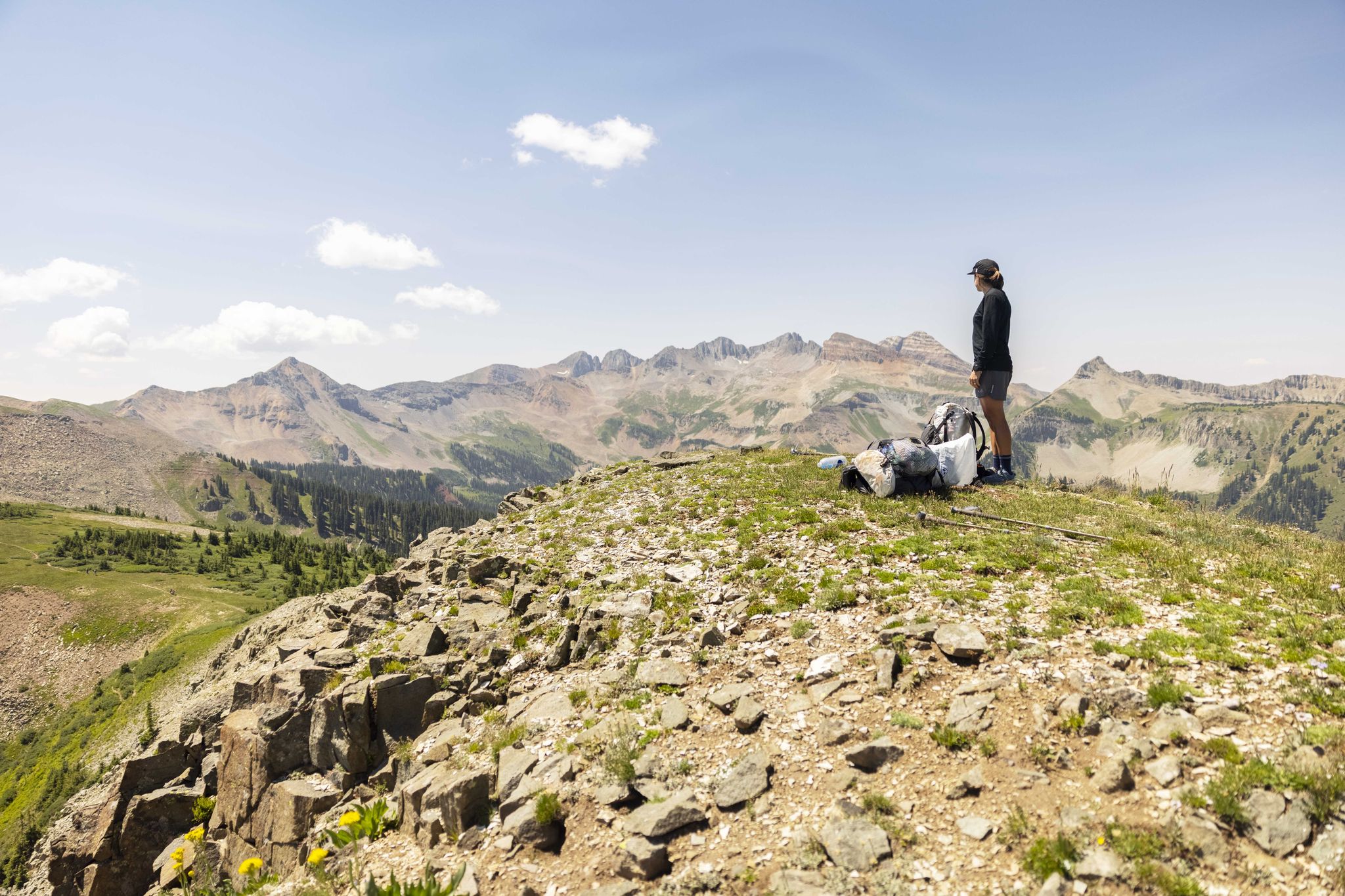
Snowdon Peak (13,077 feet) is a lesser climbed peak on the edge of the Weminuche Wilderness. The summit requires a class 2 scramble with a non-exposed class 3 move near the very top. The views from the top are of the Chicago Basin 14er group and back towards Engineer Mountain and Andrews Lake.
0
0
Even though it has been labeled by some as being the "easiest of all the Chicago Basin 14ers," Windom Peak is still a serious mountain peak with exposure, route finding, and class 2 scrambling. The mountain is also one of the first peaks to completely dry off in the summer and sees a few more visitors than the other peaks in the basin.
0
0
Perhaps the most technically challenging 14er in the area, Sunlight Peak reaches up to 14,061 feet and has a class 4 summit route. This is not a beginner mountain, and summiting requires a fair amount of research and alpine skills. That being said, the rock is usually solid and grippy, and the scrambling and climbing can be fun for mountain climbing veterans.
0
0
Mount Eolus (14,087 feet) is a class 3 14er in the Chicago Basin group. The scramble to the summit is straightforward, but there is some real exposure on the traverse. The "Catwalk" is the name for the most narrow section on this ridge. Mostly all of the traverse is long stretches of class 2 (including this tight section). There are a handful of class 3 sections as you approach the very top.
0
0

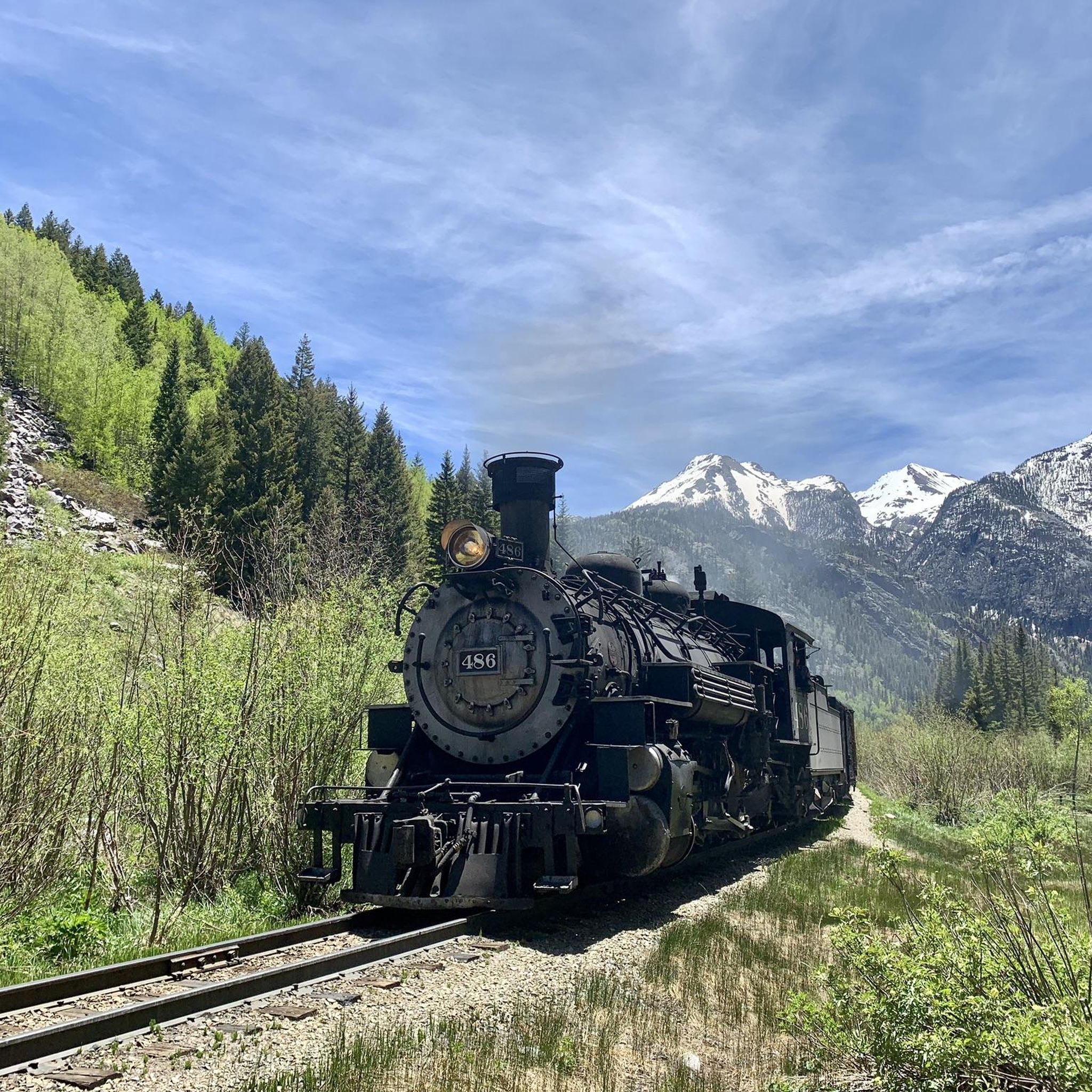
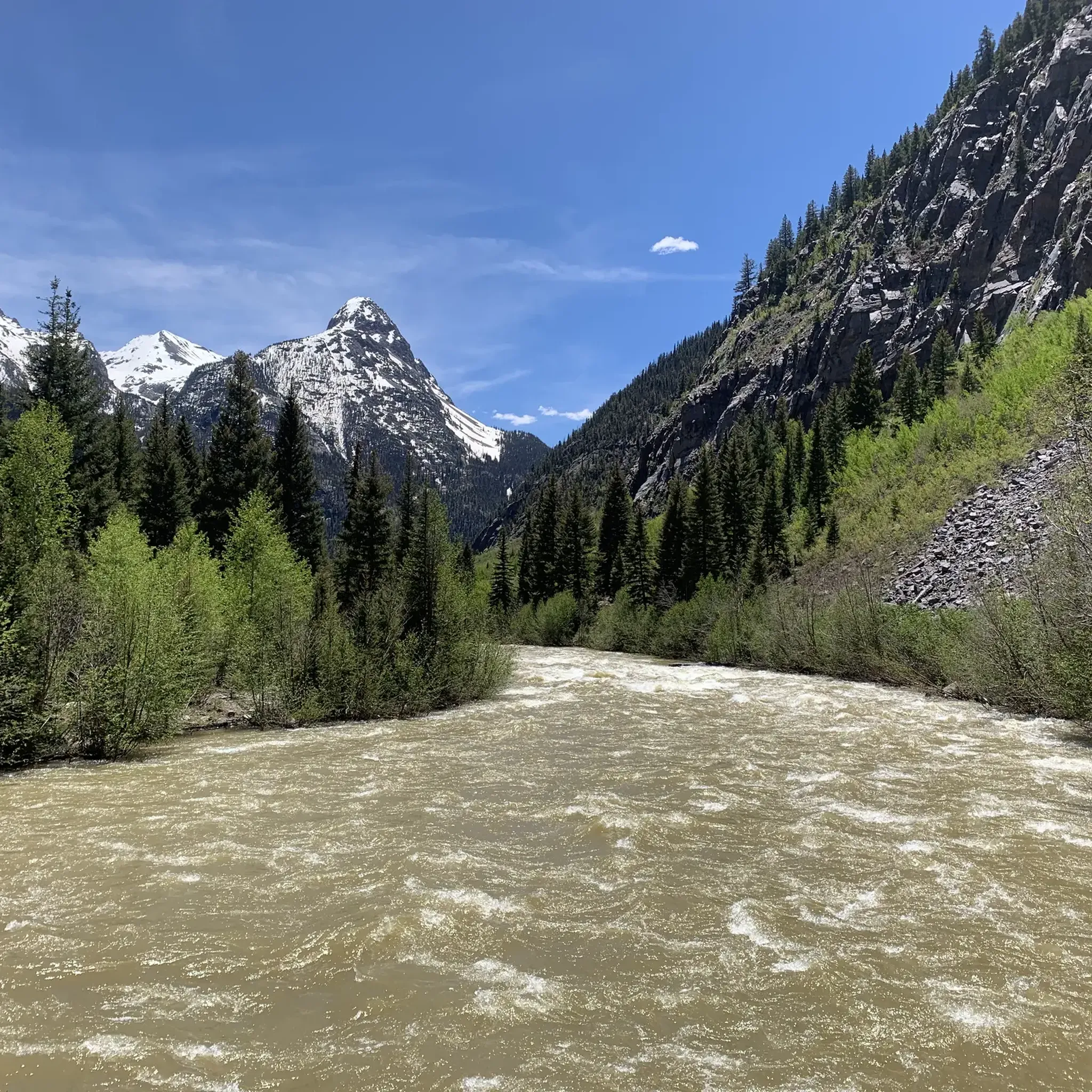
The Animas River is a roaring and popular whitewater river. It is 126 miles long and a tributary of the San Juan River. In this part of the San Juan Mountains, it flows along the Colorado Trail and the Durango-Silverton Steam train line.
7
0
Frequently Asked Questions
What are some of the most notable natural monuments in Weminuche Wilderness?
Beyond the well-known spots, the Weminuche Wilderness is home to the iconic Collegiate Peaks (including Mount Eolus, Sunlight Peak, and Windom Peak), the dramatic Animas River Gorge, and over 60 pristine Alpine Lakes like Emerald Lake and Crater Lake. You can also explore the rugged beauty of the Grenadier Range and West Needle Mountains, or visit Fourmile Falls and its serene lake.
What kind of terrain and elevation can I expect when visiting natural monuments in Weminuche Wilderness?
The Weminuche Wilderness is characterized by rugged terrain and high elevations, with an average elevation of 10,000 feet above sea level. Many natural monuments, such as the Collegiate Peaks, are '14ers' (peaks over 14,000 feet), offering challenging climbs and scrambles. The landscape includes towering peaks, deep river gorges, and alpine basins.
What is the best time of year to visit the natural monuments in Weminuche Wilderness?
The best time to visit is typically during the summer months (July to early September) when trails are mostly clear of snow and alpine wildflowers are in bloom. Some subalpine lakes, like Northern Highland Mary Lake, can remain frozen into early summer. Fall offers stunning foliage, but be prepared for colder temperatures and potential early snow.
Are there family-friendly natural monuments or activities in Weminuche Wilderness?
While many areas are rugged, some natural monuments offer more accessible experiences. The historic Durango and Silverton Narrow Gauge Railroad travels through the Animas River Gorge, providing a scenic wilderness view without strenuous hiking. Exploring some of the lower elevation alpine lakes or shorter sections of trails can also be suitable for families, though always check specific trail conditions and difficulty.
What unique natural features can I observe in Weminuche Wilderness?
The wilderness is a geological marvel. You can witness the dramatic carving of the Animas River Gorge, the Eolus granite formations of the Collegiate Peaks, and over 60 glacial alpine lakes. The Continental Divide also runs through the heart of the wilderness, serving as a headwaters region for five major rivers and offering expansive views of peaks and distant mountain ranges.
What kind of wildlife can I expect to see near the natural monuments?
The Weminuche Wilderness is home to diverse wildlife. When visiting areas like Chicago Basin near Mount Eolus, you might spot mountain goats. The vast, untrammeled landscapes also support elk, deer, bighorn sheep, and various bird species. Always observe wildlife from a distance and do not disturb their natural habitats.
Are there challenging natural monuments for experienced hikers and climbers?
Absolutely. Peaks like Mount Eolus (14,087 ft) and Sunlight Peak (14,061 ft) in the Chicago Basin offer class 3 and class 4 scrambling routes, respectively, requiring significant alpine skills and experience. The Grenadier Range and West Needle Mountains also feature numerous peaks over 13,000 feet with challenging terrain.
What outdoor activities can I do near these natural monuments?
The Weminuche Wilderness offers extensive opportunities for primitive recreation. You can enjoy backpacking, peak bagging, and fly fishing. For specific routes, consider mountain biking trails like the 'Pass and Coal Creek Loop' or 'Engineer Mountain Trail', or running trails such as 'Vallecito Creek Trail' or 'Mount Eolus & North Eolus from Needleton'. Road cycling routes like the 'Coal Bank Pass – Molas Pass loop' are also available. You can find more details on these activities in the MTB Trails, Running Trails, and Road Cycling Routes guides for the region.
Are permits required to visit natural monuments in Weminuche Wilderness?
While general entry into the Weminuche Wilderness typically does not require a permit, specific activities like backcountry camping may require one. It's always best to check with the local Forest Service office (San Juan National Forest or Rio Grande National Forest) for the most current regulations regarding permits, especially for overnight stays or specific high-use areas.
Where are the main parking and trailheads for accessing these natural monuments?
Access points vary depending on the specific monument. For the Collegiate Peaks in Chicago Basin, access is often via the historic Durango and Silverton Narrow Gauge Railroad, which drops hikers at Needleton. Other areas like Fourmile Falls are accessible from trailheads near Pagosa Springs. Always research the specific trailhead for your chosen destination, as some require high-clearance vehicles or are remote.
What do visitors enjoy most about the natural monuments in Weminuche Wilderness?
Visitors consistently appreciate the pristine and untrammeled nature of the wilderness. The opportunity for solitude, vast untouched landscapes, and breathtaking scenery are frequently highlighted. The challenge of summiting peaks like Mount Eolus and the serene beauty of alpine lakes such as Twin Lakes (Chicago Basin) are also highly valued experiences.
Can I go fishing in the alpine lakes of Weminuche Wilderness?
Yes, many of the alpine lakes, including Northern Highland Mary Lake, offer opportunities for fishing. However, specific regulations apply, and camping is often not permitted directly at the lakeshores to preserve their pristine condition. Always check local fishing regulations and obtain any necessary licenses before you go.
Most popular routes in Weminuche Wilderness
Most popular attractions in Weminuche Wilderness

Get inspired with the komoot mobile app


