The best running trails in Weminuche Wilderness
102
runners
31
runs
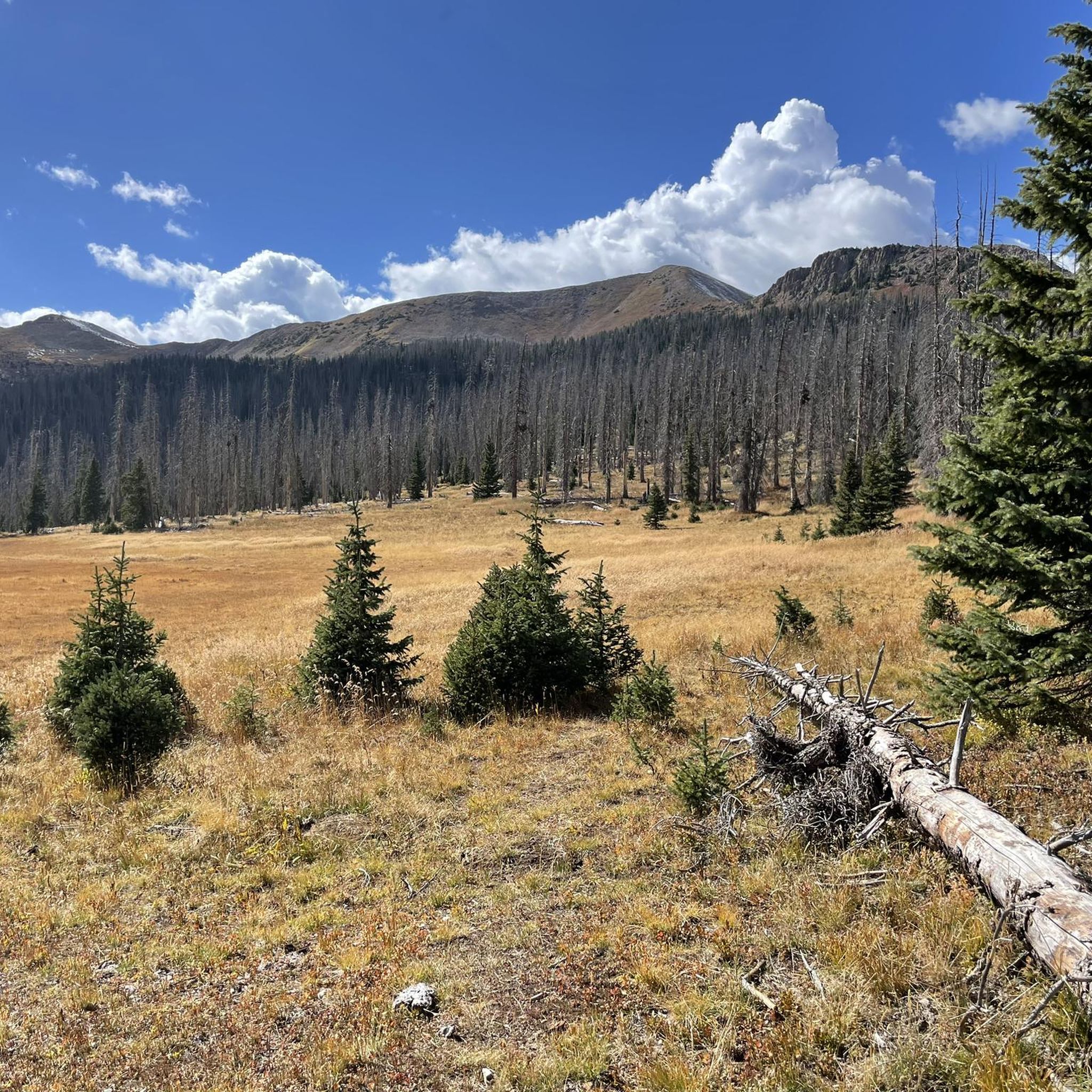
Jogging routes in Weminuche Wilderness traverse a high-altitude landscape characterized by rugged mountains, deep valleys, and extensive forests. This region, part of the San Juan Mountains, features numerous creeks and rivers, offering a diverse environment for runners. The terrain often includes challenging ascents and descents, with trails winding through alpine meadows and dense coniferous woods.
Best jogging routes in Weminuche Wilderness
- The most popular jogging route is Vallecito Creek Trail, an 18.4 miles (29.6 km) trail that takes 4…
Last updated: April 25, 2026
1
runners
29.6km
04:22
450m
450m
Hard run. Very good fitness required. Sure-footedness, sturdy shoes and alpine experience required.
43.2km
05:33
980m
980m
Hard run. Very good fitness required. Mostly paved surfaces. Suitable for all skill levels.

Sign up for free
32.1km
04:28
1,170m
1,170m
Hard run. Very good fitness required. Mostly paved surfaces. Suitable for all skill levels.
29.5km
04:19
1,720m
1,720m
Hard run. Very good fitness required. Mostly paved surfaces. Suitable for all skill levels.
29.8km
04:50
1,780m
1,780m
Hard run. Very good fitness required. Mostly paved surfaces. Suitable for all skill levels.
Get access to more routes and recommendations from other explorers.
Sign up for free
Already have an account?
Our route recommendations are based on thousands of hikes, rides, and runs completed by other people on komoot.
Start today with a free account
Your next adventure awaits.
Login or Signup
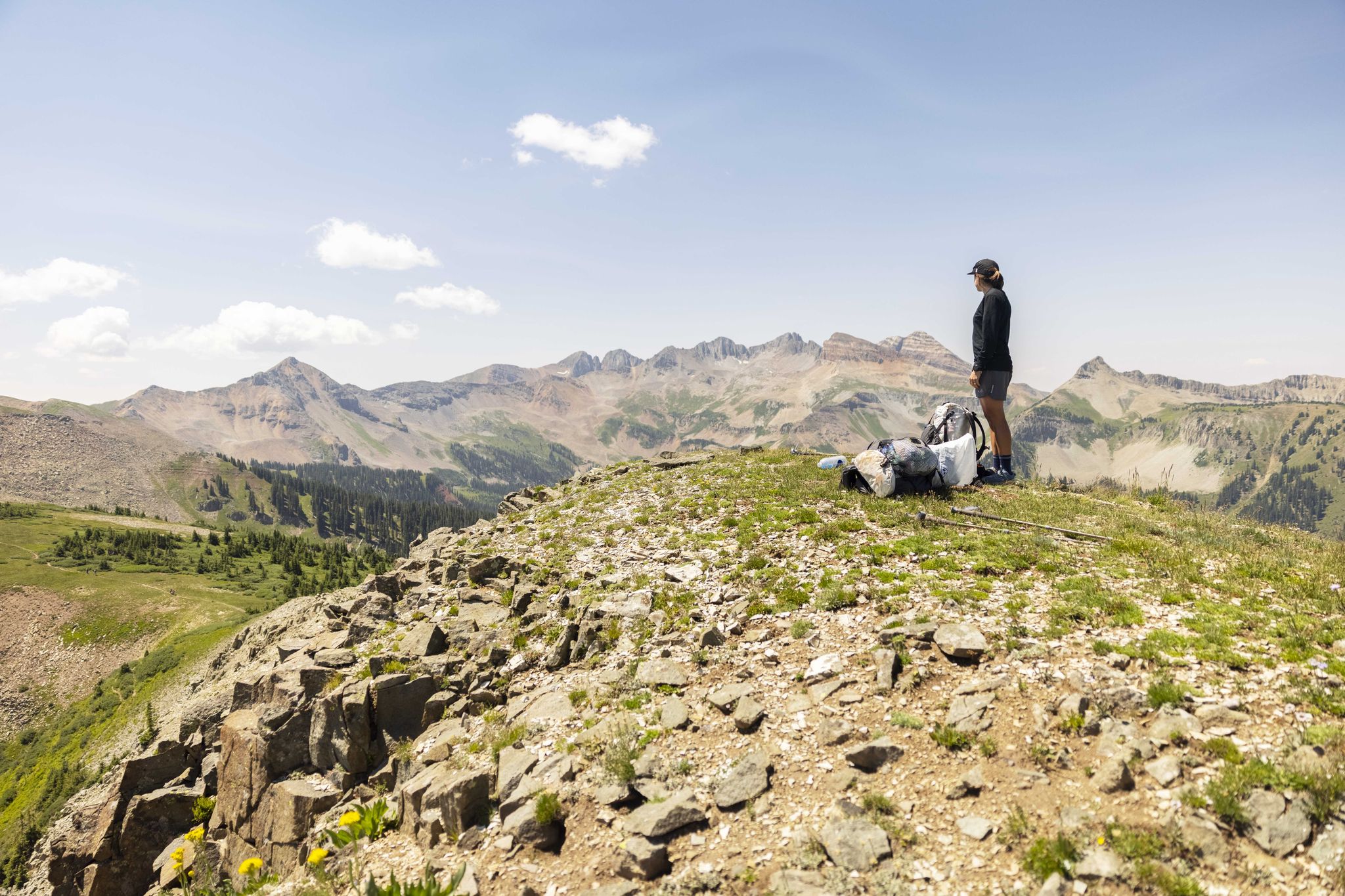
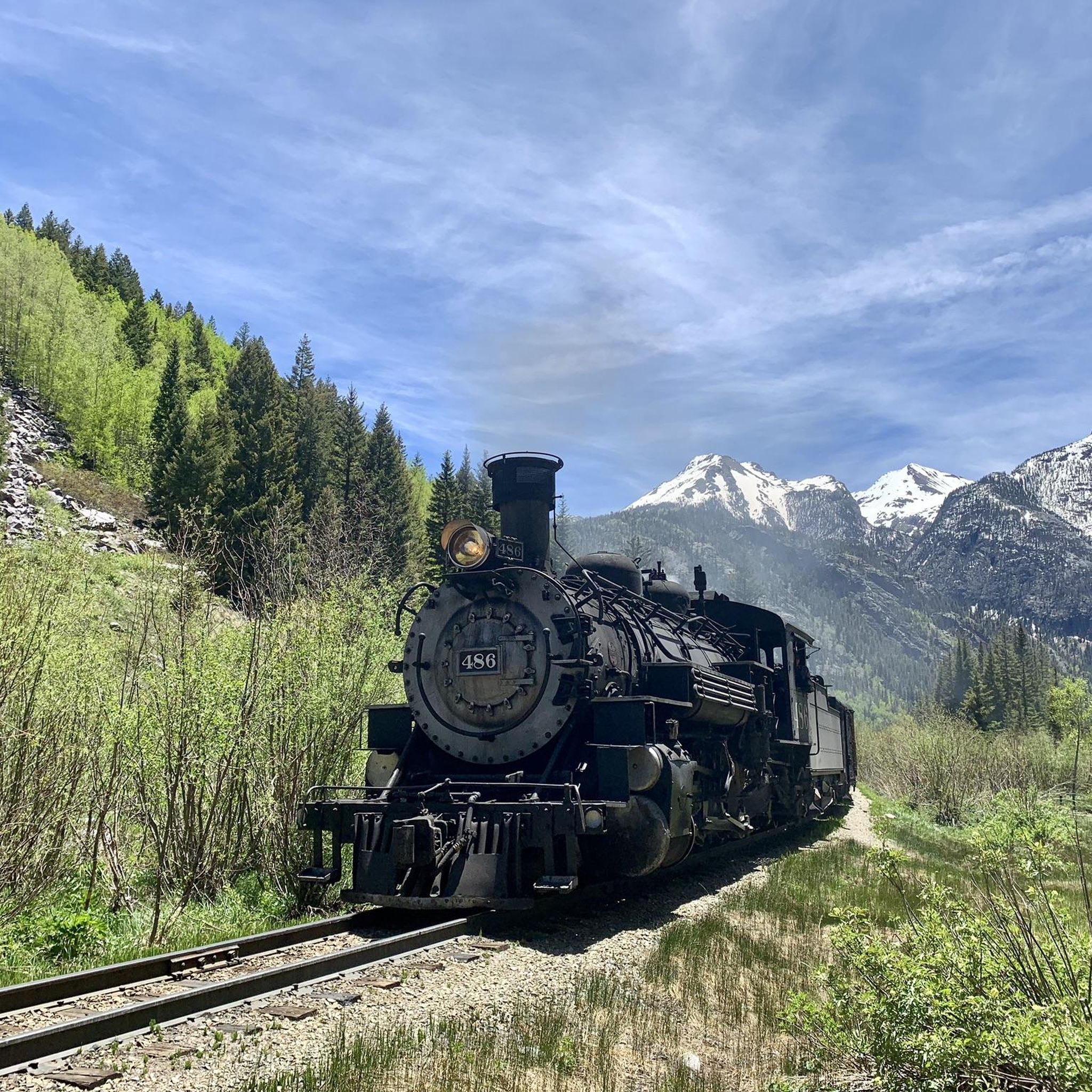
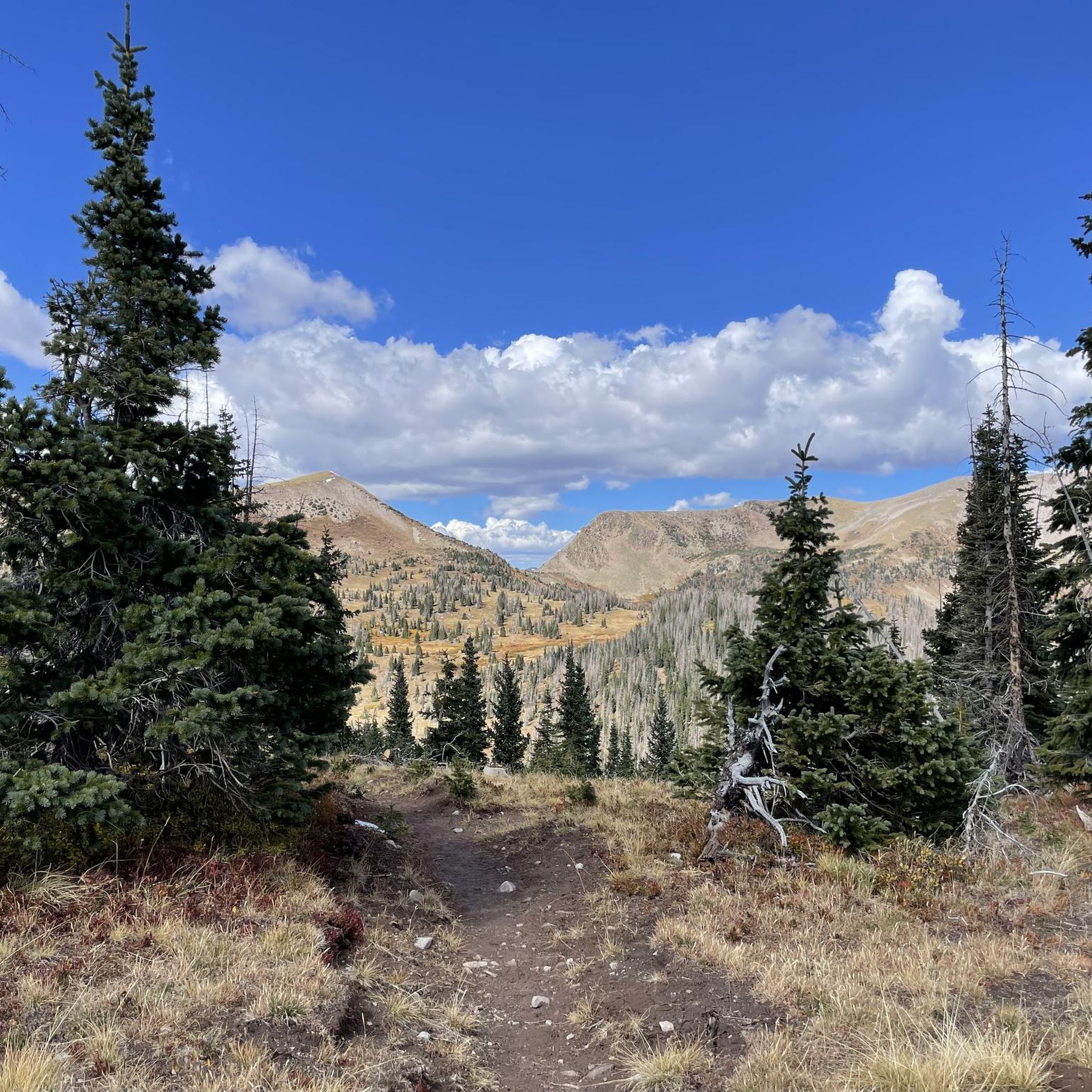
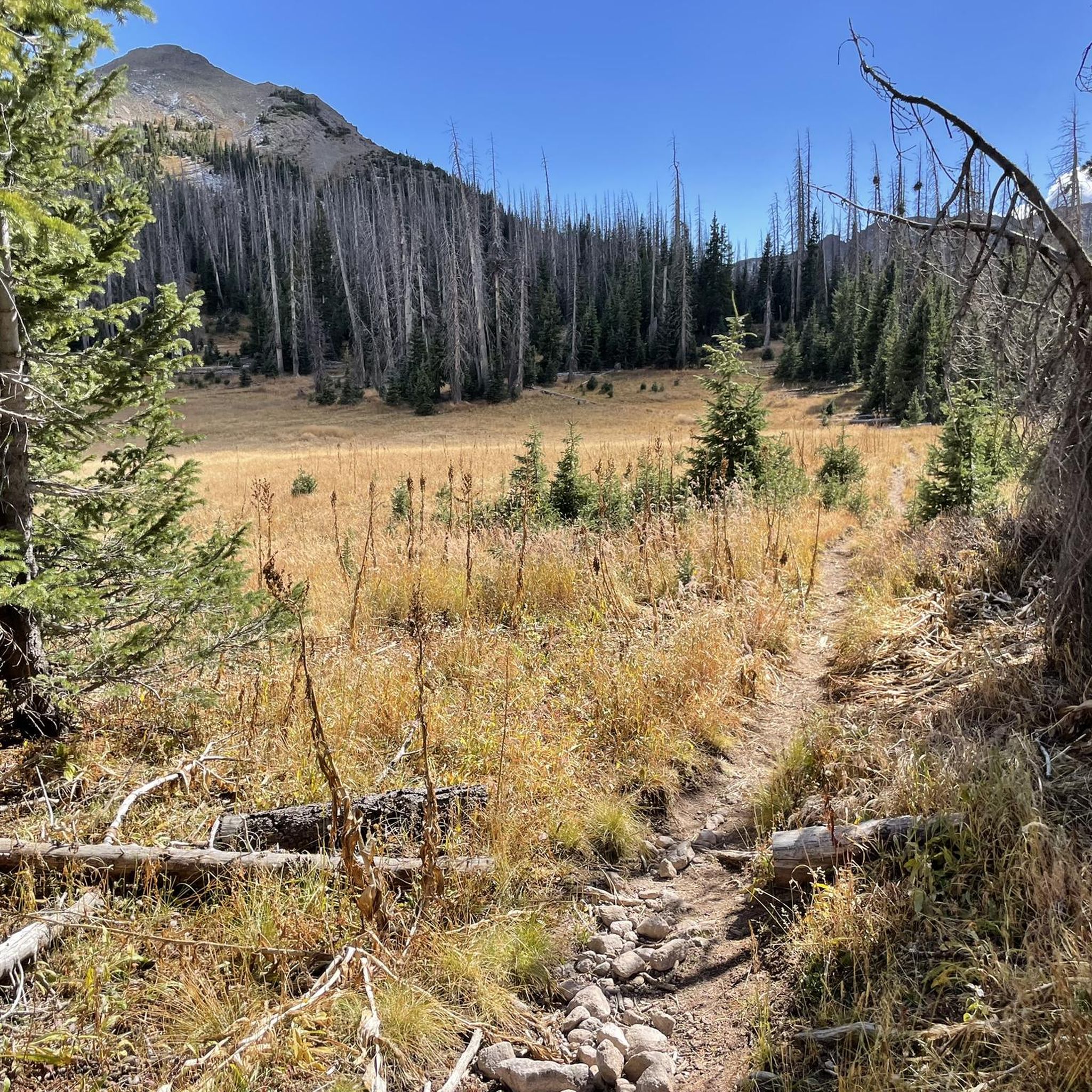
Other adventures in Weminuche Wilderness

Tips from the Community

The last two miles of trail up to Vestal Lake are nontechnical but steep. Vestal Peak forms a dramatic shark fin that rises up to 13,870 feet and towers above the lake.
0
0
There are a handful of alpine lakes around the trail as you crest the ridge and intersect with the Continental Divide Trail. Most of the peaks around you remain unnamed, but you can see Chief Mountain to the northwest and Knife Edge is visible once you hike around the peak to your east.
0
0
The trail is a nontechnical singletrack which climbs steadily all the way up to the CDT. The trail is beautiful and very remote — it is not uncommon to see bear, elk and moose. Definitely bring bear spray in your belt or pack and running with bells is not a bad idea. Just as you start to break out of treeline at the top you will be presented with a fork; both directions lead to similar spots on the CDT, but the right fork takes you to Williams Lake and the left trail takes you to a couple smaller lakes.
0
0
There are stone circles at a few different campsites scattered by the trailhead. This is a fantastic spot to camp, the views across the reservoir are amazing, and there are fish in the creek. If you are running up to the CDT you can make a loop and hit up a bunch of alpine lakes for a long day out. To avoid most of the vert, turn around at the scenic Black Lake junction/viewpoint.
0
0
Just west of Black Lake the Ute Trail trail splits. Both end at the CDT, but the West Ute Trail (right at the fork if you are ascending) takes you higher up to West Ute Lake below Nebo Peak. The Ute Creek Trail (left) takes you to Twin Lakes and Middle Ute Lake. From here at the junction you get an epic view up to the Window and Rio Grande Pyramid.
0
0
The campground here at the trailhead is very highly rated. There are 80 sites total, 33 of which can be reserved ahead of time and 3 of which have electricity. Once you cross the bridge along Fall Creek you can run up the relatively flat and extremely scenic Vallecito Creek Trail.
0
0

Vallecito Creek is a great trail to explore lush pine forest and boulders shaped by the elements all along Vallecito Creek. At the junction with Johnson Creek Trail, you will find some nice spots to pitch your tent. It is also the confluence of Vallecito and Johnson Creek.
0
0

The upper lakes in Chicago Basin vary in size depending on the time of year, and they serve as a great campsite or base camp for trying to bag some of the Chicago Basin 14ers. The lakes sit around 12,500 feet and are well above treeline and offer great views of the highest peaks in the area.
0
0
Frequently Asked Questions
How many running routes are available in Weminuche Wilderness, and what are their difficulty levels?
Weminuche Wilderness offers over 30 running routes. The majority, 21 routes, are classified as difficult, while 8 are moderate, and 2 are suitable for easy runs. This variety ensures options for different fitness levels.
Are permits required for jogging in Weminuche Wilderness?
While day use typically does not require a permit, overnight stays in the Weminuche Wilderness do. Always check with the relevant Forest Service office (e.g., San Juan National Forest or Rio Grande National Forest) for the most current regulations before your trip, especially if planning an extended run or multi-day adventure.
What is the best time of year for running in Weminuche Wilderness?
The best time for running in Weminuche Wilderness is generally from late spring to early autumn (June through September). During this period, snow has usually melted from higher elevations, and trails are more accessible. Be prepared for afternoon thunderstorms in summer and rapidly changing weather conditions due to the high altitude.
Are there any family-friendly running trails in Weminuche Wilderness?
Given the rugged and high-altitude nature of the Weminuche Wilderness, most routes are challenging. However, some of the easier sections or shorter trails might be suitable for families with older, experienced children. For example, the initial portions of trails like the Vallecito Creek Trail offer less strenuous terrain before ascending into more difficult sections.
Can I bring my dog on the running routes in Weminuche Wilderness?
Yes, dogs are generally allowed on trails in the Weminuche Wilderness, but they must be kept under control, preferably on a leash, to protect wildlife and ensure a pleasant experience for all users. Always practice Leave No Trace principles, including packing out all pet waste.
What kind of wildlife might I spot while jogging in the wilderness?
The Weminuche Wilderness is home to diverse wildlife. Runners might encounter elk, deer, bighorn sheep, and various bird species. Keep an eye out for marmots and pikas in alpine areas. Bear and mountain lion sightings are rare but possible, so it's always wise to be aware of your surroundings and carry bear spray.
Are there any loop running trails in Weminuche Wilderness?
Yes, there are loop options for runners seeking varied terrain. An example is the Ute Creek and West Ute Trail Loop, which is a challenging 26.8-mile (43.2 km) path offering significant elevation changes and diverse scenery.
What are some notable natural landmarks or attractions along the running routes?
The wilderness is rich with natural beauty. You can find stunning lakes like Northern Highland Mary Lake and Twin Lakes (Chicago Basin). Major peaks such as Mount Eolus and Sunlight Peak offer dramatic backdrops, and the Animas River flows through parts of the region.
What should I wear and bring for a run in Weminuche Wilderness?
Due to the high-altitude and unpredictable mountain weather, layering is crucial. Wear moisture-wicking clothing, bring a waterproof and windproof jacket, and sturdy trail running shoes. Always carry sufficient water, snacks, a map or GPS device, a first-aid kit, and sun protection. Weather can change rapidly, even in summer.
Are there any easy or beginner-friendly running routes?
While the majority of routes are challenging, there are a couple of easier options. These routes typically feature less elevation gain and shorter distances, making them more accessible for beginners or those looking for a less strenuous run. Always check the route details for specific difficulty ratings.
Where can I find parking for trailheads in Weminuche Wilderness?
Parking for trailheads is typically available at designated access points around the perimeter of the wilderness area. These often include trailheads near towns like Durango, Silverton, or Pagosa Springs. Specific parking availability can vary, so it's advisable to research the trailhead you plan to use in advance.
Are there any hidden gem running routes that are less crowded?
To find less crowded routes, consider exploring trails that require a longer approach or are further from major access points. While specific 'hidden gems' are subjective, routes like Vestal Basin via Colorado and Elk Creek Trail might offer a more secluded experience due to their challenging nature and remote setting.
What are the typical distances for running trails in Weminuche Wilderness?
Running trails in Weminuche Wilderness vary significantly in distance. Many popular routes are long, often ranging from 18 to over 26 miles (29 to 43 km), such as the Williams Creek Trail at 19.9 miles (32.1 km). Shorter options exist, particularly for the easier-rated trails, but runners should generally expect longer distances in this expansive wilderness.
Most popular routes in Weminuche Wilderness
Most popular attractions in Weminuche Wilderness

Get inspired with the komoot mobile app


Explore more
Browse the best Running Trails & Routes in other regions.
