Top 9 Mountain Passes around Sierra Rioja Alta
Best mountain passes around Sierra Rioja Alta are found within the mountainous areas flanking the region, primarily the Sierra de la Demanda, Sierra de Cameros, and Obarenes Mountains. These ranges offer numerous passes known for their scenic beauty and recreational opportunities. The area features diverse landscapes, including dense forests, river valleys, and high-altitude viewpoints. Many passes also hold historical significance, connecting ancient routes and offering insights into the region's past.
Best mountain passes around Sierra Rioja Alta
- The most popular…
Last updated: August 30, 2026
Alto de Pradilla
Highlight • Mountain Pass
Translated by Google •
Tip by

Peña Hincada Pass
Highlight • Mountain Pass
Translated by Google •
Tip by
Sign up now to discover places like this
Get recommendations on the best single tracks, peaks, & plenty of other exciting outdoor places.
Sign up for free
Collado de Sagastia
Highlight • Mountain Pass
Translated by Google •
Tip by

Cruz de la Demanda Pass
Highlight • Mountain Pass
Mythical port of the Sierra de la Demanda with privileged views over the valley and the mountain ranges.
Translated by Google •
Tip by

Valdezcaray Mountain Pass Ascent
Highlight • Mountain Pass
Translated by Google •
Tip by
Peaks of the Demanda
Highlight • Summit
Translated by Google •
Tip by

Valdezcaray Ski Resort
Highlight • Rest Area
Translated by Google •
Tip by
Collado de Idoya
Highlight • Mountain Pass
Translated by Google •
Tip by
View of San Lorenzo from Collado Nestaza (2030 m)
Highlight • Viewpoint
Translated by Google •
Tip by

Start today with a free account
Your next adventure awaits.
Login or Signup
Popular around Sierra Rioja Alta
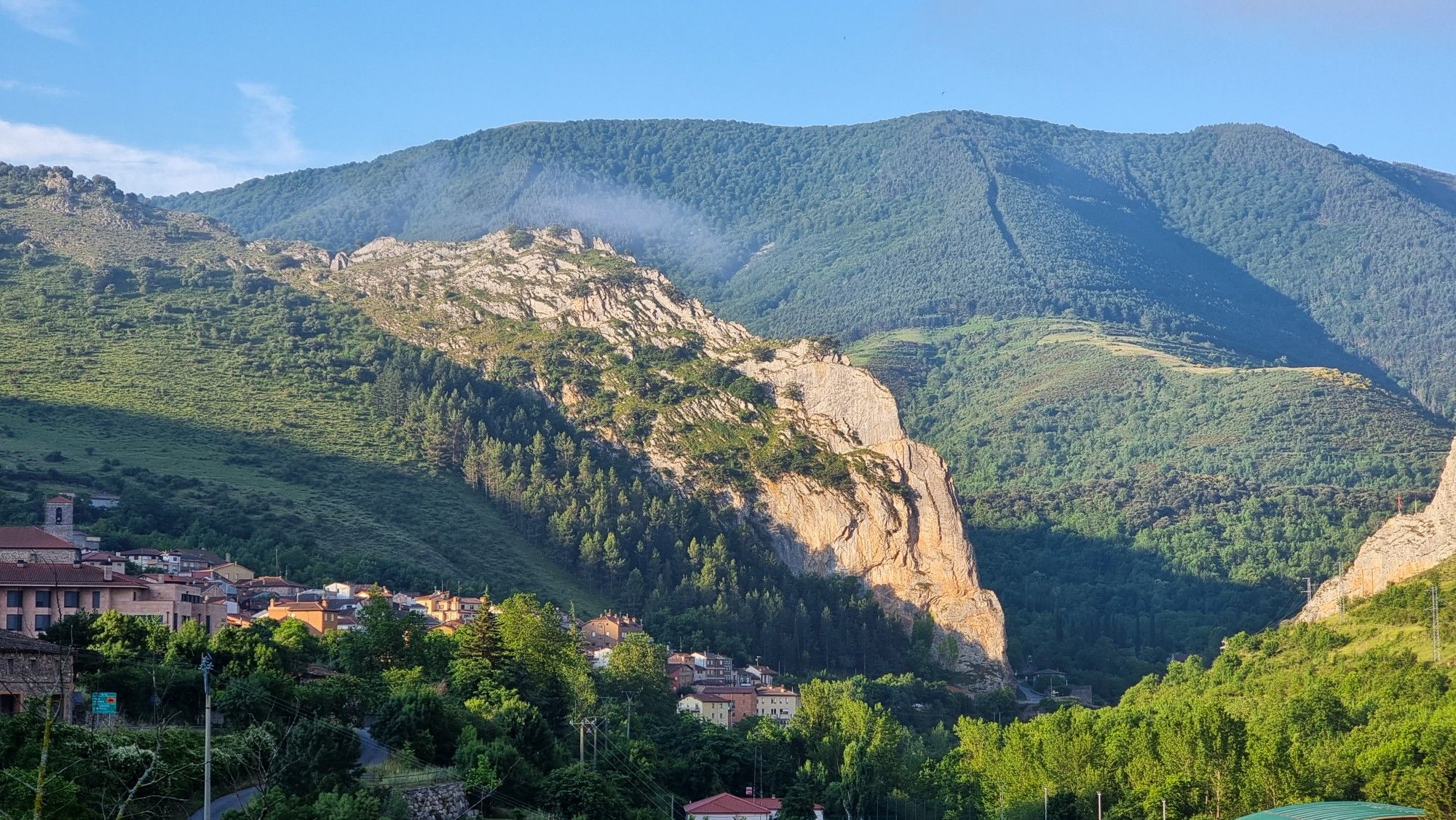
Passes and dinosaur footprints – Spain’s Sierras Riojanas (GR 93)
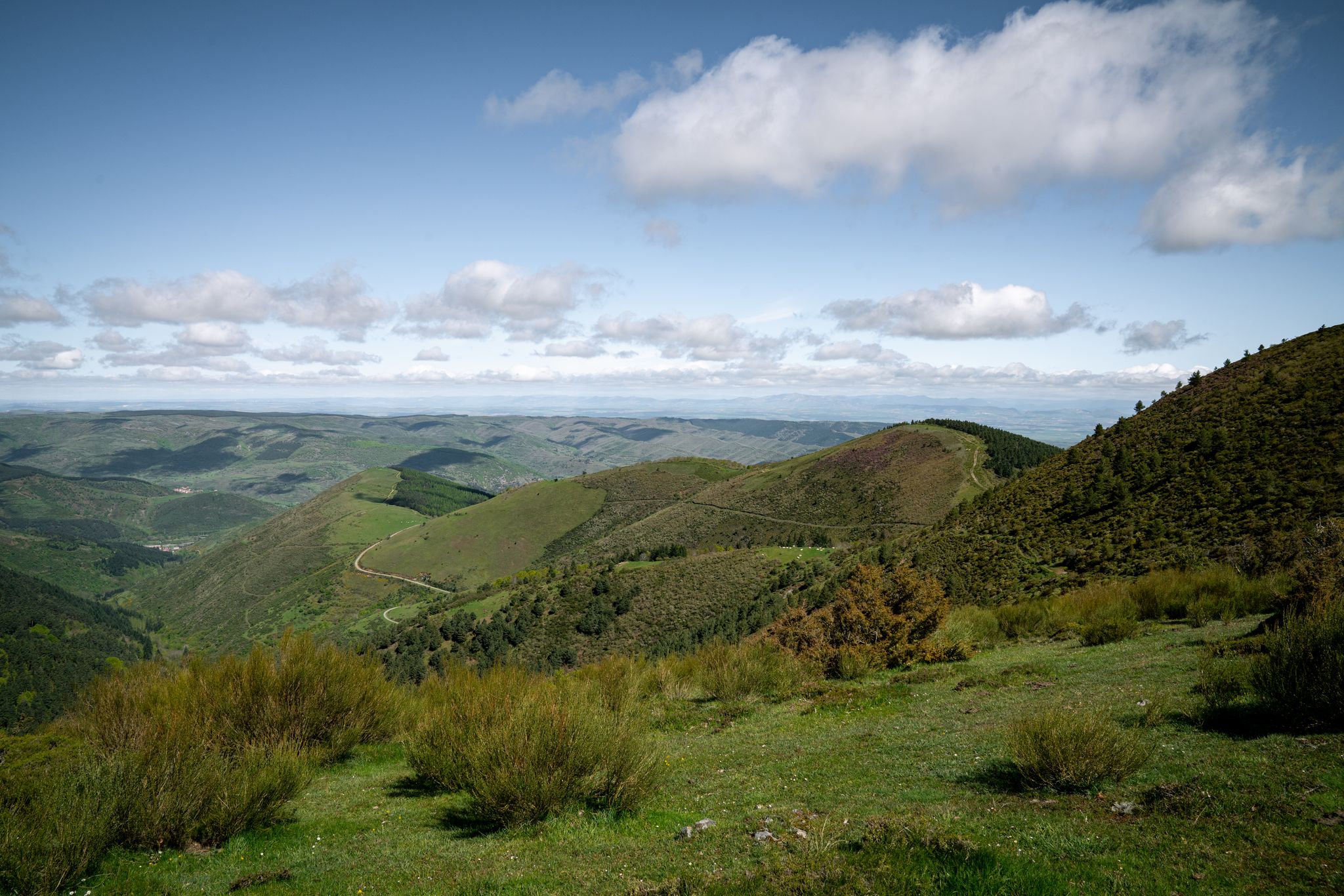
In the mountains of La Rioja – Iberian High Valleys trail (GR 190)
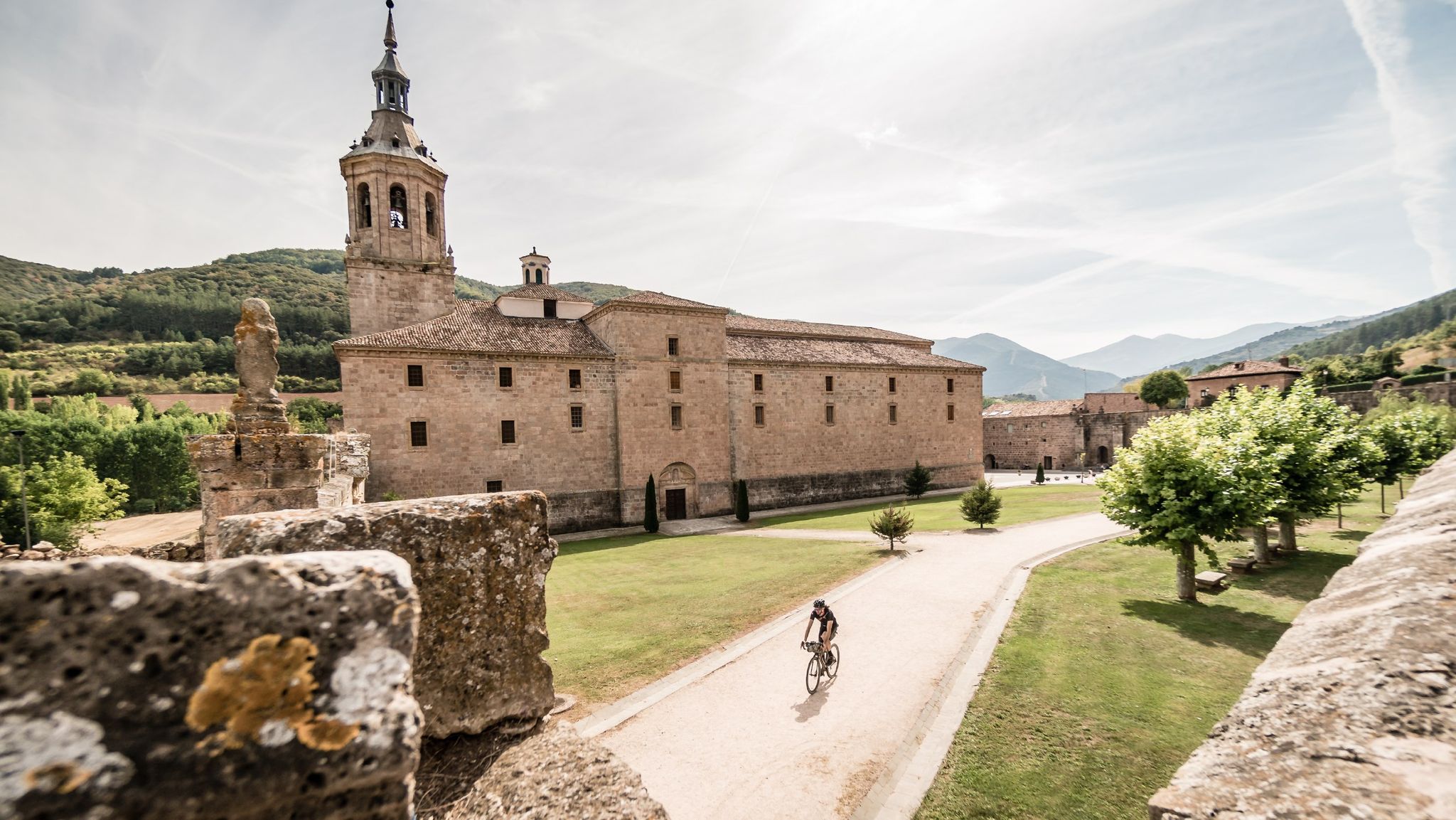
Between valleys and mountains – Mymerak gravel routes
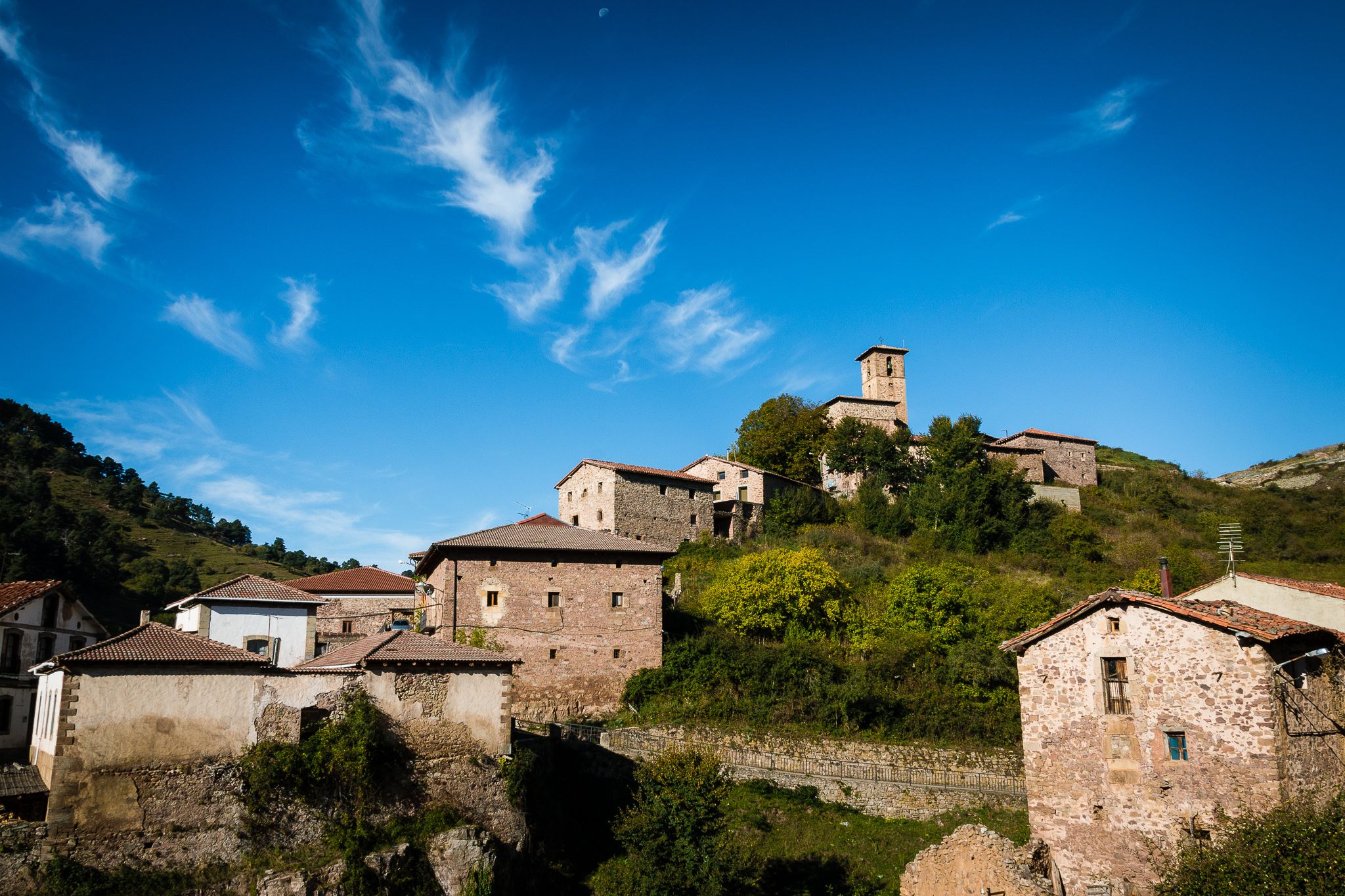
An adventure on quiet roads – MyMerac Rioja
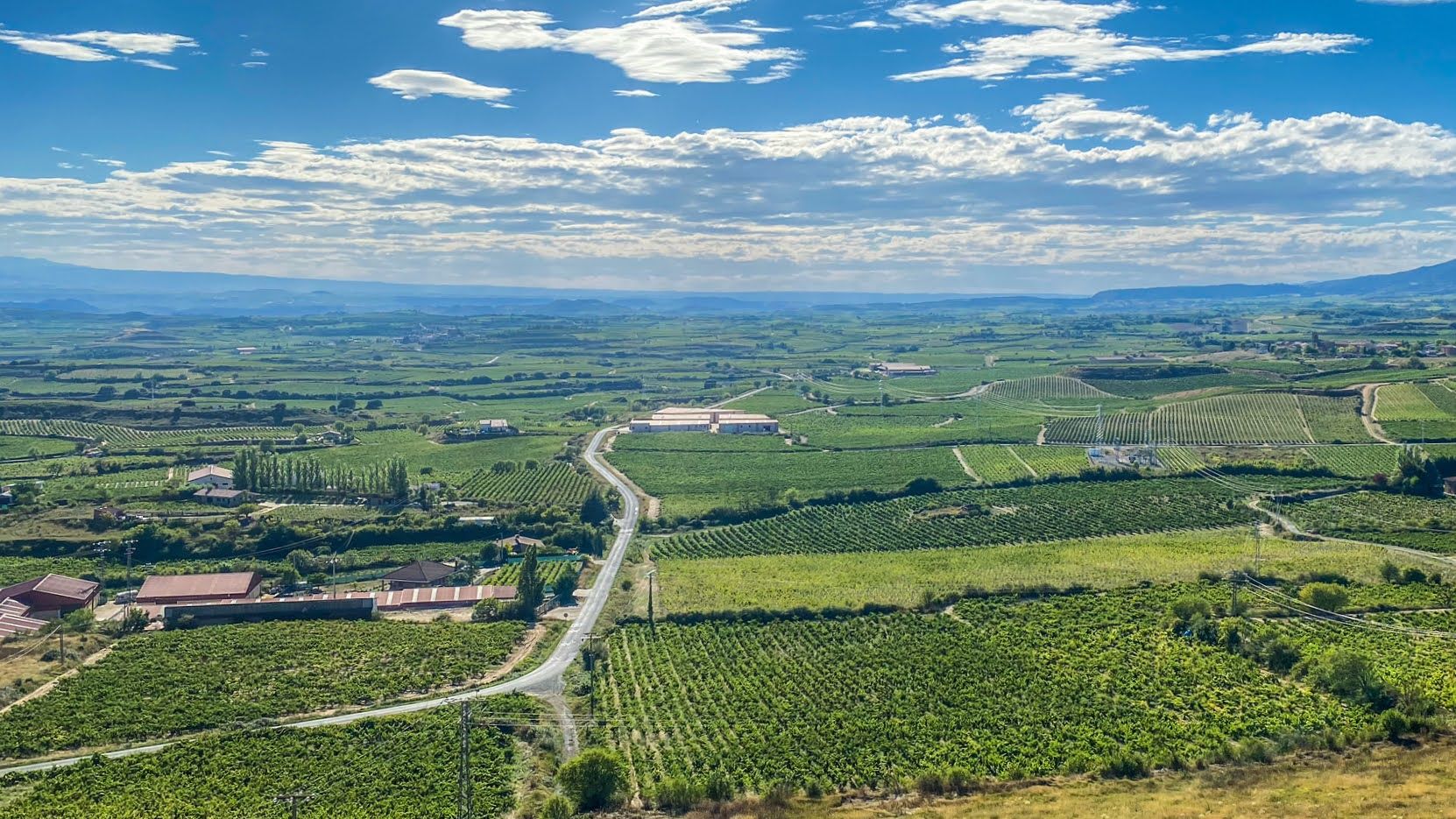
Endless asphalt between La Rioja’s vineyards – Spain’s Ruta del Vino
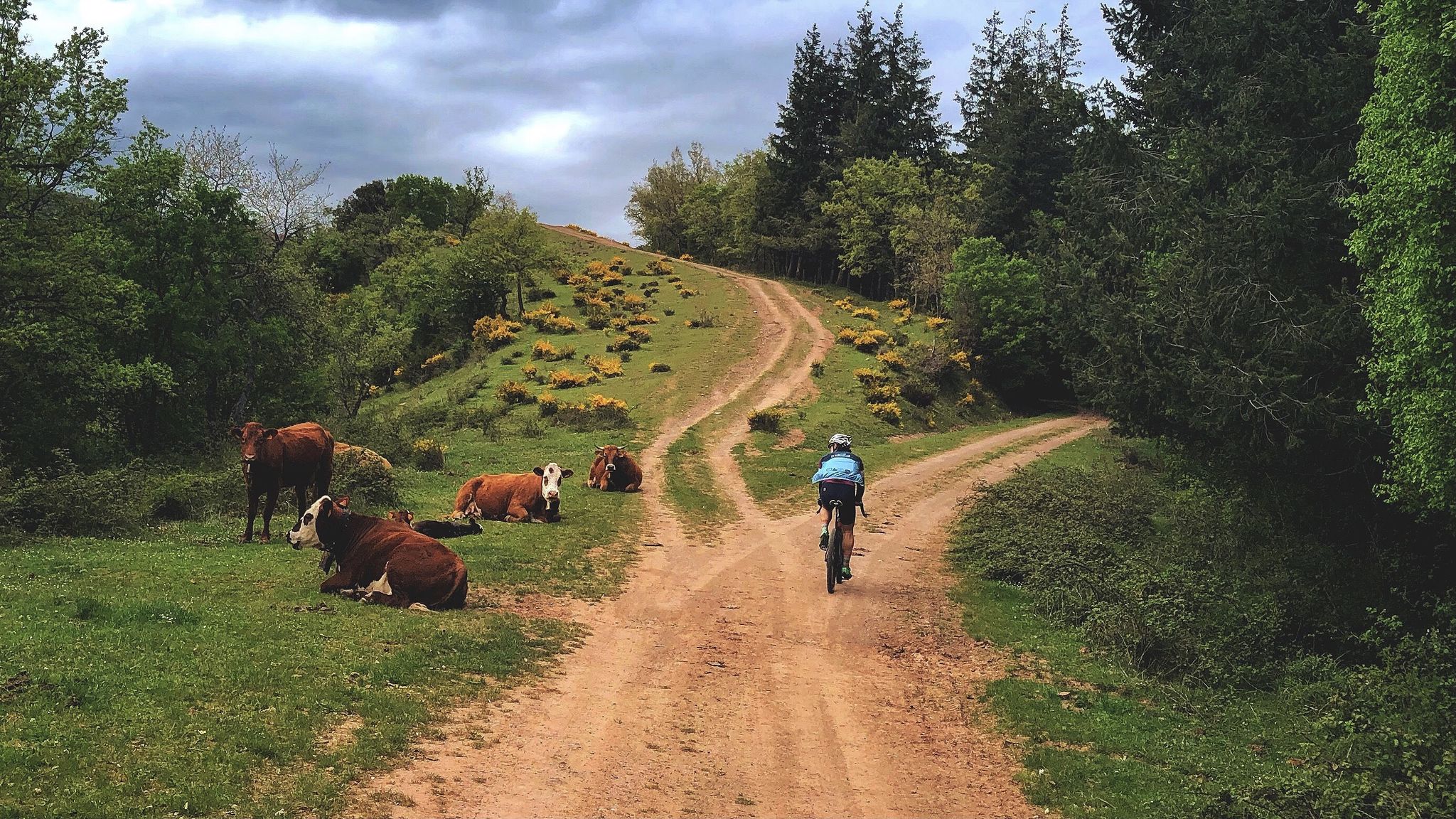
History, vineyards and nature – La Rioja on gravel
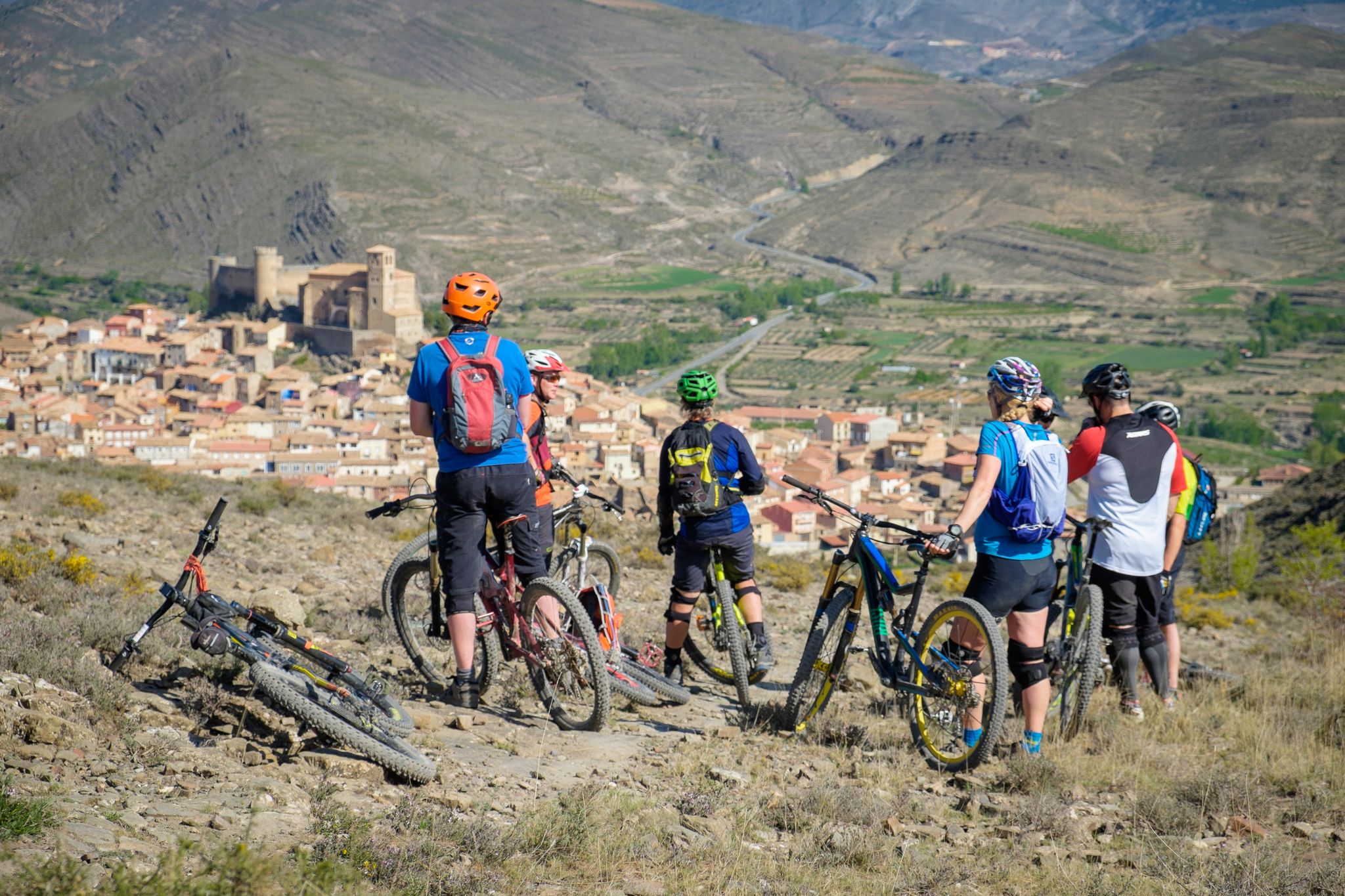
Mountains, valleys and trails in La Rioja – GR 93 by e-bike
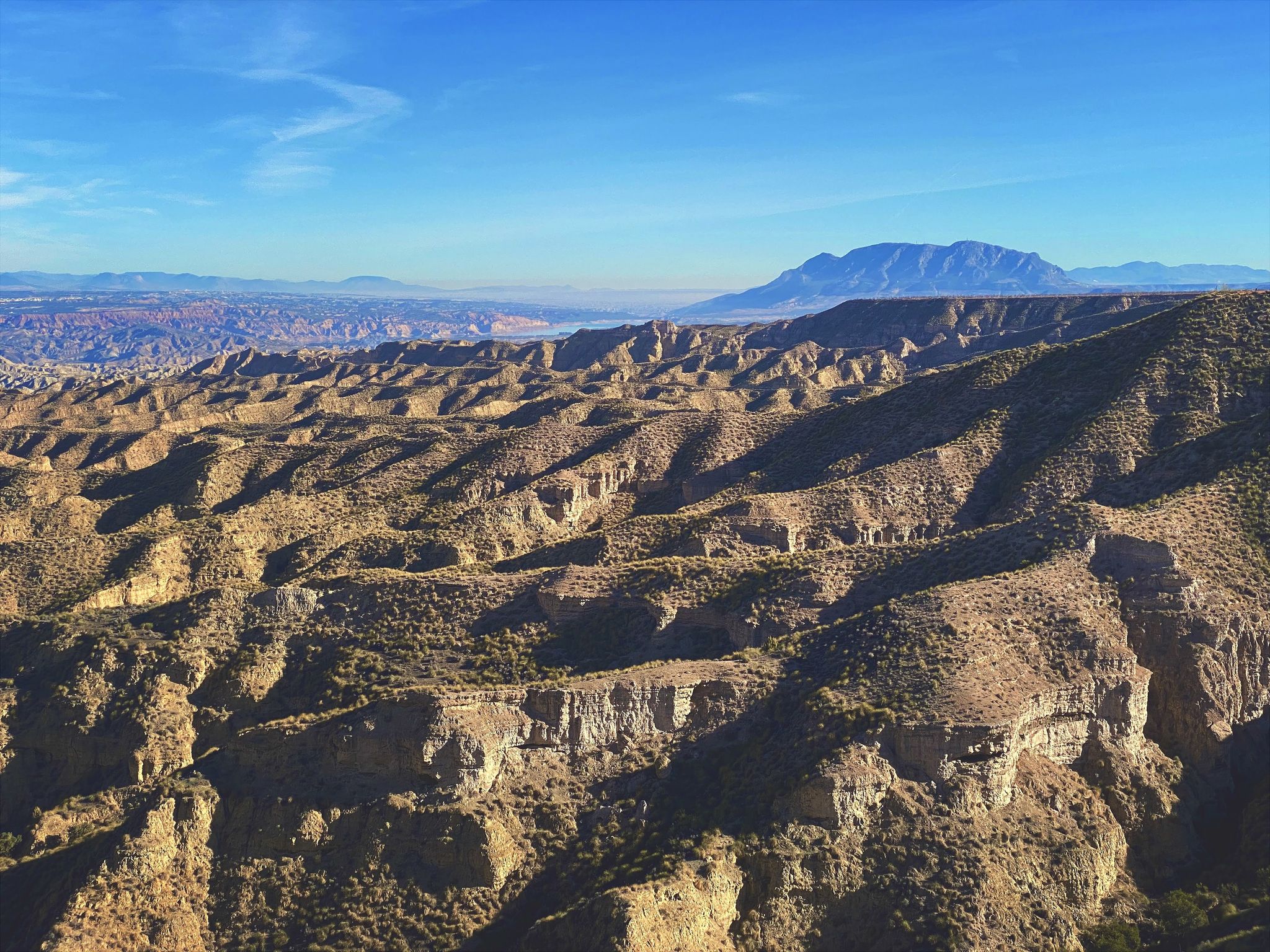
Discover Spain by gravel — a selection of must-see routes
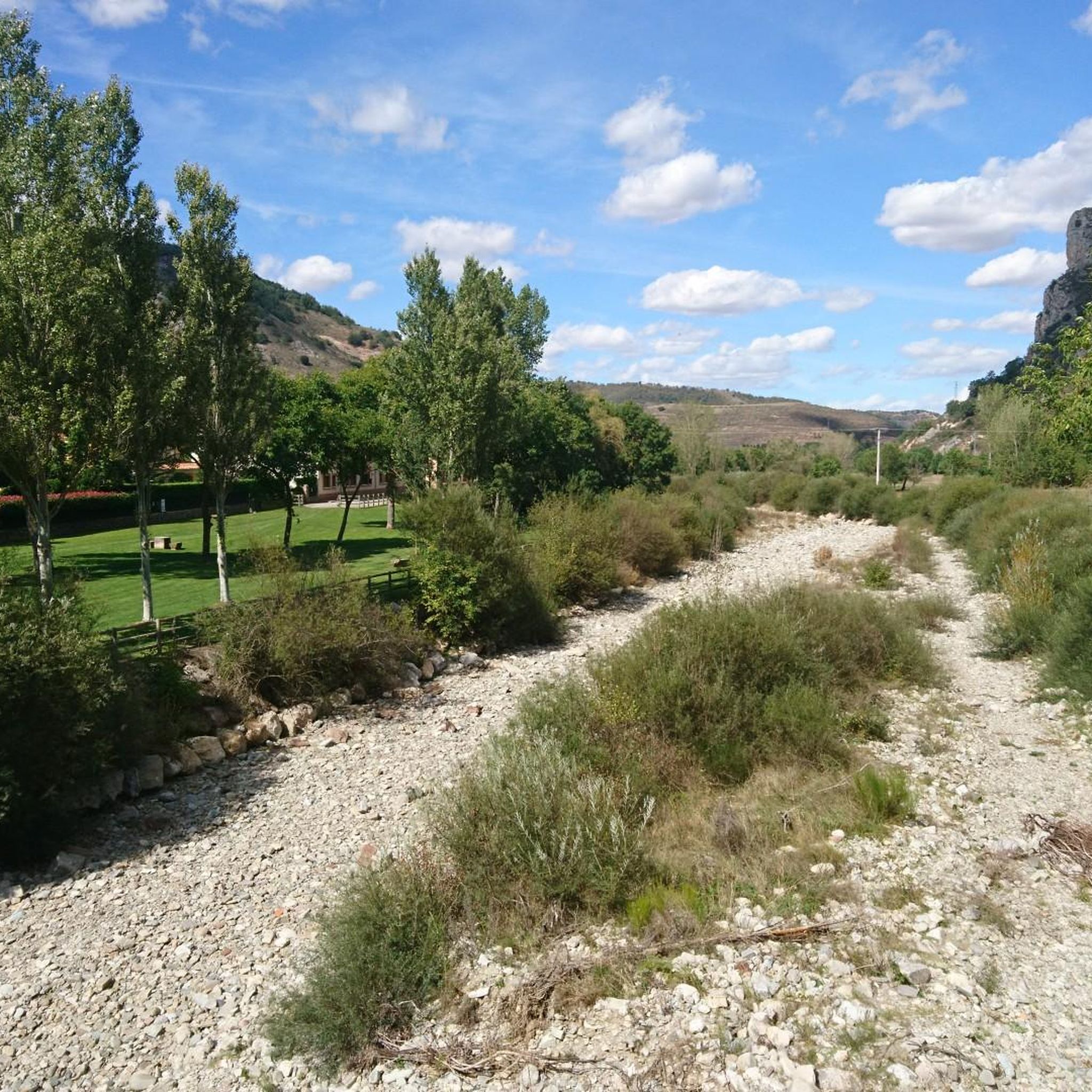
MTB Trails around Sierra Rioja Alta
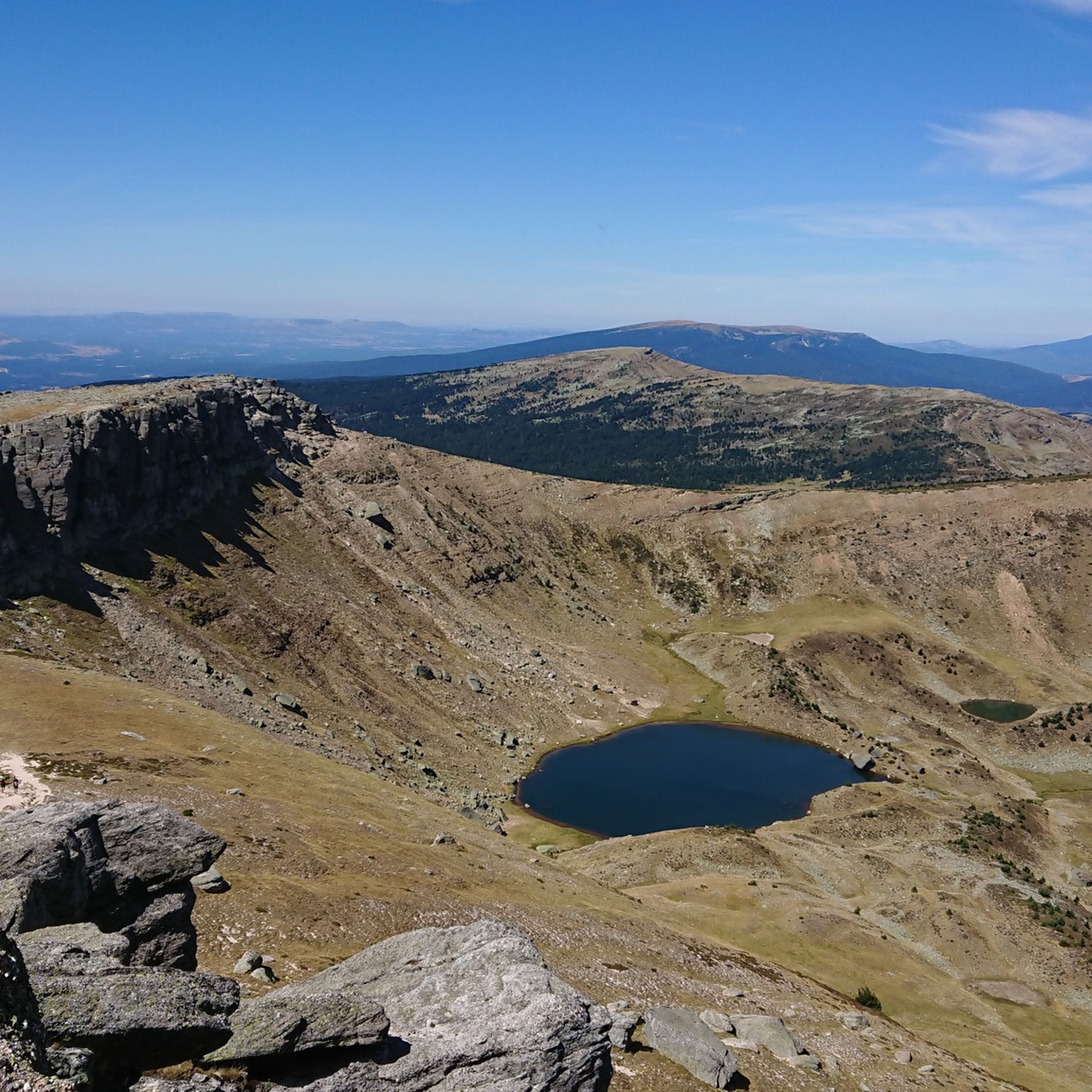
Hiking around Sierra Rioja Alta
Other adventures around Sierra Rioja Alta


Tips from the Community


Great stop on the climb to San Lorenzo!
0
0

The Cumbres de la Demanda are a series of peaks located in the Sierra de la Demanda, which stretches between La Rioja, Burgos, and Soria. The route covers several of the highest peaks, including Pico San Millán (2,132 meters), the highest in the province of Burgos.
1
0

A comfortable mountain pass that connects the provinces of Burgos and La Rioja. Both sides have beautiful views, and it is worth climbing both.
0
0

With the mountain route you can go up from Fresneda, reach the Pozo Negro (durillo), and from there to the Cruz de la Demanda, returning to Fresneda by road and passing through the top of La Pradilla.
0
0

Very good mountain route!
0
0

The Alto de la Pradilla is located at an altitude of 1,244 meters and has only six kilometers of ascent at an average of 5.2%. Located at the western end of La Rioja, this hill serves as the border with the province of Burgos. The start is smooth along a road in good condition that will gradually increase in terms of slope in a winding layout.
2
0
The port of Peña Hincada has good asphalt and horizontal signage. It is a road with little vehicle traffic. Shadows abound up to Brieva to disappear from that core to the top, totally stark in its most demanding part. Be very careful if it is done in winter, check the weather beforehand.
1
0
Frequently Asked Questions
What are the most popular mountain passes for cycling in the Sierra Rioja Alta region?
For road cycling enthusiasts, Alto de Pradilla is highly regarded for its smooth asphalt and manageable 5.2% average gradient over six kilometers. Another mythical pass for cyclists is Peña Hincada Pass, known for its good asphalt, low traffic, and varied terrain from gentle slopes to demanding sections, especially around the González Lacasa Reservoir.
Which mountain passes offer the best panoramic views?
The Cruz de la Demanda Pass, at 1,855 meters in the Sierra de la Demanda, provides privileged views over the valley and surrounding mountain ranges. Additionally, the Bogolrrucia Pass, near Monte San Lorenzo, offers a 'splendid balcony' to admire the Pancrudos and the valley, with spectacular panoramic views that can include the Pyrenees and the Ebro valley on clear days.
Are there any mountain passes with historical significance or unique natural features?
Yes, Puerto Manquillo, located in the Sierra de la Demanda, was historically part of an old mining railway line, now integrated into the Sierra de la Demanda Greenway. This area is also known for its dense forests of oak and beech and rich biodiversity. The Obarenes Mountains, which contain several passes, are significant as a natural defensive frontier and feature rugged silhouettes and large cliffs.
What kind of outdoor activities can I do near the mountain passes in Sierra Rioja Alta?
The mountain passes and their surrounding ranges offer excellent opportunities for various outdoor activities. You can enjoy hiking, cycling, and mountain biking on numerous trails. For specific routes, explore guides like Easy hikes around Sierra Rioja Alta, Waterfall hikes around Sierra Rioja Alta, and Road Cycling Routes around Sierra Rioja Alta.
Which mountain passes are suitable for beginners or those looking for an easier experience?
Alto de Pradilla offers a relatively smooth ascent with an average gradient of 5.2% over six kilometers, making it a comfortable option for cyclists. For hikers, the greenway around Puerto Manquillo provides accessible trails through beautiful natural settings, though the bypass for the old railway tunnel involves a steep climb.
Can I combine a visit to the mountain passes with wine tourism?
Absolutely. The Obarenes Mountains, which feature several passes, protect the vineyards of La Rioja Alta Occidental. This proximity means you can easily combine mountain exploration with visits to renowned vineyards and wineries. The region is part of the Rioja Alta Wine Route, offering a unique blend of natural beauty and viticultural heritage. You can learn more about the wine region at winetourism.com.
What kind of wildlife can I expect to see around the mountain passes?
The mountainous regions, particularly the Sierra de la Demanda and Sierra de Cameros, are rich in biodiversity. You might spot roe deer, wild boar, and various bird species. There's also a recovering wolf population, especially in areas like the Sierra de la Demanda, offering opportunities for wildlife spotting.
Are there any challenging mountain passes for experienced hikers or cyclists?
Yes, for those seeking a challenge, the Valdezcaray Mountain Pass Ascent involves a 13 km climb with the hardest sections in the first 5 km, leading to the Valdezcaray ski resort. The route to the summit of Monte San Lorenzo from Bogolrrucia Pass also includes a challenging section with decomposed terrain, offering a rewarding experience for experienced mountaineers.
What do visitors enjoy most about the mountain passes in Sierra Rioja Alta?
Visitors frequently praise the scenic beauty, especially the diverse landscapes with extensive forests of beech, oak, and pine, as well as mountain streams. The low vehicle traffic on passes like Peña Hincada Pass is appreciated by cyclists seeking quiet routes. The historical and cultural significance, passing through medieval villages and ancient routes, also adds to the appeal.
Are there any specific viewpoints or notable spots along the mountain passes?
Many passes offer excellent viewpoints. From the Obarenes Mountains, magnificent views can be enjoyed, particularly from locations like the hermitage at the top of Riscos de Bilibio near Haro. The Cruz de la Demanda Pass is noted for its privileged views, and Collado Nestaza (2030 m) offers a stunning view of Monte San Lorenzo.
What is the best time of year to visit the mountain passes in this region?
The best time to visit generally depends on your activity. Spring and autumn offer pleasant temperatures for hiking and cycling, with vibrant foliage or blooming wildflowers. Summer is ideal for higher altitude passes, though some routes can be exposed. Winter can bring snow, making some passes challenging or requiring caution, especially for Peña Hincada Pass, where checking weather conditions beforehand is advised.
Are there any mountain passes that serve as important crossroads for trails?
Yes, Collado de Sagastia is a notable crossroads, serving as a confluence for various trails including the GR 190, the Bonicaparra track, and the Tres Aguas path. This area is often characterized by meadows and grazing cattle, adding to its rustic charm.
Most popular routes around Sierra Rioja Alta
Most popular attractions around Sierra Rioja Alta

Get inspired with the komoot mobile app


Didn’t find what you were looking for?
Find even more amazing mountain passes around Sierra Rioja Alta organized by region:
Explore more
See even more epic mountain passes by checking out these guides around Sierra Rioja Alta:
