Top 8 Natural Monuments around Figueira De Castelo Rodrigo
Best natural monuments around Figueira De Castelo Rodrigo are found in a region characterized by its rivers, mountains, and protected areas. This area, nestled in the Guarda district of Portugal, offers a diverse natural landscape. Visitors can explore significant natural features and geological formations, providing opportunities for outdoor activities. The terrain includes prominent mountain ranges, river valleys, and unique ecosystems.
Best natural monuments around Figueira De Castelo Rodrigo
- The most popular natural monuments is Ponte de Santa over the Ribeira…
Last updated: July 6, 2026
Castro de São Paulo
Highlight • Historical Site
Translated by Google •
Tip by

Hinojosa de Duero
Highlight • Settlement
Translated by Google •
Tip by

Sign up now to discover places like this
Get recommendations on the best single tracks, peaks, & plenty of other exciting outdoor places.
Sign up for free
Ponte de Santa over the Ribeira do Mosteiro
Highlight • Bridge
Translated by Google •
Tip by
Path along the border
Highlight (Segment) • Trail
Translated by Google •
Tip by
Steep terrain in the Côa Valley
Highlight (Segment) • Gorge
Translated by Google •
Tip by
Sign up for free to discover even more natural monuments around Figueira De Castelo Rodrigo.
Sign up for free
Already have an account?
Start today with a free account
Your next adventure awaits.
Login or Signup
Other adventures around Figueira De Castelo Rodrigo

Tips from the Community

Hinojosa de Duero is a charming village in the El Abadengo region (Salamanca), located right on the border with Portugal and within the Arribes del Duero Natural Park, making it an ideal destination for rural tourism, nature and gastronomy.
3
0
What to see in Hinojosa de Duero Church of San Pedro 16th century, Gothic style with later renovations. Its Baroque altarpieces are particularly noteworthy. Hermitage of Christ of Mercy Located on San Pedro hill, with a 13th-century Romanesque carving and spectacular views. Monument to the Sacred Heart of Jesus Erected during the Second Republic, in the upper part of the town, surrounded by crosses and a Calvary. El Corralito and Plaza de la Constitución Former town hall meeting place, now a local gathering spot. Ethnographic Museum Collections on traditional life and local culture. Natural viewpoints Peña La Vela, Mirador del Contrabando, Cachón del Camaces, and Cachón de la Diabla offer unique views of the Duero River and the Arribes del Duero Natural Park.
2
0
Hinojosa de Duero is a charming village in the El Abadengo region (Salamanca), located right on the border with Portugal and within the Arribes del Duero Natural Park, making it an ideal destination for rural tourism, nature, and gastronomy. [turismocas...ayleon.com], [pte.es]
1
0

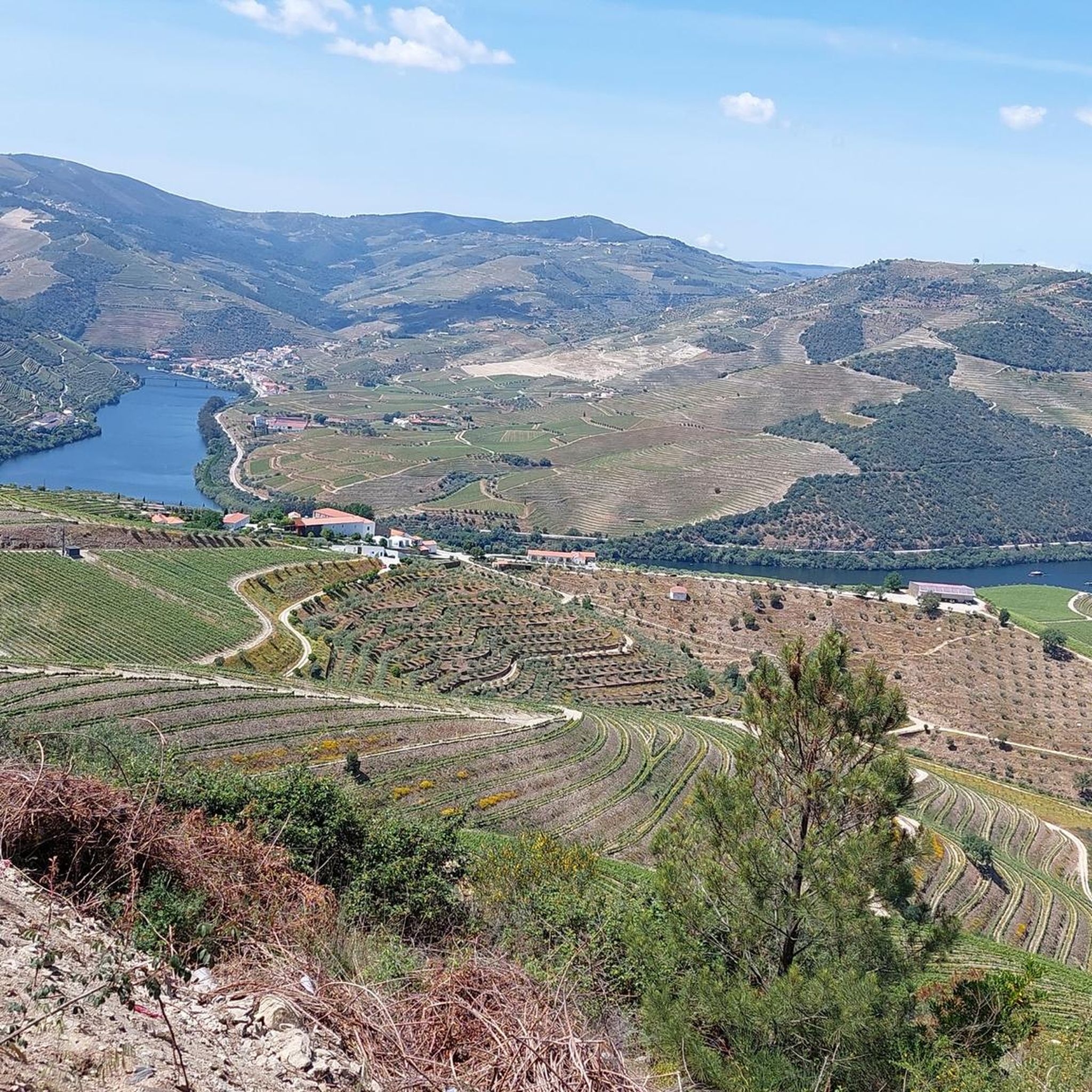
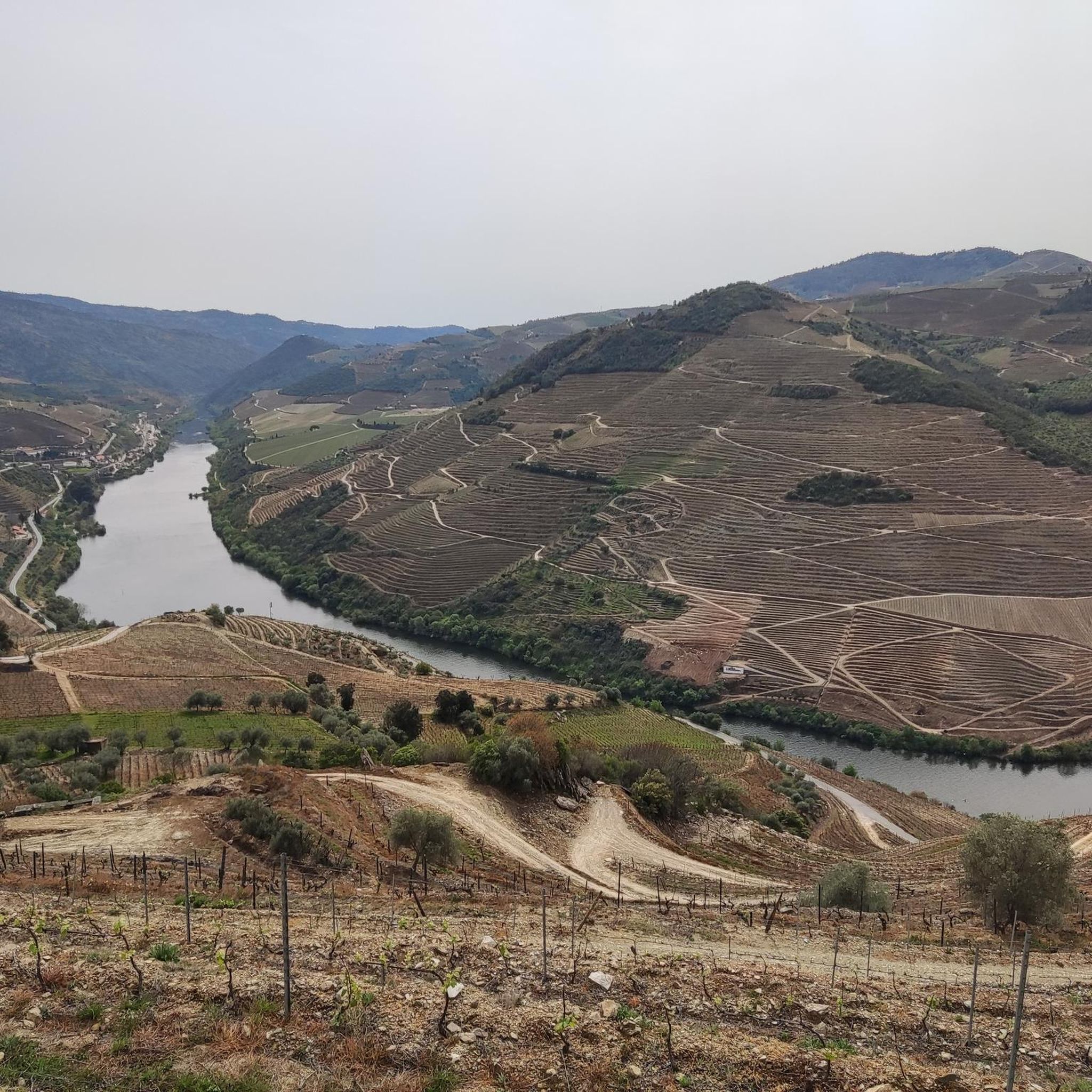
The trail here merges with the Great Côa and Historic Villages Route, leading you down a steep descent to the river. After crossing, the hillside challenges you with its demanding climb, but the reward lies in each new look: ever-changing perspectives of the Côa Valley. Both directions offer incredible views: remember to look back!
2
0
Across plains watched over by soaring eagles, the dirt road takes you close to the Tourões River, the living border with Spain. Follow shepherd's trails and farmland until you enter the Douro Internacional Natural Park, where, further north, the Tourões River joins the Águeda River, which, in turn, further north, joins the Douro River. The cliffs and horizons of the Douro Internacional are so imposing that some call it the Grand Canyon of Europe.
2
0
The Ponte de Santa bridge stretches over the Ribeira do Mosteiro. Beneath it, amidst the whispering water and the gentle warmth of the sun, you can rest on one of the large stone slabs that are spread out there, as if they were made to welcome travelers in need of rest. The scenery around you is pure enchantment: the schist slopes are torn apart by impressive quartzite outcrops that burst from the earth, erected in almost sculptural forms, a geological spectacle that is as intriguing as it is beautiful.
2
0
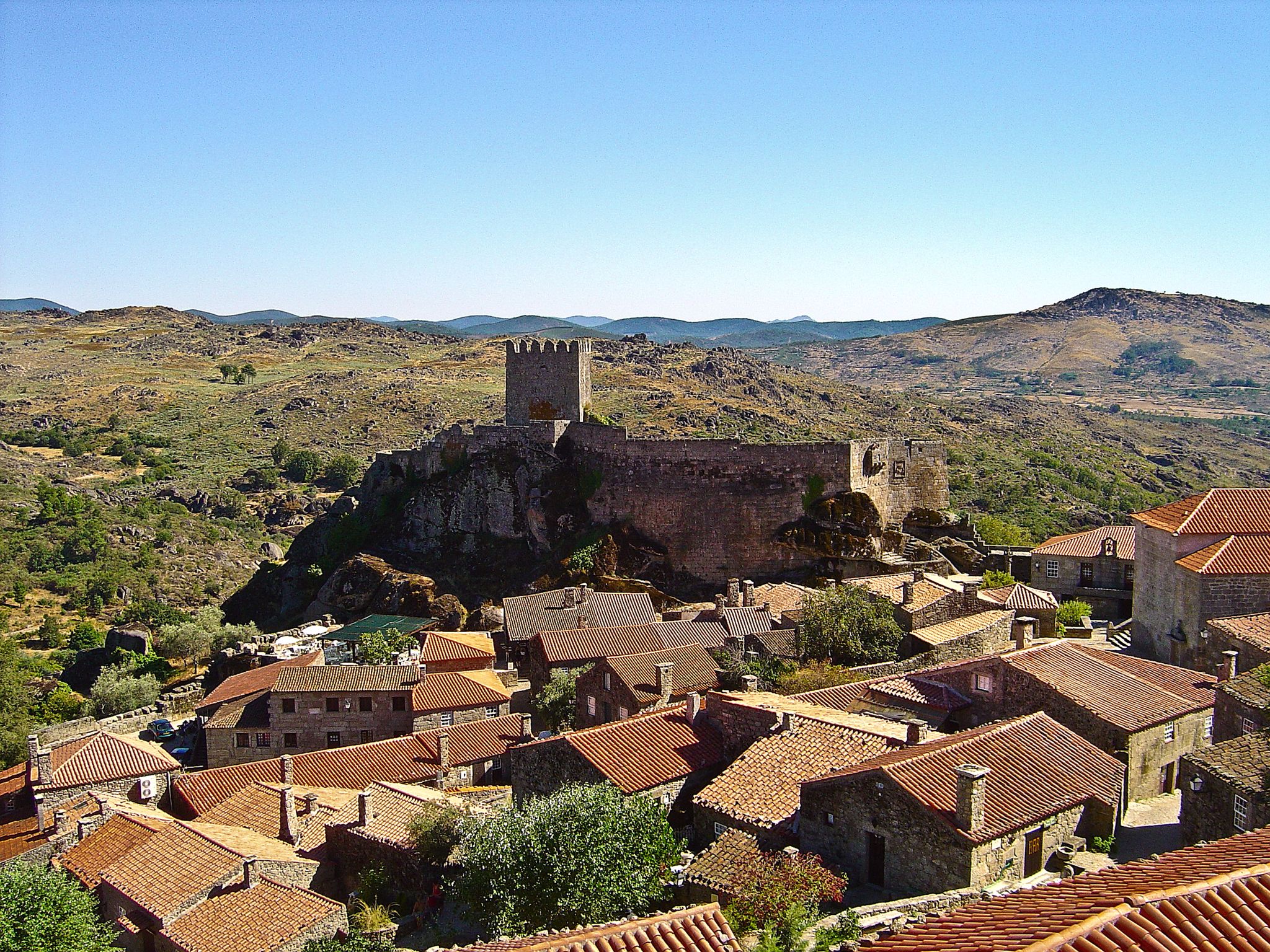
This place holds ancient memories, with remains dating back to the Bronze Age, with fragments of pottery that reveal human presence since ancient times. But the story did not end there: occupation extended into the Iron Age and continued during Roman rule. The ancient defensive walls of Castro de São Paulo, now almost gone, were worn down by time or transformed into terraces by the hands of farmers who, over the centuries, shaped the landscape to suit their needs.
3
0

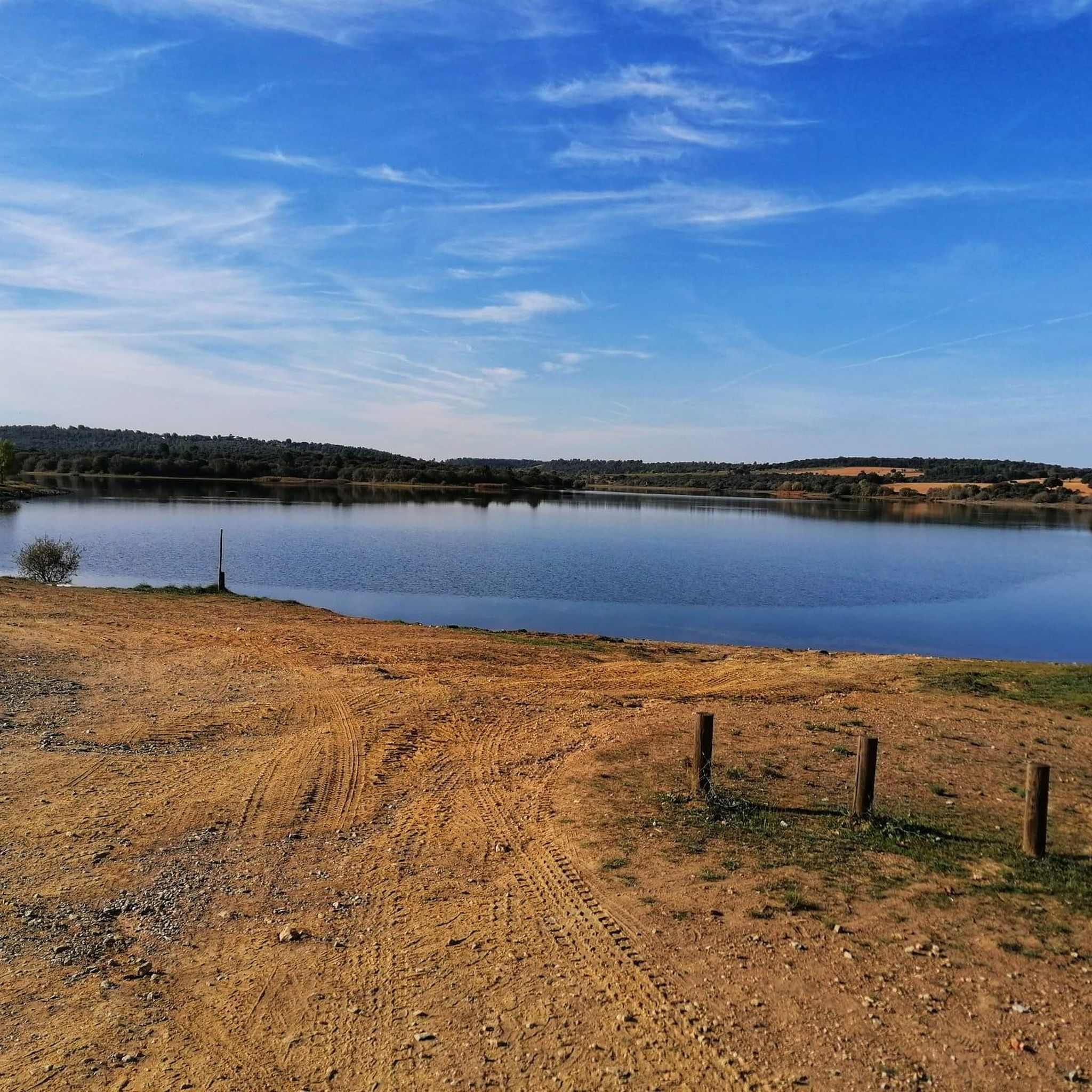
Hinojosa de Duero is a municipality in the province of Salamanca located in the Arribes del Duero Natural Park. Beautiful viewpoints, fountains, waterfalls and hermitages are located a few meters from the urban area.
1
0
Frequently Asked Questions
What natural features define the landscape around Figueira de Castelo Rodrigo?
The region is characterized by its prominent mountain ranges like the Serra da Marofa, offering majestic views, and significant river valleys including the Douro, Côa, and Águeda rivers. These rivers contribute to a diverse hydrological landscape, with the Douro being particularly known for its stunning terraced vineyards and dramatic cliffs. You'll also find unique geological formations such as the impressive quartzite outcrops near Ponte de Santa over the Ribeira do Mosteiro.
Are there any historical natural monuments in the region?
Yes, the area features sites where history and nature intertwine. For instance, Castro de São Paulo is an ancient historical site with remains dating back to the Bronze Age, where ancient defensive walls have become integrated into the natural landscape over centuries. The Côa River valley is also significant for its archaeological value, particularly the Côa Valley Archaeological Park.
What kind of geological formations can I see?
You can observe striking geological features, such as the schist slopes and impressive quartzite outcrops that burst from the earth near the Ponte de Santa over the Ribeira do Mosteiro. This area presents a fascinating geological spectacle. The cliffs and horizons within the Douro Internacional Natural Park are also notable, sometimes referred to as the 'Grand Canyon of Europe' due to their imposing nature.
Are there family-friendly natural monuments to visit?
Yes, Castro de São Paulo is considered family-friendly, offering a chance to explore an ancient historical site within a natural setting. The village of Hinojosa de Duero, located in the Arribes del Duero Natural Park, also provides access to natural viewpoints and a charming rural environment suitable for families.
What outdoor activities can I do near these natural monuments?
The region offers a variety of outdoor activities. You can enjoy hiking along shepherd's trails and farmland, particularly on the Path along the border which leads into the Douro Internacional Natural Park. Birdwatching is popular, especially in the Côa Valley's Reserva da Faia Brava, known for the Egyptian vulture and Bonelli's eagle. Scenic drives along the Douro River are also a great option. For more structured routes, you can find various MTB trails, road cycling routes, and touring bicycle routes around Figueira de Castelo Rodrigo.
When is the best time of year to visit the natural monuments?
The almond blossoms in February and March contribute significantly to the idyllic natural beauty of the region, making it a particularly picturesque time to visit. Generally, spring and autumn offer pleasant temperatures for outdoor activities like hiking and exploring the natural landscapes.
Can I spot any wildlife near the natural monuments?
Yes, the Côa River valley is home to the Reserva da Faia Brava, a private protected area dedicated to conserving biodiversity, particularly the Egyptian vulture (britango) and Bonelli's eagle. This reserve offers excellent opportunities for birdwatching. The plains near the Path along the border are also watched over by soaring eagles.
Are there any natural viewpoints offering scenic panoramas?
Absolutely. The Serra da Marofa offers majestic views from its highest points, including where the statue of Cristo Rei stands. The village of Hinojosa de Duero provides natural viewpoints like Peña La Vela, Mirador del Contrabando, and Cachón del Camaces, all offering unique views of the Duero River. Additionally, the Peña de la Vela Viewpoint specifically offers panoramic views of the Duero River as it leaves the Saucelle dam.
What are some unique natural areas or 'hidden gems' to discover?
The Reserva da Faia Brava in the Côa Valley stands out as Portugal's first and only private protected area, offering a unique chance to observe rare birds in their natural habitat. The geological spectacle of schist slopes and quartzite outcrops near Ponte de Santa over the Ribeira do Mosteiro also provides an intriguing and beautiful natural setting that feels somewhat off the beaten path.
Are there cycling routes available near the natural monuments?
Yes, there are several cycling opportunities. You can explore MTB trails, road cycling routes, and touring bicycle routes that traverse the diverse landscapes around Figueira de Castelo Rodrigo, often passing by or offering views of the natural monuments and river valleys.
How can I access these natural monuments, and is parking available?
Access to many natural monuments, especially those within natural parks like Arribes del Duero or Douro Internacional, typically involves driving to nearby villages or designated parking areas. For specific sites like Hinojosa de Duero, parking is usually available within the village. For trails like the Path along the border, access points are often dirt roads or shepherd's trails, which may have limited parking. It's advisable to check specific access details for each location.
Most popular routes around Figueira De Castelo Rodrigo
Most popular attractions around Figueira De Castelo Rodrigo

Get inspired with the komoot mobile app


Explore more
Extend your search for the best caves by checking out these guides of the top ones around Figueira De Castelo Rodrigo:
