The best traffic-free bike rides around Figueira De Castelo Rodrigo
4.3
(3)
37
riders
8
rides
No traffic touring cycling routes around Figueira De Castelo Rodrigo traverse a region rich in historical heritage and diverse landscapes. The municipality features varied topography, including pine-wood forests, rolling hills, and the significant Serra da Marofa mountain range, which offers expansive views. Cyclists can explore areas characterized by almond groves in spring and orange groves in summer, alongside the Côa and Douro rivers. The terrain includes plateaus and areas with historic castles, providing a scenic backdrop for cycling.
Best no…
Last updated: July 7, 2026
2
riders
27.2km
01:44
330m
330m
Moderate bike ride. Good fitness required. Mostly paved surfaces. Suitable for all skill levels.
5.0
(1)
1
riders
22.0km
01:21
180m
180m
Moderate bike ride. Good fitness required. Mostly paved surfaces. Suitable for all skill levels.

Sign up for free
3
riders
Hard bike ride. Very good fitness required. Mostly paved surfaces. Suitable for all skill levels.
3
riders
31.9km
02:54
360m
360m
Moderate bike ride. Good fitness required. Mostly paved surfaces. Suitable for all skill levels.
1
riders
31.9km
02:05
440m
440m
Moderate bike ride. Good fitness required. Mostly paved surfaces. Suitable for all skill levels.
Get access to more routes and recommendations from other explorers.
Sign up for free
Already have an account?
Our route recommendations are based on thousands of hikes, rides, and runs completed by other people on komoot.
Start today with a free account
Your next adventure awaits.
Login or Signup
Popular around Figueira De Castelo Rodrigo

Other adventures around Figueira De Castelo Rodrigo

Tips from the Community

Nestled in the Serra da Marofa valley, Freixeda do Torrão holds centuries of history. Its name dates back to 1190, and since then, time has left its mark. Among its treasures stands the Parish Church, with Romanesque roots, rebuilt after the devastating fire of 1908 but still faithful to the 16th-century portal that saw its birth. In the heart of the parish, the Solar dos Metelos stands tall with its medieval tower and stately coat of arms, a testament to times of power and distinction.
2
0
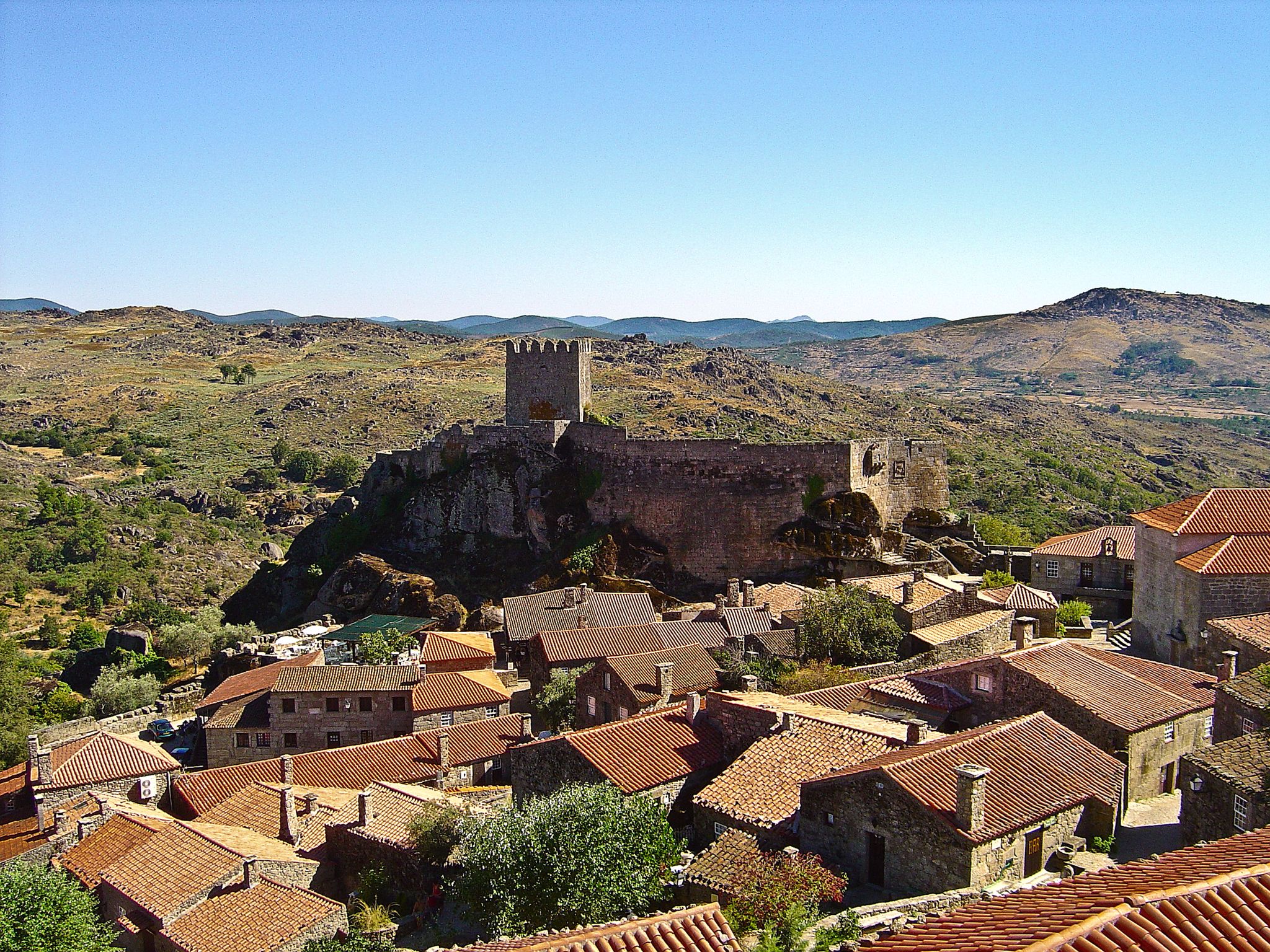
Castelo Rodrigo holds millennia of history, from Paleolithic and Roman remains to the Muslim presence in the castle. Conquered and reconquered between the 12th and 13th centuries, it became a town and municipality under King Alfonso IX of León and passed definitively to Portugal in 1297, when King Dinis rebuilt and repopulated the castle. Marked by wars, charters, and restorations, it welcomed pilgrims on their way to Santiago and remains today one of the twelve Historic Villages of Portugal.
3
0
Mata de Lobos, mentioned since 1165, preserves centuries of history and battles. The Chapel of Santa Marinha, a former parish church linked to the Order of Christ, and the main church, expanded in 1759 with a separate bell tower, are the religious heart of the village. In the Salgadela field stands the Padrão de Pedro Jacques de Magalhães, a memorial to the 1664 battle against the Spanish. Ancient graves, a fountain, and wine presses complete the portrait of a parish that preserves its past and devotion.
2
0
At the entrance to Castelo Rodrigo, the Monastery of Santa Maria de Aguiar rises among chestnut trees, founded in 1174 by King Afonso Henriques and handed over to the Cistercian Order. From the sober church to the monks' quarters and the guesthouse loggia with its 1704 coat of arms, everything testifies to centuries of faith and hospitality for pilgrims to Santiago. Despite the damage caused by the French invasions and its abandonment in 1834, the monastery's former beauty remains intact.
2
0
Castelo Rodrigo is a village with a medieval soul, where time has left its deep marks: walls, stone streets and remains of an ancient community of New Christians. Surrounded by magnificent landscapes, from the Douro International Natural Park to the Côa Valley, passing through the Serra da Marofa and the Faia Brava Reserve, this village is an invitation to contemplation and to taste. Here, history is served at the table: Marofa lamb, octopus in migas or rice are flavors that count as much as the books.
2
0
Vale da Mula lies in a valley between the Aguiar and Tourões rivers, right next to the Spanish border. The current name comes from the adaptation of the Castilian “Vale de la Mula”, which was used until recently. During the Restoration War, this discreet place played a prominent role and it was also from here that the Portuguese offensive towards Guardão began, the cradle of Spanish attacks on neighbouring lands.
1
0

Small castle ruin worth seeing, which can be visited for one euro.
1
1

We stopped there for a break during our 2023 Lisbon-Porto-Madrid tour. The historic city with its mighty walls impressed us greatly. Definitely worth a trip. 👌
0
0
Frequently Asked Questions
How many no-traffic touring cycling routes are available in Figueira De Castelo Rodrigo?
There are 7 dedicated no-traffic touring cycling routes listed in Figueira De Castelo Rodrigo, offering a variety of experiences for cyclists.
What are the general difficulty levels of the no-traffic touring routes in this region?
The routes cater to various skill levels. You'll find 1 easy route, 5 moderate routes, and 1 difficult route, ensuring options for both casual riders and those seeking a challenge.
What is the best time of year for no-traffic touring cycling in Figueira De Castelo Rodrigo?
Spring is particularly beautiful, especially around Barca d'Alva, when the almond trees are in bloom. Summer offers vibrant orange groves. The region's diverse landscapes, including pine-wood forests and rolling hills, are enjoyable throughout the warmer months, but spring and early autumn often provide the most comfortable temperatures for cycling.
Are there any family-friendly no-traffic cycling routes?
While all routes are designed to be traffic-free, the difficulty varies. For a moderate option that is generally accessible, consider the Green Route of Almeida — Historic Villages of Portugal, which covers about 22 km with manageable elevation changes. Always check the route details to ensure it matches your family's capabilities.
What kind of terrain can I expect on these no-traffic touring routes?
The region features diverse topography, including plateaus, rolling hills, and areas near river valleys like the Côa. You'll encounter a mix of landscapes from almond and orange groves to pine-wood forests and open fields, often with historical elements integrated into the scenery.
What historical landmarks or viewpoints can I see along the no-traffic touring cycling routes?
Many routes pass by significant historical sites and offer stunning views. You can explore the medieval village of Castelo Rodrigo, a recognized 'Historic Village' with its castle ruins and 16th-century pillory. The Green Tour of Castelo Rodrigo is a great option for this. Other notable attractions include the Almeida Castle and the Castelo Rodrigo Discovery Trail. The Serra da Marofa also offers breathtaking panoramic views.
Are there any circular no-traffic touring routes available?
Yes, several routes are circular, allowing you to start and end at the same point. For example, the Castelo Rodrigo Village – Cruzeiro de Roquilho loop from Castelo Rodrigo offers a moderate 32 km loop, and the Mata de Lobos loop from Figueira de Castelo Rodrigo is another excellent circular option.
What is the longest no-traffic touring cycling route in the area?
The longest no-traffic touring route listed is the Castelo Rodrigo Village – Freixeda do Torrão loop from Figueira de Castelo Rodrigo, which spans approximately 36.8 km and is rated as difficult due to its elevation gain.
What do other touring cyclists enjoy most about cycling in Figueira De Castelo Rodrigo?
The area is highly rated by the komoot community, with an average score of 5.0 stars. Reviewers often praise the region's rich historical heritage, diverse and picturesque landscapes, and the opportunity to explore charming villages and natural features like the Serra da Marofa, all while enjoying traffic-free routes.
Can I find amenities like cafes or accommodation along these routes?
While the routes themselves are traffic-free, they often connect or pass near villages and towns where you can find amenities. Castelo Rodrigo, for instance, is a historic village with options for refreshments and exploration. Planning your route in advance and checking for services in nearby settlements is recommended.
Are there any unique natural features to look out for while cycling?
Absolutely. Beyond the seasonal almond and orange groves, you can experience the breathtaking natural viewpoints of the Serra da Marofa, which offers expansive views. The region is also close to the Côa Valley and River, and the Faia Brava Reserve, Portugal's only protected Nature Reserve of its kind, provides a unique connection to untouched wilderness.
Most popular attractions around Figueira De Castelo Rodrigo

Get inspired with the komoot mobile app


Explore more
Browse the best Cycling routes in other regions.
