The best cycling routes around Figueira De Castelo Rodrigo
4.3
(3)
37
riders
14
rides
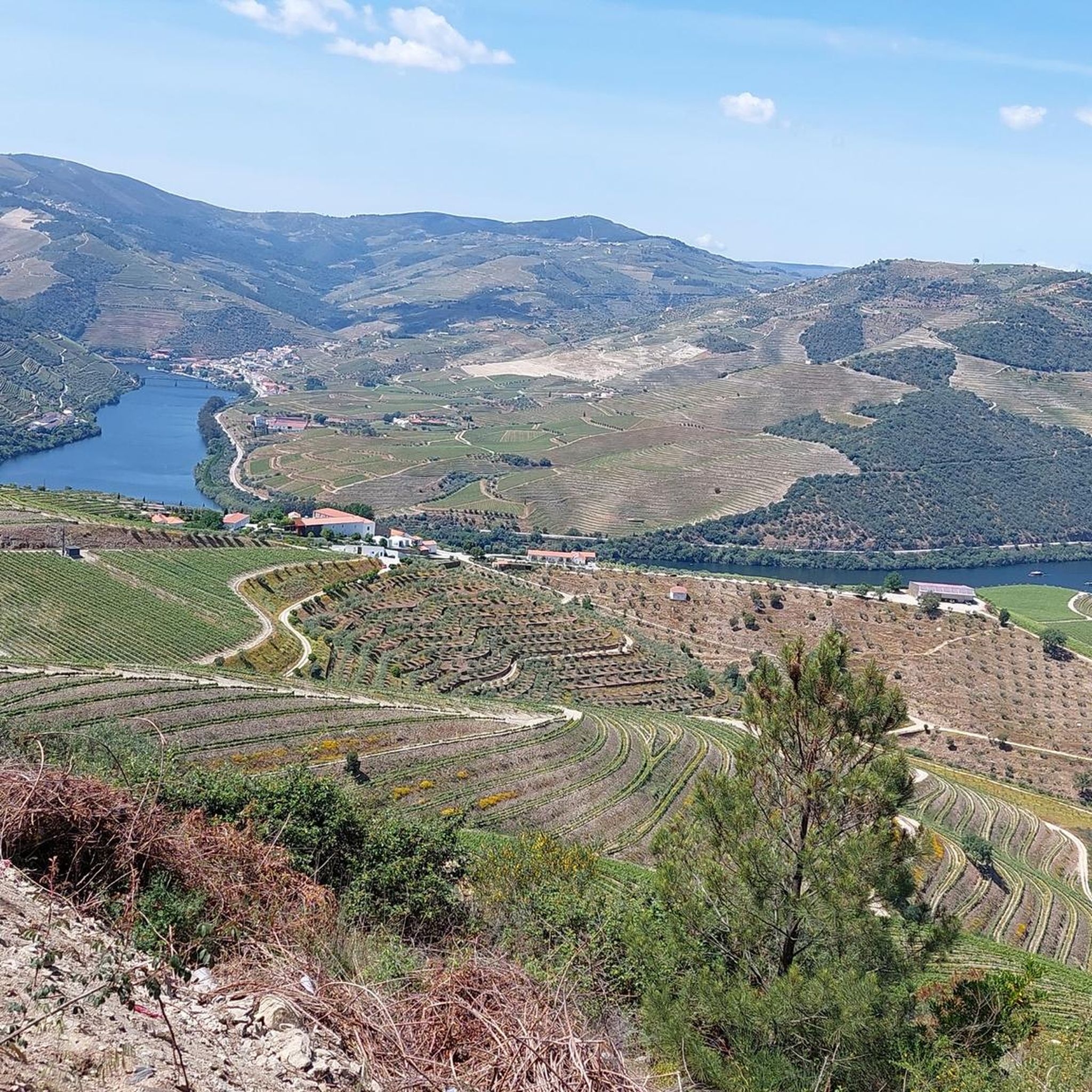
Touring cycling routes around Figueira De Castelo Rodrigo traverse a landscape characterized by river valleys, plateaus, and historical settlements. The region is shaped by the Côa, Douro, and Águeda rivers, offering varied terrain from riverbanks to elevated viewpoints. Cyclists can explore areas with abandoned farming lands, green meadows, and the distinctive features of the Riba Côa region, including the elevated Serra da Marofa.
Best touring cycling routes around Figueira De Castelo Rodrigo
- The most popular touring cycling route is Climb…
Last updated: July 6, 2026
4.0
(1)
4
riders
39.5km
02:55
940m
930m
Hard bike ride. Very good fitness required. Mostly paved surfaces. Suitable for all skill levels.
2
riders
27.2km
01:44
330m
330m
Moderate bike ride. Good fitness required. Mostly paved surfaces. Suitable for all skill levels.

Sign up for free
5.0
(1)
1
riders
22.0km
01:21
180m
180m
Moderate bike ride. Good fitness required. Mostly paved surfaces. Suitable for all skill levels.
4
riders
47.2km
02:56
480m
480m
Hard bike ride. Very good fitness required. Mostly paved surfaces. Suitable for all skill levels.
4.0
(1)
4
riders
43.5km
02:56
690m
690m
Hard bike ride. Very good fitness required. Mostly paved surfaces. Suitable for all skill levels.
Get access to more routes and recommendations from other explorers.
Sign up for free
Already have an account?
Our route recommendations are based on thousands of hikes, rides, and runs completed by other people on komoot.
Start today with a free account
Your next adventure awaits.
Login or Signup
Other adventures around Figueira De Castelo Rodrigo

Tips from the Community

Views of the Douro River from the Port of Saucelle (and its nearby viewpoints) Offers a sweeping view of the valley where the Huebra River flows into the Douro, including landmarks such as the Saucelle Dam, the village of Salto, and the Penedo Durão mountain. Located in an accessible area suitable for people with reduced mobility, it features benches and information panels.
4
0
What to see in Hinojosa de Duero Church of San Pedro 16th century, Gothic style with later renovations. Its Baroque altarpieces are particularly noteworthy. Hermitage of Christ of Mercy Located on San Pedro hill, with a 13th-century Romanesque carving and spectacular views. Monument to the Sacred Heart of Jesus Erected during the Second Republic, in the upper part of the town, surrounded by crosses and a Calvary. El Corralito and Plaza de la Constitución Former town hall meeting place, now a local gathering spot. Ethnographic Museum Collections on traditional life and local culture. Natural viewpoints Peña La Vela, Mirador del Contrabando, Cachón del Camaces, and Cachón de la Diabla offer unique views of the Duero River and the Arribes del Duero Natural Park.
3
0
Hinojosa de Duero is a charming village in the El Abadengo region (Salamanca), located right on the border with Portugal and within the Arribes del Duero Natural Park, making it an ideal destination for rural tourism, nature, and gastronomy. [turismocas.
3
0

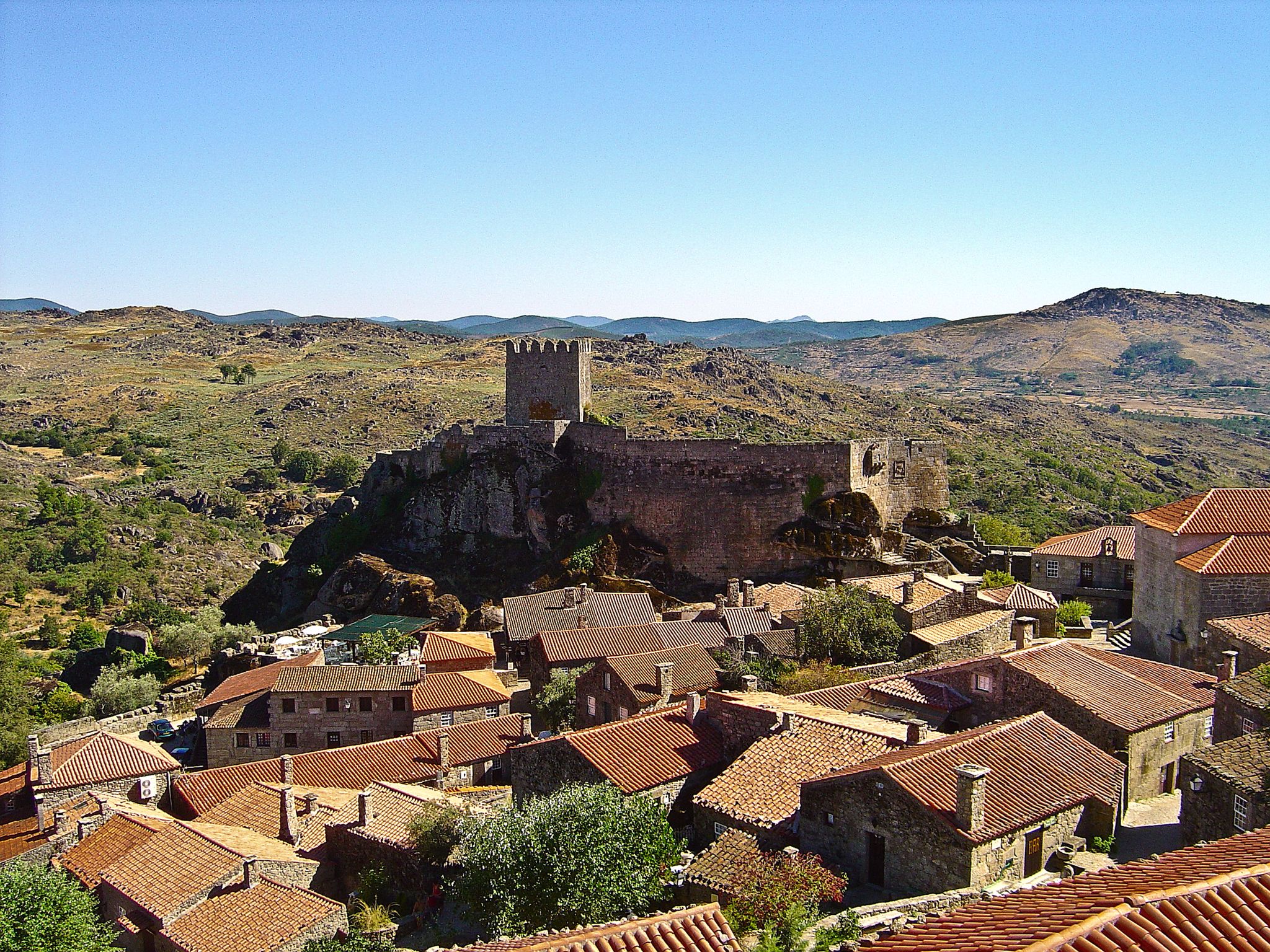
Castelo Rodrigo holds millennia of history, from Paleolithic and Roman remains to the Muslim presence in the castle. Conquered and reconquered between the 12th and 13th centuries, it became a town and municipality under King Alfonso IX of León and passed definitively to Portugal in 1297, when King Dinis rebuilt and repopulated the castle. Marked by wars, charters, and restorations, it welcomed pilgrims on their way to Santiago and remains today one of the twelve Historic Villages of Portugal.
3
0
At the entrance to Castelo Rodrigo, the Monastery of Santa Maria de Aguiar rises among chestnut trees, founded in 1174 by King Afonso Henriques and handed over to the Cistercian Order. From the sober church to the monks' quarters and the guesthouse loggia with its 1704 coat of arms, everything testifies to centuries of faith and hospitality for pilgrims to Santiago. Despite the damage caused by the French invasions and its abandonment in 1834, the monastery's former beauty remains intact.
2
0
Malpartida stands serenely on the border plain, preserving in its main church, with its romantic bell tower, the most visible trace of its memory. But the past here goes far beyond the stones: from the cave tombs of the Nave de Mouros to the ancient watchtower of the Restoration, from the echoes of the Castilian sack of 1762 to the fierce battle against the French in 1808. Even generals left their mark; Ney established his headquarters here, and Brenier boldly escaped the siege of Almeida. Malpartida is, therefore, a land where every stone tells of battles, losses, and exploits.
2
0
Almeida stands on the plateau like a table set for history: "Al-Mêda" was the name given to it by the Arabs. Previously, it had been a Lusitanian, Roman, and then Christian fort, conquered in 1190 and definitively Portuguese in 1297. Around the medieval castle grew the town, still marked by the Puerta do Sol. After the Restoration, the town transformed into a veritable war machine: the six-pointed star-shaped fortress, with bastions, ravelins, and underground galleries that served as both shelter and prison. It was the scene of decisive battles, devastated by the explosion of 1810 and contested in the liberal wars, always rising from the ruins.
3
0
Castelo Rodrigo is a village with a medieval soul, where time has left its deep marks: walls, stone streets and remains of an ancient community of New Christians. Surrounded by magnificent landscapes, from the Douro International Natural Park to the Côa Valley, passing through the Serra da Marofa and the Faia Brava Reserve, this village is an invitation to contemplation and to taste. Here, history is served at the table: Marofa lamb, octopus in migas or rice are flavors that count as much as the books.
2
0
Frequently Asked Questions
How many touring cycling routes are available in Figueira De Castelo Rodrigo?
There are over 10 touring cycling routes in Figueira De Castelo Rodrigo, catering to various skill levels. The komoot community has explored more than 30 of these routes, highlighting the region's diverse cycling opportunities.
What is the best time of year for touring cycling in Figueira De Castelo Rodrigo?
The spring months, particularly February and March, are ideal for touring cycling, as the almond trees burst into bloom, creating a spectacular display, especially around Barca d'Alva. The weather is generally pleasant for cycling during spring and early autumn.
Are there touring cycling routes suitable for beginners in Figueira De Castelo Rodrigo?
Yes, Figueira De Castelo Rodrigo offers routes suitable for beginners. While many routes are moderate or difficult, there is at least one easy touring cycling route available, allowing less experienced cyclists to enjoy the region's beauty at a comfortable pace.
What kind of terrain can I expect on touring cycling routes in Figueira De Castelo Rodrigo?
The terrain varies significantly, from river valleys along the Côa, Douro, and Águeda rivers to elevated plateaus and the impressive Serra da Marofa. You'll encounter a mix of abandoned farming areas, green meadows, and historical paths, offering diverse landscapes and challenges.
What historical landmarks can I explore while cycling in Figueira De Castelo Rodrigo?
The region is rich in history. You can cycle through the Historic Village of Castelo Rodrigo, explore its medieval streets, and visit monuments like the Cristóvão de Moura Palace. Other notable sites include the majestic Monastery of Santa Maria de Aguiar and the Historic Village of Almeida, which you can visit on routes like the Green Route of Almeida — Historic Villages of Portugal.
Are there any scenic viewpoints along the touring cycling routes?
Absolutely. The Serra da Marofa, reaching 977 meters, offers breathtaking panoramic views of vineyards and fields. You can also find stunning vistas from Alto da Sapinha and admire the majestic Douro River from Barca d'Alva. The Peña de la Vela Viewpoint is another excellent spot for scenic views.
What natural features can I discover on a touring cycling trip in this region?
Cyclists can explore the Côa River Valley, known for its diverse landscapes and plateaus. The region is also home to the Faia Brava Reserve, Portugal's only protected Nature Reserve of its kind, offering unique natural beauty. Don't miss the spectacular almond blossoms in spring, especially around Barca d'Alva.
Are there circular touring cycling routes available in Figueira De Castelo Rodrigo?
Yes, there are circular touring cycling routes. For example, the Climb to Salto de Saucelle — circular route via Hinojosa de Duero offers a challenging loop through the landscape. Another option is the Almeida Castle – Castelo Rodrigo Village loop from Castelo Rodrigo, which connects two historic sites.
What do other touring cyclists enjoy most about cycling in Figueira De Castelo Rodrigo?
The area is highly rated by the komoot community, with an average score of 5.0 stars. Cyclists often praise the region's blend of historical sites, such as the Historic Village of Castelo Rodrigo, and its diverse natural beauty, including river valleys and elevated viewpoints like Serra da Marofa.
Are there any long-distance touring cycling routes that pass through Figueira De Castelo Rodrigo?
Yes, sections of the Grande Rota do Vale do Côa (GRVC), a 200 km linear trail, pass through the region, offering an immersive journey along the Côa River. Additionally, the 'Grande Percurso Ciclável das Aldeias Históricas de Portugal' connects Castelo Rodrigo with other historic villages, making it suitable for longer touring adventures.
Is it possible to combine cycling with exploring other attractions in the area?
Absolutely. Many routes are designed to pass by or near significant attractions. For instance, you can cycle to the Almeida Castle or the Real Fuerte de la Concepción. The region's rich history and natural beauty, including the Côa River and the Douro, are integral parts of the cycling experience.
Where can I find parking for touring cycling routes in Figueira De Castelo Rodrigo?
Parking is generally available in and around the main towns and villages, such as Figueira de Castelo Rodrigo itself, Castelo Rodrigo, and Almeida. Specific starting points for routes often have designated parking areas, though it's always advisable to check local signage upon arrival.
Most popular routes around Figueira De Castelo Rodrigo
Most popular attractions around Figueira De Castelo Rodrigo

Get inspired with the komoot mobile app


Explore more
Browse the best Cycling routes in other regions.
