The best traffic-free bike rides around Figueira De Castelo Rodrigo
5.0
(1)
247
riders
4
rides
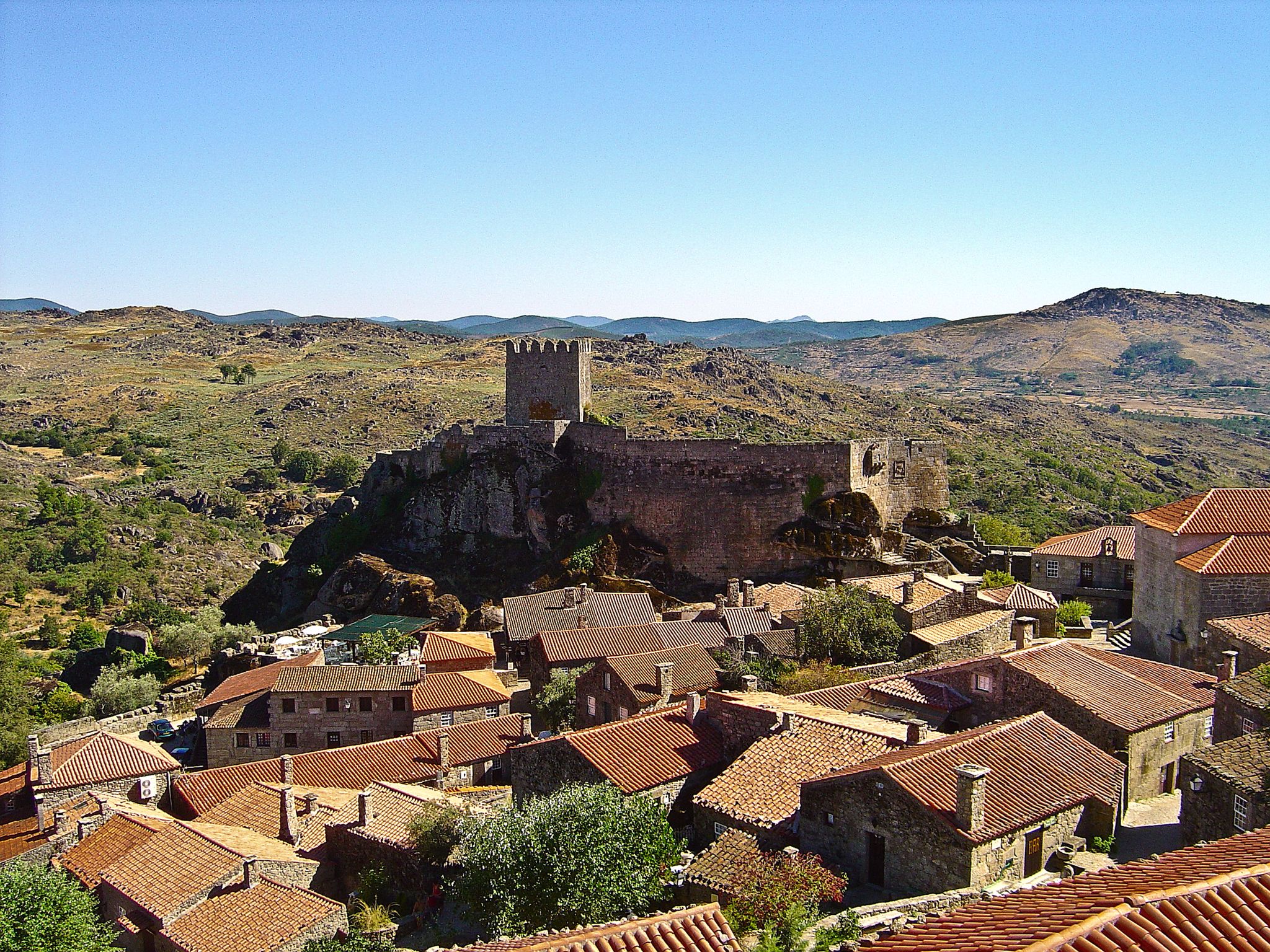
Road cycling around Figueira De Castelo Rodrigo offers diverse landscapes for exploration, primarily on paved surfaces. The region is characterized by rolling hills and pine-wood forests, providing varied terrain for cyclists. Situated near the Côa River and bordering Spain via the Águeda River, the area features scenic routes through historical villages and natural parks. These routes often include moderate climbs and descents, catering to different fitness levels.
Best no traffic road cycling routes around Figueira De Castelo Rodrigo
- The most popular no traffic road cycling route is Río Turones, Fuerte de la Concepción e Ponte Romana Malpartida — circular por ele Zona de Proteção Especial do Douro Internacional e Vale do Rio Águeda, a 46.0 miles (74.1 km) moderate trail that takes 3 hours 16 minutes to complete. This route traverses the Douro International Natural Park, offering views of the river and historical fortifications.
- Another top favourite among local road cyclists is Hinojosa de Duero – Hinojosa de Duero loop from Sobradillo, a difficult 52.4 miles (84.3 km) path. This challenging route features significant elevation gain through varied terrain.
- Local road cyclists also love the Mata de Lobos loop from Roger Bar, a 25.8 miles (41.5 km) trail leading through rolling hills and rural landscapes, often completed in about 1 hour 49 minutes.
- Road cycling around Figueira De Castelo Rodrigo is defined by rolling hills, pine-wood forests, and the Côa Valley. The network offers options for different ability levels, from moderate loops to more difficult, longer distances.
- The routes in Figueira De Castelo Rodrigo are highly rated by the komoot community with an average score of 5.0 stars from 1 review. More than 160 road cyclists have used komoot to explore Figueira De Castelo Rodrigo's varied terrain.
Last updated: July 7, 2026
1
riders
Moderate road ride. Good fitness required. Mostly well-paved surfaces and easy to ride.
5
riders
84.4km
04:10
1,160m
1,160m
Hard road ride. Very good fitness required. Mostly well-paved surfaces and easy to ride.

Sign up for free
3
riders
41.5km
01:49
390m
390m
Moderate road ride. Good fitness required. Mostly well-paved surfaces and easy to ride.
2
riders
95.4km
04:29
1,210m
1,210m
Hard road ride. Very good fitness required. Some segments of this route may be unpaved and difficult to ride.
Our route recommendations are based on thousands of hikes, rides, and runs completed by other people on komoot.
Start today with a free account
Your next adventure awaits.
Login or Signup
Popular around Figueira De Castelo Rodrigo

Other adventures around Figueira De Castelo Rodrigo

Tips from the Community

Hinojosa de Duero is a charming village in the El Abadengo region (Salamanca), located right on the border with Portugal and within the Arribes del Duero Natural Park, making it an ideal destination for rural tourism, nature and gastronomy.
3
0
What to see in Hinojosa de Duero Church of San Pedro 16th century, Gothic style with later renovations. Its Baroque altarpieces are particularly noteworthy. Hermitage of Christ of Mercy Located on San Pedro hill, with a 13th-century Romanesque carving and spectacular views. Monument to the Sacred Heart of Jesus Erected during the Second Republic, in the upper part of the town, surrounded by crosses and a Calvary. El Corralito and Plaza de la Constitución Former town hall meeting place, now a local gathering spot. Ethnographic Museum Collections on traditional life and local culture. Natural viewpoints Peña La Vela, Mirador del Contrabando, Cachón del Camaces, and Cachón de la Diabla offer unique views of the Duero River and the Arribes del Duero Natural Park.
2
0
Hinojosa de Duero is a charming village in the El Abadengo region (Salamanca), located right on the border with Portugal and within the Arribes del Duero Natural Park, making it an ideal destination for rural tourism, nature, and gastronomy. [turismocas...ayleon.com], [pte.es]
1
0
What to see in Hinojosa de Duero Church of San Pedro 16th century, Gothic style with later renovations. Its Baroque altarpieces are particularly noteworthy. Hermitage of Christ of Mercy Located on San Pedro hill, with a 13th-century Romanesque carving and spectacular views. Monument to the Sacred Heart of Jesus Erected during the Second Republic, in the upper part of the town, surrounded by crosses and a Calvary. El Corralito and Plaza de la Constitución Former town hall meeting place, now a local gathering spot. Ethnographic Museum Collections on traditional life and local culture. Natural viewpoints Peña La Vela, Mirador del Contrabando, Cachón del Camaces, and Cachón de la Diabla offer unique views of the Duero River and the Arribes del Duero Natural Park.
3
0
Hinojosa de Duero is a charming village in the El Abadengo region (Salamanca), located right on the border with Portugal and within the Arribes del Duero Natural Park, making it an ideal destination for rural tourism, nature, and gastronomy. [turismocas.
3
0

Mata de Lobos, mentioned since 1165, preserves centuries of history and battles. The Chapel of Santa Marinha, a former parish church linked to the Order of Christ, and the main church, expanded in 1759 with a separate bell tower, are the religious heart of the village. In the Salgadela field stands the Padrão de Pedro Jacques de Magalhães, a memorial to the 1664 battle against the Spanish. Ancient graves, a fountain, and wine presses complete the portrait of a parish that preserves its past and devotion.
2
0
At the entrance to Castelo Rodrigo, the Monastery of Santa Maria de Aguiar rises among chestnut trees, founded in 1174 by King Afonso Henriques and handed over to the Cistercian Order. From the sober church to the monks' quarters and the guesthouse loggia with its 1704 coat of arms, everything testifies to centuries of faith and hospitality for pilgrims to Santiago. Despite the damage caused by the French invasions and its abandonment in 1834, the monastery's former beauty remains intact.
2
0

The viewpoint of Cachón del Camaces allows you to observe this beautiful waterfall near the mouth of the Huebra river in the middle of the Arribes del Duero natural park.
1
0
Frequently Asked Questions
How many no-traffic road cycling routes are available in Figueira de Castelo Rodrigo?
There are 4 dedicated no-traffic road cycling routes listed in this guide for Figueira de Castelo Rodrigo, offering a variety of distances and challenges for cyclists.
What are the difficulty levels of the no-traffic road cycling routes?
The routes in this guide range from moderate to difficult. You'll find 2 moderate routes, such as the Río Turones, Fuerte de la Concepción e Ponte Romana Malpartida, and 2 difficult routes, like the challenging Olmedo de Camaces – Alto de la Jana Road loop from Sobradillo.
Are there any long-distance no-traffic road cycling options?
Yes, for those seeking longer rides, routes like the Olmedo de Camaces – Alto de la Jana Road loop from Sobradillo cover approximately 95 km, and the Hinojosa de Duero – Hinojosa de Duero loop from Sobradillo is around 84 km, providing extensive no-traffic cycling experiences.
What kind of landscapes and natural features can I expect to see on these routes?
The region is characterized by picturesque rolling hills and pine-wood forests. Many routes offer views of the Coa River and the border with Spain, formed by the Águeda River. You'll also traverse areas near the Natural Park of Douro International and the Archaeological Park of Vale do Côa, both UNESCO World Heritage sites.
What historical landmarks or attractions can I visit along the no-traffic routes?
You can explore several historical sites. The Río Turones, Fuerte de la Concepción e Ponte Romana Malpartida route passes near the Real Fuerte de la Concepción. Other nearby attractions include the Almeida Castle and the Castelo Rodrigo Discovery Trail, offering glimpses into the region's rich history.
Are there any scenic viewpoints along the no-traffic road cycling routes?
Yes, the region offers stunning vistas. While specific viewpoints on the no-traffic routes are not detailed, the general area, especially near the Douro International Natural Park, is known for its scenic beauty. The Peña de la Vela Viewpoint is a notable highlight in the broader area.
What is the best time of year for no-traffic road cycling in Figueira de Castelo Rodrigo?
Spring and autumn generally offer the most pleasant weather for cycling, with milder temperatures and less extreme heat than summer. These seasons are ideal for enjoying the landscapes without the intense summer sun, though the region can be cycled year-round.
Is public transport available for cyclists in the Guarda district?
While the region is excellent for cycling, specific information on public transport options that accommodate bicycles directly within the Guarda district for these routes is limited. It's advisable to check local bus or train services for their bike policies if you plan to use public transport for access.
Where can I find parking for these no-traffic road cycling routes?
Many of the routes start from or pass through villages like Sobradillo or near points of interest where parking is typically available. For example, routes like the Hinojosa de Duero loop start from Sobradillo, where you can usually find suitable parking spots.
Are there any cafes or places to stop for refreshments along the routes?
The routes often pass through or near small villages where you can find local cafes or taverns to refuel. For instance, the Mata de Lobos loop starts from Roger Bar, indicating local amenities are present. It's always a good idea to carry sufficient water and snacks, especially on longer stretches.
What do other road cyclists enjoy most about cycling in Figueira de Castelo Rodrigo?
The area is highly rated by the komoot community, with an average score of 5.0 stars. Reviewers often praise the tranquility of the no-traffic roads, the stunning historical villages, and the diverse landscapes that make for a rewarding cycling experience.
Most popular attractions around Figueira De Castelo Rodrigo

Get inspired with the komoot mobile app


Explore more
Browse the best Road cycling routes in other regions.
