Top 3 Natural Monuments around Niedermorschweiler
Best natural monuments around Niedermorschweiler are situated within the broader Alsace region, known for its diverse natural scenery including mountains, meadows, and forests. This area offers various natural attractions and scenic landscapes, providing opportunities for outdoor activities. The topography around Niedermorschweiler features rolling hills and agricultural beauty, characteristic of the Alsace Wine Route. Visitors can explore a range of natural features, from historic springs to a protected lake.
Best natural monuments around Niedermorschweiler
- The most popular natural monuments is Michelbach…
Last updated: November 1, 2026
Michelbach Lake
Highlight • Lake
Translated by Google •
Tip by

Steinbach Square
Highlight • Natural Monument
Translated by Google •
Tip by

Sign up now to discover places like this
Get recommendations on the best single tracks, peaks, & plenty of other exciting outdoor places.
Source Hagendorn
Highlight • Natural Monument
Showing Translation
Tip by

Ziehlbrunnen Spring
Highlight • Natural Monument
Translated by Google •
Tip by
Liberty Lime Tree (1792)
Highlight • Natural Monument
Translated by Google •
Tip by

Start today with a free account
Your next adventure awaits.
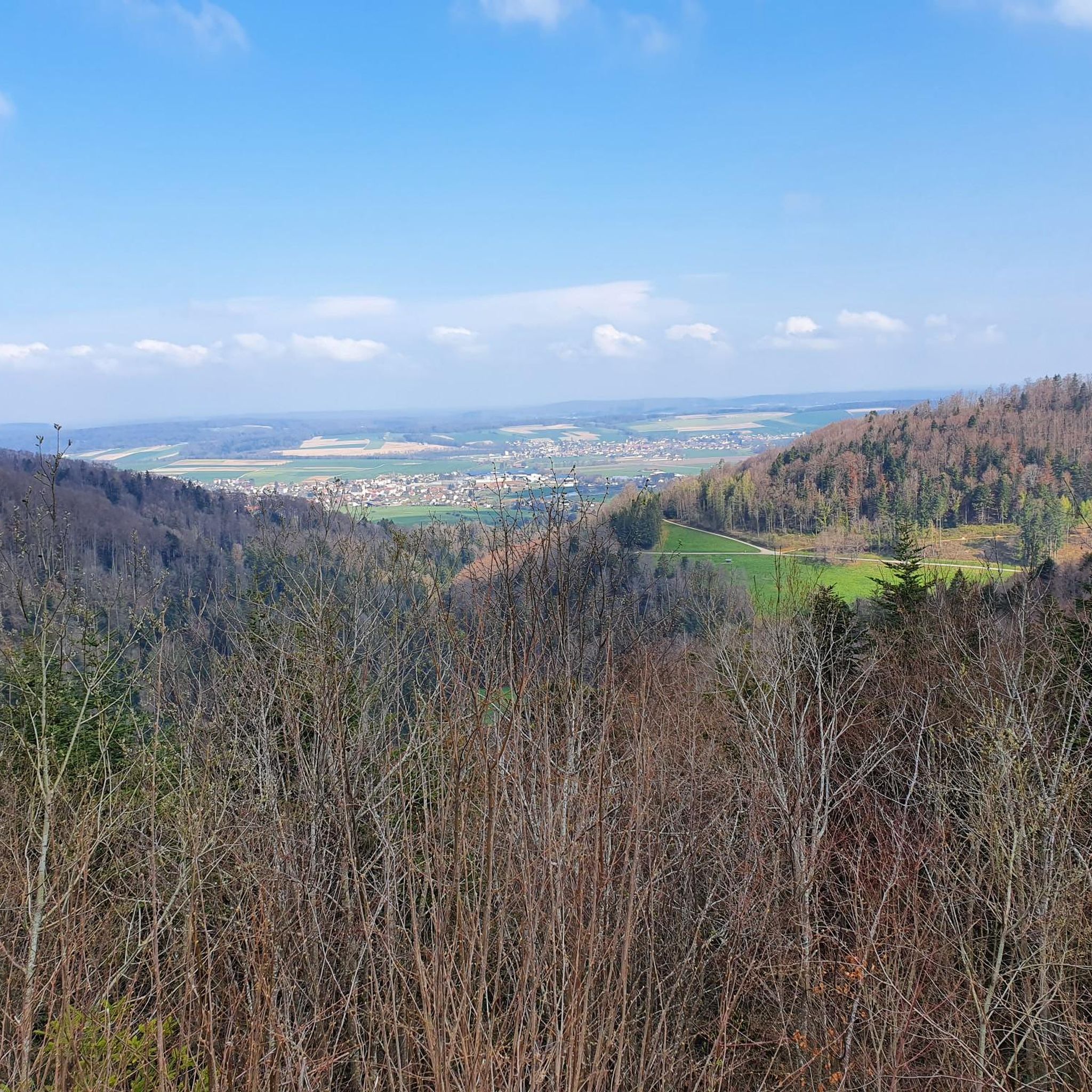
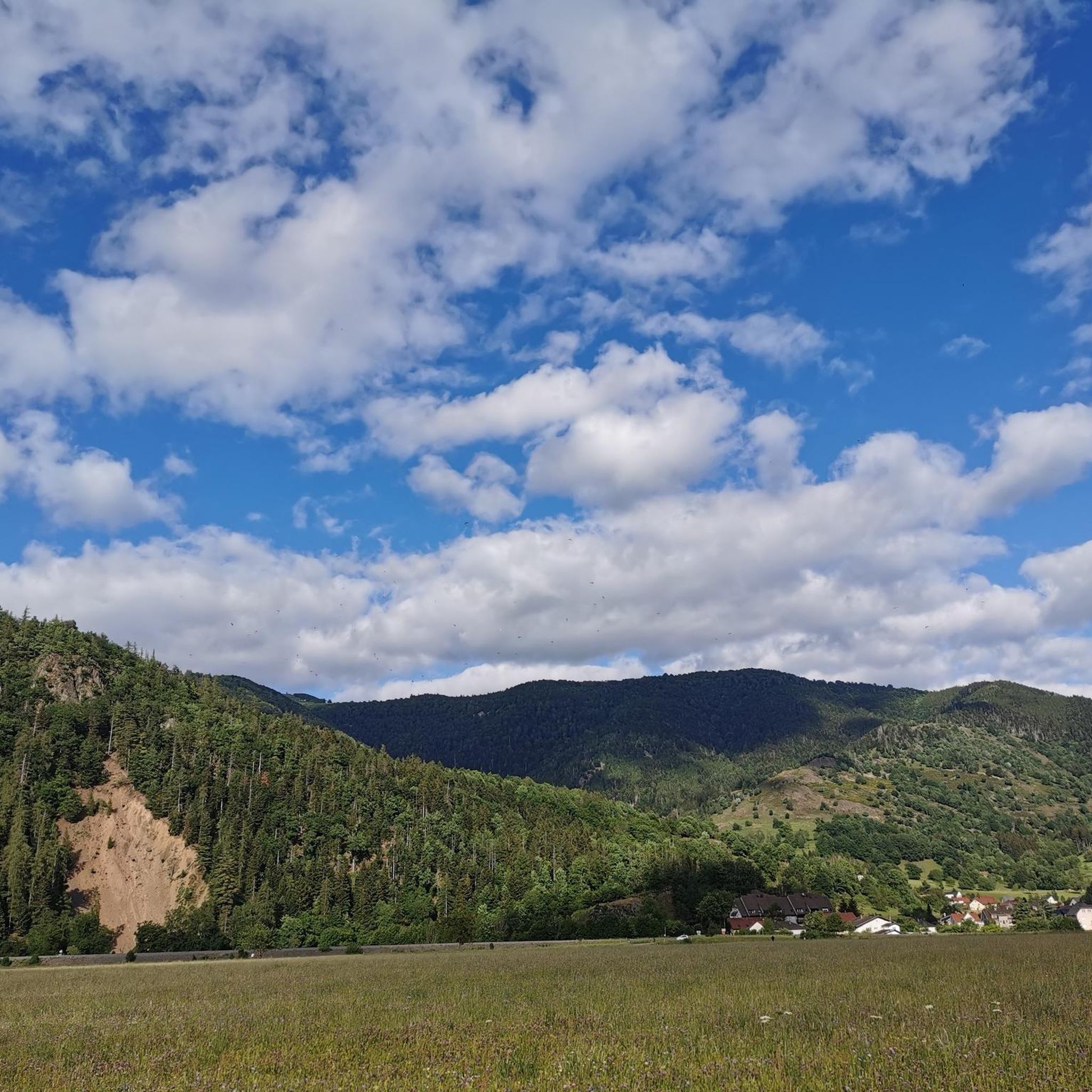
Tips from the Community

During the First World War, this spring was part of the German fortifications. It was redeveloped in 1931, recalling the town's military past and how water was supplied there. It is one of the points of interest on the Bunker Trail.
1
0

Magnificent multi-stemmed, centuries-old lime tree
0
0

Hagendorn Spring The Hagendorn spring near Burnhaupt-le-Bas is a very old and particularly abundant spring. Its name has been documented as a field name since 1412. The name „Hagendorn“ probably refers to a place overgrown with hawthorn. The place name Burnhaupt is also likely connected to the old word for „spring“ or „well“. The spring gained particular significance for the history of the place during the First World War. After the stabilization of the front in Upper Alsace, the German-French front ran approximately along the line Cernay – Pont d’Aspach – Ammerzwiller. East of or in the vicinity of this front line, German troops erected numerous concrete shelters, observation posts, and artillery positions. German fortifications were also built at the Hagendorn spring. Traces of the fortification from that time can still be recognized there today, including concrete components. The spring was thus part of a larger military system of positions that the German troops used during trench warfare. Numerous other shelters and observation posts from that period can be discovered along the current Sentier des Bunkers. The spring itself was rebuilt or redesigned in 1931. The current structure partially covers the preserved remains of the wartime fortification underneath. Thus, the Hagendorn spring connects two very different aspects of the place's history: a centuries-old water supply and the military landscape of the First World War. Today, the spring is station 18 of the Sentier des Bunkers, an approximately nine-kilometer-long historical circular trail through the former front landscape of Burnhaupt-le-Bas. https://burnhaupt-le-bas.fr/sentier-des-bunkers/?utm_source=chatgpt.com
0
1


Near Mulhouse, in the countryside, this tree is worth the detour during a bike ride!
0
0

Built from 1979 to 1982, the dam regulates the water table and ensures the supply of drinking water to the Mulhouse conurbation and its surroundings. It is a protected place, classified as an approved voluntary nature reserve. The Mulhouse water service and the joint syndicate of the Michelbach dam ensure the management and operation of the infrastructures. A 4km pedestrian circuit (about 1h30 walk) allows, thanks to educational panels, to discover and observe many species of birds that nest there or are passing through (cormorant, osprey, crow, etc.). On the horizon stand out the peaks of the Vosges such as the Rossberg, the Thannerhubel, the Markstein or the Grand Ballon. Guided tours are organized in summer by the Tourist Office of Thann-Cernay.
0
0

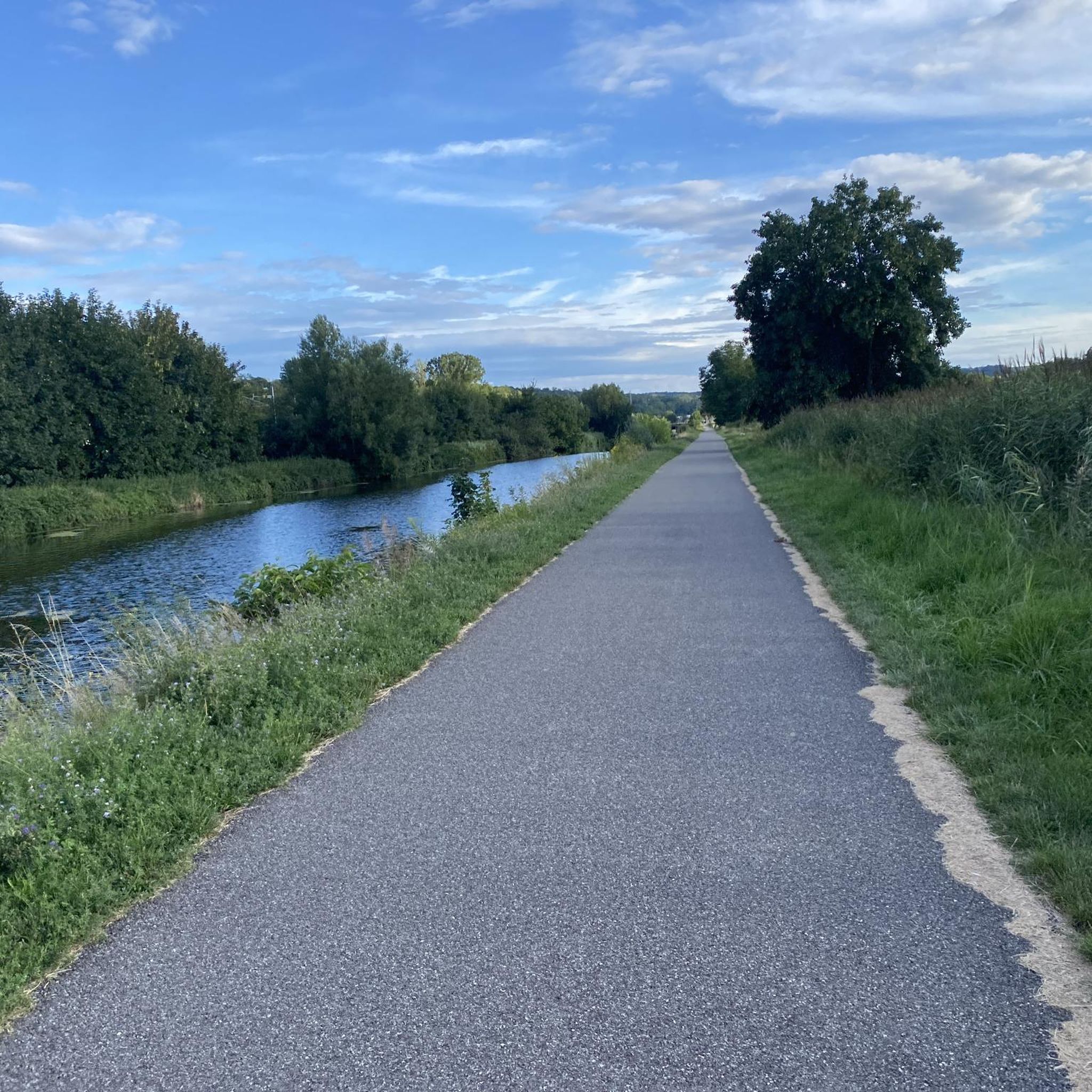
The source is not flowing today. Trees block bike access on the last few meters.
0
0
Frequently Asked Questions
What kind of natural monuments can I explore around Niedermorschweiler?
While Niedermorschweiler itself might not have widely documented natural monuments, the surrounding Alsace region offers diverse natural beauty. You can discover serene lakes like Michelbach Lake, historic springs such as Source Hagendorn, and ancient trees like the Liberty Lime Tree (1792). The broader area also features picturesque landscapes, including parts of the Parc naturel régional des Ballons des Vosges.
Are there family-friendly natural monuments in the area?
Yes, several spots are suitable for families. Michelbach Lake is a great option, offering a 4km pedestrian circuit with educational panels for birdwatching. Steinbach Square, though a restructured park, provides a green oasis where families can gather and picnic. The Liberty Lime Tree (1792) is also a pleasant, easy-to-access natural feature.
What historical natural sites can I visit near Niedermorschweiler?
The region has natural sites with interesting historical connections. The Source Hagendorn played a role in German fortifications during the First World War, with traces still visible today. It's part of the 'Sentier des Bunkers' historical trail. Additionally, the Liberty Lime Tree (1792) stands as a centuries-old natural monument with historical significance.
What outdoor activities can I do near these natural monuments?
The area around Niedermorschweiler is excellent for various outdoor activities. You can enjoy hiking on routes like the 'Oelenberg Abbey – Reiningue - Reiningue Lake loop' or 'Bois des Philosophes loop'. For cycling, options include the 'Blue drawbridge Zillisheim – Illfurth lock loop' or the 'Ammertzwiller – Schweighouse - Reiningue loop'. Road cyclists can tackle more challenging routes such as the 'Ballon d'Alsace' loop. Find more details on these activities in our guides for hiking, touring cycling, and road cycling around Niedermorschweiler.
Are there any natural springs where I can refresh myself?
Yes, you can visit the Ziehlbrunnen Spring. It's a good spot to take a break and enjoy its fresh water, though sometimes the flow can vary. Another notable spring is the historic Source Hagendorn, which is particularly abundant and has historical significance.
What is the best time of year to visit the natural monuments around Niedermorschweiler?
The best time to visit for outdoor activities and to enjoy the natural beauty is generally from spring to autumn (April to October). During these months, the weather is usually pleasant for hiking, cycling, and exploring the landscapes of the Alsace region, including the Parc naturel régional des Ballons des Vosges and the scenic Alsace Wine Route.
Are there opportunities for birdwatching or wildlife observation?
Yes, Michelbach Lake is a protected voluntary nature reserve known for birdwatching. A 4km pedestrian circuit around the lake offers educational panels to help you discover and observe many species of birds that nest there or are passing through, such as cormorants and ospreys.
What are the difficulty levels of exploring these natural monuments?
Most natural monuments like Michelbach Lake and the Liberty Lime Tree (1792) are easily accessible and suitable for all ages. Some, like the Source Hagendorn and Ziehlbrunnen Spring, are categorized as intermediate, often requiring a moderate walk or being part of a longer trail. Always check the specific route details if you plan to combine your visit with a hike.
Can I bring my dog to the natural monuments?
While specific regulations for each site may vary, generally, dogs are welcome on trails and in natural areas in the Alsace region, provided they are kept on a leash. For places like Michelbach Lake, it's advisable to keep dogs under control, especially in areas with wildlife. Always clean up after your pet.
Where can I find scenic viewpoints near Niedermorschweiler?
While specific viewpoints for natural monuments aren't detailed, the broader Alsace region, particularly the Parc naturel régional des Ballons des Vosges, offers numerous scenic vistas. From the 4km circuit around Michelbach Lake, you can see the peaks of the Vosges, including the Rossberg, Thannerhubel, Markstein, and Grand Ballon.
Are there any circular walks that include natural monuments?
Yes, for example, the Source Hagendorn is a station on the 'Sentier des Bunkers', an approximately nine-kilometer-long historical circular trail through the former front landscape of Burnhaupt-le-Bas. The 4km pedestrian circuit around Michelbach Lake also offers a pleasant circular walk.
Most popular routes around Niedermorschweiler
Most popular attractions around Niedermorschweiler

Get inspired with the komoot mobile app


Explore more
Extend your search for the best caves by checking out these guides of the top ones around Niedermorschweiler:
