Storrington And Sullington
Storrington And Sullington
Top 14 Natural Monuments around Storrington And Sullington
Best natural monuments around Storrington And Sullington include a variety of historical sites, viewpoints, and natural features. The area, nestled in West Sussex, offers diverse landscapes within the South Downs National Park. Visitors can explore more than 10 natural monuments, ranging from ancient hillforts to significant rewilding projects. This region provides opportunities for walking and observing local flora and fauna.
Best natural monuments around Storrington And Sullington
- The most popular natural monuments is Chanctonbury Ring hillfort, a historical site that is a late Bronze or early Iron Age hillfort. It offers views over the South Downs countryside and is known for its prominent beech trees.
- Another must-see spot is Cissbury Ring, an Iron Age hill fort in the South Downs National Park. This site is home to a variety of flora and fauna, including rare species of orchids and butterflies, and provides views over the English Channel.
- Visitors also love Cissbury Ring Hill Fort, the largest hill fort in Sussex. From its summit, visitors can see views over the countryside towards Brighton and the chalk cliffs of the coast.
- Storrington And Sullington is known for historical sites, viewpoints, and other natural features. The area offers a variety of natural monuments to see and explore, including ancient hillforts, rewilding landscapes, and significant natural reserves.
- The natural monuments around Storrington And Sullington are appreciated by the komoot community, with more than 350 upvotes and 100 photos.
Last updated: June 29, 2026
Chanctonbury Ring hillfort
Highlight • Historical Site
Tip by

Cissbury Ring Hill Fort
Highlight • Historical Site
During spring and autumn you are able to observe a wide variety of migratory birds here as Cissbury is one of the first coastal landing points. The fort is managed by the National Trust and is accessible at any time, free of charge.
Tip by
Sign up now to discover places like this
Get recommendations on the best single tracks, peaks, & plenty of other exciting outdoor places.
Sign up for free
Burton Mill Pond and Mill
Highlight • Historical Site
Tip by

Cissbury Ring
Highlight • Historical Site
The site is home to a variety of flora and fauna, including rare species of orchids and butterflies. The hill fort is a designated Site of Special Scientific Interest (SSSI) and is managed by the National Trust.
From the base of the hill, there's a footpath that leads to a trig point at the top. There are stunning views over the English Channel and as far as The Isle of Wight. It's worth dismounting and walking up the hill, as you'll also see resident ponies from the New Forest grazing across the area.
Tip by

Chantry Hill
Highlight • Viewpoint
Tip by
Sign up for free to discover even more natural monuments around Storrington And Sullington.
Sign up for free
Already have an account?
Start today with a free account
Your next adventure awaits.
Login or Signup
Popular around Storrington And Sullington
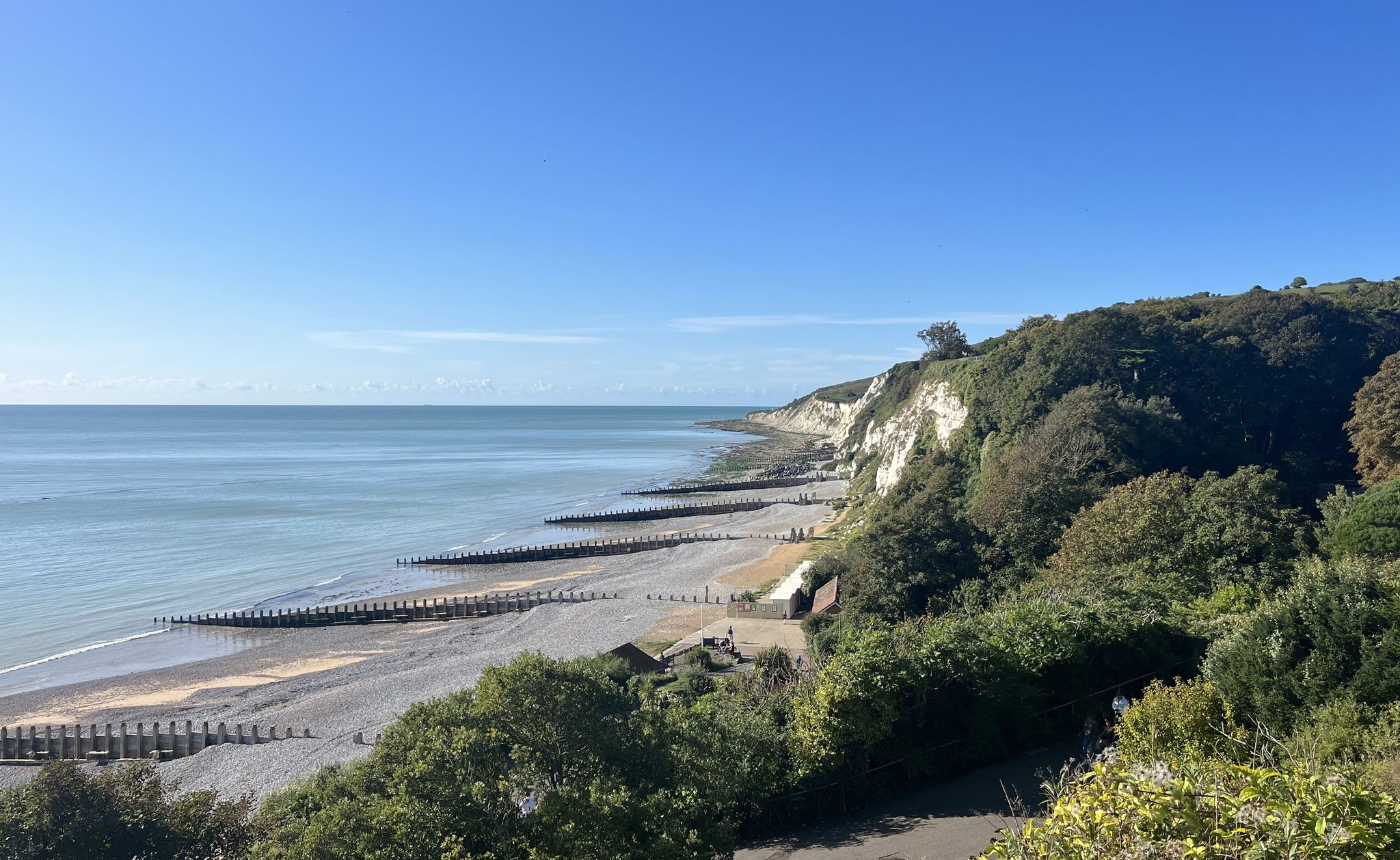
South Downs National Park – A Walk in the Parks
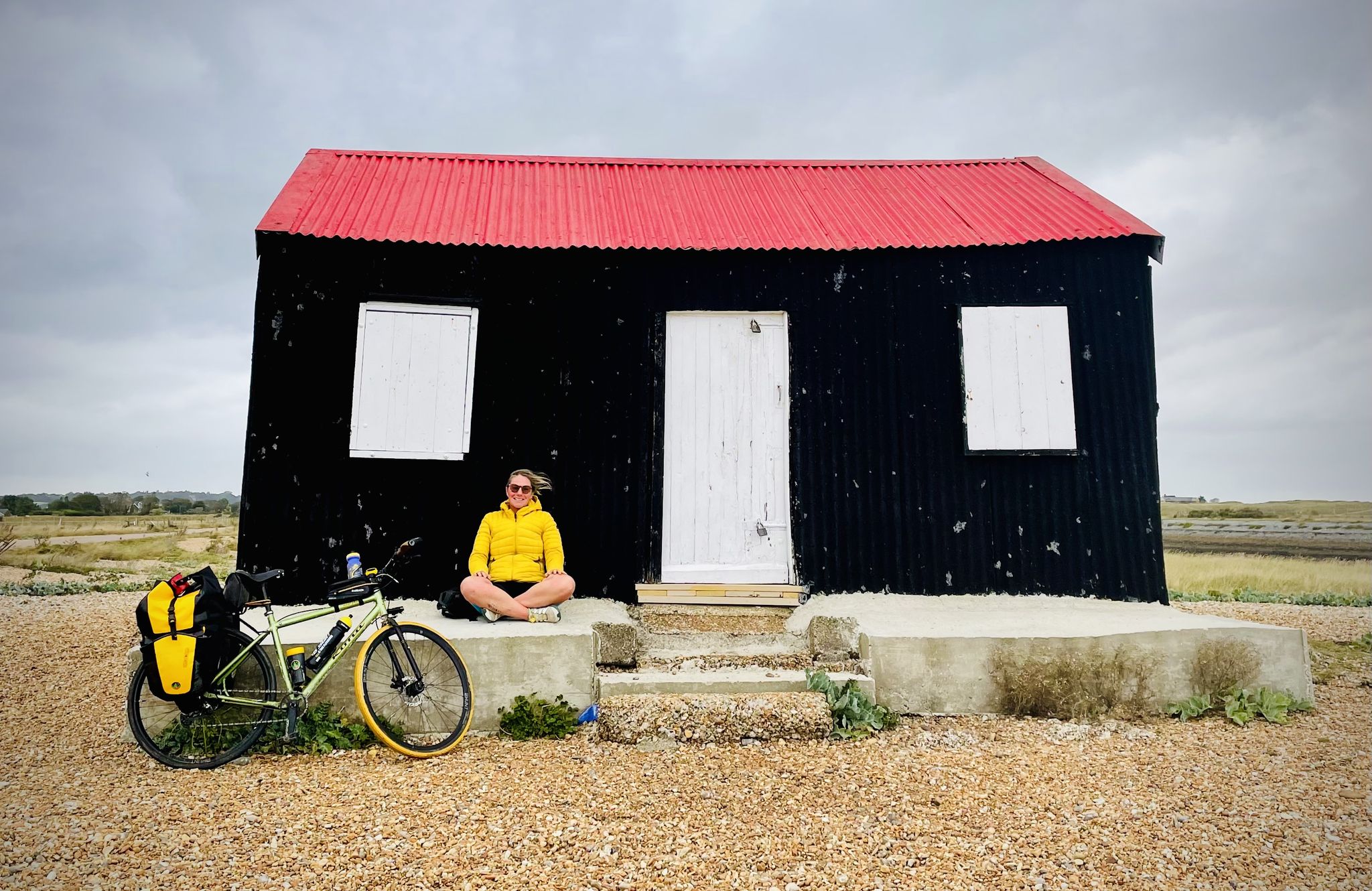
Sussex 1000 — A bikepacking adventure from Hammer to Camber
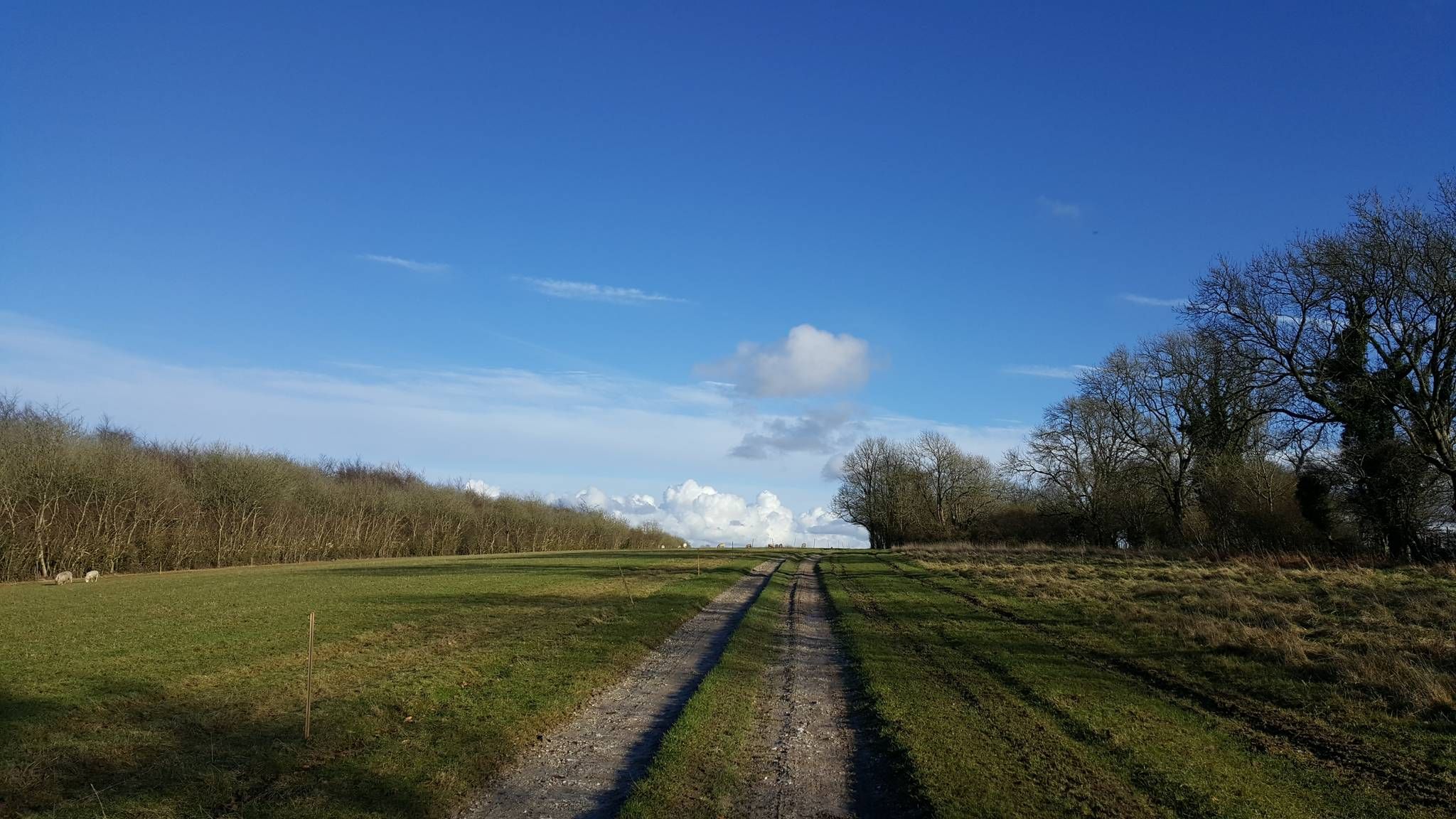
The hill seeker's chalky white dream — South Downs 300
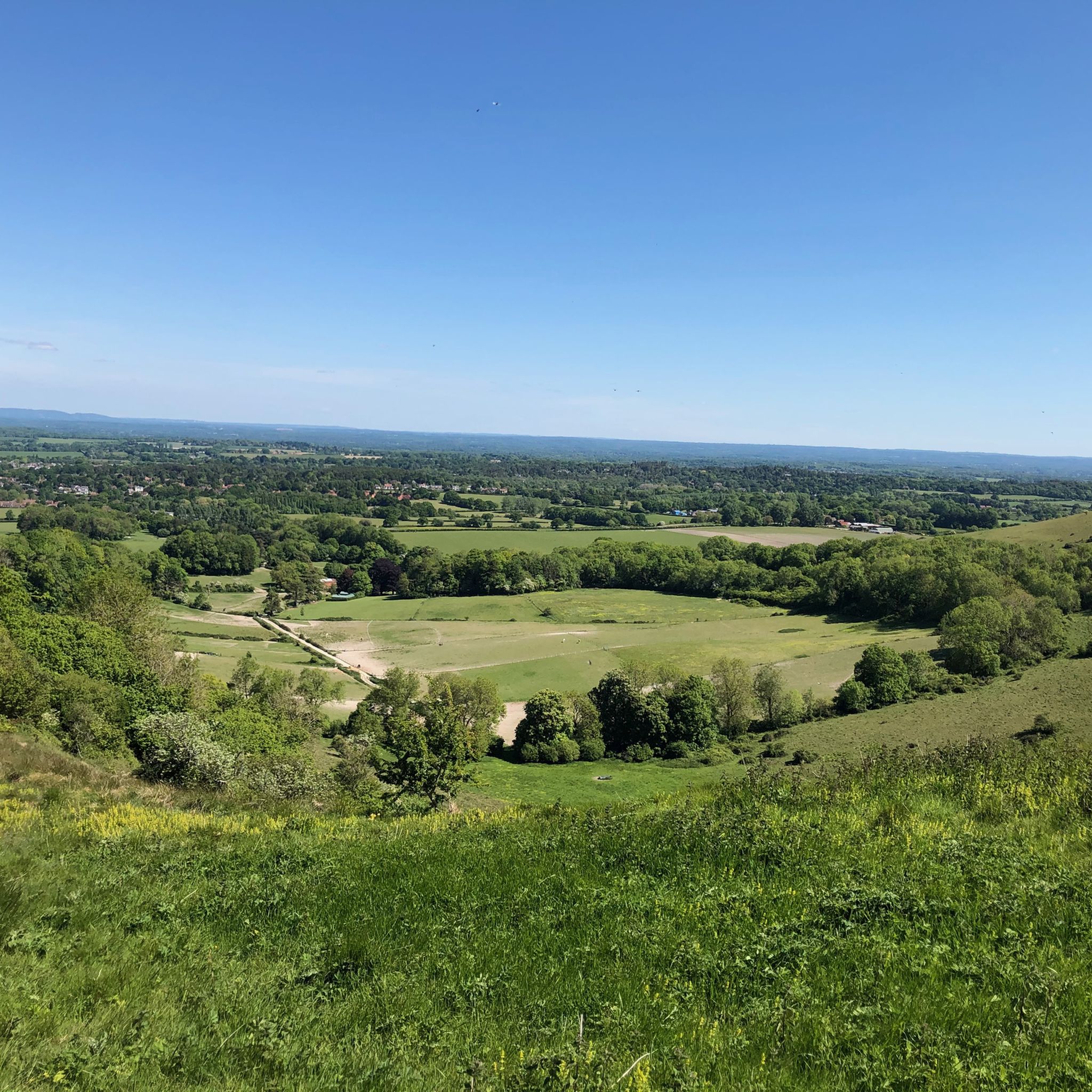
Hiking around Storrington And Sullington
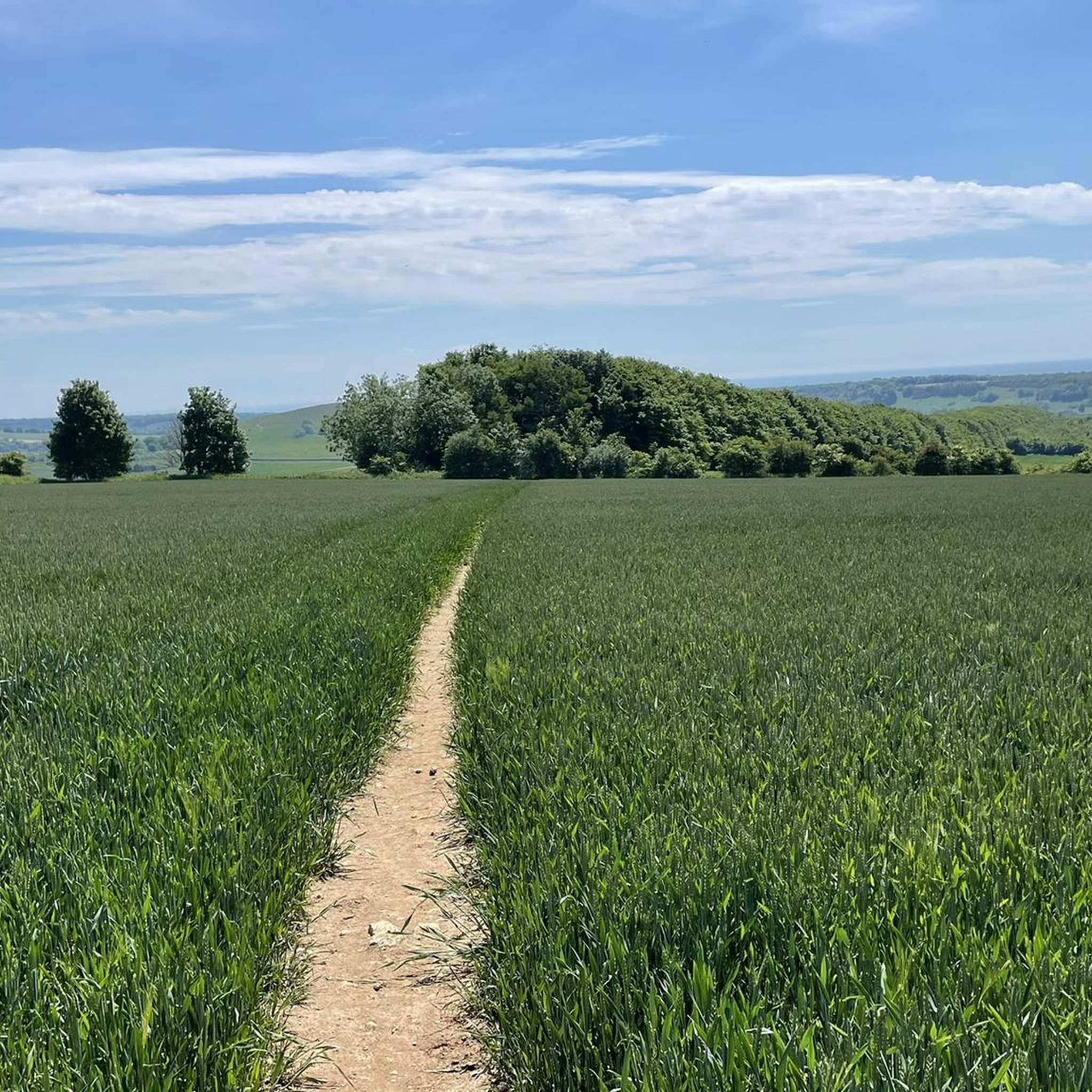
Running Trails around Storrington And Sullington
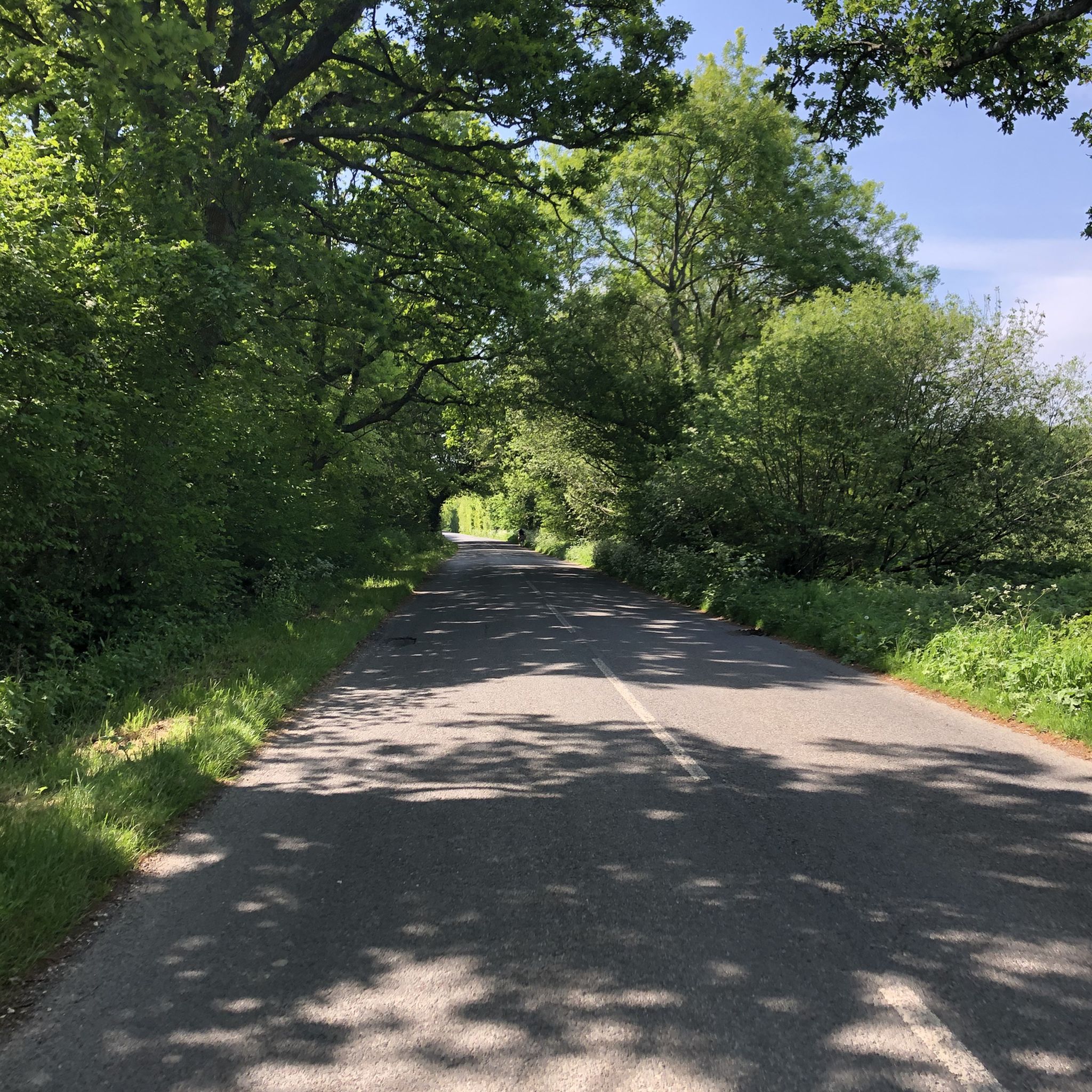
Road Cycling Routes around Storrington And Sullington
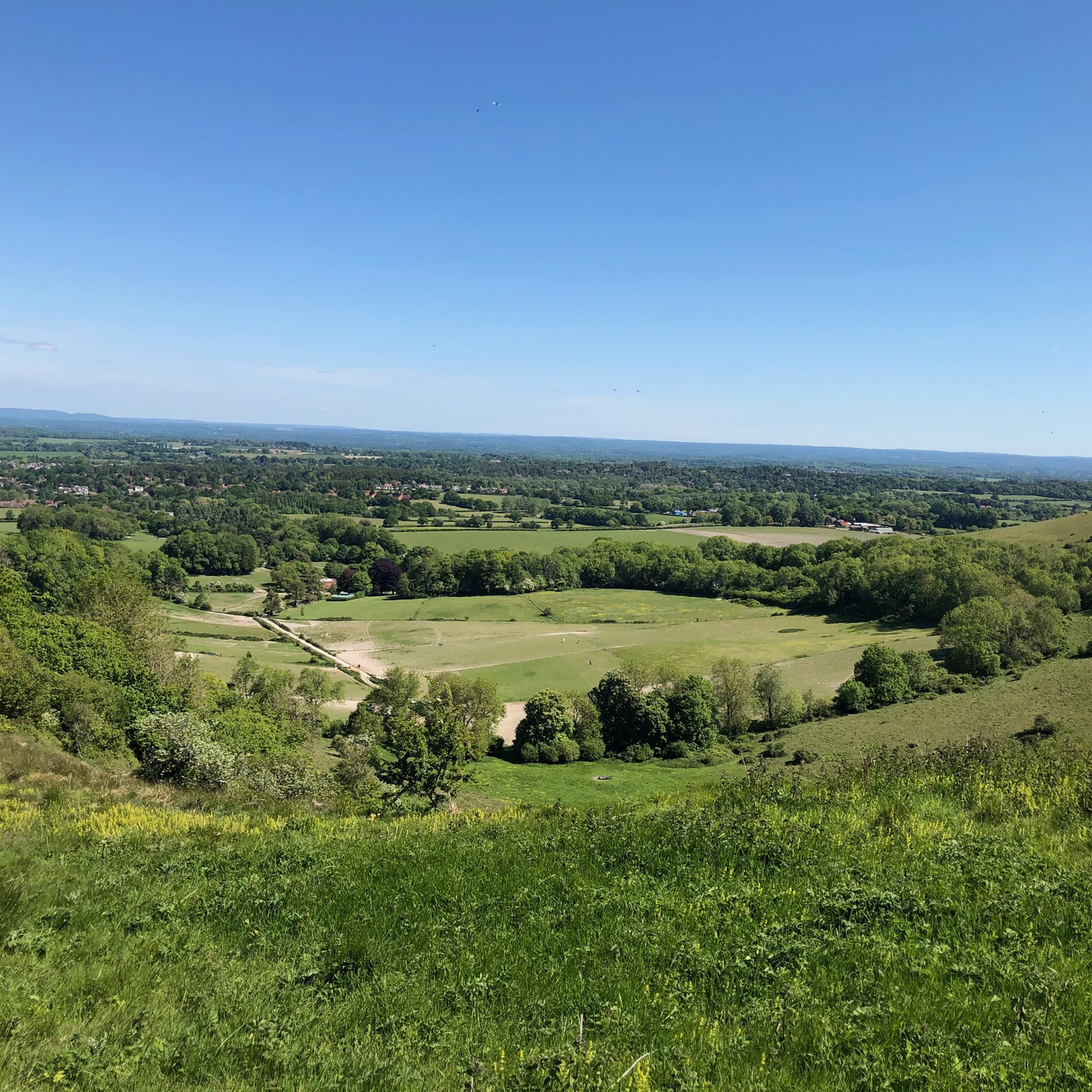
Cycling around Storrington And Sullington
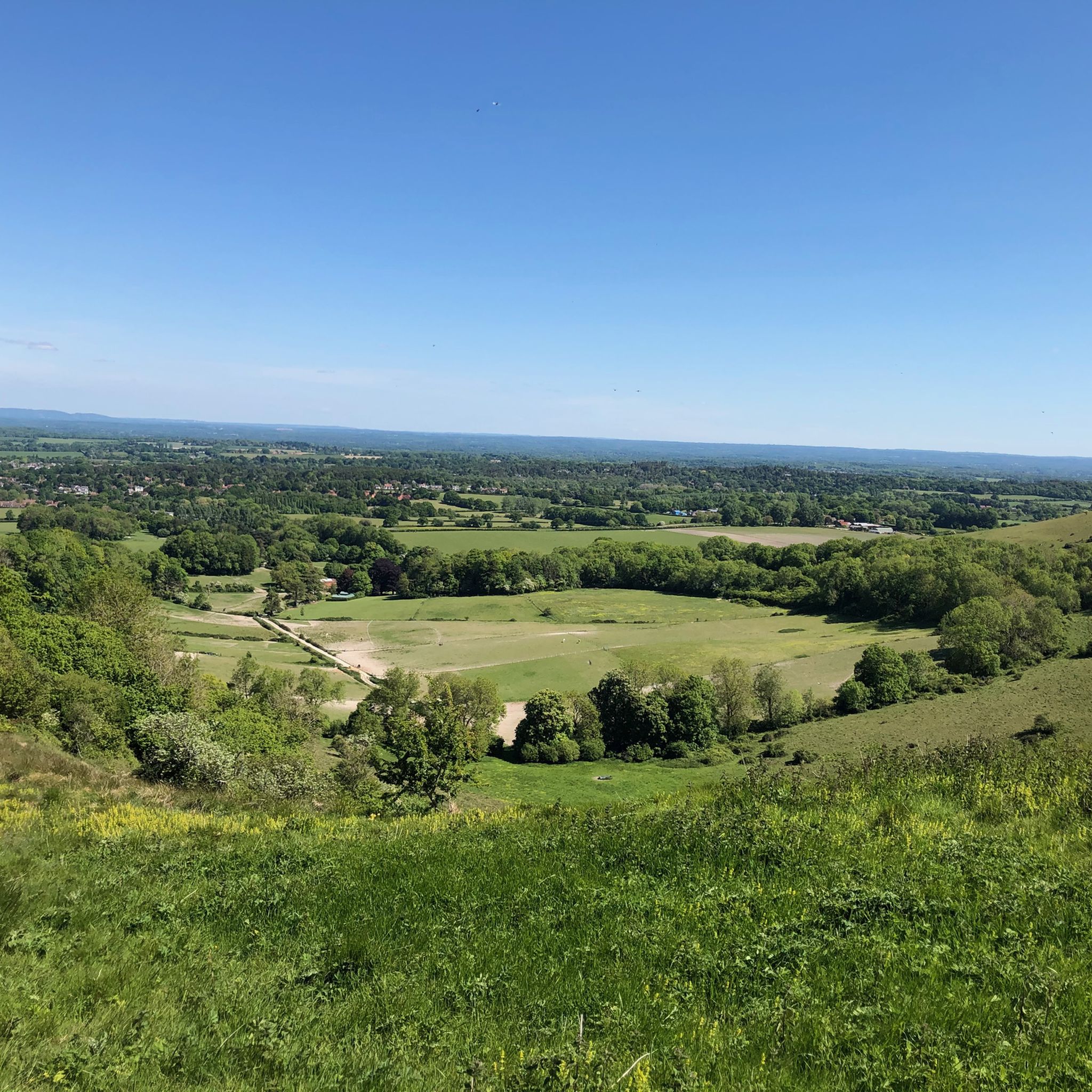
MTB Trails around Storrington And Sullington

Gravel biking around Storrington And Sullington
Other adventures around Storrington And Sullington


Tips from the Community

Follow the trail around the ring for great views over Findon to Worthing
0
0

Chantry Hill is adjacent to Kithurst Hill and provides another route to this accessible trig point. The paths and wide open views down over the South Downs are stunning.
0
0

Burton Mill Pond is part of the Burton Mill and Chingford Ponds Local Nature Reserve (LNR). Originating in the late 16th century to fuel a forge, the pond has a historical past. By the late 18th century, it played a vital role as part of a water mill for grinding corn, with the imposing structure by the road now standing as the remnants of the old mill. It's part of a fabulous landscape as you cycle along the road bordering its northeastern shore.
0
0
Cissbury Ring is one of the jewels in the crown of the new South Downs National Park. It's the largest hill fort in Sussex and has a history dating back over 5,000 years. Set high up on a chalk promontory, its ditch and ramparts enclose about sixty-five acres. From the top on a clear day you can see forever, with views across to the chalk cliffs beyond Brighton and as far as the Isle of Wight.
0
0
This is a beautiful spot with expansive views out North over the rolling South Downs countryside giving you a lush patchwork of quilted green fields. There is also a sturdy bench to take the weight off your feet and super cool Cissbury Ring just behind you.
1
0
Chanctonbury Ring is a prehistoric hill fort atop Chanctonbury Hill on the South Downs, on the border of the civil parishes of Washington and Wiston in the English county of West Sussex. It is 242m high and is a designated Marilyn. There is a trig point on a nearby sub-summit.
3
0

The current mill building dates from around 1780, although mills and forges have been exploiting the Downs spring water for at least 800 years. The mill's historic water-powered milling machine has been restored to working condition. Burton Mill is open to visitors on the Sunday of the National Mills Weekend in May and the National Heritage Weekend in September.
2
0
Burton Mill Pond is a beautiful place to visit. It is an atmospheric hammer pond and holding pond in the South Downs National Park, near Petworth, West Sussex. The pond is part of the Burton Mill and Chingford Ponds Local Nature Reserve (LNR) and the Burton Park Site of Special Scientific Interest (SSSI), which are nationally important for their wetland habitats, rare plants, birdlife, and invertebrate populations.
2
0
Frequently Asked Questions
What are some unique natural monuments to explore in the Storrington and Sullington area?
The region offers a diverse range of natural monuments. You can visit Chanctonbury Ring hillfort, known for its ancient history and prominent beech trees, or explore Burton Mill Pond and Mill, an atmospheric hammer pond with rich wetland habitats. For a unique rewilding experience, consider Knepp Wildland, a pioneering project restoring natural processes and biodiversity.
Where can I observe wildlife around Storrington and Sullington's natural monuments?
Several sites are excellent for wildlife observation. Sullington Warren, a Site of Special Scientific Interest, is home to rare lowland heath species, adders, lizards, and various woodland birds. Cissbury Ring is known for rare orchids and butterflies, and during spring and autumn, it's a key spot for migratory birds. Knepp Wildland is particularly notable for its diverse fauna, including turtle doves, nightingales, purple emperor butterflies, and even reintroduced white storks and beavers.
Are there any historical or ancient sites among the natural monuments?
Yes, the area is rich in historical natural monuments. Chanctonbury Ring hillfort is a late Bronze or early Iron Age site. Cissbury Ring Hill Fort is the largest hill fort in Sussex, with evidence of settlement dating back over 5,000 years. Sullington Warren also features several Bronze Age bowl barrows, which are ancient burial mounds.
What kind of views can I expect from the natural monuments in this region?
Many natural monuments offer expansive views. From Chanctonbury Ring hillfort, you can enjoy sublime views over the South Downs countryside. Cissbury Ring Hill Fort provides breathtaking vistas over the countryside towards Brighton, the chalk cliffs of the coast, and on clear days, even the Isle of Wight. Chantry Hill, part of the South Downs, offers panoramic views across the surrounding countryside, towards the coast, Arundel, and north towards Horsham.
Are there family-friendly natural monuments suitable for children?
Yes, Burton Mill Pond and Mill is categorized as family-friendly, offering a beautiful setting with a restored historic water mill. The varied paths and wildlife at Sullington Warren can also be engaging for families. Exploring the ancient earthworks and wide-open spaces of the hill forts like Cissbury Ring can also be an adventure for children.
Are any of the natural monuments wheelchair accessible?
While many natural monuments in the South Downs area involve uneven terrain, trails, and hills, specific information on wheelchair accessibility for all sites is limited. Generally, sites like Cissbury Ring Hill Fort and Chanctonbury Ring hillfort involve climbs to reach the summits. For detailed accessibility information, it's recommended to check specific site resources before visiting.
What outdoor activities can I do near these natural monuments?
The area around Storrington and Sullington is excellent for various outdoor activities. You can find numerous hiking trails, including easy loops like 'Kithurst & Chantry Hill loop' or more challenging ones like 'West Sussex Literary Trail and South Downs Way Loop'. There are also dedicated running trails and cycling routes, such as the 'View of Stopham Bridge – Greatham Bridge loop'. You can find more details on these activities in the hiking, running, and cycling guides for the region.
Are there hiking trails near these natural monuments?
Yes, the region offers a variety of hiking trails. For example, you can explore the 'Kithurst & Chantry Hill loop' which is an easy 6.8 km hike, or take on the 'Sullington & Harrow Hill loop', a moderate 14 km trail. Many of these trails offer scenic views and pass by or through natural monuments. More hiking options are available in the Hiking around Storrington And Sullington guide.
What do visitors enjoy the most about Storrington and Sullington's natural monuments?
Visitors frequently praise the stunning panoramic views, especially from elevated points like Cissbury Ring Hill Fort and Chantry Hill. The historical significance of sites like Chanctonbury Ring hillfort and the tranquility of places like Sullington Warren are also highly appreciated. The opportunity to observe diverse wildlife and experience unique natural habitats, such as those at Knepp Wildland, adds to the appeal.
Are there any ancient trees or geological points of interest in the area?
Yes, the Sullington Yew Tree, estimated to be 1,300 years old, is a significant natural and historical landmark near Sullington Manor Farm. Geologically, the region is part of the South Downs, characterized by chalk spurs like Chantry Hill. Sites like Sullington Warren also feature rare lowland dry and wet heath habitats, which are of ecological and geological interest.
What is the best time to visit the natural monuments around Storrington and Sullington?
The best time to visit depends on your interests. Spring and autumn are ideal for observing migratory birds at sites like Cissbury Ring Hill Fort. The heathlands of Sullington Warren are vibrant in late summer when heather is in bloom. Generally, spring and summer offer pleasant weather for walking and enjoying the lush landscapes, while autumn provides beautiful foliage. Winter walks can be crisp and offer clear views, though some paths might be muddy.
Are there any hidden natural monuments or lesser-known spots worth exploring?
While many sites are well-known, exploring the extensive network of paths within Sullington Warren can offer a sense of remote wilderness, even with its popularity. Hurston Warren, another heathland Site of Special Scientific Interest west of Storrington, provides similar important habitats and might be less frequented than other major sites, offering a quieter experience.
Most popular routes around Storrington And Sullington
Most popular attractions around Storrington And Sullington

Get inspired with the komoot mobile app


Explore more
Extend your search for the best caves by checking out these guides of the top ones around Storrington And Sullington:
