Top 14 Natural Monuments around Mid Sussex
Best natural monuments around Mid Sussex offer a diverse landscape of chalkland valleys, serene reservoirs, and ancient woodlands. This region features protected areas within the South Downs National Park and High Weald Area of Outstanding Natural Beauty. Visitors can explore unique geological formations, rich biodiversity, and historical sites. The area provides opportunities for hiking, wildlife observation, and connecting with nature.
Best natural monuments around Mid Sussex
- The most popular natural monuments is Devil's Dyke, a V-shaped chalkland dry valley.…
Last updated: June 29, 2026
Devil's Dyke
Highlight • Historical Site
Tip by

Sussex Border Path: Ditchling Beacon to Fishersgate
Highlight (Segment) • Trail
Tip by

Sign up now to discover places like this
Get recommendations on the best single tracks, peaks, & plenty of other exciting outdoor places.
Sign up for free
South Downs Way – Fulking Hill Ridge
Highlight (Segment) • Natural Monument
Tip by

Wolstonbury Hill
Highlight • Natural Monument
Tip by

Wakehurst Mansion and Gardens
Highlight • Settlement
Translated by Google •
Tip by

Weir Wood Reservoir Local Nature Reserve
Highlight • Natural
Tip by

Truleigh Hill
Highlight • Natural Monument
Tip by

Newtimber Hill
Highlight • Natural Monument
Tip by

View from Bramble Hill
Highlight • Viewpoint
Tip by
Stone Outcrop with Exposed Tree Roots in Pilstye Wood
Highlight • Forest
Tip by

Sign up for free to discover even more natural monuments around Mid Sussex.
Sign up for free
Already have an account?
Start today with a free account
Your next adventure awaits.
Login or Signup
Popular around Mid Sussex
South Downs Way — A Southern off-road utopia
Sussex Ouse Valley Way — From the High Weald to the South Downs
High Weald Landscape Trail — Hike the medieval heart of the South East
Sussex Border Path — A historic hike through medieval landscapes
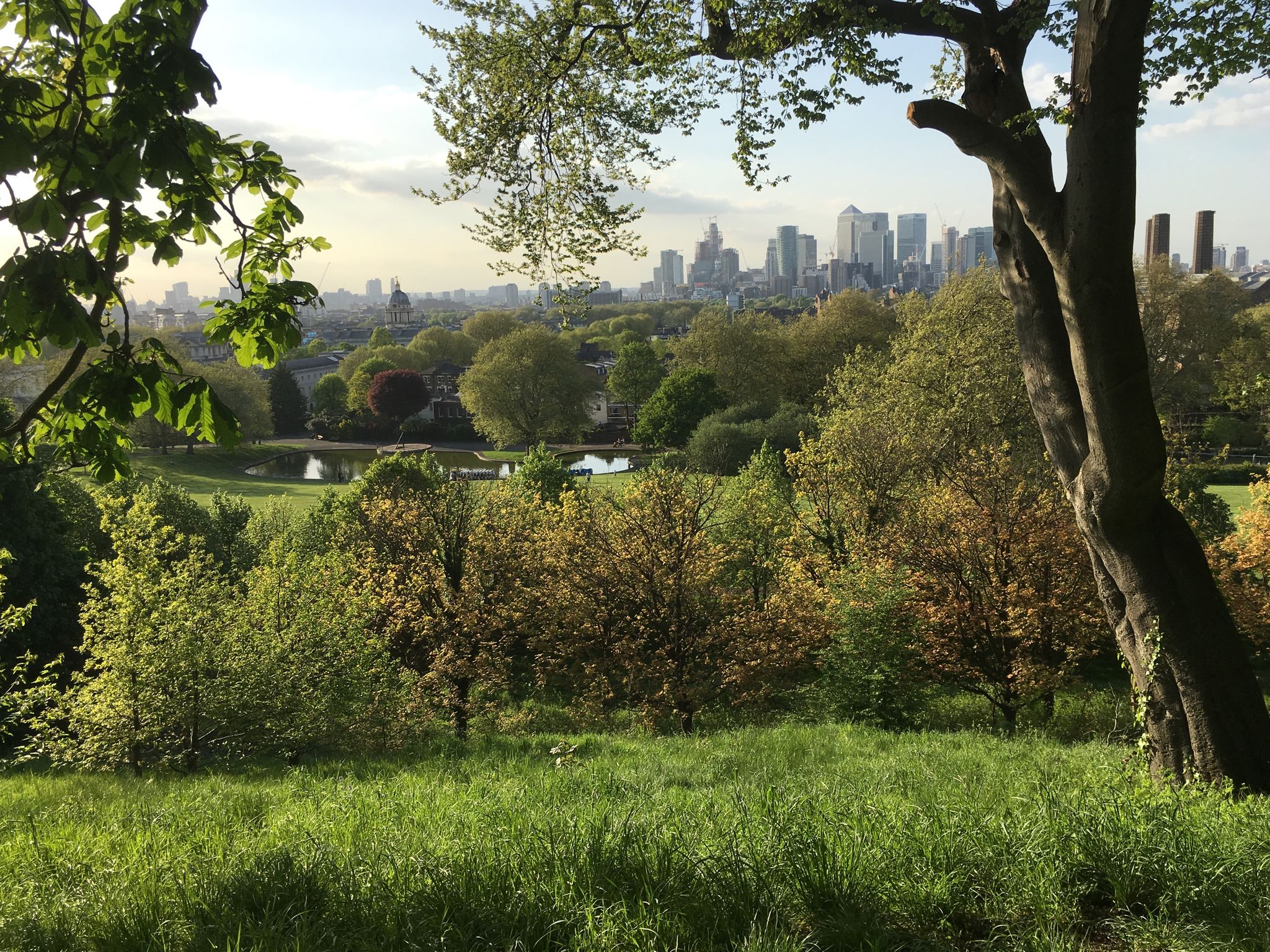
Downs and Weald Way – From London to the sea, a great adventure
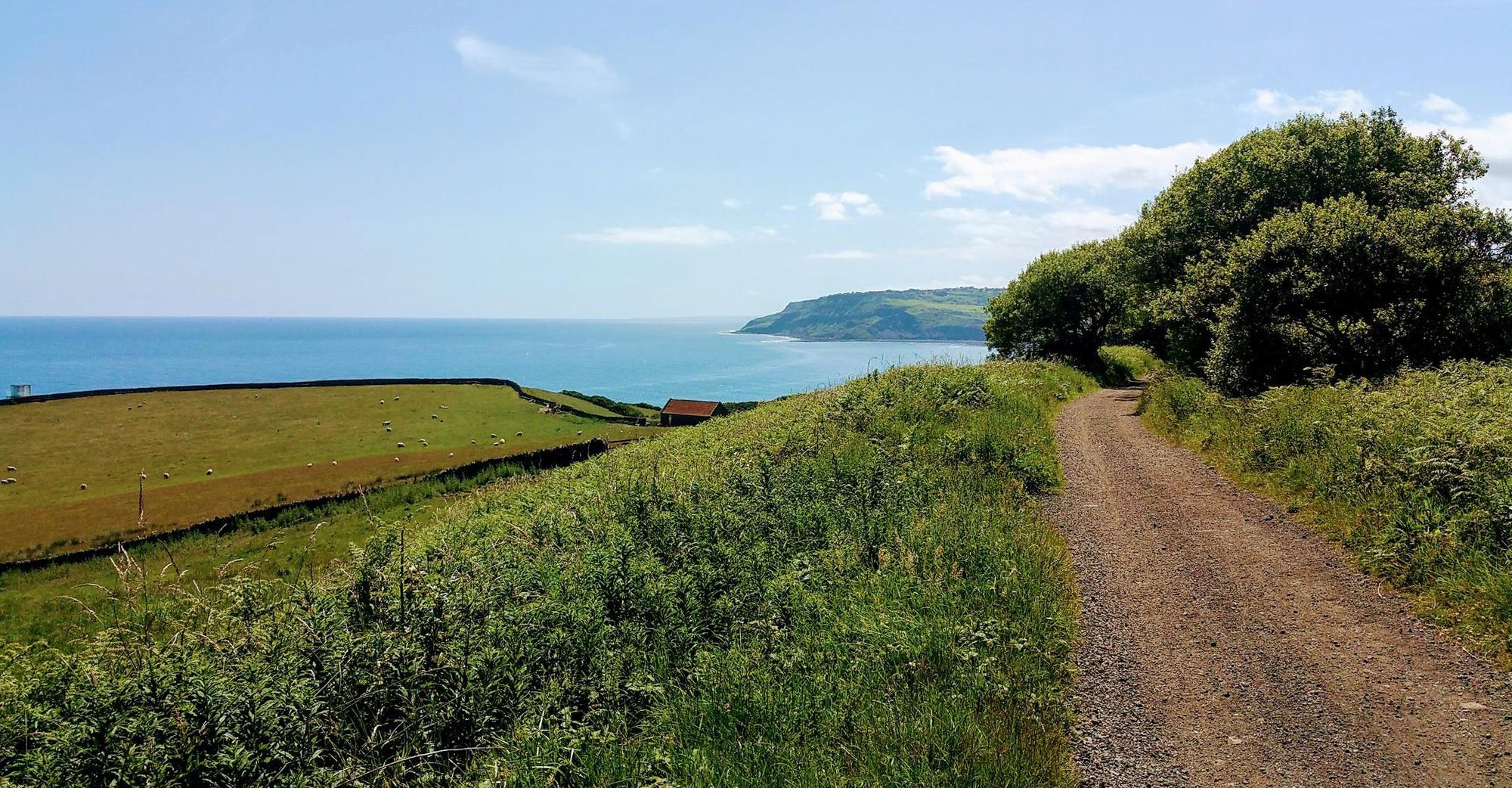
Family friendly cycle routes in England
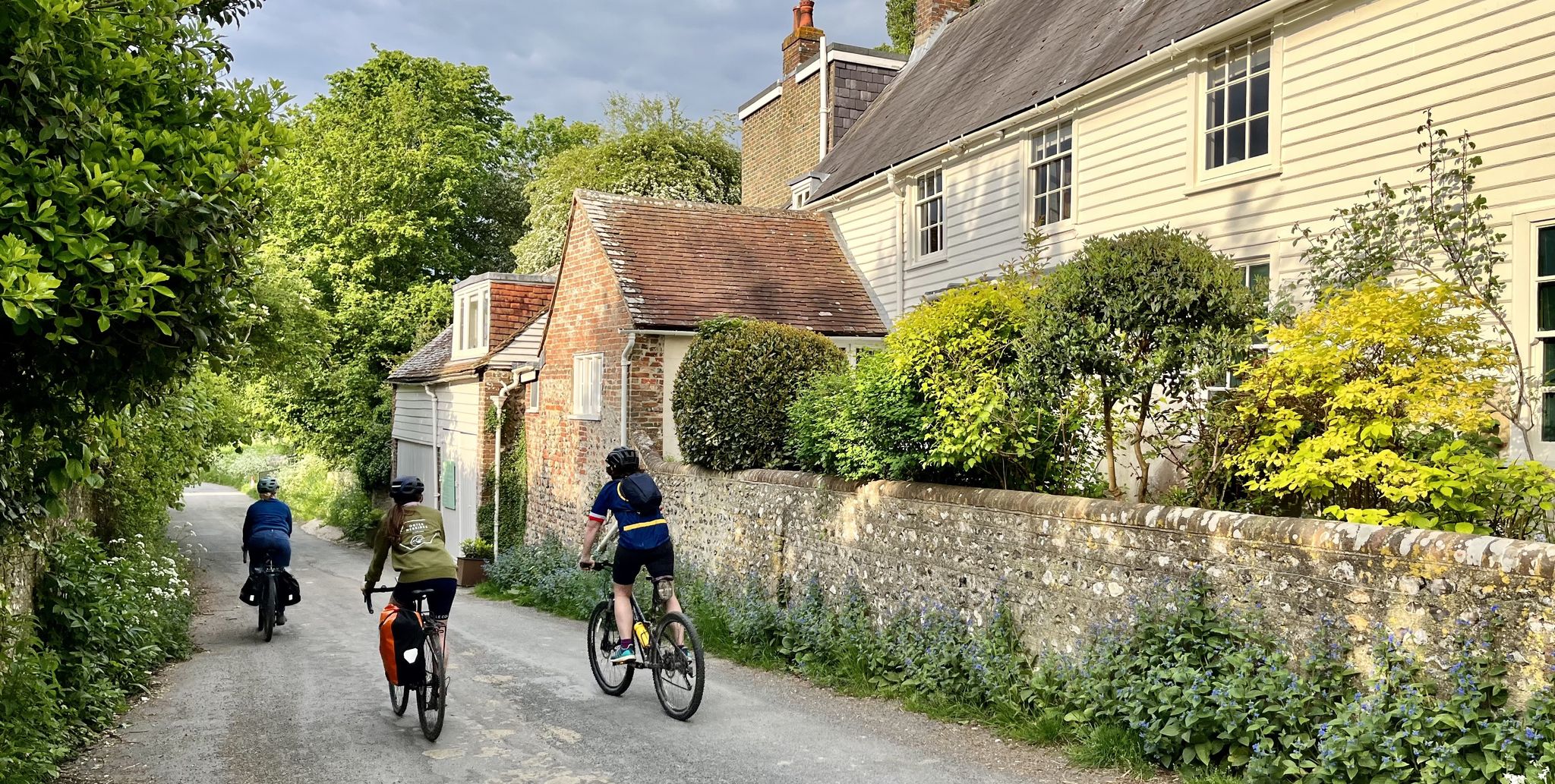
Explore the South Downs National Park — 15 rail to road rides

Discover the South Downs National Park — 20 rail to trail rides
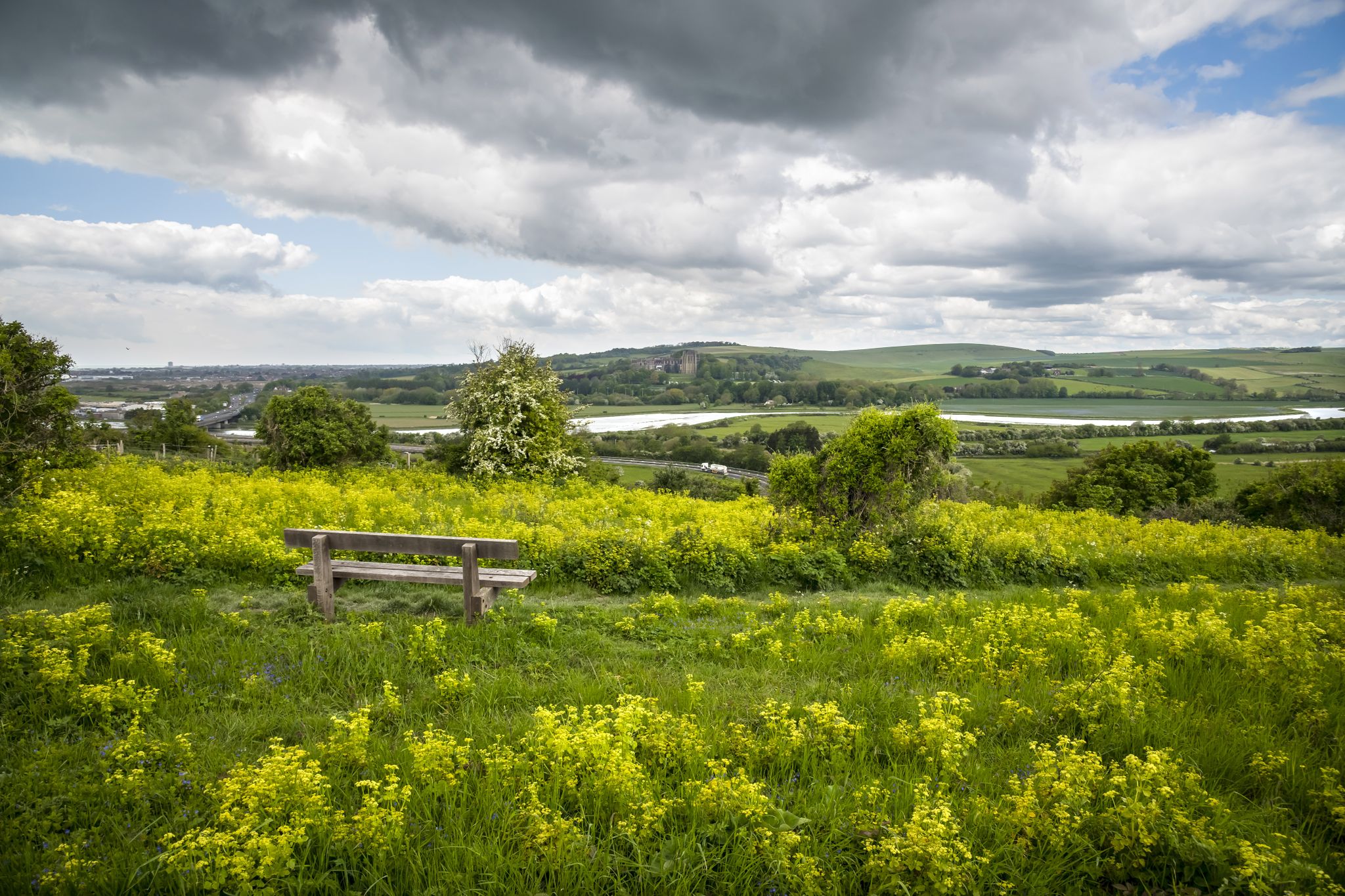
So Sussex - The Living Coast by Bike
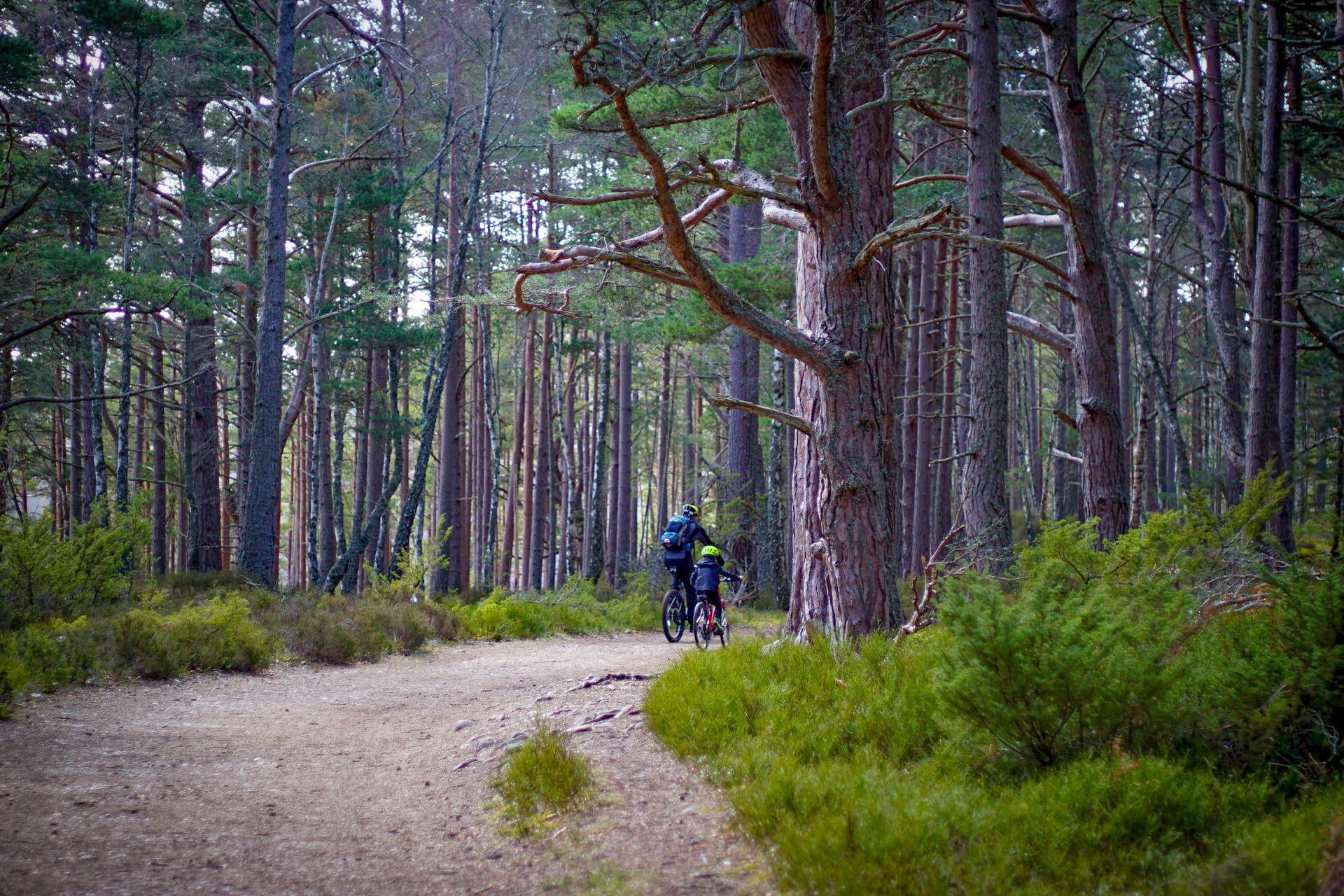
21 family-friendly bike rides in the UK
Other adventures around Mid Sussex


Tips from the Community

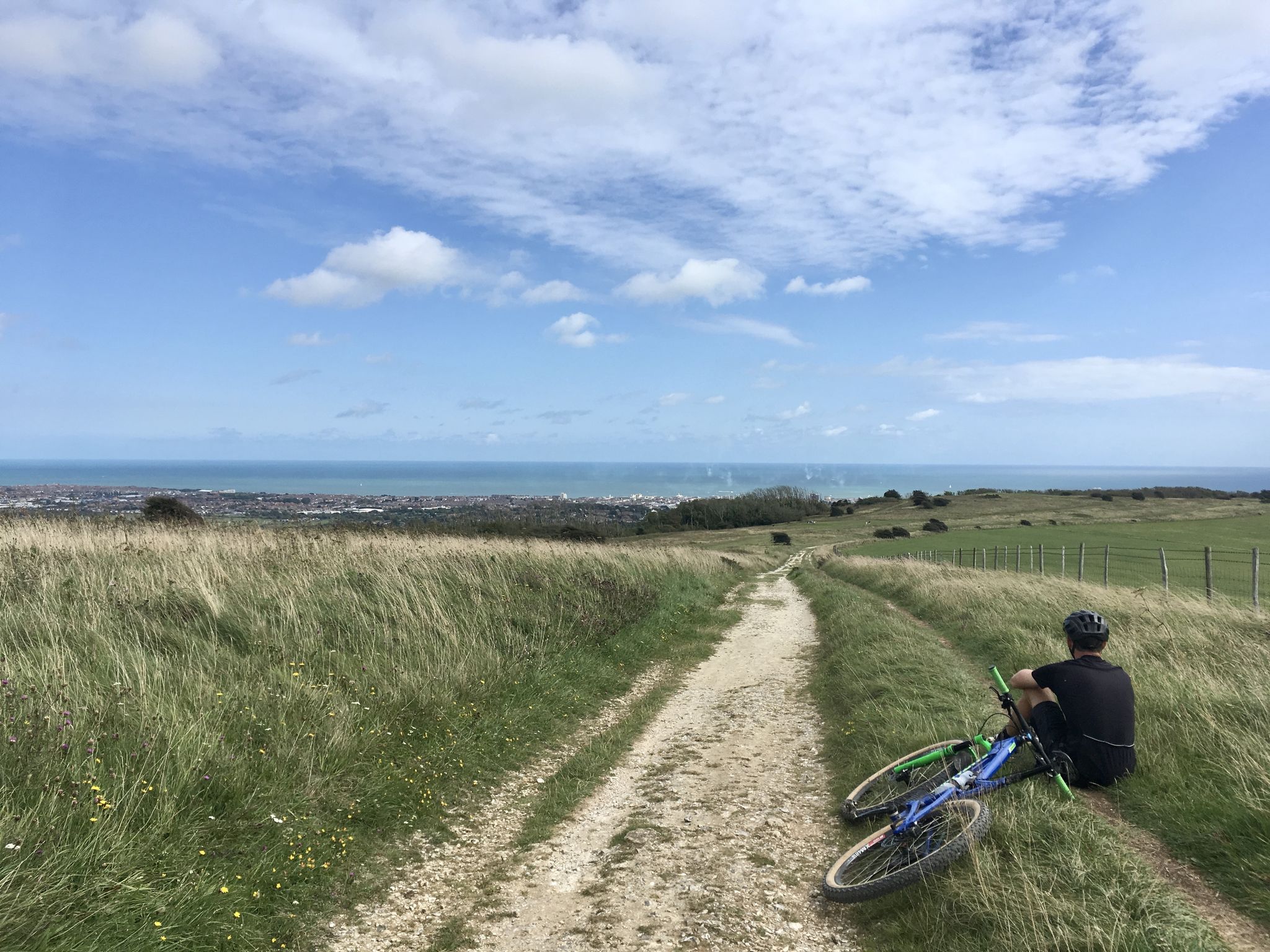
nice steady climb with breathtaking views, if you turn left at the gate (before crossing) you will see a path to your further left leading to a pub called Sheppard and Dog with a nice beer garden - this is a S2 descent so be careful
0
0


From here, whichever route you choose it will involve a climb. Pick wisely
0
0

The Sussex Border Path is a long-distance footpath that is nearly 150 miles (241 km) long and goes around the county boundary of Sussex. It is a relatively new trail initiated in 1983, and since its inception, the route has only traced the county boundary. As Sussex has been split administratively into east and west for many years, there is now a new border path section running from East Grinstead to Brighton, reflecting these east and west sections. This is part of that section and runs from Ditchling Beacon to Fishersgate, or vice versa. The section is 12 miles (19 km) long and consists of Ditchling Beacon itself, sections of beautiful bridleways with sea views, and the famous Chattri Indian War Memorial.
1
1

Wakehurst, a stately home and botanical garden in West Sussex, is owned by the National Trust but managed by the Royal Botanic Gardens, Kew. The mansion is from the late 16th century and the garden from the 20th century. The grounds also include Kew's Millennium Seed Bank. You'll walk through various nature reserves and visitor centres during your visit. Wakehurst is listed as Grade I on the National Heritage List for England and its gardens and historic buildings are listed as Grade II. https://www.kew.org/wakehurst
0
0
This is a beautiful spot, there is a trig point that is placed on one of the ramparts of the actual Iron Age hillfort here. It is very popular with walkers, and families. The valley bowl is also particularly beautiful.
1
0

Be warned of the water fullies added to the track. Sometimes the gates in the vallies are shut, sometimes not. The grass section is stunning for the views on a good day. Once at the top, it's a very gentle climb to Devils Dyke so you're nearly there.
1
0

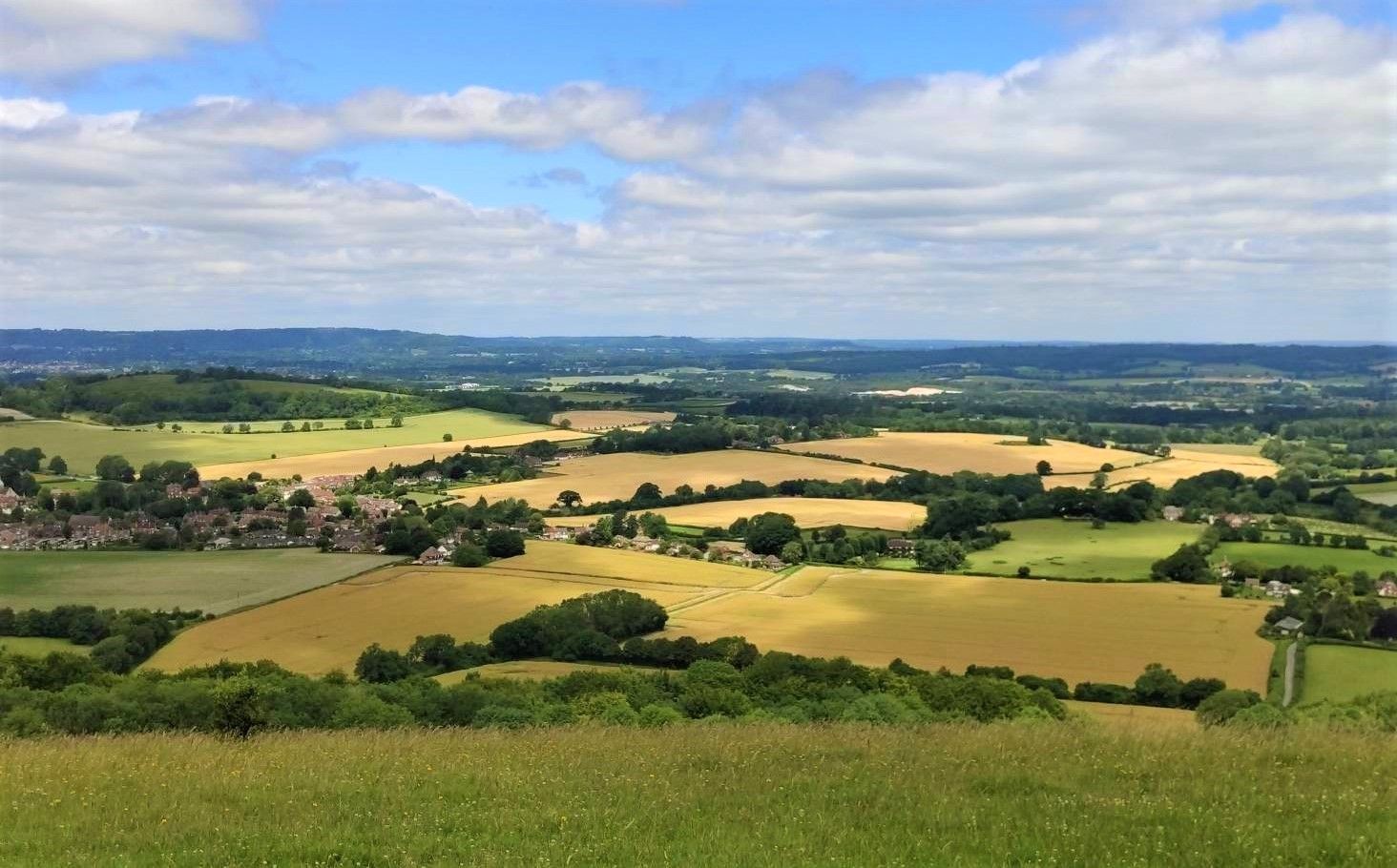
If you are cycling along Devil's Dyke Road, it's worth a small diversion to this fantastic viewpoint at Devil's Dyke. It's one of the best views in West Sussex, and even more superb as the sun goes down. You'll be treated to a panoramic view of patchwork fields, clusters of woodland and the dramatic edge of the towering South Downs ridge. You'll find the Devil's Dyke pub up here too, which has bike parking stands and benches outside. It's the perfect spot to enjoy a sunset pint.
2
0
Frequently Asked Questions
What are some notable natural monuments to visit in Mid Sussex?
Mid Sussex offers a variety of unique natural monuments. You can explore Devil's Dyke, known as the UK's longest, deepest, and widest V-shaped chalkland dry valley, offering panoramic views and historical significance. Another prominent site is Ditchling Beacon, the highest point in East Sussex, celebrated for its rare chalk grassland and stunning vistas. For a peaceful setting with abundant wildlife, consider Ardingly Reservoir, which is also a hub for watersports.
Are there family-friendly natural monuments around Mid Sussex?
Yes, several natural monuments in Mid Sussex are suitable for families. Devil's Dyke, with its expansive views and historical context, is a popular choice. Woods Mill Nature Reserve, the headquarters of the Sussex Wildlife Trust, offers diverse habitats and an environmental education center, making it great for learning and exploration. Bedelands Farm Nature Reserve also provides an excellent opportunity for wildlife spotting, including a fenced Dipping Pond often used by children's groups.
What kind of views can I expect from the natural monuments in Mid Sussex?
The natural monuments in Mid Sussex are renowned for their spectacular views. From Devil's Dyke, you can enjoy breathtaking panoramic views stretching up to 30 miles across the South Downs and the Sussex countryside. Ditchling Beacon offers equally stunning panoramas, particularly popular with cyclists. Wolstonbury Hill provides extensive views across the Weald to the north and other sections of the South Downs. For a different perspective, View from Bramble Hill offers vistas of patchwork fields, woodlands, and the dramatic South Downs ridge.
What outdoor activities can I do near these natural monuments?
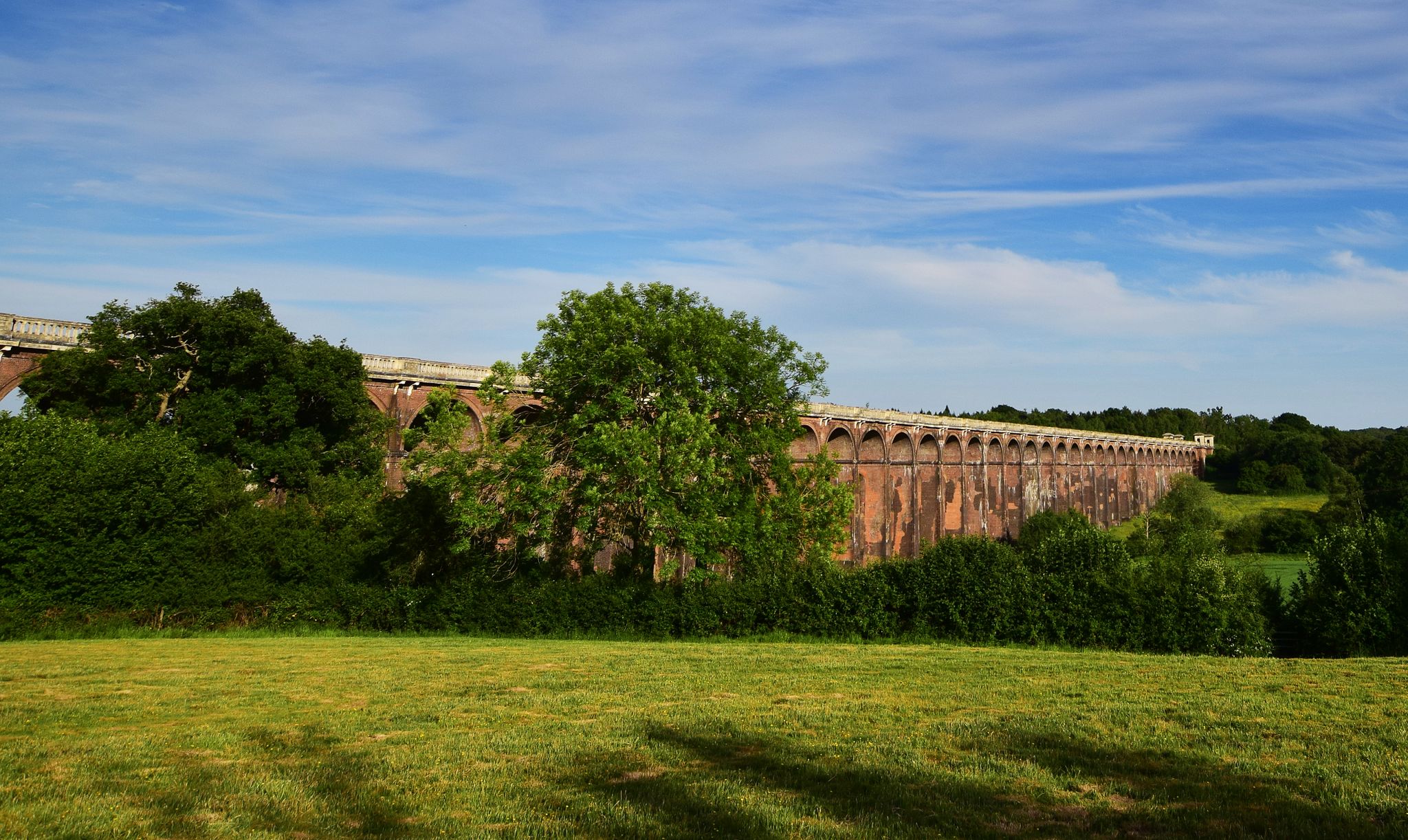
Mid Sussex's natural monuments are ideal for various outdoor activities. Hiking is very popular, with routes like the 'Ouse Valley Viaduct and Ardingly Reservoir Circular Walk' or the 'Ditchling Beacon loop from Jack and Jill Windmills'. You can find more hiking options on the Hiking around Mid Sussex guide. Running trails are also available, such as the 'Ardingly Reservoir and Ouse Valley Viaduct loop'. Watersports are a key attraction at Ardingly Reservoir. Many sites, like Devil's Dyke, are excellent for relaxing in nature and wildlife observation.
Are there historical sites or features within the natural monuments?
Yes, many natural monuments in Mid Sussex have significant historical elements. Devil's Dyke was an Iron Age hillfort, and you can still see earthworks and burrows. It was also a popular Victorian-era attraction. Ditchling Beacon is part of the Sussex Border Path, which has historical roots. Kingley Vale, though slightly further afield in West Sussex, is notable for its ancient yew trees, some over 500 years old, making it a historically and botanically significant site.
What kind of wildlife can I observe at these natural sites?
Mid Sussex's natural monuments are rich in biodiversity. Devil's Dyke and Ditchling Beacon are home to a variety of wildflowers and numerous butterfly species, thanks to their chalk grassland habitats. Ardingly Reservoir is a haven for birds, with ospreys occasionally sighted, and its western end is a designated nature reserve. Bedelands Farm Nature Reserve boasts a rich profusion of wildlife, including the protected Hazel Dormouse and abundant wildflowers. Woods Mill Nature Reserve also offers opportunities to observe diverse birds, butterflies, and other wildlife.
What is the best time of year to visit the natural monuments in Mid Sussex?
The best time to visit depends on your interests. Spring and summer are ideal for experiencing the vibrant wildflowers and butterfly populations at sites like Devil's Dyke and Ditchling Beacon. The weather is generally more pleasant for hiking and outdoor activities. Autumn offers beautiful foliage, especially in wooded areas like Woods Mill Nature Reserve. While some areas can get busy on weekends, visiting on a weekday can provide a more peaceful experience.
Are there any natural monuments with challenging trails for experienced hikers?
For experienced hikers seeking a challenge, Wolstonbury Hill offers a challenging ascent, particularly from the north, rewarding hikers with great views. The steep climb to Ditchling Beacon is also a popular challenge, especially for cyclists. Many sections of the South Downs Way, which passes through these areas, can be demanding. You can find more challenging routes in the Hiking around Mid Sussex guide.
What are some lesser-known natural gems in Mid Sussex?
Beyond the most popular spots, Mid Sussex holds several hidden natural gems. Weir Wood Reservoir Local Nature Reserve offers a tranquil setting for nature observation. Truleigh Hill provides excellent panoramic views over the Weald and the coast, often less crowded than other viewpoints. Stone Outcrop with Exposed Tree Roots in Pilstye Wood offers a unique geological feature within a forest setting.
How accessible are these natural monuments by public transport?
Public transport options vary by location. Devil's Dyke is generally accessible, with bus services often running from Brighton. Ditchling Beacon can also be reached by public transport, though routes may require some walking. For detailed and up-to-date information on public transport to specific sites, it's recommended to check local bus schedules or visit the Mid Sussex District Council's website for visitor information: midsussex.gov.uk.
Are there opportunities for watersports near the natural monuments?
Yes, Ardingly Reservoir is a prime location for watersports activities, particularly at its south-eastern end. While specific details on watersport rentals or clubs are not provided here, the reservoir is known for offering these opportunities. It also features the 5-mile Kingfisher Trail for walking around the lake.
What should I wear when visiting the natural monuments for hiking?
When hiking around Mid Sussex's natural monuments, it's advisable to wear appropriate footwear, such as sturdy walking boots or shoes, especially for trails that can be uneven or muddy. Layers of clothing are recommended to adapt to changing weather conditions, as the South Downs can be exposed to wind. Bringing waterproofs is also a good idea, regardless of the forecast, as weather can be unpredictable.
Most popular routes around Mid Sussex
Most popular attractions around Mid Sussex

Get inspired with the komoot mobile app


Didn’t find what you were looking for?
Find even more amazing natural monuments around Mid Sussex by checking out the top Highlights region by region:
Explore more
Extend your search for the best caves by checking out these guides of the top ones around Mid Sussex:
