Donau-Auen National Park
Donau-Auen National Park
Top 20 Natural Monuments in Donau-Auen National Park
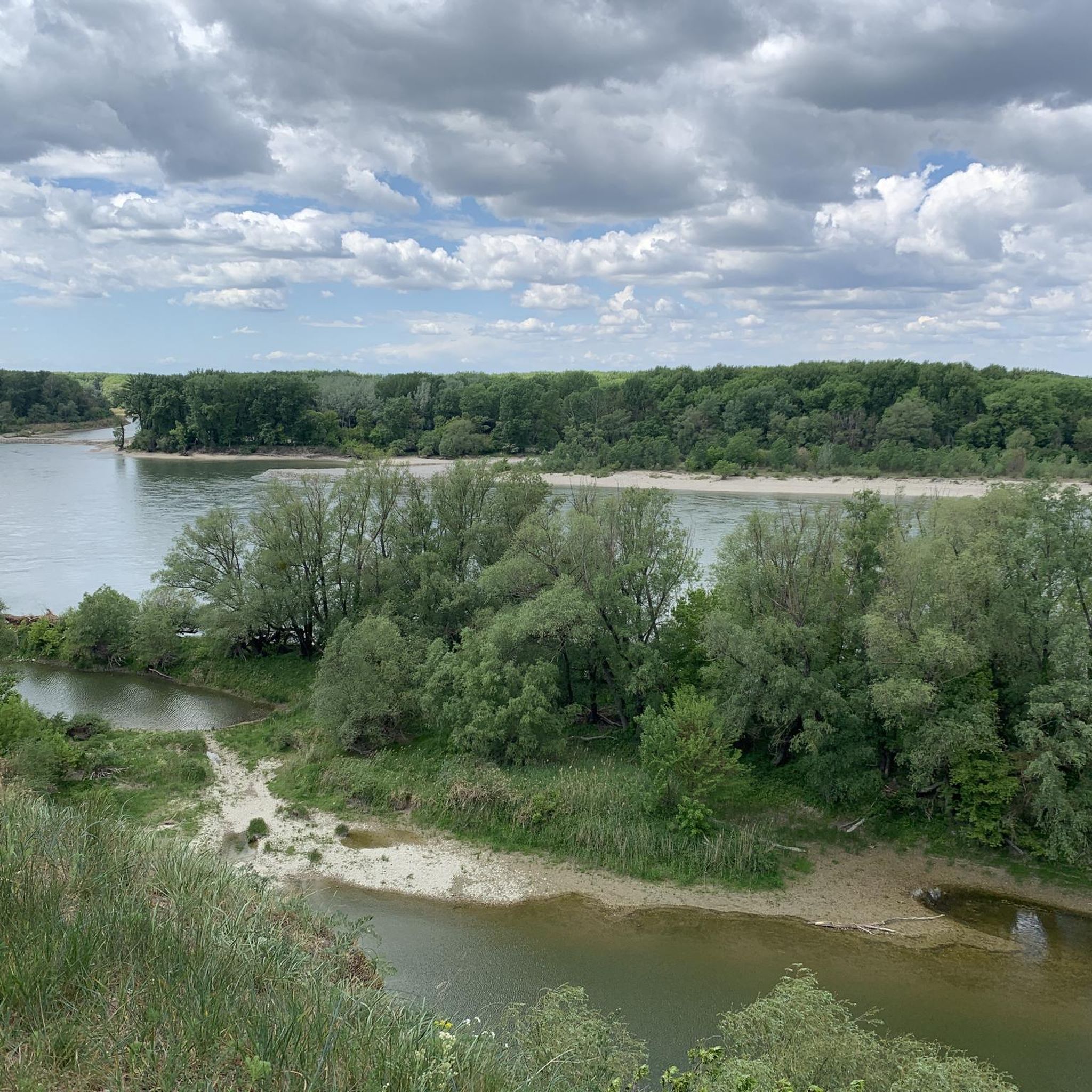
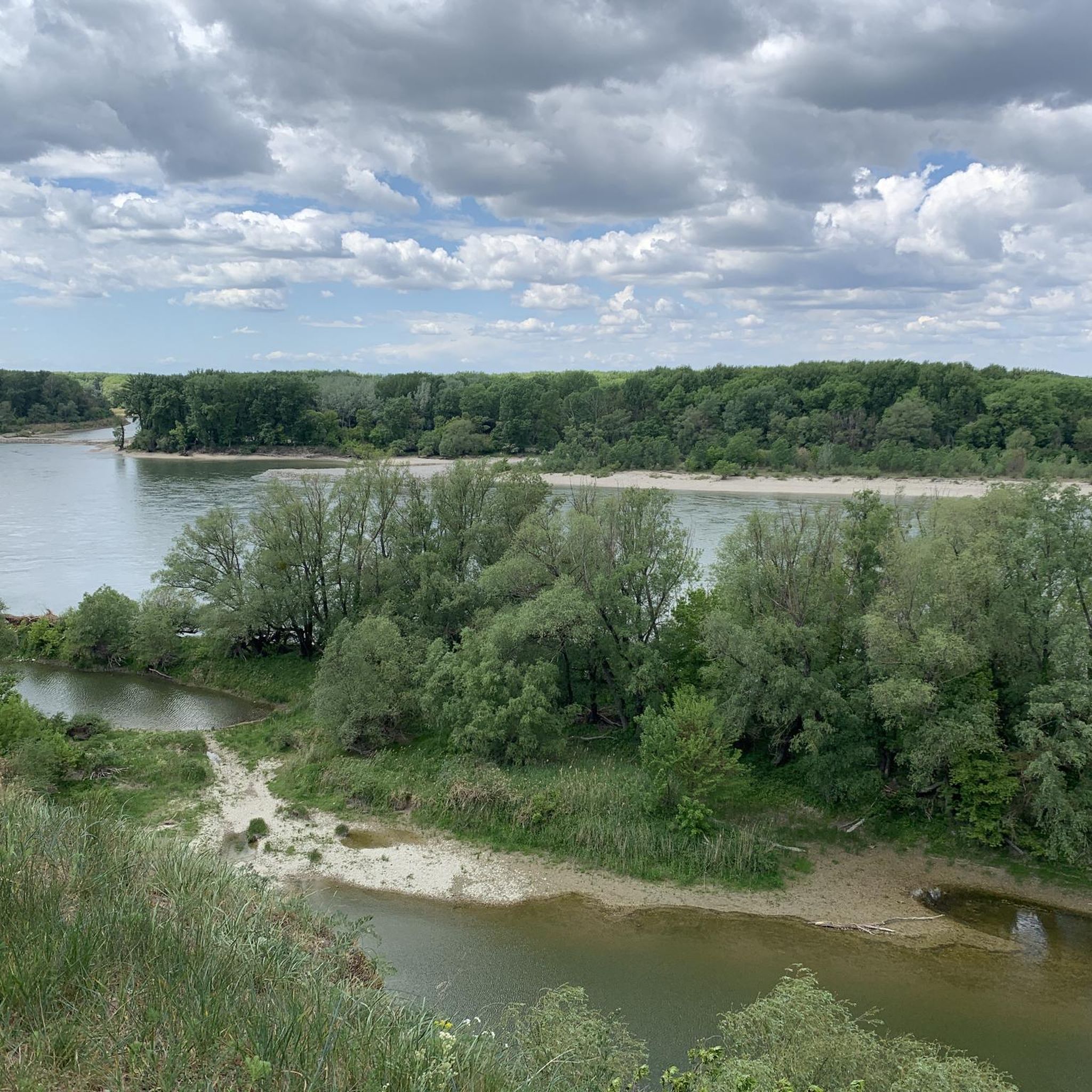
Best natural monuments in Donau-Auen National Park are found within a vital floodplain landscape situated between Vienna and Bratislava. This area is renowned for its dynamic natural features, shaped by the free-flowing Danube River. The park encompasses diverse habitats, including extensive floodplain forests, oxbow lakes, and gravel banks, supporting a rich ecosystem. These natural features offer opportunities to observe the interplay of water and land in one of Central Europe's last great floodplain landscapes.
Best natural monuments in Donau-Auen National…
Last updated: May 15, 2026
Danube-Auen National Park
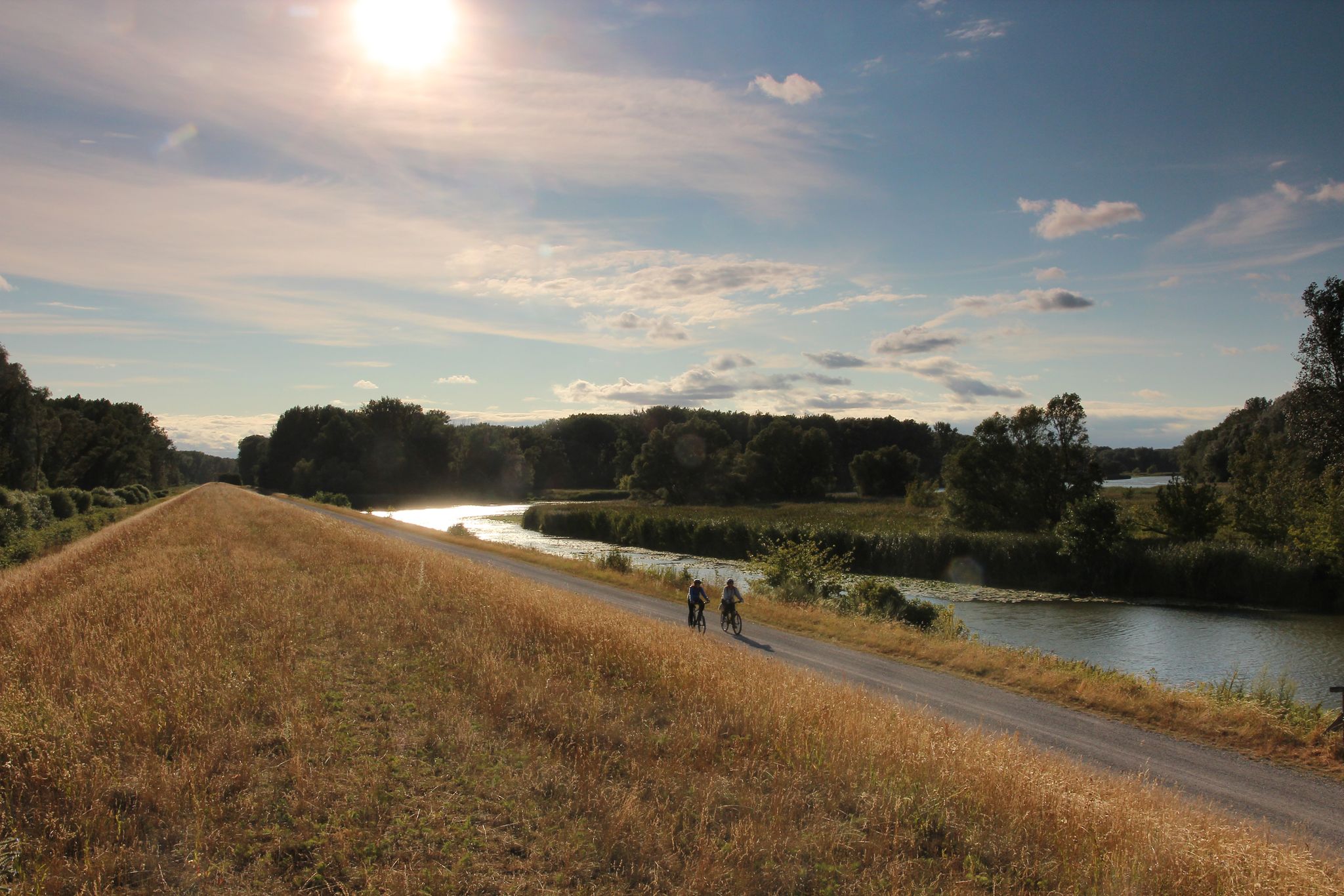
Highlight (Segment) • Cycleway
Translated by Google •
Tip by

Orth an der Donau in the Donau-Auen National Park
Highlight (Segment) • Settlement
Translated by Google •
Tip by

Sign up now to discover places like this
Get recommendations on the best single tracks, peaks, & plenty of other exciting outdoor places.
Sign up for free
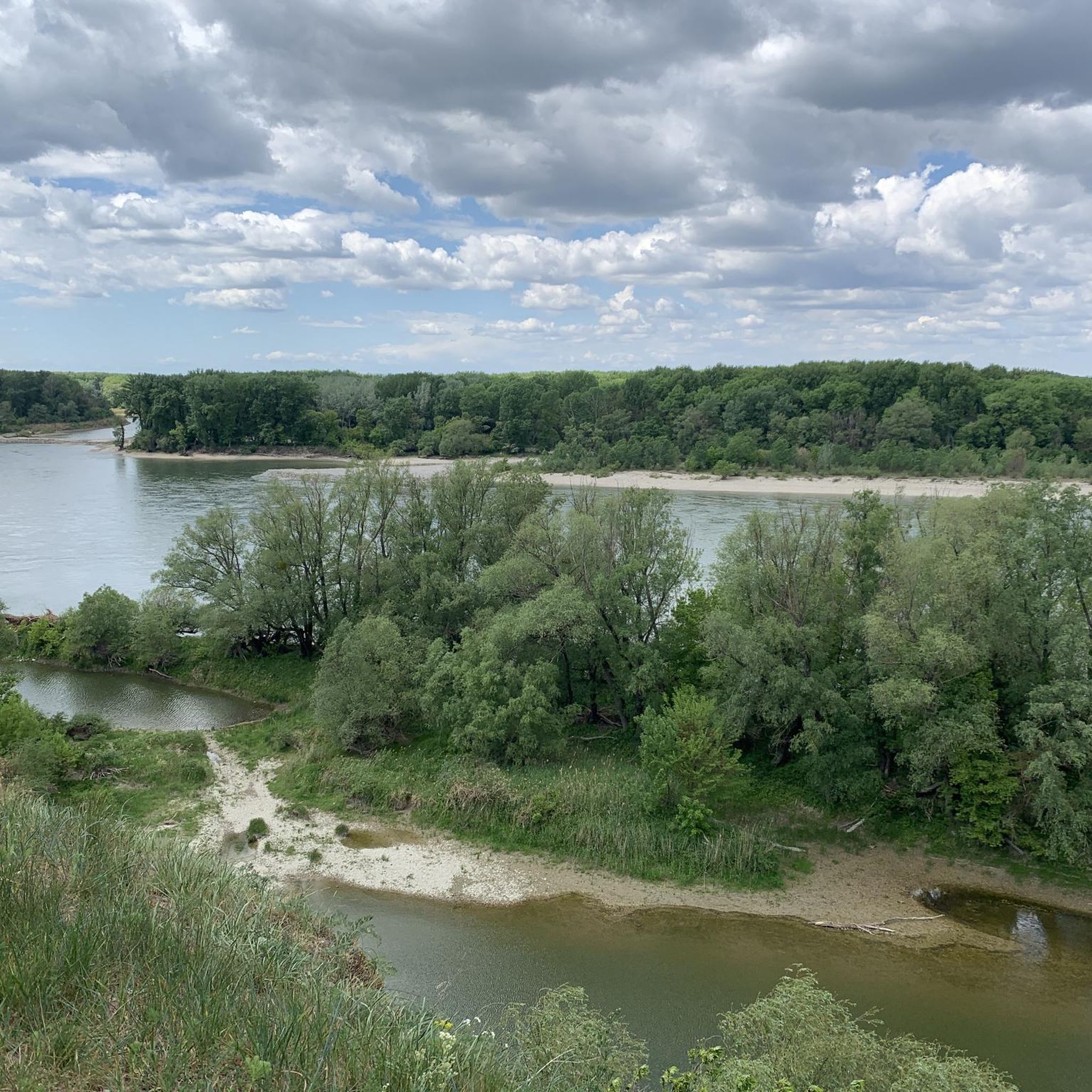
Orther Islands
Highlight • Lake
While the first four islands already rise high out …
Translated by Google •
Tip by

Napoleon's Headquarters Memorial
Highlight • Monument
Translated by Google •
Tip by

Donauradweg Gravel Section, Nationalpark Donau-Auen
Highlight • Cycleway
Translated by Google •
Tip by

Sign up for free to discover even more natural monuments in Donau-Auen National Park.
Sign up for free
Already have an account?
Start today with a free account
Your next adventure awaits.
Login or Signup
Popular around Donau-Auen National Park
Central Alps Trail Eastern Section – Discover Austria
From Vienna to the state border at Hainburg - Tours in the National Park Donau-Auen
Austria's sensational swimming lakes
The most beautiful bathing spots around Vienna
Radrouten im Nationalpark Donau-Auen
Hiking in Donau-Auen National Park
Cycling in Donau-Auen National Park
Running Trails in Donau-Auen National Park
Road Cycling Routes in Donau-Auen National Park
MTB Trails in Donau-Auen National Park
Other adventures in Donau-Auen National Park


Tips from the Community

50 years after the Battle of Aspern, in which Napoleon I suffered a setback by the troops of Archduke Charles, obelisk-shaped memorial stones were erected in important locations of the Lobau. The excursion now leads to the historical sites of the campaign. Complementing the history of the Lobau, the excursion offers an overview of the highlights of the fauna and flora of the Donau-Auen National Park.
1
0

In the Lobau, an obelisk-like monument commemorates Napoleon I's headquarters during the 1809 campaign. In the spring and summer of that year, Napoleon used the Lobau as a strategic location to coordinate his troops in the lead-up to the Battle of Aspern, which took place on May 21 and 22, 1809, and became one of Napoleon's rare military defeats. The monument itself bears an inscription plaque highlighting the historical significance of the site and is part of the Napoleon Trail, which leads to several memorial stones and historical sites in the Danube floodplain. Visitors can not only gain insight into Vienna's military history but also experience the natural surroundings of the Lobau with its riparian forests and waterways, which were considered strategically important then as they are now.
0
0

Napoleon camped here with approximately 75,000 soldiers before suffering defeat at the Battle of Aspern. Then, as now, there are unfortunately too many rulers interested in war.
0
0

Unfortunately, cycling below the dam in the Lobau has been prohibited for the past two years. There are also exorbitant fines.
0
0
The Danube-Auen National Park is one of the last large, intact floodplain landscapes in Central Europe. It stretches along the Danube between Vienna and Bratislava and covers an area of around 9,600 hectares. The national park protects this unique river landscape, which is characterized by a dynamic interplay of floods, gravel banks, old watercourses and floodplain forests. The national park was created after the successful protests against the construction of a hydroelectric power plant in Hainburg in the 1980s. The protection of the floodplains became a milestone in the Austrian environmental movement. The Danube flows largely unregulated in this section, which means that natural flooding and changes in the course of the river remain possible. This dynamic creates diverse habitats.
2
1

Great cycle paths and beautiful nature
0
1

The Danube-Auen National Park is a 9,600 hectare national park that stretches from Vienna to the mouth of the March in Lower Austria on the border with Slovakia. It is one of the largest, largely intact floodplain landscapes in Central Europe along the Danube. The area is 38 kilometers long and measures barely four kilometers at its widest point.
3
0

A trip and history in one, I think that's great!
6
0
Frequently Asked Questions
What unique natural features define Donau-Auen National Park?
Donau-Auen National Park is characterized by its dynamic floodplain landscape, shaped by the free-flowing Danube River. Key features include extensive floodplain forests, which cover 65% of the park, and numerous oxbow lakes like the Tischwasser, remnants of old river channels. You'll also find wet meadows and gravel banks, all contributing to a rich and diverse ecosystem.
Are there specific natural monuments that are particularly popular with visitors?
Yes, visitors frequently enjoy the Donauradweg Gravel Section, Nationalpark Donau-Auen, which offers scenic views of the meadow landscape and opportunities for birdwatching. Another popular spot is the Orther Islands, where you can observe the river's creative power forming new gravel islands and re-connecting side arms, supporting diverse wildlife like the European pond turtle.
What kind of wildlife can I expect to see in Donau-Auen National Park?
The park is an ecological hotspot, home to over 700 species of higher plants, more than 30 mammals including beavers, red deer, and wild boar, and over 100 species of breeding birds such as the white-tailed eagle and kingfisher. The dynamic interplay of water and land creates habitats for a rich variety of reptiles, amphibians, and fish, including the critically endangered water soldier and the rediscovered dog-fish.
Are there any historical sites within or near the natural monuments?
Yes, the park also holds historical significance. For instance, the Napoleon's Headquarters Memorial marks where Napoleon established his headquarters in 1809 during the Battle of Aspern. Additionally, the settlement of Orth an der Donau in the Donau-Auen National Park features historical structures like Orth Castle, which now serves as the visitor center for the National Park.
What are the best times of year to visit Donau-Auen National Park?
The park offers different experiences throughout the year. May and June are particularly striking when the wet meadows are in full bloom with Siberian irises. The dynamic nature of the river means the landscape is constantly changing, offering unique observations in any season. For specific seasonal activities, it's best to check local information closer to your visit.
Are there family-friendly activities or trails suitable for children?
Many areas within Donau-Auen National Park are suitable for families. The Donauradweg Gravel Section, Nationalpark Donau-Auen is a cycle path that is generally considered family-friendly. The Lobau area, accessible from Vienna, also offers opportunities for guided nature tours that can be engaging for children, allowing them to spot rare flora and fauna.
What outdoor activities can I do near the natural monuments in Donau-Auen National Park?
The park offers a variety of outdoor activities. You can explore numerous routes for mountain biking, running, and gravel biking. For detailed routes and difficulty levels, you can refer to guides such as MTB Trails in Donau-Auen National Park, Running Trails in Donau-Auen National Park, and Gravel biking in Donau-Auen National Park.
How can I access Donau-Auen National Park by public transport?
The Lobau area, a significant part of the National Park, is easily accessible from Vienna, making it a popular entry point. For more detailed information on public transport options to various parts of the park, it is advisable to consult local transport schedules or the official National Park website: nationalparksaustria.at.
Are there easy hiking trails for beginners or those seeking a relaxed walk?
Yes, the park offers various trails suitable for different fitness levels. The terrain in many areas, particularly along the Danube Cycle Path, is relatively flat, making it ideal for relaxed walks or easy cycling. For example, the Donauradweg Gravel Section, Nationalpark Donau-Auen is known for its gentle incline, making it suitable for constant driving or leisurely strolls.
What do visitors appreciate most about Donau-Auen National Park?
Visitors highly value the park's untouched nature and the opportunity to witness a largely undisturbed river ecosystem. The dynamic habitats, rich biodiversity, and the serene beauty of the floodplain forests and oxbow lakes are frequently mentioned. The chance to observe wildlife and experience the creative power of the Danube River is a significant draw, with many appreciating the well-developed paths for exploration.
Can I bring my dog to Donau-Auen National Park?
While the National Park aims to protect its sensitive ecosystem, specific regulations regarding dogs can vary by area and season. It is recommended to check the official National Park guidelines or local signage for the most current information on dog policies, especially concerning protected zones and wildlife habitats, to ensure a responsible visit.
Where can I find cafes or restaurants near the natural monuments?
The settlement of Orth an der Donau in the Donau-Auen National Park, which also hosts the National Park visitor center, is a good starting point for finding amenities like cafes and restaurants. There are also various establishments in towns bordering the park, such as those near the Lobau area, which is close to Vienna.
Most popular routes in Donau-Auen National Park
Most popular attractions in Donau-Auen National Park

Get inspired with the komoot mobile app


Explore more
Extend your search for the best caves by checking out these guides of the top ones in Donau-Auen National Park:
