The best cycling routes in Donau-Auen National Park
4.5
(8972)
62,087
riders
795
rides
Touring cycling in Donau-Auen National Park features routes primarily along the Danube River and through its extensive floodplains. The landscape is characterized by riverine forests, wetlands, and open meadows, with minimal elevation changes. This area provides a flat to gently undulating terrain, suitable for various cycling abilities. The National Park's geography is shaped by the Danube, offering numerous paths adjacent to the river and through its natural habitats.
Best touring cycling routes in Donau-Auen National Park
- The most popular touring…
Last updated: September 29, 2026
4.6
(71)
374
riders
Easy bike ride. Great for any fitness level. Mostly paved surfaces. Suitable for all skill levels.
4.6
(23)
102
riders
Easy bike ride. Great for any fitness level. Mostly paved surfaces. Suitable for all skill levels.

4.5
(18)
148
riders
Moderate bike ride. Good fitness required. Mostly paved surfaces. Suitable for all skill levels.
4.8
(32)
101
riders
Easy bike ride. Great for any fitness level. Mostly paved surfaces. Suitable for all skill levels.
4.7
(20)
43
riders
Moderate bike ride. Good fitness required. Mostly paved surfaces. Suitable for all skill levels.
Get access to more routes and recommendations from other explorers.
Already have an account?
Our route recommendations are based on thousands of hikes, rides, and runs completed by other people on komoot.
Start today with a free account
Your next adventure awaits.
Popular around Donau-Auen National Park
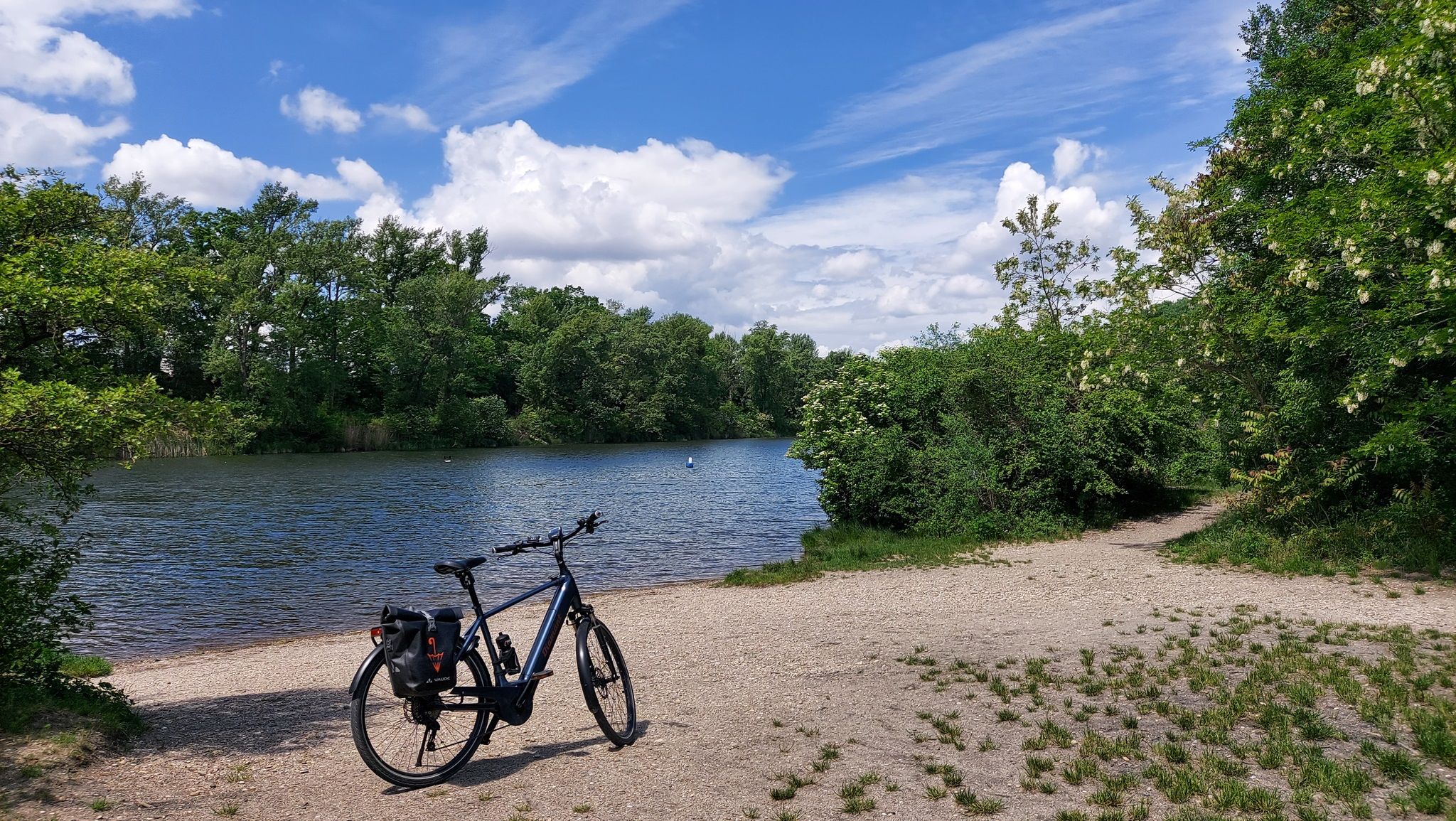
The most beautiful bathing spots around Vienna
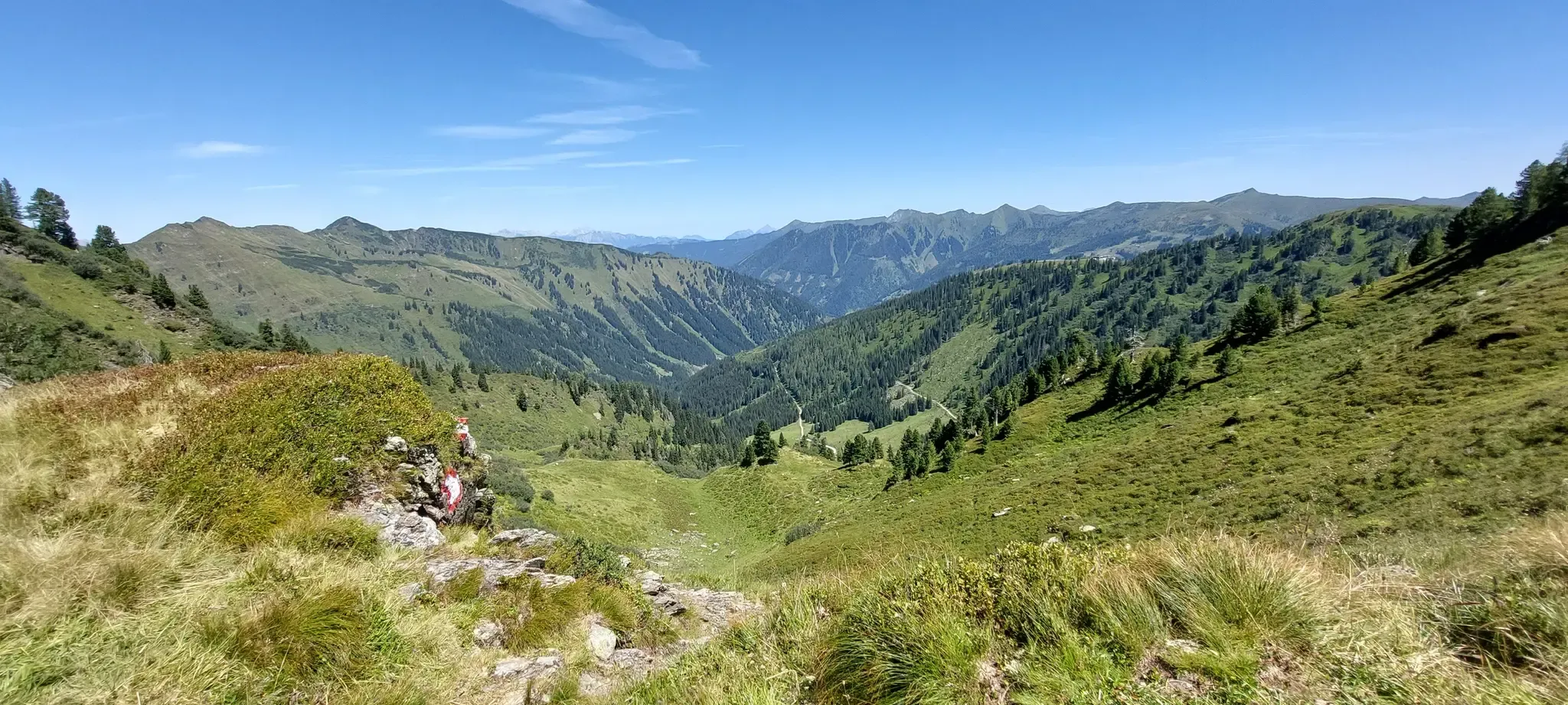
Central Alps Trail Eastern Section – Discover Austria
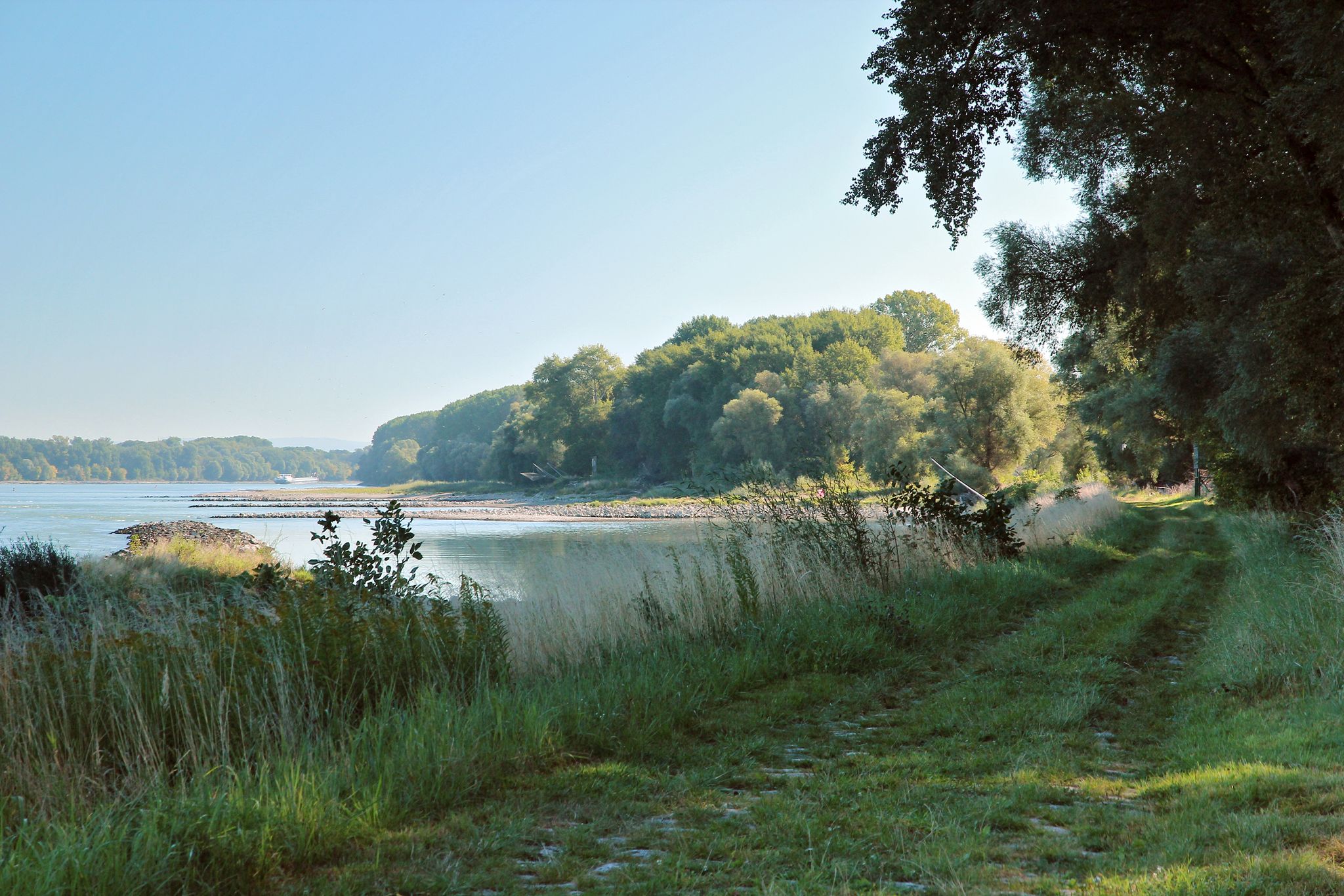
From Vienna to the state border at Hainburg - Tours in the National Park Donau-Auen
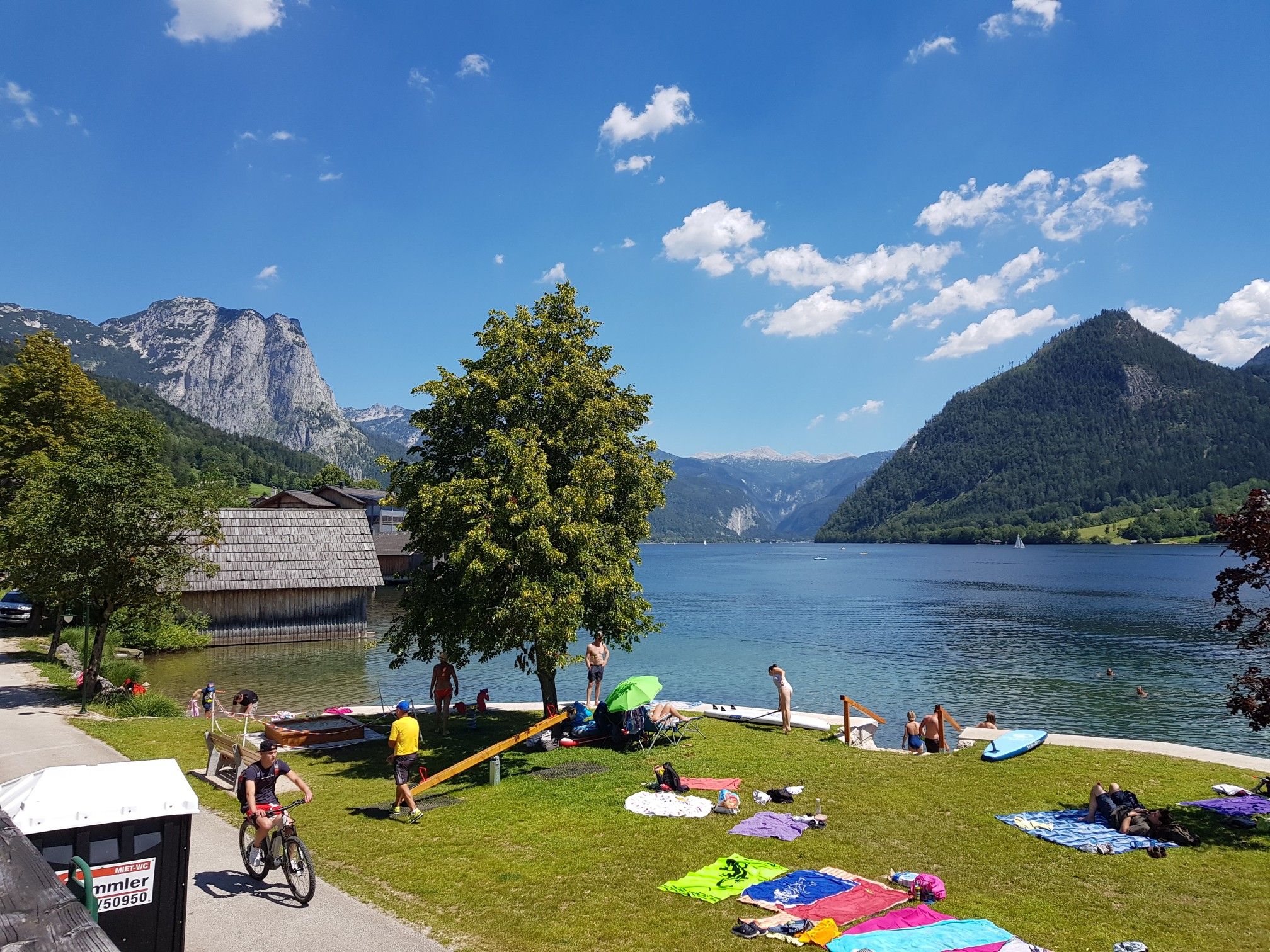
Austria's sensational swimming lakes
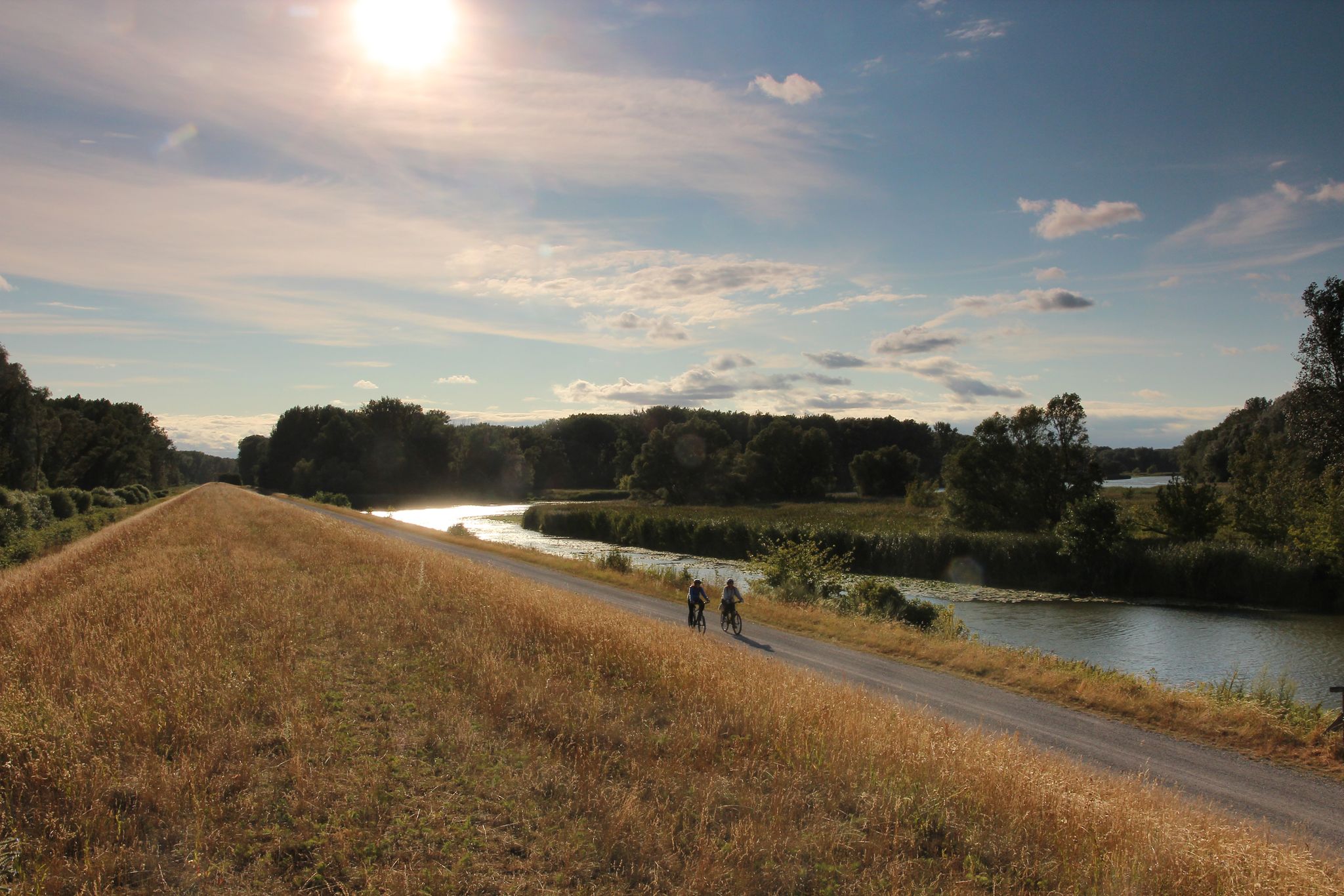
Radrouten im Nationalpark Donau-Auen
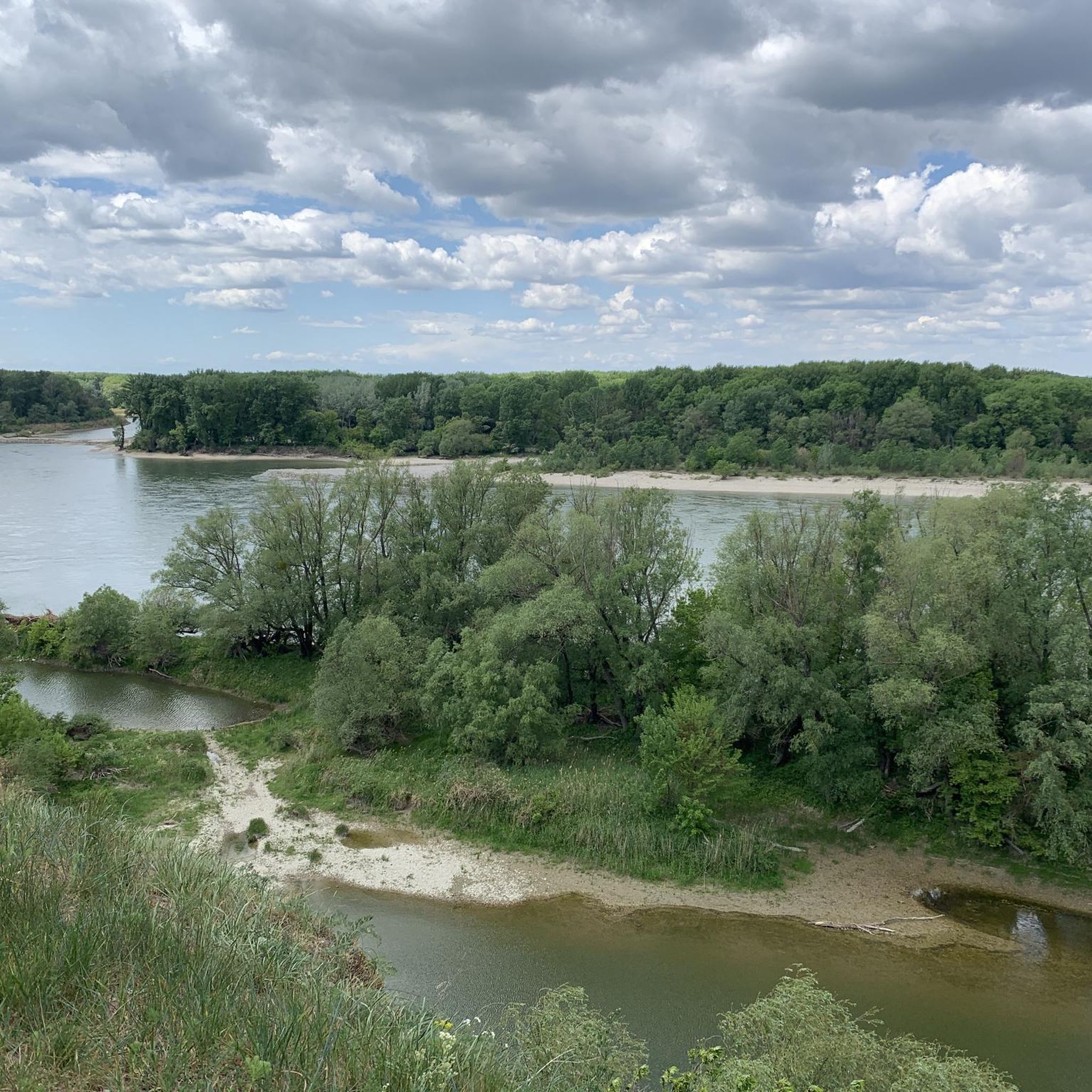
Hiking in Donau-Auen National Park
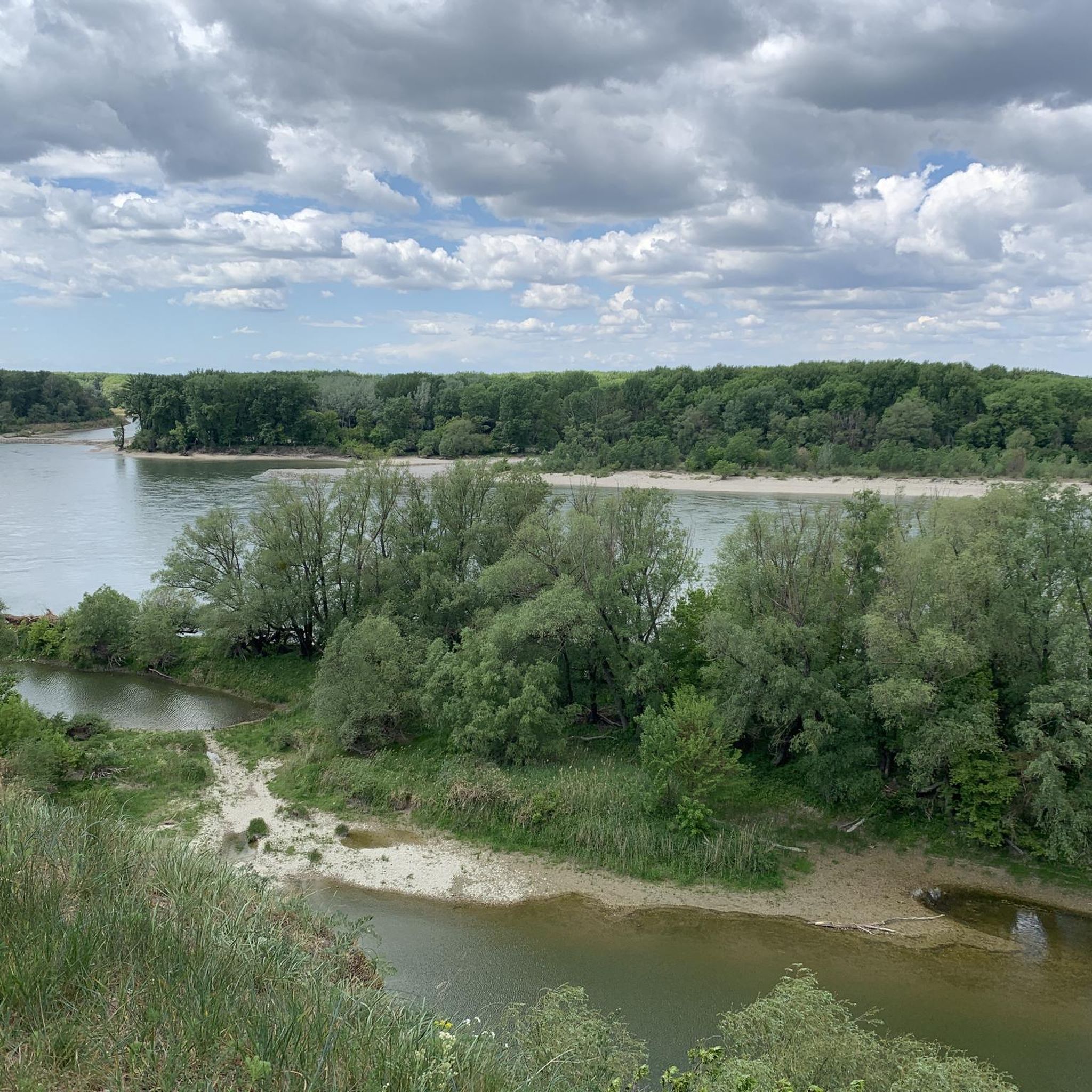
Road Cycling Routes in Donau-Auen National Park
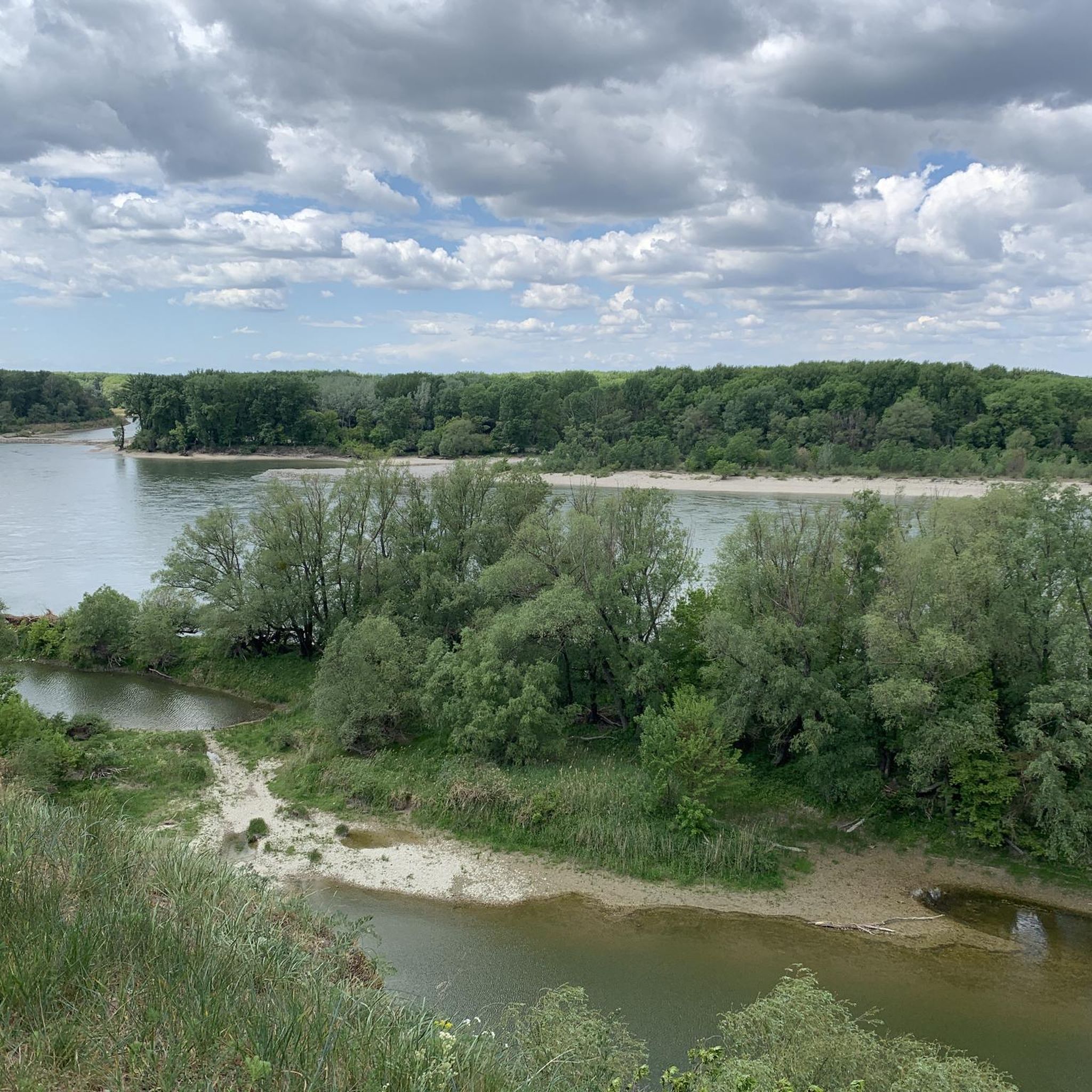
MTB Trails in Donau-Auen National Park
Running Trails in Donau-Auen National Park

Gravel biking in Donau-Auen National Park
Other adventures in Donau-Auen National Park


Tips from the Community

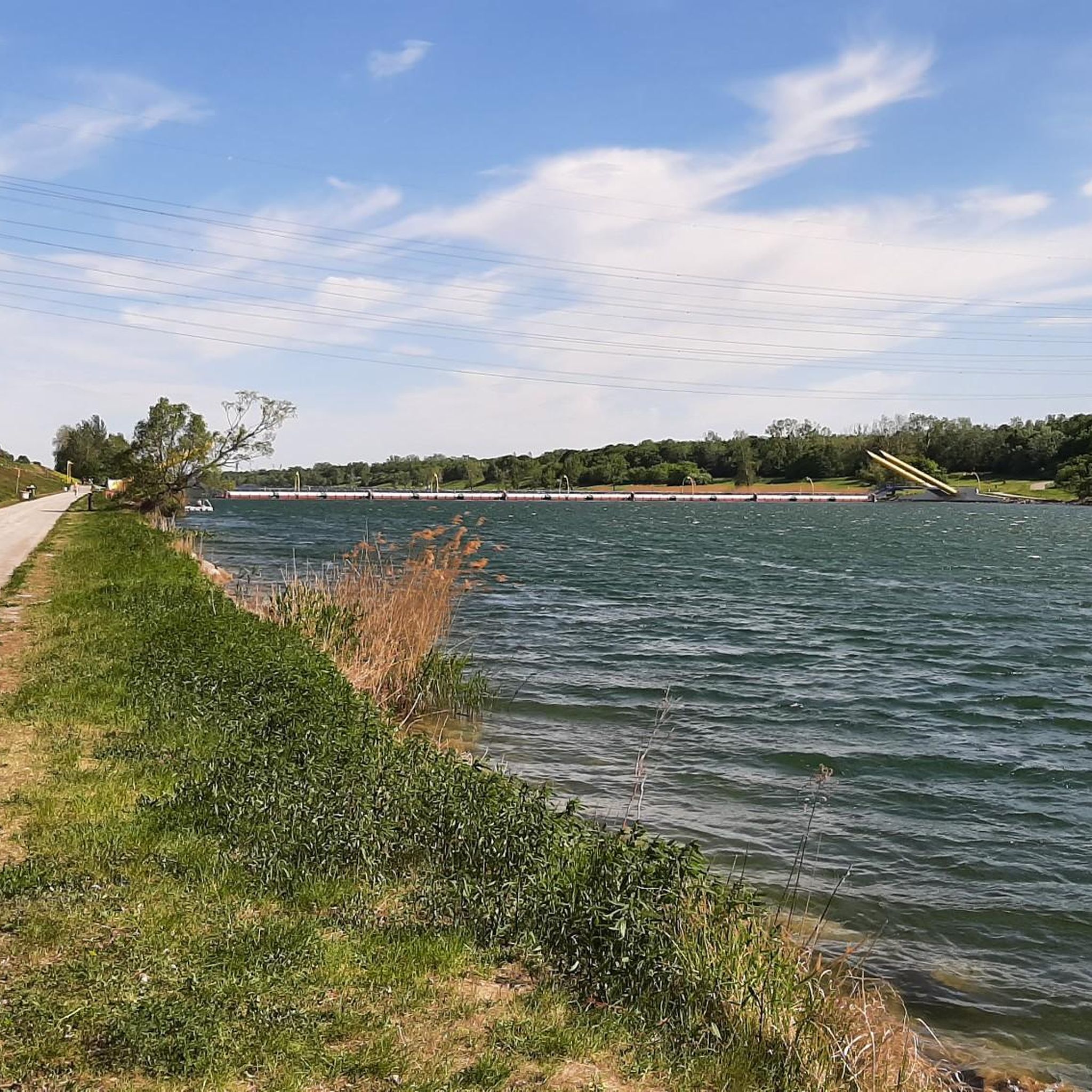
The weir 2 is a weir structure in the New Danube in the south of Vienna. It provides a connection to the Danube Island for pedestrians and cyclists. It was completed in 1988. Like the other two weir structures of the New Danube, weir 2 serves to regulate the water level of the New Danube. It consists of five weir fields with a clear width of 30.6 meters. It is a rigid system, meaning it is normally not moved, unlike the weirs at power plants. The weir closures are hydraulically operated pressure segments with a fixed overflow hood. At weir 2, two of the closures also have an additional stop log. Since it can also happen at this weir that the water flows through in the opposite direction, the segments are also designed for tensile stress. As the first test drillings for this structure revealed that the marl only occurs at a depth of 40 meters and is overlaid by very permeable sands, the site had to be relocated 470 meters from the planned location first. A necessary remediation of contaminated sites in the Lobau then forced a further shift of 50 meters.
1
0
A great recreational area for all Viennese and nature lovers, where different nature observations are possible in every season.
0
0
Since the end of July (!) only a narrow trickle... even though the water stretch, which extends from the Alte Donau through Stadlau, through the Mühlwasser over Aspern, over the Esslinger Furt and the Groß-Enzersdorfer arm down to the natural 2nd basin of the Danube-Oder Canal, is officially and actually supplied with water from Vienna. However, according to the method "Too much to die, too little to live."
1
0

Beautiful church in pastel blue, located in the middle of a residential area. Unfortunately, its doors are not open to everyone, and you can only get a glimpse inside through a grate.
4
0
The lighthouse was part of the iconic backdrop of the Bregenz Festival stage in the 1989 and 1990 seasons. It was part of the set design for Richard Wagner's 'The Flying Dutchman', directed by David Pountney. During the opera performances, Senta, a character in the opera, threw herself from the lighthouse into Lake Constance.
2
0

Origin and trial of the Green Movement!
0
0

The Donauuferweg in Hainburg an der Donau is much more than just a simple walking path – it is the link between the city's medieval history and the pristine nature of the Donau-Auen National Park.
0
0
The Danube near Hainburg an der Donau (Lower Austria) is one of the most fascinating and ecologically valuable sections of the entire river course. It marks the transition from the foothills of the Alps to the Pannonian Plain.
0
0
Frequently Asked Questions
How many touring cycling routes are available in Donau-Auen National Park?
Donau-Auen National Park offers a wide selection of touring cycling routes, with over 800 options available. These routes cater to various skill levels, including nearly 500 easy routes, over 200 moderate routes, and more than 100 difficult routes.
Are there easy touring cycling routes suitable for beginners or families in Donau-Auen National Park?
Yes, the park is known for its flat to gently undulating terrain, making it ideal for beginners and families. Many routes follow the Danube River and its floodplains, offering easy cycling. An excellent option is the Lobau National Park House – Groß-Enzersdorfer Arm loop from Prater, which is 12.3 miles (19.7 km) long and leads through wetlands and forests.
What kind of terrain can I expect on the touring cycling routes in Donau-Auen National Park?
The terrain in Donau-Auen National Park is primarily flat to gently undulating, characterized by riverine forests, wetlands, and open meadows. Routes largely follow the Danube River and its extensive floodplains, providing a smooth cycling experience with minimal elevation changes.
Are there circular touring cycling routes in Donau-Auen National Park?
Yes, many routes in the park are designed as loops, allowing you to start and end at the same point. For example, the Danube Riverside Path, Hainburg – Heidentor, Carnuntum loop from Hainburg an der Donau Ungartor is a popular 31.2-mile (50.2 km) circular route offering scenic river views.
What are some notable natural attractions or landmarks to see along the routes?
The park is rich in natural beauty and historical sites. Along your ride, you can explore various lakes and natural monuments. Highlights include the Old Danube Oxbow at Schönau, the Orther Islands, and the Panozzalacke. You might also encounter the Napoleon's Headquarters Memorial.
Can I bring my dog on the cycling routes in Donau-Auen National Park?
While the National Park is a protected area, dogs are generally permitted on designated paths and trails, provided they are kept on a leash. Always check local regulations and signage for specific restrictions in certain zones to ensure a pleasant experience for everyone and to protect wildlife.
What is the best time of year for touring cycling in Donau-Auen National Park?
The best time for touring cycling in Donau-Auen National Park is typically from spring to autumn (April to October). During these months, the weather is generally mild, and the natural landscape is vibrant. Spring offers blooming flora, while autumn provides beautiful fall colors. Summer can be warm but is also popular.
How long do touring cycling routes typically take in the park?
Route durations vary significantly based on distance and your cycling pace. Shorter, easy routes like the Lobau National Park House – Groß-Enzersdorfer Arm loop (12.3 miles / 19.7 km) can be completed in about 1 hour 18 minutes. Longer routes, such as the Ferry to Haslau – Hainburg Danube Bridge loop (27.5 miles / 44.3 km), might take around 3 hours.
Are there options for public transport to access the cycling trails?
Yes, Donau-Auen National Park is accessible by public transport, particularly from Vienna. Regional trains and buses serve towns and villages bordering the park, such as Hainburg an der Donau, which is a common starting point for many routes. Check local transport schedules for the most convenient access points.
Where can I park my car when visiting Donau-Auen National Park for cycling?
Parking facilities are available in many of the towns and villages adjacent to the National Park, such as Hainburg an der Donau or Orth an der Donau. These locations often serve as convenient starting points for cycling routes and provide designated parking areas for visitors.
What do other touring cyclists enjoy the most about touring cycling in Donau-Auen National Park?
The area is highly rated by the komoot community, with an average score of 4.5 stars from over 7,700 reviews. Reviewers often praise the serene riverine landscapes, the well-maintained paths along the Danube, and the opportunity to experience diverse wildlife and natural habitats in a peaceful setting.
Are there any routes that cross into neighboring regions or countries?
Yes, some routes in Donau-Auen National Park offer connections to neighboring areas. For instance, the Bratislava Castle – Danube Riverside Path, Hainburg loop from Hainburg an der Donau Personenbf is a 35.9-mile (57.8 km) route that extends towards Bratislava, allowing for an international cycling experience.
Can I find cafes or refreshment stops along the cycling routes?
While the National Park itself is a protected natural area, you will find cafes, restaurants, and traditional Austrian Gasthäuser in the towns and villages bordering the park, such as Hainburg an der Donau, Orth an der Donau, and other settlements along the Danube. These are excellent spots for a break and refreshments.
Most popular routes in Donau-Auen National Park
Most popular attractions in Donau-Auen National Park

Get inspired with the komoot mobile app


Explore more
Browse the best Cycling routes in other regions.
