The best traffic-free bike rides in Donau-Auen National Park
4.5
(8973)
62,087
riders
297
rides
No traffic touring cycling routes in Donau-Auen National Park traverse one of Central Europe's last large, untouched floodplain landscapes. The region is characterized by the free-flowing Danube River, extensive floodplain forests, wetlands, and meadows. Paths are predominantly flat and well-maintained, offering accessible cycling through diverse ecosystems. This environment supports a rich array of flora and fauna, making it suitable for immersive nature experiences.
Best no traffic touring cycling routes in Donau-Auen National Park
- The most popular no traffic touring cycling…
Last updated: October 3, 2026
4.5
(76)
296
riders
Moderate bike ride. Good fitness required. Mostly paved surfaces. Suitable for all skill levels.
4.6
(71)
374
riders
Easy bike ride. Great for any fitness level. Mostly paved surfaces. Suitable for all skill levels.

4.6
(23)
102
riders
Easy bike ride. Great for any fitness level. Mostly paved surfaces. Suitable for all skill levels.
4.0
(5)
49
riders
8.97km
00:37
10m
10m
Easy bike ride. Great for any fitness level. Mostly paved surfaces. Suitable for all skill levels.
41
riders
Easy bike ride. Great for any fitness level. Mostly paved surfaces. Suitable for all skill levels.
Get access to more routes and recommendations from other explorers.
Already have an account?
Our route recommendations are based on thousands of hikes, rides, and runs completed by other people on komoot.
Start today with a free account
Your next adventure awaits.
Popular around Donau-Auen National Park
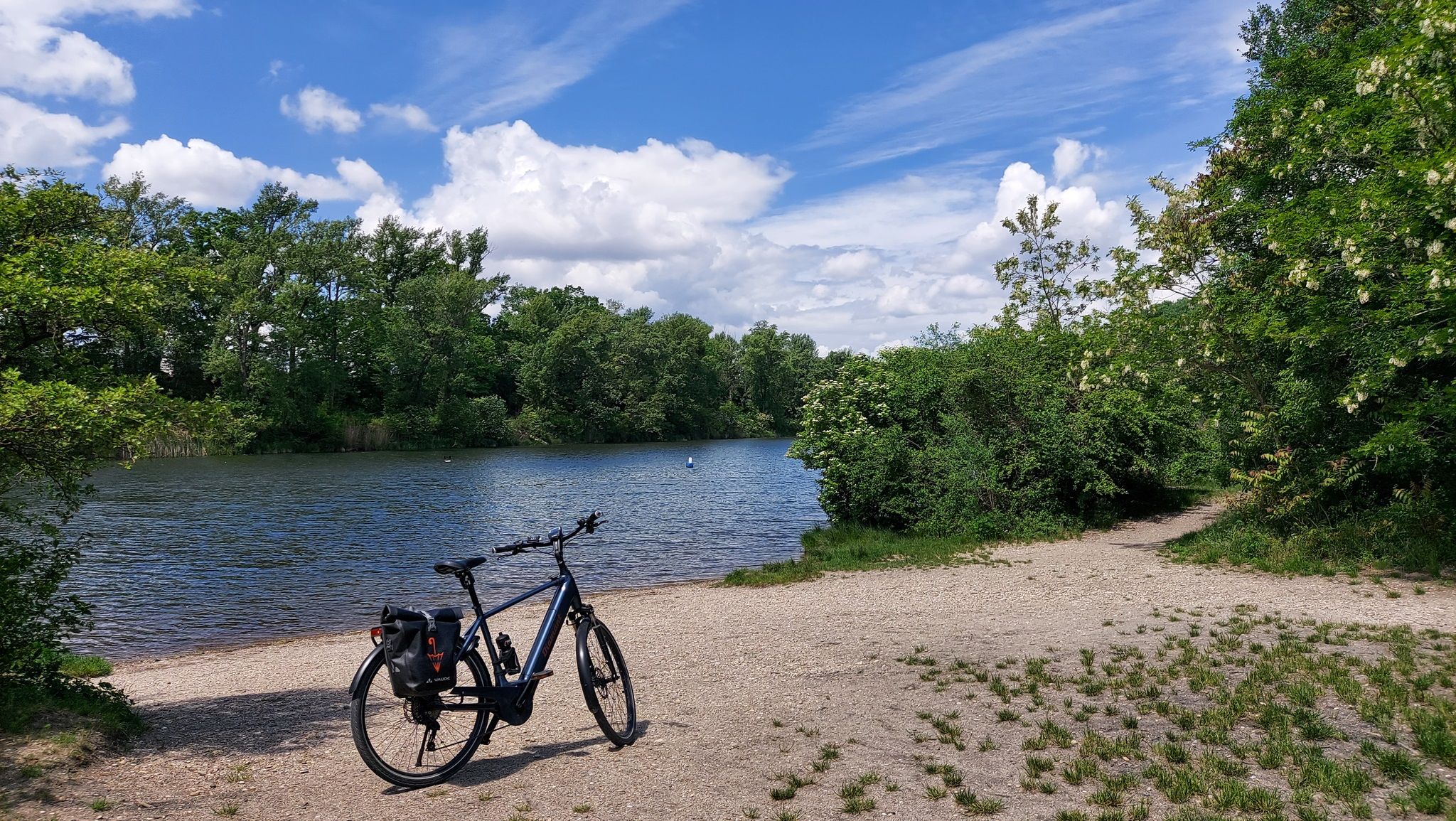
The most beautiful bathing spots around Vienna
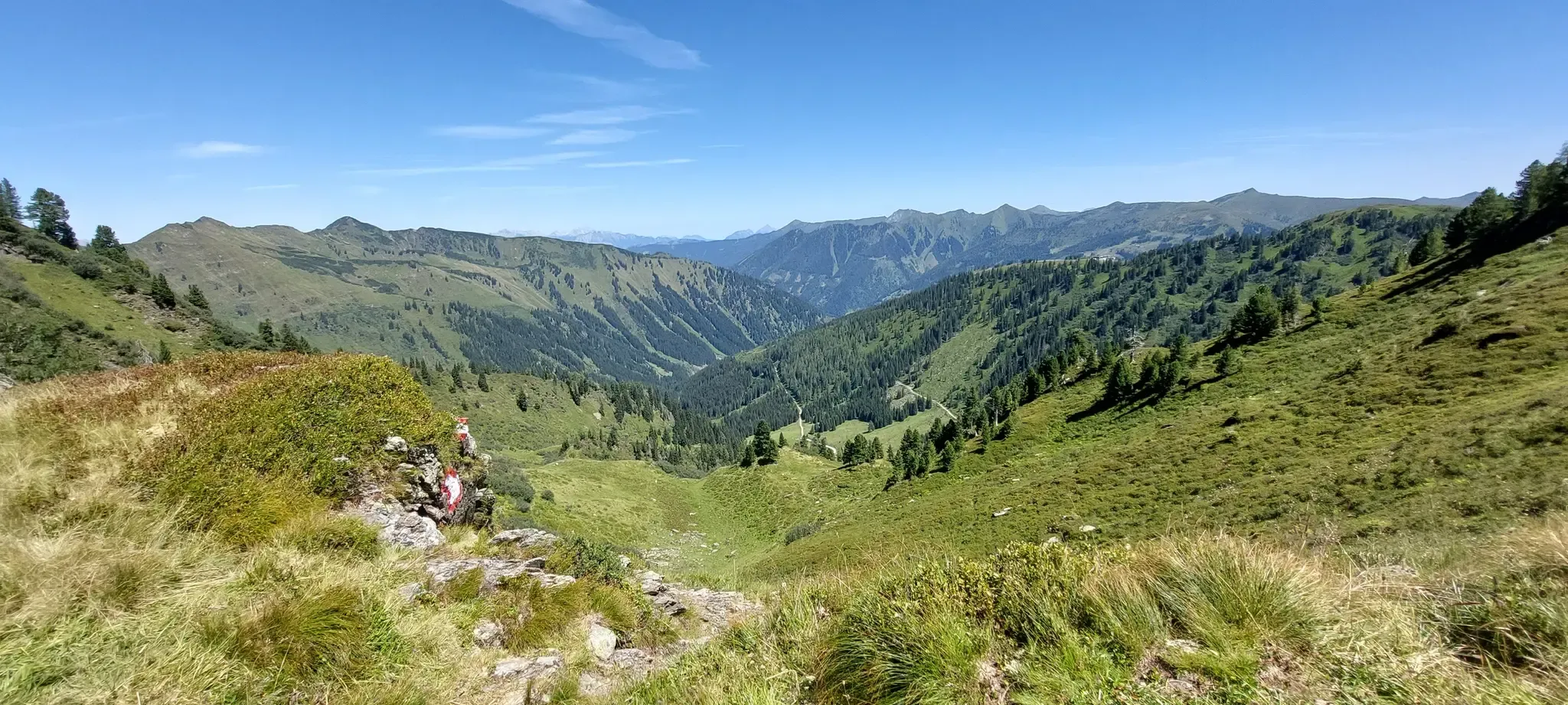
Central Alps Trail Eastern Section – Discover Austria
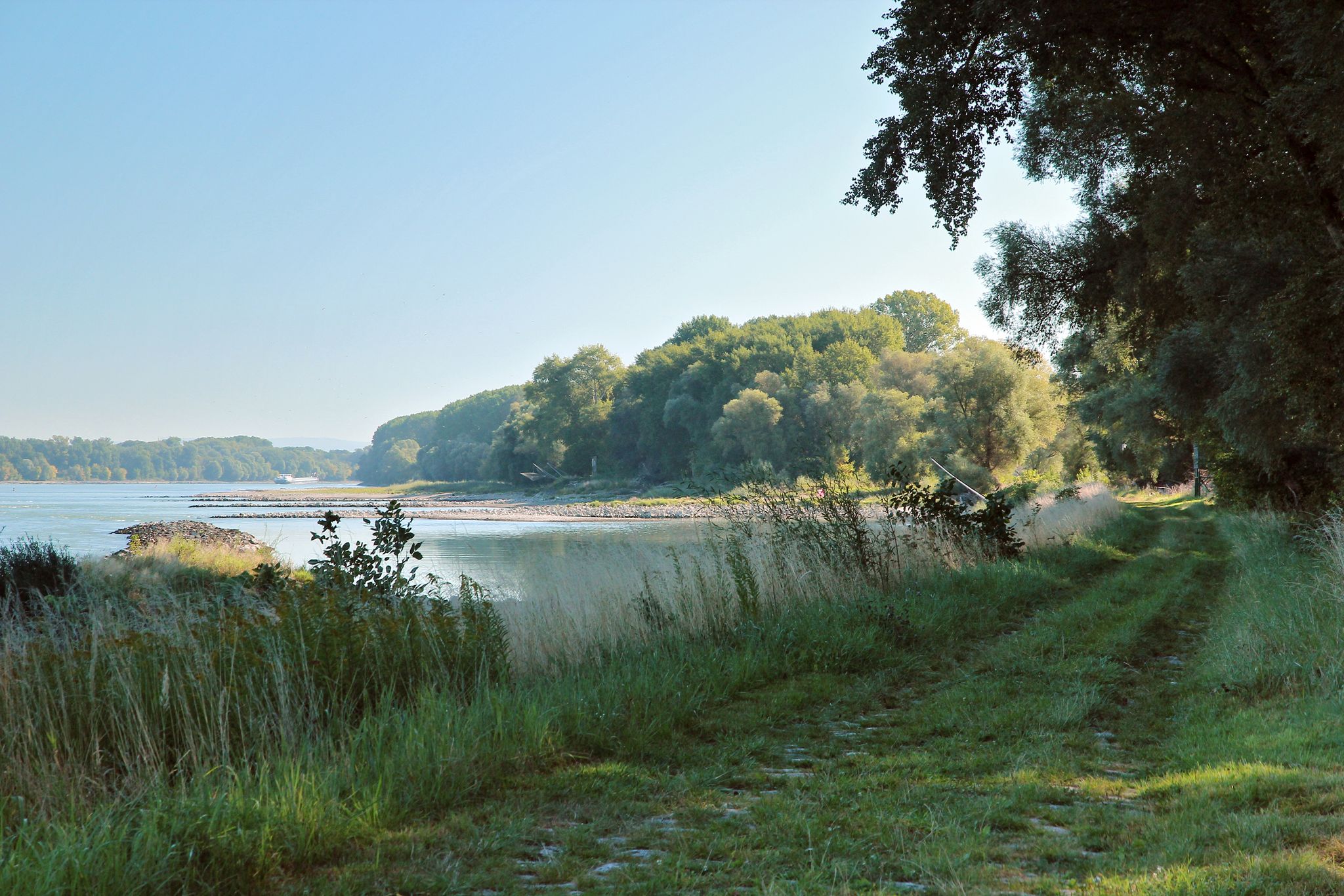
From Vienna to the state border at Hainburg - Tours in the National Park Donau-Auen
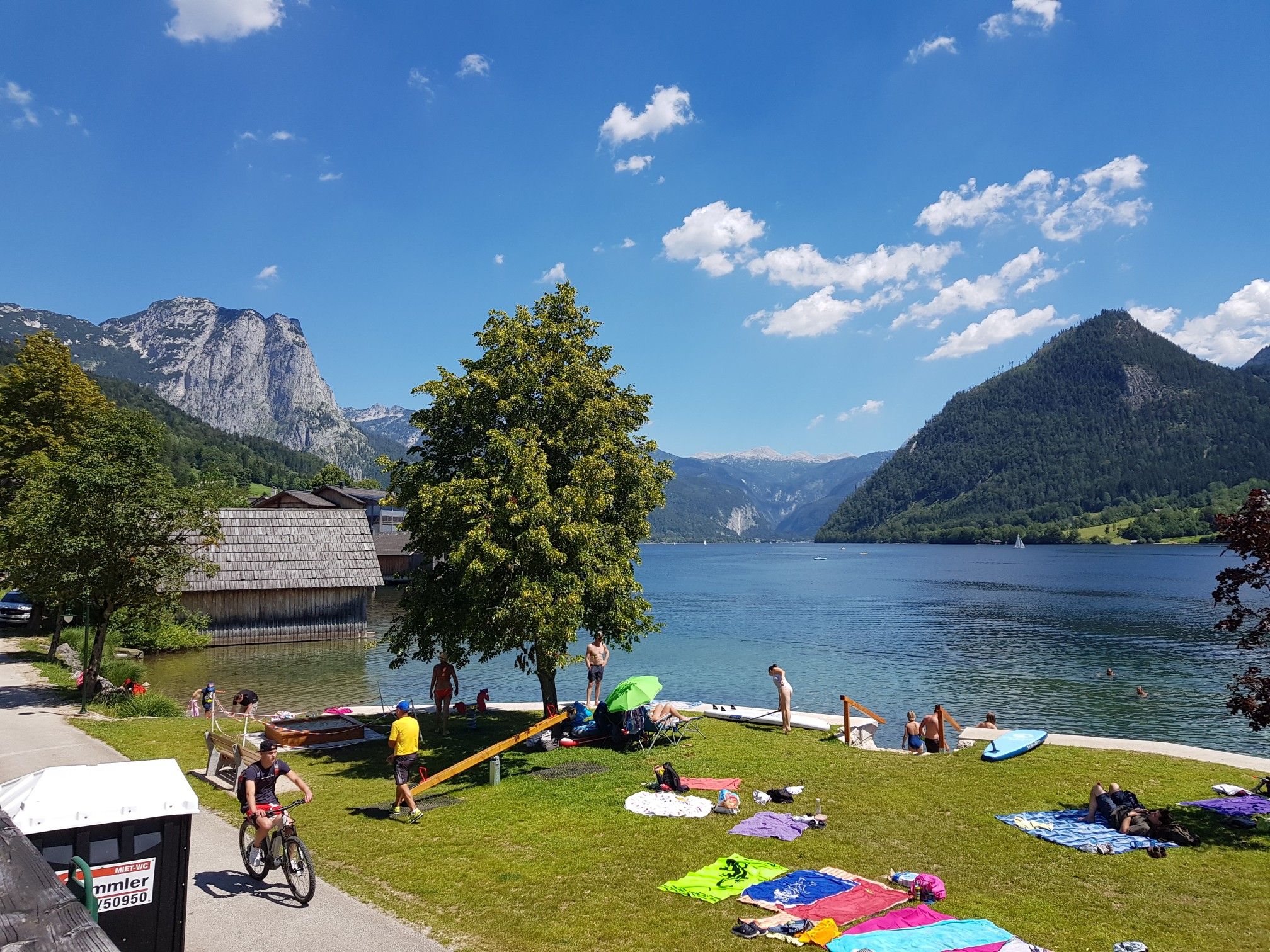
Austria's sensational swimming lakes
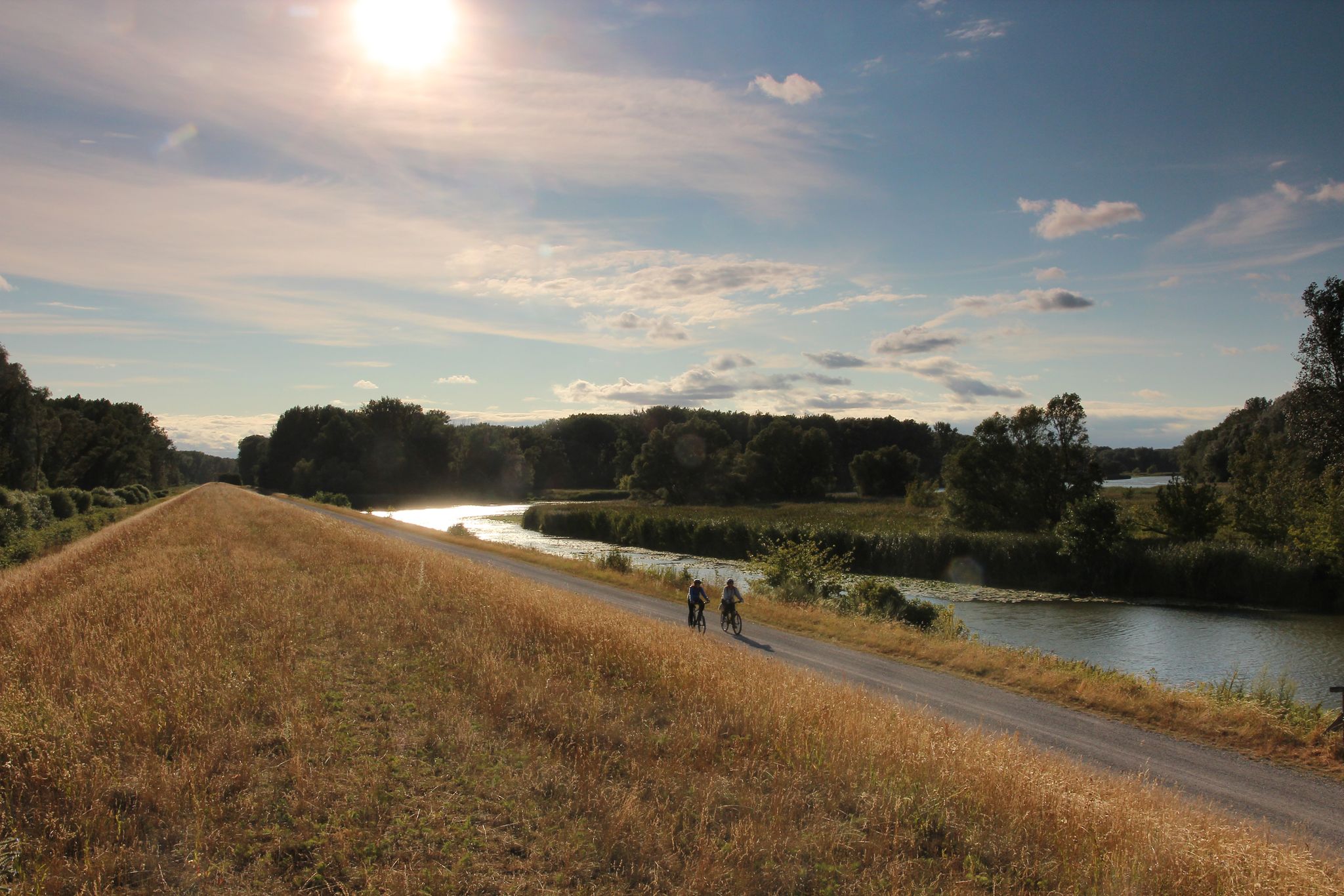
Radrouten im Nationalpark Donau-Auen
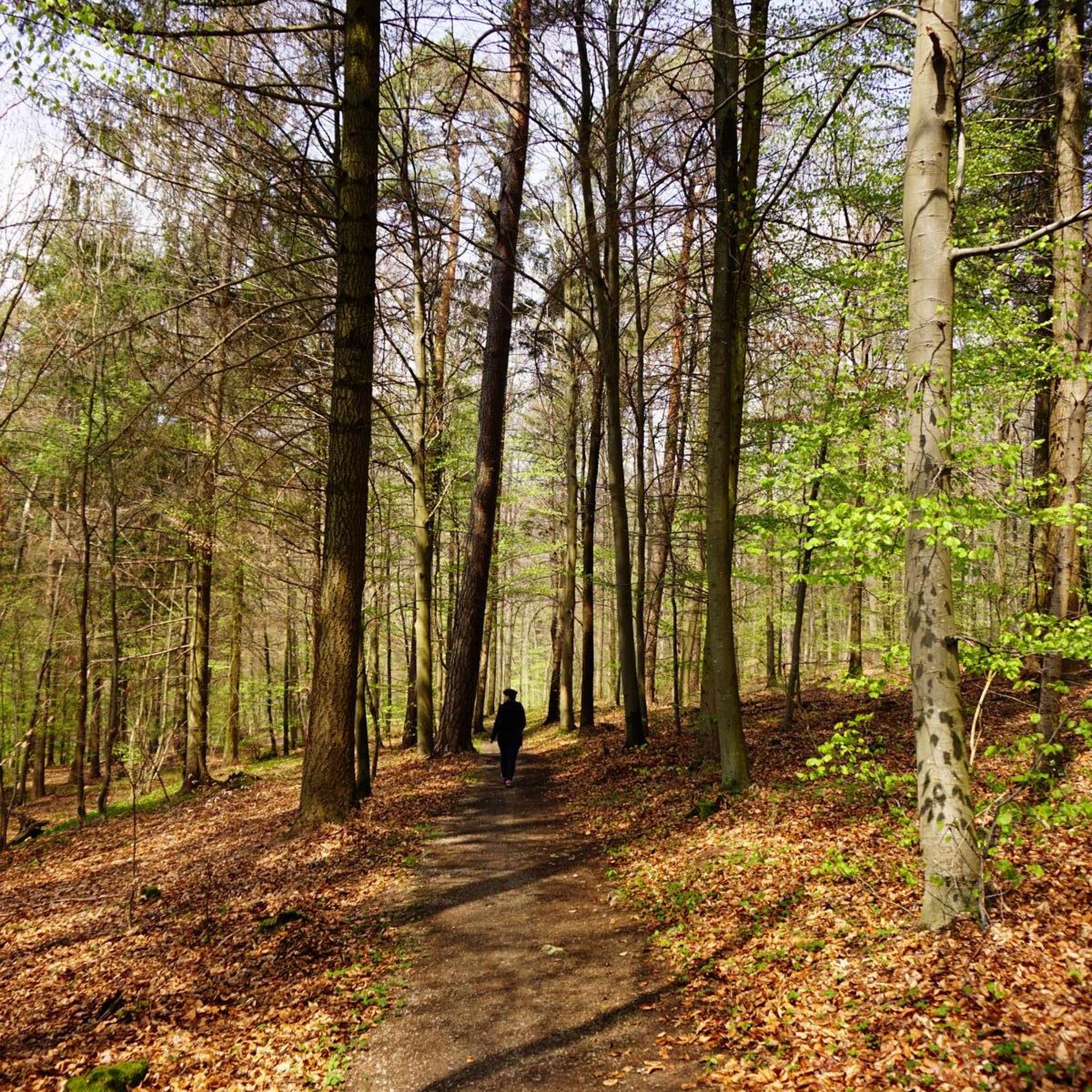
Traffic-free bike rides in Donau-Auen National Park

Traffic-free bike rides in Donau-Auen National Park
Other adventures in Donau-Auen National Park


Tips from the Community

The Basilica of the Assumption of Mary is one of the most significant Romanesque church buildings in Lower Austria and sits prominently on a hill above Bad Deutsch-Altenburg, visible from afar. Its origins date back to the 12th century, and the church has been expanded and redesigned several times over the centuries. Particularly impressive are the Romanesque and Gothic architectural elements, as well as its elevated location with beautiful views of the Danube and the surrounding landscape. Together with the adjacent cemetery, the church forms an impressive historical ensemble and is one of the most beautiful sights in the area.
2
0

Check if the ferry is running: www.faerhre-orth.at
0
0

The weir 2 is a weir structure in the New Danube in the south of Vienna. It provides a connection to the Danube Island for pedestrians and cyclists. It was completed in 1988. Like the other two weir structures of the New Danube, weir 2 serves to regulate the water level of the New Danube. It consists of five weir fields with a clear width of 30.6 meters. It is a rigid system, meaning it is normally not moved, unlike the weirs at power plants. The weir closures are hydraulically operated pressure segments with a fixed overflow hood. At weir 2, two of the closures also have an additional stop log. Since it can also happen at this weir that the water flows through in the opposite direction, the segments are also designed for tensile stress. As the first test drillings for this structure revealed that the marl only occurs at a depth of 40 meters and is overlaid by very permeable sands, the site had to be relocated 470 meters from the planned location first. A necessary remediation of contaminated sites in the Lobau then forced a further shift of 50 meters.
1
0
A great recreational area for all Viennese and nature lovers, where different nature observations are possible in every season.
0
0
Since the end of July (!) only a narrow trickle... even though the water stretch, which extends from the Alte Donau through Stadlau, through the Mühlwasser over Aspern, over the Esslinger Furt and the Groß-Enzersdorfer arm down to the natural 2nd basin of the Danube-Oder Canal, is officially and actually supplied with water from Vienna. However, according to the method "Too much to die, too little to live."
1
0
The lighthouse was part of the iconic backdrop of the Bregenz Festival stage in the 1989 and 1990 seasons. It was part of the set design for Richard Wagner's 'The Flying Dutchman', directed by David Pountney. During the opera performances, Senta, a character in the opera, threw herself from the lighthouse into Lake Constance.
2
0

Origin and trial of the Green Movement!
0
0

Komoot seems to have incorrect routing here, The landing spot is located (as of May 2026) approx. 300-500m upstream and is signposted directly on the towpath.
0
0
Frequently Asked Questions
How many no-traffic touring cycling routes are available in Donau-Auen National Park?
Donau-Auen National Park offers over 300 dedicated no-traffic touring cycling routes. These routes cater to various skill levels, with approximately 187 easy, 79 moderate, and 42 difficult options.
What kind of landscapes can I expect on these no-traffic cycling routes?
The no-traffic routes in Donau-Auen National Park wind through diverse and dynamic floodplain landscapes. You'll experience shady passages through lush riparian forests, scenic stretches directly along the Danube River, tranquil paths near side channels like the Stopfenreuther Arm, and open meadows. The park is one of Central Europe's last large, untouched floodplain areas.
Are there any easy, family-friendly no-traffic touring routes?
Yes, there are many easy, family-friendly options. For instance, the Lobau National Park House – Groß-Enzersdorfer Arm loop from Prater is an easy 19.7 km route. Another gentle option is the Lobau Deer Enclosure – Groß-Enzersdorfer Arm loop from Essling, which is about 9 km long and perfect for a relaxed outing.
What historical or natural attractions can I see along the no-traffic cycling routes?
Many routes pass by significant natural and historical points of interest. You can cycle past the Josefsteg Bridge, explore areas near the Roman city of Carnuntum and the imposing Heidentor, or visit the Röthelstein Castle Ruins. The park also features numerous oxbow lakes like Old Danube Oxbow at Schönau and Panozzalacke.
Are there any circular no-traffic touring routes?
Yes, many no-traffic routes in Donau-Auen National Park are designed as loops. An example is the moderate Danube Riverside Path, Hainburg – Heidentor, Carnuntum loop from Hainburg an der Donau Ungartor, covering about 50 km. Another option is the Lobau National Park House – Josefsteg Bridge loop from Prater, an easy 13.5 km loop.
What is the best time of year for no-traffic touring cycling in Donau-Auen National Park?
The best time for touring cycling is generally from spring to autumn (April to October). During these months, the weather is pleasant, and the floodplain forests are lush. Spring offers vibrant flora and active wildlife, while autumn provides beautiful foliage. Always check local weather forecasts, as the dynamic river environment can lead to changing conditions.
What wildlife might I encounter on the no-traffic routes?
Donau-Auen National Park is a biodiversity hotspot. On the no-traffic routes, you might spot over 100 bird species, including kingfishers and white-tailed eagles. Beavers are also present, and the park is home to numerous mammal, amphibian, and reptile species. Cycling quietly increases your chances of observing wildlife in their natural habitat.
How do other touring cyclists rate the no-traffic routes in Donau-Auen National Park?
The no-traffic touring cycling routes in Donau-Auen National Park are highly rated by the komoot community, with an average score of 4.5 out of 5 stars from over 7,700 ratings. Reviewers often praise the well-maintained, flat paths, the immersive natural experience, and the peaceful, car-free environment.
Is public transport available to access the no-traffic cycling routes?
Yes, Donau-Auen National Park is easily accessible from Vienna by public transport. Various starting points, such as the Lobau National Park House, can be reached, making it convenient to begin your no-traffic cycling adventure without needing a car.
Are there any cafes or places to eat near the no-traffic bike trails?
Yes, you can find places to eat and rest near some of the no-traffic routes. For example, the Lobau Riverside House is a popular spot. Many towns and villages bordering the national park also offer cafes and restaurants where you can refuel during your tour.
What are some advanced no-traffic touring routes for experienced cyclists?
For more experienced cyclists seeking a challenge, routes like the Ferry to Haslau – Hainburg Danube Bridge loop from Haslau an der Donau offer a more difficult experience. This route covers approximately 44 km with some elevation changes, providing a rewarding ride through the park's diverse terrain.
Most popular routes in Donau-Auen National Park
Most popular attractions in Donau-Auen National Park

Get inspired with the komoot mobile app


Explore more
Browse the best Cycling routes in other regions.
